

Introduction: Navigating the Global Market for PCR Cream Jar Recycleable Cosmetic Packaging Sustainable Cosmetic Jar
In today’s competitive landscape, B2B buyers face the pressing challenge of sourcing sustainable packaging solutions, particularly when it comes to PCR cream jars made from recyclable materials. The demand for eco-friendly cosmetic packaging has surged, driven by consumer awareness and regulatory pressures across markets in Africa, South America, the Middle East, and Europe. This comprehensive guide delves into the intricacies of PCR cream jar recyclable cosmetic packaging, offering insights on types, applications, supplier vetting, and cost considerations.
With sustainability becoming a cornerstone of brand identity, understanding the various options available is crucial for informed purchasing decisions. This guide empowers international buyers by providing detailed analyses of current market trends, material specifications, and the environmental impact of different packaging solutions. By exploring innovative designs and sustainable practices, buyers will be equipped to select packaging that not only meets functional requirements but also aligns with their brand values and consumer expectations.
As you navigate the global market for PCR cream jars, this resource serves as your strategic partner, helping you identify reliable suppliers and make choices that enhance both your product offerings and your commitment to sustainability. Prepare to transform your packaging strategy and position your brand at the forefront of the eco-conscious movement.
Understanding PCR Cream Jar Recycleable Cosmetic Packaging Sustainable Cosmetic Jar Types and Variations
| اسم النوع | السمات المميزة الرئيسية | تطبيقات B2B الأولية | موجز الإيجابيات والسلبيات للمشترين |
|---|---|---|---|
| PCR Plastic Cream Jar | Made from post-consumer recycled plastics; customizable sizes and colors | Skincare, cosmetics, personal care | الإيجابيات: Eco-friendly, customizable; السلبيات: May have limited availability in certain regions. |
| Glass PCR Cream Jar | Combines recycled glass with PCR materials; premium look and feel | High-end skincare, luxury cosmetics | الإيجابيات: Aesthetic appeal, recyclable; السلبيات: Heavier and more fragile than plastic options. |
| Biodegradable PCR Jar | Made from biodegradable materials blended with PCR; compostable | مستحضرات العناية بالبشرة العضوية والعلامات التجارية الصديقة للبيئة | الإيجابيات: Environmentally friendly, aligns with green branding; السلبيات: May have shorter shelf life. |
| Airless PCR Cream Jar | Features an airless pump mechanism; minimizes product contamination | High-end creams, serums | الإيجابيات: Preserves product integrity, reduces waste; السلبيات: Higher manufacturing costs. |
| Refillable PCR Jar | Designed for multiple uses; can be refilled with new products | Sustainable brands, refillable systems | الإيجابيات: Reduces waste, promotes sustainability; السلبيات: Requires consumer education for proper use. |
What Are the Key Characteristics of PCR Plastic Cream Jars?
PCR Plastic Cream Jars are primarily made from post-consumer recycled plastics, making them an eco-conscious choice for brands aiming to reduce their environmental footprint. These jars are highly customizable, available in various sizes, colors, and designs to align with brand aesthetics. Their lightweight nature and durability make them suitable for a wide range of applications in skincare and cosmetics. B2B buyers should consider the supply chain and availability of these jars, especially in regions with limited recycling infrastructure.
Why Choose Glass PCR Cream Jars for Premium Products?
Glass PCR Cream Jars combine the sustainability of recycled glass with the aesthetic appeal that high-end brands seek. They are perfect for luxury skincare and cosmetic lines, providing a premium look while remaining recyclable. The heavier weight and fragility compared to plastic may pose challenges in shipping and handling, but the benefits of brand perception and consumer appeal often outweigh these downsides. Buyers should assess their target market’s preferences and the potential impact on logistics.
How Do Biodegradable PCR Jars Align with Eco-Conscious Brands?
Biodegradable PCR Jars are designed for brands focused on sustainability. These jars incorporate biodegradable materials alongside recycled content, allowing for compostability. They are particularly suitable for organic skincare lines and brands that prioritize environmental responsibility. However, buyers must be aware of potential limitations in shelf life compared to traditional packaging. The marketing angle of using biodegradable materials can enhance brand loyalty among eco-conscious consumers.
What Are the Advantages of Airless PCR Cream Jars?
Airless PCR Cream Jars feature a unique pump mechanism that prevents air exposure, thus minimizing contamination and preserving product integrity. They are ideal for high-end creams and serums where maintaining product quality is crucial. While the benefits of reduced waste and enhanced product lifespan are significant, the manufacturing costs may be higher than traditional jars. B2B buyers should evaluate the trade-off between cost and quality assurance for premium products.
Why Are Refillable PCR Jars Important for Sustainable Practices?
Refillable PCR Jars promote a circular economy by allowing consumers to refill and reuse packaging, significantly reducing waste. They are an excellent choice for brands that advocate sustainability and aim to engage consumers in eco-friendly practices. However, educating consumers on proper use is essential to maximize the benefits of this packaging type. Buyers should consider the long-term brand loyalty and environmental impact when investing in refillable solutions.
Key Industrial Applications of PCR Cream Jar Recycleable Cosmetic Packaging Sustainable Cosmetic Jar
| الصناعة/القطاع | Specific Application of PCR Cream Jar Recycleable Cosmetic Packaging Sustainable Cosmetic Jar | القيمة/الفائدة للأعمال التجارية | اعتبارات التوريد الرئيسية لهذا التطبيق |
|---|---|---|---|
| مستحضرات التجميل والعناية بالبشرة | Packaging for creams, lotions, and serums designed with sustainability in mind. | Enhances brand image through eco-friendly practices. | Customization options, minimum order quantities, and certifications for sustainability. |
| منتجات العناية الشخصية | Jars for body butters, scrubs, and other personal care formulations. | Reduces environmental impact while appealing to eco-conscious consumers. | Sourcing from manufacturers with proven recycling processes and quality control measures. |
| المستحضرات الصيدلانية | Containers for topical creams and ointments requiring stringent safety standards. | Ensures compliance with health regulations while promoting sustainability. | Regulatory compliance, material safety certifications, and availability of various sizes. |
| المأكولات والمشروبات | Packaging for cosmetic food products, like edible beauty creams or supplements. | Meets dual market demand for beauty and health, appealing to niche markets. | Food-grade certifications and compatibility with food safety regulations. |
| Home Care Products | Packaging for cleaning creams and lotions that emphasize eco-friendliness. | Aligns with consumer trends towards green cleaning solutions. | Durability, compatibility with various formulations, and recycling capabilities. |
How Can the Cosmetics & Skincare Industry Benefit from PCR Cream Jar Packaging?
In the cosmetics and skincare sector, PCR cream jars are utilized for packaging a variety of products, including moisturizers, serums, and face masks. These jars not only protect the integrity of the formulations but also resonate with consumers’ increasing demand for sustainable products. By opting for PCR packaging, brands can significantly enhance their market position, particularly in regions like Europe, where environmental consciousness is high. Buyers should consider customization options and minimum order quantities to ensure that the packaging aligns with their brand identity.
What Role Does PCR Cream Jar Packaging Play in Personal Care Products?
For personal care products, PCR cream jars serve as ideal packaging solutions for body butters, scrubs, and other formulations that require effective containment. The use of recycled materials helps brands appeal to eco-conscious consumers, ultimately driving sales. In sourcing, businesses should focus on manufacturers that offer robust quality control and have certifications validating their sustainable practices, especially when entering markets in South America and Africa where eco-friendly products are gaining traction.
Why Are PCR Cream Jars Important in the Pharmaceutical Industry?
In the pharmaceutical sector, PCR cream jars are essential for packaging topical creams and ointments. These jars not only meet stringent safety and regulatory standards but also support a brand’s commitment to sustainability. Buyers in this sector must prioritize sourcing from manufacturers that can provide materials with necessary certifications and compliance with health regulations, ensuring that products are both safe and eco-friendly.
How Can Food & Beverage Companies Leverage PCR Cream Jar Packaging?
Food and beverage companies can utilize PCR cream jars for cosmetic food products, such as edible beauty creams and nutritional supplements. This innovative packaging approach caters to the growing market segment interested in health and beauty synergy. When sourcing, companies should ensure that jars meet food-grade certifications, which is crucial for compliance with health and safety regulations, particularly in regions with strict food safety standards.
What Advantages Do Home Care Products Gain from PCR Cream Jar Packaging?
In the home care industry, PCR cream jars are increasingly being used for eco-friendly cleaning products and lotions. These jars not only reduce plastic waste but also align with the rising consumer preference for sustainable cleaning solutions. Businesses should look for durable packaging options that can withstand various formulations and ensure that the sourcing process includes manufacturers committed to recycling capabilities and environmental sustainability.
3 Common User Pain Points for ‘PCR Cream Jar Recycleable Cosmetic Packaging Sustainable Cosmetic Jar’ & Their Solutions
Scenario 1: Difficulty in Ensuring Quality and Compliance of PCR Packaging
المشكلة B2B buyers often struggle with ensuring that the PCR cream jars they source meet both quality standards and regulatory compliance. In regions like Africa and South America, where regulations can vary significantly, buyers may find it challenging to verify that their suppliers are adhering to local and international environmental standards. This uncertainty can lead to product recalls, reputational damage, and financial loss.
الحل: To mitigate this risk, buyers should prioritize sourcing from established manufacturers who provide comprehensive documentation of their PCR materials. Request certifications that demonstrate adherence to industry standards, such as ISO 14001 for environmental management or specific compliance with the European Union’s regulations on recycled materials. Additionally, performing due diligence on the supplier’s track record in quality control and sustainability practices can help ensure they meet your brand’s expectations. Establishing a relationship with suppliers who are transparent about their sourcing and manufacturing processes can also provide peace of mind and foster long-term partnerships.
Scenario 2: Challenges in Customization and Design
المشكلة Many B2B buyers face difficulties when it comes to customizing PCR cream jars to align with their brand identity. Factors such as limited design options, inflexible minimum order quantities, and long lead times can hinder a brand’s ability to launch products that resonate with their target audience. This is particularly critical in competitive markets across Europe and the Middle East, where brand differentiation is essential.
الحل: Engage with manufacturers who specialize in flexible manufacturing solutions and offer a wide range of customization options. When discussing your needs, specify not just the jar’s size and shape but also your desired color, printing, and labeling options. Some manufacturers, like those mentioned in the reference materials, provide tailored solutions that allow for smaller batch sizes without compromising on quality. By leveraging digital prototyping tools, brands can visualize their designs before production, ensuring that the final product aligns perfectly with their branding goals. Establishing a collaborative design process with your supplier can streamline this phase and enhance creativity.
Scenario 3: Navigating Recycling and End-of-Life Solutions
المشكلة A significant concern for B2B buyers is understanding how to effectively communicate the recyclability of their PCR cream jars to consumers. In regions where recycling infrastructure may be underdeveloped, such as parts of Africa and South America, buyers must ensure that their packaging not only meets sustainability claims but also educates consumers about proper disposal methods. Failing to do so can lead to consumer skepticism and undermine the brand’s commitment to sustainability.
الحل: To address this challenge, buyers should work closely with packaging manufacturers to develop clear, consumer-friendly labeling that explains the recycling process for PCR jars. This could include symbols, QR codes linking to educational resources, or simple instructions printed directly on the packaging. Additionally, consider partnering with local recycling initiatives or educational campaigns to promote recycling practices within your target markets. By actively engaging consumers and providing them with the knowledge and tools to recycle effectively, brands can enhance their sustainability credentials and foster a more environmentally conscious consumer base.
Strategic Material Selection Guide for PCR Cream Jar Recycleable Cosmetic Packaging Sustainable Cosmetic Jar
What Are the Key Properties of PCR Materials for Sustainable Cosmetic Packaging?
When selecting materials for PCR cream jars, several options stand out, particularly those that are eco-friendly and meet the sustainability demands of today’s market. The most common materials include Post-Consumer Recycled Polypropylene (PCR-PP), Post-Consumer Recycled Polyethylene Terephthalate (PCR-PET), and biodegradable alternatives. Each material has unique properties and implications for product performance.
How Does PCR-PP Perform in Cosmetic Packaging?
PCR-PP is a popular choice for cosmetic jars due to its excellent temperature resistance and chemical stability. It can withstand a range of temperatures, making it suitable for various cosmetic formulations, including creams and lotions that may contain active ingredients sensitive to heat.
الإيجابيات: This material is lightweight, cost-effective, and offers good barrier properties against moisture and air, which helps preserve product integrity. The manufacturing process is relatively straightforward, allowing for efficient production.
السلبيات: However, PCR-PP can be less durable compared to virgin polypropylene, which may affect its performance under high pressure or when exposed to certain chemicals.
التأثير على التطبيق: PCR-PP is compatible with a wide range of cosmetic products, but its lower durability may limit its use for heavier creams or products that require robust packaging.
اعتبارات للمشترين الدوليين: For buyers in regions like Africa and South America, ensuring compliance with local recycling standards is crucial. In Europe, adherence to EU regulations on recycled materials is essential, while buyers in the Middle East may need to consider local preferences for packaging aesthetics and functionality.
What About PCR-PET for Cosmetic Jars?
PCR-PET is another widely used material, known for its clarity and strength. It is particularly suitable for products that benefit from visual appeal, such as skincare lines that emphasize premium quality.
الإيجابيات: PCR-PET offers excellent barrier properties, protecting products from oxygen and moisture, which is vital for maintaining product efficacy. It is also highly recyclable, aligning with sustainability goals.
السلبيات: The manufacturing process for PCR-PET can be more complex and costly than for PCR-PP, which may influence pricing for B2B buyers.
التأثير على التطبيق: PCR-PET is ideal for liquid products and creams that require a clear container for visibility. However, it may not be as suitable for products that are sensitive to light unless treated with UV protection.
اعتبارات للمشترين الدوليين: Compliance with ASTM and DIN standards for food-grade materials is essential, especially for buyers in Germany and other European countries. Buyers should also consider the availability of recycling facilities for PCR-PET in their regions.
Are Biodegradable Alternatives Viable Options?
Biodegradable materials, such as those derived from plant-based sources, are gaining traction in the cosmetic packaging sector.
الإيجابيات: These materials are designed to break down more easily in the environment, appealing to brands focused on sustainability. They can also offer a unique marketing angle by enhancing brand image.
السلبيات: However, biodegradable materials often come with higher production costs and may not provide the same level of durability or barrier properties as traditional plastics.
التأثير على التطبيق: Biodegradable jars may be suitable for products marketed as eco-friendly but may not perform well under extreme conditions or with certain formulations.
اعتبارات للمشترين الدوليين: Buyers should verify that these materials meet local environmental regulations and consumer preferences in their respective markets, particularly in Europe, where sustainability is a significant purchasing factor.
Summary Table of Material Options for PCR Cream Jars
| المواد | Typical Use Case for PCR Cream Jar Recycleable Cosmetic Packaging Sustainable Cosmetic Jar | الميزة الرئيسية | العيب/التقييد الرئيسي | التكلفة النسبية (منخفضة/متوسطة/مرتفعة) |
|---|---|---|---|---|
| PCR-PP | Lightweight jars for creams and lotions | Cost-effective and good moisture barrier | Less durable than virgin materials | متوسط |
| PCR-PET | Clear jars for premium skincare products | Excellent barrier properties and recyclability | تعقيد التصنيع العالي | عالية |
| Biodegradable | Eco-friendly product lines | Environmentally friendly and unique marketing | Higher costs and variable durability | عالية |
This analysis provides a comprehensive overview of the materials available for PCR cream jars, helping international B2B buyers make informed decisions based on product performance, sustainability, and regional compliance.

A stock image related to PCR Cream Jar Recycleable Cosmetic Packaging Sustainable Cosmetic Jar.
In-depth Look: Manufacturing Processes and Quality Assurance for PCR Cream Jar Recycleable Cosmetic Packaging Sustainable Cosmetic Jar
What Are the Key Stages in the Manufacturing Process for PCR Cream Jar Recyclable Cosmetic Packaging?
The manufacturing of PCR (Post-Consumer Recycled) cream jars involves several critical stages, each essential for ensuring the final product is both sustainable and of high quality. The main stages include material preparation, forming, assembly, and finishing.
How is Material Prepared for PCR Cream Jars?
The first step involves sourcing PCR materials, typically derived from recycled plastics such as bottles and containers. These plastics undergo a rigorous cleaning process to remove contaminants and ensure the integrity of the material. Once cleaned, the PCR plastic is shredded into small flakes, which can then be melted down and molded into new packaging products. This preparation not only supports sustainability but also reduces the reliance on virgin plastics, aligning with global efforts to minimize plastic waste.
What Techniques Are Used in Forming PCR Cream Jars?
Forming techniques for PCR cream jars primarily involve injection molding and blow molding. In injection molding, the melted PCR material is injected into a mold to create the desired jar shape. This method allows for high precision and uniformity in production. Blow molding, on the other hand, is often used for creating hollow containers and involves inflating a soft plastic tube until it takes the shape of the mold.
Both techniques offer flexibility in design, enabling customization in terms of size, shape, and color. Advanced machinery and automation are often employed to enhance efficiency and reduce production costs, ensuring that manufacturers can meet the demands of international B2B buyers.
What Steps Are Involved in the Assembly and Finishing of PCR Cream Jars?
After forming, the jars undergo an assembly process where components such as lids and seals are added. This stage is crucial for ensuring that the packaging is functional and secure. The finishing process includes surface treatments, printing, and labeling, which not only enhances the aesthetic appeal of the jars but also provides essential branding opportunities for cosmetic companies.
Quality control during this phase ensures that the jars meet the required specifications and standards. Various finishes can be applied, including matte or gloss coatings, which can further enhance the product’s visual appeal and marketability.
How is Quality Assurance Managed in the Manufacturing of PCR Cream Jars?
Quality assurance (QA) is a vital aspect of the manufacturing process for PCR cream jars. It ensures that the products meet international standards and customer expectations.
What International and Industry-Specific Standards Apply to PCR Cosmetic Packaging?
Manufacturers typically adhere to various international quality standards, with ISO 9001 being a fundamental requirement. This standard focuses on quality management systems and is essential for ensuring consistent product quality. Additionally, industry-specific certifications such as CE (Conformité Européenne) and API (Active Pharmaceutical Ingredient) may be relevant, particularly for products intended for use in healthcare or pharmaceutical applications.
What Are the Key Quality Control Checkpoints in the Production Process?
Quality control checkpoints are integrated throughout the manufacturing process. These include:
- مراقبة الجودة الواردة (IQC): This stage involves inspecting the raw materials upon arrival to ensure they meet specified standards.
- مراقبة الجودة أثناء المعالجة (IPQC): Throughout the manufacturing stages, samples are taken to monitor the production process and identify any deviations from quality standards.
- مراقبة الجودة النهائية (FQC): At this stage, finished products undergo comprehensive testing to ensure they meet the required specifications before they are shipped.
Common testing methods include dimensional checks, visual inspections, and material property assessments. These tests help identify any defects or inconsistencies, allowing manufacturers to address issues before the products reach the market.
كيف يمكن للمشترين بين الشركات التحقق من عمليات مراقبة جودة الموردين؟
For international B2B buyers, especially those from regions like Africa, South America, the Middle East, and Europe, verifying a supplier’s quality control processes is essential for ensuring product reliability.
What Audit and Reporting Practices Should Buyers Look For?
Buyers should request detailed audit reports that outline the supplier’s compliance with international quality standards. Conducting on-site audits can provide firsthand insight into the manufacturing processes and quality control measures in place.
Additionally, buyers should inquire about third-party inspections, which can add an extra layer of assurance regarding the supplier’s adherence to quality standards. Certifications from recognized bodies can also serve as a testament to the supplier’s commitment to quality assurance.
What Are the Nuances in Quality Control for International B2B Transactions?
Understanding the nuances of quality control in international transactions is crucial. Different regions may have varying regulatory requirements, which can affect quality standards. For instance, European Union regulations may be more stringent than those in other regions.
B2B buyers should ensure that their suppliers are familiar with and compliant with local regulations regarding cosmetic packaging. This includes understanding labeling requirements, materials that are permissible for use, and environmental regulations concerning recyclability and sustainability.
Conclusion: Ensuring Quality and Sustainability in PCR Cream Jar Manufacturing
The manufacturing process for PCR cream jars is complex and requires a commitment to quality at every stage. By understanding the key manufacturing processes and quality assurance practices, B2B buyers can make informed decisions when sourcing sustainable cosmetic packaging. By partnering with suppliers who prioritize quality control and adhere to international standards, businesses can enhance their brand reputation and contribute to a more sustainable future in the cosmetics industry.
Practical Sourcing Guide: A Step-by-Step Checklist for ‘PCR Cream Jar Recycleable Cosmetic Packaging Sustainable Cosmetic Jar’
To successfully source PCR cream jars for recyclable cosmetic packaging, it is essential to follow a structured approach. This guide provides a comprehensive checklist designed to help B2B buyers navigate the complexities of procurement, ensuring that they select the right products and suppliers for their sustainability goals.
الخطوة 1: تحديد المواصفات الفنية الخاصة بك
Before initiating the sourcing process, clearly outline your technical requirements. Consider factors such as jar size, material composition (e.g., percentage of PCR content), and intended product compatibility. Defining these specifications ensures that you receive products that meet your exact needs and comply with industry standards.
- الاعتبارات الرئيسية:
- Volume requirements (e.g., 30g, 50g, 200ml).
- Compatibility with various cosmetic formulations (e.g., creams, lotions).
الخطوة 2: Research Sustainable Certification Standards
Understanding sustainability certification standards is crucial for ensuring that the PCR jars you select are genuinely eco-friendly. Look for certifications such as FSC (Forest Stewardship Council), ISO 14001 (Environmental Management), and other relevant eco-labels that indicate responsible sourcing and manufacturing practices.
- What to Check:
- Supplier claims regarding recyclability and post-consumer content.
- Documentation of certifications and compliance with local regulations.
الخطوة 3: تقييم الموردين المحتملين
Before committing to a supplier, conduct thorough evaluations to ensure reliability and quality. Request company profiles, product samples, and references from other businesses in your industry. This step minimizes risks associated with subpar quality or unreliable delivery.
- Key Actions:
- Analyze case studies demonstrating successful partnerships.
- Assess the supplier’s production capabilities and sustainability practices.
الخطوة 4: Review Customization Options
Customization can significantly enhance your product’s market appeal. Discuss options for color, shape, and branding features with potential suppliers. This flexibility allows you to create unique packaging that aligns with your brand identity and resonates with your target market.
- Customization Aspects to Consider:
- Color matching and labeling options.
- Design features that differentiate your product on the shelf.
الخطوة 5: Request and Compare Quotes
Once you have shortlisted suppliers, request detailed quotes. Ensure that the quotes include all costs associated with the jars, including shipping, customization, and potential discounts for bulk orders. Comparing quotes allows you to make informed decisions based on budgetary constraints and value offered.
- ما الذي تبحث عنه:
- Transparency in pricing and no hidden fees.
- Flexibility in minimum order quantities (MOQs).
الخطوة 6: Verify Supply Chain Transparency
Understanding the supply chain is vital for ensuring ethical sourcing practices. Inquire about the supplier’s sourcing of raw materials and their commitment to reducing carbon footprints. A transparent supply chain enhances your brand’s credibility and aligns with consumer expectations for sustainability.
- Questions to Ask:
- Where do they source their PCR materials?
- What measures are in place to ensure ethical labor practices?
الخطوة 7: إجراء أمر تجريبي
Before committing to a large order, initiate a trial order to evaluate the product quality and supplier reliability. This step allows you to test the jars with your products and assess customer feedback, ensuring that your final decision is based on real-world performance.
- Trial Order Benefits:
- Opportunity to identify any potential issues with packaging before full-scale production.
- Assessing the supplier’s responsiveness and service quality.
By following these steps, B2B buyers can confidently navigate the sourcing process for PCR cream jars, ensuring that they select sustainable packaging solutions that meet their business and environmental goals.
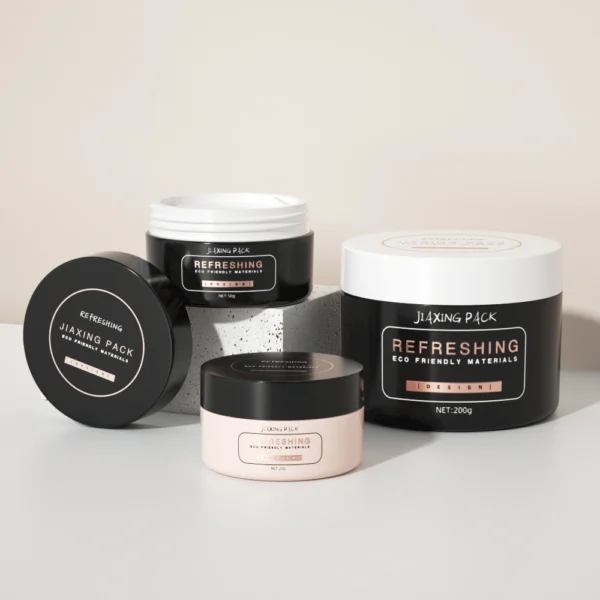
A stock image related to PCR Cream Jar Recycleable Cosmetic Packaging Sustainable Cosmetic Jar.
Comprehensive Cost and Pricing Analysis for PCR Cream Jar Recycleable Cosmetic Packaging Sustainable Cosmetic Jar Sourcing
What Are the Key Cost Components in Sourcing PCR Cream Jars?
When sourcing PCR (Post-Consumer Recycled) cream jars for cosmetic packaging, understanding the cost structure is crucial for B2B buyers. The primary cost components include:
-
المواد: The choice of materials significantly influences costs. PCR materials can be more expensive than traditional plastics due to the processing required to recycle them. Variations in the percentage of recycled content (e.g., 30%, 50%, or 100% PCR) also affect pricing, as higher percentages typically incur additional processing costs.
-
العمالة: Labor costs vary by region and manufacturing practices. Countries with lower labor costs, such as those in Southeast Asia, may offer competitive pricing. However, quality assurance practices must be considered, as they can lead to increased labor costs in terms of training and supervision.
-
نفقات التصنيع الزائدة: This encompasses costs related to facilities, utilities, and equipment used in production. Manufacturers with advanced technology for recycling processes may have higher overheads, which can be passed on to buyers.
-
الأدوات: Custom designs often require specific molds and tooling, which can increase initial costs. However, once these are established, the cost per unit may decrease with higher production volumes.
-
مراقبة الجودة (QC): Ensuring that products meet eco-certifications and quality standards may introduce additional QC costs. It’s crucial for brands aiming to market their products as sustainable.
-
الخدمات اللوجستية: Transporting PCR jars from the manufacturer to the buyer’s location involves shipping costs, which can fluctuate based on fuel prices, distance, and trade tariffs.
-
الهامش: Suppliers typically add a margin to cover their operational risks and profit expectations. This can vary significantly depending on the supplier’s positioning and market strategy.
How Do Price Influencers Affect the Sourcing of PCR Cream Jars?
Several factors can influence the pricing of PCR cream jars:
-
الحجم/معدل العرض/الطلب: Manufacturers often have minimum order quantities (MOQs), and larger orders can lead to lower per-unit costs. Buyers should assess their needs and negotiate based on anticipated volume.
-
المواصفات والتخصيص: Customization options such as color, size, and shape can significantly impact costs. Standard products are generally less expensive than bespoke solutions.
-
جودة المواد والشهادات: The presence of eco-certifications can enhance product appeal but may also increase costs. Buyers should inquire about certifications relevant to their target markets.
-
عوامل الموردين: The reputation, reliability, and production capabilities of the supplier play a critical role in pricing. Established suppliers may command higher prices due to proven quality and service.
-
المصطلحات التجارية الدولية: Understanding the terms of shipment (e.g., FOB, CIF) is vital, as they can affect the total landed cost of the product. Buyers should clarify these terms to avoid unexpected costs.
ما هي أفضل نصائح التفاوض للمشترين الدوليين بين الشركات؟
-
فهم التكلفة الإجمالية للملكية (TCO): Beyond the initial price, consider the total cost over the product’s lifecycle, including shipping, storage, and disposal costs. This perspective can lead to more informed decision-making.
-
الاستفادة من خصومات الحجم الكبير: If planning to purchase in bulk, negotiate for discounts based on anticipated order sizes. Suppliers are often willing to reduce prices for guaranteed larger sales.
-
أبحاث اتجاهات السوق: Keeping abreast of market conditions, such as fluctuations in raw material prices or changes in recycling regulations, can provide leverage in negotiations.
-
بناء العلاقات: Establishing a good rapport with suppliers can lead to better pricing, priority service, and favorable terms. Long-term partnerships often yield more competitive offers.
-
النظر في الاختلافات الإقليمية: When sourcing from different regions, be aware of local economic conditions that may influence pricing. For example, suppliers in Africa or South America may have different pricing structures compared to those in Europe.
إخلاء المسؤولية
Prices for PCR cream jars can vary widely based on the factors discussed above. Buyers should always seek multiple quotes and conduct thorough due diligence to ensure they are receiving competitive pricing reflective of their specific requirements.
Alternatives Analysis: Comparing PCR Cream Jar Recycleable Cosmetic Packaging Sustainable Cosmetic Jar With Other Solutions
Exploring Alternatives to PCR Cream Jar Recyclable Cosmetic Packaging
In the pursuit of sustainable packaging solutions, businesses often evaluate various options to align with their environmental goals. The PCR cream jar recyclable cosmetic packaging stands out for its eco-friendliness, but alternative solutions may also meet sustainability criteria while offering unique advantages. This analysis compares PCR jars with two viable alternatives: glass jars and biodegradable packaging, providing insights for B2B buyers seeking the best fit for their products.
| جانب المقارنة | PCR Cream Jar Recyclable Cosmetic Packaging | برطمان زجاجي | العبوات القابلة للتحلل الحيوي |
|---|---|---|---|
| الأداء | High durability; suitable for creams | Excellent barrier properties; non-reactive | Varies by material; generally suitable for creams |
| التكلفة | Moderate; cost-effective over time | تكلفة أولية أعلى | Variable; often more expensive than PCR |
| سهولة التنفيذ | Easy to implement; widely available | Requires careful handling and transport | May need special disposal methods |
| الصيانة | Low maintenance; easily cleaned | Fragile; requires careful cleaning | Limited lifespan; may require specific storage |
| أفضل حالة استخدام | Skincare and cosmetic products | Premium skincare lines | Eco-conscious brands looking for alternatives |
Understanding the Pros and Cons of Each Alternative
Glass Jars
Glass jars are a popular choice in the cosmetic industry, known for their premium appearance and excellent barrier properties. They are inert, meaning they won’t react with the product inside, ensuring longevity and freshness. However, glass jars can be more expensive to produce and transport due to their weight and fragility. This may increase shipping costs and the risk of breakage during transit. Additionally, while glass is recyclable, it requires a more energy-intensive recycling process compared to PCR materials.
العبوات القابلة للتحلل الحيوي
Biodegradable packaging is an innovative option made from organic materials that can decompose over time. This packaging aligns with eco-friendly initiatives and appeals to environmentally conscious consumers. However, its performance can vary significantly based on the specific materials used. Some biodegradable options may not hold up as well as PCR jars, especially for products with longer shelf lives. Furthermore, disposal methods may require consumer education to ensure proper composting and reduce contamination in recycling streams.
How Can B2B Buyers Choose the Right Sustainable Packaging Solution?
When selecting a sustainable packaging solution, B2B buyers should consider several factors, including product compatibility, cost implications, and the target market’s sustainability expectations. The PCR cream jar recyclable option offers a balanced approach, combining affordability with eco-friendliness. Meanwhile, glass jars can enhance brand perception but may require a higher budget. Biodegradable options cater to niche markets focused on environmental impact but may present challenges in performance and disposal.
Ultimately, the right choice will depend on the specific needs of the product, the brand’s commitment to sustainability, and the expectations of the target audience. By carefully weighing these alternatives, businesses can make informed decisions that not only fulfill their operational requirements but also resonate with the growing demand for sustainable practices in the cosmetic industry.
Essential Technical Properties and Trade Terminology for PCR Cream Jar Recycleable Cosmetic Packaging Sustainable Cosmetic Jar
What Are the Key Technical Properties of PCR Cream Jar Recyclable Cosmetic Packaging?
When considering PCR (Post-Consumer Recycled) cream jars for cosmetic packaging, several technical properties are essential for B2B buyers to understand. These properties not only influence the functionality and sustainability of the packaging but also its marketability and compliance with industry standards.
1. تركيبة المادة ودرجتها
PCR jars are primarily made from recycled plastics, such as PET or PP, which are sourced from post-consumer waste. The grade of PCR material affects the jar’s durability and safety for cosmetic products. Using high-grade PCR material ensures that the packaging meets regulatory standards while minimizing the environmental footprint. For buyers, selecting the right material grade can impact product integrity and brand reputation.
2. Tolerance Specifications
Tolerance refers to the allowable deviation in the dimensions of the jar. For instance, if a jar is specified to be 50mm in diameter, a tolerance of ±0.5mm means it can range from 49.5mm to 50.5mm. Maintaining precise tolerances is crucial for compatibility with closures and pumps, ensuring that products are sealed correctly and remain fresh. Inconsistent tolerances can lead to product leakage or spoilage, affecting customer satisfaction.
3. Recyclability Rate
The recyclability rate indicates the percentage of the jar that can be recycled at the end of its lifecycle. PCR jars should ideally have a high recyclability rate, which aligns with global sustainability goals. This property is important for brands looking to enhance their eco-friendly image and attract environmentally conscious consumers. Buyers should inquire about the recyclability certifications associated with their chosen packaging.
4. Barrier Properties
Barrier properties refer to the jar’s ability to protect contents from external factors such as moisture, oxygen, and light. Effective barrier properties are essential for maintaining the quality and efficacy of cosmetic products, especially those sensitive to degradation. Buyers should evaluate the barrier performance to ensure the longevity of their products in various environmental conditions.
5. Customization Capabilities
Customization options for color, shape, and labeling are vital for branding purposes. Many manufacturers offer tailored designs to meet specific market demands, allowing brands to differentiate themselves in a competitive landscape. Understanding the level of customization available can help buyers align their packaging with their marketing strategies.
6. Minimum Order Quantity (MOQ)
MOQ is the smallest quantity of product that a supplier is willing to sell. This term is crucial for B2B buyers as it directly affects inventory costs and cash flow management. Understanding the MOQ can help brands plan their production schedules and manage their budgets effectively.
Which Trade Terms Are Commonly Used in PCR Cosmetic Packaging?
Understanding trade terminology is essential for navigating the B2B landscape of PCR cream jar packaging. Here are some key terms frequently encountered:
1. Original Equipment Manufacturer (OEM)
OEM refers to a company that produces parts or equipment that may be marketed by another manufacturer. In cosmetic packaging, an OEM can provide customized jars that meet specific brand requirements, allowing companies to focus on their core competencies while leveraging the expertise of specialized manufacturers.
2. Request for Quotation (RFQ)
An RFQ is a document sent to suppliers to request pricing for specific products or services. It is a critical step in the procurement process, enabling buyers to compare prices and terms from multiple suppliers. An effective RFQ can lead to better pricing and favorable contract terms.
3. Incoterms
Incoterms are international commercial terms that define the responsibilities of buyers and sellers in international transactions. They specify who is responsible for shipping, insurance, and tariffs, which can significantly affect the total cost of goods. Familiarity with Incoterms helps buyers negotiate better shipping terms and manage logistical risks.
4. Lead Time
Lead time refers to the amount of time it takes from placing an order to receiving the product. Understanding lead time is essential for inventory management and planning, particularly in fast-paced markets where product availability is critical.
5. Sustainability Certifications
These are certifications that indicate a product’s compliance with environmental and sustainability standards. Certifications can enhance a brand’s credibility and appeal to eco-conscious consumers, making them an important consideration for buyers focused on sustainable packaging solutions.
By grasping these technical properties and trade terms, B2B buyers can make informed decisions that enhance their product offerings and align with sustainability goals.
Navigating Market Dynamics and Sourcing Trends in the PCR Cream Jar Recycleable Cosmetic Packaging Sustainable Cosmetic Jar Sector
What are the Key Trends Influencing the PCR Cream Jar Recyclable Cosmetic Packaging Market?
The global market for PCR (Post-Consumer Recycled) cream jars is witnessing a significant shift driven by increasing environmental awareness among consumers and businesses alike. Key trends include a rising demand for sustainable packaging solutions that align with corporate social responsibility (CSR) goals. Companies are increasingly adopting eco-friendly materials to minimize their carbon footprint, which is particularly crucial for buyers in regions like Europe, Africa, and South America, where regulations on plastic waste are tightening.
Technological advancements are also enhancing sourcing strategies. Innovations in material science are leading to better-quality PCR plastics that maintain performance standards comparable to virgin plastics. Additionally, digital platforms are streamlining the sourcing process, allowing international buyers to easily compare suppliers, assess product specifications, and negotiate terms online. The move towards circular economy practices is further influencing buyers to seek out packaging solutions that not only utilize recycled materials but also promote recyclability.
How is Sustainability Shaping Ethical Sourcing in the Cosmetic Packaging Industry?
Sustainability has emerged as a key driver in the sourcing of cosmetic packaging, with a growing focus on ethical supply chains. The environmental impact of packaging waste is prompting brands to prioritize suppliers that adhere to sustainable practices. In the context of PCR cream jars, this means selecting manufacturers that utilize recycled materials and implement responsible production methods.
Certifications such as FSC (Forest Stewardship Council), ISO 14001 (Environmental Management), and other ‘green’ labels are becoming essential for brands looking to validate their sustainability claims. These certifications assure buyers that their suppliers are committed to reducing environmental impact and enhancing resource efficiency. Furthermore, the use of PCR materials not only contributes to waste reduction but also resonates with consumers who prefer brands that take a stand on environmental issues, making it a strategic move for B2B buyers looking to enhance their market position.
What is the Evolution of PCR Cream Jar Packaging and Its Significance for B2B Buyers?
The evolution of PCR cream jar packaging has been marked by a growing recognition of the importance of sustainability in the cosmetic industry. Initially, cosmetic packaging relied heavily on virgin plastics, contributing to environmental degradation. However, as awareness of plastic pollution has risen, so too has the demand for sustainable alternatives.
Manufacturers began to innovate with PCR materials as a means to address these concerns, leading to the development of high-quality, recyclable jars that maintain the aesthetic and functional qualities required in the cosmetic sector. This shift not only meets consumer demand for environmentally friendly products but also positions B2B buyers as leaders in sustainability. By embracing PCR packaging, businesses can differentiate themselves in a competitive market, attract eco-conscious consumers, and comply with increasingly stringent regulations on packaging waste.
In summary, the landscape of PCR cream jar recyclable cosmetic packaging is evolving rapidly, driven by market dynamics and a collective push towards sustainability. International buyers in regions such as Africa, South America, the Middle East, and Europe must stay informed of these trends to make strategic sourcing decisions that align with their sustainability goals and consumer expectations.
Frequently Asked Questions (FAQs) for B2B Buyers of PCR Cream Jar Recycleable Cosmetic Packaging Sustainable Cosmetic Jar
-
How do I ensure the sustainability of PCR cream jar suppliers?
To verify the sustainability claims of PCR cream jar suppliers, request documentation on their recycling processes and certifications. Look for suppliers who provide transparency about their sourcing of post-consumer recycled materials and their environmental impact assessments. Additionally, consider engaging in site visits or audits to assess their operations firsthand. Sustainable suppliers often have certifications from recognized bodies, which can serve as a solid indicator of their commitment to eco-friendly practices. -
What are the benefits of using PCR cream jars for my cosmetic products?
Utilizing PCR cream jars offers numerous advantages, including reduced environmental impact, enhanced brand reputation, and compliance with evolving regulations regarding sustainability. These jars minimize the reliance on virgin plastic, thereby decreasing waste and carbon emissions. Furthermore, consumers are increasingly favoring brands that prioritize sustainability, making PCR packaging a strategic choice that aligns with market trends and consumer preferences. -
What customization options are available for PCR cream jars?
Most suppliers provide extensive customization options for PCR cream jars, including size, shape, color, and printing. You can choose specific volumes that cater to your product line, such as 30g or 200ml jars. Additionally, branding elements such as embossed logos, custom labeling, and unique finishes can enhance your product’s market appeal. Discussing your specific needs with the supplier can help you achieve a design that reflects your brand identity. -
What is the typical minimum order quantity (MOQ) for PCR cream jars?
The MOQ for PCR cream jars varies by supplier but generally ranges from 1,000 to 5,000 units. Factors influencing MOQ include jar size, customization requirements, and production capabilities. When sourcing, it’s important to clarify MOQs early in discussions to ensure they align with your business needs. Some suppliers may offer flexibility for first-time orders or trial runs, especially if you’re launching a new product. -
How do I assess the quality assurance processes of PCR packaging suppliers?
To evaluate the quality assurance (QA) processes of PCR packaging suppliers, inquire about their testing and inspection protocols. Request information on material certifications and compliance with international standards, such as ISO or ASTM. It’s beneficial to ask for samples and test them for durability and performance. Additionally, reviewing client testimonials or case studies can provide insights into the supplier’s reliability and product quality. -
What payment terms should I expect when sourcing PCR cream jars internationally?
Payment terms for international sourcing of PCR cream jars can vary widely, typically ranging from 30% upfront payment and 70% upon delivery to net 30 or 60 days after receipt of goods. Discussing payment terms early in negotiations is crucial to establish a mutually beneficial agreement. Consider using secure payment methods such as letters of credit or escrow services to mitigate risk, especially for large orders. -
How can I manage logistics for sourcing PCR cream jars from overseas?
Managing logistics effectively involves selecting reliable freight forwarders and understanding shipping regulations in your country. Coordinate with your supplier to determine the best shipping methods (air or sea) based on cost and urgency. Ensure compliance with customs requirements, including proper documentation. Additionally, discussing lead times with your supplier will help you plan inventory and avoid stockouts, facilitating a smoother supply chain. -
What should I consider when vetting international suppliers for PCR cream jars?
When vetting international suppliers, consider their production capabilities, experience in the cosmetic packaging industry, and sustainability practices. Request references from previous clients and check their reputation through industry forums or trade associations. Assess their communication responsiveness and willingness to provide detailed information. Finally, consider conducting a factory audit if feasible, to evaluate their operational standards and ensure they meet your quality expectations.
تنويه هام وشروط الاستخدام
⚠️ إخلاء مسؤولية مهم ⚠️
المعلومات الواردة في هذا الدليل، بما في ذلك المحتوى المتعلق بالمصنعين والمواصفات الفنية وتحليل السوق، هي لأغراض إعلامية وتعليمية فقط. وهي لا تشكل مشورة مهنية في مجال المشتريات أو مشورة مالية أو مشورة قانونية.
على الرغم من أننا بذلنا كل جهد ممكن لضمان دقة المعلومات ودقة توقيتها، إلا أننا لسنا مسؤولين عن أي أخطاء أو سهو أو معلومات قديمة. تخضع ظروف السوق وتفاصيل الشركة والمعايير الفنية للتغيير.
يجب على المشترين بين الشركات إجراء العناية الواجبة المستقلة والشاملة الخاصة بهم قبل اتخاذ أي قرارات شراء. ويشمل ذلك الاتصال بالموردين مباشرة، والتحقق من الشهادات، وطلب عينات، وطلب الاستشارات المهنية. يتحمل القارئ وحده مخاطر الاعتماد على أي معلومات واردة في هذا الدليل.
Top 6 Pcr Cream Jar Recycleable Cosmetic Packaging Sustainable Cosmetic Jar Manufacturers & Suppliers List
1. Fomalhaut – Eco-Friendly Cosmetic Cream Packaging Jar

المجال: fomalhaut-packing.com
مسجل: 2023 (2 سنة)
مقدمة: 30% PCR PP Eco Friendly Cosmetic Cream Packaging Jar; Recyclable; Ideal for cosmetic skincare; Customization options available (colors, volumes, shapes, printing); Minimum Order Quantity (MOQ): 10,000 pcs; Free samples available; Manufacturer based in China; Integrated production process including injection, blowing, vacuum plating, UV lacquering, spraying, hot stamping, and silk screen printing.
2. Berry Global – 200ml Cosmetic Jar

المجال: berryglobal.com
مسجل: 2015 (10 سنوات)
مقدمة: {“Product Name”: “200ml Cosmetic Jar”, “Product Number”: “EL-EZJ15300”, “Capacity”: “200 ml”, “Material”: “Plastic PP and Post Consumer Recycled (PCR) material”, “Shape”: “Round”, “Dimensions”: {“Width”: “86 mm”, “Length”: “86 mm”, “Height”: “44 mm”}, “Neck Type”: “Screw Neck”, “Neck Diameter”: “83 mm”, “Color Options”: [“Clear”, “Natural”, “White”, “Black”, “Grey”, “Brown”, “Amber”, “Red”, “Magen…
3. Jarsking – Eco-Friendly PCR Cosmetic Packaging
المجال: jarskingking.com
مسجل: 2022 (3 سنوات)
مقدمة: PCR Cosmetic Packaging Bottles Manufacturer – Jarsking offers eco-friendly packaging solutions made from post-consumer recycled (PCR) materials. Key features include:
– Eco-Friendly: Minimizes plastic waste and reduces carbon emissions.
– Versatile: Suitable for personal care, cosmetics, and beauty packaging.
– Consumer Appeal: Enhances brand reputation by addressing sustainability concerns.
-…
4. The PKG Co – PCR Refillable Skincare Cream Jar

المجال: thepkgco.com
مسجل: 2004 (21 سنة)
مقدمة: {‘name’: ‘PCR Refillable Skincare Cream Jar’, ‘sku’: ‘612PCR-PI’, ‘minimum_order_quantity’: 10000, ‘capacity_options’: [50, 100, 240], ‘materials’: {‘inner_jar’: ‘PP, PCR’, ‘outer_jar’: ‘PMMA’, ‘cap’: ‘ABS, PCR’}, ‘features’: [‘eco-friendly’, ‘refillable’, ‘customizable’, ‘secure twist-on lid’, ‘compact size’, ‘wide mouth for easy access’], ‘customization_options’: {‘color’: ‘customizable’, ‘finis…
5. UAPKG – Sustainable PCR Cosmetic Packaging

المجال: uapkg.com
مسجل: 2009 (16 سنة)
مقدمة: Sustainable PCR Cosmetic Packaging includes various products such as PCR cosmetic bottles, tubes, and jars. Key product details include: 1. Tube Packaging: Customizable in shape, diameter, length, and decoration; quick sourcing platform available. 2. ALU Skincare Airless Packaging (50ml): 50% plastic reduction, refillable design, customizable colors, suitable for face cream, sunscreen, and hair tr…
6. 4ocean – Eco-Friendly Skincare Packaging Solutions
المجال: 4ocean.com
مسجل: 2004 (21 سنة)
مقدمة: The skincare sector has traditionally used plastic jars, bottles, and tubes that are often not recyclable due to complex designs. Eco-friendly packaging solutions are being implemented to reduce environmental impact. Key sustainable packaging options include: 1. Glass Containers: Strong, non-toxic, and fully recyclable; used by brands like Dr. Hauschka and Kiehl’s. 2. Recyclable and Recycled Polym…
Strategic Sourcing Conclusion and Outlook for PCR Cream Jar Recycleable Cosmetic Packaging Sustainable Cosmetic Jar
As businesses increasingly prioritize sustainability, sourcing PCR cream jars represents a strategic advantage in the cosmetic packaging sector. The integration of post-consumer recycled materials not only reduces reliance on virgin plastics but also addresses rising consumer demand for eco-friendly products. By leveraging PCR packaging, companies can enhance their brand image, demonstrating a commitment to environmental stewardship that resonates with conscientious consumers across diverse markets.
Effective strategic sourcing of these sustainable packaging solutions enables companies to optimize costs while ensuring product quality and compliance with international standards. International buyers from regions such as Africa, South America, the Middle East, and Europe should actively seek partnerships with manufacturers who prioritize innovation and sustainability in their production processes.
Looking ahead, the demand for recyclable and eco-friendly packaging will continue to grow. Companies that embrace this shift will not only meet regulatory requirements but will also capture the loyalty of a growing base of eco-conscious consumers. Engage with suppliers who can provide tailored solutions that align with your sustainability goals. Together, we can drive the cosmetic industry toward a more sustainable future.




 Arabic
  English
  Russian
  Spanish
  Italian
  Thai
Thai  French
  Portuguese
  Indonesian
  German






