

Introduction: Navigating the Global Market for sustainable packaging
In an era where environmental sustainability is no longer optional but essential, the demand for sustainable packaging solutions is surging. For international B2B buyers, particularly those operating in regions like Africa, South America, the Middle East, and Europe, navigating the complexities of sourcing sustainable packaging can be daunting. How do you ensure that your packaging choices align with your corporate responsibility goals while also meeting logistical and budgetary constraints? This guide addresses that challenge head-on by providing a comprehensive overview of the sustainable packaging landscape.
Within these pages, you will discover various types of sustainable packaging materials—ranging from recyclable plastics and biodegradable options to innovative compostable solutions. We will delve into their diverse applications across industries such as food and beverage, fashion, and e-commerce. Additionally, the guide offers actionable insights on vetting suppliers, understanding cost implications, and evaluating the life cycle of packaging products.
By leveraging the information contained in this guide, B2B buyers can make informed purchasing decisions that not only reduce their environmental footprint but also enhance their brand reputation. Ultimately, this resource is designed to empower businesses to confidently transition toward sustainable packaging practices that resonate with consumers and stakeholders alike.
Understanding sustainable packaging Types and Variations
| اسم النوع | السمات المميزة الرئيسية | تطبيقات B2B الأولية | موجز الإيجابيات والسلبيات للمشترين |
|---|---|---|---|
| Compostable Packaging | Breaks down into organic compost, made from natural materials like PLA or cellulose. | Food service, agriculture, retail | الإيجابيات: Eco-friendly, enhances brand image. السلبيات: May require specific composting facilities. |
| Recyclable Materials | Includes materials like PET and HDPE that can be reprocessed and reused. | Consumer goods, electronics, apparel | الإيجابيات: Widely accepted recycling systems. السلبيات: Often dependent on consumer participation in recycling. |
| العبوات القابلة للتحلل الحيوي | Decomposes naturally over time, made from materials such as paper or plant-based substances. | Food packaging, personal care, e-commerce | الإيجابيات: Reduces landfill waste. السلبيات: Performance can vary based on environmental conditions. |
| Minimalist Packaging | Focuses on reducing packaging volume and materials, often using single-material designs. | E-commerce, retail, logistics | الإيجابيات: Cost-effective, reduces waste. السلبيات: May not provide adequate protection for all products. |
| Reusable Packaging | Designed for multiple uses, often made from durable materials like metal or high-grade plastics. | Shipping, food service, retail | الإيجابيات: Long-term cost savings, reduces waste. السلبيات: Initial investment can be higher. |
What Are the Characteristics and Suitability of Compostable Packaging for B2B Buyers?
Compostable packaging is primarily made from natural materials such as PLA (polylactic acid) and cellulose, which break down into organic compost when disposed of correctly. This type of packaging is particularly suitable for businesses in the food service and agricultural sectors, where waste reduction is a priority. B2B buyers should consider the availability of composting facilities in their area, as this can affect the practicality of using compostable materials. Additionally, opting for compostable packaging can enhance a brand’s environmental credibility, appealing to eco-conscious consumers.
How Do Recyclable Materials Benefit B2B Businesses?
Recyclable materials, including widely used plastics like PET and HDPE, can be reprocessed and transformed into new products, significantly reducing waste. This type of packaging is commonly utilized across various industries, including consumer goods and electronics. B2B buyers should focus on the recycling capabilities in their region, as effective recycling programs can influence the sustainability of their packaging choices. While recyclable materials can improve a company’s sustainability profile, their effectiveness largely depends on consumer participation in recycling initiatives.
What Advantages Do Biodegradable Packaging Solutions Offer?
Biodegradable packaging is designed to decompose naturally over time, making it an attractive option for businesses looking to minimize their environmental impact. Commonly used in food packaging and personal care products, this type of packaging is suitable for companies aiming to align with sustainability trends. B2B buyers should evaluate the degradation process and time frame, as these factors can vary. While biodegradable packaging helps reduce landfill waste, its performance may be affected by environmental conditions, which is an essential consideration for buyers.
How Can Minimalist Packaging Benefit My Business?
Minimalist packaging emphasizes reducing the volume and materials used, often employing single-material designs. This approach is particularly beneficial for e-commerce and retail businesses seeking to cut costs and minimize waste. B2B buyers should weigh the cost-effectiveness of minimalist packaging against the potential need for additional protective measures for fragile items. While this type of packaging can significantly reduce environmental impact, it may not be suitable for all product types, especially those requiring robust protection during transit.
What Are the Long-Term Benefits of Reusable Packaging for Businesses?
Reusable packaging is designed for multiple uses, typically made from durable materials such as metal or high-grade plastics. This type of packaging is ideal for sectors like shipping and food service, where long-term cost savings can be realized. B2B buyers should consider the initial investment costs and logistics associated with implementing reusable systems. While reusable packaging greatly reduces waste and promotes sustainability, the upfront costs and required infrastructure may be a barrier for some businesses.
Key Industrial Applications of sustainable packaging
| الصناعة/القطاع | Specific Application of Sustainable Packaging | القيمة/الفائدة للأعمال التجارية | اعتبارات التوريد الرئيسية لهذا التطبيق |
|---|---|---|---|
| المأكولات والمشروبات | Compostable food containers | Reduces waste and aligns with consumer demand for eco-friendly options | Ensure certifications for compostability and food safety standards |
| التجارة الإلكترونية وتجارة التجزئة | Recyclable shipping materials | Minimizes environmental impact and enhances brand reputation | Look for suppliers offering customizable sizes and designs for branding |
| Fashion and Apparel | Biodegradable garment bags | Addresses sustainability concerns and meets consumer expectations | Source materials that are both durable and stylish while being eco-friendly |
| المستحضرات الصيدلانية | Eco-friendly blister packs | Reduces plastic waste and complies with regulatory standards | Ensure materials are compliant with safety regulations and provide adequate protection |
| الزراعة | Biodegradable mulch films | Supports soil health and reduces plastic pollution | Consider local sourcing to reduce carbon footprint and ensure availability |
How is Sustainable Packaging Used in the Food and Beverage Industry?
In the food and beverage sector, compostable food containers are increasingly adopted to mitigate environmental impact and meet consumer preferences for sustainability. These containers not only preserve the freshness of products but also break down naturally, reducing landfill waste. Buyers must ensure that these materials comply with food safety regulations and have the necessary certifications for compostability, especially when sourcing from international suppliers in regions like Africa and Europe, where standards may vary.
What Role Does Sustainable Packaging Play in E-commerce and Retail?
Sustainable packaging solutions such as recyclable shipping materials are essential in the e-commerce and retail industries. These materials help businesses minimize their carbon footprint while enhancing brand reputation among environmentally conscious consumers. International buyers should prioritize sourcing options that offer customizable designs to align with branding needs while ensuring the materials are robust enough to withstand shipping demands.
How Can the Fashion Industry Benefit from Sustainable Packaging?
The fashion industry is witnessing a shift towards biodegradable garment bags that not only cater to eco-conscious consumers but also address the significant issue of plastic waste. These bags are designed to be stylish and functional while being environmentally friendly. Buyers should seek suppliers who can provide a balance of aesthetics and sustainability, ensuring that the materials used are durable yet capable of decomposing naturally.
Why is Sustainable Packaging Important in Pharmaceuticals?
In the pharmaceutical sector, eco-friendly blister packs are gaining traction as a solution to reduce plastic waste while maintaining compliance with stringent safety regulations. These sustainable alternatives provide adequate protection for medications and contribute to a greener supply chain. Buyers must consider sourcing materials that meet regulatory requirements and ensure that they do not compromise product integrity, especially when dealing with international suppliers.
How Does Sustainable Packaging Impact Agriculture?
Biodegradable mulch films are being embraced in agriculture to promote soil health and reduce plastic pollution. These films decompose naturally, enriching the soil and minimizing the environmental footprint of farming practices. When sourcing these materials, buyers should consider local suppliers to enhance sustainability efforts and ensure that the products meet specific agricultural needs, particularly in developing regions such as South America and Africa.
3 Common User Pain Points for ‘sustainable packaging’ & Their Solutions
Scenario 1: Navigating the Complexity of Material Choices
المشكلة B2B buyers often grapple with the challenge of selecting the right sustainable packaging materials that align with their brand values and operational requirements. With the myriad of options available—ranging from compostable plastics to recycled cardboard—buyers can feel overwhelmed. They need to consider not just sustainability, but also factors such as product protection, shelf life, and compatibility with existing supply chains. Additionally, the lack of standardized terminology in sustainable packaging can lead to confusion and misalignment with suppliers, resulting in potential financial and reputational risks.
الحل: To effectively navigate this complexity, buyers should start by conducting a thorough analysis of their product requirements and sustainability goals. Engaging with a knowledgeable packaging consultant can provide insights into the latest materials and technologies. It’s crucial to develop a clear specification sheet that outlines desired attributes—such as biodegradability, recyclability, and strength. Furthermore, buyers should prioritize suppliers that provide transparency in their sourcing and production processes. Leveraging resources from organizations like the Sustainable Packaging Coalition can also help buyers stay informed about industry trends and best practices, ensuring they make informed decisions that align with their brand’s sustainability commitments.
Scenario 2: Overcoming Supply Chain Disruptions
المشكلة In today’s global economy, supply chain disruptions can significantly impact a company’s ability to procure sustainable packaging. Factors such as geopolitical tensions, natural disasters, or even global pandemics can lead to delays and shortages of eco-friendly materials. B2B buyers may find themselves unable to fulfill orders or facing increased costs due to last-minute sourcing from less sustainable alternatives. This not only affects operational efficiency but can also damage customer trust and brand integrity.
الحل: To mitigate the risks associated with supply chain disruptions, buyers should diversify their supplier base by sourcing from multiple regions and suppliers. Establishing relationships with local suppliers can reduce lead times and transportation emissions while supporting regional economies. Buyers can also consider investing in sustainable inventory practices, such as maintaining a buffer stock of essential materials or exploring alternative materials that offer similar performance. Collaborating with industry peers to share insights on reliable suppliers and best practices can also help create a more resilient supply chain. Furthermore, leveraging technology for real-time tracking and inventory management can provide greater visibility and flexibility in addressing potential disruptions.
Scenario 3: Meeting Regulatory and Consumer Expectations
المشكلة As regulations surrounding packaging waste become stricter globally, B2B buyers face the daunting task of ensuring compliance while also meeting rising consumer expectations for sustainability. With a growing number of consumers demanding eco-friendly packaging, brands that fail to adapt risk losing market share. However, navigating the complex landscape of regulations and consumer preferences can be time-consuming and confusing, leading to potential missteps that could result in fines or negative brand perception.
الحل: To successfully align with regulatory and consumer expectations, buyers should invest in ongoing education and training regarding local and international packaging regulations. Joining industry associations can provide valuable resources and updates on evolving standards. Conducting regular audits of packaging materials and processes ensures compliance and helps identify areas for improvement. Furthermore, engaging with consumers through surveys or focus groups can provide insights into their preferences, allowing brands to tailor their packaging strategies effectively. By transparently communicating their sustainable practices and achievements, companies can build trust and loyalty among environmentally conscious consumers, ultimately enhancing their brand reputation.
Strategic Material Selection Guide for sustainable packaging
What Are the Key Materials for Sustainable Packaging?
In the realm of sustainable packaging, selecting the right materials is crucial for ensuring product performance, environmental impact, and compliance with international standards. Below, we analyze four common materials used in sustainable packaging, focusing on their properties, advantages, disadvantages, and specific considerations for international B2B buyers.
What Are the Key Properties of Biodegradable Plastics?
Biodegradable plastics, such as polylactic acid (PLA), are derived from renewable resources like corn starch or sugarcane. They offer a range of properties that make them suitable for various applications, including food packaging and consumer goods. These materials typically have a moderate temperature resistance (up to 60°C) and are compostable under industrial conditions.
الإيجابيات: Biodegradable plastics are lightweight, provide a good barrier against moisture and gases, and can significantly reduce landfill waste. They also align well with consumer preferences for eco-friendly products.
السلبيات: The production cost of biodegradable plastics can be higher than traditional plastics, and they may not perform well in high-temperature applications. Additionally, their compostability requires specific conditions that may not be available in all regions.
التأثير على التطبيق: Biodegradable plastics are particularly effective for short-term use products, such as food containers and packaging films. However, they may not be suitable for long-term storage or applications requiring high durability.
اعتبارات للمشترين الدوليين: Buyers should consider local composting facilities and regulations regarding biodegradable materials. Compliance with standards such as ASTM D6400 or EN 13432 is essential for ensuring proper disposal and marketing claims.
How Do Recycled Paper and Cardboard Perform?
Recycled paper and cardboard are widely used in sustainable packaging due to their renewability and recyclability. These materials offer good printability and can be customized for various applications, from shipping boxes to retail packaging.
الإيجابيات: The use of recycled paper reduces the demand for virgin materials and lowers carbon emissions. It is also cost-effective and widely accepted in recycling programs.
السلبيات: Recycled paper may have lower strength and moisture resistance compared to plastics or other materials, which can limit its use in certain applications. Additionally, the quality of recycled paper can vary based on the source.
التأثير على التطبيق: Recycled paper is ideal for secondary packaging, such as boxes and inserts, but may not be suitable for direct food contact unless treated appropriately.
اعتبارات للمشترين الدوليين: Compliance with recycling standards and certifications, such as FSC or PEFC, is critical. Buyers should also assess the availability of recycling infrastructure in their regions.
What Are the Advantages of Glass Packaging?
Glass is a traditional packaging material that has seen a resurgence in sustainable practices. It is fully recyclable and can be reused multiple times without losing quality.
الإيجابيات: Glass offers excellent barrier properties, protecting products from oxygen and moisture. It is also chemically inert, making it suitable for food and beverage applications.
السلبيات: The primary drawbacks of glass packaging are its weight and fragility, which can lead to higher transportation costs and breakage during handling.
التأثير على التطبيق: Glass is particularly suitable for high-end products, such as cosmetics and beverages, where product integrity and aesthetics are paramount.
اعتبارات للمشترين الدوليين: Buyers must consider the logistics of transporting glass, including the potential for breakage. Compliance with international standards for food safety and packaging, such as FDA regulations, is also necessary.
How Do Compostable Materials Like PLA Compare?
Compostable materials, particularly those based on PLA, are gaining traction in sustainable packaging. They are designed to break down in composting conditions, returning nutrients to the soil.
الإيجابيات: Compostable materials are often derived from renewable resources and can significantly reduce plastic waste. They are suitable for single-use applications, such as cutlery and food containers.
السلبيات: Similar to biodegradable plastics, compostable materials may require specific composting facilities to break down effectively. They can also be more expensive than traditional materials.
التأثير على التطبيق: Compostable materials are ideal for food service applications where single-use items are prevalent, but their performance in long-term applications is limited.
اعتبارات للمشترين الدوليين: Understanding local composting capabilities and regulations is vital for buyers. Compliance with standards like ASTM D6868 is essential for marketing compostable claims.
Summary Table of Sustainable Packaging Materials
| المواد | Typical Use Case for sustainable packaging | الميزة الرئيسية | العيب/التقييد الرئيسي | التكلفة النسبية (منخفضة/متوسطة/مرتفعة) |
|---|---|---|---|---|
| Biodegradable Plastics (PLA) | Food packaging, consumer goods | Lightweight and compostable | Higher production cost, temperature sensitivity | متوسط |
| Recycled Paper/Cardboard | Shipping boxes, retail packaging | Reduces demand for virgin materials | Lower strength and moisture resistance | منخفضة |
| زجاج | Beverages, cosmetics | خصائص حاجز ممتاز | Heavy and fragile, higher transport costs | عالية |
| Compostable Materials (PLA) | Single-use cutlery, food containers | Derived from renewable resources | Requires specific composting facilities | متوسط |
This guide aims to equip international B2B buyers with the insights needed to make informed decisions regarding sustainable packaging materials, ensuring compliance and alignment with market demands.

A stock image related to sustainable packaging.
In-depth Look: Manufacturing Processes and Quality Assurance for sustainable packaging
What Are the Main Stages in Manufacturing Sustainable Packaging?
The manufacturing process for sustainable packaging encompasses several key stages, each critical to ensuring that the end product meets both performance and environmental standards. The primary stages include material preparation, forming, assembly, and finishing.
How Is Material Prepared for Sustainable Packaging?
Material preparation begins with sourcing eco-friendly raw materials such as recycled plastics, biodegradable films, or sustainably sourced paper and cardboard. Depending on the type of sustainable packaging being produced, materials may undergo a series of treatments to enhance their properties. For example, biodegradable materials like PLA (polylactic acid) are derived from renewable resources and must be processed to ensure they can withstand the rigors of packaging while maintaining their compostable qualities.
Sustainable packaging manufacturers often utilize advanced techniques such as extrusion and molding to convert these materials into usable forms. In the case of flexible packaging, materials are often extruded into thin films, while rigid packaging may require injection molding.
What Techniques Are Used in Forming Sustainable Packaging?
The forming stage varies based on the packaging type but generally involves shaping the prepared materials into their final forms. Techniques such as blow molding, thermoforming, and die-cutting are common in the industry. For example, blow molding is frequently employed for creating containers from recyclable plastics, allowing for lightweight yet durable packaging solutions.
Thermoforming is another prevalent technique, particularly for food packaging. In this process, sheets of plastic are heated and then formed over molds to create trays or clamshells. These processes can be optimized to minimize waste, an essential aspect of sustainable manufacturing practices.
What Are the Assembly and Finishing Processes for Sustainable Packaging?
Once the individual components are formed, the assembly stage brings together various elements to create the final product. This may involve attaching labels, adding closures, or incorporating additional features like resealable zippers. Automation plays a significant role in this phase, enhancing efficiency while reducing the potential for human error.
The finishing stage includes quality checks, surface treatments, and branding elements. Sustainable packaging often requires specific treatments to ensure that it meets food safety standards or enhances barrier properties against moisture and oxygen. This is particularly crucial in the food and beverage sector, where packaging integrity directly impacts product shelf life.
How Is Quality Assurance Implemented in Sustainable Packaging Manufacturing?
Quality assurance (QA) in sustainable packaging is critical for ensuring compliance with international and industry-specific standards. The most recognized standard is ISO 9001, which outlines requirements for a quality management system (QMS). Companies seeking to enhance their credibility in the global market often pursue ISO certification, demonstrating their commitment to quality and continuous improvement.
What Are the Key Quality Control Checkpoints in Sustainable Packaging Production?
Quality control (QC) is integrated throughout the manufacturing process with several checkpoints:
-
مراقبة الجودة الواردة (IQC): This stage assesses raw materials upon arrival to ensure they meet specified standards. It often involves visual inspections and material testing.
-
مراقبة الجودة أثناء العملية (IPQC): During the manufacturing process, IPQC involves monitoring production parameters and conducting tests to ensure consistency and quality. This includes checking temperature, pressure, and material integrity.
-
مراقبة الجودة النهائية (FQC): Once the packaging is completed, FQC involves thorough inspections to verify that the final product meets all design specifications and quality standards. Testing methods may include dimensional checks, seal integrity tests, and performance evaluations under simulated shipping conditions.
What Testing Methods Are Commonly Used in Quality Assurance for Sustainable Packaging?
A variety of testing methods are employed to ensure the reliability and safety of sustainable packaging. Common tests include:
- الاختبار الميكانيكي: Evaluating the strength and durability of materials through tensile tests and puncture resistance assessments.
- Barrier Testing: Assessing the ability of the packaging to protect contents from moisture, oxygen, and light, which is essential for food and pharmaceutical applications.
- Biodegradability and Compostability Testing: For packaging marketed as compostable, rigorous testing is necessary to ensure it meets the relevant standards (e.g., ASTM D6400 for compostable plastics).
كيف يمكن للمشترين بين الشركات التحقق من ممارسات مراقبة الجودة لدى الموردين؟
For international B2B buyers, especially those from regions such as Africa, South America, the Middle East, and Europe, verifying supplier quality control practices is vital. Here are some actionable steps:
-
إجراء عمليات تدقيق الموردين: Regular audits of suppliers can provide insights into their QC processes. This includes examining their facilities, equipment, and adherence to international standards.
-
Request Quality Assurance Reports: Suppliers should be able to provide documentation outlining their QC procedures, including test results and certifications.
-
Engage Third-Party Inspectors: Utilizing independent inspectors can add an extra layer of assurance. They can conduct evaluations based on industry standards and provide unbiased reports on the supplier’s quality practices.
ما هي الفروق الدقيقة في مراقبة الجودة والاعتماد للمشترين الدوليين بين الشركات؟
Navigating the complexities of quality assurance and certification can be challenging for international buyers. Different regions may have varying standards and regulations, impacting the acceptable quality levels for sustainable packaging.
For instance, while EU regulations might emphasize recyclability and safety for food contact materials, African and South American markets may have different criteria based on local environmental policies. B2B buyers must ensure that their suppliers are compliant with both local and international regulations, which may require additional documentation or certifications.
In conclusion, understanding the manufacturing processes and quality assurance practices for sustainable packaging is essential for B2B buyers looking to make informed decisions. By focusing on materials, techniques, and quality control measures, buyers can ensure they partner with suppliers committed to sustainability and quality, ultimately enhancing their own brand reputation and market competitiveness.
Practical Sourcing Guide: A Step-by-Step Checklist for ‘sustainable packaging’
مقدمة
In the evolving landscape of global commerce, sustainable packaging has emerged as a critical factor for businesses aiming to enhance their environmental responsibility while meeting consumer demands. This practical sourcing guide outlines key steps for B2B buyers to effectively procure sustainable packaging solutions that align with their operational needs and sustainability goals.
الخطوة 1: Identify Your Packaging Needs
Understanding your specific packaging requirements is the foundation of sourcing sustainable solutions. Consider factors such as product dimensions, weight, shelf life, and distribution methods. This clarity will help you determine the type of materials and designs that best suit your products, ensuring both functionality and sustainability.
- Considerations:
- Product sensitivity (e.g., food safety, perishability)
- Volume of packaging required (e.g., bulk vs. retail)
الخطوة 2: أبحاث المواد المستدامة
Explore the various sustainable materials available for packaging, such as biodegradable plastics, recycled paper, and compostable options. Each material comes with unique properties that can impact performance, cost, and environmental benefits. Understanding these options is vital for making informed decisions that meet both your operational needs and sustainability targets.
- Examples:
- Biodegradable Plastics: Break down more quickly than traditional plastics, reducing landfill impact.
- المواد القابلة لإعادة التدوير: Can be repurposed, thereby extending the lifecycle of resources.
الخطوة 3: التحقق من شهادات الموردين
Ensuring that your suppliers adhere to recognized sustainability certifications is crucial for maintaining credibility and compliance. Look for certifications such as FSC (Forest Stewardship Council) for paper products or ISO 14001 for environmental management systems. These certifications indicate that suppliers meet stringent environmental standards.
- Key Certifications to Consider:
- Compostable Certification: Validates that packaging will break down under composting conditions.
- Recycling Symbols: Indicates compatibility with local recycling programs.
الخطوة 4: تقييم الموردين المحتملين
Before finalizing any partnerships, conduct a thorough evaluation of potential suppliers. Request detailed company profiles, case studies, and references from businesses in your sector. This step is essential for ensuring that suppliers not only meet your quality standards but also share your commitment to sustainability.
- Key Evaluation Criteria:
- Supplier’s experience in sustainable packaging
- Feedback from current clients regarding service and quality
الخطوة 5: Assess Cost Implications
Sustainable packaging can sometimes come with a higher upfront cost compared to traditional options. However, it is essential to evaluate the long-term cost benefits, including potential savings from reduced waste disposal fees and improved brand loyalty. Conduct a cost-benefit analysis to understand the financial implications of your sourcing decisions.
- Cost Considerations:
- Initial investment vs. long-term savings
- Possible incentives or subsidies for sustainable practices
الخطوة 6: Conduct a Trial Run
Before committing to a large order, consider conducting a trial run with selected packaging solutions. This allows you to assess performance, compatibility with your products, and customer feedback. A trial run can provide valuable insights into any necessary adjustments before scaling up your procurement.
- Trial Aspects to Monitor:
- Product protection during shipping
- Customer reactions to packaging aesthetics and usability
الخطوة 7: Plan for End-of-Life Solutions
Finally, consider how your packaging will be disposed of at the end of its life cycle. Engage with suppliers who offer take-back programs or guidance on recycling and composting. This proactive approach not only enhances your sustainability profile but also supports a circular economy.
- End-of-Life Strategies:
- Collaborate with suppliers on recycling initiatives
- Educate consumers on proper disposal methods
By following this step-by-step checklist, B2B buyers can navigate the complexities of sourcing sustainable packaging, ensuring that their choices contribute positively to their business and the environment.

A stock image related to sustainable packaging.
Comprehensive Cost and Pricing Analysis for sustainable packaging Sourcing
What Are the Key Cost Components in Sustainable Packaging Sourcing?
Understanding the cost structure of sustainable packaging is essential for B2B buyers to make informed purchasing decisions. The primary cost components include:
-
المواد: Sustainable packaging often utilizes eco-friendly materials such as biodegradable plastics, recycled paper, and plant-based substances. The cost of these materials can vary significantly based on availability and regional sourcing practices. For instance, sourcing materials locally may reduce transport costs and align with sustainability goals.
-
العمل: Labor costs encompass the workforce involved in production, assembly, and quality control. Sustainable packaging often requires specialized skills for handling unique materials or processes, which can drive up labor expenses compared to traditional packaging.
-
نفقات التصنيع الزائدة: This includes utilities, rent, and equipment depreciation. The overhead for sustainable packaging may be higher due to the need for specialized machinery or processes that ensure eco-friendliness.
-
الأدوات: Custom molds and tooling for sustainable packaging can be an additional cost. Customization often leads to higher initial investments, particularly for unique designs or materials.
-
مراقبة الجودة (QC): Ensuring that sustainable packaging meets specific environmental standards and certifications can add to the QC costs. This is crucial for brands aiming to establish credibility in the sustainability space.
-
الخدمات اللوجستية: Shipping and handling costs can be influenced by the weight and fragility of sustainable materials. Buyers should factor in potential increased logistics costs due to the need for careful handling.
-
الهامش: Suppliers will include a profit margin in their pricing, which can vary based on their operational efficiencies and market positioning.
How Do Price Influencers Affect Sustainable Packaging Costs?
Several factors can significantly influence the pricing of sustainable packaging:
-
الحجم والحد الأدنى لكمية الطلب (موك): Larger orders typically result in lower per-unit costs. Buyers should assess their needs carefully to negotiate favorable terms.
-
المواصفات والتخصيص: Customized solutions often incur additional costs. Buyers should balance the need for unique designs with budget constraints.
-
Materials Quality and Certifications: Higher quality materials and certifications (such as compostability or recyclability) generally come at a premium. Buyers should weigh the benefits against costs.
-
عوامل الموردين: The supplier’s reputation, reliability, and location can impact pricing. Engaging with established suppliers may provide better quality assurance and service, albeit at a higher cost.
-
المصطلحات التجارية الدولية: Understanding international shipping terms can help buyers manage logistics costs. Choosing the right Incoterms can minimize risks and additional expenses during transportation.
What Are Effective Buyer Tips for Sustainable Packaging Negotiation?
Navigating the sustainable packaging landscape requires strategic approaches to ensure cost-efficiency:
-
Negotiate Wisely: Leverage your purchasing power by negotiating terms based on volume and long-term relationships. Suppliers may offer discounts for bulk orders or ongoing contracts.
-
ضع في اعتبارك التكلفة الإجمالية للملكية (TCO): Beyond the initial purchase price, evaluate the long-term costs associated with sustainable packaging, including disposal, potential savings from reduced waste, and brand reputation enhancement.
-
Understand Pricing Nuances for International Transactions: Buyers from regions like Africa, South America, the Middle East, and Europe should consider local market conditions, currency fluctuations, and import tariffs when evaluating prices. Engaging local suppliers may reduce shipping costs and align with regional sustainability initiatives.
-
Stay Informed on Market Trends: Keeping abreast of innovations in sustainable packaging can help buyers identify cost-effective solutions. Participation in industry events, such as those organized by the Sustainable Packaging Coalition, can provide valuable insights.
إخلاء المسؤولية عن الأسعار الاسترشادية
Pricing for sustainable packaging can fluctuate based on market dynamics, material availability, and supplier conditions. Buyers are advised to conduct thorough market research and obtain multiple quotes to ensure competitive pricing aligned with their sustainability goals.
Alternatives Analysis: Comparing sustainable packaging With Other Solutions
Understanding Alternative Solutions to Sustainable Packaging
As businesses increasingly prioritize sustainability, exploring alternatives to traditional packaging solutions becomes essential. Sustainable packaging, typically designed to minimize environmental impact, faces competition from various alternative methods. This analysis compares sustainable packaging with two viable alternatives: traditional plastic packaging and biodegradable plastics, providing B2B buyers with insights to make informed decisions.
جدول المقارنة
| جانب المقارنة | التغليف المستدام | Traditional Plastic Packaging | Biodegradable Plastics |
|---|---|---|---|
| الأداء | High durability, often customizable; maintains product integrity | Excellent durability, moisture resistance, cost-effective | Varies; generally good but can be less robust than traditional plastics |
| التكلفة | Often higher initial cost; long-term savings through waste reduction | Lower initial cost; hidden costs in waste management and environmental impact | Moderate cost; may vary based on material source and production |
| سهولة التنفيذ | Requires supplier alignment and potential redesign | Widely available and easy to implement | Requires education on disposal methods; needs supplier relationships |
| الصيانة | Minimal; depends on material; often recyclable or compostable | Low; can be reused but often leads to waste | Requires specific composting conditions for effective breakdown |
| أفضل حالة استخدام | Food products, cosmetics, and consumer goods aimed at eco-conscious consumers | Bulk shipping, low-cost products, and industries with high-volume needs | Food packaging and products with a clear end-of-life disposal plan |
التقسيم التفصيلي للبدائل
Traditional Plastic Packaging
Traditional plastic packaging remains a prevalent choice due to its low cost and excellent performance characteristics. It provides superior moisture resistance and durability, making it ideal for various industries, including food and e-commerce. However, its environmental impact is significant, contributing to pollution and waste management challenges. While it may be suitable for businesses prioritizing cost over sustainability, the rising consumer demand for eco-friendly practices could pose a reputational risk.
Biodegradable Plastics
Biodegradable plastics offer a middle ground between traditional plastics and sustainable packaging. Designed to decompose over time, these materials can reduce long-term waste in landfills. However, their performance can vary, with some biodegradable options lacking the robustness of traditional plastics. Moreover, the disposal of biodegradable plastics often requires specific composting conditions, which may not be readily available in all regions. This could complicate implementation and consumer education, particularly in developing markets.
Conclusion: Choosing the Right Packaging Solution for Your Business
When selecting the right packaging solution, B2B buyers should carefully evaluate their specific needs, including cost considerations, performance requirements, and environmental impact. Sustainable packaging offers a compelling option for businesses aiming to enhance their brand reputation and meet consumer demands for eco-friendly practices. However, traditional plastic packaging may serve as a more practical choice for companies focused on immediate cost savings and operational efficiency. Biodegradable plastics present a viable alternative but require thorough understanding and infrastructure to ensure effective disposal. Ultimately, the best choice will depend on a company’s unique context, goals, and commitment to sustainability.
Essential Technical Properties and Trade Terminology for sustainable packaging
What Are the Key Technical Properties of Sustainable Packaging?
Understanding the technical properties of sustainable packaging is essential for B2B buyers looking to make informed purchasing decisions. Here are some critical specifications that should be considered:
1. درجة المادة
Material grade refers to the quality and type of materials used in packaging. Common materials include recyclable plastics (like PET and HDPE), biodegradable composites (such as PLA), and paper products. Higher-grade materials typically offer better durability, protection, and environmental performance. For B2B buyers, selecting the right material grade ensures that the packaging meets regulatory standards and performs effectively during transportation and storage.
2. التسامح
Tolerance indicates the allowable variation in dimensions and weight of packaging components. It is crucial for ensuring compatibility with packaging machinery and for maintaining product integrity. For example, if a package is too large or too small, it could lead to increased shipping costs or product damage. B2B buyers must consider tolerance specifications to minimize waste and optimize operational efficiency.
3. Barrier Properties
Barrier properties define the material’s ability to protect contents from external factors such as moisture, oxygen, and UV light. Effective barrier packaging is vital in industries like food and pharmaceuticals, where product shelf life is crucial. B2B buyers should evaluate the barrier properties of sustainable packaging options to ensure they meet the requirements for specific products and markets.
4. Compostability
Compostability is the capability of packaging materials to decompose under specific conditions, returning nutrients to the soil without leaving harmful residues. This property is increasingly important as consumers demand eco-friendly solutions. B2B buyers should seek certifications (like ASTM D6400 or EN 13432) to validate compostability claims, ensuring their packaging aligns with sustainability goals.
5. قابلية إعادة التدوير
Recyclability refers to the potential for materials to be reprocessed into new products after use. This property is critical for reducing landfill waste and promoting a circular economy. B2B buyers should look for sustainable packaging solutions that are easy to recycle and have clear labeling to guide consumers in disposal practices.
What Are Common Trade Terms in the Sustainable Packaging Industry?
Familiarity with industry jargon can significantly streamline communication and transactions in the sustainable packaging sector. Here are some essential terms that B2B buyers should know:
1. OEM (الشركة المصنعة للمعدات الأصلية)
An OEM refers to a company that produces parts or equipment that may be marketed by another company. In sustainable packaging, OEMs often provide custom solutions tailored to the specific needs of a brand. Understanding OEM relationships can help buyers negotiate better terms and ensure product compatibility.
2. موك (الحد الأدنى لكمية الطلب)
MOQ indicates the smallest quantity of a product that a supplier is willing to sell. This term is crucial for B2B buyers as it affects inventory management and cash flow. Knowing the MOQ helps businesses plan their purchases effectively and avoid overstocking or stockouts.
3. طلب عرض الأسعار (RFQ)
An RFQ is a document sent to suppliers to solicit price quotes for specific products or services. B2B buyers use RFQs to compare costs and terms from multiple suppliers, enabling informed decision-making. A well-prepared RFQ can facilitate better negotiations and ensure competitive pricing.
4. الشروط التجارية الدولية (الشروط التجارية الدولية)
Incoterms are a set of predefined commercial terms that clarify the responsibilities of buyers and sellers in international transactions. They cover aspects such as shipping, insurance, and risk transfer. Understanding Incoterms helps B2B buyers manage logistics efficiently and mitigate risks associated with global trade.
5. Life Cycle Assessment (LCA)
LCA is a systematic approach to evaluating the environmental impacts of a product throughout its life cycle, from raw material extraction to disposal. B2B buyers should consider LCA data when selecting sustainable packaging options to understand the overall ecological footprint and make better choices aligned with sustainability goals.
By familiarizing themselves with these technical properties and trade terms, B2B buyers can enhance their purchasing strategies and contribute to a more sustainable packaging ecosystem.
Navigating Market Dynamics and Sourcing Trends in the sustainable packaging Sector
What Are the Current Market Dynamics and Key Trends in Sustainable Packaging?
The sustainable packaging sector is experiencing a transformative shift, driven by increasing consumer awareness and regulatory pressures. Global drivers such as climate change, plastic pollution, and resource scarcity are compelling businesses to adopt more sustainable practices. In emerging markets across Africa, South America, the Middle East, and Europe, there is a growing demand for eco-friendly packaging solutions. For instance, countries like Nigeria and Vietnam are witnessing a surge in initiatives aimed at reducing plastic waste, which is creating new opportunities for B2B buyers.
Current trends highlight the integration of technology in sourcing sustainable materials. Innovations such as biodegradable polymers and plant-based materials are becoming more prevalent. Moreover, the rise of e-commerce has intensified the need for efficient, sustainable packaging solutions that can withstand the rigors of shipping while minimizing environmental impact. Businesses are increasingly focused on circular economy principles, which emphasize the reuse and recycling of materials. This trend is crucial for international buyers seeking to meet both regulatory requirements and consumer expectations for environmentally responsible products.
As the market evolves, collaboration within the supply chain is essential. Companies are forming partnerships with organizations like the Sustainable Packaging Coalition to share best practices and develop standardized measures for sustainability. Understanding these dynamics will enable B2B buyers to navigate the complexities of sourcing sustainable packaging effectively.
How Does Sustainability and Ethical Sourcing Impact B2B in the Sustainable Packaging Sector?
Sustainability in packaging is not merely a trend; it has become a critical business imperative. The environmental impact of packaging waste is staggering, with an estimated 141 million tons of plastic waste generated annually, a significant portion of which comes from food packaging. For B2B buyers, this reality underscores the importance of sourcing materials that are not only sustainable but also ethically produced. Ethical supply chains reduce the risk of environmental degradation and promote social responsibility, making them an attractive choice for businesses aiming to enhance their brand image and meet consumer demands.
Investing in sustainable packaging materials, such as recyclable plastics, compostable options, and responsibly sourced paper, can significantly lower a company’s carbon footprint. Furthermore, obtaining certifications such as FSC (Forest Stewardship Council) and Cradle to Cradle can bolster a company’s credibility and appeal to eco-conscious consumers. These certifications assure buyers that the materials used in packaging meet stringent environmental and social standards. As international buyers increasingly prioritize sustainability, sourcing from suppliers who demonstrate a commitment to ethical practices will not only align with corporate social responsibility goals but also open avenues for market differentiation.
What Is the Evolution of Sustainable Packaging in the B2B Landscape?
The evolution of sustainable packaging can be traced back several decades, gaining momentum as environmental awareness intensified in the late 20th century. Initially, sustainable packaging focused primarily on reducing material use and promoting recycling. However, the landscape has evolved into a multifaceted approach encompassing biodegradable materials, circular economy principles, and comprehensive lifecycle assessments.
In recent years, particularly following the Paris Agreement and increased global dialogue on climate change, businesses have been compelled to rethink their packaging strategies. The shift from traditional plastic to sustainable alternatives reflects a growing recognition of packaging’s role in environmental impact. This evolution signifies a broader understanding that sustainable packaging is not just an operational choice but a strategic business advantage that can influence consumer behavior and drive brand loyalty. As the sector continues to advance, B2B buyers must stay informed about these historical trends to make well-informed sourcing decisions that align with their sustainability goals.
Frequently Asked Questions (FAQs) for B2B Buyers of sustainable packaging
-
How do I choose the right sustainable packaging for my products?
Selecting the appropriate sustainable packaging begins with understanding your product’s specific needs, including its size, fragility, and shelf life. Consider packaging materials that align with your sustainability goals, such as compostable options for food items or recyclable materials for general goods. Collaborating with suppliers who specialize in sustainable solutions can provide insights into innovative materials and designs that meet both functional and eco-friendly requirements. Additionally, assess the end-of-life options for the packaging to ensure it fits into a circular economy model. -
What types of sustainable packaging materials are available for B2B buyers?
B2B buyers can choose from a variety of sustainable packaging materials, including biodegradable plastics, recycled paper, and compostable films. Common materials include PLA (polylactic acid) derived from cornstarch, recycled PET (rPET), and kraft paper. The choice of material should be influenced by the nature of the product, its intended market, and the environmental impact of the material throughout its lifecycle. Engaging with suppliers that offer a diverse portfolio can help you find the best fit for your specific packaging needs. -
What are the minimum order quantities (MOQs) for sustainable packaging products?
Minimum order quantities for sustainable packaging can vary significantly based on the supplier and the type of packaging being ordered. Some suppliers may have MOQs as low as 500 units for standard items, while custom solutions may require larger quantities, often in the thousands. It’s essential to communicate your requirements upfront and explore options with multiple suppliers to find a balance between your budget and the sustainability goals of your business. -
How can I vet suppliers of sustainable packaging effectively?
To vet suppliers, start by assessing their certifications, such as FSC (Forest Stewardship Council) for paper products or compostability certifications for biodegradable materials. Request samples to evaluate the quality and performance of their packaging options. Additionally, inquire about their production processes, sourcing of raw materials, and commitment to sustainability. Establishing a relationship with suppliers who prioritize transparency and ethical practices will enhance your supply chain’s reliability and sustainability. -
What payment terms should I expect when sourcing sustainable packaging internationally?
Payment terms for international purchases of sustainable packaging can vary widely among suppliers. Common arrangements include upfront payments, letters of credit, or payment upon delivery. It’s crucial to negotiate terms that align with your cash flow and risk management strategies. Additionally, consider using secure payment methods and establishing clear agreements in writing to avoid misunderstandings. Being aware of potential currency fluctuations and transaction fees is also important when dealing with international suppliers. -
How do I handle logistics and shipping for sustainable packaging?
Logistics for sustainable packaging can involve unique challenges, such as ensuring that the materials are stored and transported under conditions that maintain their integrity. Collaborate with logistics partners experienced in handling eco-friendly products to streamline the shipping process. It is also vital to consider the carbon footprint of transportation and explore options like local sourcing or consolidated shipping to reduce environmental impact. Establishing a reliable supply chain that prioritizes sustainability can enhance your overall operational efficiency. -
What are the quality assurance (QA) processes for sustainable packaging?
Quality assurance processes for sustainable packaging typically involve multiple stages, including material testing, production oversight, and post-production inspections. Suppliers should conduct rigorous quality tests to ensure that the packaging meets regulatory standards and performs as expected in various conditions. Request documentation on QA practices from potential suppliers, and consider implementing your own QA checks upon receiving shipments. A robust QA process not only safeguards product integrity but also supports your brand’s commitment to sustainability. -
How does sustainable packaging impact my brand’s reputation?
Adopting sustainable packaging can significantly enhance your brand’s reputation by demonstrating a commitment to environmental responsibility. Consumers and businesses alike are increasingly prioritizing sustainability, and using eco-friendly packaging can attract environmentally conscious customers. Additionally, showcasing your sustainable practices through marketing and communication strategies can differentiate your brand in competitive markets. Engaging in transparent reporting about your sustainability efforts will further build trust and loyalty among your stakeholders.
تنويه هام وشروط الاستخدام
⚠️ إخلاء مسؤولية مهم ⚠️
المعلومات الواردة في هذا الدليل، بما في ذلك المحتوى المتعلق بالمصنعين والمواصفات الفنية وتحليل السوق، هي لأغراض إعلامية وتعليمية فقط. وهي لا تشكل مشورة مهنية في مجال المشتريات أو مشورة مالية أو مشورة قانونية.
على الرغم من أننا بذلنا كل جهد ممكن لضمان دقة المعلومات ودقة توقيتها، إلا أننا لسنا مسؤولين عن أي أخطاء أو سهو أو معلومات قديمة. تخضع ظروف السوق وتفاصيل الشركة والمعايير الفنية للتغيير.
يجب على المشترين بين الشركات إجراء العناية الواجبة المستقلة والشاملة الخاصة بهم قبل اتخاذ أي قرارات شراء. ويشمل ذلك الاتصال بالموردين مباشرة، والتحقق من الشهادات، وطلب عينات، وطلب الاستشارات المهنية. يتحمل القارئ وحده مخاطر الاعتماد على أي معلومات واردة في هذا الدليل.
Top 4 Sustainable Packaging Manufacturers & Suppliers List
1. EcoEnclose – Sustainable Mailers and Bags

المجال: ecoenclose.com
مسجل: 2010 (15 سنة)
مقدمة: Sway Seaweed Die Cut Handle Bags, Sway Seaweed Polybags, Poly Mailers, Recycled Poly Mailers, RCS100-Certified Poly Mailers, Flat Paper Mailers, Kraft Mailer Lite, EcoX Mailers, Apparel Mailers, Cushioned Mailers, Poly Bubble Mailers, Paper Padded Mailers, Rigid Mailers, Self-Seal Rigid Mailers, Tab-Locking Rigid Mailers, Reusable Mailers, ReEnclose Mailers, Shipping Boxes, Custom Shipping Boxes, …
2. Green Business Benchmark – Sustainable Packaging Solutions

المجال: greenbusinessbenchmark.com
مسجل: 2023 (2 سنة)
مقدمة: Sustainable packaging solutions include biodegradable materials, recyclable materials, and reusable materials. Popular options are paper packaging from companies like EcoEnclose and Packlane, which offer recyclable and biodegradable shipping boxes. Bioplastics made from Polylactic Acid (PLA) are emerging, with companies like Storopack and Good Natured specializing in biodegradable packaging. Recyc…
3. SPNews – Sustainable Packaging Solutions

المجال: spnews.com
مسجل: 2002 (23 سنة)
مقدمة: Sustainable packaging solutions including bio-based materials, recyclable blister packs, connected packaging experiences, and resource-efficient packaging options across various sectors such as food, beverage, pharma, medical, cosmetics, and personal care.
4. Mars – Sustainable Packaging Initiatives
المجال: mars.com
مسجل: 1995 (30 سنة)
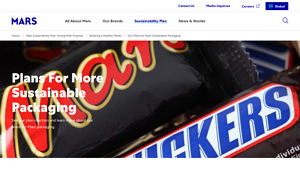
مقدمة: Mars is committed to sustainable packaging, with 64.1% of consumer-facing packaging designed to be reusable, recyclable, or compostable. They use over 14,000 metric tons of recycled content, equating to 7% of their plastic portfolio. Key initiatives include: 1) KIND® snack bars with a curbside recyclable paper wrapper pilot in the U.S.; 2) PEDIGREE’s SWAP Recycling Program in Thailand, which creat…
Strategic Sourcing Conclusion and Outlook for sustainable packaging
What Are the Key Takeaways for B2B Buyers in Sustainable Packaging?
As businesses increasingly recognize the importance of sustainability, strategic sourcing of sustainable packaging materials has emerged as a vital component of corporate responsibility and consumer appeal. Key takeaways for B2B buyers include the need to engage with suppliers who understand the entire lifecycle of packaging, from sourcing to end-of-life management. Emphasizing collaboration across the supply chain can enhance innovation and drive down costs, while also meeting regulatory requirements that are becoming more stringent globally.
كيف يمكن للتوريد الاستراتيجي تعزيز قدرتك التنافسية؟
Investing in sustainable packaging not only supports environmental goals but also aligns with shifting consumer preferences, particularly in regions like Africa, South America, the Middle East, and Europe. With a growing demand for eco-friendly solutions, businesses that prioritize sustainable sourcing can differentiate themselves in the marketplace, fostering brand loyalty and enhancing their reputation.
What Is the Future Outlook for Sustainable Packaging?
Looking ahead, the shift toward sustainable packaging is poised to accelerate, driven by technological advancements and increasing consumer awareness. International B2B buyers are encouraged to proactively integrate sustainable practices into their procurement strategies. By doing so, they can not only contribute to a greener future but also position themselves as leaders in their respective industries. Embrace this opportunity to innovate and transform your packaging strategy—your commitment to sustainability can pave the way for long-term success.




 Arabic
  English
  Russian
  Spanish
  Italian
  Thai
Thai  French
  Portuguese
  Indonesian
  German






