Introduction: Navigating the Global Market for Refillable Airless Bottle With Replaceable Inner Eco Friendly Cosmetic Bottle Sustainable Cosmetic Packaging
In the rapidly evolving cosmetic packaging industry, sourcing refillable airless bottles with replaceable inner eco-friendly cosmetic bottles presents a unique challenge for international B2B buyers. As sustainability becomes a core focus for brands, the demand for innovative packaging solutions that reduce waste and enhance product longevity is on the rise. This guide provides an in-depth exploration of the various types of refillable airless bottles available in the market, their applications across different cosmetic products, and the critical factors to consider when evaluating suppliers.
From understanding the benefits of airless technology that prevents oxidation to exploring materials such as recycled polypropylene (PP) and glass, this comprehensive resource equips buyers with the knowledge needed to make informed purchasing decisions. It addresses vital aspects such as supplier vetting processes, cost considerations, and the importance of aligning packaging solutions with brand sustainability goals.
Designed specifically for international buyers from regions like Africa, South America, the Middle East, and Europe—including key markets like Brazil and Nigeria—this guide empowers businesses to navigate the complexities of sourcing sustainable packaging. By leveraging the insights provided, B2B buyers can confidently enhance their product offerings while making a positive environmental impact, ensuring their brands stand out in a competitive marketplace.
Understanding Refillable Airless Bottle With Replaceable Inner Eco Friendly Cosmetic Bottle Sustainable Cosmetic Packaging Types and Variations
| اسم النوع | السمات المميزة الرئيسية | تطبيقات B2B الأولية | موجز الإيجابيات والسلبيات للمشترين |
|---|---|---|---|
| Glass Refillable Airless Bottle | Made from durable glass, offers a premium look; replaceable inner tube for easy refilling. | High-end cosmetic brands, serums, and lotions | الإيجابيات: Reusable, eco-friendly, enhances brand perception. السلبيات: Heavier than plastic, potential breakage. |
| Plastic Refillable Airless Bottle | Lightweight and versatile; available in various colors and designs; often made from recycled materials. | Mid-range beauty products, sunscreens | الإيجابيات: Cost-effective, customizable, lighter weight. السلبيات: Perceived lower quality compared to glass. |
| Magnetic Closure Airless Pump Bottle | Features a magnetic closure for secure sealing; minimizes air exposure to enhance product longevity. | Luxury skincare lines, high-value products | الإيجابيات: Innovative design, enhances product integrity. السلبيات: Higher manufacturing costs, complex design may limit customization. |
| Eco-Friendly Bamboo Airless Pump Bottle | Utilizes bamboo for a sustainable aesthetic; combines natural materials with modern airless technology. | Organic and natural product lines | الإيجابيات: Biodegradable, aligns with eco-conscious branding. السلبيات: Limited availability, higher cost due to material sourcing. |
| Refillable Airless Jar | Jar design allows for easy access to thicker products; replaceable inner container for sustainability. | Creams, masks, and other thick formulations | الإيجابيات: Versatile, reduces waste, attractive for creams. السلبيات: May not be suitable for all product types, bulkier design. |
What Are the Characteristics of Glass Refillable Airless Bottles?
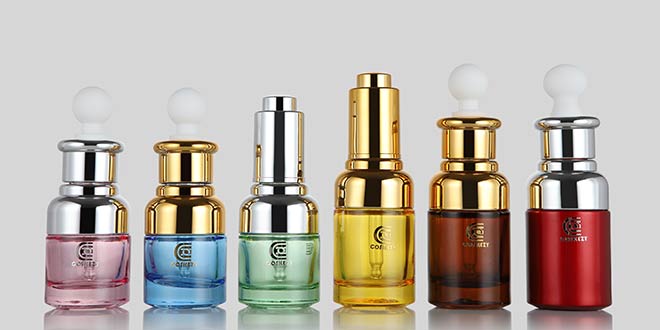
Glass refillable airless bottles are known for their premium appearance and durability. They typically feature a replaceable inner tube that allows brands to refill products easily while maintaining the outer glass structure. This type of packaging is ideal for high-end cosmetic brands focusing on serums and lotions that benefit from reduced air exposure, which helps preserve product integrity. B2B buyers should consider the weight and fragility of glass when sourcing, as these factors can impact shipping and retail display.
How Do Plastic Refillable Airless Bottles Compare?
Plastic refillable airless bottles are a popular choice due to their lightweight nature and versatility in design. Often made from recycled materials, they can be produced in various colors and styles, catering to mid-range beauty products like sunscreens and moisturizers. B2B buyers appreciate the cost-effectiveness and customizability of plastic bottles, but they should weigh these benefits against potential perceptions of lower quality compared to glass options.
What Makes Magnetic Closure Airless Pump Bottles Unique?
Magnetic closure airless pump bottles stand out with their innovative sealing mechanism that minimizes air exposure, thereby enhancing product longevity. This design is particularly suited for luxury skincare lines and high-value products that require superior preservation. While these bottles can elevate brand perception, B2B buyers should be aware of the higher manufacturing costs and potential limitations in customization due to the complexity of the design.
Why Choose Eco-Friendly Bamboo Airless Pump Bottles?
Eco-friendly bamboo airless pump bottles combine sustainability with modern packaging technology, making them attractive for brands focused on organic and natural products. These bottles not only reduce environmental impact but also resonate with eco-conscious consumers. B2B buyers should consider sourcing challenges and higher costs associated with bamboo materials but can benefit from aligning their brands with sustainable practices.
What Are the Advantages of Refillable Airless Jars?
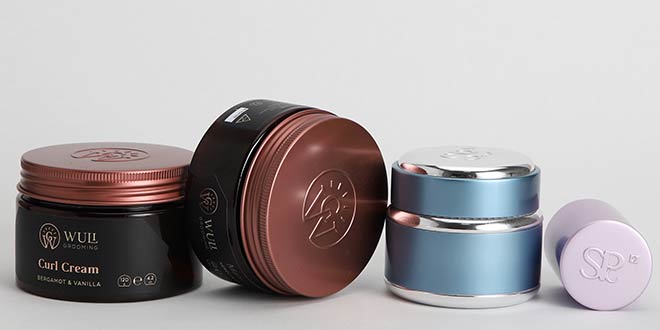
Refillable airless jars are designed for thicker formulations, allowing easy access to creams and masks while providing the sustainability of a replaceable inner container. This type of packaging is particularly appealing for products that require a more substantial application. B2B buyers should evaluate the versatility and waste reduction benefits, although they may find these jars bulkier than other packaging options, potentially affecting shelf space and consumer convenience.
Key Industrial Applications of Refillable Airless Bottle With Replaceable Inner Eco Friendly Cosmetic Bottle Sustainable Cosmetic Packaging
| الصناعة/القطاع | Specific Application of Refillable Airless Bottle With Replaceable Inner Eco Friendly Cosmetic Bottle Sustainable Cosmetic Packaging | القيمة/الفائدة للأعمال التجارية | اعتبارات التوريد الرئيسية لهذا التطبيق |
|---|---|---|---|
| مستحضرات التجميل والعناية بالبشرة | Used for lotions, creams, and serums, allowing brands to offer eco-friendly refills without compromising product integrity. | Enhances brand sustainability image and reduces waste. | Ensure compatibility with various formulations and ease of use for consumers. |
| منتجات العناية الشخصية | Ideal for deodorants and body lotions, enabling consumers to refill their products while maintaining hygiene and safety. | Increases customer loyalty through sustainable practices. | Assess user-friendliness and refill ease for a seamless consumer experience. |
| Luxury Beauty Brands | High-end brands utilize these bottles for premium products, emphasizing a commitment to sustainability and innovation. | Elevates brand perception and attracts eco-conscious consumers. | Focus on aesthetic design options and customization for brand identity. |
| الصحة والعافية | Perfect for serums and treatments, providing an airless environment that preserves product efficacy and extends shelf life. | Reduces spoilage and waste, enhancing product profitability. | Evaluate material safety and compliance with health regulations. |
| البيع بالتجزئة والتجارة الإلكترونية | Online retailers can offer refillable options that appeal to environmentally conscious consumers, enhancing market reach. | Expands product line and attracts new customer demographics. | Consider logistics for shipping and storage of refillable units. |
How Are Refillable Airless Bottles Revolutionizing the Cosmetics Industry?
In the cosmetics and skincare industry, refillable airless bottles are becoming essential for products like lotions, creams, and serums. These bottles allow brands to provide eco-friendly refills that minimize packaging waste while ensuring product integrity. For international B2B buyers, especially from regions like Africa and South America, it’s crucial to ensure that these bottles are compatible with various formulations and easy for consumers to use. This alignment not only enhances brand sustainability but also appeals to an increasingly eco-conscious consumer base.
What Benefits Do Refillable Airless Bottles Offer for Personal Care Products?
In the personal care sector, refillable airless bottles are particularly useful for deodorants and body lotions. They enable consumers to refill their products, significantly reducing single-use plastic waste while maintaining hygiene and safety. For B2B buyers, the focus should be on assessing user-friendliness and the ease of the refill process, as these factors greatly influence consumer satisfaction and loyalty. By integrating these sustainable solutions, brands can solidify their commitment to environmental responsibility.
How Do Luxury Brands Utilize Refillable Airless Bottles?
Luxury beauty brands leverage refillable airless bottles to enhance their product offerings, emphasizing sustainability and innovation. These high-end containers not only preserve the quality of premium formulations but also elevate brand perception among eco-conscious consumers. For international B2B buyers, it is vital to prioritize aesthetic design options and customization capabilities to align with the brand identity. This approach not only attracts discerning customers but also reinforces a commitment to sustainability.
Why Are Refillable Bottles Important in Health and Wellness?
In the health and wellness industry, refillable airless bottles are ideal for serums and treatments, providing an airless environment that preserves product efficacy and extends shelf life. This reduces spoilage and waste, ultimately enhancing product profitability. B2B buyers should evaluate the safety of materials used in these bottles to ensure compliance with health regulations, as this is critical for maintaining consumer trust and product integrity.
How Can Retailers Benefit from Offering Refillable Airless Bottles?
For retail and e-commerce businesses, offering refillable airless bottles can significantly expand product lines and attract environmentally conscious consumers. This innovative packaging solution enhances market reach and aligns with growing consumer demand for sustainable practices. When sourcing these products, retailers should consider the logistics of shipping and storage, ensuring that refillable units are practical for distribution while meeting consumer expectations for sustainability.

A stock image related to Refillable Airless Bottle With Replaceable Inner Eco Friendly Cosmetic Bottle Sustainable Cosmetic Packaging.
3 Common User Pain Points for ‘Refillable Airless Bottle With Replaceable Inner Eco Friendly Cosmetic Bottle Sustainable Cosmetic Packaging’ & Their Solutions
Scenario 1: Difficulty in Sourcing Sustainable Packaging Solutions
المشكلة B2B buyers often struggle to find suppliers that offer truly sustainable packaging solutions, particularly in regions like Africa and South America, where eco-friendly options may be limited. Many existing products are marketed as sustainable but may not meet the necessary environmental standards or certifications. This can lead to uncertainty regarding the integrity of the product and the supplier’s commitment to sustainability, making it challenging for businesses to align their packaging choices with their corporate social responsibility goals.
الحل: To overcome this sourcing challenge, buyers should prioritize suppliers who provide transparent documentation about their sustainability practices, including certifications for materials like recycled polypropylene (PP) or glass. Establishing partnerships with manufacturers that specialize in eco-friendly packaging, such as those offering refillable airless bottles with replaceable inner cartridges, can significantly enhance product sustainability. Conducting thorough due diligence on potential suppliers, including requesting samples and reviewing their sustainability reports, will help ensure that the chosen packaging aligns with both environmental goals and brand identity. Additionally, participating in industry trade shows can connect buyers with innovative suppliers who prioritize sustainable solutions.
Scenario 2: Complexity in User Experience and Functionality
المشكلة Many B2B buyers encounter issues with the usability and functionality of refillable airless bottles. Complex designs can confuse end-users, leading to improper usage and dissatisfaction with the product. For instance, if the mechanism for replacing the inner cartridge is not intuitive, customers may struggle to refill their bottles, resulting in wasted product and poor user experience. This can adversely affect brand reputation, especially in competitive markets where customer loyalty is paramount.
الحل: To address these usability concerns, buyers should seek suppliers that prioritize user-friendly designs in their refillable airless bottles. Specifically, look for products that feature simple mechanisms for replacing inner cartridges, such as push-button designs that allow for easy removal and insertion. Additionally, suppliers should provide clear instructional materials or even video tutorials on how to use and refill the bottles effectively. It is also beneficial to gather feedback from end-users on the product’s functionality and usability to inform future purchasing decisions. Collaborating closely with packaging designers during the development phase can also ensure that the final product meets both aesthetic and functional requirements.
Scenario 3: Managing Inventory and Cost-Effectiveness
المشكلة B2B buyers often face challenges related to managing inventory and costs associated with sustainable packaging options. While refillable airless bottles can reduce waste and long-term costs, the initial investment may be higher compared to traditional single-use packaging. This can create a dilemma for businesses that need to balance sustainability with budget constraints, particularly in emerging markets where cost sensitivity is high.
الحل: To effectively manage costs while still investing in sustainable packaging, buyers should conduct a comprehensive cost-benefit analysis that considers both short-term and long-term savings. This analysis should include potential reductions in packaging waste disposal costs and the increased customer loyalty that comes from offering eco-friendly products. Additionally, opting for bulk purchasing agreements with suppliers can lower per-unit costs. Buyers should also explore the possibility of integrating refillable packaging into their broader marketing strategy, highlighting the environmental benefits to attract eco-conscious consumers. By presenting these bottles as a premium offering, businesses can justify the higher initial investment, thus aligning sustainability with profitability.
Strategic Material Selection Guide for Refillable Airless Bottle With Replaceable Inner Eco Friendly Cosmetic Bottle Sustainable Cosmetic Packaging
What Are the Key Properties of Common Materials for Refillable Airless Bottles?
When selecting materials for refillable airless bottles with replaceable inner eco-friendly cosmetic bottles, it’s essential to consider the properties of the materials used. Here, we analyze four common materials: Polypropylene (PP), Polyethylene Terephthalate (PET), Glass, and Aluminum. Each material has unique characteristics that affect performance, cost, and sustainability.
How Does Polypropylene (PP) Perform in Cosmetic Packaging?
Polypropylene is a widely used thermoplastic known for its excellent chemical resistance and durability. It can withstand temperatures up to 100°C (212°F) and is resistant to many solvents, making it suitable for various cosmetic formulations.
الإيجابيات: PP is lightweight, cost-effective, and highly recyclable, which aligns with sustainability goals. Its flexibility allows for intricate designs, enhancing brand presentation.
السلبيات: While PP offers good durability, it can become brittle under extreme temperatures and may not provide the same premium feel as glass or aluminum.
التأثير على التطبيق: PP is compatible with a wide range of cosmetic products, including lotions and serums. Its recyclability is a significant advantage for brands aiming to reduce their environmental footprint.
اعتبارات للمشترين الدوليين: Compliance with international standards such as ASTM and DIN is crucial. In regions like Africa and South America, where recycling infrastructure may be less developed, the emphasis on recyclability may vary.
What Are the Advantages of Using Polyethylene Terephthalate (PET)?
PET is another popular choice for refillable airless bottles due to its clarity and strength. It can handle moderate temperatures and is resistant to impact, making it a durable option for packaging.
الإيجابيات: PET is lightweight and offers excellent barrier properties, protecting products from moisture and oxygen. It is also widely accepted in recycling programs.
السلبيات: While PET is recyclable, its recycling rate can be lower than that of PP. Additionally, it may not be suitable for high-temperature applications.
التأثير على التطبيق: PET is ideal for products that require visibility, such as serums and creams, as it allows consumers to see the product inside.
اعتبارات للمشترين الدوليين: Buyers should be aware of local recycling capabilities and regulations, especially in regions with stringent environmental policies.
Why Choose Glass for Refillable Airless Bottles?
Glass is often regarded as the premium choice for cosmetic packaging due to its aesthetic appeal and inert nature. It does not react with formulations, ensuring product integrity.
الإيجابيات: Glass is highly durable, offers excellent barrier properties, and is fully recyclable. It provides a luxurious feel that enhances brand image.
السلبيات: The weight and fragility of glass can increase shipping costs and the risk of breakage during transport. Additionally, the manufacturing process is more complex than plastics.
التأثير على التطبيق: Glass is suitable for high-end products such as serums and creams, where brand perception is critical.
اعتبارات للمشترين الدوليين: Compliance with safety standards is vital, especially in regions with strict regulations. Buyers should also consider the environmental impact of glass transportation.
What Are the Benefits of Using Aluminum in Cosmetic Packaging?
Aluminum is gaining popularity in sustainable packaging due to its lightweight nature and recyclability. It provides a modern look and excellent barrier properties.
الإيجابيات: Aluminum is resistant to corrosion and can withstand various environmental conditions. It is also fully recyclable, making it an eco-friendly option.
السلبيات: The initial cost of aluminum can be higher than plastics, and it may require specialized manufacturing processes.
التأثير على التطبيق: Aluminum is ideal for products that require protection from light and air, such as creams and lotions.
اعتبارات للمشترين الدوليين: Buyers should consider the availability of recycling facilities in their regions, as this can impact the sustainability of aluminum packaging.
جدول ملخص خواص المواد
| المواد | Typical Use Case for Refillable Airless Bottle With Replaceable Inner Eco Friendly Cosmetic Bottle Sustainable Cosmetic Packaging | الميزة الرئيسية | العيب/التقييد الرئيسي | التكلفة النسبية (منخفضة/متوسطة/مرتفعة) |
|---|---|---|---|---|
| البولي بروبلين (PP) | Lotions, serums, and creams | خفيفة الوزن وفعالة من حيث التكلفة | Can become brittle under extreme temperatures | منخفضة |
| بولي إيثيلين تيريفثالات البولي إيثيلين (PET) | Serums and creams | خصائص حاجز ممتاز | Lower recycling rates compared to PP | متوسط |
| زجاج | High-end serums and creams | Luxurious feel and fully recyclable | أثقل وزناً وأكثر هشاشة | عالية |
| ألومنيوم | Light-sensitive creams and lotions | Corrosion-resistant and eco-friendly | تكلفة أولية أعلى | متوسط |
This guide provides a comprehensive overview of material selection for refillable airless bottles, ensuring B2B buyers can make informed decisions that align with their sustainability goals and market demands.

A stock image related to Refillable Airless Bottle With Replaceable Inner Eco Friendly Cosmetic Bottle Sustainable Cosmetic Packaging.
In-depth Look: Manufacturing Processes and Quality Assurance for Refillable Airless Bottle With Replaceable Inner Eco Friendly Cosmetic Bottle Sustainable Cosmetic Packaging
What Are the Main Stages in the Manufacturing Process of Refillable Airless Bottles?
The production of refillable airless bottles with replaceable inner eco-friendly cosmetic containers involves several critical stages, each designed to ensure that the final product meets both functional and aesthetic requirements.
1. تحضير المواد
Material selection is paramount in the manufacturing process. Commonly used materials include Polypropylene (PP) for the outer structure, which can incorporate post-consumer recycled (PCR) content to enhance sustainability. Glass is often utilized for its premium feel and recyclability. During this stage, materials are sourced from certified suppliers to ensure compliance with environmental standards.
2. التشكيل
The forming process typically involves injection molding and blow molding techniques. For instance, injection molding is used to create the outer casing and actuator components, while blow molding is utilized for the inner bottle. The choice of technique depends on the material properties and desired finish. Advanced technologies, such as automated molding systems, help ensure precision and reduce waste during production.
3. التجميع
Assembly is where the various components come together. In the case of refillable airless bottles, the inner cartridge is designed to be easily replaceable, allowing consumers to switch out empty containers with minimal effort. This assembly process often employs automated systems that ensure consistent quality and reduce labor costs. Each unit is meticulously checked to confirm that the actuator functions properly and that the sealing mechanisms are airtight.
4. التشطيب
Finishing touches include surface treatments such as spray coating, UV coating, or metallization to enhance the product’s appearance and durability. These processes not only improve aesthetics but also add protective layers that can help resist scratches and other forms of wear. Additionally, branding elements like labels or logos are applied during this stage, ensuring that the product aligns with the client’s marketing strategy.
How Is Quality Assurance Implemented in Manufacturing?
Quality assurance (QA) is an integral part of the manufacturing process for refillable airless bottles. By adhering to international standards, manufacturers can ensure that their products are reliable, safe, and effective.
ما هي المعايير الدولية التي يجب أن يكون مشترو B2B على دراية بها؟
B2B buyers should be familiar with various international standards that govern quality assurance in cosmetic packaging. The most relevant include:
-
الأيزو 9001 This standard outlines the criteria for a quality management system (QMS) and ensures that products consistently meet customer and regulatory requirements. Manufacturers who are ISO 9001 certified demonstrate a commitment to quality and continuous improvement.
-
علامة CE: Relevant for products sold in the European market, the CE mark indicates conformity with health, safety, and environmental protection standards.
-
API (Active Pharmaceutical Ingredients) Compliance: For cosmetic products that may contain pharmaceutical elements, compliance with API standards ensures that the ingredients meet stringent safety and efficacy criteria.
ما هي نقاط التحقق الرئيسية لمراقبة الجودة؟
Quality control (QC) is conducted at various stages of the manufacturing process to mitigate risks and ensure quality. Key checkpoints include:
-
مراقبة الجودة الواردة (IQC): At this stage, incoming raw materials are inspected for quality and compliance with specifications. This helps to prevent defective materials from entering the production line.
-
مراقبة الجودة أثناء العملية (IPQC): During the manufacturing process, samples are taken at various intervals to ensure that production parameters remain within set limits. This may involve monitoring temperature, pressure, and material consistency.
-
مراقبة الجودة النهائية (FQC): Once the bottles are assembled and finished, a final inspection is conducted to ensure that each unit meets quality standards. This includes functionality tests, aesthetic checks, and leak tests.
كيف يمكن لمشتري B2B التحقق من مراقبة جودة الموردين؟
To ensure that suppliers adhere to robust quality control practices, B2B buyers should consider the following strategies:
1. Conducting Audits
Regular audits of suppliers’ manufacturing facilities can provide insights into their quality assurance processes. Buyers should evaluate the effectiveness of their QMS and verify compliance with international standards.
2. Requesting Quality Reports
Buyers can request detailed quality reports that outline the results of IQC, IPQC, and FQC processes. These reports should include data on defect rates, corrective actions taken, and any certifications achieved.
3. Utilizing Third-Party Inspections
Engaging third-party inspection services can provide an unbiased assessment of a supplier’s quality control processes. These organizations can conduct random inspections and provide reports that help buyers make informed decisions.
What Are the Quality Control and Certification Nuances for International Buyers?
International B2B buyers, particularly from regions like Africa, South America, the Middle East, and Europe, must navigate specific challenges regarding quality control and certification:
-
الامتثال التنظيمي: Different regions have unique regulatory requirements for cosmetic products. Buyers should ensure that suppliers are familiar with local regulations, including labeling, safety assessments, and ingredient restrictions.
-
Cultural Expectations: Quality perceptions may vary across cultures. It’s essential for suppliers to understand the local market’s expectations regarding packaging quality and functionality.
-
Sustainability Certification: As sustainability becomes increasingly important, buyers should look for suppliers who can demonstrate their commitment through certifications like FSC (Forest Stewardship Council) or other eco-labels that affirm the use of sustainable materials.
By understanding these manufacturing processes and quality assurance practices, B2B buyers can make informed decisions when sourcing refillable airless bottles with replaceable inner eco-friendly cosmetic containers. This not only enhances their product offerings but also aligns with the growing consumer demand for sustainable packaging solutions.
Practical Sourcing Guide: A Step-by-Step Checklist for ‘Refillable Airless Bottle With Replaceable Inner Eco Friendly Cosmetic Bottle Sustainable Cosmetic Packaging’
مقدمة
This guide provides a comprehensive checklist for B2B buyers seeking to procure refillable airless bottles with replaceable inner eco-friendly cosmetic packaging. As sustainability becomes a key differentiator in the cosmetics industry, understanding the nuances of sourcing this innovative packaging solution is essential. This checklist will help streamline the process, ensuring you select the right suppliers and products that align with your brand’s sustainability goals.
الخطوة 1: تحديد المواصفات الفنية الخاصة بك
Before initiating the sourcing process, clearly outline the technical specifications for your refillable airless bottles. Consider aspects such as capacity (e.g., 30ml, 50ml), materials (e.g., glass, polypropylene), and design features (e.g., ease of use, compatibility with your product formulations). Defining these parameters will help narrow down potential suppliers and facilitate more accurate quotations.
الخطوة 2: Research Eco-Friendly Materials
Sustainability is a critical factor in modern cosmetic packaging. Investigate suppliers that utilize eco-friendly materials, such as 75-100% post-consumer recycled (PCR) polypropylene or glass. Ensure that the materials are not only recyclable but also safe for cosmetics. This aligns with consumer preferences for environmentally responsible products, enhancing your brand image.
الخطوة 3: تقييم الموردين المحتملين
It’s vital to thoroughly vet potential suppliers before making commitments. Request company profiles, case studies, and references from buyers in similar industries or regions. Look for suppliers with a proven track record in sustainable packaging, as well as those that can demonstrate their commitment to eco-friendly practices through certifications or awards.
- Key Questions to Ask:
- What percentage of your materials is sourced from recycled content?
- Can you provide evidence of your sustainability certifications?
الخطوة 4: التحقق من شهادات الموردين
Ensure that your selected suppliers possess relevant certifications that affirm their commitment to sustainability and quality. Certifications such as ISO 14001 (Environmental Management) and FSC (Forest Stewardship Council) can be indicators of a supplier’s dedication to sustainable practices. These credentials not only enhance product credibility but also reassure your customers about the environmental impact of your packaging.
الخطوة 5: طلب عينات لتقييم الجودة
Before finalizing your order, request product samples to assess quality and functionality. Evaluate how well the refillable airless bottle performs in terms of dispensing, user experience, and overall aesthetic. This step is crucial in determining whether the product aligns with your brand’s quality standards and customer expectations.
الخطوة 6: مناقشة خيارات التخصيص
Engage with suppliers about potential customization options for your packaging. This could include branding elements such as colors, logos, and additional design features. Customization not only helps differentiate your product in a competitive market but also reinforces your brand identity.
- Considerations for Customization:
- What are the minimum order quantities for custom designs?
- How long is the lead time for customized products?
الخطوة 7: Evaluate Cost-Effectiveness and Supply Chain Efficiency
Finally, assess the cost-effectiveness of your chosen suppliers and their ability to meet your supply chain requirements. Compare pricing structures, shipping costs, and delivery timelines. Understanding the total cost of ownership, including any potential savings from reduced material waste through refillable systems, will help you make a more informed decision.
By following this checklist, B2B buyers can ensure a streamlined sourcing process for refillable airless bottles, aligning their procurement strategies with sustainability goals while enhancing their product offerings in the competitive cosmetics market.
Comprehensive Cost and Pricing Analysis for Refillable Airless Bottle With Replaceable Inner Eco Friendly Cosmetic Bottle Sustainable Cosmetic Packaging Sourcing
What Are the Key Cost Components for Sourcing Refillable Airless Bottles?
When analyzing the costs associated with refillable airless bottles with replaceable inner eco-friendly cosmetic bottles, several key components come into play. The primary cost elements include materials, labor, manufacturing overhead, tooling, quality control (QC), logistics, and supplier margins.
-
المواد: The choice of materials significantly impacts the overall cost. Eco-friendly options like polypropylene (PP) and glass are common, but using recycled materials can further increase sustainability and potentially reduce costs over time. High-quality materials will command higher prices but may offer better durability and customer appeal.
-
العمالة ونفقات التصنيع الزائدة: Labor costs can vary by region, with countries in Africa or South America typically having lower labor costs compared to European nations. Manufacturing overhead includes utilities, equipment maintenance, and facility expenses, which can also fluctuate based on geographic location.
-
الأدوات: Custom molds and tooling for producing unique designs or sizes can require a significant upfront investment. Buyers should consider whether they need standard designs or custom options, as this can drastically influence the initial capital outlay.
-
مراقبة الجودة (QC): Ensuring product integrity through rigorous QC processes adds to costs but is essential for maintaining brand reputation. Certifications and compliance with international standards, particularly for markets in Europe, may also increase QC expenses.
-
الخدمات اللوجستية: Transportation costs can vary widely depending on the supplier’s location, shipping method, and destination. For international buyers, understanding Incoterms is crucial to gauge which party is responsible for various shipping-related costs.
-
الهامش: Suppliers will add a margin to their costs, which can vary based on their market position, competition, and the perceived value of their product.
كيف تؤثر العوامل المؤثرة في الأسعار على قرارات التوريد؟
Several factors can influence the pricing of refillable airless bottles, impacting the overall sourcing strategy for B2B buyers.
-
الحجم/معدل العرض/الطلب: Minimum order quantities (MOQs) often dictate pricing structures. Higher volumes typically lead to lower unit costs, making bulk purchasing an attractive option for businesses planning large product launches.
-
المواصفات والتخصيص: Custom designs or additional features such as unique closures or decorative finishes can increase costs. Buyers should weigh the benefits of customization against their budget constraints.
-
الجودة والشهادات: The level of quality and any relevant certifications (such as ISO standards) can affect pricing. Buyers in regions with stringent regulations, like Europe, may prioritize suppliers that meet these standards, even at a higher cost.
-
عوامل الموردين: The supplier’s reputation, production capacity, and reliability play a significant role in pricing. Established suppliers may charge more but offer better guarantees regarding product quality and delivery timelines.
What Negotiation Tips Can Help Buyers Achieve Cost-Efficiency?
International B2B buyers should consider several strategies to enhance cost-efficiency when sourcing refillable airless bottles.
-
فهم التكلفة الإجمالية للملكية (TCO): TCO includes not just the purchase price but also shipping, handling, storage, and potential wastage. A lower upfront price might not be the best deal if it leads to higher long-term costs.
-
الاستفادة من خصومات الحجم الكبير: Negotiating based on projected sales volumes can help secure better pricing. Suppliers are often more flexible with pricing for larger orders.
-
اطلب عروض أسعار متعددة: Requesting quotes from various suppliers allows buyers to compare not just prices but also terms, delivery times, and quality assurances.
-
كن على دراية بالفروق الدقيقة في التسعير: Different regions have unique pricing structures influenced by local economic conditions, tariffs, and import/export regulations. Buyers should be informed about these factors to negotiate effectively.
-
بناء العلاقات: Establishing strong relationships with suppliers can lead to better pricing and terms over time. Trust and reliability can lead to more favorable negotiations.
Conclusion: What Should Buyers Keep in Mind?
While sourcing refillable airless bottles with replaceable inner eco-friendly cosmetic packaging, it’s essential for buyers to consider the comprehensive cost structure and pricing influencers. With a thoughtful approach to negotiation and an understanding of the total cost of ownership, buyers can make informed decisions that align with their sustainability goals and budget constraints. Always remember that indicative prices can fluctuate based on market conditions and should be confirmed with suppliers for accuracy.
Alternatives Analysis: Comparing Refillable Airless Bottle With Replaceable Inner Eco Friendly Cosmetic Bottle Sustainable Cosmetic Packaging With Other Solutions
Exploring Alternatives to Refillable Airless Bottles in Sustainable Cosmetic Packaging
In the quest for sustainable cosmetic packaging, the refillable airless bottle with a replaceable inner eco-friendly cartridge has emerged as a frontrunner. However, various alternative solutions also aim to reduce environmental impact while meeting the evolving needs of consumers and brands alike. This section provides a comparative analysis of the refillable airless bottle against two viable alternatives: traditional recyclable packaging and bamboo-based containers.
| جانب المقارنة | Refillable Airless Bottle With Replaceable Inner Eco Friendly Cosmetic Bottle Sustainable Cosmetic Packaging | Traditional Recyclable Packaging | Bamboo-Based Containers |
|---|---|---|---|
| الأداء | Excellent product preservation, minimizes air exposure, reusable outer components. | Good, but may allow air exposure leading to product degradation. | Good, offers natural aesthetics, but durability can vary. |
| التكلفة | Higher initial investment due to innovative design and materials. | Generally lower cost and widely available. | Moderate cost, depending on sourcing and design. |
| سهولة التنفيذ | Requires education for consumers on refill process; user-friendly design mitigates challenges. | Easy to implement with established processes. | May require additional supplier partnerships for sourcing. |
| الصيانة | Low maintenance; only the inner cartridge needs replacement. | Regular recycling processes needed after use. | Requires careful handling; biodegradable but not as durable. |
| أفضل حالة استخدام | Ideal for premium products requiring high-end presentation and sustainability. | Suitable for mass-market products where cost is a primary concern. | Best for eco-conscious brands wanting a natural look and feel. |
Traditional Recyclable Packaging: Pros and Cons
Traditional recyclable packaging, such as standard plastic or glass containers, has long been a staple in the cosmetic industry. Its primary advantage lies in its lower cost and ease of manufacturing. However, while these containers can be recycled, they often allow air exposure, which can lead to product degradation and shorter shelf life. Additionally, the recycling process may not always be efficient, contributing to overall waste.
Bamboo-Based Containers: Pros and Cons
Bamboo-based containers are gaining traction as an eco-friendly option. They provide a unique aesthetic and are biodegradable, appealing to brands focused on sustainability. However, sourcing high-quality bamboo can be challenging, and the durability of these containers may not match that of plastic or glass. While they align with eco-conscious branding, they may not be suitable for all product types, particularly those requiring stringent preservation methods.
How to Choose the Right Sustainable Packaging Solution
When selecting a sustainable packaging solution, B2B buyers must consider several factors, including performance, cost, and target market preferences. The refillable airless bottle with a replaceable inner cartridge is an excellent choice for brands focusing on premium products and sustainability, offering superior product preservation and a luxurious user experience. In contrast, traditional recyclable packaging may suit companies with tighter budgets or those targeting mass-market consumers. Bamboo-based containers can be a viable option for brands emphasizing natural aesthetics and ecological responsibility. Ultimately, understanding the unique needs of your brand and customer base will guide you toward the most suitable packaging solution.
Essential Technical Properties and Trade Terminology for Refillable Airless Bottle With Replaceable Inner Eco Friendly Cosmetic Bottle Sustainable Cosmetic Packaging
What Are the Key Technical Properties of Refillable Airless Bottles?
When evaluating refillable airless bottles with replaceable inner eco-friendly cosmetic packaging, several technical properties are vital for B2B buyers to understand. Here are the critical specifications to consider:
-
درجة المادة
The material used in the construction of the bottle significantly impacts its durability, recyclability, and overall environmental footprint. Common materials include Polypropylene (PP) and glass, with options for 75-100% post-consumer recycled (PCR) content. For B2B buyers, selecting high-grade materials ensures product integrity and aligns with sustainability goals. -
السعة الحجمية
Typically ranging from 15ml to 50ml, the volume capacity of refillable airless bottles dictates how much product can be stored. This specification is crucial for brands aiming to meet consumer demand while managing production costs. Understanding volume options allows companies to tailor their offerings based on market trends. -
التسامح
Tolerance refers to the allowable variation in dimensions and performance characteristics of the bottle components. For airless systems, precise tolerances are critical to ensuring that the pump mechanism functions correctly and efficiently. Inconsistent tolerances can lead to product wastage and consumer dissatisfaction, making it essential for manufacturers to maintain strict quality control. -
User-Friendliness
The design of the refillable airless bottle should prioritize ease of use, particularly the mechanism for replacing the inner cartridge. User-friendly designs enhance customer experience and encourage repeat purchases. B2B buyers should assess the design’s intuitiveness as part of their selection criteria. -
ميزات الاستدامة
Key attributes such as recyclability and the ability to reuse components can significantly reduce the carbon footprint of the packaging. Understanding the sustainability features of the products helps brands position themselves as eco-conscious, which is increasingly important in global markets. -
Actuator Performance
The actuator, responsible for dispensing the product, plays a crucial role in the bottle’s effectiveness. It must provide a consistent and controlled release of the product, minimizing air exposure. B2B buyers should inquire about actuator performance metrics to ensure product longevity and user satisfaction.
What Are Common Trade Terms in the Refillable Airless Bottle Industry?
Understanding industry jargon is essential for effective communication and negotiation in B2B transactions. Here are key terms frequently encountered:
-
OEM (الشركة المصنعة للمعدات الأصلية)
OEM refers to a company that produces parts or equipment that may be marketed by another manufacturer. In the context of refillable airless bottles, working with an OEM can facilitate custom designs and specifications tailored to specific brand requirements. -
موك (الحد الأدنى لكمية الطلب)
MOQ is the smallest order size that a supplier will accept. This term is crucial for B2B buyers as it affects inventory management and production planning. Understanding MOQ helps buyers negotiate better terms and manage costs effectively. -
طلب عرض الأسعار (RFQ)
An RFQ is a document sent to suppliers requesting pricing and other details for specific products. For B2B buyers, issuing an RFQ is a critical step in sourcing the best packaging solutions while ensuring competitive pricing. -
إنكوترمز (الشروط التجارية الدولية)
Incoterms are a set of international rules that define the responsibilities of buyers and sellers regarding the delivery of goods. Familiarity with Incoterms is essential for B2B transactions, particularly in understanding shipping costs, risks, and responsibilities. -
الامتثال للاستدامة
This term refers to adherence to various environmental regulations and standards related to packaging. For international B2B buyers, ensuring that suppliers meet sustainability compliance is vital for maintaining brand integrity and meeting consumer expectations. -
خيارات التخصيص
Customization options refer to the ability to modify aspects of the packaging, such as design, color, and materials. This flexibility allows brands to create unique packaging that aligns with their identity, making it a significant consideration for B2B buyers looking to differentiate themselves in the market.
Navigating Market Dynamics and Sourcing Trends in the Refillable Airless Bottle With Replaceable Inner Eco Friendly Cosmetic Bottle Sustainable Cosmetic Packaging Sector
What Are the Current Market Dynamics and Key Trends in Refillable Airless Bottles?
The global market for refillable airless bottles with replaceable inner eco-friendly cosmetic packaging is witnessing substantial growth, driven by increasing consumer demand for sustainable and innovative packaging solutions. International B2B buyers from regions such as Africa, South America, the Middle East, and Europe, including countries like Brazil and Nigeria, are particularly focused on sourcing products that not only enhance brand image but also align with eco-conscious values. Key trends include the adoption of advanced materials like recycled polypropylene (PP) and glass, which not only reduce the carbon footprint but also cater to the rising consumer preference for sustainable products.
Emerging technologies in packaging design are facilitating user-friendly systems that improve the efficiency of the refill process. Companies are investing in research and development to create intuitive mechanisms that allow for easy replacement of inner cartridges, enhancing the overall customer experience. Additionally, as global regulations around plastic waste become stricter, B2B buyers are increasingly seeking suppliers who can demonstrate compliance with environmental standards, ensuring that their packaging solutions meet both legal and consumer expectations.
How Important Is Sustainability and Ethical Sourcing in the Cosmetic Packaging Sector?
Sustainability has become a cornerstone of strategic sourcing in the refillable airless bottle market. The environmental impact of traditional packaging methods is prompting brands to shift towards innovative solutions that minimize waste. Ethical supply chains are critical, as buyers are increasingly scrutinizing the sourcing practices of their suppliers. Companies that can demonstrate a commitment to sustainability through transparency in their supply chains are likely to gain a competitive advantage.
Utilizing materials with recognized ‘green’ certifications is becoming a key consideration for B2B buyers. Options such as 75-100% post-consumer recycled (PCR) polypropylene and biodegradable materials are gaining traction. Certifications like FSC (Forest Stewardship Council) and ISO 14001 (Environmental Management) not only validate the sustainability claims of packaging solutions but also resonate with environmentally conscious consumers. For buyers, investing in sustainable packaging is not just about compliance; it’s about fostering brand loyalty and appealing to a growing segment of eco-aware consumers.
What Is the Evolution of Refillable Airless Bottles and Their Significance for B2B Buyers?
The evolution of refillable airless bottles can be traced back to the need for more sustainable and efficient packaging solutions in the cosmetic industry. Initially, airless packaging was designed primarily to enhance product preservation by minimizing exposure to air, thus extending the shelf life of cosmetics. However, as consumer awareness around sustainability grew, the focus shifted towards creating refillable systems that not only protect the product but also reduce waste.
Today, advancements in design and materials have led to the development of bottles that feature replaceable inner cartridges. This innovation allows consumers to reuse the outer bottle while only replacing the inner component, effectively reducing plastic waste. For B2B buyers, this evolution signifies a crucial opportunity to align their product offerings with sustainability trends, thereby enhancing their market position and meeting the increasing demand for eco-friendly packaging solutions. The integration of these features in packaging design not only reflects a commitment to environmental responsibility but also caters to the evolving expectations of consumers around the globe.
Frequently Asked Questions (FAQs) for B2B Buyers of Refillable Airless Bottle With Replaceable Inner Eco Friendly Cosmetic Bottle Sustainable Cosmetic Packaging
-
1. How do I ensure the sustainability of my cosmetic packaging?
To ensure sustainability in your cosmetic packaging, consider sourcing refillable airless bottles made from eco-friendly materials like polypropylene (PP) or glass. Look for suppliers who utilize recycled content in their products and offer a replaceable inner cartridge to minimize waste. Additionally, evaluate the packaging’s design for user-friendliness, as intuitive designs can enhance customer experience while promoting sustainability. Collaborating with manufacturers that adhere to sustainable practices can help align your brand with eco-conscious consumers, thus enhancing your market appeal. -
2. What is the best way to evaluate suppliers for refillable airless bottles?
When evaluating suppliers for refillable airless bottles, prioritize those with a proven track record in sustainable practices and quality assurance. Request samples to assess the product’s functionality and durability. Check for certifications indicating compliance with international standards. Engage in discussions to understand their manufacturing processes, material sourcing, and customization options. It’s also beneficial to read reviews or testimonials from other B2B clients to gauge reliability and service quality. -
3. What are the minimum order quantities (MOQs) for refillable airless bottles?
Minimum order quantities (MOQs) for refillable airless bottles can vary significantly between suppliers, often ranging from 500 to several thousand units. When approaching potential suppliers, inquire about their MOQs and whether they offer flexibility for smaller orders, especially for new brands or startups. Some manufacturers might provide lower MOQs for custom designs or bulk orders, enabling you to balance your inventory needs with cost-effectiveness. -
4. How can I customize my refillable airless bottles?
Customization options for refillable airless bottles typically include selecting materials, colors, sizes, and printing methods for branding. Engage with your supplier early in the design process to explore available options, including surface treatments like UV coating or metallization. Many manufacturers also offer bespoke mold services, allowing you to create unique packaging that aligns with your brand identity. Ensure that you communicate your requirements clearly to achieve the desired outcome. -
5. What payment terms should I expect when sourcing from international suppliers?
Payment terms can vary widely among international suppliers, but common practices include upfront deposits (usually 30-50%) with the balance due upon shipment. Some suppliers may offer payment via letters of credit or escrow services for added security. Discuss payment options during negotiations to find terms that align with your cash flow and risk tolerance. Additionally, inquire about any potential discounts for early payments or bulk orders to maximize your budget. -
6. How do I ensure quality assurance for my cosmetic packaging?
To ensure quality assurance for your cosmetic packaging, collaborate with suppliers who have stringent quality control processes in place. Request documentation of their quality certifications, such as ISO standards. It’s advisable to conduct pre-production samples and audits to verify the product meets your specifications. Establish clear communication channels for feedback and adjustments during the manufacturing process, ensuring that the final product aligns with your quality expectations. -
7. What logistics considerations should I be aware of when importing cosmetic packaging?
Logistics considerations for importing cosmetic packaging include shipping methods, customs regulations, and delivery timelines. Understand the import duties and tariffs applicable to your products in your destination country, as these can impact overall costs. Partnering with a logistics provider experienced in international shipping can streamline the process. Ensure that your supplier provides accurate shipping documentation to facilitate smooth customs clearance and minimize delays. -
8. How can refillable airless bottles enhance my brand’s market positioning?
Refillable airless bottles not only reduce waste but also resonate with the growing consumer demand for sustainable products. By adopting eco-friendly packaging, your brand can differentiate itself in a competitive market, appealing to environmentally conscious consumers. Highlighting the benefits of refillable systems, such as reduced carbon footprints and enhanced product longevity, can enhance your brand’s image. Additionally, innovative designs can elevate the perceived value of your products, fostering loyalty among customers.
تنويه هام وشروط الاستخدام
⚠️ إخلاء مسؤولية مهم ⚠️
المعلومات الواردة في هذا الدليل، بما في ذلك المحتوى المتعلق بالمصنعين والمواصفات الفنية وتحليل السوق، هي لأغراض إعلامية وتعليمية فقط. وهي لا تشكل مشورة مهنية في مجال المشتريات أو مشورة مالية أو مشورة قانونية.
على الرغم من أننا بذلنا كل جهد ممكن لضمان دقة المعلومات ودقة توقيتها، إلا أننا لسنا مسؤولين عن أي أخطاء أو سهو أو معلومات قديمة. تخضع ظروف السوق وتفاصيل الشركة والمعايير الفنية للتغيير.
يجب على المشترين بين الشركات إجراء العناية الواجبة المستقلة والشاملة الخاصة بهم قبل اتخاذ أي قرارات شراء. ويشمل ذلك الاتصال بالموردين مباشرة، والتحقق من الشهادات، وطلب عينات، وطلب الاستشارات المهنية. يتحمل القارئ وحده مخاطر الاعتماد على أي معلومات واردة في هذا الدليل.
Top 5 Refillable Airless Bottle With Replaceable Inner Eco Friendly Cosmetic Bottle Sustainable Cosmetic Packaging Manufacturers & Suppliers List
1. RTCO PAK – Glass Refillable Airless Bottle

المجال: cosmetic-bottlejar.com
مسجل: 2023 (2 سنة)
مقدمة: {“Product Name”: “Glass Refillable Airless Bottle”, “Brand”: “RTCO PAK”, “Capacity”: “15-50ml”, “Materials”: {“Cap”: “PP”, “Actuator”: “PP”, “Outer Bottle”: “Glass”, “Inner”: “PP”}, “Common Usage”: [“Lotion”, “Face Cream”, “Serum”, “Face Mask”, “Eye Cream”, “Foundation Makeup”], “Decoration Options”: [“In-mold color”, “Spray Coating”, “Metallization”, “Heat Transfer Printing”, “Silk Printing”, “UV…
2. Imorepack – Twist-up Lock Airless Cosmetic Pump Bottles

المجال: imorepack.com
مسجل: 2023 (2 سنة)
مقدمة: {“products”:[{“name”:”Twist-up Lock Airless Cosmetic Pump Bottles”,”material”:”ABS outer bottle, PP inner chamber”,”capacity”:[“25ml”,”45ml”],”colors”:[“White”,”Black”,”Green”,”Pink”,”Blue”,”Grey”,”Purple”,”Yellow”,”Any Custom Color”],”bottle_cap”:”Twist Up”,”surface_finish”:[“Screen Printing”,”Hot Stamping”,”Labeling”,”Electroplating”,”Spray Coating”,”Frosting”,”Matte Finish”],”application”:”Skin…
3. Gidea Pac – Key Product Details

المجال: gideapac.com
مسجل: 2023 (2 سنة)
مقدمة: Key Product Details: 1. Product Types: – Foundations – Lip Balm – Sunscreen – Hair Powder – Nail Care 2. Product Pack Types: – Pump Bottles – Dropper Bottles – Spray Bottles – Flip-top Bottles – Roller Bottles – Cosmetic Jars – Cosmetic Tubes – Airless Bottles – Airless Jars 3. Sustainability Features: – Post-consumer Recycled Plastic – Ocean-bound Plastic – Refillable – Mono-material – Biodegrada…
4. Jarsking – Refillable Cosmetic Packaging
المجال: jarskingking.com
مسجل: 2022 (3 سنوات)
مقدمة: Leading Refillable Cosmetic Packaging Manufacturer: Sustainable Beauty Solutions for a Circular Economy. Refillable beauty reduces waste and minimizes single-use products, projected to exceed US $64 billion by 2034. Jarsking offers Cradle-to-Cradle inspired packaging solutions including glass, acrylic, and airless systems with easy snap-in refill mechanisms. Material types include ABS, Acrylic, Ec…
5. Cosmetic Packaging Now – PP Airless Bottles

المجال: cosmeticpackagingnow.com
مسجل: 2017 (8 سنوات)
مقدمة: PP Airless Cosmetic Bottles available in sizes ranging from 5 ML to 150 ML. Made from recyclable polypropylene. Suitable for various cosmetic applications including CBD packaging. No minimum order quantity. All orders ship from the United States. Featured products include: 50 ML White PP Airless Bottle with Frosted Cap ($1.45), 30 ML White PP Airless Bottle with Frosted Cap ($0.79), 150 ML White P…
Strategic Sourcing Conclusion and Outlook for Refillable Airless Bottle With Replaceable Inner Eco Friendly Cosmetic Bottle Sustainable Cosmetic Packaging
In conclusion, the shift towards refillable airless bottles with replaceable inner eco-friendly cosmetic packaging represents a pivotal advancement in sustainable practices within the cosmetics industry. B2B buyers should prioritize sourcing options that emphasize material recyclability, user-friendly designs, and cost-effectiveness. The innovative designs, such as those utilizing 75-100% post-consumer recycled polypropylene, significantly reduce environmental footprints while enhancing product longevity through effective airless mechanisms.
As international buyers from regions like Africa, South America, the Middle East, and Europe seek to align with evolving consumer preferences for sustainability, it is crucial to engage with suppliers who not only provide high-quality packaging solutions but also share a commitment to ecological responsibility. Strategic sourcing in this area will not only bolster brand integrity but also contribute to a more sustainable future for the beauty industry.
Looking ahead, the demand for sustainable packaging will continue to grow, presenting significant opportunities for brands to differentiate themselves in a competitive marketplace. Buyers are encouraged to act now—explore innovative packaging solutions, collaborate with sustainable suppliers, and align your offerings with the increasing consumer demand for eco-friendly products. Together, we can drive meaningful change in cosmetic packaging.




 Arabic
  English
  Russian
  Spanish
  Italian
  Thai
Thai  French
  Portuguese
  Indonesian
  German