Introduction: Navigating the Global Market for 100ml cologne
The 100ml cologne bottle has cemented its position as a global benchmark in the fragrance industry, balancing consumer convenience with impactful branding and compliance requirements. For international B2B buyers—whether operating in Africa’s fast-evolving retail landscapes, South America’s dynamic distribution networks, the luxury-driven Middle East, or Europe’s highly regulated markets—sourcing the right 100ml cologne is both an opportunity and a complex strategic challenge. The right decision goes beyond a mere packaging choice; it directly influences product longevity, logistics efficiency, and competitive positioning on the shelf and in consumers’ minds.
What sets the 100ml size apart is its universal appeal. In premium and mainstream markets alike, consumers expect this format for gifting, personal use, and travel. Its standardization streamlines inventory management and marketing across diverse retail channels—making it a core SKU for established brands and emerging private labels. However, region-specific demands and evolving sustainability requirements mean there’s no one-size-fits-all solution. African and South American buyers must consider transport resilience and climate impacts; Middle Eastern partners often demand advanced customization and opulent designs; European buyers face stringent regulatory and environmental standards.
This guide is designed to empower B2B buyers with actionable knowledge across every stage of the procurement journey. Inside, you’ll gain a clear, comparative view of bottle types and materials best suited for your target markets. You’ll uncover essential insights into manufacturing and quality control strategies that preserve scent integrity while meeting compliance mandates. Expect proven frameworks for supplier sourcing, negotiation tips, and in-depth analysis of cost drivers—from production minimums to the true cost of customization. The guide also delivers up-to-date intelligence on shifting global trends and practical answers to the most pressing regulatory and logistics questions.
With this comprehensive resource, international buyers gain the clarity needed to make informed, future-proof sourcing decisions, maximize supplier value, and drive brand success—no matter where their business operates.
Understanding 100ml cologne Types and Variations
| اسم النوع | السمات المميزة الرئيسية | تطبيقات B2B الأولية | موجز الإيجابيات والسلبيات للمشترين |
|---|---|---|---|
| Classic Glass Bottle | Transparent/tinted glass, customizable shapes, atomizer/sprayer | Luxury & mass-market cologne lines | High-end appeal; fragile, higher shipping costs |
| كريستال/زجاج مقطوع | Ornate, heavy-cut or molded glass with decorative elements | Prestige, collectible, and limited editions | Premium branding; costly, heavy, requires careful handling |
| Aluminum Bottle/Can | Lightweight, opaque, cylindrical or custom, high resilience | Niche, travel, high-humidity/climate-focused | Durable, light-protective; MOQs, potentially limited visuals |
| PET/HDPE Plastic | Squeezable, impact-resistant, various closures, lightweight | Budget, sampling, promotions | Cost-effective, shatterproof; lower premium perception |
| Roll-on Bottle | Integrated roll-on applicator, compact, leak-resistant | Oil-based, travel, wellness products | Precise, portable; not spray-compatible, niche applications |
Classic Glass Bottle
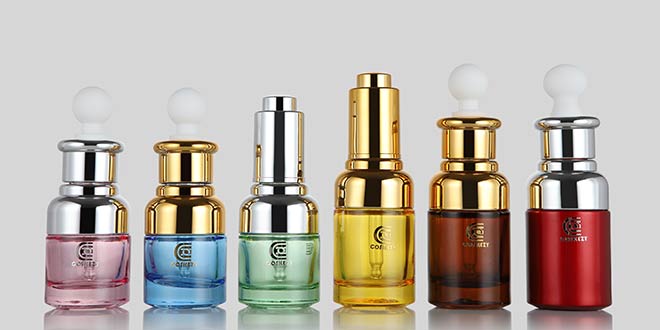
Classic glass bottles remain the global standard for 100ml cologne, offering strong branding flexibility through shape, finish, and labeling. Their visual elegance and customization are critical in securing shelf space in mature markets such as Europe and the Middle East. However, the material’s fragility increases risk during longer transit routes—especially relevant for African and South American buyers. Prioritizing suppliers with superior packaging, robust quality controls, and, where necessary, eco-friendly or recyclable glass options can mitigate losses and align with tightening sustainability mandates.
كريستال/زجاج مقطوع
Crystal and cut glass bottles are synonymous with luxury, crafted for premium or limited-edition cologne releases. Their weight and intricate designs make them showpieces, ideal for image-conscious brands and high-value gift sets. Due to elevated production and handling costs, these bottles suit lower-volume, high-margin strategies. B2B procurement should focus on vetting suppliers for consistency in craftsmanship, seeking out established partners with specialized freight options that ensure safe, insured delivery—particularly on long international supply chains.
Aluminum Bottle/Can
Aluminum bottles address climate and logistics pressures seen in the Middle East, Africa, and some South American regions. Their lightweight, shatterproof build lowers transport costs and damage risks, while opacity extends scent integrity by shielding contents from light. Despite these benefits, limited product visibility can challenge marketing, and customization may require higher MOQs (minimum order quantities). Rigorous specification of interior linings is essential to protect fragrance integrity, and reliable lead-time estimates must be secured from manufacturers before major commitments.
PET/HDPE Plastic
PET and HDPE plastic bottles cater to cost-sensitive markets and fast-moving promotional campaigns, offering high durability and easy handling. Their resistance to breakage is advantageous for challenging distribution environments, often encountered in emerging African and South American markets. However, their less luxurious image can reduce appeal in the premium European or Middle Eastern sectors. B2B buyers must verify compatibility of plastics with specific cologne formulas and ensure compliance with evolving environmental and packaging regulations.
Roll-on Bottle
Roll-on bottles excel in targeted, compact applications—particularly for oil-based colognes and wellness-focused lines. Their leakproof nature and convenience appeal to travel retail, wellness, and niche B2B segments, with robust demand in the Middle East and South America for concentrated scents. Limitations in format (they do not support sprays) restrict their versatility, so buyers should confirm fit-for-purpose applicator quality and leak resistance. Close collaboration with suppliers is recommended to address diverse regulatory and climatic requirements during international distribution.
Key Industrial Applications of 100ml cologne
| الصناعة/القطاع | Specific Application of 100ml cologne | القيمة/الفائدة للأعمال التجارية | اعتبارات التوريد الرئيسية لهذا التطبيق |
|---|---|---|---|
| مستحضرات التجميل والعناية الشخصية | Branded fragrance retail lines (men’s, women’s, unisex) | Standard size supports global branding and streamlines logistics; aligns with consumer expectations | Customizable bottle design, regulatory compliance, packaging durability, shelf appeal |
| الضيافة والسفر | In-room amenities and guest gifting | Enhances guest experience, differentiates properties, ideal for premium or boutique hotels | Fragrance longevity, tamper resistance, climate-resilient materials, cost-effective bulk procurement |
| الشركات والترويجية | Luxury corporate gifts and branded events | Elevates brand perception, strengthens client/partner relationships | Private label options, rapid lead times, logo/brand customization, quality assurance |
| السوق الحرة والسفر بالتجزئة | Airport and transit retail sales | High-turnover SKU optimized for travelers, fits duty-free and customs limits | Regulatory certification, attractive compact packaging, compliance with international transport laws |
| الصحة والعافية | Aromatherapy and personal wellness products | Supports diverse wellness offerings, addresses consumer demand for functional fragrances | Essential oil compatibility, leakage prevention, sustainable sourcing options |
مستحضرات التجميل والعناية الشخصية
The 100ml cologne format is a global standard for retail fragrance portfolios, serving as the primary SKU for both high-end and mass-market brands. Its size aligns with consumer buying preferences in Europe and the Middle East, and is rapidly gaining popularity in growing African and South American markets. Buyers in these regions must prioritize customizable bottle designs for market fit, ensure products meet regulatory guidelines, and secure robust, attractive packaging to withstand varying climate and logistics conditions.
الضيافة والسفر
Many hotels, resorts, and airlines utilize 100ml cologne bottles as upscale amenities or guest gifts. This application allows properties to distinguish themselves by offering a touch of luxury while also complying with hand-luggage limits for travelers. Sourcing needs focus on scents that remain fresh in tropical or arid climates common across Africa, the Middle East, and Australia, as well as packaging that is tamper-resistant and suitable for bulk, cost-effective procurement cycles.
الشركات والترويجية
Enterprises across all regions leverage 100ml cologne for premium corporate gifts, event handouts, and partner incentives. These bottles offer the ideal balance of perceived value and practicality—large enough to impress, portable enough for events. International B2B buyers are best served by suppliers who can provide private label customization, branding options, and agile fulfillment to support marketing campaigns or last-minute gifting needs.
السوق الحرة والسفر بالتجزئة
Travel retailers, especially in airports and border crossings, rely on the 100ml cologne for its suitability with international travel regulations and its appeal to impulse shoppers. The size takes full advantage of security and customs limits, making it a best-seller in duty-free channels. Key sourcing priorities include compliance with varying country transport regulations, eye-catching compact bottle designs, and efficiency in global supply chain management.
الصحة والعافية
Increasingly, 100ml cologne is tailored to the health and wellness sector, including aromatherapy, spa products, and mood-boosting scents for personal or professional environments. Buyers in this space require bottles compatible with essential oils and natural extracts, as well as sustainable and recyclable packaging to address rising consumer demand for eco-friendly products. Special attention to leakage prevention and certification for ingredient compatibility is crucial to maintain product integrity across diverse markets.
فيديو ذو صلة: 16 استخداماً ل WD-40 يجب أن يعرفها الجميع
Strategic Material Selection Guide for 100ml cologne
Selecting the optimal material for 100ml cologne bottles is a foundational decision for international B2B buyers. The right material impacts shelf appeal, fragrance integrity, transport safety, and regulatory compliance. Below is a focused analysis of four leading material types—glass, aluminum, PET plastic, and HDPE plastic—emphasizing actionable factors for buyers in Africa, South America, the Middle East, and Europe.
زجاج
الخصائص الرئيسية: High chemical resistance, excellent barrier to gases and moisture, and stable under a wide range of temperatures. Glass is inert, preserving fragrance quality over extended periods. It accepts intricate shapes, decorations, and can be recycled.
الإيجابيات: Premium appearance and tactile feel, supporting brand positioning in luxury and mainstream markets. Ensures no interaction with perfume contents, preventing contamination or off-odors. Compatible with automation for high-volume filling.
السلبيات: Heavier and more fragile than alternatives, which increases freight costs and risk of breakage—especially relevant for long-haul shipments to Africa and remote South American regions. Manufacturing complexity and higher insurance/handling needs.
تأثير التطبيق: Suited for both alcohol-based and oil-based perfumes due to inertness. Showcases well in retail, especially where visual appeal drives sales.
B2B considerations: Check for compliance with local packaging and recycling laws (e.g., EU glass directives), confirm ISTA/ASTM-compliant packaging for transport, and evaluate supplier capacity for custom decorations. European and Gulf markets often demand high-end glass, while durability is a priority in developing logistics networks.
ألومنيوم
الخصائص الرئيسية: Lightweight, opaque, robust, and corrosion-resistant with suitable linings. Withstands temperature and humidity extremes, making it ideal for diverse climates.
الإيجابيات: Shatterproof and lighter than glass, cutting logistics costs and reducing in-transit losses. The opaque barrel protects volatile fragrance oils from light.
السلبيات: Content not visible, which may hinder point-of-sale merchandising. Food-grade internal coatings are essential to prevent perfume interaction with base metal. Customization and small-run MOQ can drive unit costs higher.
تأثير التطبيق: Excels for prestige and travel lines (e.g., in the Middle East or sunbelt regions), qualities appreciated where high temperatures or rough handling are common.
B2B considerations: Confirm adherence to international packaging safety standards (e.g. EN, FDA, or local equivalents), and verify suppliers use certified, perfume-compatible linings. Discuss realistic MOQs and supply-chain lead time, as custom colors/finishes can extend timelines.
PET (Polyethylene Terephthalate) Plastic
الخصائص الرئيسية: Lightweight, impact-resistant, transparent or colored. Resistant to breakage, offering ease in filling and shipping. Fragrance compatibility varies by grade and closure.
الإيجابيات: Low material and transport costs. Shatterproof material well-suited for emerging markets or value-focused product lines. Allows rapid scale-up for sampling/promotional campaigns.
السلبيات: Can be permeable to gases in poorly specified grades, sometimes leading to scent loss. Not favored for luxury branding due to “plastic” perception. Environmental impact and recycling regulations are highly variable by country.
تأثير التطبيق: Best for budget and mass-market lines, single-use, or travel applications where cost and safety trump prestige.
B2B considerations: Assess local regulations on single-use plastics—especially in Europe, with tightening policies. Confirm compatibility of resin with fragrance chemistry (to avoid leaching or off-odors). Clarify recyclability and source recycled PET if aiming for a sustainability narrative.
HDPE (High-Density Polyethylene) Plastic
الخصائص الرئيسية: Opaque, high strength-to-weight ratio, chemical resistance, moderate barrier properties. Withstands impacts, but less visually appealing than PET.
الإيجابيات: Exceptional durability for supply chains with challenging logistics or rough handling, such as remote or high-volume African and Latin American routes. Excellent for non-premium products and cost-sensitive buyers.
السلبيات: Limited decorative potential and almost always perceived as utilitarian, making it ill-suited to premium/luxury markets. Lower aroma and moisture barrier compared to glass or aluminum, may limit fragrance lifespan.
تأثير التطبيق: Suited for functional, high-volume, sample, or promotional cologne variants, especially where glass is impractical.
B2B considerations: Confirm regional acceptance (some countries have import controls on certain plastics) and availability of approved food-contact grades. Evaluate cost-saving opportunities for large orders, but balance against brand goals in more image-driven locales.
جدول مقارنة المواد
| المواد | Typical Use Case for 100ml cologne | الميزة الرئيسية | العيب/التقييد الرئيسي | التكلفة النسبية (منخفضة/متوسطة/مرتفعة) |
|---|---|---|---|---|
| زجاج | Premium/mainstream fragrance lines for retail in Europe, Middle East | Inert, premium look, high decorating flexibility | Fragile, heavy, higher shipping/handling costs | عالية |
| ألومنيوم | Travel, prestige, and markets with high temp/humidity (Middle East, Africa) | Lightweight, shatterproof, protects from light | Content not visible, requires food-grade lining, higher MOQ for custom | متوسط |
| بلاستيك PET | Budget, promotional, mass-market, and sample packs (Africa, South America, Europe) | Lightweight, shatterproof, low cost, easy bulk shipping | Less premium, can allow fragrance permeation, recycling regulations vary | منخفضة |
| بلاستيك HDPE | Cost-driven, functional, or remote supply chain lines (Africa, Latin America) | Excellent durability, impact resistance, low cost | Utilitarian appearance, limited decor, moderate aroma barrier | منخفضة |
In-depth Look: Manufacturing Processes and Quality Assurance for 100ml cologne
Key Stages in 100ml Cologne Manufacturing
The production of 100ml cologne bottles involves a complex interplay of material selection, precise forming, meticulous assembly, and expert finishing. Each stage demands tailored techniques to ensure premium quality and regulatory compliance across diverse international markets.
1. تحضير المواد الخام
- تركيب العطر المركب: Master perfumers and chemists blend natural essential oils, aroma molecules, and solvents such as ethanol or other carrier bases. Sourcing of ingredients relies on global traceability, ensuring raw materials remain compliant with IFRA (International Fragrance Association) safety standards. Increasingly, B2B buyers in Europe and the Middle East demand transparency of origin and eco-certifications for organic or sustainable components.
- Packaging Materials: Glass (most common for 100ml category), aluminum, PET/HDPE, or specialty plastics are selected based on target market needs, climate resilience, and branding aspirations. Buyers from Africa or South America may prioritize durable PET or aluminum for logistical robustness, while European buyers often require recyclable or low-carbon glass variants.
2. تشكيل الزجاجات وتصنيع المكونات
- قوارير زجاجية: Produced using fully-automated molds in high-temperature furnaces; post-forming annealing strengthens bottles for transportation. For luxury lines, additional processes such as engraving or hand-cut finishes are employed.
- Plastic and Aluminum Bottles: Injection molding and extrusion blow molding are used to achieve precise shapes and dimensional consistency. Surface treatments (e.g., lacquering, metallizing) and protective coatings help preserve content integrity against environmental factors.
- Caps, Pumps, and Sprayers: Manufactured to tight tolerances, components must ensure perfect fit, leak-resistance, and consistent spray patterns. For roll-on or special formats, the applicator quality is a key consideration.
3. التعبئة والتجميع
- Automated Filling: State-of-the-art machinery doses the fragrance precisely into bottles, minimizing waste and ensuring uniformity. Dosing accuracy is vital for consistency and regulatory labeling.
- التجميع: Bottles are capped, pumped, crimped, or sealed using high-speed automation. Quality checks for alignment, torque, and closure integrity are standard. Tamper-evidence and serialization may be required for regulated markets.
- Labelling and Printing: Labels are applied—often with hot-stamping, screen printing, or digital methods. Compliance with local language, INCI ingredient listings, and warning requirements is essential, especially for exports to the Middle East or EU.
4. التشطيب والتعبئة والتغليف
- التشطيبات الزخرفية: For bottles destined for luxury markets (notably the Middle East or Europe), decorative embellishments—such as gold leafing, textured glass, or Swarovski elements—are added.
- التغليف الثانوي: Boxes, inserts, and protective wrappings are introduced. Sustainable packaging solutions (recyclable, FSC-certified, or minimalist designs) are increasingly demanded by European and Australian buyers.
- Cartoning and Palletizing: Final products are packed, often using automated pay-off lines, and then palletized for export. Vibration and drop-testing may be integrated for markets with challenging logistics (e.g., Africa, Latin America).
Quality Assurance: Global Standards and Best Practice
Ensuring the safety, quality, and compliance of 100ml cologne products is mission-critical, especially in cross-border B2B transactions. Robust quality controls underpin supplier reliability and brand reputation.
1. Compliance with International Standards
- الأيزو 9001 The global benchmark for quality management systems, this standard is often required by B2B buyers to ensure suppliers follow stringent protocols across procurement, production, and delivery.
- ISO 22716 (GMP لمستحضرات التجميل): Especially relevant for EU and Australian importers, this governs Good Manufacturing Practices specific to cosmetics and fragrances, covering facility hygiene, batch documentation, and traceability.
- Region-Specific Certification:
- علامة CE: Mandatory for perfume sold in the EEA, confirming health, safety, and environmental safeguards.
- SASO and G-Mark: For Middle Eastern markets like Saudi Arabia and the Gulf region, these are critical for customs clearance.
- ANVISA: Brazilian buyers must check for compliance with health and safety requirements laid out by national authorities.
2. Multi-Stage QC Checkpoints
A robust cologne manufacturing process relies on three principal QC mechanisms:
- مراقبة الجودة الواردة (IQC):
– Verification of raw material certificates, fragrance stability, and packaging integrity before the production line. Instrumental analysis (GC-MS, refractometry) detects adulteration or contaminant presence.
- مراقبة الجودة أثناء العملية (IPQC):
– On-the-line random sampling checks for fill volume, component fit, crimp force, and spray uniformity. This stage often employs automated camera systems for surface defect detection and leak tests.
- مراقبة الجودة النهائية (FQC):
– Finished goods undergo appearance inspection, functional testing of spray/roll-on applicators, and packaging integrity tests. Scent longevity and color stability are monitored under controlled storage conditions.
3. Common Testing and Documentation Methods
- الاختبار الميكروبيولوجي: Ensures the cologne formula is free from contamination, especially important for water-based or low-alcohol variants.
- اختبار الثبات: Assesses shelf life across a range of temperatures and humidities—critical for African or Latin American shipments.
- اختبار التسرب والسقوط: Simulates transport and retail handling stresses; glass breakage and closure failures are major rejection triggers.
- Batch Traceability and COA (Certificate of Analysis): Each lot is traceable through ERP systems; COAs covering ingredient purity and compliance are provided for customs and buyers.
Verifying Supplier QC as an International Buyer
B2B buyers can minimize risk by actively engaging in and verifying their supplier’s quality management.
Key Tactics for Buyers:
- Site Audits (Virtual and In-Person): Conduct thorough audits of supplier facilities to review production hygiene, process controls, and documentation. For remote buyers, engaging third-party QA specialists for on-site checks is increasingly standard.
- مراجعة وثائق مراقبة الجودة: Request comprehensive QC documentation, including batch records, COAs, and physical test data. Compare these with regulatory and contract specifications.
- 3rd-Party Inspections: Contract global inspection agencies (SGS, Intertek, BV) to conduct pre-shipment inspections (PSIs). These agencies provide unbiased assessments of product compliance, quantity, and packaging.
- Supplier Performance Tracking: Implement scorecards assessing defect rates, delivery times, and compliance incidents over time to inform future purchasing decisions.
Nuances and Regional Differences:
- أفريقيا وأمريكا الجنوبية: Logistics stresses and variable infrastructure necessitate heightened attention to packaging integrity, durability, and microbial control. Consider requesting transit simulation reports and region-adapted packaging.
- الشرق الأوسط: Buyers often require detailed conformity certificates, religious compliance (such as Halal for alcohol-free colognes), and premium decorative QC. Physical inspection of luxury finishes and authenticity seals should be standard.
- Europe and Australia: Highest bar for sustainability credentials, REACH/CLP compliance, and allergen labeling. Diligent oversight of document authenticity and supply chain transparency is required.
Actionable Recommendations for B2B Buyers
- Align specifications with end-market requirements: Ensure that bottle material, decoration, packaging, and fragrance formulations meet both consumer expectations and regulatory standards in each region.
- Mandate regular supplier audits and shared QC data: Insist on ongoing visibility into your partner’s quality management systems; include third-party inspections in all major supply contracts.
- Negotiate QC-related contract terms: Clarify dispute resolution procedures, acceptable defect thresholds, and compensation mechanisms upfront.
- Stay proactive on compliance trends: Monitor evolving requirements (e.g., EU Green Deal, Latin American labeling updates, Middle Eastern product registration) to avoid costly shipment delays or rejections.
By deeply engaging in both manufacturing process oversight and rigorous quality management, B2B buyers can optimize their 100ml cologne portfolios for consistent success and regulatory peace of mind across Africa, South America, the Middle East, and Europe.
Related Video: Exploring 5 Intriguing Factory Mass Production Processes in China.
Comprehensive Cost and Pricing Analysis for 100ml cologne Sourcing
Understanding Cost Structure and Key Pricing Drivers for 100ml Cologne Sourcing
A clear grasp of the total cost structure is crucial for international B2B buyers looking to source 100ml cologne efficiently. The end price of each unit is shaped by a combination of direct and indirect factors—ranging from raw material choice to logistics and supplier margin. Recognizing and analyzing these layers not only helps buyers negotiate more effectively but also enables them to anticipate hidden costs, plan inventory cycles, and secure a sustainable advantage in competitive markets.
Core Cost Components
- المواد: The bottle (glass, PET, aluminum, or specialty materials), fragrance concentrate (natural or synthetic oils), alcohol, closure systems (atomizers, caps), cartons, and decorative elements each represent distinct cost centers. Glass and crystal are premium-priced due to material, molding, and finishing complexity, while plastics and aluminum offer cost efficiency and better transport economics—but may affect brand perception.
- العمل: Labor costs include assembly, bottling, labeling, inspection, and packing. Manufacturing in regions with lower labor costs (e.g., parts of Asia) can drive savings, but buyers must assess labor standards and certifications to meet European and Middle Eastern compliance requirements.
- نفقات التصنيع الزائدة: Facility operations, machine setup, energy, and maintenance contribute to overhead. These costs are usually amortized over larger volumes, making higher-order quantities (MOQ) more cost-effective per unit.
- Tooling and Custom Molds: Custom bottle shapes, unique closures, and specialized decorations require bespoke molds or tooling, leading to higher upfront costs but potentially stronger brand differentiation.
- مراقبة الجودة (QC): Thorough QC, batch testing, and regulatory documentation are essential, especially when targeting markets like the EU or Gulf, where non-compliance can result in costly rejections or delays.
- الخدمات اللوجستية: Freight (air, sea, or intermodal), insurance, customs duties, warehousing, and last-mile delivery add significant cost—particularly acute for fragile glass bottles or shipments to infrastructure-limited regions in Africa or South America. Efficient packaging that reduces waste and protects contents can lower risk and cost.
- Margins: Suppliers and manufacturers build in margins to cover risk, credit terms, and market fluctuations. Final buyer cost will also include distributor or import agent fees, where relevant.
Factors Influencing Final Pricing
- حجم الطلب وموك: Increased order size generally lowers unit cost due to economy of scale—in both production and logistics. Be mindful of suppliers’ minimum order quantities; custom projects (unique bottle shapes, bespoke scents, luxury finishes) nearly always require higher MOQs to justify setup expenses.
- المواصفات والتخصيص: Enhanced features (e.g., multi-color printing, custom stoppers, luxury boxes) drive costs higher. Buyers should differentiate between “must-have” and “nice-to-have” features and request itemized quotations to optimize spend.
- اختيار المواد: Switching from traditional glass to lightweight PET/aluminum can reduce both product and freight costs, but may not be suitable for all market segments. Sustainable or recycled content options may fetch a premium, but can improve market positioning and regulatory acceptance.
- معايير الجودة والشهادات: Request documentation for IFRA compliance, ISO standards, or region-specific certifications. Certified quality often means a higher upfront price, but mitigates regulatory risk and reputational issues.
- Supplier Location and Reliability: Proximity to raw materials, experience in export logistics, and portfolio of similar clients can impact both pricing and supply chain predictability. Strong supplier reliability justifies a modest price premium.
- الشروط المتفق عليها وشروط الدفع: Incoterms (e.g., FOB, CIF, DDP) redefine who bears the cost—and risk—at various points in transit. Negotiate clear responsibilities for insurance, customs clearance, and last-mile delivery to avoid surprise expenses.
Strategic Tips for International Buyers
- التفاوض على التكلفة الإجمالية للملكية (TCO): Don’t focus solely on unit price—factor in freight, customs, insurance, wastage, and on-ground handling. Seek bundled offers for packaging and logistics.
- Request Split Shipments: For distant or import-sensitive markets (e.g., parts of Africa or South America), ask for phased shipments to optimize cash flow and reduce storage burden.
- Leverage Consolidation: Combine similar SKU orders or partner with other buyers to reach higher MOQs and reduce per-unit costs, especially for custom tooling projects.
- Benchmark Multiple Suppliers: Solicit quotations from at least three globally reputable suppliers—compare not just unit cost, but also lead times, after-sales support, and complaint resolution track record.
- Understand Local Tariffs and Duties: Proactively research import duties, VAT, and compliance costs for your destination market. Engage customs brokers early to streamline cross-border flows.
- Align Incoterms with Operational Realities: In challenging logistics zones (inland Sub-Saharan Africa, remote Middle East), DDP terms or local-agent pick-up can simplify logistics at a modest premium.
إخلاء مسؤولية التسعير الإرشادي: The costs and pricing insights above are general guidelines. Actual prices for 100ml cologne bottles can vary widely based on market volatility, raw material fluctuations, and the evolving regulatory climate. Always request up-to-date, binding quotations from your shortlisted suppliers to confirm specific terms and final price.
By systematically deconstructing the cost drivers and customizing negotiation strategies, B
Spotlight on Potential 100ml cologne Manufacturers and Suppliers
This section offers a look at a few manufacturers active in the ‘100ml cologne’ market. This is a representative sample for illustrative purposes; B2B buyers must conduct their own extensive due diligence before any engagement. Information is synthesized from public sources and general industry knowledge.
Definitive Guide to Sourcing 100ml Perfume for B2B Buyers (www.cospaks.com)
Definitive Guide to Sourcing 100ml Perfume for B2B Buyers, linked with Cospaks, positions itself as a specialist manufacturer and supplier in the 100ml cologne sector, with a keen understanding of global B2B procurement needs. The company caters to private labels, fragrance houses, and retail clients, offering a robust portfolio of perfume bottle solutions aligned with international standards. Their expertise is particularly notable in balancing branding aesthetics, regulatory compliance, and practical logistics—key concerns for buyers in Africa, South America, the Middle East, and Europe. Cospaks emphasizes adaptability to region-specific demands such as climate resilience, customization for luxury, and evolving sustainability mandates. While specifics on certifications and R&D infrastructure are limited, their comprehensive approach to market-tailored design and sourcing strategy positions them as a valuable partner for global buyers seeking reliable 100ml cologne packaging solutions.
20 شركة مصنعة للعطور في عالم 2025 (aromaleap.com)
Ajmal Perfumes, established in Dubai in 1951, is a distinguished fragrance manufacturer recognized for its vertically integrated “Farm to Fragrance” approach. Controlling the entire value chain—from Agarwood cultivation in Assam, India, to state-of-the-art manufacturing—enables Ajmal to ensure stringent quality standards and reliable sourcing. The company offers extensive manufacturing capabilities geared for both traditional and modern fragrance profiles, with a strong track record in supplying 100ml cologne formats suited to diverse global markets. Ajmal’s portfolio demonstrates expertise in customization, enabling tailored scent development and packaging for B2B clients targeting luxury, heritage, or mainstream audiences. Their international presence spans the Middle East, Africa, Europe, and beyond, appealing to buyers seeking traceable ingredients, certified quality, and robust export experience.
10 شركات رائدة في تصنيع وتوريد العطور في العالم (www.sobfragrance.com)
Givaudan, headquartered in Vernier, Switzerland, is globally recognized as the world’s largest manufacturer of flavors and fragrances, with a heritage dating back to 1895. Their extensive R&D infrastructure and multiple production sites across key global regions position them as a preferred partner for brands seeking 100ml cologne formulations tailored for mass and luxury markets. Givaudan is acclaimed for leveraging premium raw materials, advanced scent creation expertise, and agile responsiveness to evolving market preferences—a critical advantage for B2B buyers needing scalable solutions and regional adaptation.
The company is known for stringent quality protocols and reputed to maintain compliance with major international standards, which benefits buyers navigating complex regulatory landscapes, particularly in the EU and emerging markets. Their global footprint enables smooth export logistics and proven capacity for large-scale, reliable supply to buyers in Africa, South America, the Middle East, and Europe. For private labels and retailers focusing on differentiation and rapid trend response, Givaudan’s innovation-driven approach—supported by a strong record of technical excellence—offers clear, actionable value.
مقارنة سريعة بين الشركات المصنعة التي تم تصنيفها
| الشركة المصنعة | ملخص التركيز الموجز | نطاق الموقع الإلكتروني |
|---|---|---|
| الدليل النهائي لمصادر العطور بسعة 100 مل للمشترين من الشركات | Regionally adaptable 100ml cologne solutions for B2B buyers | www.cospaks.com |
| 20 مصنعًا للعطور في عالم 2025 للعطور في العالم | Vertically integrated, traceable oud, global export specialist | aromaleap.com |
| 10 شركات رائدة في تصنيع وتوريد العطور في العالم | Global leader, innovation, advanced fragrance solutions | www.sobfragrance.com |
Essential Technical Properties and Trade Terminology for 100ml cologne
Key Technical Specifications for 100ml Cologne in B2B Trade
Selecting and sourcing 100ml cologne for international B2B markets requires precise attention to a set of technical properties that impact product quality, compliance, logistics, and brand positioning. Understanding these specifications ensures that your purchases align with target market expectations and facilitate smooth import/export processes across Africa, South America, the Middle East, and Europe.
1. Bottle Material and Grade
- التعريف: Refers to the composition and purity of the bottle’s material (e.g., Type-I glass, food-grade PET, anodized aluminum).
- أهمية B2B: Material quality affects product integrity, perception, recyclability, and compliance with local safety and environmental standards. For example, Type-I glass offers high chemical resistance suitable for premium finishes, while food-grade plastics are essential for regions with strict health regulations and challenging logistics routes.
2. Capacity Tolerance
- التعريف: The allowable variance in the actual volume contained versus the nominal 100ml capacity (often ±2-3%).
- أهمية B2B: Tight capacity tolerances ensure regulatory compliance (especially in the EU and GCC markets) and build consumer trust. Overfilling leads to product waste and inconsistent costings; underfilling can trigger regulatory penalties or reputational risks.
3. Closure System and Atomizer Quality
- التعريف: The mechanism sealing the bottle, including sprayers, pumps, or roll-on systems, often measured by spray output consistency and leak resistance.
- أهمية B2B: Reliable closures prevent leakage during long-haul shipment—vital for hot climates in Africa and the Middle East. High-performing atomizers also enhance user experience and brand reputation in competitive European and South American retail spaces.
4. Finish and Decoration Specifications
- التعريف: Surface treatments and decorative features such as color coatings, metallic foiling, embossing/debossing, and labeling.
- أهمية B2B: Visual differentiation is critical for appeal in markets like the Middle East, where luxury finishes drive purchase decisions. Adherence to regional branding conventions ensures competitive shelf presence and reduces relabeling costs during market entry.
5. Regulatory Compliance Codes
- التعريف: Certifications and documentation proving conformity to relevant health, safety, and environmental regulations (e.g., REACH, IFRA standards, ISO 8317 for child resistance).
- أهمية B2B: Compliance documentation is mandatory for customs clearance and retail acceptance, especially in the EU and emerging Middle Eastern markets. Non-compliance can result in costly delays, rejected shipments, or legal repercussions.
6. Protection and Packaging Standards
- التعريف: Specifications for primary (bottle), secondary (box/carton), and tertiary (shipping case) packaging designed for durability.
- أهمية B2B: Robust packaging protects cargo across varied infrastructures, with African and South American buyers needing extra assurance against breakage on challenging transport routes.
مصطلحات التجارة الشائعة بين الشركات B2B والمصطلحات الصناعية الشائعة
Effective communication in the fragrance supply chain depends on understanding specific trade terms used throughout negotiations and contracts. Here are essential terms that every international buyer should master:
-
OEM (الشركة المصنعة للمعدات الأصلية): Refers to suppliers who manufacture products to your brand’s specifications. Essential for private label fragrance lines looking for exclusive designs or formulas.
-
موك (الحد الأدنى لكمية الطلب): The smallest batch a supplier is willing to produce or sell. Lower MOQs may be critical when testing new fragrances or entering smaller markets; higher MOQs can leverage better pricing for large volume buyers in Africa or Europe.
-
طلب عرض الأسعار (RFQ): A formal inquiry sent to suppliers detailing technical requirements and quantities, used to solicit binding price offers. Well-crafted RFQs help buyers benchmark quality, cost, and lead times between competing vendors.
-
المهلة الزمنية: The total duration from order placement to final delivery. Understanding true lead times—including production and export logistics—is vital for scheduling product launches and maintaining steady inventory, especially for seasonal markets in South America or the Middle East.
-
إنكوترمز (الشروط التجارية الدولية): Globally standardized trade terms (e.g., FOB, CIF, DAP) that define the responsibilities and risks borne by buyers and sellers during shipment. Knowing the correct Incoterm for each order helps avoid unexpected shipping costs or customs issues.
-
شهادة التحليل (COA): A detailed report from the supplier verifying the physical and chemical properties of the product batch. COAs are required for customs clearance and reassure buyers of quality consistency and regulatory compliance.
Mastering these specifications and terms equips buyers and procurement professionals with the clarity needed to secure 100ml cologne products that reliably meet diverse market requirements. This knowledge streamlines supplier negotiations, ensures regulatory readiness, and reduces costly errors in global B2B transactions.
Navigating Market Dynamics, Sourcing Trends, and Sustainability in the 100ml cologne Sector
Global Market Overview and B2B Sourcing Dynamics
The 100ml cologne sector represents a confluence of tradition and adaptability, serving as the global benchmark size for both prestige and mass-market fragrances. Heightened consumer expectations for value and convenience, regulatory shifts on product formats, and logistics realities are key drivers shaping procurement decisions. For B2B buyers across Africa, South America, the Middle East, and Europe, the 100ml size is not just a packaging choice—it anchors brand strategy, impacts supply chain efficiency, and signals market readiness.
Emerging market dynamics differ by region. Middle Eastern and European buyers prioritize luxury finishes, bespoke containers, and strict compliance with chemical and labeling norms, while African and South American buyers focus on resilience, cost-efficiency, and adaptability to climate and infrastructure variability. Globally, there is increasing demand for robust glass and alternative materials (aluminum, PET/HDPE) due to the dual necessity for aesthetic appeal and safe transit over long, often multi-modal supply routes.
Sourcing trends point to greater supplier diversification, as buyers seek hedge strategies against geopolitical risks and supply chain disruptions. There’s also an accelerating shift toward digital procurement platforms, enabling efficient vetting and management of international suppliers. For buyers in regions such as Egypt or Australia, leveraging digital catalogs and real-time compliance data can reduce risk, especially where market access depends on adherence to REACH (Europe), SASO (Middle East), or Mercosur (South America) standards.
Customization and low-MOQ innovations are evolving rapidly. Suppliers are offering shorter production runs, new decorative techniques (e.g., laser etching, sustainable inks), and modular closure/atomizer options, responding to the need for both agility and differentiation. Market leaders are thus able to quickly adapt collections to shifting local tastes or market-specific restrictions, an essential practice in unpredictable global markets.
Advancing Sustainability and Ethical Supply Chains
Sustainability is now a non-negotiable factor in B2B fragrance sourcing, affecting brand positioning and compliance. The environmental impact of 100ml cologne bottles is typically associated with materials (glass, plastics, metals), production energy, and end-of-life disposal. Forward-thinking buyers are prioritizing suppliers that provide recycled content (PCR glass or rPET), advanced recycling-ready designs, and lightweight packaging to reduce freight emissions—a critical consideration for resource-constrained regions in Africa and South America.
التوريد الأخلاقي further extends to the supply chain of raw fragrance ingredients—an area under increasing scrutiny. Responsible buyers are now demanding transparency and ‘clean label’ credentials, verifying that botanical extracts and synthetic ingredients are free from exploitative labor and unsustainable harvesting practices. Certifications such as RSPO (for palm-derived components), ISO 14001 (environmental management), and Fair Trade are growing in importance for procurement teams serving international retail brands or government contracts.
For buyers exporting to European and Middle Eastern markets, compliance with green regulations (e.g., EU Packaging Waste Directive, EPR regulations in France and Germany) is essential to avoid costly import delays or recalls. Reviewing the sustainability policies and third-party certifications of potential suppliers in advance is a best practice. Additionally, consider suppliers that invest in energy-efficient manufacturing and carbon offset initiatives to futureproof the supply chain against tightening regulatory and ESG demands.
Actionable steps for B2B buyers:
– Request documentation of PCR/recycled material content and third-party certifications from all packaging suppliers.
– Evaluate scent houses and raw ingredient vendors for traceability programs and ethical sourcing policies.
– Prioritize supplier partners with demonstrable investments in lightweighting, recyclability, and closed-loop logistics.
Evolution and Historical Context of the 100ml Cologne Format
The 100ml size has become a global standard through a mix of regulatory harmonization, consumer psychology, and retail logistics. Its evolution traces back to the late 20th century, when international trade and air travel popularized fragrances in portable, TSA-compliant volumes. This format balances value perception with usability—sufficient for months of regular use without becoming cumbersome or cost-prohibitive.
From heritage fragrance houses in Europe to emerging private labels in Africa and Latin America, the 100ml standard has enabled unified SKU management, reduced packaging complexity, and streamlined cross-border compliance. Today, it functions as a universal reference point for B2B negotiations, regulatory filings, and consumer marketing, underpinning both agility for new product launches and scaling of best-sellers across diverse markets. The format’s durability—despite digitalization and new consumer trends—underscores its strategic importance for international B2B buyers aiming for efficient portfolio management and market flexibility.
فيديو ذو صلة: شرح التجارة الدولية
Frequently Asked Questions (FAQs) for B2B Buyers of 100ml cologne
-
How should I vet international suppliers of 100ml cologne bottles for reliability and compliance?
Begin by thoroughly reviewing supplier credentials, including company registration, international trade history, and client testimonials. Request relevant certifications such as ISO, REACH, or local equivalents. Evaluate their production capabilities and quality assurance processes—ideally, through a video call or third-party audit. For sensitive markets (e.g., the EU or Middle East), check conformity with destination-specific regulations. Always insist on product samples and inspect them for consistency and finish; reliable suppliers welcome transparent, collaborative vetting. -
What levels of customization are possible for 100ml cologne, and what are the practical implications?
Customization spans bottle shape, color, material, finishing (like frosting or metallic accents), closure types, and branding elements such as embossing and labeling. Advanced markets may also request eco-friendly packaging or design adaptations for climate resilience. Note that higher levels of customization often increase minimum order quantities (MOQ), lead times, and setup fees. Clearly communicate your design requirements upfront, and request a pre-production sample or prototype before committing to bulk production. -
What are typical minimum order quantities (MOQs) and lead times for international 100ml cologne orders?
MOQs can vary widely by supplier, bottle type, and customization needs—from 1,000 to 10,000 units for bespoke options, and as low as 500 for standard packaging. Lead times generally range from 4 to 12 weeks depending on manufacturing complexity and logistical routes. Plan for additional time when customizing bottles or labeling, especially during peak seasons. Clarify production and shipping timelines in your contract, and leverage established suppliers for faster reorders. -
Which quality assurance measures and certifications should I require, and how do I verify them?
Essential certifications include ISO 9001 (quality management), cosmetic GMP (Good Manufacturing Practice), and, where applicable, certifications for material safety (e.g., REACH, SGS, or food-grade compliance for bottles). Request a detailed quality assurance (QA) protocol from your supplier, and, if feasible, commission third-party inspections before shipment. Verify all certificates’ authenticity either directly with issuing bodies or using online registries to prevent fraud, especially for high-value or regulated markets. -
How can I mitigate risk in payment terms when sourcing from overseas suppliers?
Negotiate payment terms that balance supplier trust with buyer security. Common options include 30% deposit upfront with balance on shipment, or use of letters of credit (LC) for larger or high-risk orders. Consider escrow services or reputable trade intermediaries for additional security. Where possible, structure payments around key production milestones, and avoid full prepayment unless working with an established, verified partner. Always ensure contracts are clear on deliverables, quality standards, and timelines. -
What logistics factors should international buyers consider for 100ml cologne, particularly in Africa or South America?
Account for fragile nature and shipping regulations: glass bottles require robust packaging and may be subject to breakage or climate-related damage. Investigate preferred shipping modes (sea or air), factoring in transit times, customs procedures, and import duties. Confirm suppliers’ experience with documentation (e.g., certificates of origin, MSDS for fragrances). For certain countries, work with experienced freight forwarders who understand the region’s infrastructure challenges, storage conditions, and last-mile delivery requirements. -
How should disputes about quality, packaging, or delays be handled contractually?
Establish clear, detailed contracts specifying product specifications, accepted QA tolerances, packaging methods, and delivery deadlines. Include clauses for third-party inspection, remedies for non-conformity (e.g., replacements, refunds), and timelines for resolving disputes. Agree in advance on a neutral jurisdiction for arbitration—such as Singapore or the ICC—in case of escalated disputes. Document all key communications, approvals, and inspections to support efficient resolution and protect your interests. -
Are there special regulatory or market-specific considerations for 100ml cologne in the EU, Middle East, Africa, or South America?
Europe enforces strict cosmetic regulations (like the EU Cosmetics Regulation) and product safety standards, as well as environmental compliance (recyclability, REACH). The Middle East may require customization for high humidity, halal certifications, or unique luxury finishes. African and South American markets often prioritize affordability, climate resilience, and simplified customs processes but can have fragmented regulatory frameworks—engage local consultants. Understand regional labeling laws, banned substances, and testing requirements before import to avoid costly delays or rejections.
Strategic Sourcing Conclusion and Outlook for 100ml cologne
In today’s dynamic fragrance landscape, strategic sourcing of 100ml cologne is fundamental to building resilient, competitive brands across international markets. From selecting optimal bottle types—balancing luxury appeal, regulatory compliance, and logistical resilience—to ensuring fragrances and packaging meet the nuances of climate, consumer demands, and evolving sustainability mandates, the right procurement approach delivers significant commercial advantage.
تتضمن النقاط الرئيسية للمشترين من الشركات ما يلي:
– Prioritize suppliers with robust quality control, proven supply chain reliability, and clear record of compliance across target markets.
– Match packaging materials—such as glass, aluminum, or plastics—to local infrastructure, climate, and consumer preferences to optimize product integrity and appeal.
– Factor in total landed costs, not just unit price: this includes freight, insurance, customs considerations, and the potential impact of minimum order quantities or specialized customization.
– Stay proactive in monitoring regulatory shifts—especially in the EU and Middle East—related to sustainability, packaging waste, and chemical safety.
Looking ahead, B2B buyers in Africa, South America, the Middle East, and Europe have a unique opportunity to foster growth by forging strategic partnerships with innovative suppliers and anticipating regional trends. By adopting a forward-thinking, data-driven sourcing strategy, businesses can not only mitigate risks but also position themselves at the forefront of the evolving global fragrance market. Now is the time to invest in robust supplier relationships and agile procurement processes to secure your competitive edge with 100ml cologne solutions worldwide.




 Arabic
  English
  Russian
  Spanish
  Italian
  Thai
Thai  French
  Portuguese
  Indonesian
  German