

Introduction: Navigating the Global Market for luxury shampoo and conditioner bottles
Navigating the global market for luxury shampoo and conditioner bottles presents a unique challenge for international B2B buyers, especially those in regions like Africa, South America, the Middle East, and Europe. With rising consumer demand for eco-friendly and aesthetically pleasing packaging, sourcing the right luxury bottles can significantly impact brand perception and customer loyalty. This comprehensive guide addresses various aspects of luxury shampoo and conditioner bottles, including materials, design options, supplier vetting processes, and cost considerations.
Understanding the nuances of this market is essential for making informed purchasing decisions. From refillable plastic dispensers that promote sustainability to elegant glass designs that evoke a sense of luxury, the options are vast and varied. This guide not only outlines the types and applications of luxury bottles but also provides actionable insights into selecting reliable suppliers who align with your brand’s values.
By leveraging the information presented here, B2B buyers can navigate the complexities of sourcing luxury shampoo and conditioner bottles with confidence. Whether you are a retailer in Nigeria looking to enhance your product offerings or a distributor in Germany aiming to meet the demands of a discerning clientele, this guide empowers you to make strategic choices that elevate your brand and resonate with your target market.
Understanding luxury shampoo and conditioner bottles Types and Variations
| Typ Name | Wichtigste Unterscheidungsmerkmale | Primäre B2B-Anwendungen | Kurze Vor- und Nachteile für Käufer |
|---|---|---|---|
| Refillable Plastic Dispensers | Lightweight, shatter-resistant, customizable designs | Hotels, spas, retail packaging | Vorteile: Durable, eco-friendly; Nachteile: Less premium feel than glass. |
| Glasflaschen | Elegant, high-end appearance, available in various shapes | Luxury salons, boutique hotels | Vorteile: Ästhetischer Reiz; Nachteile: Fragile, requires careful handling. |
| Stoneware Containers | Durable, rustic design, often handcrafted | High-end spas, eco-conscious brands | Vorteile: Unique aesthetic; Nachteile: Heavier, may be more expensive. |
| Concrete Bottles | Industrial look, sturdy construction | Modern hotels, trendy salons | Vorteile: Unique design, durable; Nachteile: Heavy, may not appeal to all markets. |
| Foaming Pump Dispensers | Specialized for foaming products, customizable pump options | Salons, personal care brands | Vorteile: Enhanced user experience; Nachteile: Limited to specific product types. |
What Are the Key Characteristics of Refillable Plastic Dispensers?
Refillable plastic dispensers are designed for convenience and sustainability, making them ideal for various applications in the hospitality and retail sectors. Their lightweight and shatter-resistant nature allows for safe use in wet environments such as bathrooms and spas. Customizable options for colors and labels enable businesses to align these dispensers with their branding. Buyers should consider the durability and eco-friendliness of plastic, which can significantly reduce single-use packaging waste, although some may find them less luxurious than glass alternatives.
Why Choose Glass Bottles for Luxury Shampoo and Conditioner?
Glass bottles exude elegance and sophistication, making them a preferred choice for high-end salons and boutique hotels. They can be customized in various shapes and sizes, enhancing the overall aesthetic of any bathroom or spa setting. While glass offers a premium look, buyers must be cautious about its fragility, requiring careful handling and storage solutions to prevent breakage. Additionally, glass is recyclable, appealing to eco-conscious brands looking to maintain a luxurious image while being sustainable.
What Benefits Do Stoneware Containers Offer?
Stoneware containers provide a unique rustic charm, often handcrafted to ensure quality and individuality. These bottles are durable and suitable for high-end spas and eco-conscious brands that emphasize artisanal products. Their weight and sturdiness make them less prone to damage compared to glass. However, buyers should consider the higher cost associated with stoneware and its heavier nature, which may affect shipping and handling logistics.
How Do Concrete Bottles Stand Out in the Market?
Concrete bottles offer a modern, industrial aesthetic that appeals to trendy salons and contemporary hotels. Their sturdy construction makes them ideal for daily use, and they can serve as a striking design element in minimalist settings. While their durability is a significant advantage, the weight of concrete bottles can be a drawback for some businesses, especially those concerned with shipping costs. Buyers should also assess whether this unique design will resonate with their target audience.
What Are the Advantages of Foaming Pump Dispensers?
Foaming pump dispensers are designed specifically for foaming products, enhancing the user experience by providing a luxurious lather with minimal product use. These dispensers can be customized with various pump options, making them suitable for personal care brands and salons that wish to offer a unique product experience. However, their functionality is limited to specific product types, which may restrict their versatility in a broader product lineup. Buyers should consider the potential for increased customer satisfaction against the limitations of product compatibility.

Illustrative image related to luxury shampoo and conditioner bottles
Key Industrial Applications of luxury shampoo and conditioner bottles
| Industrie/Sektor | Specific Application of luxury shampoo and conditioner bottles | Wert/Nutzen für das Unternehmen | Wichtige Überlegungen zur Beschaffung für diese Anwendung |
|---|---|---|---|
| Gastfreundschaft | In-room amenities for luxury hotels and resorts | Verbessert das Gästeerlebnis und das Markenimage | Customization options, durability, and eco-friendly materials |
| Spa and Wellness | Retail products for spa services | Elevates service offerings and boosts retail sales | Aesthetic appeal, refillable options, and product compatibility |
| Beauty and Personal Care | High-end retail packaging for hair care brands | Attracts premium market segment and drives brand loyalty | Material quality, design uniqueness, and branding flexibility |
| Elektronischer Geschäftsverkehr | Online sales of luxury personal care products | Expands market reach and caters to growing online consumer base | Shipping durability, product protection, and branding consistency |
| Corporate Gifts | Branded luxury shampoo and conditioner sets | Strengthens corporate identity and enhances client relations | Customization capabilities and bulk purchasing options |
How Are Luxury Shampoo and Conditioner Bottles Used in the Hospitality Sector?
In the hospitality industry, luxury shampoo and conditioner bottles serve as essential in-room amenities for upscale hotels and resorts. These bottles not only enhance the guest experience by offering high-quality personal care products but also reinforce the brand image of the establishment. International buyers, especially from regions like Europe and the Middle East, seek bottles that can be customized to reflect their brand aesthetics while ensuring durability and safety in wet environments. Moreover, eco-friendly materials are increasingly prioritized to align with sustainability trends.
What Role Do Luxury Shampoo and Conditioner Bottles Play in Spa and Wellness Centers?
Spa and wellness centers utilize luxury shampoo and conditioner bottles as part of their service offerings and retail products. By providing high-end personal care items, these establishments enhance their service quality and create an inviting atmosphere for clients. Buyers from Africa and South America may focus on aesthetic appeal and refillable options to promote sustainability and reduce waste. Ensuring compatibility with various product formulations is also crucial to meet the diverse needs of spa treatments.
Why Are Luxury Shampoo and Conditioner Bottles Important for Beauty and Personal Care Brands?
In the beauty and personal care sector, luxury shampoo and conditioner bottles are vital for high-end retail packaging. These products help brands attract a premium market segment and cultivate brand loyalty through visually appealing designs and quality materials. B2B buyers, particularly in Europe, are interested in unique designs that stand out on retail shelves while also considering branding flexibility for limited editions or seasonal offerings. The choice of materials can significantly impact the perceived value of the product.
How Can E-commerce Businesses Benefit from Luxury Shampoo and Conditioner Bottles?
E-commerce platforms selling luxury personal care products rely on attractive and functional packaging, such as luxury shampoo and conditioner bottles, to appeal to online consumers. The right packaging not only protects products during shipping but also enhances the unboxing experience, which is crucial for customer satisfaction. Buyers in regions like Africa and South America should consider shipping durability and branding consistency to ensure their products stand out in a competitive online marketplace.
What Advantages Do Corporate Gifts Offer with Luxury Shampoo and Conditioner Sets?
Luxury shampoo and conditioner sets are increasingly popular as corporate gifts, helping businesses strengthen their corporate identity and enhance client relations. These branded gifts convey a sense of exclusivity and care, making them ideal for corporate events or client appreciation. Buyers looking to source these products should focus on customization capabilities and bulk purchasing options to maximize their investment while ensuring the products align with their brand values.
3 Common User Pain Points for ‘luxury shampoo and conditioner bottles’ & Their Solutions
Scenario 1: The Challenge of Sustainability in Luxury Products
Das Problem: Many B2B buyers in the luxury personal care market are increasingly aware of the environmental impact of their packaging choices. However, they face the challenge of balancing sustainability with the high standards of luxury branding. The luxury shampoo and conditioner bottles they source must not only look appealing but also meet eco-friendly criteria to attract conscientious consumers. This often leads to confusion about which materials are both sustainable and suitable for high-end products, especially when considering the diverse market preferences in regions like Africa, South America, and Europe.
Die Lösung: To address this challenge, buyers should prioritize sourcing refillable and recyclable materials for luxury shampoo and conditioner bottles. For instance, opting for bottles made from high-quality, post-consumer recycled plastics or biodegradable materials can significantly reduce environmental impact while maintaining a luxurious appearance. When choosing suppliers, it is crucial to verify their sustainability certifications and product lifecycle assessments. Additionally, consider incorporating a refill program, allowing customers to bring back their bottles for refills, thereby enhancing the brand’s eco-friendly image. This approach not only appeals to environmentally conscious consumers but also positions the brand as a leader in sustainability within the luxury market.
Scenario 2: Ensuring Product Integrity During Shipping and Storage
Das Problem: B2B buyers often struggle with the risk of product damage during shipping and storage, particularly when dealing with luxury shampoo and conditioner bottles. Fragile packaging can lead to costly breakages, product wastage, and potential brand reputation damage. Buyers need to find packaging solutions that protect the integrity of the product while aligning with luxury aesthetics, especially when distributing across diverse climates and regions.
Die Lösung: To mitigate these risks, buyers should invest in robust packaging solutions that combine functionality with luxury design. Consider selecting bottles made from shatter-resistant materials like high-quality plastics or reinforced glass that can withstand rough handling. Additionally, implementing protective packaging strategies, such as custom-shaped inserts or eco-friendly cushioning materials, can further safeguard products during transit. Buyers should also collaborate closely with logistics providers to ensure temperature-controlled environments when necessary, particularly for regions with extreme weather conditions. This comprehensive approach not only protects the products but also enhances the customer experience, reinforcing the luxury brand’s commitment to quality.
Scenario 3: Navigating Customization and Branding Challenges
Das Problem: In the competitive landscape of luxury personal care products, standing out is crucial. B2B buyers often face difficulties in customizing shampoo and conditioner bottles to reflect their brand identity while maintaining a cohesive look across their product lines. This is particularly challenging when trying to meet diverse regional tastes and preferences, which can complicate design decisions and increase lead times.
Die Lösung: To successfully navigate these branding challenges, buyers should partner with suppliers that offer extensive customization options for luxury shampoo and conditioner bottles. Look for suppliers that provide a range of materials, colors, and finishes, allowing for tailored designs that resonate with target markets. Additionally, consider integrating unique branding elements such as embossed logos or custom labels that can be easily updated to reflect seasonal promotions or new product launches. Collaborating with a supplier that understands regional aesthetics and consumer trends can streamline the design process and ensure timely delivery. This strategic approach not only enhances brand visibility but also fosters customer loyalty by delivering products that resonate with consumer preferences across different markets.
Strategic Material Selection Guide for luxury shampoo and conditioner bottles
What Are the Key Materials for Luxury Shampoo and Conditioner Bottles?
When selecting materials for luxury shampoo and conditioner bottles, it is essential to consider not only aesthetic appeal but also functionality, durability, and compliance with international standards. Below, we analyze four common materials used in the production of these bottles, focusing on their properties, advantages, disadvantages, and specific considerations for international B2B buyers.
How Does Plastic Perform as a Material for Shampoo and Conditioner Bottles?
Wichtige Eigenschaften: Plastic bottles are typically made from polyethylene (PET) or polypropylene (PP), both of which offer excellent resistance to moisture and impact. They can withstand a range of temperatures, making them suitable for various formulations.
Pro und Kontra: Plastic is lightweight and shatter-resistant, making it ideal for environments where breakage is a concern. However, it may not convey the same luxury feel as glass or ceramic. While plastic is generally cost-effective, the manufacturing process can vary in complexity depending on the design and customization options.
Auswirkungen auf die Anwendung: Plastic is compatible with a wide range of media, including both aqueous and oil-based formulations. However, it may not be suitable for products that require long-term storage due to potential leaching of chemicals over time.
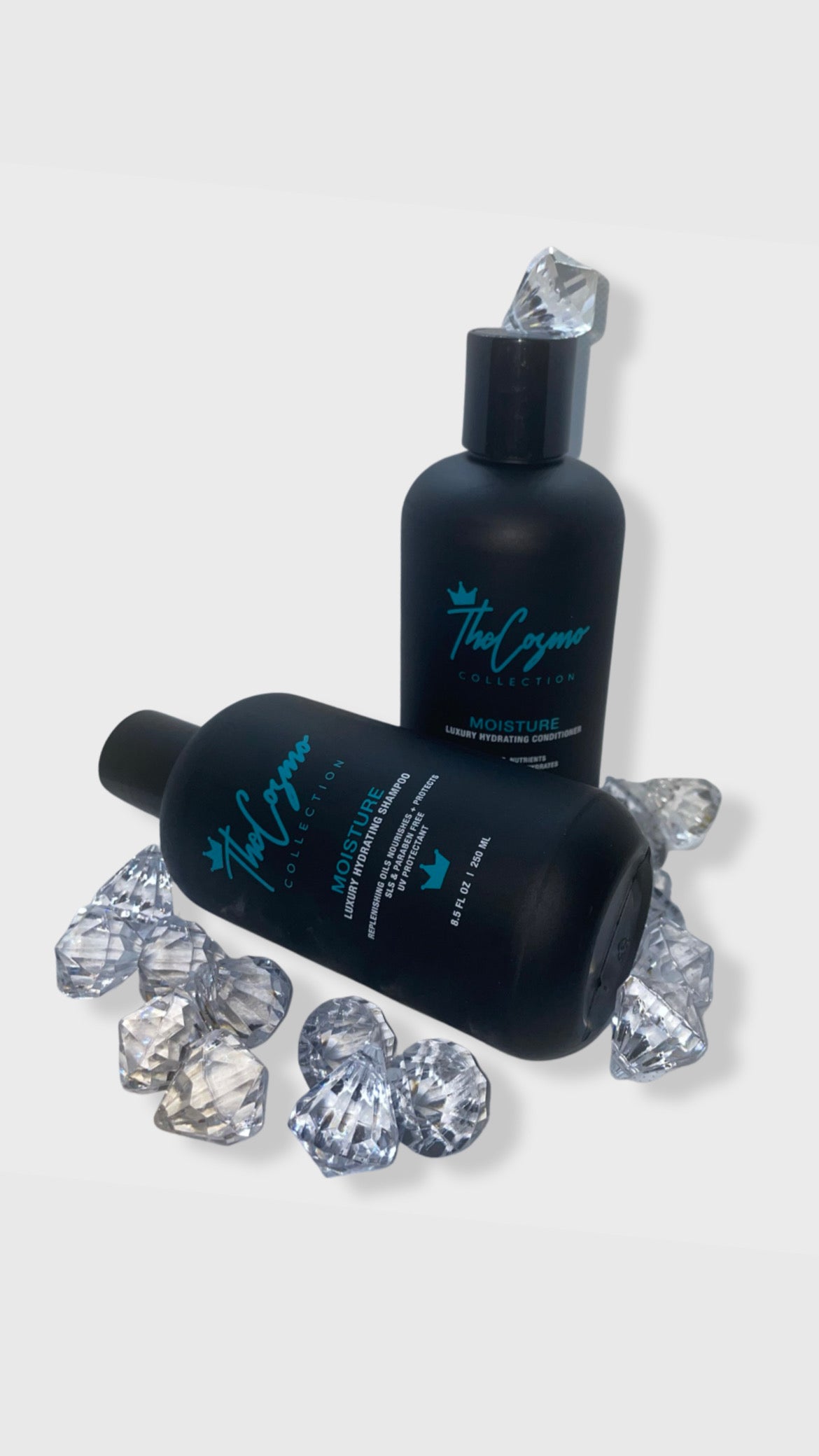
Illustrative image related to luxury shampoo and conditioner bottles
Überlegungen für internationale Einkäufer: Buyers from regions like Africa and South America should ensure compliance with local regulations regarding plastic use, especially concerning recyclability and safety. Standards such as ASTM and DIN may apply, depending on the market.
What Advantages Does Glass Offer for Luxury Bottles?
Wichtige Eigenschaften: Glass bottles provide excellent barrier properties against oxygen and moisture, ensuring product integrity. They can withstand high temperatures, making them suitable for sterilization processes.
Pro und Kontra: Glass offers a premium look and feel that enhances the luxury perception of the product. However, it is heavier and more fragile than plastic, which can lead to higher shipping costs and breakage during transit. Additionally, glass manufacturing can be more complex and energy-intensive.
Auswirkungen auf die Anwendung: Glass is highly compatible with most cosmetic formulations, including those with essential oils, which can sometimes degrade plastic. However, the risk of breakage must be considered in high-traffic retail environments.
Überlegungen für internationale Einkäufer: Buyers in Europe may prefer glass for its sustainability credentials, while those in regions with less stable infrastructure, like parts of Africa, may find plastic more practical. Compliance with EU regulations on packaging waste and recycling is crucial for European buyers.
How Do Stoneware and Concrete Compare in Terms of Luxury Bottles?
Wichtige Eigenschaften: Stoneware and concrete are both durable materials that offer excellent resistance to wear and tear. They can withstand a range of temperatures but may be less suitable for high-pressure applications.
Pro und Kontra: Both materials provide a unique aesthetic that appeals to consumers seeking a rustic or industrial look. However, they are heavier and more prone to chipping than plastic or glass. The manufacturing process can also be more complex, requiring specialized techniques.
Auswirkungen auf die Anwendung: Stoneware is compatible with a variety of formulations, while concrete can be more limited due to its porous nature, which may absorb certain liquids. Both materials can enhance the luxury experience but may not be practical for all product lines.
Überlegungen für internationale Einkäufer: Buyers should be aware of the specific regulations regarding ceramic and concrete materials in their region. For example, compliance with health and safety standards is critical in markets like Germany, where consumer protection laws are stringent.
Summary Table of Material Selection for Luxury Shampoo and Conditioner Bottles
| Material | Typical Use Case for luxury shampoo and conditioner bottles | Hauptvorteil | Wesentlicher Nachteil/Beschränkung | Relative Kosten (niedrig/mittel/hoch) |
|---|---|---|---|---|
| Kunststoff | Common for refillable and customizable bottles | Leicht und bruchsicher | Less luxurious feel compared to glass | Mittel |
| Glas | Premium product lines requiring high-end aesthetics | Ausgezeichnete Barriereeigenschaften | Schwer und zerbrechlich | Hoch |
| Stoneware | Rustic or traditional-themed luxury products | Unique aesthetic and durability | Heavier and prone to chipping | Mittel |
| Concrete | Industrial-style luxury products | Sturdy and unique design | Limited compatibility with some media | Mittel |
This analysis provides a comprehensive overview of the strategic material selection for luxury shampoo and conditioner bottles, enabling B2B buyers to make informed decisions based on their specific market needs and compliance requirements.
In-depth Look: Manufacturing Processes and Quality Assurance for luxury shampoo and conditioner bottles
What Are the Main Stages of Manufacturing Luxury Shampoo and Conditioner Bottles?
The manufacturing process for luxury shampoo and conditioner bottles encompasses several key stages: material preparation, forming, assembly, and finishing. Each stage plays a crucial role in ensuring the final product meets the aesthetic and functional expectations of both consumers and businesses.
Material Preparation: How Is the Right Material Chosen?
The selection of materials is paramount in producing high-quality luxury bottles. Common materials include high-density polyethylene (HDPE), polypropylene (PP), and glass. Each material offers distinct advantages: HDPE is lightweight and durable, while glass provides a premium look and feel. Manufacturers often assess the compatibility of these materials with the product contents, ensuring that they do not react adversely with the shampoo or conditioner.
Once the materials are selected, they undergo a thorough preparation process. This may involve cleansing the raw materials to remove impurities, which can affect the quality of the final product. For plastic bottles, granules are often melted and prepared for molding.
What Techniques Are Used in the Forming Process?
The forming stage includes various techniques such as blow molding, injection molding, and extrusion.
-
Blasformen is commonly used for hollow plastic bottles, where heated plastic is inflated into a mold to form the desired shape. This method is efficient and allows for high production rates.
-
Spritzgießen is ideal for producing intricate designs and precise shapes, often used for bottle caps and pumps. Here, molten plastic is injected into a mold, creating a solid form that is later assembled with the bottle body.
-
Extrusion can be used for creating long shapes, which can then be cut to size for bottles. This method is less common for luxury products but is still relevant for specific design elements.
Each of these techniques requires careful calibration to ensure that the bottles meet the desired specifications in terms of size, shape, and weight.
How Are Luxury Bottles Assembled and Finished?
After forming, the assembly process begins, where components such as pumps, caps, and labels are attached. This stage often involves automated machinery to ensure precision and efficiency.
Finishing touches are crucial in the luxury segment, where aesthetics matter significantly. Techniques such as silk screening, labeling, and embossing are employed to create visually appealing products. These processes not only enhance the appearance but also help in branding and consumer recognition.
What Quality Assurance Practices Are Essential for Luxury Bottles?
Quality assurance (QA) is vital in the production of luxury shampoo and conditioner bottles to ensure that they meet both safety and performance standards. International standards such as ISO 9001 and industry-specific certifications like CE and API are commonly adhered to, ensuring that products are manufactured consistently and meet regulatory requirements.
How Are QC Checkpoints Established?
Quality Control (QC) checkpoints are integrated throughout the manufacturing process:
-
Eingehende Qualitätskontrolle (IQC): This initial stage involves inspecting raw materials for defects before production begins. Ensuring that only high-quality materials enter the manufacturing process is critical for the overall product integrity.
-
Prozessbegleitende Qualitätskontrolle (IPQC): During manufacturing, periodic checks are conducted to monitor the production process. This includes verifying dimensions, weights, and the quality of assembled components.
-
Endgültige Qualitätskontrolle (FQC): Once the bottles are completed, they undergo a comprehensive inspection to ensure they meet all specifications. This may include visual inspections, functionality tests for pumps, and pressure testing for durability.
Welche Prüfmethoden werden üblicherweise verwendet?
Various testing methods are employed to ensure the bottles are safe and effective. Common tests include:
-
Dichtheitsprüfung: To ensure that bottles do not leak, which is crucial for maintaining product integrity.
-
Impact Resistance Testing: Assessing how well the bottles withstand drops or impacts, particularly important for plastic bottles.
-
Prüfung der chemischen Kompatibilität: Ensuring that the materials do not react with the contents, which could compromise the product.
Wie können B2B-Einkäufer die Qualitätskontrolle von Lieferanten überprüfen?
B2B buyers, especially from diverse regions like Africa, South America, the Middle East, and Europe, should implement rigorous methods to verify supplier quality control practices.
What Steps Should Buyers Take?
-
Lieferanten-Audits: Conducting regular audits of suppliers can provide insight into their manufacturing processes and adherence to quality standards.
-
Anforderung von Qualitätsberichten: Suppliers should provide documentation of their quality assurance processes, including results from IQC, IPQC, and FQC stages.
-
Inspektionen durch Dritte: Engaging third-party inspection services can provide an unbiased assessment of the supplier’s quality control practices and product quality.
-
Certifications Verification: Buyers should verify that suppliers hold relevant certifications (ISO 9001, CE, etc.) and ensure these are up to date.
Was sind die Besonderheiten bei der Qualitätskontrolle und Zertifizierung für internationale Käufer?
International buyers must be cognizant of specific nuances regarding QC and certifications. Different regions may have varying standards and regulations that can affect product acceptance. For instance, European buyers may require CE marking to comply with safety standards, while buyers in Africa may prioritize sustainability certifications.
Understanding these regional differences is essential for ensuring compliance and facilitating smoother trade relationships. Buyers should engage with suppliers who are knowledgeable about these nuances and can provide the necessary documentation to support international trade.
Conclusion: The Importance of Quality in Luxury Shampoo and Conditioner Bottles
In conclusion, the manufacturing processes and quality assurance practices for luxury shampoo and conditioner bottles are critical for delivering products that meet high consumer expectations. By understanding the manufacturing stages and implementing robust quality control measures, B2B buyers can ensure they partner with reliable suppliers, ultimately leading to enhanced customer satisfaction and brand loyalty.
Practical Sourcing Guide: A Step-by-Step Checklist for ‘luxury shampoo and conditioner bottles’
When sourcing luxury shampoo and conditioner bottles, a structured approach is essential to ensure quality, sustainability, and alignment with your brand’s values. This checklist will guide you through the key steps necessary to make informed purchasing decisions.
Schritt 1: Definieren Sie Ihre technischen Spezifikationen
Establish the characteristics of the bottles you need, including size, material, and design. Consider whether you prefer refillable options, which can enhance sustainability and customer appeal. Specify the technical requirements, such as pump functionality and label customization, to ensure they meet your operational needs.
- Material Choices: Decide between plastic, glass, stoneware, or concrete based on durability and aesthetic requirements.
- Size Variations: Assess the volume of product you plan to offer to determine appropriate bottle sizes.
Schritt 2: Forschung Markttrends
Understanding current market trends in luxury packaging can help you stay competitive. Look into consumer preferences for eco-friendly products and refillable options, as these are increasingly sought after in the beauty industry.
- Schwerpunkt Nachhaltigkeit: Investigate brands that prioritize sustainable practices, as this can enhance your brand image.
- Design Trends: Keep an eye on popular designs and colors that resonate with your target audience.
Schritt 3: Potenzielle Lieferanten evaluieren
Before committing to a supplier, conduct thorough evaluations. Request company profiles, case studies, and references from buyers within your industry to assess reliability and quality standards.
- Quality Certifications: Look for suppliers with relevant certifications (e.g., ISO, GMP) to ensure product safety and quality.
- Sample Requests: Always request samples to evaluate the physical product and its alignment with your specifications.
Schritt 4: Verify Supplier Capabilities
Assess the production capabilities of your shortlisted suppliers. Ensure they can meet your order volume and delivery timelines without compromising quality.
- Produktionskapazität: Confirm if the supplier has the infrastructure to scale up if your demand increases.
- Anpassungsoptionen: Verify their ability to customize bottles and labels to reflect your brand identity.
Schritt 5: Analyze Pricing and Terms
Gather and compare pricing from various suppliers to ensure you receive competitive rates. Pay attention to the terms of purchase, including minimum order quantities, payment terms, and shipping costs.
- Cost Breakdown: Request a detailed breakdown of costs, including any hidden fees associated with customization or shipping.
- Negotiation Flexibility: Discuss the possibility of discounts for bulk orders or long-term contracts to optimize your budget.
Schritt 6: Assess After-Sales Support
Strong after-sales support is crucial for maintaining your supply chain. Ensure your chosen supplier offers assistance with product issues, returns, or replacements.
- Customer Service Accessibility: Check how quickly and effectively the supplier responds to inquiries and resolves issues.
- Return Policies: Familiarize yourself with the supplier’s return and exchange policies to avoid potential complications.
Schritt 7: Implement a Trial Order
Before making a large commitment, consider placing a trial order to evaluate the supplier’s performance and product quality. Monitor the entire process, from order placement to delivery.
- Feedback Mechanism: Establish a system for collecting feedback from your team regarding the usability and appeal of the bottles.
- Adjustments and Improvements: Use insights gained from the trial to make necessary adjustments before scaling up orders.
By following this checklist, B2B buyers can confidently navigate the sourcing process for luxury shampoo and conditioner bottles, ensuring they align with market demands and brand values.
Comprehensive Cost and Pricing Analysis for luxury shampoo and conditioner bottles Sourcing
What Are the Key Cost Components for Luxury Shampoo and Conditioner Bottles?
When sourcing luxury shampoo and conditioner bottles, understanding the cost structure is crucial for international B2B buyers. The primary cost components include materials, labor, manufacturing overhead, tooling, quality control, logistics, and profit margins.

Illustrative image related to luxury shampoo and conditioner bottles
-
Materialien: The choice of materials significantly impacts the overall cost. Options range from durable plastics to premium glass and stoneware. Plastic bottles are generally more cost-effective, while glass and stoneware offer a luxurious appeal at a higher price point. Eco-friendly materials can also command a premium.
-
Arbeit: Labor costs can vary widely based on the region of manufacturing. For instance, labor in countries like Nigeria may differ from that in Germany, influencing the overall pricing. Skilled labor is often required for quality craftsmanship, especially for custom designs.
-
Fertigungsgemeinkosten: This encompasses all indirect costs associated with production, such as utilities, rent, and equipment maintenance. Efficient manufacturing processes can help minimize these overhead costs.
-
Werkzeugbau: Custom molds for unique bottle designs can incur significant initial costs. However, these costs can be amortized over large production runs, making them more economical in the long term.
-
Qualitätskontrolle (QC): Ensuring product quality is essential, particularly in the luxury segment. Investing in robust QC processes can add to costs but is necessary to maintain brand reputation.
-
Logistik: Shipping costs can fluctuate based on the origin and destination, transportation method, and current global shipping rates. Incoterms also play a crucial role in determining who bears these costs.
-
Marge: Finally, suppliers will include a margin that reflects their business strategy, market positioning, and competitive landscape.
How Do Price Influencers Affect Luxury Shampoo and Conditioner Bottles?
Several factors influence the pricing of luxury shampoo and conditioner bottles, impacting the total cost for buyers:
-
Volumen/MOQ: Minimum order quantities (MOQs) can significantly affect pricing. Larger orders often lead to discounts, making it essential for buyers to assess their needs carefully.
-
Spezifikationen und Anpassungen: Custom designs, colors, and labeling can increase costs. It’s advisable for buyers to weigh the benefits of customization against their budget constraints.
-
Materialien: As mentioned, the choice of materials affects pricing. Buyers should consider both aesthetics and functionality when selecting materials.
-
Qualität und Zertifizierungen: Bottles that meet specific industry standards or certifications may have a higher price point. This is particularly relevant for buyers in regions with stringent regulations.
-
Lieferanten-Faktoren: The reputation and reliability of the supplier can influence costs. Established suppliers may charge more due to their proven track record.
-
Incoterms: Understanding Incoterms is crucial for determining responsibility for shipping costs, risks, and insurance. Different terms can lead to variations in total pricing.
What Are the Best Buyer Tips for Sourcing Luxury Shampoo and Conditioner Bottles?
-
Verhandlung: Always negotiate pricing, especially for large orders. Suppliers may have flexibility in their pricing structures that can lead to significant savings.
-
Kosteneffizienz: Evaluate the total cost of ownership, which includes not just the purchase price but also shipping, duties, and potential returns. This holistic view can uncover hidden costs.
-
Internationale Nuancen bei der Preisgestaltung: Buyers from Africa, South America, the Middle East, and Europe must consider local economic conditions, currency fluctuations, and trade tariffs when assessing costs.
-
Research and Compare: Conduct thorough market research to compare prices and features among different suppliers. This will help in making informed decisions and securing the best deals.
-
Qualitätssicherung: Prioritize suppliers that provide detailed quality assurance processes. This not only ensures the longevity of the products but also safeguards your brand’s reputation.
Haftungsausschluss
The pricing and cost analysis provided in this guide is indicative and may vary based on market conditions, specific supplier negotiations, and changes in material costs. Always consult multiple sources for the most accurate and current pricing.
Alternatives Analysis: Comparing luxury shampoo and conditioner bottles With Other Solutions
Exploring Alternatives to Luxury Shampoo and Conditioner Bottles
In the realm of personal care products, luxury shampoo and conditioner bottles represent a premium option that combines aesthetics with functionality. However, as sustainability and cost-effectiveness become increasingly important for businesses, it’s essential to explore alternative solutions that might better align with their goals. Below, we compare luxury shampoo and conditioner bottles with refillable dispensers and bulk shampoo and conditioner systems, providing insights for B2B buyers looking to make informed decisions.
| Vergleich Aspekt | Luxury Shampoo And Conditioner Bottles | Refillable Dispensers | Bulk Shampoo and Conditioner Systems |
|---|---|---|---|
| Leistung | High-quality, aesthetically pleasing | Functional, customizable | Economical, high-volume usage |
| Kosten | Höhere Erstinvestition | Moderate, cost-effective | Low per-use cost, initial setup fees |
| Leichte Implementierung | Easy to implement in upscale settings | Requires setup for refills | Requires infrastructure for bulk storage |
| Wartung | Regular cleaning needed | Frequent refilling and cleaning | Minimal, depends on usage |
| Bester Anwendungsfall | Luxury hotels, spas, high-end retail | Home use, boutique hotels | Large-scale operations, salons |
What Are the Benefits and Drawbacks of Refillable Dispensers?
Refillable dispensers offer a customizable and sustainable alternative to traditional luxury shampoo and conditioner bottles. They are designed to reduce single-use plastic waste while allowing businesses to maintain a cohesive aesthetic. However, while the upfront costs may be lower than luxury bottles, the need for regular refills can become a logistical challenge for some operations. Additionally, the quality of the dispensers can vary, and businesses must ensure that they select durable options to withstand daily use.
How Do Bulk Shampoo and Conditioner Systems Compare?
Bulk shampoo and conditioner systems are particularly advantageous for large-scale operations, such as salons or hotels with high guest turnover. These systems minimize the cost per use and reduce packaging waste significantly. However, they require significant initial investment in infrastructure for storage and dispensing. Maintenance is generally low, as these systems are designed for high-volume usage. The downside is that they may not provide the same level of luxury or aesthetic appeal that high-end brands demand, potentially impacting the customer experience in upscale environments.
Conclusion: Choosing the Right Solution for Your Business Needs
B2B buyers must weigh their priorities when deciding between luxury shampoo and conditioner bottles and alternative solutions. If the focus is on creating a luxurious experience for customers, investing in high-quality bottles may be worthwhile. Conversely, if sustainability and cost-efficiency are paramount, refillable dispensers or bulk systems may be the better choice. Ultimately, the decision should align with the business’s brand identity, target market, and operational capacity, ensuring that the selected solution meets both aesthetic and functional needs.
Essential Technical Properties and Trade Terminology for luxury shampoo and conditioner bottles
What Are the Key Technical Properties of Luxury Shampoo and Conditioner Bottles?
When sourcing luxury shampoo and conditioner bottles, understanding the critical technical properties is essential for making informed purchasing decisions. Here are some key specifications to consider:
1. Material Klasse
The material grade of shampoo and conditioner bottles significantly affects durability, safety, and aesthetic appeal. Common materials include high-density polyethylene (HDPE) for plastic bottles, which offers excellent chemical resistance and is lightweight, making it ideal for wet environments. Glass provides a premium look but is heavier and more prone to breakage. Stoneware and concrete options also exist, appealing to consumers looking for unique, high-end finishes. Selecting the right material aligns with brand positioning and customer expectations.
2. Capacity
The capacity of the bottles—typically measured in ounces or milliliters—determines how much product they can hold. Common sizes range from 250ml to 1,000ml. Understanding capacity is vital for aligning product offerings with consumer preferences and market standards. Larger bottles may appeal to customers seeking value, while smaller, luxurious options could attract niche markets focused on premium experiences.
3. Tolerance
Tolerance refers to the allowable deviation in dimensions during manufacturing, crucial for ensuring that components such as pumps and caps fit correctly. High tolerance levels are essential for maintaining quality control and preventing leaks or product waste. In the B2B context, this affects production efficiency and supply chain reliability.
4. Dispensing Mechanism
The type of dispensing mechanism—such as pumps, flip-tops, or spray heads—impacts user experience and product functionality. For luxury brands, a smooth and reliable dispensing mechanism enhances the customer experience. Understanding the mechanics involved can help buyers select bottles that align with their brand’s image and customer expectations.
5. Labeling Options
Custom labeling capabilities allow brands to create a unique identity and communicate product benefits effectively. Waterproof labels are essential for maintaining legibility in wet environments, which is common in bathroom settings. This property plays a significant role in branding and marketing strategies, as visually appealing packaging can influence consumer purchasing decisions.
What Are Common Trade Terms in the Luxury Shampoo and Conditioner Bottle Industry?
Familiarity with industry jargon is crucial for effective communication and negotiation in B2B transactions. Here are some common terms you should know:
1. OEM (Original Equipment Manufacturer)
OEM refers to companies that produce products based on another company’s specifications. In the context of shampoo and conditioner bottles, brands may engage OEMs to manufacture unique bottle designs or features, allowing them to focus on marketing and distribution.
2. MOQ (Mindestbestellmenge)
MOQ is the smallest number of units a supplier is willing to sell. Understanding MOQ is essential for budgeting and inventory planning. Brands must balance their need for product availability with the financial implications of ordering large quantities.
3. RFQ (Request for Quotation)
An RFQ is a formal process where buyers request pricing and terms from suppliers for specific products. This is a critical step in the procurement process, allowing businesses to compare offers and make informed decisions based on cost and value.
4. Incoterms (Internationale Handelsklauseln)
Incoterms define the responsibilities of buyers and sellers in international shipping, including cost allocation and risk management. Familiarity with these terms helps buyers navigate logistics and ensures smooth transactions across borders.
5. Sustainability Certifications
As eco-conscious consumerism rises, sustainability certifications (like FSC or ISO 14001) have become significant. These certifications assure buyers that the products meet environmental standards, influencing purchasing decisions in markets increasingly focused on sustainability.

Illustrative image related to luxury shampoo and conditioner bottles
By understanding these properties and terms, B2B buyers can make well-informed decisions that align with their brand strategies and market expectations, ultimately driving growth and customer satisfaction in the luxury personal care segment.
Navigating Market Dynamics and Sourcing Trends in the luxury shampoo and conditioner bottles Sector
What Are the Current Market Dynamics and Key Trends in Luxury Shampoo and Conditioner Bottles?
The luxury shampoo and conditioner bottles market is experiencing significant growth, driven by increasing consumer demand for premium personal care products that offer both functionality and aesthetic appeal. As international B2B buyers from regions such as Africa, South America, the Middle East, and Europe seek to differentiate their offerings, the emphasis on customization and branding is more pronounced than ever. Buyers are increasingly looking for unique designs that reflect luxury and sophistication while ensuring that the product stands out on retail shelves.
Emerging trends in B2B sourcing highlight the importance of refillable and eco-friendly packaging solutions. Companies are pivoting towards sustainable materials that not only reduce environmental impact but also align with consumer preferences for greener products. For instance, refillable shampoo and conditioner bottles made from durable plastic or glass are gaining traction, as they provide an upscale look while promoting sustainability. This shift is particularly relevant for markets in Europe and Germany, where sustainability standards are stringent and consumers are highly aware of environmental issues.
Technological advancements in manufacturing processes are also shaping the market. Automation and digital printing technologies are enabling brands to offer customizable options at scale, allowing buyers to meet diverse consumer needs efficiently. Furthermore, e-commerce platforms are facilitating direct-to-consumer sales, making it easier for B2B buyers to access a wider range of products and suppliers.
How Important Is Sustainability and Ethical Sourcing in the Luxury Shampoo and Conditioner Bottles Market?
In today’s market, sustainability and ethical sourcing are not just trends; they are essential components of a successful B2B strategy. The environmental impact of packaging waste is prompting buyers to prioritize suppliers who demonstrate a commitment to sustainability. Luxury shampoo and conditioner bottles made from recycled or biodegradable materials are increasingly sought after, as they resonate with the eco-conscious consumer.
Additionally, ethical supply chains that ensure fair labor practices and responsible sourcing are becoming a prerequisite for partnerships. Buyers are looking for certifications such as Forest Stewardship Council (FSC) or Global Recycle Standard (GRS) to validate the sustainability claims of their suppliers. These certifications not only enhance brand reputation but also provide assurance to consumers about the integrity of the products they purchase.
Sustainable packaging solutions, such as refillable bottles, contribute to reducing single-use plastic waste and promote a circular economy. By investing in eco-friendly materials and practices, B2B buyers can differentiate themselves in a competitive market while appealing to the growing demographic of environmentally conscious consumers.
What Is the Brief Evolution of Luxury Shampoo and Conditioner Bottles in the B2B Context?
The evolution of luxury shampoo and conditioner bottles has been marked by a shift from traditional packaging to innovative, design-driven solutions. Initially, bottles were primarily functional, focusing on durability and cost-effectiveness. However, as consumer preferences evolved towards personalized and aesthetically pleasing products, manufacturers began to explore new materials and designs that reflect luxury and sophistication.
In recent years, the introduction of refillable bottles has transformed the market, aligning with the increasing demand for sustainability. This shift not only addresses environmental concerns but also enhances the consumer experience by providing a more cohesive and organized bathroom aesthetic. Furthermore, advancements in production technology have allowed for greater customization, enabling brands to cater to specific market segments and consumer preferences effectively.

Illustrative image related to luxury shampoo and conditioner bottles
Today, luxury shampoo and conditioner bottles are viewed as an integral part of the overall brand experience, influencing consumer perception and purchasing decisions. This evolution highlights the importance of adaptability and innovation for B2B buyers looking to stay ahead in a dynamic market landscape.
Frequently Asked Questions (FAQs) for B2B Buyers of luxury shampoo and conditioner bottles
-
How do I choose the right supplier for luxury shampoo and conditioner bottles?
Selecting a supplier involves assessing their production capabilities, quality assurance processes, and previous client feedback. Look for suppliers with a strong reputation in the luxury market, and consider requesting samples to evaluate product quality firsthand. Additionally, verify their compliance with international standards and regulations, particularly if you are sourcing from different regions, ensuring they meet the specific requirements of your target market in Africa, South America, or Europe. -
What materials are best for luxury shampoo and conditioner bottles?
The choice of material significantly impacts both aesthetics and functionality. Glass bottles convey luxury and elegance but can be fragile, making them less suitable for high-traffic environments. Plastic offers durability and safety, especially in wet conditions, while stoneware and concrete provide a unique, upscale appearance. Consider your target market’s preferences and the intended use of the bottles when making a decision. -
What customization options should I consider for shampoo and conditioner bottles?
Customization can enhance brand identity and customer experience. Options include bottle shape, size, color, and labeling. You can also choose different dispensing mechanisms, such as pumps or foaming dispensers, which can add functionality. Ensure that your supplier can accommodate these options and discuss minimum order quantities (MOQs) for customized designs to align with your budget and marketing strategies. -
What are the typical minimum order quantities (MOQs) for luxury shampoo and conditioner bottles?
MOQs can vary significantly based on the supplier and product specifications. For luxury items, MOQs may range from a few hundred to several thousand units. It’s essential to discuss MOQs upfront with potential suppliers, as this can impact your inventory management and overall cost structure. Some suppliers may offer flexibility for first-time orders or smaller brands, so it’s worth negotiating. -
How can I ensure quality assurance for my order of shampoo and conditioner bottles?
Implementing a quality assurance process is crucial. Start by conducting pre-production inspections and requesting samples before full-scale production. Establish clear quality standards and communicate them to your supplier. Consider hiring a third-party inspection service to evaluate products during and after production, ensuring they meet your specifications and are free from defects before shipment. -
What payment terms are commonly offered by suppliers of luxury shampoo and conditioner bottles?
Payment terms can vary widely based on the supplier and the nature of the order. Common options include 30% upfront payment and 70% upon delivery, or net 30 to 60 days. Discuss these terms early in negotiations to avoid misunderstandings. Additionally, consider secure payment methods like letters of credit or escrow services, especially for international transactions, to protect your investment. -
What logistics considerations should I keep in mind when sourcing internationally?
When sourcing luxury shampoo and conditioner bottles, factor in shipping costs, customs duties, and delivery times. Choose a reliable freight forwarder who understands the logistics of your target regions. Additionally, ensure that your supplier provides necessary documentation for customs clearance. It’s also wise to understand local regulations regarding product packaging and labeling to avoid compliance issues. -
How can I effectively market my luxury shampoo and conditioner products?
Marketing strategies should focus on highlighting the unique features and benefits of your products. Utilize high-quality imagery and engaging storytelling to convey the luxury experience associated with your brand. Leverage social media, influencer partnerships, and targeted advertising to reach your audience. Additionally, consider participation in trade shows and B2B platforms to connect with potential buyers and distributors in your target markets.
Top 5 Luxury Shampoo And Conditioner Bottles Manufacturers & Suppliers List
1. The Polished Jar – Customizable Shampoo and Conditioner Dispensers

Bereich: thepolishedjar.com
Registriert: 2019 (6 Jahre)
Einleitung: The Polished Jar offers customizable shampoo and conditioner dispensers designed to replicate a luxury hotel or spa experience. Key features include:
– Material: Durable plastic, safer than glass or ceramic.
– Customization options: Choose bottle colors, pump materials (plastic or metal), and labels (waterproof text for generic or personalized terms).
– Variety of styles: Collections available to …
2. Brand – 1L Hair Care Solutions
Bereich: reddit.de
Registriert: 2005 (20 Jahre)
Einleitung: 1. Brand: Specific brand of hair products (not named)
2. Bottle Size: 1L bottles (better deal than 300ml)
3. Product Types: 1 type of shampoo, 2 types of conditioner
4. Issues: Heavy and inconvenient when full; crusty bottoms when near empty; lack of joy due to appearance
5. Desired Solution: Pretty containers or dispensers to reduce clutter and improve aesthetics
6. Recommendations:
...
3. Sephora – Refillable Shampoo Bottles
Bereich: sephora.com
Registriert: 1996 (29 Jahre)
Einleitung: Refillable shampoo bottles designed for eco-conscious beauty enthusiasts. Aimed at reducing waste and minimizing carbon footprint by replacing single-use plastic bottles. Compatible with organic shampoos for fine hair. Available in various stylish designs and sizes. Products include amika Refillable Shampoo Bottle ($12), RIES Essential Refillable Travel Container Set ($70), and others ranging from…
4. Luxury Shampoo Packaging – Design Inspiration
Bereich: pinterest.com
Registriert: 2009 (16 Jahre)
Einleitung: Luxury shampoo packaging ideas and inspiration, including various designs such as minimalist black bottles, modern lotion bottles, and elegant shampoo labels. Related interests include luxury skincare packaging, beauty packaging, and unique cosmetic packaging. The content features packaging design ideas for shampoo bottles, including sizes like 250ml and 450ml, and mentions brands and aesthetic de…
5. BottleStore – Boston Round Glass & PET Bottles
Bereich: flaschenladen.de
Registriert: 1998 (27 Jahre)
Einleitung: 8oz Flint Glass Boston Round Glass Bottle – 24-400 Neck Finish, $0.56 (PER PIECE), 108 PIECES PER CARTON, $64.08 As low as $52.61 (Per Carton); 8oz Amber PET Boston Round – 24-410 Neck, $0.27 (PER PIECE), 280 PIECES PER CARTON, $75.60 (Per Carton); 3oz (90ml) Clear PET Boston Round – 20-410 Neck, $0.18 (PER PIECE), 448 PIECES PER CARTON, $80.64 As low as $53.76 (Per Carton); 100ml Amber Glass Syru…
Strategic Sourcing Conclusion and Outlook for luxury shampoo and conditioner bottles
The luxury shampoo and conditioner bottle market is evolving, driven by sustainability, customization, and consumer preferences. As B2B buyers from regions like Africa, South America, the Middle East, and Europe seek to differentiate their offerings, strategic sourcing becomes paramount. Engaging with suppliers who prioritize eco-friendly materials and innovative designs can enhance brand value and appeal to environmentally conscious consumers.
Investing in refillable and customizable bottle options not only reduces single-use plastic waste but also elevates the customer experience, aligning with the growing trend of sustainable luxury. By choosing suppliers that offer durable materials like shatter-resistant plastics or elegant glass, businesses can ensure that their products stand out while meeting consumer expectations for quality and style.
Looking ahead, the demand for luxury personal care packaging will continue to rise. International buyers are encouraged to explore partnerships that emphasize sustainability and aesthetic appeal. By prioritizing strategic sourcing, you can position your brand at the forefront of this competitive market. Take action now to secure your supply chain and enhance your product offerings—your customers will appreciate the commitment to quality and sustainability.
Wichtiger Haftungsausschluss & Nutzungsbedingungen
⚠️ Wichtiger Haftungsausschluss
Die in diesem Leitfaden enthaltenen Informationen, einschließlich der Angaben zu Herstellern, technischen Spezifikationen und Marktanalysen, dienen ausschließlich Informations- und Bildungszwecken. Sie stellen keine professionelle Kaufberatung, Finanzberatung oder Rechtsberatung dar.
Obwohl wir alle Anstrengungen unternommen haben, um die Richtigkeit und Aktualität der Informationen zu gewährleisten, übernehmen wir keine Verantwortung für etwaige Fehler, Auslassungen oder veraltete Informationen. Marktbedingungen, Unternehmensangaben und technische Standards können sich ändern.
B2B-Käufer müssen ihre eigene unabhängige und gründliche Due-Diligence-Prüfung durchführen bevor Sie eine Kaufentscheidung treffen. Dazu gehört, dass Sie sich direkt mit den Anbietern in Verbindung setzen, die Zertifizierungen überprüfen, Muster anfordern und sich professionell beraten lassen. Das Risiko, sich auf die Informationen in diesem Leitfaden zu verlassen, trägt allein der Leser.




 German
  English
  Russian
  Spanish
  Italian
  Thai
Thai  French
  Arabic
  Portuguese
  Indonesian






