

Introduction: Navigating the Global Market for Ocean-bound Plastic Airless Bottle
In an era where sustainability is paramount, sourcing ocean-bound plastic airless bottles presents a compelling opportunity for international B2B buyers. As businesses strive to meet consumer demands for eco-friendly packaging solutions, the challenge lies in identifying reliable suppliers who offer innovative products that not only reduce environmental impact but also maintain high performance standards. This comprehensive guide serves as an essential resource for navigating the global market of ocean-bound plastic airless bottles, providing insights into various types, applications, and customization options.
Throughout this guide, buyers will discover the benefits of utilizing ocean-bound plastic (OBP) in packaging, including its role in combating marine pollution and fostering a circular economy. We will also delve into critical aspects of supplier vetting, ensuring that businesses from Africa, South America, the Middle East, and Europe—such as those in Saudi Arabia and Brazil—can make informed purchasing decisions. Key considerations such as pricing, minimum order quantities, and the latest innovations in sustainable packaging will be thoroughly explored.
By leveraging this guide, B2B buyers can confidently align their product offerings with the growing consumer preference for sustainability, thereby enhancing brand loyalty and positioning themselves as responsible market leaders. Embrace the shift towards environmentally conscious packaging with ocean-bound plastic airless bottles and unlock new potential for your business.
Understanding Ocean-bound Plastic Airless Bottle Types and Variations
| Typ Name | Wichtigste Unterscheidungsmerkmale | Primäre B2B-Anwendungen | Kurze Vor- und Nachteile für Käufer |
|---|---|---|---|
| Round PP Single-Layer Airless Bottle | Made from 100% ocean-bound plastic; compact design; customizable | Skincare lotions, serums, and creams | Vorteile: Eco-friendly, highly customizable. Nachteile: MOQ may be high. |
| Cylinder Smooth Surface Cosmetic Jar | Smooth finish; made with OBP; versatile shapes available | Creams, gels, and other cosmetics | Vorteile: Attractive design, suitable for various products. Nachteile: Begrenzte Kapazitätsoptionen. |
| Ocean Bound Plastic PE Bottles | Durable PE material; designed for easy dispensing; recyclable | Personal care and hygiene products | Vorteile: Excellent durability, recyclable. Nachteile: Slightly heavier than alternatives. |
| Mono-material Ocean Bound Plastic Jar | Single-material construction; easy to recycle; sleek appearance | High-end cosmetic and skincare lines | Vorteile: Simplifies recycling process, premium feel. Nachteile: Höhere Produktionskosten. |
| Twist-on Round Single-Layer Airless Bottle | Twist-on cap for secure closure; lightweight; made from OBP | Travel-sized products, samples | Vorteile: Convenient for travel, cost-effective. Nachteile: Limited to smaller volumes. |
What Are the Key Characteristics of Round PP Single-Layer Airless Bottles?
Round PP Single-Layer Airless Bottles are designed for efficiency and sustainability, utilizing 100% ocean-bound plastic (OBP). Their compact design makes them ideal for formulations such as lotions and serums, and they can be customized through various decoration methods. B2B buyers should consider their environmental impact, as these bottles significantly reduce waste while providing an attractive packaging solution. However, the minimum order quantity (MOQ) can be a barrier for smaller brands.
How Do Cylinder Smooth Surface Cosmetic Jars Stand Out?
Cylinder Smooth Surface Cosmetic Jars feature a sleek design and are made from ocean-bound plastic, making them both aesthetically pleasing and environmentally friendly. They are versatile and can accommodate a variety of products, including creams and gels. For B2B buyers, the visual appeal of these jars can enhance brand perception. However, the limited capacity options may not suit all product lines, requiring careful consideration of product compatibility.
What Are the Advantages of Ocean Bound Plastic PE Bottles?
Ocean Bound Plastic PE Bottles are known for their robustness and recyclability. These bottles are designed for easy dispensing, making them suitable for personal care and hygiene products. B2B buyers should appreciate their durability and the positive environmental message they convey. However, the slightly heavier weight compared to other materials may be a consideration for shipping and handling logistics.
Why Choose Mono-material Ocean Bound Plastic Jars?
Mono-material Ocean Bound Plastic Jars are crafted from a single type of material, which simplifies the recycling process. They offer a premium look and feel, making them suitable for high-end cosmetic and skincare lines. B2B buyers should weigh the benefits of enhanced recyclability against the potentially higher production costs. Their sophisticated design can elevate brand identity, making them a worthwhile investment for companies focused on sustainability.
What Makes Twist-on Round Single-Layer Airless Bottles Ideal for Travel?
Twist-on Round Single-Layer Airless Bottles are particularly advantageous for travel-sized products and samples due to their secure twist-on caps and lightweight design. Made from ocean-bound plastic, they support eco-friendly initiatives while catering to the growing demand for portable packaging. B2B buyers should consider their cost-effectiveness and convenience for consumers, though the limitation to smaller volumes may not be suitable for all product strategies.
Key Industrial Applications of Ocean-bound Plastic Airless Bottle
| Industrie/Sektor | Specific Application of Ocean-bound Plastic Airless Bottle | Wert/Nutzen für das Unternehmen | Wichtige Überlegungen zur Beschaffung für diese Anwendung |
|---|---|---|---|
| Kosmetika | Packaging for lotions, serums, and creams | Enhances brand image as eco-friendly, meets consumer demand for sustainability | Minimum order quantities, customization options, and compliance with international regulations |
| Körperpflege | Airless bottles for skincare products | Protects product integrity and extends shelf life, appealing to health-conscious consumers | Durability and compatibility with various formulations, sourcing from reliable suppliers |
| Pharmazeutika | Verpackungen für topische Behandlungen | Ensures contamination-free delivery, aligns with sustainability goals | Regulatory compliance, material safety certifications, and bulk purchasing options |
| Essen & Trinken | Eco-friendly packaging for sauces and dressings | Attracts environmentally conscious consumers, reduces carbon footprint | Food safety certifications, customization for branding, and minimum order quantities |
| Haushaltspflegeprodukte | Airless packaging for cleaning solutions | Offers a modern, clean aesthetic while promoting sustainability | Compatibility with chemical formulations, sourcing for bulk orders, and customization capabilities |
How Are Ocean-bound Plastic Airless Bottles Used in the Cosmetics Industry?
In the cosmetics sector, ocean-bound plastic airless bottles are ideal for packaging lotions, serums, and creams. These bottles not only enhance the aesthetic appeal of the product but also signal a brand’s commitment to sustainability, which is increasingly important to consumers. By using ocean-bound plastic, businesses can effectively address environmental concerns while maintaining product integrity. Buyers must consider minimum order quantities, customization options, and compliance with international packaging regulations to ensure a seamless sourcing process.
What Benefits Do Ocean-bound Plastic Airless Bottles Offer for Personal Care Products?
Personal care brands utilize ocean-bound plastic airless bottles to package skincare products, ensuring protection against contamination and oxidation. This type of packaging helps extend the shelf life of formulations, which is crucial in maintaining product efficacy. Eco-conscious consumers are drawn to brands that prioritize sustainability, thus enhancing customer loyalty. When sourcing, businesses should prioritize durability and compatibility with various formulations while seeking reliable suppliers to guarantee consistent quality.
How Do Ocean-bound Plastic Airless Bottles Meet Pharmaceutical Needs?
In the pharmaceutical industry, ocean-bound plastic airless bottles serve as excellent packaging for topical treatments. These bottles provide a contamination-free delivery system, which is essential for maintaining product safety and efficacy. Additionally, the use of sustainable materials aligns with the growing trend towards environmentally responsible practices in healthcare. Buyers in this sector must ensure compliance with stringent regulatory standards, secure material safety certifications, and consider bulk purchasing options to optimize costs.
What Are the Applications of Ocean-bound Plastic Airless Bottles in Food & Beverage Packaging?
The food and beverage industry is increasingly adopting ocean-bound plastic airless bottles for packaging sauces, dressings, and other liquid products. This eco-friendly packaging attracts environmentally conscious consumers and helps brands reduce their carbon footprint. To successfully source these bottles, businesses should ensure they meet food safety certifications, offer customization for branding, and adhere to minimum order quantities that suit their production needs.
How Are Ocean-bound Plastic Airless Bottles Used in Home Care Products?
Home care brands benefit from using ocean-bound plastic airless bottles for packaging cleaning solutions. This modern packaging solution not only enhances the product’s visual appeal but also promotes sustainability, appealing to eco-conscious consumers. When sourcing, businesses need to consider compatibility with various chemical formulations, the ability to handle bulk orders, and customization options to align with their branding strategies.

A stock image related to Ocean-bound Plastic Airless Bottle.
3 Common User Pain Points for ‘Ocean-bound Plastic Airless Bottle’ & Their Solutions
Scenario 1: Navigating the Challenge of Sourcing Quality Ocean-bound Plastic Airless Bottles
Das Problem: B2B buyers often face difficulties in sourcing high-quality ocean-bound plastic (OBP) airless bottles that meet both their environmental goals and product specifications. The market is flooded with options, but many suppliers may not provide transparent information regarding the sourcing and quality of their OBP. Buyers are concerned about whether the materials used are genuinely ocean-bound and how they compare in performance to traditional packaging. This uncertainty can hinder their commitment to sustainability and impact brand reputation.
Die Lösung: To effectively source quality ocean-bound plastic airless bottles, buyers should prioritize suppliers who provide verifiable certifications for their materials. Request documentation that confirms the OBP’s origin and quality assurance testing. Establish partnerships with manufacturers like Sunrange Pack, which specializes in eco-friendly packaging and can offer insights into the sourcing process. Additionally, consider pilot testing a range of products to assess their performance in real-world applications. By closely collaborating with suppliers and performing due diligence, buyers can ensure that they meet sustainability targets without compromising on quality.
Scenario 2: Addressing Concerns Over Product Integrity and Shelf Life
Das Problem: Another significant pain point for B2B buyers is the concern about the integrity and shelf life of products packaged in ocean-bound plastic airless bottles. Since these bottles are made from recycled materials, there is a fear that they may not provide the same level of protection against contamination and oxidation as conventional packaging. This concern is especially critical for cosmetics and skincare brands, where product quality is paramount.
Die Lösung: To mitigate these concerns, buyers should engage with suppliers who offer detailed information on the testing and performance characteristics of their OBP airless bottles. Look for manufacturers that conduct rigorous testing for UV resistance, oxygen permeability, and compatibility with the product being packaged. Additionally, consider incorporating advanced barrier technologies within the packaging design to enhance product protection. Collaboration with suppliers to customize the formulation of the bottle can also help meet specific product needs, ensuring that the integrity of the contents is maintained throughout their shelf life.
Scenario 3: Balancing Cost with Sustainability Initiatives
Das Problem: Many B2B buyers grapple with the challenge of balancing cost-effectiveness with their commitment to sustainability when choosing ocean-bound plastic airless bottles. While these eco-friendly options may initially have a higher upfront cost compared to traditional materials, buyers must justify this investment to stakeholders who prioritize budget constraints. The fear of increased operational costs can lead companies to overlook sustainable packaging solutions.
Die Lösung: Buyers can address this challenge by conducting a comprehensive cost-benefit analysis that highlights the long-term savings associated with sustainable packaging. This includes factors such as reduced waste disposal costs, potential tax benefits for using recycled materials, and increased consumer loyalty from eco-conscious shoppers. Additionally, negotiate volume discounts with suppliers, as many manufacturers offer lower prices for bulk orders. Educate internal stakeholders about the growing demand for sustainable products and how investing in ocean-bound plastic can enhance the company’s brand image and align with global sustainability initiatives. By framing the conversation around value rather than just cost, buyers can secure buy-in for sustainable packaging choices.
Strategic Material Selection Guide for Ocean-bound Plastic Airless Bottle
What Are the Key Materials for Ocean-bound Plastic Airless Bottles?
In the realm of sustainable packaging, ocean-bound plastic (OBP) airless bottles are gaining traction due to their eco-friendly credentials and performance advantages. Here, we will analyze several common materials used in these bottles, focusing on their properties, advantages, limitations, and implications for international B2B buyers.
How Does Polypropylene (PP) Perform in Ocean-bound Plastic Airless Bottles?
Polypropylene (PP) is one of the most widely used materials for airless bottles. It offers excellent chemical resistance, making it suitable for a variety of cosmetic and personal care products. PP can withstand temperatures up to 120°C, which is beneficial for products that require sterilization. Additionally, its low density contributes to lightweight packaging.
Vorteile: PP is durable, recyclable, and cost-effective, making it a popular choice among manufacturers. Its compatibility with various decoration techniques, such as silk-screen printing and hot stamping, enhances branding opportunities.
Nachteile: While PP is generally robust, it can become brittle at lower temperatures. Furthermore, its production process, although less energy-intensive than other plastics, still contributes to carbon emissions.
Auswirkungen auf die Anwendung: PP’s chemical resistance allows it to safely contain lotions, serums, and creams without risk of degradation.
Überlegungen für internationale Käufer: B2B buyers from regions like Africa and South America should ensure compliance with local regulations regarding plastic use and recycling. Familiarity with standards such as ASTM and DIN can facilitate smoother transactions.
What Role Does Ocean-bound Plastic (OBP) Play in Sustainable Packaging?
Ocean-bound plastic is sourced from coastal areas at risk of entering the ocean. This innovative material not only addresses the plastic waste crisis but also provides a unique selling proposition for brands focused on sustainability.
Vorteile: OBP significantly reduces the environmental footprint of packaging. It is 100% recyclable and contributes to a circular economy, appealing to eco-conscious consumers.
Nachteile: The availability of high-quality OBP can be inconsistent, potentially affecting supply chains. Additionally, while it is an excellent alternative, the cost can be higher than traditional plastics due to sourcing and processing challenges.
Auswirkungen auf die Anwendung: OBP is suitable for various cosmetic formulations, enhancing brand image while ensuring product integrity.
Überlegungen für internationale Käufer: Buyers should verify the sourcing and certification of OBP to ensure compliance with international environmental standards. This is particularly relevant for markets in Europe, where sustainability regulations are stringent.
How Does PMU (Polymer Modified Urethane) Enhance Airless Bottle Performance?
PMU is an advanced material that offers superior performance characteristics, including excellent barrier properties against oxygen and moisture. This makes it particularly valuable for preserving the efficacy of sensitive formulations.
Vorteile: PMU is biodegradable, which aligns with the growing demand for eco-friendly packaging solutions. Its durability and resistance to UV light also enhance product shelf life.
Nachteile: The manufacturing process for PMU can be complex and more costly than traditional plastics. Additionally, its biodegradability may raise concerns regarding its recycling compatibility.
Auswirkungen auf die Anwendung: PMU is ideal for high-end skincare products that require extended shelf life without compromising quality.
Überlegungen für internationale Käufer: Buyers should assess the lifecycle analysis of PMU to understand its environmental impact fully. Compliance with local and international standards is crucial, especially in Europe and the Middle East.
Summary of Material Properties for Ocean-bound Plastic Airless Bottles
| Material | Typical Use Case for Ocean-bound Plastic Airless Bottle | Hauptvorteil | Wesentlicher Nachteil/Beschränkung | Relative Kosten (niedrig/mittel/hoch) |
|---|---|---|---|---|
| Polypropylen (PP) | Lotions, serums, moisturizers | Durable, recyclable | Brittle at low temperatures | Mittel |
| Ocean-bound Plastic (OBP) | Cosmetic packaging | Reduces environmental footprint | Inconsistent availability | Hoch |
| PMU (Polymer Modified Urethane) | Hochwertige Hautpflegeprodukte | Ausgezeichnete Barriereeigenschaften | Komplexer Herstellungsprozess | Hoch |
This strategic analysis of materials used in ocean-bound plastic airless bottles provides B2B buyers with essential insights into their properties, advantages, and limitations. Understanding these factors can guide informed purchasing decisions and align product offerings with sustainability goals.
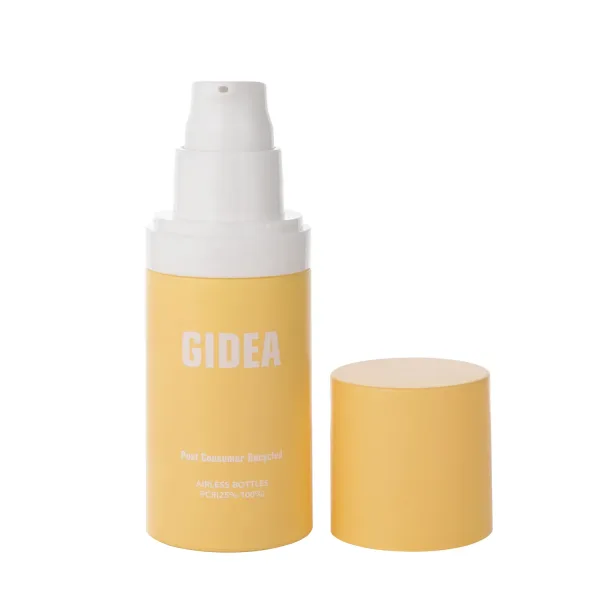
A stock image related to Ocean-bound Plastic Airless Bottle.
In-depth Look: Manufacturing Processes and Quality Assurance for Ocean-bound Plastic Airless Bottle
What Are the Key Stages in the Manufacturing Process of Ocean-bound Plastic Airless Bottles?
The manufacturing process for Ocean-bound Plastic (OBP) airless bottles involves several critical stages, ensuring that the final product is not only eco-friendly but also high in quality. The main stages include material preparation, forming, assembly, and finishing.
-
Vorbereitung des Materials: The first step is sourcing ocean-bound plastic, which is collected from coastal areas before it can reach the ocean. This plastic is then cleaned and processed to remove contaminants. The use of polypropylene (PP) in combination with OBP enhances the sustainability aspect while maintaining the necessary physical properties for cosmetic packaging. The preparation process also involves blending OBP with other materials as needed to achieve the desired characteristics.
-
Bildung von: This stage involves shaping the prepared materials into the desired bottle form. Techniques such as injection molding or blow molding are commonly used. Injection molding allows for precise shaping and can produce complex designs, while blow molding is effective for hollow objects like bottles. The choice of technique depends on the specific design requirements and production volume.
-
Montage: Once the individual components—such as the bottle body, pump, and cap—are formed, they are assembled. This stage often involves automated machinery that ensures consistency and efficiency. The airless mechanism is particularly important in this phase, as it must be integrated seamlessly to prevent contamination and oxidation of the product inside.
-
Fertigstellung: The final stage includes applying any additional features, such as surface treatments, decorations, or coatings. Techniques like silk screen printing, hot stamping, or spray painting can be employed to enhance the aesthetic appeal of the bottles. This stage is crucial for branding, as it directly affects how the product will be perceived in the market.
How Is Quality Assurance Implemented in the Production of Ocean-bound Plastic Airless Bottles?
Quality assurance (QA) is a vital aspect of the manufacturing process, ensuring that the ocean-bound plastic airless bottles meet international standards and customer expectations.
-
Einschlägige internationale Normen: Compliance with standards such as ISO 9001 is essential for demonstrating a commitment to quality management. This standard outlines requirements for establishing a quality management system (QMS) and emphasizes continuous improvement and customer satisfaction. Additionally, certifications like CE (Conformité Européenne) and API (American Petroleum Institute) may apply depending on the specific market and product type.
-
Kontrollpunkte der Qualitätskontrolle: The QA process is integrated at various checkpoints throughout the manufacturing cycle:
- Eingehende Qualitätskontrolle (IQC): This initial checkpoint focuses on the raw materials. Suppliers must provide certificates of compliance, and materials are tested for quality before being used in production.
- Prozessbegleitende Qualitätskontrolle (IPQC): During the manufacturing stages, ongoing checks are performed to monitor critical parameters like temperature, pressure, and dimensional accuracy. This ensures that any deviations are corrected in real-time.
- Endgültige Qualitätskontrolle (FQC): Once the bottles are assembled, a comprehensive inspection is conducted. This includes functional testing of the airless mechanism, visual inspections for defects, and measurements to ensure conformity to specifications. -
Gängige Prüfmethoden: Various testing methods are employed to ensure product quality. These include:
- Mechanische Prüfung: Evaluating the strength and durability of the materials.
- Chemische Tests: Ensuring that the materials do not leach harmful substances.
- Performance Testing: Assessing the functionality of the airless pump system.
Wie können B2B-Einkäufer die Qualitätskontrollpraktiken von Lieferanten überprüfen?
B2B buyers need to ensure that their suppliers adhere to stringent quality control measures. Here are several methods for verifying supplier practices:
-
Lieferanten-Audits: Conducting on-site audits allows buyers to evaluate the supplier’s manufacturing processes, QA systems, and overall adherence to international standards. This firsthand observation can be invaluable in assessing supplier capabilities.
-
Qualitätssicherungsberichte: Requesting regular quality assurance reports can provide insight into the supplier’s performance. These reports should detail findings from IQC, IPQC, and FQC processes, as well as any corrective actions taken in response to quality issues.
-
Inspektionen durch Dritte: Engaging third-party inspection services can add an extra layer of assurance. These independent entities can conduct comprehensive evaluations of the supplier’s facilities and processes, ensuring compliance with international standards and providing unbiased assessments.
What Are the Quality Control Nuances for International B2B Buyers from Diverse Regions?
When engaging with suppliers, particularly from regions like Africa, South America, the Middle East, and Europe, several nuances must be considered:
-
Einhaltung von Vorschriften: Different regions may have varying regulatory requirements for packaging materials. Understanding these regulations is crucial for ensuring that products are compliant in the target market.
-
Kulturelle Erwartungen: The perception of quality can vary by region. Buyers should be aware of local preferences and standards to ensure that the product meets customer expectations in their specific market.
-
Logistics and Supply Chain Considerations: International shipping can introduce additional risks to product quality. Ensuring that suppliers have robust logistics and handling processes can mitigate these risks and maintain product integrity from production to delivery.
In conclusion, the manufacturing processes and quality assurance measures for ocean-bound plastic airless bottles are critical components that international B2B buyers must understand. By focusing on sustainable practices and rigorous quality control, suppliers can meet the demands of eco-conscious markets while ensuring product integrity.
Practical Sourcing Guide: A Step-by-Step Checklist for ‘Ocean-bound Plastic Airless Bottle’
To assist B2B buyers in procuring ocean-bound plastic airless bottles, this guide provides a step-by-step checklist. The aim is to streamline the sourcing process, ensuring that businesses make informed decisions while contributing to sustainable packaging practices.
Schritt 1: Definieren Sie Ihre technischen Spezifikationen
Establishing clear technical specifications is essential for aligning your product needs with supplier capabilities. Consider factors such as capacity, dimensions, and material types. For instance, determine if you need bottles that hold 30ml or 50ml and if they should be made from 100% ocean-bound plastic or a blend with other materials.
Schritt 2: Research Sustainable Packaging Standards
Understanding sustainability certifications and standards helps ensure that the ocean-bound plastic airless bottles meet environmental regulations. Look for certifications such as the Global Recycling Standard (GRS) or the Forest Stewardship Council (FSC). These standards not only demonstrate a commitment to sustainability but also enhance your brand’s credibility.
Schritt 3: Potenzielle Lieferanten evaluieren
Before committing, it’s crucial to vet suppliers thoroughly. Request company profiles, case studies, and references from buyers in a similar industry or region. Assess their experience with ocean-bound plastics and their capacity to meet your order volume. This step helps mitigate risks associated with quality and delivery.
Schritt 4: Request Product Samples
Always ask for samples before placing a large order. This allows you to evaluate the quality, design, and functionality of the bottles firsthand. Pay attention to the performance of the airless mechanism, as well as the aesthetic appeal, which can influence consumer perception.
Schritt 5: Check for Customization Options
If branding is a priority, verify the customization capabilities of potential suppliers. Look for options such as color injection, silk screen printing, or hot stamping. Customization not only enhances brand visibility but also differentiates your products in a competitive market.
Schritt 6: Erkundigen Sie sich nach Mindestbestellmengen (MOQs)
Understanding the MOQ is vital for budgeting and inventory management. Different suppliers may have varying MOQs, which can impact your cash flow and storage capabilities. Ensure the MOQ aligns with your production schedule and sales forecasts to avoid excess inventory.
Schritt 7: Bedingungen und Konditionen verhandeln
Once you have identified a suitable supplier, negotiate the terms of your agreement. Discuss pricing, payment terms, lead times, and shipping options. Clear communication at this stage can prevent misunderstandings and ensure a smooth procurement process.
By following these steps, B2B buyers can effectively source ocean-bound plastic airless bottles, contributing to sustainable practices while meeting their packaging needs.
Comprehensive Cost and Pricing Analysis for Ocean-bound Plastic Airless Bottle Sourcing
What Are the Key Cost Components of Ocean-bound Plastic Airless Bottles?
When sourcing ocean-bound plastic airless bottles, understanding the cost structure is crucial for effective budgeting and pricing strategies. The primary cost components include:
-
Materialien: The use of ocean-bound plastic (OBP) and polypropylene (PP) significantly influences material costs. OBP typically commands a premium due to its eco-friendly nature and the collection processes involved. Buyers should consider the sustainability certifications of materials, which can also impact pricing.
-
Arbeit: Labor costs vary depending on the region of production. Countries with lower labor costs may offer more competitive pricing, but it’s essential to weigh this against the quality of workmanship and compliance with international labor standards.
-
Fertigungsgemeinkosten: This encompasses all indirect costs associated with production, including utilities, rent, and equipment maintenance. High-quality manufacturers that invest in sustainable practices may have higher overhead, which can translate to increased costs.
-
Werkzeugbau: Custom molds and tooling for unique bottle designs add to initial costs. For companies seeking specific aesthetics or functionalities, investing in custom tooling can be justified by the potential for differentiation in the market.
-
Qualitätskontrolle (QC): Ensuring that products meet specified standards requires a robust QC process. This includes testing for durability, functionality, and compliance with environmental regulations. Comprehensive QC can increase costs but is essential for maintaining brand reputation.
-
Logistik: Shipping costs can vary widely based on location, shipping method, and Incoterms. Import duties, taxes, and freight charges need to be factored into the total cost.
-
Marge: Suppliers will typically add a margin to cover their costs and ensure profitability. This can vary significantly between suppliers and should be considered when negotiating prices.
How Do Price Influencers Affect Sourcing Decisions for Ocean-bound Plastic Airless Bottles?
Several factors influence the pricing of ocean-bound plastic airless bottles, making it essential for buyers to understand these dynamics:
-
Volumen/MOQ: Minimum Order Quantities (MOQs) can significantly impact pricing. Larger orders often lead to lower per-unit costs, making it advantageous for buyers to consolidate orders whenever possible.
-
Spezifikationen und Anpassungen: Custom designs, colors, and finishes can increase costs. Buyers should evaluate whether these enhancements are necessary for their brand strategy and customer preferences.
-
Materialqualität und Zertifizierungen: The quality of materials used, especially in eco-friendly packaging, can affect pricing. Certifications (e.g., FSC, ISO) can add to costs but may enhance brand credibility and consumer trust.
-
Lieferanten-Faktoren: The reputation and reliability of the supplier play a crucial role in pricing. Established suppliers may charge more for their expertise and proven quality, while newer or less-known companies might offer competitive rates.
-
Incoterms: Understanding Incoterms is essential for international buyers. Terms such as FOB (Free on Board) or CIF (Cost, Insurance, Freight) can influence the total landed cost of products, affecting overall pricing strategies.
What Tips Can Enhance Cost-Efficiency in Sourcing Ocean-bound Plastic Airless Bottles?
For international buyers, particularly from regions like Africa, South America, the Middle East, and Europe, optimizing cost-efficiency when sourcing ocean-bound plastic airless bottles can lead to significant savings:
-
Verhandlung: Establishing strong relationships with suppliers can facilitate better pricing. Consider negotiating terms based on long-term partnerships or volume commitments to achieve favorable pricing.
-
Gesamtbetriebskosten (TCO): Look beyond initial purchase prices and assess the TCO, which includes shipping, customs duties, storage, and disposal costs. This comprehensive view helps in making informed decisions that align with budget constraints.
-
Bewerten Sie mehrere Zulieferer: Diversifying suppliers can provide leverage during negotiations and help identify the best value for money. Requesting quotes from multiple sources allows for comparison of both price and quality.
-
Marktforschung: Keeping abreast of trends in sustainable packaging can inform purchasing decisions. Understanding consumer demand for eco-friendly products can help justify investments in higher-quality packaging.
-
Adapt to Local Regulations: Different countries have varying regulations regarding packaging materials. Familiarizing yourself with these can help avoid unexpected costs associated with compliance failures.
In summary, sourcing ocean-bound plastic airless bottles involves navigating a complex cost structure influenced by various factors. By understanding these components and employing strategic sourcing tactics, international buyers can enhance their purchasing decisions while supporting sustainable practices. Always consider indicative pricing as a baseline for negotiation, as actual costs may vary based on specific needs and market conditions.
Alternatives Analysis: Comparing Ocean-bound Plastic Airless Bottle With Other Solutions
Introduction: Exploring Alternatives in Sustainable Packaging
In the quest for sustainable packaging solutions, the Ocean-bound Plastic (OBP) Airless Bottle stands out for its innovative approach to reducing marine waste. However, it is essential for B2B buyers to evaluate various alternatives to determine the best fit for their needs. This analysis will compare the Ocean-bound Plastic Airless Bottle with two viable alternatives: traditional recyclable plastic bottles and biodegradable packaging solutions.
Vergleichstabelle
| Vergleich Aspekt | Ocean-Bound Plastic Airless Bottle | Traditional Recyclable Plastic Bottle | Biologisch abbaubare Verpackungen |
|---|---|---|---|
| Leistung | Excellent barrier properties; protects product integrity | Good for most products; susceptible to contamination | Varies; may not suit all products |
| Kosten | Moderate; potential for higher initial investment | Generally lower cost; widely available | Can be higher; depends on material |
| Leichte Implementierung | Requires supplier commitment and education | Easy to source; well-established supply chains | May require new processes; education needed |
| Wartung | Low; designed for single-use, reducing waste | Requires recycling infrastructure | Varies; some types compostable, others need industrial processing |
| Bester Anwendungsfall | High-end cosmetics and skincare; eco-conscious brands | Everyday consumer products; general use | Organic products; brands focused on sustainability |
Detaillierte Aufschlüsselung der Alternativen
Traditional Recyclable Plastic Bottles
Traditional recyclable plastic bottles, primarily made from materials like PET or HDPE, offer a well-established solution for packaging. They are cost-effective and readily available, making them a popular choice across various industries. However, they often fall short in terms of environmental impact, as they rely on recycling infrastructure that may not be robust in all regions. Additionally, these bottles can be prone to contamination, affecting product quality. While they serve well for everyday consumer products, brands looking to position themselves as environmentally responsible may find them lacking.
Biologisch abbaubare Verpackungen
Biodegradable packaging is an innovative alternative that aims to reduce environmental impact by breaking down naturally over time. This solution is particularly appealing for organic and eco-friendly brands, as it aligns closely with sustainability goals. However, the performance of biodegradable materials can vary significantly; some may not provide the same level of protection against contamination and spoilage as traditional plastics or ocean-bound options. Moreover, the costs associated with biodegradable materials are often higher, which can be a barrier for companies looking to maintain competitive pricing. The implementation of biodegradable solutions may also necessitate adjustments in manufacturing processes and consumer education.
Conclusion: Choosing the Right Sustainable Packaging Solution
When selecting a packaging solution, B2B buyers should carefully consider their brand values, target market, and product requirements. The Ocean-bound Plastic Airless Bottle is a strong contender for brands focused on premium products and sustainability, offering excellent performance and a compelling environmental narrative. In contrast, traditional recyclable plastic bottles provide a more cost-effective and accessible option, though they may lack the eco-credentials that increasingly influence consumer choices. Biodegradable packaging can align well with brands emphasizing organic products but may present challenges in terms of cost and performance. Ultimately, the right choice will depend on the specific goals and operational capabilities of each business, as well as the expectations of their target consumers.
Essential Technical Properties and Trade Terminology for Ocean-bound Plastic Airless Bottle
What Are the Key Technical Properties of Ocean-bound Plastic Airless Bottles?
When evaluating ocean-bound plastic airless bottles for your product line, understanding their technical specifications is essential for making informed decisions. Here are some critical properties to consider:
-
Materialzusammensetzung
Ocean-bound plastic (OBP) is derived from discarded plastics collected in coastal areas, preventing them from entering the ocean. This material is typically blended with polypropylene (PP), a low-impact plastic known for its recyclability and durability. By choosing OBP airless bottles, brands can align with sustainability goals while ensuring high-quality packaging. -
Capacity Options
These bottles come in various capacities, typically ranging from 30ml to 50ml. Selecting the right capacity is crucial for meeting consumer demands and optimizing product placement on retail shelves. It allows brands to tailor their offerings to different market segments, from travel-sized products to standard-sized cosmetics. -
Dimensions and Tolerances
Understanding the diameter and height of the bottles is vital for packaging logistics and storage. For example, a standard 30ml bottle may have a diameter of 33.6mm and a height of 112.7mm. Tolerances in these dimensions ensure that the bottles fit seamlessly into packaging systems and retail displays, minimizing the risk of product damage during transport. -
Wiederverwertbarkeit
A significant selling point for ocean-bound plastic airless bottles is their 100% recyclability. This property not only meets increasing consumer demand for sustainable packaging but also complies with global recycling standards. Highlighting recyclability can enhance brand reputation and attract eco-conscious consumers. -
Anpassungsoptionen
Custom decoration options such as silk screen printing, hot stamping, and color injection allow brands to differentiate their products in a competitive market. Customization can also enhance brand visibility and appeal, making it a key consideration for B2B buyers looking to invest in unique packaging solutions. -
Performance Features
Airless technology is designed to protect the integrity of the product by minimizing exposure to air, which can lead to oxidation and contamination. This feature is particularly important for products like lotions and serums, where maintaining efficacy is critical.
What Are Common Trade Terms Related to Ocean-bound Plastic Airless Bottles?
Navigating the B2B landscape requires familiarity with specific trade terms. Here are several key terms frequently encountered in the industry:
-
OEM (Original Equipment Manufacturer)
This term refers to a company that produces parts or equipment that may be marketed by another manufacturer. For instance, an OEM might produce ocean-bound plastic airless bottles that are then branded and sold by a cosmetic company. Understanding OEM relationships can help in assessing production capabilities and quality. -
MOQ (Mindestbestellmenge)
MOQ is the smallest quantity of a product that a supplier is willing to sell. For ocean-bound plastic airless bottles, MOQs can often start at 10,000 pieces. Knowing the MOQ helps businesses plan their purchasing and inventory management effectively. -
RFQ (Request for Quotation)
An RFQ is a document sent to suppliers asking for pricing and terms for specific products or services. When sourcing ocean-bound plastic airless bottles, submitting an RFQ can streamline the procurement process and ensure you receive competitive offers. -
Incoterms (Internationale Handelsklauseln)
These are a set of rules that define the responsibilities of buyers and sellers in international trade. Understanding Incoterms, such as FOB (Free on Board) or CIF (Cost, Insurance, and Freight), is crucial for managing shipping costs and responsibilities when importing ocean-bound plastic products. -
Sustainability Credentials
This term refers to the certifications and standards a product meets regarding its environmental impact. For ocean-bound plastic airless bottles, sustainability credentials can include certifications like Recycled Content Certification or EcoLabel, which can significantly influence purchasing decisions for eco-conscious brands. -
Vorlaufzeit
Lead time is the amount of time from placing an order to delivery. For ocean-bound plastic airless bottles, understanding lead times helps businesses manage inventory levels and meet market demand effectively.
By grasping these technical properties and trade terms, B2B buyers can make informed decisions that align with both their operational needs and sustainability goals.
Navigating Market Dynamics and Sourcing Trends in the Ocean-bound Plastic Airless Bottle Sector
What Are the Current Market Dynamics for Ocean-bound Plastic Airless Bottles?
The global market for ocean-bound plastic airless bottles is experiencing a transformative shift driven by increasing environmental concerns and consumer demand for sustainable packaging solutions. International buyers, especially in regions like Africa, South America, the Middle East, and Europe, are now prioritizing eco-friendly options as a response to regulatory pressures and shifting consumer preferences. Notably, countries such as Brazil and Saudi Arabia are recognizing the significance of sustainable packaging in enhancing brand reputation and market competitiveness.
Emerging B2B tech trends include the adoption of digital platforms for sourcing and supply chain management, enabling buyers to efficiently evaluate suppliers based on sustainability practices. Innovations in material science have led to the development of high-quality airless bottles made from ocean-bound plastic (OBP), which are not only recyclable but also enhance product preservation. This trend aligns with the global circular economy initiative, where businesses are encouraged to reduce waste through innovative recycling processes.
Moreover, the rising popularity of private label brands is pushing established companies to rethink their packaging strategies. As competition intensifies, brands that can effectively communicate their sustainability efforts are likely to attract a loyal customer base. Thus, understanding the dynamics of sourcing ocean-bound plastic airless bottles is crucial for B2B buyers aiming to stay ahead in a rapidly evolving marketplace.
How Is Sustainability Shaping the Sourcing of Ocean-bound Plastic Airless Bottles?
Sustainability is at the forefront of the ocean-bound plastic airless bottle sector, reflecting a growing commitment to environmental responsibility. With an estimated 11 million tons of plastic entering the oceans annually, the urgency to adopt sustainable practices has never been higher. Buyers are increasingly scrutinizing their supply chains for environmental impact, seeking suppliers who utilize OBP to mitigate marine pollution.
Ethical sourcing is paramount, as B2B buyers are expected to ensure their suppliers adhere to responsible practices. Certifications such as ISO 14001 for environmental management systems or the Global Recycle Standard (GRS) can serve as benchmarks for evaluating suppliers. These certifications not only validate the sustainable claims of suppliers but also enhance brand credibility among eco-conscious consumers.
In addition, the use of mono-materials in packaging design simplifies recycling processes and reduces waste. By sourcing ocean-bound plastic airless bottles that are 100% recyclable, businesses can promote their commitment to sustainability while meeting consumer expectations for high-performance packaging. This alignment with environmental values can significantly enhance brand loyalty and create a competitive edge in the market.
What Is the Evolution of Ocean-bound Plastic Airless Bottles in the B2B Market?
The evolution of ocean-bound plastic airless bottles is a testament to the beauty industry’s response to environmental challenges. Initially, cosmetic packaging was primarily focused on aesthetics and functionality, often at the expense of sustainability. However, as awareness around plastic pollution has grown, the industry has pivoted towards eco-friendly alternatives.
The introduction of ocean-bound plastic as a material has marked a significant milestone. By repurposing plastics collected from coastal areas, brands can prevent these materials from entering marine ecosystems. This shift not only addresses environmental concerns but also aligns with the increasing demand for sustainable practices among consumers.
Today, the market for ocean-bound plastic airless bottles is expanding rapidly, fueled by innovations in design and material technology. As brands continue to integrate sustainability into their core strategies, these bottles are becoming synonymous with responsible beauty, paving the way for a more sustainable future in packaging.
Frequently Asked Questions (FAQs) for B2B Buyers of Ocean-bound Plastic Airless Bottle
-
How do I ensure the quality of ocean-bound plastic airless bottles from suppliers?
To ensure quality, conduct thorough supplier vetting by checking certifications for eco-friendliness and recycling practices. Request samples to evaluate material quality, durability, and performance. It is also advisable to ask for third-party testing results, which can confirm that the bottles meet industry standards. Establishing clear quality assurance (QA) protocols and maintaining open communication with suppliers during production can further enhance product reliability. -
What is the minimum order quantity (MOQ) for ocean-bound plastic airless bottles?
The MOQ for ocean-bound plastic airless bottles typically ranges from 10,000 to 15,000 pieces, depending on the manufacturer. This quantity allows suppliers to efficiently manage production costs and logistics. However, some suppliers may offer flexible terms for smaller orders, especially for first-time buyers or those interested in testing the market. Always clarify MOQ details upfront to avoid misunderstandings. -
What customization options are available for ocean-bound plastic airless bottles?
Customization options for ocean-bound plastic airless bottles can include different sizes, colors, and decorative finishes such as metalization, silk screen printing, and hot stamping. Additionally, you can often request specific designs or modifications to fit your brand’s identity. Engaging with suppliers about your customization needs early in the procurement process ensures that your packaging aligns with your product vision. -
What are the payment terms for sourcing ocean-bound plastic airless bottles internationally?
Payment terms can vary significantly among suppliers, but common practices include a deposit upon order confirmation (usually 30-50%) and the balance before shipment. Some suppliers may also offer letters of credit or payment upon delivery. It’s crucial to negotiate terms that align with your cash flow and risk management strategies. Always ensure that payment methods are secure and protect your financial interests. -
How does sourcing ocean-bound plastic airless bottles contribute to sustainability goals?
Sourcing ocean-bound plastic airless bottles significantly supports sustainability by repurposing plastic waste that would otherwise pollute oceans. This not only helps mitigate environmental impact but also enhances your brand’s image as eco-conscious, appealing to consumers who prioritize sustainability. By integrating these bottles into your product lines, you can effectively communicate your commitment to reducing marine pollution and promoting a circular economy. -
What logistical considerations should I keep in mind when importing ocean-bound plastic airless bottles?
When importing ocean-bound plastic airless bottles, consider shipping methods, customs regulations, and potential tariffs. Ensure that your supplier provides necessary documentation for customs clearance, including certificates of origin and material safety data sheets. Additionally, plan for lead times, which can vary based on production schedules and shipping routes. Collaborating with experienced logistics partners can streamline the process and mitigate delays. -
How can I assess the environmental impact of my ocean-bound plastic airless bottles?
To assess the environmental impact, inquire about the sourcing and recycling processes of the ocean-bound plastic used in the bottles. Look for certifications that verify the eco-friendliness of the materials and the manufacturing processes. You may also consider conducting a life cycle assessment (LCA) to evaluate the overall impact from production to disposal, helping you make informed decisions that align with your sustainability goals. -
What are the trends in the market for ocean-bound plastic airless bottles?
Market trends indicate a growing demand for sustainable packaging solutions, particularly in the beauty and personal care sectors. Consumers increasingly prefer brands that utilize eco-friendly materials, such as ocean-bound plastics. Innovations in bottle design and functionality, such as airless technology, are also gaining traction, as they help preserve product integrity. Staying informed about these trends can help you position your brand effectively and appeal to environmentally conscious consumers.
Wichtiger Haftungsausschluss & Nutzungsbedingungen
⚠️ Wichtiger Haftungsausschluss
Die in diesem Leitfaden enthaltenen Informationen, einschließlich der Angaben zu Herstellern, technischen Spezifikationen und Marktanalysen, dienen ausschließlich Informations- und Bildungszwecken. Sie stellen keine professionelle Kaufberatung, Finanzberatung oder Rechtsberatung dar.
Obwohl wir alle Anstrengungen unternommen haben, um die Richtigkeit und Aktualität der Informationen zu gewährleisten, übernehmen wir keine Verantwortung für etwaige Fehler, Auslassungen oder veraltete Informationen. Marktbedingungen, Unternehmensangaben und technische Standards können sich ändern.
B2B-Käufer müssen ihre eigene unabhängige und gründliche Due-Diligence-Prüfung durchführen bevor Sie eine Kaufentscheidung treffen. Dazu gehört, dass Sie sich direkt mit den Anbietern in Verbindung setzen, die Zertifizierungen überprüfen, Muster anfordern und sich professionell beraten lassen. Das Risiko, sich auf die Informationen in diesem Leitfaden zu verlassen, trägt allein der Leser.
Top 5 Ocean-Bound Plastic Airless Bottle Manufacturers & Suppliers List
1. SunRange Pack – ROUND PP SINGLE-LAYER AIRLESS BOTTLE

Bereich: sunrangepack.com
Einleitung: {“Product Name”: “ROUND PP SINGLE-LAYER AIRLESS BOTTLE”, “Series”: “SYW-4574B”, “Material”: [“PMU”, “OBP (Ocean Bound Plastic)”, “PP (Polypropylene)”], “Application”: [“Lotions”, “Serums”, “Moisturizers”, “Creams”], “Minimum Order Quantity”: “10000 pcs”, “Available Custom Decoration”: [“Metalization”, “Spray Painting”, “Color Injection”, “Silk Screen Printing”, “Hot Stamping”], “Product Specificat…
2. GideaPac – Key Product
Bereich: gideapac.com
Registriert: 2023 (2 Jahre)
Einleitung: Key Product Details: 1. Product Types: Foundations, Lip Balm, Sunscreen, Hair Powder, Nail Care. 2. Pack Types: Pump Bottles, Dropper Bottles, Spray Bottles, Flip-top Bottles, Roller Bottles, Cosmetic Jars, Cosmetic Tubes, Airless Bottles, Airless Jars. 3. Sustainability Features: Post-consumer Recycled Ocean-bound Plastic, Refillable, Mono-material, Biodegradable options including Bamboo, Glass, …
3. Astralpak – Glass Airless Pump Bottle

Bereich: astralpak.de
Registriert: 2024 (1 Jahr)
Einleitung: {“Product Name”: “Glass Airless Pump Bottle with Overcap”, “Material”: {“Outer Bottle”: “Glass”, “Pump Head”: “PCR/OBP-PP”, “Body”: “PCR/OBP-PP”}, “Eco-Friendly Features”: [“Post-Consumer Recycled Plastic”, “Ocean Bound Plastic”], “Custom Printing Options”: “Available”, “Minimum Order Quantity (MOQ)”: 10000, “SKU”: “A2418”, “Specifications”: [{“Capacity”: “15ml”, “Height”: “109mm”, “Diameter”: “44…
4. Cosmetic Pack – Ocean-Friendly Airless Bottles

Bereich: cosmetic-pack.com
Registriert: 2018 (7 Jahre)
Einleitung: Ocean-Friendly Beauty | Recyclable PP Airless Bottles with Ocean-Bound Plastic. Made from polypropylene (PP), these airless bottles are recyclable, durable, and protect products from contamination and oxidation. They are 100% recyclable and feature a mono-material structure that simplifies recycling. Incorporating ocean-bound plastic helps reduce marine pollution and aligns with eco-conscious cons…
5. Topfeel Pack – PA131 Airless Bottle
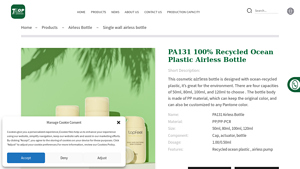
Bereich: topfeelpack.com
Registriert: 2010 (15 Jahre)
Einleitung: {“Name”:”PA131 Airless Bottle”,”Material”:”PP/PP-PCR”,”Sizes”:[“50ml”,”80ml”,”100ml”,”120ml”],”Components”:[“Cap”,”Actuator”,”Bottle”],”Dosage”:”1.00/0.50ml”,”Features”:[“Recycled ocean plastic”,”Airless pump”],”Short Description”:”This cosmetic airless bottle is designed with ocean-recycled plastic, it’s great for the environment. The bottle body is made of PP material, which can keep the origina…
Strategic Sourcing Conclusion and Outlook for Ocean-bound Plastic Airless Bottle
In the evolving landscape of cosmetic packaging, the strategic sourcing of ocean-bound plastic (OBP) airless bottles presents a compelling opportunity for international B2B buyers. By leveraging innovative materials such as polypropylene (PP) combined with OBP, businesses can not only enhance their sustainability credentials but also meet the rising consumer demand for eco-friendly products. This strategic approach not only mitigates environmental impact but also aligns with the growing circular economy, providing brands with a competitive edge in the marketplace.
Sourcing ocean-bound plastic airless bottles allows companies to showcase their commitment to reducing marine pollution while delivering high-quality packaging solutions. The recyclability and durability of these products ensure they meet rigorous industry standards without compromising on performance. For buyers in regions like Africa, South America, the Middle East, and Europe, this is an ideal moment to invest in sustainable practices that resonate with environmentally conscious consumers.
As the market continues to shift towards responsible consumption, now is the time to prioritize sourcing strategies that emphasize sustainability. Engage with suppliers who offer innovative OBP solutions and elevate your brand’s environmental impact. Together, we can forge a path toward a cleaner, greener future in the beauty industry.




 German
  English
  Russian
  Spanish
  Italian
  Thai
Thai  French
  Arabic
  Portuguese
  Indonesian






