

Introduction: Navigating the Global Market for cosmetic jar
As the cosmetic industry continues to flourish on a global scale, sourcing the right cosmetic jars has become a pivotal challenge for B2B buyers across diverse markets. Whether you are in Africa, South America, the Middle East, or Europe, finding reliable suppliers who provide quality packaging solutions that meet your product specifications can significantly impact your brand’s success. This comprehensive guide addresses this challenge head-on, offering insights into various types of cosmetic jars, including options made from glass, PET, and eco-friendly materials.
In addition to exploring the diverse applications of these jars—from skincare and beauty products to food and herbal storage—this guide emphasizes the importance of supplier vetting. We will discuss crucial factors like cost analysis, quality standards, and customization options to ensure you make informed purchasing decisions. By equipping international B2B buyers with actionable insights, this guide aims to empower you to navigate the complexities of the global market for cosmetic jars confidently.
With a wealth of information at your fingertips, you will be better positioned to choose the right packaging solutions that not only enhance your product’s appeal but also align with your sustainability goals. Join us as we delve into the world of cosmetic jars, helping you streamline your sourcing process and elevate your business to new heights.
Understanding cosmetic jar Types and Variations
| Typ Name | Wichtigste Unterscheidungsmerkmale | Primäre B2B-Anwendungen | Kurze Vor- und Nachteile für Käufer |
|---|---|---|---|
| Plastic Jars | Lightweight, versatile, available in various colors | Skincare products, hair care items | Vorteile: Cost-effective, durable, customizable. Nachteile: Less premium feel, potential environmental concerns. |
| Glass Jars | Premium look, excellent barrier properties | Luxury skincare, high-end cosmetics | Vorteile: Aesthetic appeal, recyclable, good for preserving contents. Nachteile: Heavier, more fragile, higher shipping costs. |
| Double Wall Jars | Insulated design, often with a sleek appearance | Creams, balms, and serums | Vorteile: Maintains product temperature, unique design. Nachteile: More expensive, may require specialized lids. |
| Child-Resistant Jars | Specialized locking mechanisms for safety | Pharmaceuticals, cosmetics for children | Vorteile: Safety features, compliance with regulations. Nachteile: Can be cumbersome to open, limited aesthetic options. |
| Airtight Jars | Sealed design to prevent contamination and spoilage | Organic products, sensitive formulations | Vorteile: Extends shelf life, protects from external factors. Nachteile: Higher cost, may limit accessibility for some users. |
What are the Characteristics and Suitability of Plastic Jars for B2B Buyers?
Plastic jars are a popular choice among B2B buyers due to their lightweight nature and versatility. Available in various colors and sizes, these jars can be customized to align with branding strategies. They are typically used for skincare products and hair care items, making them ideal for businesses focusing on affordability and practicality. However, buyers should consider the trade-offs between cost-effectiveness and the potential environmental impact associated with plastic materials.
How do Glass Jars Enhance Luxury Cosmetic Packaging?
Glass jars are synonymous with premium packaging, making them a preferred option for luxury skincare and high-end cosmetic brands. Their excellent barrier properties ensure that contents remain uncontaminated and stable over time. Glass is fully recyclable, appealing to eco-conscious brands. However, the weight and fragility of glass jars can lead to increased shipping costs and a higher risk of breakage, which buyers must factor into their procurement decisions.
What Advantages Do Double Wall Jars Offer in Cosmetic Packaging?
Double wall jars are designed with an insulated structure, providing a sleek appearance and maintaining the temperature of the product inside. These jars are particularly suitable for creams, balms, and serums, where temperature sensitivity is a concern. While they offer a unique design and added functionality, the cost is generally higher than standard jars, and they may require specialized lids, which could complicate sourcing.
Why Choose Child-Resistant Jars for Sensitive Products?
Child-resistant jars are essential for products that could pose safety risks to children, such as certain cosmetics or pharmaceuticals. These jars feature specialized locking mechanisms that comply with safety regulations, making them ideal for businesses targeting families or health-conscious consumers. While these jars enhance safety, they may also be cumbersome for adults to open, and their aesthetic options can be limited, which could affect brand perception.
How Do Airtight Jars Preserve Product Integrity?
Airtight jars are designed to prevent contamination and spoilage, making them perfect for organic products and sensitive formulations. By providing a sealed environment, these jars extend the shelf life of the contents, which is a significant advantage for B2B buyers focused on product quality and longevity. However, the higher cost associated with these jars and potential accessibility issues for end-users must be considered when making purchasing decisions.
Key Industrial Applications of cosmetic jar
| Industrie/Sektor | Specific Application of Cosmetic Jar | Wert/Nutzen für das Unternehmen | Wichtige Überlegungen zur Beschaffung für diese Anwendung |
|---|---|---|---|
| Hautpflege | Packaging for creams and serums | Enhances product shelf appeal and preserves ingredient integrity. | Material compatibility, airtight sealing, and design aesthetics. |
| Körperpflege | Storage for body butters and lotions | Provides a premium feel while ensuring product freshness and usability. | Size options, eco-friendliness, and child-resistant features. |
| Essen und Trinken | Containers for specialty oils and spices | Ensures product longevity and maintains flavor integrity. | Compliance with food safety standards and material certifications. |
| Pharmazeutische | Verpackungen für Salben und topische Behandlungen | Protects sensitive formulations and ensures secure dispensing. | Customization for specific formulations and regulatory compliance. |
| Cannabis Products | Jars for cannabis oils and edibles | Enhances branding and maintains product potency and freshness. | Child-resistant options and compliance with local regulations. |
How is the Cosmetic Jar Used in the Skincare Industry?
In the skincare sector, cosmetic jars are essential for packaging creams, serums, and balms. These jars are designed to protect sensitive ingredients from air and light, ensuring product stability and efficacy. For international buyers, especially in regions like Africa and South America, it is vital to source jars that are made from materials compatible with various formulations, such as glass or high-quality PET. Additionally, an airtight seal is crucial to prevent contamination and maintain product quality over time.
What Role Do Cosmetic Jars Play in Personal Care Products?
In personal care, cosmetic jars are commonly used for body butters, lotions, and scrubs. They not only enhance the product’s aesthetic appeal but also offer practical benefits, such as easy access and controlled dispensing. Buyers in the Middle East and Europe should consider sourcing jars that come in various sizes and designs, including eco-friendly options that align with consumer preferences for sustainable products. Furthermore, child-resistant features can be an essential consideration for products that may be hazardous if ingested.
How Are Cosmetic Jars Utilized in the Food and Beverage Sector?
Cosmetic jars have found applications in the food and beverage industry, particularly for packaging specialty oils, spices, and seasonings. These jars ensure that products remain fresh and flavorful by providing an airtight seal that protects against moisture and air exposure. When sourcing jars for this purpose, international buyers must ensure compliance with food safety regulations and select materials that do not interact with food contents. Certifications for food-grade materials are critical for maintaining consumer safety and trust.
What Are the Benefits of Cosmetic Jars in Pharmaceutical Applications?
In the pharmaceutical industry, cosmetic jars are used for ointments and topical treatments, offering secure and hygienic storage solutions. These jars protect sensitive formulations from contamination and provide controlled dispensing options. Buyers from regions with stringent regulatory standards, such as Europe, should prioritize sourcing jars that meet specific compliance requirements, including child-resistant designs and customization options that cater to unique formulations. Ensuring product safety and efficacy is paramount in this sector.
How Do Cosmetic Jars Support the Cannabis Industry?
The cannabis industry utilizes cosmetic jars for packaging oils and edibles, where maintaining product potency and freshness is critical. Cosmetic jars not only enhance branding through appealing designs but also ensure that products remain protected from external elements. For international buyers, particularly in regions where cannabis regulations are evolving, it is essential to source jars that comply with local laws, including child-resistant features. This focus on safety and compliance helps build consumer trust and loyalty in a competitive market.
3 Common User Pain Points for ‘cosmetic jar’ & Their Solutions
Scenario 1: Sourcing Quality Cosmetic Jars That Meet Regulatory Standards
Das Problem:
B2B buyers in the cosmetic industry often struggle with sourcing jars that comply with local and international regulations. This issue is particularly pronounced for buyers operating in markets like Africa and South America, where regulatory requirements can be stringent and vary significantly from one country to another. For instance, the use of certain materials, such as plastics containing BPA, may be banned, while others may require specific labeling standards. Navigating these complexities can lead to delays in product launches and increased costs if jars do not meet the necessary compliance.
Die Lösung:
To overcome this challenge, B2B buyers should prioritize sourcing from manufacturers who provide detailed compliance documentation for their products. Before placing an order, request certifications that confirm the jars meet the regulatory standards in your target markets. Additionally, consider engaging with local legal experts or consultants who specialize in cosmetic regulations to ensure that your product packaging aligns with local laws. Buyers should also explore suppliers who offer a variety of materials (glass, eco-friendly plastics, etc.) to find compliant options that suit their brand ethos. Always conduct a sample order to verify that the jars meet both aesthetic and regulatory needs before committing to a larger purchase.
Scenario 2: Dealing with Packaging Fragility and Product Damage
Das Problem:
A common pain point for B2B buyers is the fragility of cosmetic jars, particularly glass options, which can lead to product damage during shipping and handling. This issue is exacerbated when dealing with international shipping, where jars may be subjected to rough handling, leading to breakage and increased return rates. Such losses not only affect profit margins but also damage the brand’s reputation and customer satisfaction.
Die Lösung:
To mitigate the risk of damage, buyers should invest in robust packaging solutions. This includes selecting jars designed with thicker walls or those made from impact-resistant materials like PET, which offers durability without compromising on aesthetics. Additionally, when shipping, incorporate protective packaging materials such as bubble wrap, foam inserts, or molded pulp to cushion the jars. Buyers should also collaborate with logistics partners experienced in handling fragile goods to ensure proper shipping methods are employed. Finally, consider sourcing jars from manufacturers that provide packaging solutions tailored for international shipping, which may include reinforced shipping boxes designed to withstand transit challenges.
Scenario 3: Finding Versatile Cosmetic Jars for Diverse Product Lines
Das Problem:
B2B buyers often face difficulties in finding versatile cosmetic jars that can accommodate a range of products, from creams and balms to powders and oils. This limitation can hinder product line expansion and complicate inventory management, leading to increased operational costs. Buyers may find themselves juggling multiple suppliers to meet different product needs, which can lead to inconsistencies in quality and branding.
Die Lösung:
To address this issue, buyers should seek suppliers that offer a diverse range of cosmetic jars in various sizes, materials, and designs, all under one roof. Look for manufacturers that specialize in customizable packaging solutions, allowing you to tailor jars to your specific product requirements. This can include options for different lid types (screw, snap, etc.), sizes, and even custom colors or branding options to maintain brand consistency across product lines. Additionally, consider investing in jars with multifunctional designs, such as those that can be adapted for different types of products by simply changing the lid or insert. By consolidating sourcing to a few reliable partners, buyers can streamline their operations and enhance the overall efficiency of their product offerings.
Strategic Material Selection Guide for cosmetic jar
What Are the Key Properties of Common Materials Used in Cosmetic Jars?
When selecting materials for cosmetic jars, understanding the key properties of each option is crucial for ensuring product performance. Here, we analyze four common materials: glass, PET (Polyethylene Terephthalate), PS (Polystyrene), and aluminum.
How Does Glass Perform as a Material for Cosmetic Jars?
Glass is a traditional choice for cosmetic packaging, known for its premium appearance and excellent barrier properties. It is highly resistant to temperature fluctuations and does not react with most chemicals, making it suitable for a wide range of cosmetic formulations.
Vorteile: Glass jars are durable, recyclable, and provide an upscale look that appeals to consumers. They also offer superior protection against UV light, which is essential for products sensitive to light degradation.
Nachteile: The primary drawbacks include higher manufacturing costs and weight, which can increase shipping expenses. Additionally, glass is more prone to breakage compared to other materials, which can be a concern during transportation.
Auswirkungen auf die Anwendung: Glass jars are ideal for high-end creams, serums, and oils, ensuring product integrity and longevity.
Überlegungen für internationale Käufer: Compliance with international standards like ASTM and DIN is essential, especially regarding safety and recyclability. Buyers in regions like Europe and the Middle East often prefer glass for luxury products, while those in Africa and South America may balance cost with aesthetics.
What Advantages Does PET Offer for Cosmetic Jars?
PET is a lightweight, durable plastic that has become increasingly popular in cosmetic packaging due to its versatility and cost-effectiveness.
Vorteile: PET jars are shatterproof, making them safer for transport and handling. They are also available in various shapes and sizes, allowing for creative packaging designs. Moreover, PET is recyclable, which aligns with growing sustainability trends.
Nachteile: While PET provides good chemical resistance, it may not be suitable for products with high oil content or those requiring long-term storage due to potential permeability issues.
Auswirkungen auf die Anwendung: PET jars are commonly used for lotions, creams, and scrubs, where weight and durability are critical.
Überlegungen für internationale Käufer: Buyers should ensure that PET jars comply with local regulations regarding plastic use and recycling. In regions like Africa and South America, where cost is a significant factor, PET can offer an attractive balance of performance and affordability.
How Does PS Compare as a Material for Cosmetic Jars?
Polystyrene (PS) is another plastic option that is often used for cosmetic jars, particularly in the thick-walled variety.
Vorteile: PS jars are lightweight and can be produced at a lower cost than glass or PET. They offer good clarity, which enhances product visibility on the shelf.
Nachteile: PS is less durable than PET and glass, making it more susceptible to cracking or breaking. It also has lower chemical resistance, which may limit its use for certain formulations.
Auswirkungen auf die Anwendung: PS jars are suitable for lower-cost products, such as budget skincare lines or samples, where aesthetics are important but durability is less critical.
Überlegungen für internationale Käufer: Compliance with safety standards is vital, especially in regions with strict regulations. Buyers should also consider the environmental impact, as PS is less recyclable than PET or glass.
What Role Does Aluminum Play in Cosmetic Jar Packaging?
Aluminum jars are gaining traction in the cosmetics industry due to their lightweight and recyclable nature.
Vorteile: Aluminum is resistant to corrosion and provides an excellent barrier against moisture and light, making it suitable for a variety of formulations. It is also highly customizable, allowing for various finishes and designs.
Nachteile: The primary limitation is that aluminum can be more expensive than plastic options. Additionally, it may require a liner to prevent product interaction, which can complicate manufacturing.
Auswirkungen auf die Anwendung: Aluminum jars are often used for creams, balms, and other products that require protection from environmental factors.
Überlegungen für internationale Käufer: Buyers should be aware of the recycling capabilities in their region, as well as any specific regulations regarding aluminum packaging. In markets like Europe, where sustainability is a priority, aluminum can be a strong selling point.
Summary of Material Properties for Cosmetic Jars
| Material | Typical Use Case for Cosmetic Jar | Hauptvorteil | Wesentlicher Nachteil/Beschränkung | Relative Kosten (niedrig/mittel/hoch) |
|---|---|---|---|---|
| Glas | High-end creams and serums | Ausgezeichnete Barriereeigenschaften | Prone to breakage | Hoch |
| PET | Lotions and scrubs | Leicht und bruchsicher | May not suit high oil content | Mittel |
| PS | Budget skincare products | Low cost and good clarity | Less durable and lower chemical resistance | Niedrig |
| Aluminium | Creams and balms | Korrosionsbeständig und recycelbar | Higher cost and may require liners | Mittel |
This guide provides a comprehensive analysis of the materials commonly used for cosmetic jars, helping international B2B buyers make informed decisions based on product performance, cost, and regional preferences.

A stock image related to cosmetic jar.
In-depth Look: Manufacturing Processes and Quality Assurance for cosmetic jar
What Are the Key Stages in the Manufacturing Process of Cosmetic Jars?
The manufacturing of cosmetic jars involves several critical stages that ensure the final product meets quality standards and client specifications. Understanding these stages helps B2B buyers from regions like Africa, South America, the Middle East, and Europe make informed decisions when sourcing cosmetic jars.
1. Material Preparation: What Materials Are Used?
The first step in the manufacturing process is the preparation of raw materials. Cosmetic jars are typically made from various materials, including glass, plastic (such as PET, PP, and PS), and eco-friendly options like bamboo and recycled materials.
-
Selection of Materials: Depending on the product being packaged, the choice of material can significantly impact the jar’s aesthetic appeal and functionality. For instance, glass jars offer a premium look and are ideal for high-end products, while plastic jars are lighter and more cost-effective for bulk packaging.
-
Materialprüfung: Before proceeding, manufacturers conduct tests to ensure that the materials meet industry standards for safety and durability. This includes verifying that plastics are free from harmful chemicals such as BPA.
2. Forming: How Are Cosmetic Jars Shaped?
The forming stage involves shaping the prepared materials into jars. Different techniques are employed depending on the material:
-
Injection Molding for Plastics: This method involves injecting molten plastic into a mold. It is efficient for producing large quantities of jars with complex shapes.
-
Blow Molding for Bottles: Used primarily for hollow containers, this technique helps create jars that are lightweight yet sturdy.
-
Glass Blowing for Glass Jars: In the case of glass jars, the glass is melted and shaped using blow molding or pressing techniques, ensuring a seamless finish and uniform thickness.
-
Quality Checks During Forming: Manufacturers often conduct in-process quality checks (IPQC) to ensure that the jars are being formed according to specifications. This includes checking for uniform wall thickness and proper sealing.
3. Assembly: How Are Jars Assembled and Lidded?
Once the jars are formed, the next step is assembly, which may involve:
-
Lid Attachment: Depending on the jar design, lids may be attached through screwing, snapping, or heat sealing. The design of the lid must match the jar’s thread size to ensure a proper seal.
-
Labeling and Decoration: For branding purposes, jars may undergo additional processes such as screen printing, labeling, or applying decorative elements.
-
Final Assembly Quality Control: A final quality check is performed at this stage to ensure that all components are correctly assembled. This includes verifying that lids fit securely and that any labels are correctly applied.
4. Finishing: What Are the Final Touches?
The finishing stage involves polishing, cleaning, and packaging the jars for shipping. This includes:
-
Reinigung: Jars are typically washed to remove any residues from the manufacturing process. For glass jars, this may involve a thorough rinse and drying process to prevent water spots.
-
Oberflächenbehandlung: Some jars may undergo surface treatments such as coating or varnishing to enhance their durability or aesthetic appeal.
-
Verpackung: Jars are then packed in protective packaging to prevent damage during transport. B2B buyers should ensure that suppliers use appropriate packaging materials that can withstand shipping conditions.
What International Quality Standards Apply to Cosmetic Jars?
Quality assurance is critical in the cosmetic jar manufacturing process to ensure that the final product is safe and reliable for consumers. Several international standards apply to the manufacturing of cosmetic jars:
ISO 9001: What Does This Standard Mean for Buyers?
ISO 9001 is a widely recognized quality management standard that focuses on improving customer satisfaction through effective management systems. Manufacturers certified under ISO 9001 demonstrate their commitment to quality processes, which can be a significant advantage for B2B buyers looking for reliable suppliers.
CE Marking: What Is Its Importance for European Buyers?
For buyers in Europe, CE marking indicates that a product meets EU safety, health, and environmental protection requirements. While cosmetic jars may not always require CE marking, it is essential for jars that will contain products subject to strict regulations.
API Standards: How Do They Relate to Cosmetic Jars?
Active Pharmaceutical Ingredient (API) standards are relevant for jars that may be used in the pharmaceutical industry. If a cosmetic jar is intended for products that could be considered medicinal, compliance with API standards is crucial.
How Do Quality Control Checkpoints Work?
Quality control (QC) is vital at various stages of the manufacturing process to ensure compliance with international standards. Key QC checkpoints include:
-
Eingehende Qualitätskontrolle (IQC): This involves inspecting raw materials upon arrival at the manufacturing facility. Buyers should inquire about the supplier’s IQC procedures to ensure only high-quality materials are used.
-
Prozessbegleitende Qualitätskontrolle (IPQC): During production, ongoing inspections are crucial to identify any defects early in the manufacturing process. This includes checks for dimensional accuracy and aesthetic quality.
-
Endgültige Qualitätskontrolle (FQC): Before the jars are shipped, a comprehensive inspection ensures that all jars meet specified standards. This may involve checking for leaks, ensuring lids fit correctly, and verifying labels.
What Testing Methods Are Commonly Used in Quality Assurance?
Several testing methods are employed to verify the quality of cosmetic jars:
-
Physikalische Tests: This includes checks for durability, pressure resistance, and thermal stability, ensuring that jars can withstand varying conditions during transport and storage.
-
Chemische Tests: Jars may undergo chemical tests to ensure they do not leach harmful substances into their contents. This is particularly critical for plastic jars.
-
Mikrobielle Tests: For jars that will hold cosmetic products, microbial testing is essential to ensure that the packaging does not harbor harmful bacteria.
Wie können B2B-Einkäufer die Qualitätskontrolle von Lieferanten überprüfen?
To ensure that they are working with reputable suppliers, B2B buyers should take proactive steps to verify quality control processes:
-
Durchführung von Lieferantenaudits: Regular audits can provide insight into a supplier’s manufacturing practices and quality assurance processes. Buyers should look for evidence of compliance with relevant standards.
-
Qualitätsberichte anfordern: Suppliers should be able to provide documentation detailing their quality control measures, including test results and compliance certifications.
-
Engage Third-Party Inspection Services: Utilizing third-party inspectors can offer an unbiased evaluation of a supplier’s quality assurance practices, providing additional peace of mind.
Was sind die Feinheiten der Qualitätskontrolle für internationale Käufer?
International buyers, particularly from diverse regions such as Africa, South America, the Middle East, and Europe, should be aware of specific nuances in quality control:
-
Regulatory Differences: Different regions may have varying regulations regarding cosmetic packaging. Understanding local requirements can help buyers avoid compliance issues.
-
Cultural Expectations: Expectations regarding quality may differ between regions. Buyers should communicate their quality expectations clearly to suppliers to ensure alignment.
-
Shipping and Handling Considerations: International shipping can impact product quality. Buyers should confirm that suppliers have robust packaging solutions to protect jars during transit.
By understanding the manufacturing processes and quality assurance measures associated with cosmetic jars, B2B buyers can make informed decisions that enhance product safety and marketability.
Practical Sourcing Guide: A Step-by-Step Checklist for ‘cosmetic jar’
To ensure a successful procurement process for cosmetic jars, it is essential to follow a structured approach. This guide will help B2B buyers navigate the complexities of sourcing cosmetic jars, ensuring they make informed decisions that align with their business needs.
Schritt 1: Definieren Sie Ihre technischen Spezifikationen
Begin by clearly outlining the technical requirements for the cosmetic jars you intend to source. This includes factors such as size, material (glass, plastic, or eco-friendly options), and design features (such as airtight lids or child-resistant closures). Providing these specifications upfront will streamline communication with suppliers and help you avoid costly misunderstandings later in the process.
Schritt 2: Forschung Markttrends
Understanding current trends in the cosmetic packaging industry is vital. Investigate popular materials, sustainable options, and innovative designs that resonate with your target market. For instance, glass jars are often perceived as premium and eco-friendly, while PET plastic jars may be more cost-effective and lightweight. This knowledge will empower you to select jars that not only meet functional requirements but also enhance your brand’s appeal.
Schritt 3: Potenzielle Lieferanten evaluieren
Before making any commitments, conduct thorough due diligence on potential suppliers. Look for company profiles, case studies, and reviews from other businesses in your sector or region. Verify their production capabilities, quality control processes, and delivery timelines. A reliable supplier can significantly impact your product’s quality and your overall supply chain efficiency.
- Check Certifications: Ensure suppliers have relevant certifications (e.g., ISO, FDA compliance) that guarantee product safety and quality.
- Muster anfordern: Always request samples to assess the jars’ quality, durability, and aesthetic appeal firsthand.
Schritt 4: Analyze Pricing Structures
Once you have shortlisted suppliers, analyze their pricing models carefully. Compare unit prices, bulk discounts, and shipping costs to understand the total cost of ownership. Remember to consider the value offered by each supplier in terms of quality and service, rather than just focusing on the lowest price.
Schritt 5: Anpassungsoptionen bewerten
If your brand requires unique designs or branding, inquire about customization options. Many suppliers offer various printing techniques, colors, and finishes that can help differentiate your products in a competitive market. Ensure that the supplier can accommodate your specific branding requirements without compromising quality.
Schritt 6: Verify Production and Delivery Timelines
Discuss and confirm the production and delivery timelines with your chosen supplier. Having a clear understanding of lead times is crucial for aligning your marketing and sales strategies with product availability. Ensure that the supplier can meet your deadlines consistently, particularly if you have seasonal promotions or product launches planned.
Schritt 7: Einen Qualitätssicherungsprozess einrichten
Once you finalize your supplier, establish a quality assurance process to monitor the jars’ quality throughout the production cycle. This can include regular inspections, quality control checks, and feedback loops to address any issues promptly. A proactive approach will help maintain product integrity and customer satisfaction.
By following these steps, B2B buyers can effectively navigate the sourcing process for cosmetic jars, ensuring they find the right products that meet their business needs while maintaining quality and cost-effectiveness.

A stock image related to cosmetic jar.
Comprehensive Cost and Pricing Analysis for cosmetic jar Sourcing
What Are the Key Cost Components in Cosmetic Jar Manufacturing?
When sourcing cosmetic jars, understanding the cost structure is essential for making informed purchasing decisions. The primary cost components include:
-
Materialien: The choice of materials significantly impacts the overall cost. Common materials for cosmetic jars include glass, PET, and PS. Glass jars tend to be more expensive due to their manufacturing process and durability. PET jars, while generally cheaper, can vary in price based on their clarity and design.
-
Arbeit: Labor costs are influenced by the manufacturing location. For example, countries with higher labor costs may yield higher product prices. In contrast, regions like Southeast Asia, including Vietnam, often have lower labor costs, making them attractive for bulk sourcing.
-
Fertigungsgemeinkosten: This includes costs related to utilities, equipment maintenance, and factory management. Overhead can vary based on the operational efficiency of the manufacturing facility.
-
Werkzeugbau: Custom designs require specific molds, which can add to the initial investment. The tooling cost is amortized over the production run, making it crucial to consider the expected order volume.
-
Qualitätskontrolle (QC): Implementing stringent QC measures ensures product consistency and compliance with international standards. This can involve additional costs but is essential for maintaining quality, especially in regions with varying manufacturing standards.
-
Logistik: Transportation and freight costs must be factored in, particularly for international buyers. The distance from the supplier to the buyer, as well as the chosen shipping method, can greatly influence the final price.
-
Marge: Suppliers will add their profit margin to the production cost. This can vary widely based on supplier reputation, product uniqueness, and market demand.
How Do Volume and Customization Affect Pricing?
Pricing in the cosmetic jar market is heavily influenced by order volume and customization requirements.
-
Volumen/MOQ: Suppliers typically offer lower prices for larger orders. Minimum Order Quantities (MOQs) can vary, with some manufacturers willing to accommodate smaller orders at a higher price point. Buyers should negotiate to find a balance between their needs and potential savings.
-
Spezifikationen und Anpassungen: Custom designs or specific features (such as child-resistant lids or unique shapes) will increase the cost. Buyers should clearly define their requirements upfront to receive accurate quotes and avoid unexpected costs.
What Are the Key Price Influencers for International Buyers?
International buyers, particularly from Africa, South America, the Middle East, and Europe, must consider several factors that can influence pricing:
-
Qualität und Zertifizierungen: Products that meet international quality standards or have specific certifications (like ISO or GMP) may come at a premium. Buyers should evaluate the necessity of these certifications based on their target markets.
-
Lieferanten-Faktoren: The reputation and reliability of the supplier can affect pricing. Established suppliers might charge more but offer better quality assurance and customer support.
-
Incoterms: The terms of shipment (such as FOB, CIF, etc.) can impact overall costs. Buyers should understand these terms to accurately calculate total landed costs.
What Negotiation Strategies Can Help Buyers Achieve Cost Efficiency?
Effective negotiation can lead to significant cost savings. Here are some strategies:
-
Beziehungen aufbauen: Establishing a rapport with suppliers can lead to better pricing and terms. Long-term partnerships often result in discounts and priority service.
-
Leverage Volume: If possible, consolidate orders with other businesses to meet MOQs and secure better pricing.
-
Berücksichtigen Sie die Gesamtbetriebskosten (Total Cost of Ownership, TCO): Evaluate not just the purchase price but also logistics, potential tariffs, and quality-related costs. A slightly higher upfront cost may be justified by lower total ownership costs over time.
What Pricing Nuances Should International Buyers Be Aware Of?
International buyers should remain vigilant about pricing fluctuations due to currency exchange rates, local taxes, and tariffs. It is advisable to:
-
Monitor Market Trends: Stay updated on material costs and market demand, as these can affect pricing strategies.
-
Seek Multiple Quotes: Obtaining quotes from various suppliers can provide leverage in negotiations and help identify the most cost-effective options.
-
Be Aware of Hidden Costs: Ensure clarity on all potential costs involved in the sourcing process, including shipping, customs duties, and handling fees.
In summary, understanding the cost structure and pricing dynamics of cosmetic jars can empower B2B buyers to make informed decisions and negotiate better deals.
Alternatives Analysis: Comparing cosmetic jar With Other Solutions
Exploring Alternatives to Cosmetic Jars for Packaging Solutions
In the competitive cosmetics market, packaging is pivotal in attracting customers and preserving product integrity. While cosmetic jars are a popular choice for creams, balms, and other beauty products, there are several alternative packaging solutions available. This analysis compares cosmetic jars with airless pumps and glass bottles, focusing on performance, cost, ease of implementation, maintenance, and best use cases.
| Vergleich Aspekt | Cosmetic Jar | Airless Pump | Glasflasche |
|---|---|---|---|
| Leistung | Good for thick products; provides airtight seal when closed. | Excellent for preserving sensitive formulations; reduces oxidation. | Great for aesthetics; can be airtight with proper closure. |
| Kosten | Generally low to moderate; varies by material (plastic, glass). | Higher initial investment due to technology. | Moderate to high; costs depend on design and glass type. |
| Leichte Implementierung | Simple to fill and seal; minimal machinery needed. | Requires specialized equipment for filling and sealing. | Requires careful handling during filling; can be labor-intensive. |
| Wartung | Low; easy to clean and reuse. | Low; requires specific cleaning protocols to maintain effectiveness. | Moderate; glass can break and requires careful handling. |
| Bester Anwendungsfall | Creams, balms, and solid products. | Serums and lotions sensitive to air exposure. | High-end products, perfumes, and oils. |
What Are the Advantages and Disadvantages of Airless Pumps?
Airless pumps offer a modern solution for packaging cosmetics, particularly for products sensitive to air exposure, such as serums and lotions. The primary advantage of airless pumps is their ability to minimize oxidation, thereby extending the shelf life of the product. Additionally, they provide a controlled dispensing mechanism, reducing waste. However, the downside is the higher cost associated with airless technology and the need for specialized equipment to fill and seal the containers, which may not be feasible for all manufacturers.
Why Choose Glass Bottles Over Cosmetic Jars?
Glass bottles present a premium packaging option, often associated with luxury products. Their aesthetic appeal can enhance brand perception, making them ideal for high-end cosmetics. Glass is also non-reactive, preserving the integrity of sensitive formulations. However, the cost of glass bottles can be significantly higher than that of cosmetic jars, and they require careful handling during production and transport to avoid breakage. This can lead to increased operational costs, making them less suitable for brands focused on budget-friendly solutions.
Conclusion: How Can B2B Buyers Select the Right Packaging Solution?
When choosing a packaging solution, B2B buyers should assess their specific product requirements, budget constraints, and brand positioning. Cosmetic jars are versatile and cost-effective for many products, while airless pumps offer advanced preservation for sensitive formulations at a higher price point. On the other hand, glass bottles serve as a luxury option that can elevate brand image but require more careful handling and investment. Evaluating these factors will help buyers select the most suitable packaging solution that aligns with their business goals and customer expectations.
Essential Technical Properties and Trade Terminology for cosmetic jar
What Are the Key Technical Properties of Cosmetic Jars?
Understanding the technical properties of cosmetic jars is essential for B2B buyers to make informed purchasing decisions. Below are some critical specifications to consider:
-
Material Klasse: Cosmetic jars are commonly made from materials such as glass, PET, and PS. Glass jars offer a premium look and are suitable for high-end products, while PET (Polyethylene Terephthalate) is lightweight and shatter-resistant, making it ideal for bulk shipments. The choice of material impacts product preservation, aesthetic appeal, and consumer perception.
-
Kapazität: Cosmetic jars come in various sizes, typically measured in milliliters (ml) or ounces (oz). Common capacities range from 5 ml to 200 ml. Selecting the appropriate size is vital for product positioning, pricing strategy, and meeting consumer demand. For instance, smaller jars are often used for samples or travel sizes, while larger jars cater to high-volume products.
-
Neck Finish and Thread Size: The neck finish refers to the top portion of the jar where the lid attaches. Thread size is usually denoted in a standardized format (e.g., 70-400). Correct thread size ensures that the lid fits securely, preventing leakage and contamination. This specification is crucial for maintaining product integrity during storage and transportation.
-
Toleranz: Tolerance refers to the acceptable variation in dimensions during manufacturing. High precision in tolerance ensures that jars fit lids and closures properly, reducing the risk of product spoilage or leakage. In B2B transactions, understanding tolerance levels can prevent costly reworks and returns.
-
Airtight Sealing Capability: Many cosmetic jars are designed with airtight seals to protect contents from moisture and air exposure. This property is crucial for preserving the efficacy of sensitive formulations, especially in regions with high humidity levels. Buyers should prioritize jars that guarantee airtight sealing to enhance product longevity.
What Common Trade Terms Should B2B Buyers Know for Cosmetic Jars?
Navigating the cosmetic jar market involves understanding specific trade terminology. Here are several key terms:
-
OEM (Original Equipment Manufacturer): This term refers to companies that produce products that other brands rebrand and sell. Understanding OEM relationships can help buyers identify manufacturers that can provide customized jars tailored to specific branding needs.
-
MOQ (Mindestbestellmenge): MOQ indicates the smallest number of units a supplier is willing to sell. Knowing the MOQ helps buyers assess their purchasing power and inventory management. In regions with lower demand, negotiating MOQs can be vital for minimizing upfront costs.
-
RFQ (Request for Quotation): An RFQ is a formal process where buyers request pricing and terms from suppliers for specific products. Submitting an RFQ allows buyers to compare offers and select the best supplier based on quality, price, and delivery terms.
-
Incoterms (Internationale Handelsklauseln): These are standardized trade terms that define the responsibilities of buyers and sellers in international transactions. Familiarity with Incoterms, such as FOB (Free On Board) or CIF (Cost, Insurance, and Freight), helps buyers understand shipping costs and liabilities, which is crucial for budgeting.
-
Vorlaufzeit: This refers to the time taken from placing an order to delivery. Understanding lead times is essential for inventory planning and ensuring product availability in the market. Buyers should factor in lead times when launching new products to avoid stockouts.
By grasping these technical properties and trade terminologies, B2B buyers can navigate the cosmetic jar market more effectively, ensuring they select the right products to meet their business needs.
Navigating Market Dynamics and Sourcing Trends in the cosmetic jar Sector
What Are the Current Market Dynamics and Key Trends in the Cosmetic Jar Sector?
The global cosmetic jar market is experiencing significant growth, driven by rising consumer demand for beauty and personal care products across diverse regions, particularly in Africa, South America, the Middle East, and Europe. This growth is fueled by increasing disposable incomes, urbanization, and a growing inclination toward premium and niche cosmetic products. As international B2B buyers from regions such as Vietnam and Brazil seek reliable suppliers, they should note several emerging trends shaping the market.
One of the most notable trends is the rise of e-commerce as a primary sourcing channel. Businesses are increasingly leveraging online platforms to connect with manufacturers, allowing for a broader selection of jars and packaging solutions. Additionally, personalization in product packaging has gained traction, with brands opting for unique jar designs to enhance consumer engagement. This trend is complemented by technological advancements in manufacturing processes, including automation and innovative materials that improve product durability and aesthetic appeal.
Furthermore, the shift toward sustainability is influencing market dynamics. Buyers are prioritizing suppliers that offer eco-friendly materials and practices, recognizing the importance of aligning with consumer values regarding environmental responsibility. This evolving landscape presents B2B buyers with opportunities to differentiate their offerings through sustainable packaging solutions.
How Is Sustainability Influencing the Cosmetic Jar Supply Chain?
Sustainability has become a cornerstone of the cosmetic jar sector, impacting sourcing strategies and supplier relationships. The environmental impact of packaging waste is prompting buyers to seek out suppliers who prioritize ethical sourcing and sustainable materials. This shift not only addresses consumer concerns but also aligns with regulatory trends aimed at reducing plastic waste and promoting circular economy practices.
Buyers should look for suppliers that offer “green” certifications, such as FSC (Forest Stewardship Council) for paper-based products or certifications for biodegradable materials. Materials like recycled PET (rPET) and glass are gaining popularity due to their recyclability and lower environmental footprint. Additionally, many manufacturers are now providing detailed information about their supply chains, allowing B2B buyers to ensure that their sourcing decisions support ethical labor practices and environmental stewardship.
As sustainability continues to be a key driver in purchasing decisions, businesses that integrate eco-friendly practices into their sourcing strategies will not only enhance their brand reputation but also appeal to a growing segment of environmentally-conscious consumers.
How Has the Cosmetic Jar Sector Evolved Over Time?
The cosmetic jar sector has undergone a remarkable evolution over the past few decades. Initially dominated by basic glass and plastic designs, the market has transformed into a dynamic landscape featuring a variety of materials, sizes, and designs catering to diverse consumer preferences.
The introduction of innovative materials, such as biodegradable plastics and advanced glass formulations, has expanded the functional capabilities of cosmetic jars. This evolution is largely driven by changing consumer demands for not only aesthetic appeal but also product safety and environmental responsibility. The current landscape reflects a balance between form and function, with brands increasingly focusing on packaging that enhances the user experience while also being mindful of ecological impacts.
As international B2B buyers navigate this multifaceted market, understanding these historical shifts can provide valuable insights into future trends and opportunities in sourcing cosmetic jars.
Frequently Asked Questions (FAQs) for B2B Buyers of cosmetic jar
-
How do I ensure the quality of cosmetic jars from international suppliers?
To ensure the quality of cosmetic jars, start by vetting suppliers through their certifications, such as ISO standards or GMP compliance. Request samples to assess the material quality, finish, and durability. It’s also beneficial to read reviews or seek testimonials from other businesses that have worked with the supplier. Establishing clear quality assurance protocols, including third-party inspections, can further guarantee that the jars meet your specifications before bulk orders are placed. -
What is the best material for cosmetic jars in terms of sustainability?
When considering sustainability, glass and PET (Polyethylene Terephthalate) are excellent choices for cosmetic jars. Glass is fully recyclable and offers a premium feel, which enhances product perception. PET is lightweight, shatter-resistant, and can be made from recycled materials, making it a more sustainable option compared to traditional plastics. Evaluate your brand’s sustainability goals to determine the best fit for your packaging needs. -
What are the typical minimum order quantities (MOQs) for cosmetic jars?
Minimum order quantities (MOQs) for cosmetic jars can vary significantly based on the supplier and the type of jar. Generally, MOQs range from 1,000 to 10,000 units. Custom designs or specialty jars may have higher MOQs due to increased production costs. Always discuss MOQs upfront with suppliers to align on your purchasing capabilities and avoid potential supply chain disruptions. -
How can I customize cosmetic jars to fit my brand?
Customization options for cosmetic jars include selecting materials, colors, sizes, and lid types. Many manufacturers offer printing services for branding, allowing you to add logos or product information directly onto the jars. It’s essential to communicate your specific design requirements and work closely with the supplier to ensure that your vision is accurately translated into the final product. Requesting prototypes can help visualize the customization before mass production. -
What payment terms should I expect when sourcing cosmetic jars?
Payment terms for sourcing cosmetic jars typically vary by supplier and region. Common arrangements include a deposit (often 30-50%) before production, with the balance due upon delivery or prior to shipping. Some suppliers may offer net payment terms based on established relationships. Always clarify payment methods accepted (e.g., bank transfer, PayPal) and ensure secure transaction methods to protect your investment. -
What logistics considerations should I keep in mind when importing cosmetic jars?
When importing cosmetic jars, consider logistics factors such as shipping methods, customs duties, and delivery timelines. Air freight is faster but more expensive, while sea freight is cost-effective for larger shipments. Ensure that your supplier provides necessary documentation for customs clearance. It’s also advisable to work with a freight forwarder familiar with your destination country to navigate any regulatory requirements and optimize shipping costs. -
How do I handle potential damages or defects in cosmetic jars upon delivery?
To handle damages or defects, establish a clear return policy with your supplier before placing an order. Upon receipt, conduct a thorough inspection of the jars to identify any issues. Document damages with photographs and notify the supplier immediately to discuss replacements or credits. Having a quality control process in place can help mitigate losses and ensure that your product launch remains on schedule. -
What certifications should I look for in cosmetic jar suppliers?
When sourcing from suppliers, look for certifications that indicate adherence to industry standards, such as ISO 9001 for quality management systems, ISO 14001 for environmental management, and GMP (Good Manufacturing Practices) for safety and quality assurance. These certifications can provide assurance that the supplier follows rigorous production processes, which is crucial for maintaining the integrity of your cosmetic products.
Wichtiger Haftungsausschluss & Nutzungsbedingungen
⚠️ Wichtiger Haftungsausschluss
Die in diesem Leitfaden enthaltenen Informationen, einschließlich der Angaben zu Herstellern, technischen Spezifikationen und Marktanalysen, dienen ausschließlich Informations- und Bildungszwecken. Sie stellen keine professionelle Kaufberatung, Finanzberatung oder Rechtsberatung dar.
Obwohl wir alle Anstrengungen unternommen haben, um die Richtigkeit und Aktualität der Informationen zu gewährleisten, übernehmen wir keine Verantwortung für etwaige Fehler, Auslassungen oder veraltete Informationen. Marktbedingungen, Unternehmensangaben und technische Standards können sich ändern.
B2B-Käufer müssen ihre eigene unabhängige und gründliche Due-Diligence-Prüfung durchführen bevor Sie eine Kaufentscheidung treffen. Dazu gehört, dass Sie sich direkt mit den Anbietern in Verbindung setzen, die Zertifizierungen überprüfen, Muster anfordern und sich professionell beraten lassen. Das Risiko, sich auf die Informationen in diesem Leitfaden zu verlassen, trägt allein der Leser.
Top 9 Cosmetic Jar Manufacturers & Suppliers List
1. Jarstore – Cosmetic Jars in Bulk

Bereich: jarstore.com
Registriert: 2004 (21 Jahre)
Einleitung: Cosmetic Jars available in bulk and wholesale. Varieties include: 1 oz, 2 oz, 4 oz, 8 oz, 12 oz, 16 oz sizes. Materials: Glass, PET, PP/PP, PS. Colors: Amber, Black, Blue, Clear, White. Features: BPA Free, FDA Compliant, UV Resistant, Made in the USA. Example products: 8 oz Straight Sided Jar 70-400 (36 Pack) for $35.03, 4 oz Straight Sided Jar 58-400 (24 Pack) for $13.80, 8 oz Clear PET Straight …
2. Stocksmetic – Luxe Glass Jars
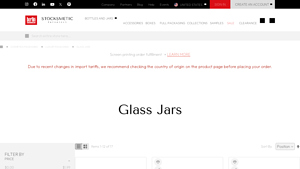
Bereich: stockmetic.com
Registriert: 2013 (12 Jahre)
Einleitung: Glass Jars – Luxury packaging – Cosmetics packaging
1. Luxe 50 ml 60/400 Shiny Black Glass Jar
– In stock: 6,142
– Arrival: 10,000 pz arriving on 10/23/25
– Price: As Low as $0.99
2. Luxe 50 ml 60/400 Glossy White Glass Jar
– In stock: 14,583
– Arrival: 10,000 pz arriving on 9/26/25
– Price: As Low as $0.99
3. Luxe 50 ml 60/400 Semi-Transparent Amber Glass Jar
– In stock: 1…
3. Miron – Violet Glass Cosmetic Jars
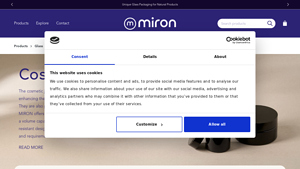
Bereich: miron.com
Registriert: 1996 (29 Jahre)
Einleitung: Miron Violet Glass Cosmetic Jars are designed for cleansing and beauty products, suitable for creams, balms, masks, salves, and butters. They can also store seeds, flowers, spices, and more. Available in various models and sizes with volume capacities ranging from 5 ml to 200 ml. Key series include: 1. Ceres – narrower shape, ideal for spices and semi-liquids, smaller mouth for easier pouring. 2. …
4. Wholesale Supplies Plus – Plastic Cosmetic Jars
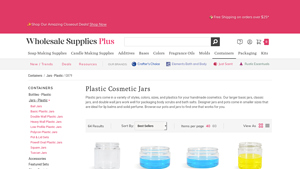
Bereich: großhandel-lieferungenplus.de
Registriert: 1999 (26 Jahre)
Einleitung: Plastic Cosmetic Jars in Bulk | Wholesale Supplies Plus | Lead Time: 1-6 Business Days | Free Shipping on orders over $25*
5. Jarsking – Custom Cosmetic Jars

Bereich: jarsking.de
Registriert: 2022 (3 Jahre)
Einleitung: Jarsking is a manufacturer of custom cosmetic jars for beauty brands, offering premium packaging solutions that include luxurious glass containers and innovative airless systems. Key features include:
– Premium glass construction and double-wall technology for superior chemical resistance and moisture barriers.
– Complete design flexibility with custom molding, decorative finishes, and closure sys…
6. Beauty Makeup Supply – Cosmetic Jars 3g/3ml

Bereich: beauty-makeup-supply.com
Registriert: 2007 (18 Jahre)
Einleitung: Product: Cosmetic Jars – 3 gram / 3 ml
Usage: Commonly used by businesses to provide samples to clients before purchasing full-size products.
Styles Available: Hinged and screw-on lid styles.
Cap Colors: Clear, Black, Natural, White.
SKU: 5038-5052-5030 (for various styles)
Price: Now: $1.39 – $1.99 (varies by style)
Availability: In stock, usually ships within 1 business day of receiving cleared …
7. Liquid Bottles – Cosmetic Jars

Bereich: flüssige-flaschen.de
Registriert: 2014 (11 Jahre)
Einleitung: Product: Cosmetic Jars
Sizes: 7ml, 30ml (1oz), 60ml (2oz), 120ml (4oz), 6oz, 8oz, 9oz, 12oz, 16oz, 25oz, 32oz, 40oz, 64oz
Colors: Amber, Black, Clear, Cobalt Blue, Dark Amber, Frosted, Frosted Amber, Green, White
Neck Sizes: 38-400, 48-400, 53-400, 53-485, 58-400, 63-400, 70-400, 89-400, 110-400, 120-400
Materials: Glass, HDPE, PET, PP
Styles: Opaque, Straight Sided, Low Profile, Peanut Butter, Ro…
8. A Packaging Group – Key Products
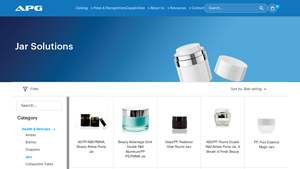
Bereich: apackaginggroup.com
Registriert: 2019 (6 Jahre)
Einleitung: Key product details include: 241 products available in various categories such as Health & Skincare, Airless Bottles, Droppers, Jars, and more. Customizable options include color-matching and company logos. Capacities range from 2.5ml to 600ml, with various materials used including ABS, acrylic, aluminum, glass, and more. Different neck finishes and sizes are available, along with various pump typ…
9. New High – Glass Cosmetic Jars

Bereich: newhigh.com
Registriert: 1996 (29 Jahre)
Einleitung: Glass cosmetic jars with lids suitable for lotions, creams, and more. Available in multiple collections with varying sizes, shapes, and colors. Options include:
– Sage Jars:
– 2oz Sage Jar (Item Number: 113210, Units per Carton: 144)
– 4oz Sage Jar (Item Number: 113211, Units per Carton: 96)
– Marigold Jars:
– 15ml Marigold Jar (Item Number: 113212, Units per Carton: 320)
– 50ml Mari…
Strategic Sourcing Conclusion and Outlook for cosmetic jar
What Are the Key Takeaways for Sourcing Cosmetic Jars?
In today’s competitive market, strategic sourcing of cosmetic jars is paramount for businesses aiming to enhance their product offerings and brand image. Understanding the diverse range of materials—from sustainable options like glass and eco-friendly plastics to various sizes and designs—enables companies to make informed decisions. Buyers should prioritize suppliers who offer customization, ensuring that packaging aligns with brand identity and consumer preferences.
How Can Strategic Sourcing Enhance Your Business?
Strategic sourcing not only optimizes costs but also fosters innovation in packaging solutions. By collaborating with reliable manufacturers, businesses can ensure consistent quality and timely delivery, which are crucial for maintaining customer satisfaction. Furthermore, understanding regional market trends, particularly in Africa, South America, the Middle East, and Europe, can provide a competitive edge in product positioning.
What’s Next for International B2B Buyers?
As the demand for aesthetically pleasing and functional cosmetic packaging continues to grow, international B2B buyers should actively seek partnerships that align with their sustainability goals and market needs. Embrace the opportunity to explore emerging trends in cosmetic jars, and consider how your sourcing strategies can adapt to meet future consumer demands. Engaging with innovative suppliers today will position your brand for success in the evolving beauty landscape.




 German
  English
  Russian
  Spanish
  Italian
  Thai
Thai  French
  Arabic
  Portuguese
  Indonesian






