
Introduction: Navigating the Global Market for cosmetic bottle
As the global demand for cosmetic bottles continues to rise, international B2B buyers face the critical challenge of sourcing packaging that not only meets quality standards but also aligns with evolving consumer preferences. Navigating the diverse landscape of cosmetic bottle options—from glass to PET and beyond—can be daunting. This guide serves as your comprehensive resource, detailing the various types of cosmetic bottles available, their applications in the beauty and personal care industry, and effective strategies for supplier vetting and cost assessment.
With insights tailored for buyers in Africa, South America, the Middle East, and Europe, including key markets like Nigeria and Brazil, this guide empowers you to make informed purchasing decisions. We’ll explore the benefits of different materials, such as the durability of glass versus the lightweight nature of plastics, and examine how design and functionality can enhance brand perception. Additionally, we will provide actionable advice on evaluating suppliers to ensure reliability and quality in your sourcing process.
By leveraging this guide, you will be equipped to navigate the complexities of the cosmetic bottle market, ensuring that your packaging choices not only protect your products but also resonate with your target audience. Let’s dive into the essentials that will help elevate your brand’s presence in the competitive beauty landscape.
Understanding cosmetic bottle Types and Variations
| Nome del tipo | Caratteristiche distintive principali | Applicazioni primarie B2B | Brevi pro e contro per gli acquirenti |
|---|---|---|---|
| Bottiglie di vetro | Durable, impermeable, premium aesthetic | Skincare, serums, essential oils | Pro: Elegant presentation, UV protection. Contro: Heavier, fragile. |
| Bottiglie di plastica | Lightweight, versatile, cost-effective | Lotions, creams, hair care products | Pro: Lightweight, customizable. Contro: Less premium feel, environmental concerns. |
| Bottiglie con pompa airless | Prevents contamination, keeps products fresh | Cura della pelle di alta gamma, sieri | Pro: Extends product life, reduces waste. Contro: Higher cost, limited designs. |
| Bottiglie roll-on | Convenient for liquid applications, portable | Essential oils, perfumes | Pro: Easy application, travel-friendly. Contro: Limited volume, potential for leakage. |
| Jars and Tubs | Wide openings, suitable for thicker products | Creams, scrubs, masks | Pro: Easy access, versatile. Contro: Less portable, potential for contamination. |
What are the Characteristics of Glass Bottles in Cosmetic Packaging?
Glass bottles are favored in the cosmetic industry for their durability and premium aesthetic appeal. They are impermeable, providing excellent protection against contamination and ensuring product integrity. Commonly used for high-end skincare products, serums, and essential oils, these bottles are available in various designs and sizes. B2B buyers should consider factors such as weight and fragility, as glass can be heavier and more prone to breakage compared to plastic alternatives. Additionally, the UV protection offered by amber or frosted glass options can be a significant advantage for light-sensitive formulations.
How Do Plastic Bottles Compare in Versatility and Cost?
Plastic bottles are a popular choice for many cosmetic products due to their lightweight nature and cost-effectiveness. They can be molded into various shapes and sizes, making them suitable for lotions, creams, and hair care products. B2B buyers often find these bottles appealing for their customization options and lower shipping costs. However, it’s essential to consider the potential environmental impact and the perception of lower quality compared to glass. Choosing BPA-free and recyclable options can help mitigate some of these concerns.
What Advantages Do Airless Pump Bottles Offer?
Airless pump bottles are designed to prevent air exposure, which can lead to oxidation and contamination of sensitive cosmetic formulations. This technology is particularly beneficial for high-end skincare products and serums, ensuring that the product remains fresh throughout its use. B2B buyers should be aware that while these bottles extend product life and reduce waste, they typically come at a higher price point and may offer limited design options compared to traditional packaging. Investing in airless technology can enhance brand perception and customer satisfaction.
What are the Benefits of Roll-On Bottles in Cosmetic Applications?
Roll-on bottles provide a convenient and mess-free way to apply liquid products, making them ideal for essential oils and perfumes. Their portable design appeals to consumers looking for easy application on the go. For B2B buyers, the ability to offer travel-friendly packaging can enhance product appeal. However, it’s important to consider the limited volume that roll-on bottles can hold and the potential for leakage if not designed properly. Ensuring quality control during manufacturing is crucial to maintaining product integrity.
Why Choose Jars and Tubs for Thicker Cosmetic Products?
Jars and tubs are widely used for thicker cosmetic products such as creams, scrubs, and masks due to their wide openings, which facilitate easy access. They are versatile in terms of design and can be made from both glass and plastic. B2B buyers should consider the implications of using jars, as they are less portable and may require additional measures to prevent contamination. While they offer a practical solution for thicker formulations, ensuring that the packaging aligns with consumer expectations for hygiene and usability is essential.
Key Industrial Applications of cosmetic bottle
| Industria/Settore | Specific Application of Cosmetic Bottle | Valore/Beneficio per l'azienda | Considerazioni chiave sull'approvvigionamento per questa applicazione |
|---|---|---|---|
| Bellezza e cura della persona | Packaging for lotions, serums, and creams | Enhances product appeal and brand image; protects product integrity | Material quality (glass vs. plastic), customization options |
| Prodotti farmaceutici | Bottles for topical ointments and creams | Ensures product safety and compliance with health regulations | Regulatory compliance, child-proof features |
| Fragrance and Perfume | Bottles for perfumes and colognes | Provides an elegant presentation and preserves fragrance quality | Design aesthetics, spray mechanisms |
| Prodotti ecologici | Sustainable packaging solutions for organic cosmetics | Attracts environmentally conscious consumers; reduces carbon footprint | Recyclability, biodegradable materials |
| Retail and Distribution | Bulk packaging for retail displays | Increases shelf visibility and ease of transport | Packaging size, compatibility with distribution methods |
How Are Cosmetic Bottles Utilized in the Beauty and Personal Care Sector?
Cosmetic bottles are essential for packaging lotions, serums, and creams, providing not only functionality but also enhancing the visual appeal of products. For international buyers, especially from regions like Africa and South America, selecting durable materials like glass or high-quality plastics is crucial to ensure product integrity during transport. Customization options, such as unique shapes and colors, can significantly boost brand recognition and consumer attraction.
What Role Do Cosmetic Bottles Play in Pharmaceuticals?
In the pharmaceutical industry, cosmetic bottles are utilized for packaging topical ointments and creams. These bottles must meet stringent regulatory requirements to ensure product safety and efficacy. Buyers need to consider features such as child-proof caps and tamper-evident seals, which are critical for compliance. Sourcing high-quality materials that prevent contamination is vital, particularly for markets in the Middle East and Europe, where health regulations are stringent.
How Are Cosmetic Bottles Used in Fragrance and Perfume Applications?
In the fragrance sector, cosmetic bottles serve as vessels for perfumes and colognes, where aesthetics play a significant role in consumer purchasing decisions. The design of these bottles must not only be visually appealing but also functional, with mechanisms that preserve the quality of the fragrance. International buyers should prioritize sourcing suppliers that offer customizable designs and reliable spray mechanisms to ensure a premium consumer experience.
Why Are Eco-Friendly Cosmetic Bottles Important for Sustainable Brands?
As the demand for eco-friendly products rises, cosmetic bottles made from sustainable materials are becoming increasingly important. Brands focusing on organic cosmetics can attract environmentally conscious consumers by utilizing recyclable or biodegradable packaging. Buyers should seek suppliers that can provide detailed information about the sustainability of materials and the overall lifecycle impact of their products, especially in regions where environmental regulations are tightening.
How Do Cosmetic Bottles Support Retail and Distribution Needs?
In retail, bulk packaging solutions using cosmetic bottles can facilitate efficient display and transport of products. These bottles help enhance shelf visibility, making it easier for consumers to identify products. For B2B buyers in distribution, it is essential to consider the packaging size and compatibility with various transport methods to optimize logistics and reduce costs.
3 Common User Pain Points for ‘cosmetic bottle’ & Their Solutions
Scenario 1: Packaging Breakage During Shipping
Il problema: Many B2B buyers face the challenge of cosmetic bottles breaking during transit, leading to significant financial loss and potential damage to their brand reputation. Fragile glass bottles, in particular, are susceptible to shattering if not adequately protected. This issue is compounded when shipping to international markets, where varying handling practices can exacerbate the risk of breakage. Buyers often find themselves grappling with the fallout of these incidents, including customer complaints, product returns, and the costs associated with replacing damaged goods.
La soluzione: To mitigate the risk of breakage during shipping, it is crucial to choose the right packaging solutions. Opt for robust shipping materials such as padded boxes, bubble wrap, or molded inserts specifically designed for cosmetic bottles. Collaborate with suppliers who offer protective packaging options that can accommodate the unique shapes and sizes of your bottles. Additionally, consider using thick-walled glass or PET bottles that are designed to withstand pressure and impact. Regularly review your shipping process and partner with reliable logistics providers who understand the nuances of handling fragile items. Implementing these measures can significantly reduce breakage rates and enhance customer satisfaction.
Scenario 2: Incompatibility with Closures
Il problema: A common pain point for B2B buyers is the incompatibility between cosmetic bottles and closures, such as pumps or dropper tops. This issue can arise from differences in neck sizes or threading, leading to leaks, spills, or product waste. For businesses, this not only affects the usability of the product but can also tarnish brand image and lead to costly reformulations or redesigns. Buyers may find themselves wasting time and resources trying to source compatible components.
La soluzione: To ensure compatibility, it is essential to standardize the neck sizes and threading of your cosmetic bottles. When sourcing bottles, always confirm the neck dimensions and the type of closure you plan to use. Work closely with suppliers who can provide detailed specifications and samples for testing before placing bulk orders. Additionally, leverage technology such as CAD software to design custom bottles that perfectly fit your closure requirements. By establishing clear specifications from the outset and working with experienced manufacturers, you can avoid compatibility issues that lead to operational inefficiencies and increased costs.
Scenario 3: Environmental Concerns and Regulations
Il problema: Increasingly, B2B buyers are facing pressure to comply with environmental regulations and consumer demand for sustainable packaging solutions. Many traditional cosmetic bottles are made from materials that are not easily recyclable or biodegradable, leading to potential legal issues and consumer backlash. Buyers may struggle to find eco-friendly alternatives that meet their quality and aesthetic standards while remaining cost-effective.
La soluzione: To address environmental concerns, consider transitioning to sustainable packaging options such as glass or biodegradable plastics. Glass bottles not only provide a premium look but are also 100% recyclable and can be reused multiple times. For plastic options, look for suppliers who offer biodegradable PET (rPET) or other eco-friendly materials. Conduct thorough research on the materials and certifications available in your region, ensuring compliance with local regulations. Engage with manufacturers that prioritize sustainability in their production processes and can provide documentation on the environmental impact of their products. By adopting sustainable practices, you can enhance your brand’s image, meet regulatory requirements, and appeal to environmentally conscious consumers, ultimately driving sales and customer loyalty.
Strategic Material Selection Guide for cosmetic bottle
What Are the Key Properties of Glass in Cosmetic Bottles?
Glass is a traditional choice for cosmetic packaging, particularly for premium products. Its key properties include excellent chemical resistance, impermeability, and an aesthetically appealing finish. Glass can withstand high temperatures, making it suitable for sterilization processes. However, it is fragile and can break easily under impact or stress, which can complicate logistics and increase shipping costs.
Pros and Cons of Glass Packaging
The primary advantage of glass is its ability to maintain product integrity by preventing contamination and preserving the quality of sensitive formulations. It is also recyclable, aligning with sustainability trends. On the downside, glass is heavier than other materials, which can increase transportation costs. Additionally, manufacturing glass bottles can be more complex and costly compared to plastic alternatives.
Impatto sull'applicazione
Glass is compatible with a wide range of cosmetic formulations, including oils, serums, and creams. Its non-reactive nature ensures that the product remains unchanged over time. For international buyers, compliance with standards such as ASTM and DIN is crucial, especially regarding safety and recyclability.
How Does Plastic Compare as a Material for Cosmetic Bottles?
Plastic, particularly PET (Polyethylene Terephthalate), is widely used in cosmetic packaging due to its lightweight and durable nature. It offers good resistance to impact and is less prone to breakage compared to glass. However, its temperature resistance is lower, which may limit its use in certain applications.
Pros and Cons of Plastic Packaging
The main advantage of plastic is its cost-effectiveness and versatility in design. It can be easily molded into various shapes and sizes, allowing for creative branding opportunities. However, plastic may not provide the same level of product protection as glass, particularly against UV light, which can degrade some formulations. Additionally, concerns regarding plastic waste and environmental impact are significant considerations for many buyers.
Impatto sull'applicazione
Plastic is suitable for a variety of cosmetic products, including lotions and creams. However, it may not be ideal for products that require long shelf lives or are sensitive to light. For international buyers, ensuring compliance with regulations regarding BPA and phthalates is essential, particularly in regions like Europe, where stringent standards are enforced.
What Are the Advantages of Aluminum in Cosmetic Bottles?
Aluminum is gaining popularity in cosmetic packaging due to its lightweight properties and recyclability. It offers a modern aesthetic and is resistant to corrosion, making it suitable for a variety of cosmetic products.
Pros and Cons of Aluminum Packaging
The key advantage of aluminum is its durability and resistance to impact, which reduces the risk of damage during transport. It also provides excellent protection against light and air, preserving product integrity. However, aluminum can be more expensive than plastic, and the manufacturing process can be complex, impacting overall costs.
Impatto sull'applicazione
Aluminum is particularly effective for products that are sensitive to light and air, such as essential oils and serums. For international buyers, it is crucial to consider compliance with recycling regulations and standards in their respective markets, especially in Europe, where eco-friendly packaging is highly valued.
What Role Does Biodegradable Plastic Play in Cosmetic Bottles?
Biodegradable plastics are emerging as an eco-friendly alternative for cosmetic packaging. These materials can decompose under specific environmental conditions, reducing plastic waste.
Pros and Cons of Biodegradable Plastic Packaging
The primary advantage of biodegradable plastics is their reduced environmental impact, aligning with the growing consumer demand for sustainable products. However, they may not offer the same level of durability and shelf life as traditional plastics or glass, which can limit their application in certain products.
Impatto sull'applicazione
Biodegradable plastics are suitable for a range of cosmetic products, particularly those aimed at environmentally conscious consumers. International buyers should be aware of varying regulations regarding biodegradable materials in different regions, as compliance can affect market entry.
Summary Table of Material Selection for Cosmetic Bottles
| Materiale | Typical Use Case for Cosmetic Bottle | Vantaggio chiave | Svantaggi/limitazioni principali | Costo relativo (basso/medio/alto) |
|---|---|---|---|---|
| Vetro | Premium skincare products, serums | Eccellente resistenza chimica | Fragile, costi di spedizione più elevati | Alto |
| Plastica (PET) | Lotions, creams, and lightweight products | Cost-effective, versatile designs | Lower UV protection, environmental concerns | Basso |
| Alluminio | Oils, serums, and products sensitive to light | Durable, recyclable, modern aesthetic | More expensive, complex manufacturing | Medio |
| Biodegradable Plastic | Eco-friendly products aimed at conscious consumers | Riduzione dell'impatto ambientale | Limited durability and shelf life | Medio |
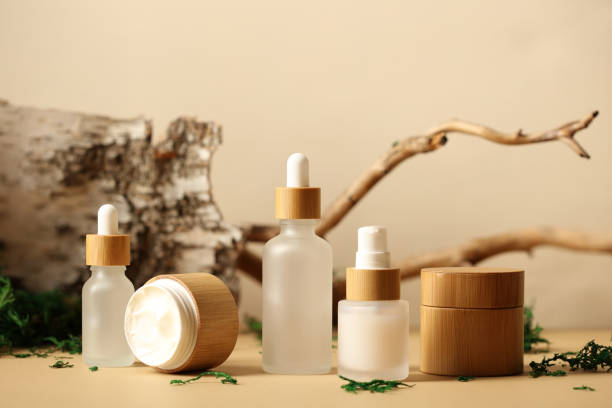
A stock image related to cosmetic bottle.
In-depth Look: Manufacturing Processes and Quality Assurance for cosmetic bottle
What Are the Main Stages in the Manufacturing Process of Cosmetic Bottles?
The manufacturing process of cosmetic bottles typically involves several key stages: material preparation, forming, assembly, and finishing. Each stage is crucial in ensuring the final product meets quality and design specifications.
-
Preparazione del materiale: The process begins with selecting the appropriate raw materials. Common materials include glass and various plastics like PET (Polyethylene Terephthalate) and PP (Polypropylene). Suppliers must ensure that these materials are sourced from reputable manufacturers, and they should comply with international safety standards. Material testing may involve checking for purity, density, and compatibility with cosmetic products.
-
Formazione: The selected materials are then subjected to forming processes. For glass bottles, techniques such as blow molding and glass pressing are commonly used. In contrast, plastic bottles often utilize injection or blow molding. These methods allow manufacturers to create a variety of shapes and sizes, catering to different cosmetic products. Advanced molding technology can also enable the production of lightweight bottles that retain strength, appealing to environmentally conscious brands.
-
Montaggio: After forming, the components of the bottles—such as caps, pumps, and sprayers—are assembled. This stage may involve manual assembly or automated processes, depending on the scale of production. Ensuring that all parts fit correctly is crucial to prevent leaks and maintain product integrity.
-
Finitura: The final stage involves applying any necessary surface treatments, such as painting, labeling, or printing. This not only enhances the aesthetic appeal of the product but also provides branding opportunities. Quality checks during this stage ensure that finishes meet the desired standards without affecting the functionality of the packaging.
How Is Quality Assurance Implemented in Cosmetic Bottle Manufacturing?
Quality assurance (QA) is a critical aspect of the cosmetic bottle manufacturing process. It ensures that products meet both customer expectations and regulatory requirements. Here’s how QA is typically structured:
-
Standard internazionali e specifici del settore: Compliance with international standards such as ISO 9001 is essential for manufacturers targeting global markets. ISO 9001 outlines a framework for quality management systems, focusing on customer satisfaction and continuous improvement. Additionally, industry-specific standards, such as CE marking for products sold in Europe or API standards for pharmaceutical applications, may also apply.
-
Punti di controllo della qualità: Effective quality control (QC) involves several checkpoints throughout the manufacturing process:
- Controllo qualità in entrata (CQI): This step involves inspecting raw materials upon arrival to ensure they meet specified standards. Any non-compliance can lead to production delays or product recalls.
- Controllo qualità in corso d'opera (IPQC): During production, periodic checks are conducted to ensure that each stage is performed correctly. This may include monitoring temperature, pressure, and material flow.
- Controllo qualità finale (CQC): After assembly and finishing, a final inspection is conducted to evaluate the overall quality of the cosmetic bottles. This includes checking for leaks, surface defects, and correct labeling. -
Metodi di analisi comuni: Several testing methods can be employed to verify the quality of cosmetic bottles:
- Test meccanici: This includes assessing the strength and durability of the bottles through drop tests and pressure tests.
- Chemical Compatibility Testing: Bottles must be tested for their ability to withstand exposure to various cosmetic formulations without degrading.
- Visual Inspections: Trained personnel conduct visual inspections to identify any cosmetic flaws or defects.
Come possono gli acquirenti B2B verificare il controllo qualità dei fornitori?
B2B buyers need assurance that their suppliers maintain high-quality standards. Here are several ways to verify QC practices:
-
Audit dei fornitori: Conducting on-site audits allows buyers to assess the supplier’s manufacturing processes, quality management systems, and compliance with international standards. This firsthand evaluation can identify potential risks and instill confidence in the supplier’s capabilities.
-
Rapporti di garanzia della qualità: Requesting detailed QC reports can provide insights into the supplier’s testing methods, results, and any corrective actions taken. These reports should be comprehensive and cover all aspects of the manufacturing process.
-
Ispezioni di terze parti: Engaging third-party inspection services can provide an unbiased assessment of the supplier’s quality control measures. These inspections can be conducted at various stages of the production process, offering additional reassurance to buyers.
What Are the Nuances of QC and Certification for International Buyers?
For international B2B buyers, especially from regions like Africa, South America, the Middle East, and Europe, understanding QC nuances is essential. Here are some considerations:
-
Conformità normativa: Different regions have varying regulations regarding cosmetic packaging. Buyers should ensure that suppliers comply with local regulations, such as the European Union’s REACH (Registration, Evaluation, Authorisation, and Restriction of Chemicals) regulations, which govern chemical safety.
-
Cultural and Market Differences: Buyers must be aware of local consumer preferences and regulatory requirements that may influence packaging design and materials. For instance, certain regions may have a preference for eco-friendly packaging, necessitating additional certifications.
-
Logistics and Supply Chain Management: International shipping can introduce additional complexities. Buyers should consider how quality is maintained throughout the supply chain, from manufacturing to delivery. This includes ensuring that the packaging is designed to withstand the rigors of transportation.
By understanding these manufacturing processes and quality assurance practices, B2B buyers can make informed decisions when sourcing cosmetic bottles. This knowledge not only aids in selecting reliable suppliers but also enhances the overall quality and marketability of their cosmetic products.
Practical Sourcing Guide: A Step-by-Step Checklist for ‘cosmetic bottle’
To assist international B2B buyers in the procurement of cosmetic bottles, this practical sourcing guide provides a step-by-step checklist. By following these actionable steps, you can ensure you choose the right supplier and product for your cosmetic packaging needs.
Fase 1: Definire le specifiche tecniche
Before initiating the sourcing process, clearly outline your technical requirements for the cosmetic bottles. This includes material type (glass, PET, etc.), bottle size, shape, and closure type. Having detailed specifications will help you communicate effectively with potential suppliers and ensure that the products meet your brand’s quality standards.
- Considerazioni: Determine if you need features such as UV protection, recyclability, or specific aesthetics like frosted glass or colored finishes.
Passo 2: Research Market Trends and Preferences
Understanding market trends is crucial for selecting cosmetic bottles that appeal to your target audience. Research regional preferences, popular materials, and designs that resonate with consumers in your target markets, such as Africa, South America, the Middle East, and Europe.
- Action Items: Analyze competitors’ packaging styles and consumer feedback to identify popular features or styles that may enhance your product’s marketability.
Fase 3: Valutare i potenziali fornitori
Before committing to a supplier, conduct thorough evaluations. Request company profiles, production capabilities, and references from other businesses in your industry. Assess their experience in providing cosmetic packaging and their ability to meet your specific needs.
- Key Factors: Look for suppliers with certifications (e.g., ISO, GMP) that ensure compliance with industry standards and regulations.
Passo 4: Verify Product Quality and Compliance
Ensure the cosmetic bottles meet safety and quality standards relevant to your target markets. Request samples to assess the quality, durability, and functionality of the bottles. Additionally, confirm that the materials used are compliant with regulations in your region, such as being BPA-free or phthalate-free.
- Testing: Conduct compatibility tests with your product to ensure no adverse reactions occur.
Passo 5: Negoziare prezzi e condizioni
Once you have identified suitable suppliers, engage in negotiations to secure favorable pricing and terms. Discuss bulk order discounts, payment terms, and delivery schedules. Having a clear understanding of costs will help you maintain your budget while ensuring a smooth procurement process.
- Consideration: Factor in potential additional costs such as shipping, customs duties, and packaging.
Passo 6: Establish Communication and Support Channels
Effective communication is vital for a successful partnership with your supplier. Establish clear lines of communication and support channels for any inquiries or issues that may arise during the procurement process.
- Recommendations: Use project management tools or regular check-ins to keep the lines of communication open and ensure timely updates on order status.
Passo 7: Plan for Future Needs
As your product line expands or market demands change, consider how your packaging needs might evolve. Work with suppliers who can accommodate future requirements, whether it’s adjusting order volumes or introducing new bottle designs.
- Strategy: Build a long-term relationship with your supplier to ensure they can support your growth and adaptability in a dynamic market.
Following this checklist will help you navigate the complexities of sourcing cosmetic bottles, ensuring you make informed decisions that align with your business objectives and consumer expectations.

A stock image related to cosmetic bottle.
Comprehensive Cost and Pricing Analysis for cosmetic bottle Sourcing
What Are the Key Cost Components in Sourcing Cosmetic Bottles?
When evaluating the cost structure for sourcing cosmetic bottles, it’s essential to consider several key components:
-
I materiali: The primary materials used in cosmetic bottle production include glass, PET, and other plastics. Glass bottles tend to be more expensive due to their weight and fragility, while PET offers a lightweight, cost-effective alternative. The choice of materials directly impacts the overall cost, with premium options leading to higher prices.
-
Lavoro: Labor costs vary significantly based on the region of production. Countries with lower labor costs, such as those in parts of Africa and South America, may provide more competitive pricing. However, it’s crucial to assess the skill level of the workforce, as this can affect the quality of the final product.
-
Spese generali di produzione: This encompasses costs related to the facilities, utilities, and equipment needed for production. Efficient manufacturing processes can help minimize overhead, thus lowering the overall cost of production.
-
Utensili: Initial tooling costs can be significant, especially for custom bottle designs. These costs can be amortized over larger production runs, making it crucial to consider minimum order quantities (MOQs) when evaluating total costs.
-
Controllo qualità (CQ): Ensuring product quality is vital, especially for cosmetic packaging. QC processes add to the cost but are essential for maintaining brand reputation. Certifications for quality and safety can also influence the price.
-
Logistica: Shipping costs can vary widely based on the distance from the supplier to the buyer, the mode of transportation, and any customs duties or tariffs. Understanding Incoterms is critical for managing these costs effectively.
-
Margine: Suppliers will typically include a profit margin in their pricing. This margin can vary based on market conditions, competition, and the supplier’s perceived value of their product.
How Do Price Influencers Affect the Cost of Cosmetic Bottles?
Several factors influence the pricing of cosmetic bottles beyond the basic cost components:
-
Volume e quantità minima d'ordine (MOQ): Larger orders often attract bulk discounts. Buyers should negotiate MOQs that align with their production needs to optimize pricing.
-
Specifiche e personalizzazione: Customized bottles (e.g., unique shapes, sizes, or colors) can significantly increase costs. Buyers should weigh the importance of customization against the potential cost increase.
-
Materiali e certificazioni di qualità: Bottles made from high-quality materials or those that meet specific certifications (like being BPA-free or recyclable) can command higher prices. Buyers should assess their target market’s preferences to determine if these attributes justify the cost.
-
Fattori di fornitura: The reputation and reliability of the supplier can influence pricing. Established suppliers may charge more due to their perceived reliability and quality assurance processes.
What Buyer Tips Can Help Optimize Cosmetic Bottle Sourcing Costs?
For international B2B buyers, particularly from regions like Africa, South America, the Middle East, and Europe, the following tips can help in negotiating better deals:
-
Negoziare i termini: Always negotiate pricing, payment terms, and shipping costs. Suppliers may offer flexibility, especially for larger orders.
-
Considerare il costo totale di proprietà (TCO): Evaluate the complete cost of sourcing, including logistics and potential quality issues. A lower upfront price may not always translate to savings if additional costs arise.
-
Comprendere le sfumature dei prezzi nelle transazioni internazionali: Be aware of currency fluctuations, import tariffs, and local regulations that may affect overall costs when sourcing from different regions.
-
Conduct Market Research: Understanding market trends and competitor pricing can provide leverage in negotiations. This knowledge helps in making informed decisions about which suppliers to engage with.
Conclusione
Navigating the cost and pricing landscape for cosmetic bottle sourcing requires a comprehensive understanding of the various cost components and price influencers. By leveraging this knowledge and employing strategic negotiation tactics, international B2B buyers can optimize their sourcing efforts, ensuring both quality and cost-effectiveness in their cosmetic packaging solutions. Always keep in mind that prices are indicative and may fluctuate based on market conditions and supplier negotiations.
Alternatives Analysis: Comparing cosmetic bottle With Other Solutions
Exploring Alternatives to Cosmetic Bottles
In the evolving landscape of the cosmetic and personal care industry, packaging plays a pivotal role in branding and product integrity. While cosmetic bottles are a popular choice for their aesthetic appeal and functionality, several alternatives offer unique advantages. This analysis compares traditional cosmetic bottles against two viable alternatives: airless pump bottles and biodegradable packaging solutions.
| Aspetto di confronto | Cosmetic Bottle | Bottiglia con pompa airless | Imballaggio biodegradabile |
|---|---|---|---|
| Prestazioni | Excellent for liquids; protects against contamination. | Prevents air exposure; ideal for sensitive formulations. | Generally sturdy; may vary based on material used. |
| Costo | Moderate; varies with material (glass vs. plastic). | Higher initial investment due to specialized design. | Cost-effective for mass production; may be higher for premium materials. |
| Facilità di implementazione | Widely available; easy to source and customize. | Requires specific sourcing and may involve longer lead times. | Increasingly available; some materials still in development. |
| Manutenzione | Low; easy to clean and reuse. | Low; designed for single-use or minimal cleaning. | Depends on material; some may require composting facilities. |
| Il miglior caso d'uso | General cosmetic products; versatile for various formulations. | High-end skincare products; ideal for serums and creams. | Eco-conscious brands; suitable for organic and natural products. |
What Are the Pros and Cons of Airless Pump Bottles?
Airless pump bottles utilize a vacuum mechanism to dispense products without exposing them to air. This feature significantly reduces the risk of oxidation, making them ideal for formulations containing sensitive ingredients like antioxidants and essential oils. The primary advantage of airless pumps is their ability to maintain product integrity and extend shelf life. However, they come with a higher initial cost and may require specialized sourcing, which could lead to longer lead times for businesses.
How Do Biodegradable Packaging Solutions Compare?
Biodegradable packaging is an eco-friendly alternative designed to break down naturally over time. This type of packaging appeals to the growing segment of consumers who prioritize sustainability. The primary benefit is its reduced environmental impact, aligning with global trends towards eco-consciousness. However, the performance can vary based on the material used, and some biodegradable options may not be as durable as traditional plastic or glass. Additionally, businesses must consider the availability of composting facilities for proper disposal, which can be a limitation in certain regions.
Conclusion: How to Choose the Right Packaging Solution for Your Business?
When selecting the appropriate packaging solution, B2B buyers should carefully consider their product requirements, target market, and brand positioning. Cosmetic bottles remain a versatile option suitable for a wide range of products. However, for brands focusing on high-end formulations or sustainability, exploring alternatives like airless pump bottles or biodegradable packaging may provide significant advantages. Ultimately, understanding the specific needs of your product and customer base will guide you in making an informed decision that aligns with both operational efficiency and market demands.
Essential Technical Properties and Trade Terminology for cosmetic bottle
What Are the Key Technical Properties of Cosmetic Bottles?
When selecting cosmetic bottles, understanding the technical properties is essential for B2B buyers to ensure quality, functionality, and compliance with industry standards. Here are some critical specifications:
-
Grado del materiale
– Cosmetic bottles are typically made from materials such as glass, PET (polyethylene terephthalate), and HDPE (high-density polyethylene). Glass offers durability and aesthetic appeal, while PET is lightweight and shatter-resistant, making it ideal for shipping. The choice of material impacts product safety, shelf life, and consumer perception. -
Neck Size and Type
– Neck size is a crucial specification, as it determines the compatibility with closures like pumps, sprayers, or screw caps. Standard neck sizes (e.g., 18/400, 24/410) facilitate easy integration with various packaging options, enhancing versatility and reducing inventory complexity for manufacturers. -
Capacità
– Cosmetic bottles come in a range of capacities, typically from 10 ml to 750 ml. Understanding the required capacity is vital for aligning with product formulations and market demands. Smaller bottles may be suitable for serums or oils, while larger sizes cater to lotions or bulk products. -
Proprietà della barriera
– The barrier properties of the bottle material are critical for protecting the contents from external factors such as UV light, oxygen, and moisture. For instance, amber glass provides UV protection, while certain plastics are designed to minimize permeation. This is particularly important for preserving the efficacy of sensitive formulations. -
Livelli di tolleranza
– Tolerance refers to the allowable variations in dimensions during manufacturing. High tolerance standards ensure consistency in bottle size and shape, which is crucial for fitting closures and maintaining a professional appearance. This is particularly important for brands emphasizing quality and reliability. -
Finitura e struttura
– The finish of a bottle can enhance brand perception. Options like frosted glass or matte finishes offer a premium look, while clear or glossy finishes might be used for a more modern appeal. Texture can also influence grip and usability, making it an important consideration in design.
What Are the Common Trade Terms in the Cosmetic Bottle Industry?
Familiarity with industry jargon can facilitate smoother transactions and better communication between buyers and suppliers. Here are some commonly used terms:
-
OEM (Original Equipment Manufacturer)
– OEM refers to companies that produce products based on specifications provided by another company. In the cosmetic bottle industry, this means that a manufacturer can create custom bottles tailored to a brand’s unique design and functional requirements. -
MOQ (quantità minima d'ordine)
– MOQ is the smallest number of units that a supplier is willing to produce or sell. Understanding MOQ is essential for budgeting and inventory management, especially for smaller brands or startups that may not need large quantities. -
RFQ (Richiesta di offerta)
– An RFQ is a document sent to suppliers requesting pricing information for specific products. In the context of cosmetic bottles, submitting an RFQ allows buyers to compare costs and make informed purchasing decisions. -
Incoterms (Termini commerciali internazionali)
– Incoterms are standardized trade terms that define the responsibilities of buyers and sellers in international shipping. Familiarity with these terms can help buyers understand their obligations regarding shipping costs, risks, and delivery timelines. -
Certificazioni di sostenibilità
– Many buyers are now considering sustainability certifications, such as recyclability or biodegradability, as part of their purchasing criteria. Understanding these certifications can help brands align their packaging choices with consumer preferences and regulatory requirements. -
Tempi di consegna
– Lead time refers to the time required from placing an order to receiving the product. Knowing the lead time is crucial for effective inventory management and ensuring that products are available when needed, particularly in fast-moving markets.
By understanding these technical properties and trade terms, B2B buyers can make informed decisions that align with their brand values and market demands, ultimately leading to successful product offerings in the competitive cosmetic industry.
Navigating Market Dynamics and Sourcing Trends in the cosmetic bottle Sector
What Are the Key Market Trends in the Cosmetic Bottle Sector?
The cosmetic bottle market is witnessing significant growth driven by several global factors, particularly in emerging markets across Africa, South America, the Middle East, and Europe. A surge in demand for personal care products, coupled with an increasing consumer preference for premium packaging, is reshaping the landscape. Buyers are now prioritizing unique designs and high-quality materials that enhance product visibility and shelf appeal.
Current trends highlight the rise of e-commerce, which has transformed how cosmetic products are marketed and sold. This shift necessitates efficient packaging solutions that ensure product integrity during transit while maintaining aesthetic appeal. Additionally, the integration of B2B technologies such as Artificial Intelligence (AI) and the Internet of Things (IoT) is streamlining sourcing processes, enabling buyers to forecast demand more accurately and manage inventory effectively.
International buyers, especially from regions like Nigeria and Brazil, are also becoming more discerning about their suppliers. They are seeking manufacturers who can offer customization options and shorter lead times without compromising quality. This dynamic is fostering competition among suppliers, driving innovation in packaging materials and designs.
How Can Sustainability and Ethical Sourcing Impact B2B Decisions?
Sustainability is becoming a cornerstone of the cosmetic bottle sector, as buyers increasingly recognize the environmental impact of packaging. The production and disposal of traditional plastic bottles contribute significantly to pollution and waste. Consequently, many brands are opting for eco-friendly alternatives, such as glass, recycled plastics, and biodegradable materials.
Ethical sourcing is equally critical; B2B buyers are now focusing on suppliers who demonstrate a commitment to sustainable practices throughout their supply chains. Certifications such as FSC (Forest Stewardship Council) for paper products, and ISO certifications for manufacturing processes, are becoming key indicators of a supplier’s commitment to sustainability.
Investing in sustainable packaging not only enhances brand reputation but also resonates with consumers who are increasingly making purchasing decisions based on environmental considerations. For international buyers, this trend offers a competitive edge in markets that are becoming more environmentally conscious.
What Has Been the Evolution of Cosmetic Bottles in B2B Markets?
The cosmetic bottle sector has undergone significant evolution over the decades. Initially dominated by glass packaging, the industry saw a shift towards plastics in the mid-20th century due to their lightweight and cost-effective properties. However, concerns over plastic pollution have led to a resurgence in the use of glass and other sustainable materials.
Innovation in manufacturing technologies, such as injection blow molding and advanced printing techniques, has enabled suppliers to produce high-quality, customized bottles that cater to diverse market needs. This evolution reflects broader shifts in consumer preferences towards personalized and environmentally friendly products, shaping the future of the cosmetic bottle market.
By understanding these dynamics, B2B buyers can make informed decisions that align with market trends and consumer expectations, thereby enhancing their competitive positioning in the global marketplace.
Frequently Asked Questions (FAQs) for B2B Buyers of cosmetic bottle
-
How can I ensure the quality of cosmetic bottles from suppliers?
To ensure the quality of cosmetic bottles, start by vetting suppliers through third-party certifications, such as ISO or GMP. Request samples to assess material integrity, design, and functionality. Additionally, inquire about their quality assurance processes, including testing protocols for durability and safety. Engaging with suppliers who have a proven track record in your target market can also help mitigate risks. Establishing clear communication regarding your quality expectations is crucial for a successful partnership. -
What materials are commonly used in cosmetic bottle production?
Cosmetic bottles are typically made from a variety of materials, including glass, PET, and HDPE. Glass is favored for its premium aesthetic and recyclability, making it ideal for high-end products. PET is lightweight and shatter-resistant, suitable for broader applications. HDPE is durable and cost-effective, often used for bulk packaging. The choice of material should align with your brand positioning, product type, and sustainability goals. -
What are the minimum order quantities (MOQs) for cosmetic bottles?
Minimum order quantities (MOQs) for cosmetic bottles vary significantly by supplier and product type. Generally, MOQs can range from a few hundred to several thousand units. When sourcing, consider your inventory turnover and storage capabilities. If you’re a smaller business, seek suppliers willing to accommodate lower MOQs or explore partnerships with manufacturers that offer flexible ordering options. -
How can I customize cosmetic bottles to fit my brand?
Customization options for cosmetic bottles include various shapes, sizes, colors, and printing techniques. Many suppliers offer services such as screen printing, labeling, and embossing. To initiate the customization process, provide your design specifications and discuss your branding requirements with potential suppliers. It’s advisable to request prototypes before finalizing orders to ensure the design aligns with your vision and product needs. -
What payment terms should I expect when sourcing cosmetic bottles internationally?
Payment terms can vary depending on the supplier and your negotiation. Common terms include a deposit (usually 30-50%) upfront, with the balance due upon shipment. Some suppliers may offer letters of credit or payment via escrow services to protect both parties. Ensure you clarify payment methods, currency, and timelines during negotiations to avoid misunderstandings and ensure smooth transactions. -
What logistics considerations should I keep in mind for international shipping of cosmetic bottles?
When shipping cosmetic bottles internationally, consider factors such as shipping costs, customs duties, and transit times. Choose a reliable logistics partner experienced in handling packaging materials. Ensure your supplier can provide necessary documentation for customs clearance. Additionally, assess the packaging methods used to protect bottles during transit, as breakage can lead to significant losses and delays. -
How do I assess supplier reliability in the cosmetic bottle industry?
Assessing supplier reliability involves reviewing their production capabilities, customer reviews, and industry certifications. Conduct background checks and ask for references from previous clients. Visiting the supplier’s facility, if feasible, can provide firsthand insights into their operations. Additionally, consider suppliers who have a history of timely deliveries and proactive communication, as these factors are indicative of reliability in the long term. -
What regulations should I be aware of when importing cosmetic bottles?
When importing cosmetic bottles, familiarize yourself with regulations specific to your market, such as safety standards and labeling requirements. Different countries have varying regulations concerning materials used in packaging. Ensure compliance with regulations like REACH in Europe or FDA guidelines in the U.S. Consulting with a legal expert in international trade can help navigate these complexities and ensure your products meet local requirements.
Disclaimer importante e condizioni d'uso
⚠️ Disclaimer importante
Le informazioni fornite in questa guida, compresi i contenuti relativi ai produttori, alle specifiche tecniche e all'analisi di mercato, hanno uno scopo puramente informativo ed educativo. Non costituiscono una consulenza professionale in materia di acquisti, né una consulenza finanziaria o legale.
Pur avendo fatto ogni sforzo per garantire l'accuratezza e la tempestività delle informazioni, non siamo responsabili di eventuali errori, omissioni o informazioni non aggiornate. Le condizioni di mercato, i dettagli aziendali e gli standard tecnici sono soggetti a modifiche.
Gli acquirenti B2B devono condurre una due diligence indipendente e approfondita. prima di prendere qualsiasi decisione di acquisto. Per questo è necessario contattare direttamente i fornitori, verificare le certificazioni, richiedere campioni e chiedere una consulenza professionale. Il rischio di affidarsi alle informazioni contenute in questa guida è esclusivamente a carico del lettore.
Top 6 Cosmetic Bottle Manufacturers & Suppliers List
1. Calaso – Premium Cosmetic Bottles

Dominio: calaso.com
Registrato: 2013 (12 anni)
Introduzione: Premium cosmetic bottles for beauty products, available in various sizes (10ml to 500ml) and shapes (rectangle, round, square). Types include dropper bottles, home fragrance bottles, perfume bottles, roll-on bottles, syrup bottles, jars, and candle jars. Glass collections include flint, frosted flint, amber, amber brown, and opal. Decoration options: screen printing, pad printing, hot stamping, ra…
2. Brambleberry – Key Products

Dominio: brambleberry.com
Registrato: 1999 (26 anni)
Introduzione: Key product details include: 1. Standard Deodorant Tube – $17.39, Customer Rating: 3.9/5 2. 8 oz Bottle with White Disc Cap – $7.99, Customer Rating: 3.2/5 3. Amber Glass Roller Bottle 10 ml – $8.89, Customer Rating: 4.9/5 4. 1 oz Frosted Glass Bottle with White Treatment Pump – $23.99, Customer Rating: 5/5 5. 4 oz Bottle with White Disc Cap – $6.99, Customer Rating: 4.3/5 6. 1 oz Frosted Glass Bo…
3. Cosmetic Packaging Now – Wholesale Cosmetic Bottles

Dominio: cosmeticpackagingnow.com
Registrato: 2017 (8 anni)
Introduzione: Wholesale cosmetic bottles ideal for primer, serum, under-eye concealer, setting spray, and foundation packaging. Includes pump bottles and luxury fine mist sprayers. Available in various sizes and finishes. Key collections: Citizen (clear double wall, high-quality pump), Cloud (fine mist sprayers for even mist). No minimum order quantities (MOQs), fast shipping, exceptional customer service. Feat…
4. Inoac USA – Cosmetic Bottle

Dominio: inoacusa.com
Registrato: 1996 (29 anni)
Introduzione: {“product_name”:”Cosmetic Bottle”,”manufacturing_process”:”Injection blow molding”,”primary_material”:”PET resin”,”features”:[“Thick-walled containers”,”Cream jars”,”Printing”,”Hot stamping”,”Paint coating”],”industries”:”Consumer Products”,”applications”:[“Lightweight”,”Shock”,”Others”],”technology”:”Molding technology”,”global_deployment”:”Production sites in China and North America”,”applicatio…
5. SKS – Glass Cosmetic Pump Bottles

Dominio: sks-bottle.com
Registrato: 1997 (28 anni)
Introduzione: Glass Cosmetic Pump Bottles are ideal for packaging makeup and skincare products. They come with black treatment pumps for easy and controlled dispensing of products like facial serums and foundations. The durable glass construction provides a high-end feel and protects product integrity. The sleek design enhances the look of the skincare line and attracts customer attention on retail shelves. The…
6. UA Packaging – Cosmetic Bottles & Pumps

Dominio: pinterest.com
Registrato: 2009 (16 anni)
Introduzione: Cosmetic bottles, Serum Pump, Sprayer – UA Packaging, Minimalistic Cosmetic Bottle Mockup, Body Cream Packaging 200ml Customized Color Plastic Body Lotion Bottle and Jar, Beige Replaceable Airless Pump Bottle, Glossy Cosmetic Bottle With Pump Mockup, 2024 Custom Body Wash Plastic Clear Bottle 250ml 500ml, Luxury Flat Shampoo Bottle, 120ml Essential Amber Pump Serum Cosmetic Bottles, Solid Wood Cov…
Strategic Sourcing Conclusion and Outlook for cosmetic bottle
The landscape of the cosmetic bottle market is evolving, presenting significant opportunities for international B2B buyers. As the demand for personal care products continues to rise, sourcing high-quality, sustainable packaging solutions has become paramount. The variety in materials—from glass to PET—ensures that brands can choose options that align with their product integrity and environmental goals. Emphasizing features such as UV protection, durability, and customization can enhance product appeal and help brands stand out in competitive markets.
Strategic sourcing in this sector not only involves selecting the right materials and designs but also understanding the logistical nuances of importing and compliance with regional regulations. For buyers in Africa, South America, the Middle East, and Europe, leveraging local suppliers can reduce costs and improve supply chain resilience.
Looking ahead, the cosmetic bottle market is poised for innovation. As consumer preferences shift towards eco-friendly and functional packaging, now is the time to engage with suppliers who can provide cutting-edge solutions. International buyers are encouraged to explore partnerships that prioritize sustainability and creativity, positioning their brands for success in an increasingly discerning marketplace.



 Italian
  English
  Russian
  Spanish
  Thai
Thai  French
  Arabic
  Portuguese
  Indonesian
  German