

Introduction: Navigating the Global Market for glass jars
In the dynamic landscape of global commerce, sourcing glass jars presents both opportunities and challenges for international B2B buyers. With diverse applications ranging from food packaging to cosmetics and pharmaceuticals, the demand for high-quality glass jars is surging. However, navigating the myriad options available can be daunting, especially for buyers in regions like Africa, South America, the Middle East, and Europe. This guide is designed to streamline your sourcing process, offering a comprehensive overview of the types of glass jars available, their applications, and key considerations for supplier vetting.
Throughout this guide, you will discover essential insights into the glass jar market, including various styles such as economy round jars, apothecary jars, and specialty containers tailored for specific industries. We will delve into critical factors influencing pricing, the importance of sustainability in packaging, and how to identify reliable suppliers who can meet your unique requirements. By empowering you with this knowledge, we aim to facilitate informed purchasing decisions that align with your business objectives and enhance your product offerings.
Whether you are a small manufacturer seeking to elevate your brand or a large distributor looking to optimize your supply chain, this guide will equip you with the tools necessary to confidently navigate the global market for glass jars. Join us as we explore the vast possibilities that await in this essential packaging sector.
Understanding glass jars Types and Variations
| Nome del tipo | Caratteristiche distintive principali | Applicazioni primarie B2B | Brevi pro e contro per gli acquirenti |
|---|---|---|---|
| Straight-Sided Jars | Vertical sides, wide mouth, easy labeling | Food products, cosmetics | Pro: Easy to fill and label; Contro: Less stability when stacked. |
| Cream Round Jars | Curved sides, typically smaller diameter | Health and beauty products | Pro: Estetica; Contro: Limited filling capacity. |
| Apothecary Jars | Vintage design, often with cork or metal lids | Specialty foods, herbs, and cosmetics | Pro: Unique branding opportunity; Contro: Costo più elevato dovuto alla progettazione. |
| Mason Jars | Screw-on lids, durable glass, wide mouth | Canning, food storage, DIY projects | Pro: Versatile and reusable; Contro: Più ingombranti e pesanti. |
| Sample Jars | Small sizes, often with various closure options | Promotional items, essential oils | Pro: Cost-effective for sampling; Contro: Limited use for retail. |
What are the Characteristics of Straight-Sided Jars?
Straight-sided jars are characterized by their vertical sides and wide mouths, making them an excellent choice for products requiring easy filling and labeling. These jars are commonly used in the food industry for sauces, jams, and condiments, as well as in cosmetics for creams and lotions. When purchasing straight-sided jars, buyers should consider factors such as size, neck finish compatibility, and the jar’s ability to withstand high-temperature processes if used for canning.
How Do Cream Round Jars Stand Out?
Cream round jars feature gently curved sides and are typically smaller in diameter, making them ideal for health and beauty products like lotions, creams, and ointments. Their aesthetic appeal enhances product presentation, which can be crucial in competitive markets. Buyers should evaluate the jar’s capacity, closure options, and compatibility with their product formulations to ensure proper sealing and preservation.
What Makes Apothecary Jars a Unique Choice?
Apothecary jars are distinguished by their vintage design and often come with cork or metal lids, adding a touch of elegance to any product line. They are popular in the specialty food market for items like honey and spices, as well as in cosmetics. While they offer unique branding opportunities, buyers must consider the higher cost associated with their design and ensure they align with their brand’s aesthetic.
Why are Mason Jars Considered Versatile?
Mason jars are well-known for their durability and wide mouths, making them a staple for canning, food storage, and DIY projects. They come with screw-on lids that provide an airtight seal, preserving the contents effectively. When sourcing mason jars, buyers should consider the size, compatibility with canning processes, and the potential for reuse, which can offer long-term value.
How Can Sample Jars Benefit Your Business?
Sample jars are small glass containers that come in various sizes and closure options, making them ideal for promotional items or sampling products such as essential oils and cosmetics. They provide a cost-effective way to introduce products to potential customers. When selecting sample jars, buyers should think about branding opportunities, closure types, and how the jars fit into their overall marketing strategy.
Key Industrial Applications of glass jars
| Industria/Settore | Specific Application of Glass Jars | Valore/Beneficio per l'azienda | Considerazioni chiave sull'approvvigionamento per questa applicazione |
|---|---|---|---|
| Cibo e bevande | Packaging for sauces, jams, and honey | Preserves freshness, enhances shelf life, and provides a premium look | Ensure jars are food-safe, consider sizes for production line efficiency |
| Health and Beauty | Containers for lotions and creams | Offers a premium feel, enhances brand perception, and is eco-friendly | Look for customizable options for branding and ensure compatibility with closures |
| Prodotti farmaceutici | Storage for medicinal products | Ensures product integrity and safety, compliant with regulations | Focus on compliance with health regulations and consider bulk purchasing for cost efficiency |
| Prodotti per la casa | Storage for dry goods and spices | Promotes organization, extends product shelf life, and enhances aesthetics | Evaluate jar sizes for versatility and consider airtight seals for product preservation |
| Candles and Crafts | Vessels for candle making and crafts | Provides an elegant display, supports branding, and is reusable | Assess compatibility with wax and consider various designs for aesthetic appeal |
How Are Glass Jars Used in the Food and Beverage Industry?
In the food and beverage sector, glass jars are widely utilized for packaging products like sauces, jams, and honey. Their non-reactive nature preserves the freshness and flavor of the contents, significantly extending shelf life. For international buyers, especially those in regions like Africa and South America, it is essential to source food-safe jars that comply with local regulations. Additionally, considering jar sizes that align with production line efficiency can streamline operations and reduce costs.
What Role Do Glass Jars Play in Health and Beauty Products?
Health and beauty manufacturers favor glass jars for packaging lotions, creams, and other cosmetic products due to their premium aesthetic and eco-friendly attributes. Glass jars not only enhance brand perception but also offer a safe, chemical-free alternative for consumers. For B2B buyers, particularly in Europe and the Middle East, sourcing customizable jars can facilitate branding efforts. It’s crucial to ensure compatibility with various closures, such as pumps and droppers, to meet consumer convenience.
Why Are Glass Jars Essential for Pharmaceuticals?
In the pharmaceutical industry, glass jars serve as secure storage for medicinal products, ensuring integrity and safety. They are compliant with stringent health regulations, making them ideal for international markets. Buyers should focus on sourcing jars that meet these regulatory requirements while considering bulk purchasing to optimize costs. The ability to customize sizes and designs can also enhance product visibility and appeal.
How Do Glass Jars Enhance Household Product Storage?
Household products, such as dry goods and spices, benefit greatly from glass jars, which promote organization and extend shelf life. Their aesthetic appeal makes them a popular choice for consumers looking to enhance their home decor. International buyers should evaluate jar sizes for versatility in storage solutions and consider sourcing airtight seals to maintain product freshness. This attention to detail can significantly enhance customer satisfaction and retention.
What Advantages Do Glass Jars Offer in Candle Making and Crafts?
In the candle-making and crafts sector, glass jars are favored for their elegant display and reusability. They allow artisans to showcase their products while providing a durable packaging solution. For B2B buyers, assessing the compatibility of jars with various waxes and materials is essential for product quality. Additionally, considering a range of designs can help craft businesses stand out in a competitive market, appealing to diverse consumer preferences.
3 Common User Pain Points for ‘glass jars’ & Their Solutions
Scenario 1: Overcoming Fragility Concerns in Glass Jars
Il problema: Many B2B buyers, especially those in the food and beverage or cosmetics industries, are concerned about the fragility of glass jars. The risk of breakage during shipping or handling can lead to significant losses, not only in terms of product but also in potential damage claims. This concern is heightened for international buyers who must navigate long shipping times and varying handling practices across regions, such as Africa and South America.
La soluzione: To mitigate the risk of breakage, buyers should prioritize sourcing glass jars that are specifically designed for durability. Look for suppliers who offer tempered or thicker glass options, which are less likely to shatter. Additionally, consider investing in high-quality packaging materials that provide added protection, such as custom-sized boxes with cushioning inserts. When ordering, inquire about the supplier’s shipping practices to ensure that they use reliable carriers experienced in handling fragile items. Implementing a thorough quality check upon receipt can also help identify any damages early, allowing for timely resolutions.
Scenario 2: Navigating Sizing and Specification Challenges
Il problema: Choosing the right size and specification for glass jars can be a daunting task for B2B buyers. With a vast array of sizes, shapes, and neck finishes available, it can be challenging to determine which option best suits their product. Misjudging the dimensions can lead to issues such as improper filling, leakage, or even increased costs due to over-ordering or wasted materials.
La soluzione: To effectively navigate sizing and specification challenges, buyers should collaborate closely with their suppliers to understand the exact requirements for their products. Conduct thorough market research to identify standard sizes used within their industry and consider the nature of the product being packaged—whether it requires an airtight seal or a specific neck finish for compatibility with closures. Request samples before placing bulk orders to test the jars in real-world scenarios. Additionally, documenting the product specifications and maintaining an open line of communication with the supplier can facilitate future orders and adjustments, ensuring that the right jars are consistently sourced.
Scenario 3: Balancing Aesthetics with Functionality
Il problema: B2B buyers in markets like cosmetics or gourmet foods face the challenge of balancing aesthetics and functionality when selecting glass jars. While an attractive design can enhance brand appeal and attract customers, the jar must also serve its primary purpose—preserving the product’s quality and integrity. Buyers often struggle to find glass jars that meet both aesthetic desires and functional needs.
La soluzione: To find the right balance between aesthetics and functionality, buyers should work with suppliers who offer customizable options. This might include selecting colors, shapes, and finishes that align with the brand’s identity while ensuring that the jars are made from food-safe, BPA-free glass. Conducting market testing with different designs can provide valuable insights into customer preferences without compromising on functionality. Additionally, consider leveraging eco-friendly glass options, as sustainability is increasingly important to consumers and can enhance brand image. Engaging in discussions with packaging experts can also yield innovative solutions that address both aesthetic and functional criteria, leading to a cohesive product offering.
Strategic Material Selection Guide for glass jars
What Are the Key Properties of Different Glass Jar Materials?
When selecting materials for glass jars, it’s crucial to consider the specific properties that influence product performance. The most common materials used in glass jar manufacturing include soda-lime glass, borosilicate glass, and tempered glass. Each material presents unique characteristics that can significantly affect durability, cost, and suitability for various applications.
How Does Soda-Lime Glass Perform in Glass Jar Applications?
Soda-lime glass is the most widely used glass type for jars due to its cost-effectiveness and versatility. It is composed mainly of silica, soda, and lime, making it suitable for a variety of products. Key properties include a temperature rating of up to 200°C and moderate corrosion resistance.
Pro: Soda-lime glass is generally less expensive than other glass types, making it an attractive option for bulk purchases. It is also readily available in various shapes and sizes, catering to diverse packaging needs.
Contro: However, soda-lime glass is less resistant to thermal shock compared to borosilicate glass, which can lead to breakage when exposed to sudden temperature changes. Additionally, it may not be suitable for high-value products that require enhanced protection.
For international buyers, compliance with standards such as ASTM and DIN is essential, especially in regions like Europe and the Middle East where regulations are stringent.
What Benefits Does Borosilicate Glass Offer for Glass Jars?
Borosilicate glass is known for its high thermal resistance and chemical stability, making it ideal for applications requiring durability under extreme conditions. It can withstand temperatures up to 500°C and is highly resistant to thermal shock and chemical corrosion.
Pro: This glass type is perfect for food storage, laboratory use, and products that require sterilization. Its durability ensures that it maintains integrity over time, making it suitable for long-term storage solutions.
Contro: The primary drawback is its higher cost compared to soda-lime glass, which may deter budget-conscious buyers. Additionally, borosilicate glass is more fragile, requiring careful handling during manufacturing and transport.
International buyers should consider the specific applications of borosilicate glass, particularly in pharmaceuticals and food industries, where compliance with health and safety standards is critical.
How Does Tempered Glass Enhance Glass Jar Performance?
Tempered glass is created through a process of extreme heating and rapid cooling, resulting in enhanced strength and safety. It typically withstands temperatures of up to 300°C and is less likely to shatter upon impact.
Pro: The primary advantage of tempered glass is its durability and safety. If broken, it shatters into small, blunt pieces rather than sharp shards, reducing injury risk. This makes it suitable for consumer products and applications where safety is a concern.
Contro: However, tempered glass is more expensive to produce and may not be necessary for all applications. Additionally, its manufacturing process can complicate customization options.
For B2B buyers, particularly those in regions with high safety standards, tempered glass jars can provide a competitive edge by ensuring product integrity and consumer safety.
Summary Table of Glass Jar Materials
| Materiale | Typical Use Case for glass jars | Vantaggio chiave | Svantaggi/limitazioni principali | Costo relativo (basso/medio/alto) |
|---|---|---|---|---|
| Bicchiere soda-lime | Food and household products | Efficace dal punto di vista dei costi e ampiamente disponibile | Less resistant to thermal shock | Basso |
| Vetro borosilicato | Laboratory and food storage | High thermal and chemical resistance | Higher cost and more fragile | Alto |
| Vetro temperato | Consumer products and safety applications | Enhanced strength and safety | Costi di produzione più elevati | Medio |
In conclusion, selecting the right glass jar material involves balancing performance characteristics, cost considerations, and compliance with international standards. Understanding these factors can help B2B buyers make informed decisions that align with their specific product needs and market demands.

A stock image related to glass jars.
In-depth Look: Manufacturing Processes and Quality Assurance for glass jars
What Are the Key Stages in the Manufacturing Process of Glass Jars?
The manufacturing of glass jars involves several critical stages that ensure the final product meets the rigorous demands of various industries. Understanding these stages helps B2B buyers identify quality suppliers and anticipate their production capabilities.
Preparazione dei materiali: Quali sono le materie prime utilizzate?
The process begins with the preparation of raw materials, primarily silica sand, soda ash, and limestone. These materials are mixed in precise ratios to create a batch that is melted at high temperatures (around 1,700°C or 3,092°F) in a furnace. The quality of these raw materials significantly impacts the clarity, strength, and durability of the glass jars produced. Suppliers should be able to provide documentation regarding the sourcing and quality of their raw materials, which can be a key factor in assessing their reliability.
How Are Glass Jars Formed?
Once the glass batch is melted, it undergoes forming, which is one of the most crucial stages in manufacturing. There are several forming techniques commonly used:
-
Stampaggio a soffiaggio: This method is suitable for producing hollow glass jars. A parison (a preform) is created, then inflated into the desired shape using air pressure. This technique allows for intricate designs and is widely used for cosmetic and food jars.
-
Pressing: In this method, molten glass is pressed into molds. It is typically used for thicker jars and offers high dimensional accuracy. This technique is often employed for jars requiring durability, such as those used in food preservation.
-
Casting: Though less common for mass production, casting involves pouring molten glass into molds. It is primarily used for specialty jars or decorative pieces.
The choice of forming technique can affect not only the cost but also the functionality and aesthetic appeal of the jars.
Cosa succede durante l'assemblaggio e la finitura?
After forming, the glass jars undergo assembly, where closures such as metal or plastic lids are fitted. This step is vital for ensuring product integrity, especially for food and pharmaceuticals. Following assembly, finishing processes like annealing (slowly cooling the jars to relieve internal stresses) and surface treatment (to enhance clarity or durability) take place.
These finishing touches can significantly impact the jars’ performance and should be communicated clearly by suppliers. Buyers should inquire about the specific treatments used, as they can affect labeling and branding opportunities.
What Quality Assurance Measures Are Critical in Glass Jar Manufacturing?
Quality assurance (QA) is paramount in ensuring that glass jars meet industry standards and customer expectations. For international B2B buyers, understanding the QA processes can help in selecting reliable suppliers.
Which International Standards Apply to Glass Jar Manufacturing?
Several international standards govern the quality of glass jar production, including ISO 9001, which outlines the requirements for quality management systems. Additionally, for jars intended for food or pharmaceutical use, compliance with specific regulations like CE marking (for European markets) and API standards (for pharmaceutical applications) is essential. These certifications ensure that the jars are safe for their intended use and manufactured under controlled conditions.
Quali sono i principali punti di controllo della qualità?
Quality control (QC) in glass jar manufacturing typically involves several checkpoints:
-
Controllo qualità in entrata (CQI): This initial phase inspects raw materials and components upon receipt. Buyers should request IQC reports to ensure that only quality materials are used.
-
Controllo qualità in corso d'opera (IPQC): During manufacturing, random samples are tested for defects. This includes checks for dimensional accuracy, weight, and visual inspection for flaws. B2B buyers should consider suppliers that maintain stringent IPQC protocols.
-
Controllo qualità finale (CQC): After production, finished products undergo comprehensive testing. This includes checking for leaks, pressure resistance, and compliance with safety standards. Suppliers should provide FQC documentation, which can be vital for buyer assurance.
How Can B2B Buyers Verify Supplier Quality Assurance?
For B2B buyers, particularly those in Africa, South America, the Middle East, and Europe, verifying a supplier’s quality assurance processes is essential for mitigating risks.
Che cosa devono cercare i buyer negli audit e nei report dei fornitori?
Conducting supplier audits can provide invaluable insights into their manufacturing processes and quality control measures. Buyers should request:
- Audit Reports: These should detail findings from previous inspections, including compliance with international standards.
- Quality Control Certificates: Documentation that confirms adherence to specific quality standards like ISO 9001 or CE marking.
- Testing Reports: Results from laboratory tests conducted on samples of the jars to verify safety and performance.
How Do Third-Party Inspections Enhance Confidence?
Engaging third-party inspection services can further enhance buyer confidence. These independent entities can conduct their evaluations of a supplier’s processes and products, ensuring that they meet international standards. Buyers should consider incorporating third-party inspections into their sourcing strategy, particularly when dealing with new suppliers or when large orders are at stake.
What Nuances Should International Buyers Consider in Quality Assurance?
B2B buyers operating across different regions must be aware of specific nuances in quality assurance practices. For instance, varying regulatory requirements in Europe compared to Africa or South America may necessitate different compliance standards. Understanding these regional differences can help buyers navigate the complexities of international sourcing more effectively.
Furthermore, the stability of supply chains can vary by region, which can impact lead times and product availability. Buyers should maintain open communication with suppliers to ensure they are informed of any potential disruptions that could affect quality or delivery timelines.
Conclusion: Making Informed Decisions in Glass Jar Procurement
By understanding the manufacturing processes and quality assurance measures involved in glass jar production, B2B buyers can make informed decisions. This knowledge not only helps in selecting reliable suppliers but also ensures that the products meet the necessary quality standards for their specific applications. As the glass jar market continues to evolve, staying abreast of these critical factors will be essential for successful procurement strategies.
Practical Sourcing Guide: A Step-by-Step Checklist for ‘glass jars’
Introduzione
This guide serves as a practical checklist for international B2B buyers looking to procure glass jars. With varying needs across industries, understanding the essential steps in sourcing glass jars can enhance your procurement process, ensuring you select the right products that align with your specifications and market demands.
Fase 1: Definire le specifiche tecniche
Before initiating the sourcing process, clearly outline your requirements. Specify the size, shape, and type of glass jars that suit your product line. Consider factors such as:
- Qualità del materiale: Ensure the glass is food-safe if intended for consumables.
- Closure Types: Decide between metal or plastic lids based on your product’s needs.
Passo 2: Ricerca di potenziali fornitori
Conduct thorough research to identify potential suppliers that specialize in glass jars. Utilize platforms like trade directories and industry-specific websites to compile a list. Pay attention to:
- Reputazione dei fornitori: Look for reviews and ratings from other B2B buyers.
- Product Range: Ensure the supplier offers a diverse selection that meets your specifications.
Fase 3: Valutare i potenziali fornitori
Before making a commitment, it is vital to vet suppliers thoroughly. Request company profiles, case studies, and references from buyers in a similar industry or region. Key considerations include:
- Certifications: Verify that suppliers have relevant certifications for quality and safety standards.
- Experience: Look for suppliers with a proven track record in your specific market segment.
Passo 4: Richiesta di campioni
Always request samples before placing bulk orders. This step allows you to assess the quality and suitability of the jars firsthand. When evaluating samples, consider:
- Durata: Check for resistance to breakage and how well they hold up under various conditions.
- Finish and Aesthetics: Ensure the jars meet your branding and design requirements.
Passo 5: Negoziare prezzi e condizioni
Once you’ve selected potential suppliers, engage in negotiations to secure favorable pricing and terms. Important factors to discuss include:
- Sconti per volume: Inquire about discounts for bulk purchases.
- Shipping and Delivery: Clarify lead times and shipping costs to avoid unexpected expenses.
Passo 6: Confirm Compliance with Regulations
Ensure that the glass jars comply with local regulations and industry standards, particularly if you are exporting products. This step is crucial for avoiding legal issues. Look for:
- Food Safety Standards: Confirm compliance with relevant food safety regulations if applicable.
- Environmental Regulations: Verify that the jars meet sustainability standards, especially if your market values eco-friendly packaging.
Passo 7: Stabilire un processo di controllo della qualità
Implement a quality control process to monitor the jars upon delivery. This ensures that the products received meet your specifications and quality standards. Consider:
- Protocolli di ispezione: Develop a checklist for inspecting jars upon arrival.
- Meccanismo di feedback: Create a system for reporting any issues with the supplier promptly.
By following this step-by-step checklist, B2B buyers can streamline their procurement process for glass jars, ensuring that they select the right products from reliable suppliers while adhering to their unique requirements.

A stock image related to glass jars.
Comprehensive Cost and Pricing Analysis for glass jars Sourcing
What Are the Key Cost Components for Sourcing Glass Jars?
When evaluating the total cost of sourcing glass jars, several key components come into play. Understanding these will help B2B buyers make informed purchasing decisions.
-
I materiali: The primary cost driver is the glass itself, which can vary in price based on quality, type (e.g., flint, amber, frosted), and whether it is recycled. Additional materials include closures (plastic or metal), labels, and any custom design elements.
-
Lavoro: Labor costs encompass the workforce involved in manufacturing the jars, including skilled workers for molding and assembly. Labor costs can differ significantly based on the country of production and local wage standards.
-
Spese generali di produzione: This includes costs related to the factory, such as utilities, equipment maintenance, and administrative expenses. The efficiency of the manufacturing process can directly impact these overhead costs.
-
Utensili: Initial setup costs for molds and machinery can be substantial, especially for customized or uniquely designed jars. This cost is typically amortized over the production run.
-
Controllo qualità (CQ): Ensuring product quality requires dedicated QC processes, which can add to the overall cost. This includes testing for durability, safety standards, and compliance with industry regulations.
-
Logistica: Shipping costs can vary greatly depending on the distance from the manufacturing site to the buyer. Factors such as freight methods, packaging for protection during transit, and any tariffs or duties will influence logistics costs.
-
Margine: Suppliers will typically add a margin to their costs to ensure profitability. This can vary widely based on market demand, competition, and the uniqueness of the product.
How Do Price Influencers Affect Glass Jar Costs?
Several factors influence the pricing of glass jars, making it essential for buyers to consider the following:
-
Volume/MOQ (quantità minima d'ordine): Suppliers often provide better pricing for larger orders, as this reduces per-unit costs. Understanding and negotiating the MOQ can lead to significant savings.
-
Specifiche e personalizzazione: Customized designs, sizes, and colors can lead to higher costs. Buyers should evaluate whether the added customization aligns with their branding strategy and budget.
-
Qualità dei materiali e certificazioni: Higher-quality glass or jars with specific certifications (e.g., food-safe, BPA-free) will typically command a higher price. Buyers should assess the need for such certifications based on their intended use.
-
Fattori di fornitura: The reputation and reliability of the supplier can affect pricing. Established suppliers may charge a premium for their expertise and assurance of quality.
-
Incoterms: Understanding the shipping terms outlined by Incoterms can affect total costs. Buyers should clarify whether they are responsible for shipping, insurance, and customs clearance to avoid unexpected expenses.
What Are Effective Buyer Tips for Sourcing Glass Jars?
B2B buyers can adopt several strategies to optimize their sourcing of glass jars:
-
Negoziazione: Always negotiate pricing and terms with suppliers. Establishing a good relationship can lead to better deals, especially for repeat purchases.
-
Efficienza dei costi: Look beyond the initial price. Evaluate the Total Cost of Ownership (TCO), which includes shipping, storage, and disposal costs. A slightly higher initial price may yield long-term savings if the jars are more durable or efficient.
-
Le sfumature dei prezzi per gli acquirenti internazionali: Buyers from regions like Africa and South America should be aware of potential import tariffs and customs duties that could affect total costs. Researching these factors before finalizing purchases can prevent budget overruns.
-
Valutazione dei fornitori: Assess suppliers based on their production capabilities, lead times, and reliability. Request samples to evaluate quality before committing to a large order.
-
Tendenze di mercato: Keep abreast of market trends, including changes in material costs or shifts in consumer preferences, which can affect glass jar pricing. This knowledge can aid in timing purchases to maximize cost-efficiency.
Disclaimer sui prezzi indicativi
Prices for glass jars can vary significantly based on numerous factors, including market conditions, supplier policies, and specific buyer requirements. The figures provided in this analysis are indicative and should be verified with suppliers for the most accurate and current pricing.
Alternatives Analysis: Comparing glass jars With Other Solutions
Understanding the Alternatives to Glass Jars
In the realm of packaging and storage solutions, glass jars are a popular choice across various industries. However, it’s crucial for B2B buyers to consider alternative options that may align better with their specific needs or operational efficiencies. This analysis compares glass jars against two viable alternatives: plastic containers and metal tins. Each solution has its unique strengths and weaknesses that can impact factors such as product safety, cost, and consumer perception.
| Aspetto di confronto | Barattoli di vetro | Contenitori di plastica | Scatole di metallo |
|---|---|---|---|
| Prestazioni | Excellent barrier properties; preserves freshness | Good for many products, but may leach chemicals | Strong durability; protects contents from light and moisture |
| Costo | Generally higher initial investment | Lower upfront cost | Moderate cost, varies by type |
| Facilità di implementazione | Requires careful handling; heavier | Lightweight and easy to stack | Easy to handle but may require special sealing techniques |
| Manutenzione | Requires careful cleaning; breakable | Generally low maintenance | Easy to clean; durable against wear |
| Il miglior caso d'uso | Food, cosmetics, and premium products | Snacks, personal care items | Candies, teas, and dry goods |
Analisi approfondita delle alternative
Contenitori di plastica
Plastic containers are often favored for their lightweight and cost-effective nature. They are versatile and can be molded into various shapes and sizes, making them suitable for an extensive range of products, from food to personal care items. However, some plastics can leach harmful chemicals into the contents, raising health concerns. Additionally, while they are durable, they are not as effective as glass in preserving the freshness of perishable goods. For businesses focused on cost savings and product weight, plastic may be a suitable choice, but they should consider the long-term implications on product quality and consumer perceptions.
Scatole di metallo
Metal tins offer a robust alternative with excellent durability and protection against environmental factors like light and moisture. They are particularly effective for products such as candies, teas, and dry goods, where maintaining freshness is essential. While they can be more expensive than plastic, metal tins often provide a premium feel that can enhance brand perception. However, they may require specialized sealing techniques and are less versatile in terms of product visibility compared to glass jars. For brands that prioritize aesthetics and product integrity, metal tins can be a compelling choice.
Making the Right Choice for Your Business
When choosing the appropriate packaging solution, B2B buyers should carefully evaluate their product requirements, target market, and operational capabilities. Glass jars are unparalleled in terms of product preservation and aesthetic appeal, making them ideal for premium items. Plastic containers may suit businesses looking to minimize costs and weight, while metal tins can provide durability and a premium presentation for certain goods. Ultimately, the decision should align with the brand’s values, product characteristics, and consumer expectations to ensure optimal market performance.
Essential Technical Properties and Trade Terminology for glass jars
What Are the Key Technical Properties of Glass Jars for B2B Buyers?
When sourcing glass jars, understanding their technical properties is essential for ensuring they meet the specific needs of your products. Here are some critical specifications to consider:
-
Grado del materiale
Glass jars are typically made from soda-lime glass, which is the most common type used in packaging. For more specialized applications, borosilicate glass may be used due to its superior thermal resistance. The choice of material affects durability, clarity, and safety, particularly for food and pharmaceutical applications. -
Compatibilità tra finiture e chiusure del collo
The neck finish of a glass jar determines the type of closure that can be used. Common finishes include 400, 405, and 450 neck sizes. Compatibility with closures is crucial for ensuring an airtight seal, which is vital for preserving the contents, especially in food and cosmetic industries. -
Volume Capacità
Glass jars come in various sizes, ranging from small sample jars (e.g., 15cc) to large storage jars (e.g., 2 gallons). Understanding the volume capacity is essential for packaging efficiency and meeting consumer demand, particularly for industries like food and beauty. -
Livelli di tolleranza
Tolerance refers to the allowable variation in dimensions during manufacturing. This is crucial for ensuring that jars fit closures properly and can be used in automated filling lines. Tighter tolerances may be required for high-speed production settings, impacting both quality and cost. -
Thermal Stability
This property determines how well a glass jar can withstand temperature changes. For products requiring heat treatment, such as canning, selecting jars with high thermal stability is essential to prevent breakage and maintain product integrity. -
Resistenza chimica
Glass jars must be resistant to chemical reactions with their contents, especially for food, cosmetics, and pharmaceuticals. Choosing jars with appropriate chemical resistance ensures product safety and longevity.
Which Trade Terminology Should B2B Buyers Know When Purchasing Glass Jars?
Familiarity with industry jargon is vital for effective communication and negotiation in the glass jar market. Here are some key terms:
-
OEM (Original Equipment Manufacturer)
This term refers to companies that produce components that are used in another company’s end product. In the context of glass jars, an OEM might manufacture jars specifically designed for a brand’s product line, ensuring a unique fit and branding. -
MOQ (quantità minima d'ordine)
MOQ indicates the smallest quantity of a product that a supplier is willing to sell. Understanding MOQs is crucial for budgeting and inventory management, especially for businesses that may not require large quantities initially. -
RFQ (Richiesta di offerta)
An RFQ is a document that a buyer sends to suppliers to invite them to submit price proposals for specific products or services. This process helps buyers compare prices and terms from different suppliers, ensuring they make informed purchasing decisions. -
Incoterms (Termini commerciali internazionali)
Incoterms are a set of predefined commercial terms published by the International Chamber of Commerce (ICC) that clarify the responsibilities of buyers and sellers in international transactions. Familiarity with Incoterms is essential for understanding shipping costs, risks, and responsibilities when importing glass jars. -
Tempi di consegna
This refers to the time it takes from placing an order to receiving the goods. For B2B buyers, understanding lead times is critical for planning inventory levels and ensuring timely product availability, especially in industries with fluctuating demand. -
Sdoganamento
This is the process of passing goods through customs so they can enter a country. Understanding customs clearance processes is vital for international buyers to avoid delays and additional costs when importing glass jars.
By grasping these technical properties and trade terms, B2B buyers can make more informed decisions, ensuring they select the right glass jars for their specific needs while navigating the complexities of international trade.
Navigating Market Dynamics and Sourcing Trends in the glass jars Sector
What Are the Current Market Dynamics and Key Trends in the Glass Jars Sector?
The glass jars market is experiencing notable growth, driven by increasing consumer demand for sustainable and eco-friendly packaging solutions. Global shifts towards health-conscious and organic products have resulted in a surge in the use of glass jars across various sectors, including food, cosmetics, and pharmaceuticals. In regions like Africa, South America, the Middle East, and Europe, there is a growing preference for glass over plastic, as consumers become more aware of the environmental impact of their choices.
Emerging B2B technologies are also shaping sourcing trends. Companies are leveraging digital platforms for bulk purchasing, allowing for more competitive pricing and streamlined logistics. Furthermore, advancements in manufacturing technology have led to the production of diverse glass jar designs, catering to specific industry needs, such as airtight seals for food preservation or aesthetically pleasing designs for cosmetic products.
International buyers are increasingly focused on sourcing glass jars that offer both functionality and design appeal, as these factors significantly influence consumer purchasing decisions. In Europe, for instance, design-influenced jars are gaining traction, while in regions like Brazil, the emphasis is on bulk purchasing to meet growing demand in local markets.
How Is Sustainability and Ethical Sourcing Changing the Glass Jars Market?
Sustainability has become a cornerstone of sourcing strategies in the glass jars sector. The environmental impact of packaging materials is a critical concern, with glass being favored for its recyclability and minimal carbon footprint compared to plastic. B2B buyers are increasingly prioritizing suppliers who demonstrate a commitment to ethical sourcing practices and sustainability, such as using recycled glass or environmentally friendly manufacturing processes.
Certifications play a crucial role in this landscape. Buyers are seeking glass jars that are certified by recognized environmental standards, which assure them of the product’s sustainability credentials. These ‘green’ certifications not only enhance brand reputation but also cater to an increasingly eco-conscious consumer base.
Moreover, ethical supply chains are essential for ensuring fair labor practices and reducing environmental harm. B2B buyers are urged to collaborate with suppliers who transparently share their sourcing practices and can provide documentation on the sustainability of their materials. This level of diligence not only aligns with global sustainability goals but also drives long-term business success.
What Is the Brief Evolution and History of Glass Jars in the B2B Context?
The evolution of glass jars dates back to ancient civilizations, where they were primarily used for storage and preservation. Over the centuries, advancements in glass-making technology have transformed these containers into versatile packaging solutions. In the early 20th century, the introduction of mass production techniques made glass jars widely available, significantly impacting industries such as food preservation and pharmaceuticals.
In recent years, the resurgence of interest in vintage and artisanal products has further propelled the glass jars market. Today, they are not only functional but also serve as a canvas for branding and marketing, with companies using innovative designs and labeling techniques to enhance product appeal. This historical context highlights the adaptability of glass jars in meeting evolving market demands, making them a reliable choice for international B2B buyers seeking quality and sustainability in their packaging solutions.
Frequently Asked Questions (FAQs) for B2B Buyers of glass jars
-
How do I choose the right glass jar for my product?
Choosing the right glass jar depends on several factors, including the type of product, desired shelf life, and branding needs. Consider the size and shape that best suits your product’s presentation and functionality. For food items, ensure the jar is food-safe and has an airtight seal to maintain freshness. For cosmetics, select jars that provide ease of use and aesthetic appeal. Consulting with suppliers about their inventory can also help you identify jars that align with your specific requirements. -
What is the best closure option for glass jars in different industries?
The best closure option varies by industry. For food products, airtight lids are crucial to preserve freshness, while for cosmetics, functional closures like pumps or droppers may be more appropriate. Metal screw-on lids offer durability and security for both food and non-food items. It’s essential to discuss your product’s specific needs with suppliers to ensure that the closure you choose complements the jar and enhances usability. -
What are the minimum order quantities (MOQ) for glass jars?
Minimum order quantities for glass jars can vary significantly among suppliers. Generally, bulk orders lead to better pricing, with MOQs often ranging from 100 to 1,000 units. Suppliers may offer flexibility based on product type or inventory levels, so it’s advisable to communicate your needs clearly. If you’re unsure about meeting MOQ requirements, consider discussing sample orders or smaller quantities as part of your initial sourcing strategy. -
How can I ensure the quality of glass jars I purchase?
To ensure the quality of glass jars, request samples before placing a large order. Evaluate the glass thickness, finish, and closure functionality. Additionally, inquire about the supplier’s quality assurance processes, including any certifications they hold. Look for suppliers who provide transparent information about their sourcing and manufacturing processes, which can give you confidence in the integrity of their products. -
What are the typical payment terms when sourcing glass jars internationally?
Payment terms for international purchases can vary by supplier and region. Common terms include upfront payment, deposits, or letters of credit, depending on the order size and relationship with the supplier. It’s important to negotiate terms that work for both parties, ensuring that payment is secure while maintaining cash flow for your business. Be sure to discuss any additional fees, such as currency exchange or transaction fees, that may apply. -
What should I consider regarding logistics when importing glass jars?
When importing glass jars, consider shipping methods, lead times, and customs regulations. Glass is fragile, so ensure that suppliers use appropriate packaging to minimize damage during transit. Investigate the logistics provider’s reputation for reliability and their experience with glass products. Additionally, be aware of any tariffs or duties that may apply in your region, as these can affect overall costs. -
How do I vet suppliers when sourcing glass jars for my business?
Vetting suppliers is crucial for ensuring product quality and reliability. Start by researching potential suppliers through online directories, trade shows, and industry associations. Check reviews and testimonials from other B2B buyers to gauge their reputation. Request references and verify their manufacturing capabilities, certifications, and compliance with international standards. Conducting a factory visit, if feasible, can provide further assurance of their operations. -
Can I customize glass jars to fit my branding needs?
Yes, many suppliers offer customization options for glass jars, including sizes, shapes, colors, and printing. Customization can enhance brand visibility and create a unique product presentation. Discuss your specific branding requirements with potential suppliers, including label design and packaging options. Be mindful that customization may affect lead times and pricing, so plan accordingly when incorporating these elements into your sourcing strategy.
Disclaimer importante e condizioni d'uso
⚠️ Disclaimer importante
Le informazioni fornite in questa guida, compresi i contenuti relativi ai produttori, alle specifiche tecniche e all'analisi di mercato, hanno uno scopo puramente informativo ed educativo. Non costituiscono una consulenza professionale in materia di acquisti, né una consulenza finanziaria o legale.
Pur avendo fatto ogni sforzo per garantire l'accuratezza e la tempestività delle informazioni, non siamo responsabili di eventuali errori, omissioni o informazioni non aggiornate. Le condizioni di mercato, i dettagli aziendali e gli standard tecnici sono soggetti a modifiche.
Gli acquirenti B2B devono condurre una due diligence indipendente e approfondita. prima di prendere qualsiasi decisione di acquisto. Per questo è necessario contattare direttamente i fornitori, verificare le certificazioni, richiedere campioni e chiedere una consulenza professionale. Il rischio di affidarsi alle informazioni contenute in questa guida è esclusivamente a carico del lettore.
Top 6 Glass Jars Manufacturers & Suppliers List
1. Bottlestore – Glass Jars
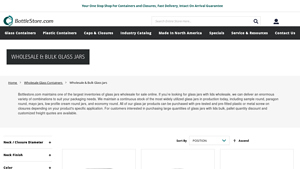
Dominio: bottlestore.com
Registrato: 1998 (27 anni)
Introduzione: Bottlestore.com offers a wide variety of glass jars for wholesale and bulk purchase, including sample round jars, paragon round jars, mayo jars, low profile cream round jars, and economy round jars. All jars can be purchased with pre-tested and pre-fitted plastic or metal screw-on closures. The inventory includes options for large quantity purchases with pallet quantity discounts and customized fr…
2. Glassnow – Eco-Friendly Glass Jars
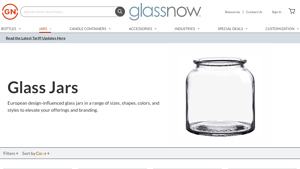
Dominio: glassnow.com
Registrato: 1997 (28 anni)
Introduzione: Glassnow Glass Jars are European design-influenced jars available in various sizes, shapes, colors, and styles. They are eco-friendly, made from 100% recycled glass, and free from BPA and harmful chemicals. The jars are suitable for multiple industries including home fragrance, personal care, gourmet food, and more. Available finishes include cork and threaded options. Key sizes include 1 oz to 16…
3. IKEA – KÖSSEBÄR Jar with Lid

Dominio: ikea.com
Registrato: 1995 (30 anni)
Introduzione: IKEA offers a wide range of mason jars and tins for dry food storage, suitable for items like tea, coffee, sugar, and pasta. The product range includes various shapes, sizes, and styles, allowing for both practical storage and decorative purposes. Key products include:
1. KÖSSEBÄR Jar with lid, clear glass, 34 oz – $4.99
2. KORKEN Jar with lid, clear glass, 34 oz – $2.99 (best seller)
3. IKEA 365…
4. Bormioli Rocco – Canning Jars and Bottles

Dominio: wegmans.com
Registrato: 1995 (30 anni)
Introduzione: This company, Bormioli Rocco – Canning Jars and Bottles, is a notable entity in the market. For specific product details, it is recommended to visit their website directly.
5. Container and Packaging – Glass Jars

Dominio: containereimballaggi.com
Registrato: 2001 (24 anni)
Introduzione: Glass jars are durable, reusable, and non-reactive containers ideal for food storage, canning, and decorative uses. They provide a clear view of contents, making them suitable for preserving foods like jams or organizing snacks.
6. Down To Earth Distributors – Wholesale Glass Jars

Dominio: downtoearthdistributors.com
Registrato: 2001 (24 anni)
Introduzione: This company, Down To Earth Distributors – Wholesale Glass Jars, is a notable entity in the market. For specific product details, it is recommended to visit their website directly.
Strategic Sourcing Conclusion and Outlook for glass jars
As the glass jar market continues to evolve, strategic sourcing remains paramount for international B2B buyers seeking competitive advantage. Key takeaways highlight the versatility of glass jars across various industries, including food, cosmetics, and pharmaceuticals. With a broad range of sizes, styles, and closure options available, companies can tailor their packaging solutions to meet specific product requirements.
Investing in high-quality glass jars not only enhances product presentation but also aligns with sustainability goals, as glass is both recyclable and free from harmful chemicals. Buyers should prioritize suppliers that offer comprehensive inventory and customization options, ensuring that their packaging solutions are both functional and aesthetically appealing.
Looking ahead, the demand for eco-friendly packaging solutions is expected to rise, particularly in emerging markets across Africa, South America, and the Middle East. By proactively engaging with reputable suppliers, businesses can secure favorable terms and innovative packaging designs that resonate with environmentally conscious consumers.
Now is the time to reevaluate your sourcing strategies and explore the diverse offerings in the glass jar market. Embrace the opportunity to elevate your brand with exceptional packaging that meets the demands of today’s discerning consumers.




 Italian
  English
  Russian
  Spanish
  Thai
Thai  French
  Arabic
  Portuguese
  Indonesian
  German






