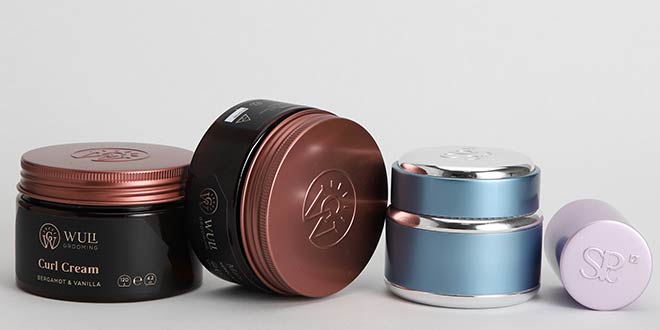
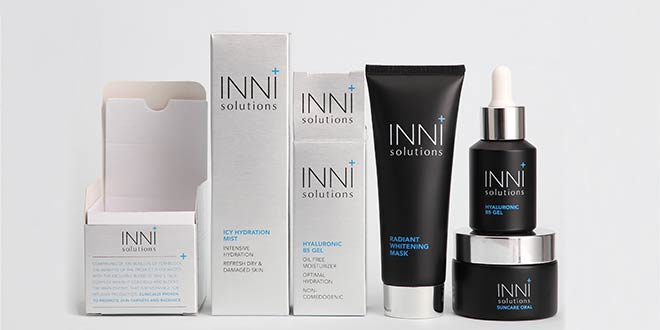
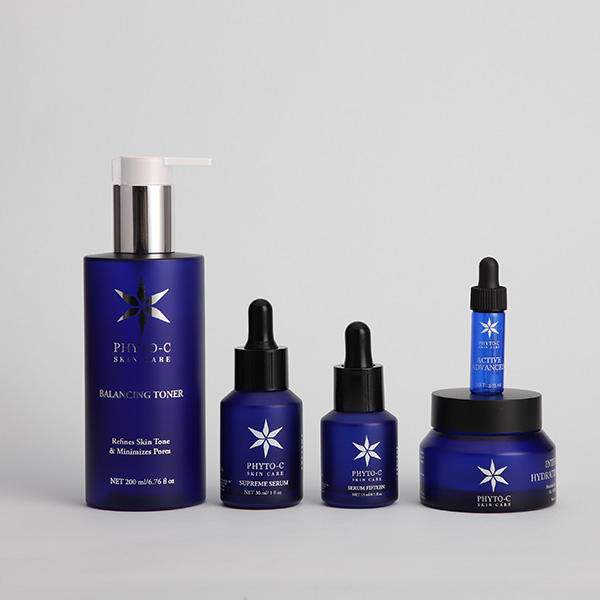
Introduction: Navigating the Global Market for Plastic Cosmetic Packaging
Navigating the global market for plastic cosmetic packaging is a vital endeavor for B2B buyers seeking to enhance their product offerings and meet evolving consumer demands. The significance of plastic cosmetic packaging lies in its ability to combine functionality with aesthetic appeal, ensuring that products not only stand out on shelves but also maintain their integrity throughout their lifecycle. As sustainability becomes increasingly crucial, understanding the materials and manufacturing processes behind these packages is essential for making responsible sourcing decisions.
This comprehensive guide provides an in-depth exploration of various types of plastic packaging, including jars, bottles, tubes, and airless systems. Buyers will gain insights into the materials used, such as PET, HDPE, and biodegradable options, alongside manufacturing quality control standards that ensure product safety and compliance. Additionally, the guide covers key considerations for selecting suppliers, evaluating costs, and understanding market trends across diverse regions, including Africa, South America, the Middle East, and Europe.

By empowering buyers with actionable knowledge, this guide facilitates informed sourcing decisions that align with both budgetary constraints and market expectations. Whether you are in Mexico looking for innovative solutions or in Italy seeking sustainable options, the insights provided here will equip you with the tools necessary to navigate the complexities of the plastic cosmetic packaging market successfully. With the right information at hand, B2B buyers can not only meet regulatory requirements but also enhance their brand image and appeal to environmentally conscious consumers.
Understanding Plastic Cosmetic Packaging Types and Variations
| Nome do tipo | Principais características distintivas | Aplicativos B2B primários | Prós e contras resumidos para compradores |
|---|---|---|---|
| PET Bottles | Lightweight, clear, and recyclable | Skincare, haircare, and fragrance | Prós: Cost-effective, good barrier properties. Contras: Limited temperature resistance. |
| HDPE Containers | Durable and resistant to impact | Creams, lotions, and gels | Prós: Excellent chemical resistance, strong structure. Contras: Less transparent than PET. |
| PP Tubes | Flexible, squeezable, and customizable | Lip balms, creams, and gels | Prós: Versatile design options, good for small quantities. Contras: Can be more expensive than rigid options. |
| PVC Jars | Strong, flexible, and available in various colors | Moisturizers and scrubs | Prós: Attractive appearance, good for branding. Contras: Environmental concerns regarding recyclability. |
| PS Containers | Rigid, lightweight, and easily molded | Makeup and other cosmetic products | Prós: High clarity, great for showcasing products. Contras: Less durable and more prone to breakage. |
PET Bottles
Polyethylene Terephthalate (PET) bottles are widely used in the cosmetic packaging industry due to their lightweight nature and excellent clarity. They are particularly suited for products like skincare lotions and haircare products. When purchasing PET bottles, buyers should consider the recycling options available in their region, as sustainability is increasingly important in consumer purchasing decisions. Additionally, PET provides a good barrier against moisture and gases, making it an ideal choice for preserving product quality.
HDPE Containers
High-Density Polyethylene (HDPE) containers are known for their strength and durability, making them suitable for packaging creams, lotions, and gels. They are resistant to impact and chemicals, which is crucial for products that may contain active ingredients. B2B buyers should evaluate the container’s compatibility with their product formulations and consider the potential for customization in terms of design and size. HDPE is also recyclable, which can enhance a brand’s sustainability profile.
PP Tubes
Polypropylene (PP) tubes are flexible and easily squeezable, making them a popular choice for lip balms, creams, and gels. They offer customization options in terms of design and size, catering to various branding needs. Buyers should assess the costs associated with PP tubes, as they can be more expensive compared to rigid packaging options. However, their versatility and functionality often justify the investment, especially for brands looking to differentiate their products.
PVC Jars
Polyvinyl Chloride (PVC) jars provide an attractive packaging option for moisturizers and scrubs. Their strong and flexible nature allows for various designs, which can enhance brand visibility. However, buyers must be aware of the environmental concerns surrounding PVC, particularly regarding its recyclability. When considering PVC jars, B2B purchasers should weigh the aesthetic benefits against potential sustainability issues, especially in markets where eco-friendliness is a significant consumer priority.
PS Containers
Polystyrene (PS) containers are lightweight and rigid, making them ideal for packaging makeup and other cosmetic products. They are easy to mold into various shapes and provide high clarity, which is beneficial for showcasing product color and texture. However, buyers should be mindful of the durability of PS, as it is more prone to breakage compared to other materials. Evaluating the balance between presentation and sturdiness is essential for brands that prioritize both aesthetics and functionality in their packaging solutions.
Related Video: How to create a Product Packaging Design
Key Industrial Applications of Plastic Cosmetic Packaging
| Indústria/Setor | Specific Application of Plastic Cosmetic Packaging | Valor/benefício para a empresa | Principais considerações de fornecimento para este aplicativo |
|---|---|---|---|
| Beauty and Personal Care | Bottles for skincare products | Lightweight, durable, and customizable designs | Compliance with safety standards, recyclability options |
| Produtos farmacêuticos | Embalagem para pomadas tópicas | Tamper-proof and hygienic, ensuring product integrity | Regulatory compliance, materials safety certifications |
| Alimentos e bebidas | Cosmetic food packaging (edible cosmetics) | Attracts consumers with eye-catching designs | Food-grade material certifications, shelf-life stability |
| Comércio eletrônico | Protective packaging for shipped cosmetic items | Reduces damage during transit, enhances unboxing experience | Cost-effective bulk sourcing, eco-friendly options |
| Fragrance Industry | Vials and sprayers for perfumes | Enhances brand image through premium aesthetics | Customization options, compatibility with fragrance compounds |
No Beauty and Personal Care sector, plastic cosmetic packaging is predominantly used for bottles containing skincare products. These bottles are designed to be lightweight yet durable, offering brands the flexibility to create custom shapes and sizes that appeal to consumers. For international buyers, especially from regions like Africa and South America, understanding local regulations regarding material safety and recyclability options is crucial for compliance and brand reputation.
No Produtos farmacêuticos industry, plastic cosmetic packaging is essential for topical ointments. The packaging must be tamper-proof and hygienic to ensure product integrity and consumer safety. Buyers in the Middle East and Europe should prioritize suppliers that meet stringent regulatory compliance and possess materials safety certifications to mitigate risks associated with product safety.
O Alimentos e bebidas industry is seeing a growing trend in the use of cosmetic packaging for edible cosmetics, such as flavored lip balms or beauty-enhancing snacks. This application leverages attractive designs to capture consumer attention while ensuring compliance with food-grade material certifications. For buyers in Europe, particularly Italy, it is vital to consider shelf-life stability to maintain product quality during distribution.
No Comércio eletrônico sector, protective packaging for shipped cosmetic items plays a pivotal role in minimizing damage during transit. This not only enhances the unboxing experience for consumers but also reduces return rates due to damage. B2B buyers should focus on cost-effective bulk sourcing options that also emphasize eco-friendly materials, aligning with the increasing consumer demand for sustainable packaging solutions.
Lastly, in the Fragrance Industry, vials and sprayers for perfumes are critical components of product presentation. The right packaging enhances brand image through premium aesthetics, which is particularly important for luxury brands. Buyers should consider customization options and ensure compatibility with various fragrance compounds to maintain product integrity and consumer satisfaction.
Related Video: Cosmetic Packaging Innovations
Strategic Material Selection Guide for Plastic Cosmetic Packaging
Analysis of Common Materials for Plastic Cosmetic Packaging
When selecting materials for plastic cosmetic packaging, international B2B buyers must consider various factors including performance properties, cost, and regulatory compliance. Here, we analyze four common materials used in the industry: Polyethylene Terephthalate (PET), Polypropylene (PP), Polyvinyl Chloride (PVC), and Acrylonitrile Butadiene Styrene (ABS).
Tereftalato de polietileno (PET)
Principais propriedades: PET is known for its excellent clarity and strength, with a temperature tolerance of up to 70°C (158°F). It exhibits good barrier properties against moisture and gases, making it suitable for preserving product integrity.
Prós e contras: PET is durable and lightweight, which reduces shipping costs. It is also recyclable, appealing to environmentally conscious consumers. However, it can be more expensive than other plastics and may require specific manufacturing processes that could complicate production.
Impacto no aplicativo: PET is compatible with a wide range of cosmetic products, including lotions and serums, due to its chemical resistance. However, it may not be suitable for high-temperature applications or products containing certain solvents.
Considerações para compradores internacionais: Buyers from regions like Europe and the Middle East should ensure compliance with EU regulations regarding food safety and packaging materials. PET’s recyclability aligns well with sustainability initiatives prevalent in these markets.
Polipropileno (PP)
Principais propriedades: Polypropylene offers a high melting point (up to 100°C or 212°F) and excellent chemical resistance. It is also flexible, making it ideal for various packaging designs.
Prós e contras: The material is cost-effective and has a good balance of strength and weight. However, it is less transparent than PET, which may affect aesthetic appeal. Additionally, its recycling process can be more complicated.
Impacto no aplicativo: PP is suitable for packaging creams and gels, as it can withstand the pressures of filling and sealing processes. Its resistance to moisture makes it ideal for products that require a longer shelf life.
Considerações para compradores internacionais: In regions like Africa and South America, where cost is a significant factor, PP’s affordability can be a major advantage. Buyers should also be aware of local recycling capabilities, as this can influence material choice.
Cloreto de polivinila (PVC)
Principais propriedades: PVC is known for its versatility and durability, with a temperature tolerance ranging from -15°C to 60°C (5°F to 140°F). It can be formulated to be rigid or flexible, depending on the application.
Prós e contras: PVC is highly durable and resistant to environmental degradation, which makes it suitable for long-term use. However, concerns over its environmental impact and potential health risks associated with its production and disposal have led to a decline in its popularity.
Impacto no aplicativo: PVC is often used for packaging items that require a rigid structure, such as bottles for gels and creams. Its chemical resistance allows for compatibility with a variety of cosmetic formulations.
Considerações para compradores internacionais: Buyers in Europe should be particularly cautious of regulations surrounding PVC, as many countries are moving towards more sustainable alternatives. Understanding local regulations is crucial for compliance.
Acrilonitrila Butadieno Estireno (ABS)
Principais propriedades: ABS is a strong and impact-resistant material, with a temperature resistance of up to 80°C (176°F). It is known for its excellent toughness and rigidity.
Prós e contras: ABS offers a high-quality finish and is easy to mold into complex shapes, making it ideal for innovative packaging designs. However, it is not as chemically resistant as other plastics, which can limit its use with certain cosmetic products.
Impacto no aplicativo: This material is often used for rigid packaging solutions, such as jars and containers. Its aesthetic appeal can enhance product presentation, which is crucial in the competitive cosmetics market.
Considerações para compradores internacionais: Buyers from regions like South America may find ABS appealing for its design flexibility. However, they should also consider its compatibility with the types of products they intend to package, ensuring it meets local safety standards.
Tabela de resumo
| Material | Typical Use Case for Plastic Cosmetic Packaging | Principais vantagens | Principais desvantagens/limitações | Custo relativo (baixo/médio/alto) |
|---|---|---|---|---|
| Tereftalato de polietileno (PET) | Bottles for lotions and serums | Excellent clarity and strength | Higher cost and specific manufacturing processes | Médio |
| Polipropileno (PP) | Tubes and containers for creams | Econômico e flexível | Less transparency than PET | Baixa |
| Cloreto de polivinila (PVC) | Rigid packaging for gels and creams | Durable and versatile | Environmental concerns and regulatory scrutiny | Médio |
| Acrilonitrila Butadieno Estireno (ABS) | Jars and containers for cosmetics | High-quality finish and design flexibility | Resistência química limitada | Médio |
This guide provides a comprehensive overview of the strategic material selection for plastic cosmetic packaging, emphasizing the importance of aligning material properties with product requirements and regulatory compliance.
In-depth Look: Manufacturing Processes and Quality Assurance for Plastic Cosmetic Packaging
The manufacturing of plastic cosmetic packaging involves several critical stages and quality assurance processes that ensure the end product meets the necessary standards for safety, functionality, and aesthetics. For international B2B buyers, particularly in regions such as Africa, South America, the Middle East, and Europe, understanding these processes is essential for making informed purchasing decisions.

Processos de fabricação
Preparação de materiais
The first stage in manufacturing plastic cosmetic packaging involves the selection and preparation of raw materials. Commonly used plastics include polyethylene (PE), polypropylene (PP), and polyethylene terephthalate (PET). These materials are chosen based on their properties such as clarity, strength, and barrier performance.
- Material Sourcing: Buyers should ensure that suppliers use high-quality, virgin materials to avoid issues related to contamination or inferior performance.
- Additives: Various additives may be incorporated to enhance properties such as UV resistance, color, and flexibility. Buyers should inquire about these additives and their compliance with safety regulations.
Formação
Once the materials are prepared, the next step is the forming process. This involves converting raw plastic into the desired shape, typically through methods such as:
- Moldagem por injeção: This method is widely used for creating complex shapes. It involves injecting molten plastic into a mold where it cools and solidifies.
- Moldagem por sopro: Commonly used for hollow containers, this process involves inflating a heated plastic tube inside a mold.
- Termoformagem: This technique uses heat to soften plastic sheets, which are then molded into shape. It is often used for producing lids or trays.
Each of these techniques has its own advantages and is chosen based on the packaging design requirements.
Montagem
Post-forming, components may need to be assembled. This could include attaching closures, labels, or any additional functional parts. Automation in assembly can improve efficiency and reduce labor costs.
- Automation vs. Manual Assembly: Buyers should assess whether suppliers use automated systems, as this can enhance precision and reduce human error.
Acabamento
Finishing processes enhance the aesthetic appeal and functionality of the packaging. This stage can include:
- Impressão: High-quality printing techniques (such as flexography or digital printing) allow for branding and regulatory information to be displayed.
- Coating and Treatment: Surface treatments can be applied to improve barrier properties or enhance gloss.
Garantia de qualidade
Quality assurance is crucial in the production of plastic cosmetic packaging to meet both international standards and client specifications.
Padrões internacionais
For B2B buyers, understanding relevant international quality standards is essential. Key standards include:
- ISO 9001: This standard focuses on quality management systems and is applicable to all organizations, ensuring they meet customer and regulatory requirements.
- ISO 14001: This standard pertains to environmental management, which is increasingly important in the cosmetics industry due to sustainability concerns.
Additionally, specific certifications may be required depending on the market, such as:
- Marcação CE: Required in the European Union for products that meet safety, health, and environmental protection standards.
- Certificação API: Relevant for packaging that may come into contact with pharmaceutical products.
Pontos de verificação de controle de qualidade
Quality control (QC) involves systematic checks throughout the manufacturing process. Important checkpoints include:
- Controle de qualidade de entrada (IQC): Assessment of raw materials upon arrival to ensure they meet specified standards.
- Controle de qualidade durante o processo (IPQC): Continuous monitoring during the manufacturing process to catch defects early.
- Controle de qualidade final (FQC): Comprehensive testing of finished products to verify compliance with specifications.
Os métodos de teste comuns incluem:
- Testes físicos: Assessing the strength, flexibility, and impact resistance of the packaging.
- Testes químicos: Ensuring that the materials do not leach harmful substances into the products they contain.
- Teste de desempenho: Evaluating how well the packaging protects the contents under various conditions.
Verificação do controle de qualidade do fornecedor
For international buyers, verifying a supplier’s quality control processes is essential to mitigate risks. Strategies to ensure quality include:
- Auditorias de fornecedores: Conducting on-site audits to review manufacturing practices, equipment, and compliance with standards.
- Relatórios de qualidade: Requesting documentation that details the supplier’s quality control processes, results from recent inspections, and any certifications obtained.
- Inspeções de terceiros: Engaging independent inspectors to assess the quality of products before shipment can provide additional assurance.
Nuances for International Buyers
B2B buyers from diverse regions should be aware of specific nuances in quality assurance and manufacturing practices:
- Conformidade regulatória: Buyers in Europe, for example, must be particularly vigilant about compliance with EU regulations regarding plastic safety and environmental impact.
- Cultural and Regional Differences: Suppliers in different regions may have varying approaches to quality management. Understanding these differences can aid in establishing clearer communication and expectations.
- Sustainability Concerns: Increasingly, buyers are looking for suppliers who prioritize sustainable practices. Inquire about recycling capabilities and the use of biodegradable materials.
By understanding these manufacturing processes and quality assurance practices, international B2B buyers can make informed decisions, ensuring that the plastic cosmetic packaging they source meets their quality standards and regulatory requirements.
Related Video: Plastic Bag Mass Production Factory in Korea. Plastic Bag Manufacturing Process.
Comprehensive Cost and Pricing Analysis for Plastic Cosmetic Packaging Sourcing
To effectively navigate the landscape of plastic cosmetic packaging sourcing, understanding the comprehensive cost structure and pricing analysis is essential for international B2B buyers. This section outlines the key cost components, price influencers, and practical tips for negotiating favorable terms, particularly targeting buyers from Africa, South America, the Middle East, and Europe.
Componentes de custo
When evaluating the total cost of sourcing plastic cosmetic packaging, several critical components come into play:
-
Materiais: The choice of materials significantly impacts costs. Common materials include polyethylene (PE), polypropylene (PP), and polyvinyl chloride (PVC). Prices fluctuate based on raw material availability, market demand, and geographical factors.
-
Trabalho: Labor costs vary widely depending on the manufacturing location. Countries with lower labor costs, such as those in parts of Asia, may offer cheaper production, whereas European manufacturers may have higher wages but potentially better quality assurance.
-
Custos indiretos de fabricação: This includes fixed costs related to production facilities, utilities, and equipment maintenance. Understanding these costs can help buyers assess the overall pricing structure.
-
Ferramentas: Custom molds and tooling are often required for unique packaging designs. This upfront investment can significantly influence the per-unit price, especially for low-volume orders.
-
Controle de qualidade (QC): Implementing stringent QC processes ensures product consistency and compliance with safety standards. Buyers should factor in these costs, particularly when sourcing from regions with less stringent regulations.
-
Logística: Shipping and handling costs can vary based on distance, weight, and chosen Incoterms. Buyers should consider these costs in their total budget, especially when importing from overseas.
-
Margem: Suppliers typically include a profit margin in their pricing, which can vary based on market conditions and competition. Understanding the competitive landscape can aid in negotiating better terms.
Influenciadores de preço
Several factors can influence pricing in the plastic cosmetic packaging market:
-
Volume/MOQ (quantidade mínima de pedido): Larger orders usually command lower prices per unit due to economies of scale. Buyers should assess their demand and negotiate volume discounts where feasible.
-
Especificações/Customização: Custom designs or unique specifications may incur additional costs. Buyers should weigh the benefits of customization against the increased expenses.
-
Materiais e certificações de qualidade: Higher-quality materials and certifications (e.g., ISO, FDA compliance) can increase costs but also enhance product safety and marketability.
-
Fatores do fornecedor: The supplier’s reputation, reliability, and experience can affect pricing. Established suppliers with proven track records may charge more but offer added value in terms of service and quality assurance.
-
Incoterms: Understanding Incoterms is crucial as they define the responsibilities of buyers and sellers in terms of shipping costs and risks. Choosing the right Incoterm can lead to significant cost savings.
Dicas para o comprador
To maximize value when sourcing plastic cosmetic packaging, consider the following strategies:
-
Negociação: Engage in open discussions with suppliers about pricing and terms. Leverage your position as a buyer to secure favorable rates, especially when placing large orders.
-
Eficiência de custo: Look beyond the initial price. Evaluate the Total Cost of Ownership (TCO), which includes purchase price, shipping, duty, and potential wastage or defects.
-
Pesquisa de mercados locais: Understanding regional pricing trends and market dynamics can provide leverage in negotiations. Buyers from Europe, for example, may find different pricing structures compared to those in Africa or South America.
-
Stay Updated on Material Prices: Given the volatility in raw material prices, staying informed can help buyers time their purchases more effectively.
-
Criar relacionamentos com fornecedores: Long-term partnerships often yield better pricing and service. Suppliers may be more inclined to offer discounts or favorable terms to repeat customers.
Isenção de responsabilidade
Prices and cost structures are subject to fluctuation based on market conditions, supplier negotiations, and specific buyer requirements. It is advisable for buyers to conduct thorough market research and consult with multiple suppliers to obtain the most accurate and competitive pricing.
Spotlight on Potential Plastic Cosmetic Packaging Manufacturers and Suppliers
This section offers a look at a few manufacturers active in the ‘Plastic Cosmetic Packaging’ market. This is a representative sample for illustrative purposes; B2B buyers must conduct their own extensive due diligence before any engagement. Information is synthesized from public sources and general industry knowledge.
Google (www.google.com)
Google is a prominent name in technology, with a growing focus on sustainable packaging solutions, including plastic cosmetic packaging. While specific details on their manufacturing capabilities in this sector are limited, Google is recognized for leveraging advanced technology to promote environmentally friendly practices. Their commitment to sustainability is evident in their initiatives aimed at reducing plastic waste and improving recycling processes.
With a global reach, Google has the potential to cater to international B2B buyers, particularly in regions like Africa, South America, the Middle East, and Europe. They emphasize quality and innovation, aligning with global standards that appeal to diverse markets. Although explicit certifications related to plastic cosmetic packaging are not publicly detailed, their overall reputation for quality and technological advancement positions them as a noteworthy player in the industry.
Comparação rápida de fabricantes perfilados
| Fabricante | Breve resumo do foco | Domínio do site |
|---|---|---|
| Sustainable solutions in plastic packaging. | www.google.com |
Essential Technical Properties and Trade Terminology for Plastic Cosmetic Packaging
Key Technical Properties of Plastic Cosmetic Packaging
Understanding the technical properties of plastic cosmetic packaging is crucial for international B2B buyers. These specifications not only influence product performance but also affect costs, sustainability, and compliance with regional regulations. Here are essential properties to consider:
-
Grau do material
The choice of material grade—such as PET, HDPE, or PP—affects the packaging’s durability, barrier properties, and recyclability. Each grade has unique characteristics; for instance, PET is favored for its clarity and strength, while HDPE is known for its chemical resistance. Selecting the right material ensures product integrity and aligns with brand values, especially concerning sustainability. -
Tolerância
Tolerance refers to the acceptable deviation in dimensions during the manufacturing process. Tight tolerances are critical for ensuring that closures fit properly and that the packaging is compatible with filling lines. For buyers, understanding tolerance levels helps prevent production delays and ensures consistent quality across batches. -
Barrier Properties
Barrier properties indicate how well the packaging can protect the contents from external factors like moisture, oxygen, and UV light. High-performance barriers are essential for preserving product quality, particularly for sensitive cosmetic formulations. Buyers should assess these properties to ensure product longevity and consumer satisfaction. -
Compatibility
This property assesses how well the packaging material interacts with the cosmetic product. Some formulations can leach chemicals from packaging, affecting efficacy and safety. Buyers must ensure compatibility to avoid product recalls and maintain brand integrity. -
Reciclabilidade
As sustainability becomes a priority, recyclability is a key factor in material selection. Many regions, especially in Europe, have strict regulations regarding recyclable materials. Buyers should prioritize suppliers who offer eco-friendly options to meet consumer demands and compliance requirements. -
Finish and Texture
The finish and texture of the packaging not only enhance aesthetic appeal but also impact user experience. Whether opting for a matte, glossy, or embossed finish, buyers should consider how these choices align with their branding and customer preferences.
Common Trade Terminology in Plastic Cosmetic Packaging
Navigating the landscape of plastic cosmetic packaging also involves familiarity with industry jargon. Here are some essential terms that B2B buyers should understand:
-
OEM (fabricante original do equipamento)
OEM refers to a company that produces parts or equipment that may be marketed by another manufacturer. For buyers, engaging with OEMs can lead to customized packaging solutions that meet specific branding and functional needs. -
MOQ (Quantidade mínima de pedido)
MOQ is the smallest quantity of a product that a supplier is willing to sell. Understanding MOQs is crucial for buyers to manage inventory costs and ensure that orders align with production schedules. -
RFQ (Request for Quotation, solicitação de cotação)
An RFQ is a document sent to suppliers to solicit price quotes for specific products or services. Buyers should prepare detailed RFQs to receive accurate pricing and terms from potential vendors, facilitating better negotiation outcomes. -
Incoterms (Termos Comerciais Internacionais)
Incoterms are a set of predefined commercial terms published by the International Chamber of Commerce (ICC) that clarify the responsibilities of buyers and sellers in international transactions. Understanding these terms helps buyers mitigate risks related to shipping and delivery. -
Prazo de entrega
Lead time is the amount of time that passes from the initiation of a process until its completion. For buyers, knowing lead times is essential for planning and ensuring that products reach the market in a timely manner. -
Certificação de sustentabilidade
This term refers to third-party validation of a product’s environmental claims, often related to recyclability or the use of recycled materials. Buyers should seek products with sustainability certifications to enhance brand reputation and meet consumer expectations for eco-friendly practices.
By comprehending these technical properties and trade terms, international B2B buyers can make informed decisions that align with their operational goals and market demands.
Navigating Market Dynamics, Sourcing Trends, and Sustainability in the Plastic Cosmetic Packaging Sector
Visão geral do mercado e principais tendências
The plastic cosmetic packaging sector is undergoing significant transformation driven by global consumer trends, regulatory changes, and technological advancements. Key drivers include the increasing demand for sustainable products, the rise of e-commerce, and the need for innovative packaging solutions that enhance user experience. International B2B buyers, particularly in Africa, South America, the Middle East, and Europe, are navigating a landscape where sourcing trends are rapidly evolving.
Emerging technologies such as smart packaging, which incorporates QR codes and NFC technology, allow brands to engage consumers directly and provide product information. Additionally, the shift towards lightweight packaging is gaining traction as companies seek to reduce shipping costs and environmental impact. Notably, the rise of biodegradable and recyclable materials is reshaping product offerings, prompting buyers to reconsider traditional plastic options in favor of eco-friendly alternatives.

Market dynamics are also influenced by regional differences in regulatory environments. For instance, European buyers face stringent regulations regarding plastic waste and recycling, compelling them to prioritize suppliers who adhere to these standards. Conversely, African and South American markets may present opportunities for growth, as infrastructure for recycling and waste management continues to develop. Understanding these regional nuances is critical for international buyers looking to source effectively in a competitive landscape.
Sustentabilidade e fornecimento ético em B2B
Sustainability is not merely a trend but a fundamental requirement for businesses operating in the plastic cosmetic packaging sector. The environmental impact of plastic waste has prompted heightened scrutiny from consumers and regulators alike. For B2B buyers, prioritizing ethical sourcing and sustainable practices is increasingly essential for maintaining brand reputation and compliance with international standards.
Investing in green certifications such as FSC (Forest Stewardship Council) for paper-based materials or ISO 14001 for environmental management can enhance credibility among consumers and partners. Additionally, suppliers offering materials made from recycled plastics or bio-based sources are becoming more attractive. This shift not only addresses environmental concerns but also aligns with the growing consumer demand for transparency in supply chains.
Adopting a circular economy approach, where materials are reused and recycled, can also lead to cost savings and reduced waste. For buyers in emerging markets, partnering with local suppliers who prioritize sustainability can foster community relationships and improve supply chain resilience. As consumer awareness continues to rise, B2B buyers must integrate sustainability into their sourcing strategies to remain competitive.
Breve evolução/história
The evolution of plastic cosmetic packaging has been marked by significant technological advancements and changing consumer preferences. Initially dominated by traditional materials like glass and metal, the sector began to embrace plastics in the mid-20th century due to their lightweight, versatile, and cost-effective properties.
As environmental concerns gained traction in the late 20th and early 21st centuries, the industry faced increasing pressure to innovate. The introduction of recyclable and biodegradable plastics marked a turning point, reflecting a growing commitment to sustainability. Today, the sector continues to evolve, with brands increasingly prioritizing not only functionality and aesthetics but also environmental responsibility in their packaging choices. This historical context highlights the importance of adaptability for B2B buyers navigating the modern landscape of plastic cosmetic packaging.
Related Video: Incoterms® 2020 Explained for Import Export Global Trade
Frequently Asked Questions (FAQs) for B2B Buyers of Plastic Cosmetic Packaging
-
What criteria should I use to vet suppliers for plastic cosmetic packaging?
When vetting suppliers, consider their manufacturing capabilities, quality certifications (such as ISO 9001), and compliance with international standards. Request samples to evaluate the material quality and finish. Investigate their track record by checking references and reviews from other clients, particularly those within your industry. Additionally, assess their financial stability and production capacity to ensure they can meet your demands consistently. -
Can I customize plastic cosmetic packaging designs?
Yes, most suppliers offer customization options for plastic cosmetic packaging. This includes choices in shape, size, color, and branding elements such as logos and labels. To begin the customization process, provide your specifications and any design files. Be aware that custom designs may require longer lead times and could impact minimum order quantities (MOQs), so it’s essential to discuss these factors with your supplier upfront. -
What are typical minimum order quantities (MOQs) and lead times for plastic cosmetic packaging?
MOQs for plastic cosmetic packaging can vary widely depending on the supplier and the complexity of the order. Generally, MOQs can range from 1,000 to 10,000 units. Lead times also depend on the supplier’s production capacity, with standard times ranging from 4 to 12 weeks. To optimize your supply chain, communicate your needs clearly and request production timelines during negotiations to ensure they align with your project schedules. -
What payment terms are commonly accepted in international trade for packaging supplies?
Payment terms for international transactions often include options like advance payment, letters of credit, or payment upon delivery. Common practices involve 30% upfront payment and 70% upon shipment. It’s advisable to negotiate terms that protect your interests, such as using escrow services or trade financing, especially when dealing with new suppliers. Always confirm payment methods and currency exchange rates to avoid unforeseen costs. -
How can I ensure quality assurance (QA) and certifications from suppliers?
To ensure quality assurance, request documentation of certifications such as ISO, FDA compliance (if applicable), and any relevant environmental certifications (like REACH or RoHS). Conduct regular audits and quality checks, and consider third-party inspections before shipment. Establish a clear quality control process, including acceptance criteria, to maintain consistent quality throughout your supply chain. -
What logistics considerations should I keep in mind when sourcing plastic packaging internationally?
Logistics play a crucial role in international sourcing. Consider shipping methods (air vs. sea), costs, and delivery times when planning your order. Understand the customs requirements for your region to avoid delays. It is also beneficial to work with logistics partners experienced in handling packaging materials, as they can provide insights into efficient routing and compliance with import regulations. -
How should I handle disputes with suppliers?
Disputes can arise from misunderstandings or unmet expectations. To manage disputes effectively, establish clear communication channels and document all agreements in writing. If issues occur, address them promptly by reaching out to your supplier to discuss the concerns. Consider mediation or arbitration as alternative dispute resolution methods if direct negotiations fail. It’s prudent to include a dispute resolution clause in contracts to outline steps for resolution. -
What are the key trends in plastic cosmetic packaging that I should be aware of?
Key trends include increasing demand for sustainable and eco-friendly packaging solutions, such as biodegradable plastics and recyclable materials. Additionally, personalization and smart packaging technologies are on the rise, allowing brands to enhance customer engagement. Stay informed about regulatory changes regarding packaging materials and sustainability initiatives in different regions, as these can impact sourcing strategies and consumer preferences.
Strategic Sourcing Conclusion and Outlook for Plastic Cosmetic Packaging
Strategic sourcing in the plastic cosmetic packaging sector is paramount for international buyers looking to enhance operational efficiency and sustainability. By prioritizing supplier relationships, buyers can leverage economies of scale, ensuring cost-effective procurement without compromising on quality. Understanding regional regulations, especially in Europe and emerging markets in Africa and South America, is crucial to mitigate risks associated with compliance and product safety.

Principais conclusões:
- Supplier Diversification: Engage with multiple suppliers to reduce risks and enhance bargaining power.
- Sustainability Focus: Invest in eco-friendly packaging solutions, aligning with global trends towards sustainability that resonate with consumers and regulators alike.
- Inteligência de mercado: Utilize data analytics to monitor market trends and pricing fluctuations, enabling informed decision-making.
As we look to the future, the demand for innovative and sustainable plastic cosmetic packaging will only grow. International buyers should embrace strategic sourcing as a dynamic approach to not only meet market demands but also to lead in sustainability initiatives. Take proactive steps today to align your sourcing strategies with these emerging trends, ensuring your business remains competitive in an evolving landscape.




 Portuguese
 English
 Russian
 Spanish
 Italian
 Thai
 French
 Arabic
 Indonesian
 German