

Introduction: Navigating the Global Market for 50g 100ml 200ml glass packaging for skincare collection
In the dynamic landscape of skincare product development, sourcing high-quality 50g, 100ml, and 200ml glass packaging is a pivotal challenge for international B2B buyers. The right packaging not only enhances product appeal but also aligns with consumer expectations for sustainability and luxury. This guide serves as a comprehensive resource, addressing the nuances of glass packaging options tailored for skincare collections, including jars and bottles designed for creams, lotions, and toners.
Throughout this guide, we will explore various types of glass packaging, their applications, and key considerations for supplier vetting, ensuring that you can make informed purchasing decisions. We will also delve into cost factors, customization options, and eco-friendly alternatives that resonate with today’s environmentally conscious consumers.
By providing actionable insights and expert recommendations, this guide empowers B2B buyers from Africa, South America, the Middle East, and Europe—including key markets like Germany and Saudi Arabia—to navigate the complexities of sourcing glass packaging. Whether you’re launching a new product line or seeking to refresh existing packaging, this resource will equip you with the knowledge needed to enhance your brand’s identity and meet market demands effectively.
Understanding 50g 100ml 200ml glass packaging for skincare collection Types and Variations
| Nome do tipo | Principais características distintivas | Aplicativos B2B primários | Prós e contras resumidos para compradores |
|---|---|---|---|
| Face Cream Jars | Available in 50g size, often with wide openings | Premium face creams and moisturizers | Pros: Elegant design; Cons: Higher cost |
| Lotion Bottles | 100ml and 200ml sizes, often with pump dispensers | Lotions, serums, and body care products | Pros: Easy dispensing; Cons: Limited branding space |
| Toner Bottles | Sleek, often with fine mist spray options | Facial toners and refreshing mists | Pros: Versatile use; Cons: Fragility of glass |
| Frascos conta-gotas | Typically 50g, designed for precise dispensing | Serums and oils | Pros: Precision in application; Cons: Requires careful handling |
| Airless Bottles | 100ml and 200ml, protects product from air exposure | Produtos de cuidados com a pele de alta qualidade | Pros: Extended shelf life; Cons: Higher manufacturing complexity |
What Are the Key Characteristics of Face Cream Jars?
Face cream jars are typically offered in a 50g size, designed for easy access to thick creams and balms. Their wide openings allow for effortless scooping, making them ideal for premium skincare products. B2B buyers should consider the aesthetic appeal and materials used, as glass jars can enhance brand perception. However, the cost may be higher compared to plastic alternatives, which could impact pricing strategies.
How Do Lotion Bottles Differ in Functionality?
Lotion bottles, available in 100ml and 200ml sizes, often feature pump dispensers for convenient application. This design is particularly suited for lotions and serums, allowing for controlled dispensing and reducing waste. B2B buyers should evaluate the ease of use and the potential for branding on these bottles. While they are functional, the limited space for labels might restrict branding opportunities.
Why Choose Toner Bottles for Your Skincare Line?
Toner bottles are designed with a sleek profile and may include fine mist spray options, making them perfect for facial toners and refreshing mists. Their versatility extends to various product types, appealing to a broad range of consumers. Buyers should weigh the advantages of aesthetic appeal against the fragility of glass, which could pose challenges during shipping and handling.
What Advantages Do Dropper Bottles Offer?
Dropper bottles, typically in the 50g range, are engineered for precision dispensing of serums and oils. This feature is particularly appealing for high-end skincare brands focusing on concentrated formulas. B2B purchasers should prioritize the quality of the dropper mechanism, as it affects user experience. However, these bottles require careful handling to avoid breakage, which could lead to product loss.
How Do Airless Bottles Enhance Product Longevity?
Airless bottles, available in 100ml and 200ml sizes, are designed to protect formulations from air exposure, thereby extending shelf life. This feature is crucial for high-end skincare products that rely on active ingredients. Buyers should consider the complexity of manufacturing airless systems, which may lead to higher costs. However, the benefits in product integrity and consumer satisfaction can justify the investment.
Key Industrial Applications of 50g 100ml 200ml glass packaging for skincare collection
| Indústria/Setor | Specific Application of 50g 100ml 200ml glass packaging for skincare collection | Valor/benefício para a empresa | Principais considerações de fornecimento para este aplicativo |
|---|---|---|---|
| Cosméticos | Packaging for luxury face creams and serums | Enhances brand perception through premium presentation | Minimum order quantities, customization options, lead times |
| Cuidados pessoais | Bottles for lotions and toners | Sustainable image, appealing to eco-conscious consumers | Eco-friendly materials, compliance with international standards |
| Produtos farmacêuticos | Containers for dermatological products | Garante a integridade e a segurança do produto | Regulatory compliance, child-resistant options |
| Spa e bem-estar | Jars for organic skincare lines | Reflects quality and natural ingredients | Custom branding, aesthetic appeal |
| Varejo | Point-of-sale display packaging for skincare collections | Attracts customers with elegant designs | Packaging size options, ease of transport and storage |
How is 50g 100ml 200ml glass packaging utilized in the cosmetics industry?
In the cosmetics sector, 50g jars and 100ml to 200ml bottles are frequently used to package luxury face creams and serums. These glass containers not only enhance the visual appeal of the product but also convey a sense of quality and sophistication to consumers. For international B2B buyers, sourcing these products requires attention to minimum order quantities and customization options to align with brand aesthetics. Additionally, suppliers must ensure timely delivery to meet market demands, particularly in competitive markets across Europe and the Middle East.
What benefits does glass packaging offer for personal care products?
For personal care products like lotions and toners, glass packaging is increasingly favored due to its eco-friendly nature and premium feel. This type of packaging supports brands looking to position themselves as environmentally responsible, appealing to a growing demographic of eco-conscious consumers. Buyers should prioritize suppliers that offer sustainable materials and adhere to international safety standards. Furthermore, the ability to customize packaging can enhance brand identity and market differentiation, particularly in regions like Africa and South America where such values resonate strongly with consumers.
Why is glass packaging important in the pharmaceutical sector?
In the pharmaceutical industry, 50g and 100ml to 200ml glass containers are essential for dermatological products. These packaging solutions ensure product integrity by providing a barrier against contaminants, thereby maintaining the efficacy of the formulations. B2B buyers in this sector must consider regulatory compliance and the availability of child-resistant options, especially in markets like Germany and Saudi Arabia, where safety regulations are stringent. Effective sourcing strategies should focus on suppliers who can provide high-quality packaging that meets these critical requirements.
How do spas and wellness centers benefit from glass jars for organic skincare?
Spa and wellness centers often utilize glass jars to package organic skincare lines, as these containers reflect the quality and natural ingredients of the products. The aesthetic appeal of glass enhances the overall customer experience, making it an attractive option for high-end establishments. International buyers should look for suppliers who offer custom branding solutions and can deliver aesthetically pleasing designs that resonate with their clientele. Ensuring that the packaging is suitable for transport and storage is also a key consideration for businesses operating in diverse markets.
What role does elegant packaging play in retail environments?
In retail, 50g to 200ml glass packaging is crucial for point-of-sale displays of skincare collections. The elegance and sophistication of glass attract consumers and encourage impulse purchases. Buyers need to consider packaging size options that facilitate easy transport and storage while maintaining the aesthetic appeal of the product. Collaborating with manufacturers who understand retail dynamics can significantly enhance a brand’s visibility and market presence, especially in competitive regions such as Europe and the Middle East.
3 Common User Pain Points for ’50g 100ml 200ml glass packaging for skincare collection’ & Their Solutions
Scenario 1: Navigating Minimum Order Quantities for Packaging
O problema:
B2B buyers often face challenges when it comes to minimum order quantities (MOQs) for glass packaging. Many manufacturers set high MOQs, which can be a significant hurdle for small to mid-sized skincare brands that may not have the volume to justify such an order. This can lead to inventory issues, excessive upfront costs, and a reluctance to invest in new product lines. For instance, a new skincare brand aiming to launch a limited edition collection may find it difficult to secure the necessary packaging without overcommitting to inventory that could become obsolete.
A solução:
To effectively navigate this challenge, buyers should seek suppliers who offer flexible MOQ options. Engaging with manufacturers that specialize in custom solutions, like Jarsking or Jiaxing Glass, can provide the opportunity to negotiate lower MOQs for unique designs or smaller batch runs. It’s also advisable to collaborate with suppliers that offer pre-designed templates or stock items that can be customized with branding elements, thereby reducing the need for large orders. Additionally, exploring partnerships with other brands to co-purchase packaging can create economies of scale, making it easier to meet MOQ requirements without overextending financially.
Scenario 2: Ensuring Product Integrity During Transportation
O problema:
Transporting glass packaging can be fraught with risks, particularly for fragile items like skincare products. B2B buyers often worry about the potential for breakage or damage during shipping, which not only leads to financial loss but can also delay product launches and damage brand reputation. For instance, a skincare company may receive a shipment of glass jars with several items broken, leading to delays in production and distribution.
A solução:
To mitigate this issue, buyers should prioritize working with suppliers that offer robust packaging solutions designed for the safe transport of glass items. This includes using padded dividers, custom-fit cartons, and protective materials like foam or bubble wrap. Before finalizing an order, it’s beneficial to request samples of the packaging used during transit to assess its durability. Additionally, selecting suppliers who have a proven track record in quality management and logistics can further ensure that products arrive intact. Implementing an insurance policy for shipments can also provide peace of mind against potential losses.
Scenario 3: Achieving Sustainable Packaging Goals
O problema:
With increasing consumer demand for eco-friendly products, many skincare brands are under pressure to adopt sustainable packaging solutions. B2B buyers often grapple with finding glass packaging options that align with their sustainability goals while still maintaining the aesthetic appeal and functionality needed for luxury skincare products. The challenge lies in balancing eco-conscious choices with the need for high-quality packaging that resonates with their target audience.
A solução:
Buyers should actively seek suppliers who specialize in eco-friendly glass packaging solutions. This includes options made from recycled glass or utilizing sustainable materials for caps and labels. Engaging with manufacturers like Jiaxing Glass, known for their commitment to environmental responsibility, can provide access to innovative packaging that meets both aesthetic and sustainability criteria. Buyers should also explore the possibility of refillable packaging designs, which not only reduce waste but can also enhance brand loyalty among environmentally conscious consumers. To further support sustainability efforts, consider implementing take-back programs where customers can return used packaging for recycling or refilling, thereby fostering a circular economy.
Strategic Material Selection Guide for 50g 100ml 200ml glass packaging for skincare collection
What Are the Key Properties of Glass Packaging Materials for Skincare?
When selecting materials for glass packaging in skincare collections, particularly for 50g, 100ml, and 200ml containers, it is essential to consider various types of glass and their properties. The most common materials include standard glass, borosilicate glass, and frosted glass. Each has unique characteristics that impact product performance, durability, and suitability for specific applications.
How Does Standard Glass Perform in Skincare Packaging?
Standard glass is the most widely used material for skincare packaging due to its excellent barrier properties. It is resistant to moisture and oxygen, which helps preserve the integrity of sensitive formulations. However, it has limitations in terms of temperature resistance, typically handling up to 60°C.
Prós:
– Cost-effective and widely available.
– Provides a premium look and feel, enhancing brand perception.
Contras:
– Less durable than other glass types, making it more prone to breakage.
– Limited temperature resistance can restrict product applications.
For international buyers, compliance with standards such as ASTM and DIN is crucial, especially in regions like Europe and the Middle East, where product safety regulations are stringent.
What Are the Advantages of Borosilicate Glass for Skincare Packaging?
Borosilicate glass is known for its superior thermal and chemical resistance, making it ideal for products that may require heating during manufacturing or storage. It can withstand temperature variations from -40°C to 300°C, ensuring that the product remains stable.
Prós:
– Highly durable and resistant to thermal shock.
– Excellent compatibility with a wide range of skincare formulations, including acids and oils.
Contras:
– Generally more expensive than standard glass.
– Heavier, which can increase shipping costs.
For B2B buyers in Africa and South America, where logistics can be challenging, the durability of borosilicate glass can reduce the risk of product loss during transit.
How Does Frosted Glass Enhance Skincare Packaging Aesthetics?
Frosted glass offers a unique aesthetic appeal, often associated with luxury products. The frosted finish not only enhances the visual appeal but also provides a textured surface that is less prone to fingerprints.
Prós:
– Provides a premium look that can elevate brand perception.
– Offers good UV protection, which is beneficial for light-sensitive formulations.
Contras:
– The manufacturing process can be more complex, potentially increasing costs.
– Limited customization options compared to clear glass.
International buyers should consider consumer preferences in their target markets; for instance, frosted glass is often favored in European markets for its sophisticated appearance.
What Should International Buyers Consider When Choosing Glass Packaging Materials?
When selecting glass packaging materials, international buyers must consider compliance with local regulations and standards. In regions like Germany and Saudi Arabia, adherence to environmental regulations and safety standards is critical. Additionally, understanding local market trends, such as the growing demand for eco-friendly packaging, can guide material selection.
Summary Table of Material Selection for Glass Packaging
| Material | Typical Use Case for 50g 100ml 200ml glass packaging for skincare collection | Principais vantagens | Principais desvantagens/limitações | Custo relativo (baixo/médio/alto) |
|---|---|---|---|---|
| Vidro padrão | Face creams, lotions, and toners | Econômico e amplamente disponível | Less durable, limited temperature resistance | Baixa |
| Borosilicate Glass | High-end serums and products requiring thermal stability | Superior thermal and chemical resistance | Higher cost, heavier weight | Alta |
| Vidro fosco | Luxury skincare products and light-sensitive formulations | Premium aesthetic appeal and UV protection | More complex manufacturing, limited customization | Médio |
This strategic material selection guide provides B2B buyers with insights into the properties, advantages, and limitations of various glass types for skincare packaging. Understanding these factors will help in making informed decisions that align with product requirements and market expectations.
In-depth Look: Manufacturing Processes and Quality Assurance for 50g 100ml 200ml glass packaging for skincare collection
What Are the Main Stages of Manufacturing 50g, 100ml, and 200ml Glass Packaging for Skincare?
The manufacturing process for glass packaging, particularly for skincare products, involves several critical stages. Each stage must be meticulously executed to ensure high-quality products that meet the needs of discerning B2B buyers.
-
Preparação de materiais: The process begins with the selection of high-quality raw materials, primarily silica sand, soda ash, and limestone. These materials are sourced from reliable suppliers to ensure consistency and quality. They are then mixed in precise proportions to create the glass batch. For eco-friendly packaging, manufacturers may incorporate recycled glass (cullet), which not only reduces waste but also enhances the sustainability of the final product.
-
Formação: The next step involves shaping the glass into the desired forms—50g jars, 100ml, and 200ml bottles. This is typically achieved using techniques such as blow molding or press molding. In blow molding, molten glass is inflated into molds, while press molding uses a plunger to compress the glass into the mold. Advanced technologies, including automated systems, ensure uniformity and reduce production time, making it easier to meet large order quantities.
-
Montagem: After forming, the glass components—jars and bottles—are carefully inspected for defects. Any faulty pieces are discarded or recycled. Following this, assembly processes include adding closures, caps, and any additional features such as pumps or droppers. This step is crucial as it directly affects the functionality and aesthetic appeal of the packaging.
-
Acabamento: The finishing stage enhances both the appearance and functionality of the glass packaging. Techniques like frosting, silk screening, and electroplating are employed to add decorative elements or branding. A frosted finish may provide a soft touch, while silk-screen printing allows for detailed designs and logos. Quality control checks during this phase ensure that all finishing touches meet brand specifications.
How Is Quality Assurance Implemented in the Manufacturing of Glass Packaging?
Quality assurance is integral to the manufacturing process, ensuring that products not only meet aesthetic standards but also comply with safety regulations.
-
International and Industry-Specific Standards: Adherence to international standards such as ISO 9001 is crucial for manufacturers aiming for global reach. This certification ensures that the company has implemented effective quality management systems. Industry-specific certifications like CE mark or API (Active Pharmaceutical Ingredient) are essential for packaging intended for pharmaceutical or cosmetic use, ensuring safety and efficacy.
-
Pontos de verificação de controle de qualidade: A systematic approach to quality control includes several checkpoints:
- Controle de qualidade de entrada (IQC): This initial checkpoint involves inspecting raw materials upon arrival to ensure they meet predetermined specifications.
- Controle de qualidade durante o processo (IPQC): During production, random samples are taken at various stages to monitor consistency and detect any deviations from quality standards.
- Controle de qualidade final (FQC): After assembly and finishing, products undergo a thorough inspection to ensure they are free from defects and meet all specifications. -
Métodos de teste comuns: Various testing methods are employed to ensure the integrity and safety of glass packaging. These include:
- Inspeção visual: Checking for surface defects, cracks, or inconsistencies.
- Testes dimensionais: Verifying that the dimensions of the jars and bottles match design specifications.
- Teste de pressão: Ensuring that the packaging can withstand the pressures of filling and shipping without compromising integrity.
Como os compradores B2B podem verificar o controle de qualidade do fornecedor?
For international B2B buyers, particularly those from diverse regions such as Africa, South America, the Middle East, and Europe, verifying supplier quality control is vital for ensuring reliable partnerships.
-
Auditorias de fornecedores: Conducting on-site audits allows buyers to assess the manufacturing processes and quality control measures firsthand. This can include reviewing documentation related to quality management systems, observing production practices, and interviewing key personnel.
-
Relatórios de qualidade: Requesting detailed quality reports from suppliers provides insights into their quality assurance processes. These reports should outline the outcomes of various tests conducted, including IQC, IPQC, and FQC results.
-
Inspeções de terceiros: Engaging third-party inspection services can provide an unbiased assessment of a supplier’s quality control practices. These inspections can occur at various stages of production and are particularly useful for ensuring compliance with international standards.
What Are the Specific Quality Control Nuances for International B2B Buyers?
Understanding the nuances of quality control in different regions can aid B2B buyers in making informed decisions.
-
Diferenças culturais e regulatórias: Quality expectations may vary by region. For example, European markets often have stringent regulations regarding cosmetic packaging safety, while buyers in the Middle East may prioritize sustainability and eco-friendliness. It’s essential for buyers to familiarize themselves with local regulations to ensure compliance.
-
Language and Communication Barriers: Clear communication is vital for ensuring that quality standards are understood and upheld. B2B buyers should consider working with suppliers who provide documentation in multiple languages or who have dedicated personnel for international communications.
-
Transparência na cadeia de suprimentos: Buyers should seek suppliers who demonstrate transparency in their supply chains. This includes clear information on sourcing practices, manufacturing processes, and quality control measures. Transparency fosters trust and can lead to more robust business relationships.
In conclusion, understanding the manufacturing processes and quality assurance practices for 50g, 100ml, and 200ml glass packaging is essential for B2B buyers aiming to source high-quality products. By focusing on material preparation, forming, assembly, and finishing, while ensuring compliance with international standards and thorough quality checks, buyers can confidently partner with suppliers to meet their skincare packaging needs.
Practical Sourcing Guide: A Step-by-Step Checklist for ’50g 100ml 200ml glass packaging for skincare collection’
This guide serves as a comprehensive checklist for B2B buyers aiming to source high-quality glass packaging solutions for skincare products, specifically focusing on 50g jars and 100ml and 200ml bottles. With the growing demand for eco-friendly and aesthetically pleasing packaging, this checklist will help streamline your procurement process.
Etapa 1: Defina suas especificações técnicas
Clearly outline the specifications of the glass packaging you require, including size, capacity, and type of closure. This step is crucial because it ensures that suppliers understand your exact needs, preventing costly miscommunications later. Consider aspects such as:
- Qualidade do material: Look for high-quality glass that provides durability and protection for skincare products.
- Design Elements: Decide if you need custom shapes or finishes, such as frosted or glossy, to align with your brand identity.
Etapa 2: Pesquisar possíveis fornecedores
Conduct thorough research to identify reliable suppliers who specialize in glass packaging for cosmetics. This is essential for ensuring you partner with manufacturers who have the capability to meet your quality and design requirements. Focus on:
- Industry Reputation: Check reviews, testimonials, and case studies from other businesses in the skincare sector.
- Capacidade de produção: Ensure the supplier can handle your order volume, particularly if you have a minimum order quantity (MOQ) requirement.
Etapa 3: Avaliar as certificações do fornecedor
Verify that potential suppliers possess relevant certifications, such as ISO or eco-friendly certifications. This step is vital as it reflects the supplier’s commitment to quality and sustainability standards, which are increasingly important in the cosmetics industry. Specifically, look for:
- Quality Management: Certifications that demonstrate adherence to international quality standards.
- Práticas de sustentabilidade: Evidence of environmentally friendly manufacturing processes and materials.
Etapa 4: Solicitar amostras
Before finalizing a supplier, request samples of the glass packaging. This allows you to assess the quality and design firsthand. Evaluate:
- Finish and Texture: Ensure the samples meet your aesthetic requirements and feel appropriate for your brand.
- Funcionalidade: Check the usability of the closure mechanisms and ensure they provide an adequate seal for your products.
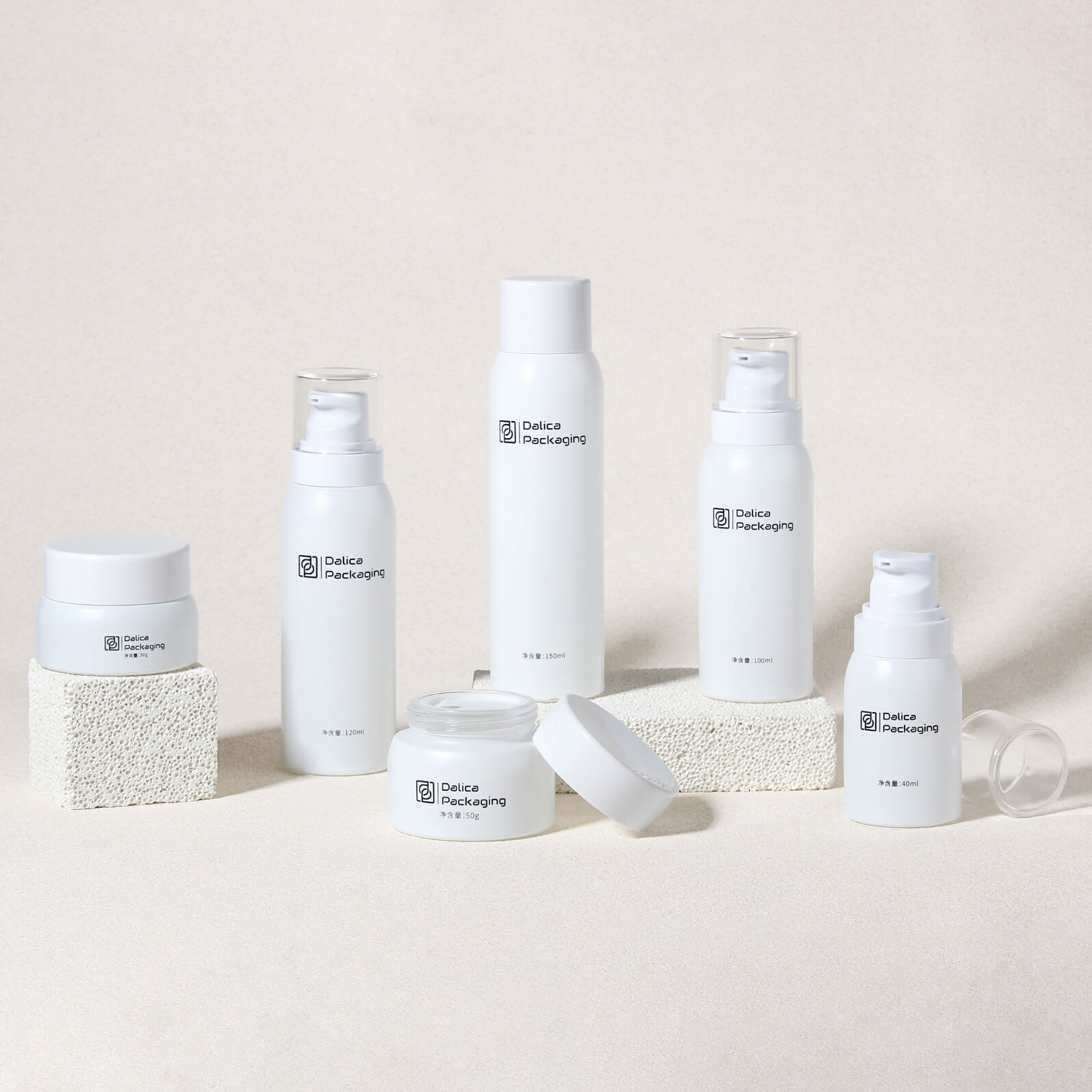
Illustrative image related to 50g 100ml 200ml glass packaging for skincare collection
Etapa 5: Negociar termos e preços
Discuss pricing, payment terms, and delivery timelines with your selected suppliers. This step is crucial for establishing a mutually beneficial relationship. Key points to cover include:
- Bulk Discounts: Inquire about pricing structures for larger orders to maximize cost efficiency.
- Lead Times: Confirm production and delivery timelines to align with your product launch schedules.
Etapa 6: Confirm Logistics and Shipping Arrangements
Ensure that logistics and shipping arrangements are clearly defined before placing your order. This step helps mitigate risks associated with delays or damages during transport. Consider:
- Shipping Partners: Verify if the supplier has reliable shipping partners who specialize in handling fragile items like glass.
- Packaging Standards: Confirm that the products will be securely packed to prevent breakage during transit.
Etapa 7: Estabelecer um processo de controle de qualidade
Set up a quality control process to monitor the packaging upon arrival. This ensures that the products meet your specifications and standards. Important aspects to include are:
- Inspection Protocols: Define how and when inspections will occur to catch any discrepancies early.
- Return Policies: Understand the supplier’s return policies in case the products do not meet your quality expectations.
By following these steps, B2B buyers can effectively navigate the sourcing process for 50g, 100ml, and 200ml glass packaging, ensuring they partner with the right suppliers for their skincare collections.
Comprehensive Cost and Pricing Analysis for 50g 100ml 200ml glass packaging for skincare collection Sourcing
Analyzing the cost structure and pricing for 50g, 100ml, and 200ml glass packaging for skincare collections is crucial for international B2B buyers seeking to optimize their sourcing strategy. Understanding the components that contribute to the overall cost, as well as the factors influencing pricing, enables buyers to make informed decisions that align with their budget and quality requirements.
What Are the Key Cost Components for Glass Packaging?
-
Materiais: The primary cost driver in glass packaging is the raw materials used. High-quality glass, especially if eco-friendly or specialty types like frosted or colored glass, can significantly impact the cost. Additionally, caps and closures—often made from plastic or metal—also contribute to the overall material cost.
-
Trabalho: Labor costs encompass the wages of workers involved in the manufacturing process. This can vary based on the geographical location of the supplier. For instance, labor costs in Europe may be higher compared to those in Asia, affecting the final pricing for buyers.
-
Custos indiretos de fabricação: This includes costs related to factory operations, utilities, and maintenance of machinery. Suppliers may have different overhead rates based on their operational efficiencies, which can influence the final price of the packaging.
-
Ferramentas: Customization often requires specific molds and tooling, which can lead to significant upfront costs. The initial investment in tooling is typically amortized over large production runs, thus affecting the pricing for smaller orders.
-
Controle de qualidade (QC): Ensuring that packaging meets industry standards and client specifications requires a robust QC process. This can add to the costs, particularly if the supplier holds certifications for quality assurance, such as ISO.
-
Logística: Freight and shipping costs can vary based on the destination and chosen Incoterms. International buyers should consider these costs, as they can significantly impact the total expenditure.
-
Margem: Suppliers will typically mark up their costs to achieve a profit margin. Understanding the supplier’s pricing model can help buyers negotiate better deals.
Como os influenciadores de preço afetam as decisões de sourcing?
Several factors influence the pricing of glass packaging, including:
-
Volume/MOQ: Minimum order quantities (MOQ) can affect pricing significantly. Larger orders often lead to lower per-unit costs due to economies of scale. For instance, a MOQ of 5,000 units may be required for glass containers, which can deter smaller brands.
-
Especificações e personalização: Custom designs, colors, and finishes can lead to higher costs. Buyers should weigh the benefits of unique packaging against the additional costs incurred.
-
Qualidade e certificações: Packaging that adheres to strict quality standards or is made from sustainable materials may come at a premium. Certifications can also influence buyer perception and willingness to pay.
-
Fatores do fornecedor: The reputation and reliability of the supplier can affect pricing. Established suppliers with a track record of quality and service may charge higher prices but offer greater assurance.
-
Incoterms: Understanding the terms of shipment and delivery can help buyers manage costs. Terms like FOB (Free on Board) or CIF (Cost, Insurance, and Freight) can shift responsibilities and costs between buyer and seller.
What Are the Best Practices for International B2B Buyers?
-
Negociação: Always negotiate terms and pricing. Suppliers may have flexibility, especially for larger orders or long-term contracts.
-
Eficiência de custo: Consider the total cost of ownership, including logistics and handling, not just the unit price. This holistic view can lead to better sourcing decisions.
-
Nuances de preços: Be aware of regional pricing differences and currency fluctuations that may affect the final cost. This is particularly relevant for buyers in Africa, South America, and the Middle East, where economic conditions can vary widely.
-
Isenção de responsabilidade para preços indicativos: Always request detailed quotes and be cautious of indicative prices. Factors such as material availability and market demand can lead to price fluctuations.
By thoroughly understanding the cost components, price influencers, and best practices for negotiation, international B2B buyers can effectively source glass packaging that meets their quality and budgetary requirements. This strategic approach not only enhances product presentation but also strengthens brand identity in the competitive skincare market.
Alternatives Analysis: Comparing 50g 100ml 200ml glass packaging for skincare collection With Other Solutions
Introduction: Exploring Alternatives in Skincare Packaging
In the competitive landscape of skincare products, the choice of packaging significantly influences brand perception and consumer purchasing behavior. While the 50g, 100ml, and 200ml glass packaging options are celebrated for their aesthetic appeal and product protection, it’s essential to explore alternative packaging solutions. This analysis delves into two viable alternatives: eco-friendly plastic packaging and aluminum containers, comparing them across various performance metrics.
Tabela de comparação
| Aspecto de comparação | 50G 100Ml 200Ml Glass Packaging For Skincare Collection | Eco-Friendly Plastic Packaging | Aluminum Containers |
|---|---|---|---|
| Desempenho | High durability and premium look; excellent barrier properties | Good durability; lightweight but may not provide the same level of protection | Excellent barrier properties; highly durable and recyclable |
| Custo | Higher manufacturing and shipping costs due to weight | Generally lower cost; economical for bulk orders | Moderate cost; can vary based on design and customization |
| Facilidade de implementação | Requires careful handling and specific logistics for shipping | Easy to implement; lightweight and less prone to breakage | Requires specialized machinery for production; moderate implementation complexity |
| Manutenção | Minimal maintenance; requires careful handling to avoid breakage | Low maintenance; may require recycling processes | Low maintenance; easy to clean and recycle |
| Melhor caso de uso | Ideal for luxury brands and premium skincare lines | Best for eco-conscious brands focusing on sustainability | Suitable for brands prioritizing durability and recyclability |
Análise detalhada das alternativas
Eco-Friendly Plastic Packaging
Eco-friendly plastic packaging has gained traction in recent years, particularly among brands aiming to reduce their environmental impact. This type of packaging is typically made from recycled materials, which aligns well with sustainability goals. The key advantages include lower production costs and lighter weight, making shipping more efficient. However, eco-friendly plastics may not offer the same level of product protection as glass, potentially affecting product longevity. Additionally, while they appeal to eco-conscious consumers, they may lack the luxury feel associated with glass, which could be a drawback for premium skincare brands.
Aluminum Containers
Aluminum packaging is another alternative worth considering. These containers provide exceptional barrier properties, protecting products from light and air exposure. This characteristic is particularly beneficial for skincare products that may degrade when exposed to environmental factors. Aluminum is also highly recyclable, appealing to brands focused on sustainability. However, the cost of aluminum can vary based on design and customization, and it may require specialized production techniques, adding complexity to the implementation process. Furthermore, while aluminum can convey a sense of modernity, it may not evoke the same luxury image as glass.
Conclusion: Making the Right Choice for Skincare Packaging
When selecting the most suitable packaging solution for skincare products, B2B buyers must consider various factors, including brand positioning, target audience, and product type. The 50g, 100ml, and 200ml glass packaging offers a premium aesthetic and excellent product protection, making it an ideal choice for luxury brands. However, eco-friendly plastic and aluminum containers present compelling alternatives, especially for brands focused on sustainability or durability. Ultimately, the right choice will depend on the brand’s specific needs, market positioning, and consumer expectations, ensuring that the selected packaging solution aligns with their overall business strategy.
Essential Technical Properties and Trade Terminology for 50g 100ml 200ml glass packaging for skincare collection
What Are the Key Technical Properties of 50g, 100ml, and 200ml Glass Packaging for Skincare?
When selecting glass packaging for skincare products, understanding the essential technical properties is crucial for ensuring product safety, aesthetic appeal, and brand integrity. Here are several key specifications:
-
Grau do material
Glass packaging primarily utilizes soda-lime glass or borosilicate glass. Soda-lime glass is cost-effective and widely used for cosmetic containers, while borosilicate glass offers enhanced thermal resistance and durability. For B2B buyers, the choice of material impacts the product’s shelf life and consumer perception of quality. -
Níveis de tolerância
Tolerance refers to the allowable variation in dimensions during manufacturing. For instance, a typical tolerance for glass jars can range from ±0.5 mm to ±1.0 mm. Precise tolerances are vital in ensuring that caps and dispensers fit correctly, which prevents leakage and ensures a better user experience, thus protecting brand reputation. -
Opções de tratamento de superfície
Glass containers can undergo various surface treatments, such as silk screening, frosting, or electroplating. These treatments enhance the aesthetic appeal and can provide additional branding opportunities. B2B buyers should consider how surface treatments align with their brand identity and consumer preferences. -
Capacity Specifications
The capacity of glass jars and bottles—50g for jars and 100ml or 200ml for bottles—must align with product formulations and target markets. Understanding capacity is essential for pricing strategies and inventory management, as it directly influences production volumes and shipping logistics. -
Personalização
The ability to customize glass packaging in terms of color, shape, and design is a significant selling point. Customization allows brands to differentiate themselves in a competitive market. B2B buyers should prioritize suppliers that offer flexible solutions to adapt to their branding requirements. -
Quantidade mínima de pedido (MOQ)
The MOQ for glass packaging often starts at 5,000 units, depending on the supplier. Understanding MOQ is crucial for managing budgets and production schedules, especially for new brands entering the market.
What Are Common Trade Terms in the Glass Packaging Industry?
A familiaridade com o jargão do setor é essencial para uma comunicação e negociação eficazes em transações B2B. Aqui estão vários termos comuns:
-
OEM (fabricante original do equipamento)
OEM refers to companies that manufacture products based on specifications provided by another company. In the context of glass packaging, buyers may work with OEMs to create custom designs that meet their branding needs. -
MOQ (Quantidade mínima de pedido)
MOQ is the smallest quantity of product that a supplier is willing to sell. Understanding MOQ helps buyers plan their inventory and cash flow, as lower quantities may lead to higher per-unit costs. -
RFQ (Request for Quotation, solicitação de cotação)
An RFQ is a formal document requesting price quotes from suppliers for specific products or services. This is a crucial step in the procurement process, allowing buyers to compare prices and terms from multiple suppliers. -
Incoterms (Termos Comerciais Internacionais)
Incoterms are standardized terms used in international trade to define the responsibilities of buyers and sellers regarding shipping, insurance, and tariffs. Familiarity with Incoterms ensures that both parties understand their obligations, helping to avoid disputes. -
Prazo de entrega
Lead time is the duration it takes from placing an order to receiving the product. In the glass packaging industry, lead times can vary significantly based on customization and production schedules. Understanding lead times helps brands plan product launches and inventory levels effectively. -
Padrões de sustentabilidade
As environmental concerns rise, sustainability standards refer to the criteria that packaging must meet to be considered eco-friendly. Buyers should seek suppliers that adhere to these standards to align with consumer preferences for sustainable products.
By grasping these technical properties and trade terms, B2B buyers can make informed decisions, ensuring they select the right glass packaging solutions for their skincare collections while fostering successful supplier relationships.
Navigating Market Dynamics and Sourcing Trends in the 50g 100ml 200ml glass packaging for skincare collection Sector
What Are the Current Market Dynamics and Key Trends in 50g, 100ml, and 200ml Glass Packaging for Skincare?
The global skincare packaging market is witnessing a notable shift toward premium glass packaging solutions, particularly in the 50g, 100ml, and 200ml categories. This trend is driven by increasing consumer demand for sustainable and aesthetically pleasing packaging that enhances brand identity. Buyers from regions such as Africa, South America, the Middle East, and Europe, especially Germany and Saudi Arabia, are particularly focused on the dual aspects of functionality and luxury. The rise of e-commerce has also accelerated the need for packaging that not only protects products but also serves as an effective marketing tool.
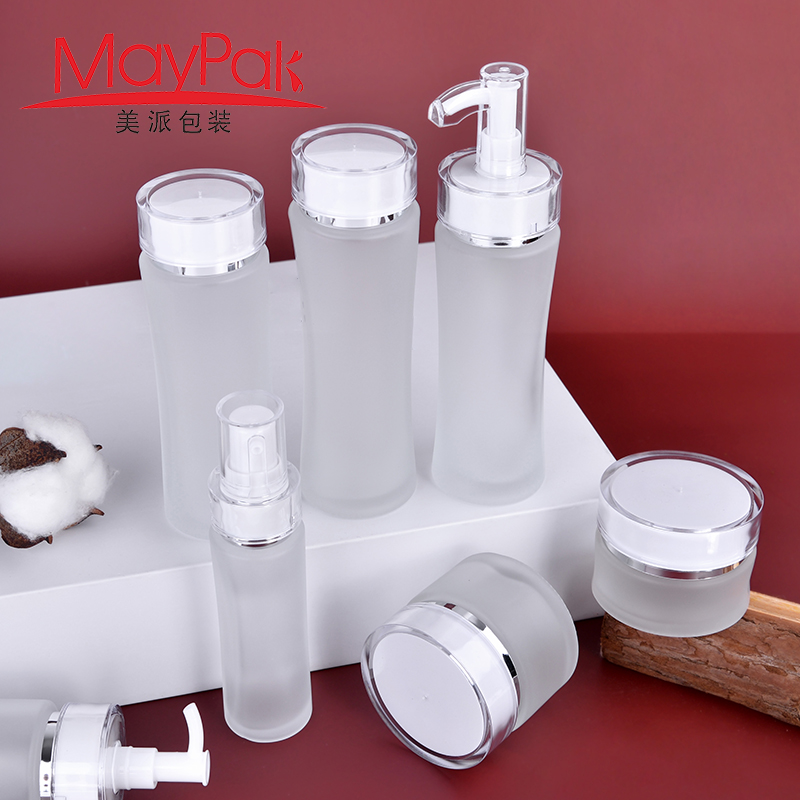
Illustrative image related to 50g 100ml 200ml glass packaging for skincare collection
Emerging technologies in packaging design, such as 3D modeling and eco-friendly materials, are reshaping the landscape. International buyers are increasingly seeking suppliers who can offer customized solutions that reflect their brand ethos while adhering to market standards. Additionally, the trend towards minimalistic and clean designs is becoming prevalent, with an emphasis on transparent labeling and easy recyclability.
Furthermore, the growing trend of personalization in skincare products is prompting brands to adopt packaging that can easily accommodate smaller batch sizes or unique product variations, allowing for greater flexibility in marketing strategies. As a result, manufacturers must adapt to these market dynamics by investing in innovative designs and sustainable materials that cater to diverse consumer preferences.
How Is Sustainability and Ethical Sourcing Influencing B2B Decisions in the Glass Packaging Sector?
Sustainability is no longer a mere buzzword; it is a critical factor influencing purchasing decisions in the glass packaging sector. The environmental impact of packaging materials is under increased scrutiny, prompting brands to prioritize eco-friendly options. For B2B buyers, particularly in markets like Europe and North America, sourcing glass packaging that is recyclable, reusable, or made from post-consumer recycled (PCR) materials is essential.
Ethical sourcing practices are becoming a baseline expectation rather than a value-added feature. Buyers are increasingly looking for suppliers who can demonstrate responsible sourcing, ensuring that materials are procured in a manner that minimizes harm to the environment and supports fair labor practices. Certifications such as FSC (Forest Stewardship Council) for sustainable wood products and various ISO standards for environmental management can serve as important indicators of a supplier’s commitment to sustainability.
Moreover, the shift towards ‘green’ certifications and materials is not only about compliance; it is also about creating a competitive advantage. Brands that can showcase their commitment to sustainability through their packaging are likely to resonate more with eco-conscious consumers, thereby enhancing their marketability. This trend will continue to shape supplier-buyer relationships, as companies that fail to align with sustainable practices risk losing relevance in an increasingly eco-aware marketplace.
What Is the Historical Context of Glass Packaging in the Skincare Sector?
The use of glass packaging for skincare products has evolved significantly over the decades. Initially, glass was favored for its inert properties and ability to preserve product integrity, particularly for sensitive formulations. As the skincare market expanded and diversified, so too did the designs and functionalities of glass containers. The introduction of various shapes, sizes, and closures allowed brands to distinguish themselves in a crowded marketplace.
Over the years, the focus has shifted from purely functional packaging to aesthetic and sustainable solutions. In recent years, the resurgence of interest in eco-friendly materials has led to innovative approaches in glass production, such as the use of recycled glass and the development of lighter, more sustainable designs. This evolution reflects broader consumer trends toward wellness and sustainability, underscoring the importance of packaging as a critical touchpoint in the consumer experience.
As the industry continues to evolve, B2B buyers must remain attuned to these historical shifts to better understand market demands and anticipate future trends.
Frequently Asked Questions (FAQs) for B2B Buyers of 50g 100ml 200ml glass packaging for skincare collection
1. How can I ensure quality when sourcing 50g, 100ml, and 200ml glass packaging for skincare?
To guarantee quality, start by vetting suppliers through their certifications and production processes. Request samples to assess the glass quality, finish, and overall design. Look for suppliers with a strong track record in quality assurance (QA) and compliance with international standards. It’s also advisable to visit manufacturing facilities if possible, or rely on third-party inspection services to confirm that the products meet your specifications before placing bulk orders.
2. What customization options are available for glass packaging in skincare collections?
Customization options for glass packaging typically include size, shape, color, and surface treatment (e.g., frosted, glossy). Many suppliers offer silk screen printing, labeling, and even decorative elements like electroplating or hot stamping. Discuss your brand’s aesthetic requirements with suppliers to ensure that the packaging aligns with your product identity. Minimum order quantities (MOQs) may vary based on customization, so clarify this upfront.
3. What are the minimum order quantities (MOQ) for glass packaging in skincare?
MOQs for glass packaging can differ significantly based on the supplier and the specific product. Generally, MOQs for glass containers like 50g jars and 100ml or 200ml bottles range from 5,000 to 10,000 units. It’s essential to confirm the MOQ before proceeding, as lower quantities may not be feasible for glass production due to the costs involved in molding and manufacturing.
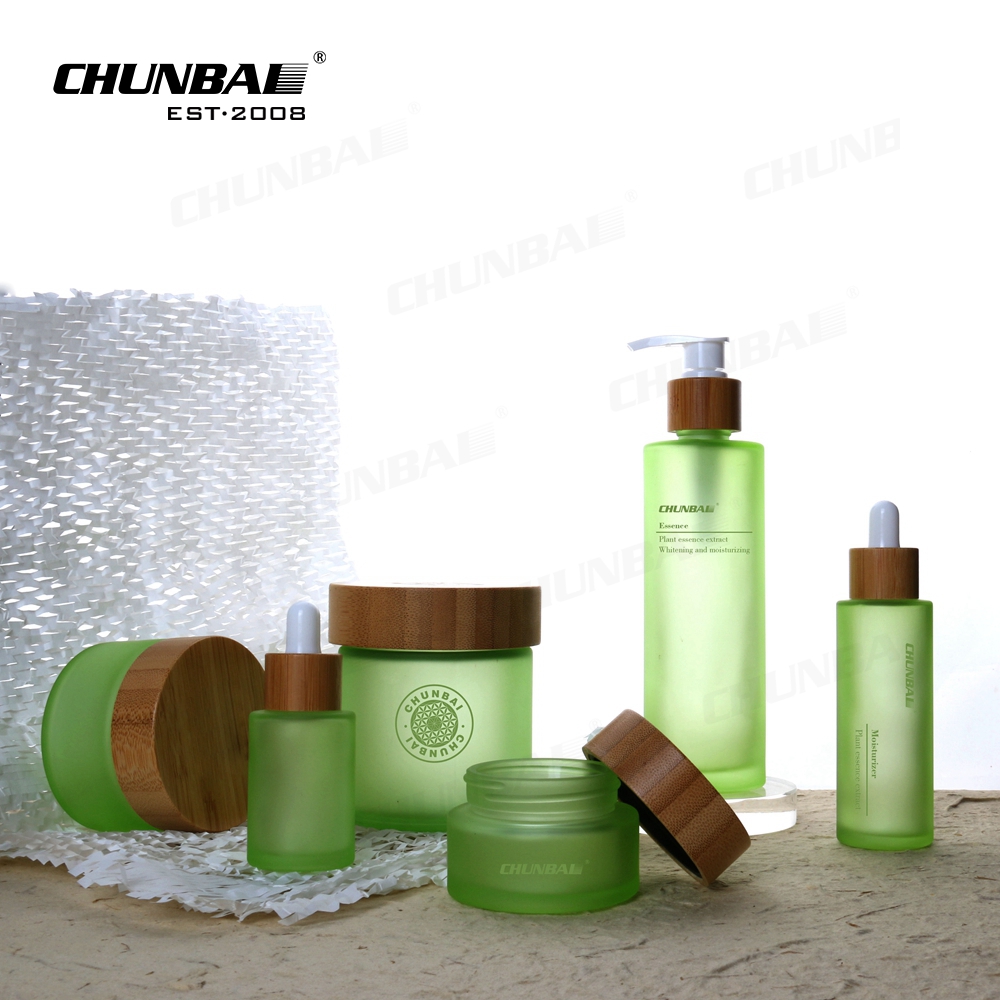
Illustrative image related to 50g 100ml 200ml glass packaging for skincare collection
4. Que condições de pagamento devo esperar ao comprar de fornecedores internacionais?
Payment terms can vary widely among suppliers but typically include options like a deposit upfront (usually 30%) and the balance before shipment. Some suppliers may also offer letters of credit or payment upon delivery. It’s crucial to negotiate terms that work for your cash flow while ensuring the supplier is protected. Always clarify any additional fees related to international transactions and customs duties.
5. How do I manage logistics when importing glass packaging from international suppliers?
Managing logistics involves coordinating shipping methods, customs clearance, and delivery timelines. Work with suppliers who have experience in international shipping to ensure compliance with local regulations. Choose reliable freight forwarders familiar with customs procedures in your country. Consider shipping insurance to protect against potential damages during transit, especially for fragile glass products.
6. What should I look for in a supplier to ensure reliability?
When selecting a supplier, assess their production capacity, lead times, and customer service responsiveness. Check for industry certifications such as ISO or other quality management systems. Reading client testimonials and case studies can provide insights into their reliability. Building a relationship with suppliers who demonstrate transparency and consistent communication is crucial for long-term success.
7. How can I verify the sustainability practices of my packaging supplier?
To verify sustainability practices, request documentation regarding the materials used, such as recycled glass or eco-friendly finishes. Ask about their manufacturing processes and waste management policies. Suppliers may have sustainability certifications that indicate adherence to environmental standards. Engaging in open discussions about their sustainability initiatives can also give you a clearer picture of their commitment to environmentally friendly practices.
8. What are the common challenges faced when sourcing glass packaging internationally?
Common challenges include understanding import regulations, navigating customs processes, and dealing with potential delays in shipping. Language barriers and time zone differences can complicate communication with suppliers. Additionally, fluctuations in currency exchange rates may impact pricing. Conducting thorough research and establishing strong communication channels with your supplier can help mitigate these challenges effectively.
Top 7 50G 100Ml 200Ml Glass Packaging For Skincare Collection Manufacturers & Suppliers List
1. Jarsking – Glass Packaging for Skincare Collection
Domínio: jarsking.com
Registrado: 2022 (3 anos)
Introdução: {“Product Name”:”50g 100ml 200ml Glass Packaging for Skincare Collection”,”Capacity”:”50g jar, 100ml and 200ml bottles”,”Color”:”Customized”,”Material”:”glass bottle, plastic cap”,”Use”:”face cream, cleanser, toner, face lotion”,”MOQ”:”5000″,”Delivery Packing”:”standard export carton packing”,”Surface Treatment”:”silk screen, frosting, electroplating, color coating, 3D printing, hot stamping”}
2. Glass Cosmetic Bottles – Eco Friendly Beauty Packaging

Domínio: glass-cosmetic-bottles.com
Introdução: {“Product Name”: “Eco Friendly Beauty Packaging”, “Capacity”: [“50g”, “100ml”, “200ml”], “Material”: “High quality glass”, “Usage”: [“Essence”, “Essential oil”, “Facial cream”, “Toner”, “Moisturizing water”], “MOQ”: “10000”, “Customization”: “Supports on-demand customization and selection customization”, “Surface Technology”: [“Silk screen”, “Frosted”, “Electroplating”, “Color spray”, “Hot stampin…
3. Nicer Packaging – NPG-BW024 Glass Jar & Lotion Bottle

Domínio: nicerpackaging.com
Registrado: 2020 (5 anos)
Introdução: {“Product Name”: “NPG-BW024”, “Type”: “Glass jar + mist/lotion bottle”, “Usage”: “Containing Face cream, Moisturizing Cream, Lotion, Moisturizing water, Foundation, etc.”, “SKU”: “NPG-BW024”, “Capacity”: [“50g”, “40ml”, “50ml”, “100ml”, “120ml”], “Customized MOQ”: “10,000 for deep customization, 5,000 for simple customization”, “Custom Service”: “Available”, “Shipment Methods”: [“Sea shipment”, “a…
4. VankyPkg – Skincare Packaging Solutions
Domínio: vankypkg.com
Registrado: 2022 (3 anos)
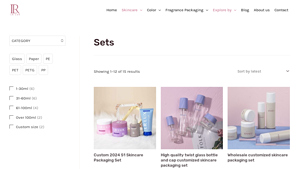
Introdução: Sets of skincare packaging including high quality twist glass bottles, customized square shape glass bottles, creative rose red packaging, deep customized pink and purple plastic packaging, amber glass and plastic packaging in sizes 20ml, 30ml, 50ml, 100ml, and 50g. Options for mint green, red plastic paper, soft touch HDPE green bottles in sizes 50g, 100ml, 200ml, 250ml, and various customized pl…
5. Yixinglass – Luxury Cosmetic Bottle Sets

Domínio: yixinglass.com
Registrado: 2021 (4 anos)
Introdução: cosmetic glass bottle set, includes cream jar, perfume bottle, essential oil bottle, plastic bottles for cosmetics, cosmetic liquid foundation, cosmetic cream serum bottle; sizes available: 125ml, 100ml, 60ml, 15ml, 100g, 50g, 30g; features: customized options, luxury clear blue cosmetic face lotion cream glass bottle jar packaging set with pump, high-end thick bottom skincare packaging, frosted b…
6. Litaipack – Skincare Glass Bottles & Jars

Domínio: litaipack.com
Registrado: 2021 (4 anos)
Introdução: Collection: Skincare Glass Bottle and Jar; Factory price, customization available; Customizable logo, spraying, screen printing, offset printing, hot stamping; Customizable exclusive gift box; Availability: In stock (51 products), Out of stock (14 products); Price range: Up to $200.00; Products include: Empty Slant Shoulder Custom Printed Face Cream Jar, Thick Bottom Skin Care Packaging Golden Cos…
7. Glass Bottle Custom – Skincare Glass Bottles and Jars

Domínio: glassbottlecustom.com
Registrado: 2024 (1 ano)
Introdução: Model: YF270D, Product Name: Skincare Glass Bottles and Jars for Cosmetic Packaging, Capacity: Jar: 30g 50g 100g / Bottle: 30ml 50ml 100ml 120ml, Color: Customized, Material: Glass bottle / PP Plastic Pump / ABS plastic cap, Use: Serum, essential oil, lotion, perfume, liquid, face cream, eye cream, lip scrub, MOQ: 5,000PCS, Delivery Packing: Standard export carton packing, Surface Treatment: Color…
Strategic Sourcing Conclusion and Outlook for 50g 100ml 200ml glass packaging for skincare collection
What Are the Key Takeaways for B2B Buyers in Glass Packaging?
In summary, the strategic sourcing of 50g, 100ml, and 200ml glass packaging for skincare collections presents significant opportunities for international B2B buyers. The elegance and functionality of glass packaging not only enhance product appeal but also align with the growing consumer demand for sustainable and premium packaging solutions. By prioritizing eco-friendly materials and customizable designs, brands can effectively differentiate themselves in competitive markets across Africa, South America, the Middle East, and Europe.
How Does Strategic Sourcing Benefit Your Business?
Strategic sourcing enables buyers to secure high-quality products while optimizing costs and improving supply chain efficiency. Collaborating with reputable manufacturers like Jarsking and Jiaxing Glass ensures timely delivery and adherence to international quality standards, essential for maintaining brand integrity. As the skincare market continues to evolve, investing in innovative packaging solutions will be critical to meet consumer expectations and drive sales.
What’s Next for International B2B Buyers?
Looking ahead, international buyers are encouraged to engage with suppliers that offer comprehensive support, including design consultation and fast prototyping services. Embrace the opportunity to elevate your skincare line with exquisite glass packaging that resonates with your brand’s ethos. Connect with trusted manufacturers today to explore how strategic sourcing can transform your product offerings and enhance your market presence.
Illustrative image related to 50g 100ml 200ml glass packaging for skincare collection
Isenção de responsabilidade e termos de uso importantes
⚠️ Isenção de responsabilidade importante
As informações fornecidas neste guia, inclusive o conteúdo referente a fabricantes, especificações técnicas e análise de mercado, são apenas para fins informativos e educacionais. Elas não constituem aconselhamento profissional sobre compras, aconselhamento financeiro ou aconselhamento jurídico.
Embora tenhamos feito todos os esforços para garantir a precisão e a atualidade das informações, não nos responsabilizamos por erros, omissões ou informações desatualizadas. As condições de mercado, os detalhes da empresa e os padrões técnicos estão sujeitos a alterações.
Os compradores B2B devem realizar sua própria due diligence independente e completa antes de tomar qualquer decisão de compra. Isso inclui entrar em contato diretamente com os fornecedores, verificar as certificações, solicitar amostras e buscar consultoria profissional. O risco de confiar em qualquer informação contida neste guia é de responsabilidade exclusiva do leitor.




 Portuguese
  English
  Russian
  Spanish
  Italian
  Thai
Thai  French
  Arabic
  Indonesian
  German






