

Introduction: Navigating the Global Market for Lotion Containers Wholesale
Navigating the global market for lotion containers wholesale can be a daunting task for international B2B buyers, particularly those from regions like Africa, South America, the Middle East, and Europe. With a plethora of options available, sourcing the right lotion containers that meet both quality and budgetary requirements is a key challenge. This guide is designed to empower businesses by providing a comprehensive overview of the various types of lotion containers, including plastic and glass options, as well as the applications suited for each type.
We delve into the nuances of supplier vetting, ensuring that buyers can identify reputable manufacturers who adhere to international standards. Cost considerations are also covered, offering insights into bulk purchasing strategies that can maximize value while minimizing expenses. Furthermore, we explore emerging trends in packaging that resonate with modern consumers, such as sustainability and customization.
By equipping buyers with actionable insights and practical tips, this guide facilitates informed purchasing decisions, ultimately enhancing the efficiency of supply chains across diverse markets. Whether you’re a small business owner in Brazil looking to expand your product line or a distributor in Vietnam seeking reliable suppliers, this resource will serve as a vital tool in your quest for the perfect lotion containers.
Understanding Lotion Containers Wholesale Types and Variations
| Nome do tipo | Principais características distintivas | Aplicativos B2B primários | Prós e contras resumidos para compradores |
|---|---|---|---|
| Garrafas plásticas | Lightweight, shatter-resistant, available in various sizes and colors. | Personal care products, lotions, shampoos. | Prós: Econômico e versátil. Contras: Less premium feel compared to glass. |
| Glass Jars | Durable, premium aesthetic, excellent for preserving product integrity. | High-end skincare, body butters, creams. | Prós: Eco-friendly, maintains product quality. Contras: Heavier, more expensive to ship. |
| Frascos com bomba Airless | Prevents air exposure, extends shelf life, often made of plastic or glass. | Anti-aging creams, serums, lotions. | Prós: Reduces contamination, user-friendly. Contras: Higher initial cost, limited styles. |
| Travel-Sized Containers | Compact, often with secure closures, designed for portability. | Sample distributions, travel kits. | Prós: Encourages trial, convenient for consumers. Contras: Smaller volume may not meet bulk needs. |
| Tubos | Squeezeable, often with flip-top caps, available in various materials. | Lotions, creams, sunscreens. | Prós: Easy dispensing, lightweight. Contras: Limited to certain product types, may not be as visually appealing. |
What are the Characteristics and Suitability of Plastic Bottles for Lotion Packaging?
Plastic bottles are a popular choice for lotion containers due to their lightweight and shatter-resistant properties. They come in a variety of sizes and colors, making them suitable for a wide range of personal care products, including lotions and shampoos. For B2B buyers, the cost-effectiveness and versatility of plastic bottles make them an attractive option, although they may lack the premium feel that glass containers offer.
Why are Glass Jars Considered Premium Options for Lotion Products?
Glass jars are favored for their durability and premium aesthetic, making them ideal for high-end skincare products, such as body butters and creams. They excel in preserving product integrity, preventing contamination, and enhancing the overall brand image. However, B2B buyers should consider the higher shipping costs and weight associated with glass, which can impact logistics and pricing.
How Do Airless Pump Bottles Enhance Product Longevity?
Airless pump bottles are designed to prevent air exposure, which can significantly extend the shelf life of lotions and creams. These containers are often made from plastic or glass and are particularly suitable for anti-aging products and serums. B2B buyers appreciate their user-friendly design and reduced contamination risk, although the initial investment is typically higher than standard containers.
What Benefits Do Travel-Sized Containers Offer to B2B Buyers?
Travel-sized containers are compact and designed for portability, making them perfect for sample distributions or travel kits. They often feature secure closures to prevent leaks and spills. While they encourage consumer trials and are convenient for on-the-go use, B2B buyers must consider that their smaller volume may not meet bulk needs for larger retail operations.
Why Are Tubes a Practical Choice for Certain Lotion Products?
Tubes are a practical option for lotion packaging, featuring squeezeable designs that allow for easy dispensing. They are lightweight and often equipped with flip-top caps, making them convenient for products like lotions, creams, and sunscreens. However, B2B buyers should note that tubes may be limited to specific product types and may not provide the same visual appeal as other container styles.
Key Industrial Applications of Lotion Containers Wholesale
| Indústria/Setor | Specific Application of Lotion Containers Wholesale | Valor/benefício para a empresa | Principais considerações de fornecimento para este aplicativo |
|---|---|---|---|
| Cosméticos e cuidados com a pele | Embalagens para loções, cremes e soros | Enhances brand image and preserves product integrity | Material quality, design aesthetics, and regulatory compliance |
| Produtos farmacêuticos | Containers for topical medications and creams | Ensures product safety and efficacy while meeting health standards | Child-resistant features, sterilization options, and size variations |
| Alimentos e bebidas | Packaging for edible lotions and creams (e.g., health supplements) | Attracts consumers and complies with food safety regulations | Food-grade materials, labeling requirements, and shelf life |
| Travel and Hospitality | Travel-sized lotion containers for hotels and resorts | Provides convenience for guests and enhances customer satisfaction | Durability, lightweight design, and branding options |
| Spa and Wellness Centers | Eco-friendly containers for organic lotions and creams | Aligns with sustainability goals and appeals to eco-conscious consumers | Biodegradable materials, refillable options, and customization |
How Are Lotion Containers Used in the Cosmetics and Skincare Industry?
In the cosmetics and skincare industry, lotion containers are essential for packaging products such as moisturizers, serums, and creams. These containers not only enhance the aesthetic appeal of the product but also protect it from environmental factors that could compromise quality. For international buyers, especially from regions like Africa and South America, understanding local regulations regarding packaging materials is crucial. Additionally, selecting containers that comply with regional cosmetic standards can prevent costly compliance issues.
What Role Do Lotion Containers Play in Pharmaceuticals?
Lotion containers in the pharmaceutical sector are designed for topical medications, ensuring safety and efficacy. These containers often include child-resistant closures and are manufactured to meet stringent health regulations. For B2B buyers, especially in the Middle East and Europe, it is vital to consider sourcing options that offer sterilization features and compliance with local health authorities. This minimizes risks associated with product contamination and enhances consumer trust.
How Are Lotion Containers Applied in the Food and Beverage Sector?
In the food and beverage industry, lotion containers can be utilized for edible lotions and creams, such as those used in health supplements. The appeal lies in their ability to attract consumers while ensuring compliance with food safety standards. For international buyers, particularly in Brazil and Vietnam, sourcing food-grade materials is critical. This includes understanding labeling requirements and shelf life considerations to maintain product integrity and consumer safety.
Why Are Lotion Containers Important for Travel and Hospitality?
Travel-sized lotion containers are widely used in the hospitality sector, particularly in hotels and resorts. These containers offer convenience for guests while providing a touch of luxury that enhances their experience. For B2B buyers, sourcing durable and lightweight designs is essential, as these factors contribute to guest satisfaction and brand loyalty. Additionally, customization options for branding can significantly enhance a hotel’s market presence.
How Do Eco-Friendly Lotion Containers Benefit Spa and Wellness Centers?
Spa and wellness centers increasingly opt for eco-friendly lotion containers to package organic products. This choice aligns with sustainability goals and attracts eco-conscious consumers. For international buyers, sourcing biodegradable or refillable options is a key consideration, as it reflects a commitment to environmental responsibility. Customization options can also help these businesses stand out in a competitive market while appealing to a growing demographic of environmentally aware customers.

A stock image related to Lotion Containers Wholesale.
3 Common User Pain Points for ‘Lotion Containers Wholesale’ & Their Solutions
Scenario 1: Inconsistent Quality in Lotion Containers
O problema: Many B2B buyers face the frustration of receiving lotion containers that do not meet their quality expectations. Inconsistent quality can lead to issues like leaking, breaking, or poor sealing, which can ultimately damage the product inside. This not only affects the integrity of the lotions but also reflects poorly on the brand’s reputation. For businesses that rely on customer trust and repeat purchases, such quality discrepancies can lead to significant financial losses and customer dissatisfaction.
A solução: To mitigate this issue, buyers should prioritize sourcing from reputable manufacturers with a proven track record of quality control. Establishing a strong relationship with suppliers who offer samples prior to bulk purchases can provide valuable insight into the quality of the containers. Additionally, buyers should request detailed specifications and certifications, such as ISO standards, which ensure that the containers meet international quality benchmarks. Implementing a stringent quality assurance process, including random inspections upon delivery, can also help identify any defects early on. This proactive approach not only safeguards the product but also enhances overall customer satisfaction.
Scenario 2: Difficulty in Finding Eco-Friendly Options
O problema: With increasing global awareness around sustainability, many businesses struggle to find eco-friendly lotion containers that meet their packaging needs. Traditional plastic containers contribute to environmental degradation, and buyers often feel pressured to offer sustainable alternatives. However, the challenge lies in balancing eco-friendliness with functionality, as many biodegradable or recyclable options may not provide the necessary durability or aesthetic appeal.
A solução: Buyers should explore suppliers who specialize in sustainable packaging solutions. Look for containers made from post-consumer recycled materials (PCR) or biodegradable options that do not compromise on quality. It’s beneficial to request samples to assess the performance of these eco-friendly containers under various conditions. Additionally, consider collaborating with suppliers to develop custom packaging solutions that align with both sustainability goals and product requirements. By highlighting the environmental benefits in marketing materials, businesses can also attract eco-conscious consumers, thereby enhancing their brand image.
Scenario 3: Challenges with Minimum Order Quantities (MOQs)
O problema: International B2B buyers often encounter challenges with minimum order quantities (MOQs) that are too high for their needs, particularly small to medium-sized enterprises (SMEs) or startups. This can lead to financial strain, especially if the buyer is unsure about the market demand for their products. High MOQs can also result in excess inventory, tying up capital that could be better utilized elsewhere.
A solução: To navigate this challenge, buyers should seek out flexible suppliers who are willing to negotiate MOQs. Engaging with wholesalers who specialize in serving SMEs can provide access to smaller batch sizes without compromising on pricing. Additionally, leveraging technology to forecast demand can help businesses make informed decisions about how many containers to purchase. Joining forces with other businesses to place bulk orders can also be a strategic way to meet MOQs while reducing costs. By building strong relationships with suppliers and being transparent about their needs, buyers can create a more adaptable supply chain that aligns with their business model.
Strategic Material Selection Guide for Lotion Containers Wholesale
What Are the Key Properties of Common Materials for Lotion Containers?
When selecting materials for lotion containers in a wholesale context, it is essential to understand the properties of various materials to ensure optimal performance and compliance with international standards. Below are analyses of four common materials used in lotion containers, focusing on their properties, advantages, disadvantages, and considerations for international buyers.
How Does Plastic Perform as a Material for Lotion Containers?
Principais propriedades: Plastic, particularly polyethylene terephthalate (PET) and polypropylene (PP), is lightweight and resistant to impact. It has a temperature rating of up to 60°C and is generally resistant to many chemicals, making it suitable for various lotion formulations.
Prós e contras: Plastic containers are cost-effective and versatile, available in numerous shapes and sizes. However, they may not provide the same barrier protection against light and oxygen as glass, potentially affecting the product’s shelf life. Additionally, some plastics may not be recyclable, raising environmental concerns.
Impacto no aplicativo: Plastic containers are compatible with most lotion formulations but may not be suitable for products containing essential oils or alcohol, which can degrade certain plastics over time.
Considerações para compradores internacionais: Buyers should ensure compliance with local regulations regarding plastic use, including recycling protocols. Standards such as ASTM and DIN may apply, particularly concerning food-grade and cosmetic-grade plastics.
What Are the Benefits of Glass Containers for Lotion Products?
Principais propriedades: Glass is known for its excellent barrier properties against air and light, which helps preserve the integrity of lotions. It can withstand high temperatures and is chemically inert, making it suitable for various formulations.
Prós e contras: The durability and premium feel of glass make it a preferred choice for high-end products. However, glass containers are heavier and more fragile than plastic, which can increase shipping costs and the risk of breakage during transport.
Impacto no aplicativo: Glass is compatible with most lotion formulations, including those with essential oils. However, the weight and fragility may limit its use in certain markets, particularly in regions with less robust logistics.
Considerações para compradores internacionais: Buyers should be aware of regulations regarding glass packaging, including safety standards and recycling requirements. Compliance with international standards like JIS may be necessary, particularly in Japan and other Asian markets.
How Do Aluminum Containers Compare for Lotion Packaging?
Principais propriedades: Aluminum containers are lightweight, recyclable, and provide excellent barrier protection against light and oxygen. They can withstand high temperatures and pressures, making them suitable for both lotions and creams.
Prós e contras: The recyclability of aluminum makes it an environmentally friendly option. However, the initial cost can be higher than plastic, and the manufacturing process may be more complex due to the need for lining to prevent chemical reactions with certain formulations.
Impacto no aplicativo: Aluminum is compatible with a wide range of lotion formulations but may require specific coatings to avoid interaction with sensitive ingredients.
Considerações para compradores internacionais: Buyers should consider local recycling capabilities and regulations surrounding aluminum packaging. Compliance with standards such as ASTM for material safety is crucial.
What Role Does Biodegradable Material Play in Lotion Container Selection?
Principais propriedades: Biodegradable materials, such as PLA (polylactic acid), offer a sustainable alternative to traditional plastics. They are derived from renewable resources and can decompose under specific conditions.
Prós e contras: The key advantage of biodegradable materials is their reduced environmental impact. However, they may have lower durability and temperature resistance compared to conventional plastics and glass, limiting their use in certain applications.
Impacto no aplicativo: Biodegradable containers are suitable for lotions with shorter shelf lives or those marketed as eco-friendly. However, they may not be compatible with all formulations due to sensitivity to heat and moisture.
Considerações para compradores internacionais: Buyers should verify the biodegradability claims and ensure compliance with local standards for biodegradable materials. Awareness of regional preferences for sustainable packaging can also influence purchasing decisions.
Summary Table of Material Selection for Lotion Containers
| Material | Typical Use Case for Lotion Containers Wholesale | Principais vantagens | Principais desvantagens/limitações | Custo relativo (baixo/médio/alto) |
|---|---|---|---|---|
| Plástico | General-purpose lotion containers | Econômico e versátil | Limited barrier protection | Baixa |
| Vidro | High-end lotion products | Excelentes propriedades de barreira | Mais pesado e frágil | Alta |
| Alumínio | Eco-friendly and premium lotion packaging | Recyclable and lightweight | Higher initial cost and complexity | Médio |
| Biodegradable | Eco-conscious lotion products | Environmentally friendly | Lower durability and temperature resistance | Médio |

A stock image related to Lotion Containers Wholesale.
In-depth Look: Manufacturing Processes and Quality Assurance for Lotion Containers Wholesale
What Are the Key Stages in the Manufacturing Process of Lotion Containers?
The manufacturing process for lotion containers involves several critical stages that ensure the final product meets quality and safety standards. Understanding these stages can help B2B buyers make informed decisions when sourcing containers for their lotions.
-
Preparação de materiais: The first step involves selecting the appropriate materials, which can include plastics like PET or HDPE and glass. Suppliers typically rely on high-grade, food-safe materials that comply with international regulations. The materials are sourced from certified suppliers to ensure they meet industry standards.
-
Formação: Once the materials are prepared, they undergo various forming processes. For plastic containers, techniques such as injection molding or blow molding are common. Glass containers may be produced through processes like blow-blowing or pressing. Each method has its advantages, affecting the durability, weight, and aesthetic of the final container.
-
Montagem: After forming, containers are assembled. This stage can include adding closures, labels, and other components. Automated assembly lines often enhance efficiency, ensuring consistent quality across large batches. The assembly process may also involve additional features like tamper-evident seals or airless dispensing mechanisms, which are increasingly popular in the lotion market.
-
Acabamento: The final stage in manufacturing involves surface treatments and finishing touches, such as polishing or applying coatings for aesthetics and protection. This may also include printing or labeling, ensuring that branding is clear and appealing. Quality checks during this phase are crucial to avoid defects that could impact the product’s marketability.
How Is Quality Assurance Implemented in Lotion Container Manufacturing?
Quality assurance (QA) is a critical aspect of lotion container manufacturing, ensuring that each container meets safety and performance standards. B2B buyers should be aware of the various QA measures in place.
-
Adherence to International Standards: Many manufacturers adhere to internationally recognized standards such as ISO 9001, which outlines requirements for a quality management system. Compliance with these standards signifies that a manufacturer has a systematic approach to quality, enhancing confidence among buyers.
-
Certificações específicas do setor: Depending on the target market, additional certifications may be required. For instance, CE marking indicates compliance with European health, safety, and environmental protection standards, while the API (American Petroleum Institute) certification is crucial for products containing petroleum-derived materials.
-
Pontos de verificação de controle de qualidade: Effective QA incorporates multiple checkpoints:
- Controle de qualidade de entrada (IQC): This step involves inspecting raw materials upon arrival to ensure they meet specifications.
- Controle de qualidade durante o processo (IPQC): During production, random samples are taken to monitor the manufacturing process and catch defects early.
- Controle de qualidade final (FQC): Once production is complete, finished products undergo rigorous testing to verify they meet all quality and safety standards.
Quais métodos de teste comuns são usados para garantir a qualidade?
Testing methods play a vital role in maintaining the integrity of lotion containers. Here are some common techniques used by manufacturers:
-
Testes físicos: This includes assessments of tensile strength, impact resistance, and dimensional accuracy. Manufacturers often use standardized testing protocols to ensure consistency.
-
Teste de compatibilidade química: Containers must withstand various formulations without leaching harmful substances. Manufacturers conduct tests to evaluate how well the materials resist degradation when in contact with different lotion ingredients.
-
Teste de vazamento: For containers with closures, leak testing is essential to ensure that products remain sealed and uncontaminated. This can involve pressure tests or immersion tests.
-
Teste de estabilidade: This long-term testing assesses how containers perform over time, particularly under varying environmental conditions. Manufacturers may simulate different temperatures and humidity levels to evaluate the container’s durability.
Como os compradores B2B podem verificar o controle de qualidade do fornecedor?
For B2B buyers, verifying a supplier’s quality control processes is crucial to ensure product reliability and compliance. Here are actionable steps:
-
Auditorias de fornecedores: Conducting thorough audits can provide insights into a manufacturer’s quality control processes. This includes reviewing their manufacturing practices, quality management systems, and compliance with international standards.
-
Solicitação de relatórios de qualidade: Suppliers should be able to provide documentation detailing their quality control procedures, testing methods, and results. This information is vital for buyers to assess the manufacturer’s commitment to quality.
-
Inspeções de terceiros: Engaging third-party inspection services can offer an unbiased evaluation of a supplier’s facilities and products. This adds an extra layer of assurance, particularly for international buyers who may face language and regulatory barriers.
What Are the Unique Quality Control Considerations for International Buyers?
International buyers, especially from diverse markets like Africa, South America, the Middle East, and Europe, should be mindful of specific quality control nuances:
-
Conformidade regulatória: Different regions have varying regulations regarding materials and manufacturing processes. Buyers must ensure that their suppliers comply with local laws and standards, which can differ significantly from one country to another.
-
Expectativas culturais: Quality perceptions can vary based on cultural factors. Understanding local preferences for packaging aesthetics, functionality, and sustainability can guide buyers in selecting the right containers.
-
Transparência na cadeia de suprimentos: In international transactions, transparency in the supply chain is critical. Buyers should ensure that suppliers can trace the origin of materials and provide information on their suppliers to mitigate risks associated with unethical sourcing.
-
Communication Barriers: Language differences can complicate quality assurance processes. Establishing clear communication channels and documentation standards can help alleviate misunderstandings and ensure that quality expectations are met.
By understanding the manufacturing processes and quality assurance measures involved in lotion container production, B2B buyers can make informed decisions that align with their product needs and market expectations. This knowledge not only enhances supplier relationships but also contributes to the overall success of their business.
Practical Sourcing Guide: A Step-by-Step Checklist for ‘Lotion Containers Wholesale’
Introdução
Sourcing lotion containers wholesale requires a strategic approach to ensure quality, cost-effectiveness, and alignment with your brand’s requirements. This step-by-step checklist is designed to guide international B2B buyers through the essential phases of the procurement process, helping you make informed decisions that enhance your product offerings and business operations.
Etapa 1: Defina suas especificações técnicas
Clearly outlining the technical specifications for your lotion containers is critical. Consider factors such as material (plastic vs. glass), size (in milliliters or ounces), and design features (pump, jar, tube). This clarity not only streamlines your search but also ensures that you select containers that meet your product’s formulation and target market needs.
- Considerações sobre o material: Choose materials that provide adequate protection for your lotions and creams against environmental factors.
- Size Variations: Determine the sizes that align with consumer preferences and usage scenarios.
Etapa 2: Pesquisar fornecedores em potencial
Conduct thorough research to identify potential suppliers specializing in lotion containers. Utilize online directories, industry trade shows, and B2B marketplaces to compile a list of reputable manufacturers. A diverse supplier pool allows for competitive pricing and better negotiation leverage.
- Local vs. International Suppliers: Consider the benefits of sourcing locally for shorter shipping times versus international suppliers for potentially lower costs.
- Experiência no setor: Look for suppliers with a proven track record in the cosmetics industry.
Etapa 3: Avaliar as capacidades do fornecedor
Before committing to a supplier, it’s essential to assess their manufacturing capabilities. Request detailed information about their production processes, quality control measures, and lead times. This evaluation ensures that the supplier can meet your volume demands and quality standards.
- Garantia de qualidade: Inquire about certifications such as ISO or GMP that indicate adherence to industry standards.
- Capacidade de produção: Ensure the supplier can handle your order volume, especially during peak seasons.
Etapa 4: Solicitar amostras
Always request samples of the lotion containers before making a bulk purchase. This step allows you to assess the quality, design, and functionality of the containers firsthand. Evaluate the samples to ensure they meet your specifications and customer expectations.
- Testing for Compatibility: Check how well the container interacts with your lotion formulation, especially regarding preservation and leakage.
- Design Aesthetics: Ensure the visual appeal aligns with your brand image.
Step 5: Verify Pricing and Terms
Once you’ve narrowed down your suppliers, compare pricing structures and payment terms. Look for transparency in pricing to avoid hidden costs, and consider any discounts for bulk orders. Understanding payment terms is crucial for cash flow management.
- Custos de remessa: Factor in shipping costs and potential import duties, especially when dealing with international suppliers.
- Flexibilidade de pagamento: Explore payment options, including deposits and payment upon delivery.
Step 6: Assess Customer Service and Support
Evaluate the supplier’s customer service capabilities. A responsive supplier can significantly impact your business operations, especially when addressing urgent needs or resolving issues. Look for suppliers that offer dedicated support and clear communication channels.
- Post-Purchase Support: Consider how the supplier handles returns, defects, or complaints.
- Communication: Ensure they provide timely updates regarding order status and shipping.
Step 7: Finalize Your Order
After careful consideration and evaluation, finalize your order with the selected supplier. Clearly communicate your specifications, expected delivery timelines, and any additional requirements. Confirm all details in writing to prevent misunderstandings.
- Contractual Agreement: Draft a contract that outlines all terms, including delivery schedules and penalties for delays.
- Order Confirmation: Ensure you receive a formal order confirmation to safeguard your interests.
By following this checklist, you can enhance your sourcing process for lotion containers, ensuring that you select the best options that align with your business goals and customer expectations.
Comprehensive Cost and Pricing Analysis for Lotion Containers Wholesale Sourcing
What Are the Key Cost Components in Lotion Containers Wholesale Sourcing?
When sourcing lotion containers wholesale, understanding the cost structure is crucial for making informed purchasing decisions. The primary cost components include:
-
Materiais: The choice of materials significantly impacts costs. For instance, plastic containers are generally less expensive than glass ones. Additionally, sustainable materials, such as recycled plastics, may come at a premium due to their environmental benefits.
-
Trabalho: Labor costs vary based on the manufacturing location. Factories in regions with lower wage standards may offer more competitive pricing, but this can also affect quality and lead times.
-
Custos indiretos de fabricação: This includes indirect costs like utilities, rent, and equipment maintenance. High overhead can lead to increased prices, particularly in regions with higher operational costs.
-
Ferramentas: Custom molds for unique container designs can be a significant upfront investment. While they increase initial costs, they may reduce per-unit costs for larger orders.
-
Controle de qualidade (QC): Ensuring that products meet quality standards incurs additional costs. This is especially important for lotion containers, as defects can lead to product contamination.
-
Logística: Shipping costs, including freight, customs duties, and insurance, can add to the total cost. International buyers should consider the logistics involved, especially when sourcing from distant locations.
-
Margem: Suppliers will add their margin to cover costs and achieve profit, which can vary widely based on brand positioning and market competition.
How Do Price Influencers Affect Lotion Container Costs?
Several factors influence pricing in the wholesale lotion container market:
-
Volume/MOQ (quantidade mínima de pedido): Suppliers typically offer discounts for larger orders. Understanding the MOQ can help buyers plan their inventory effectively and leverage bulk pricing.
-
Especificações e personalização: Custom designs, colors, and sizes will increase costs. Buyers should weigh the benefits of customization against their budget constraints.
-
Materiais e certificações de qualidade: Higher quality materials or certifications (e.g., FDA approval) can lead to higher prices. Buyers must assess whether these factors are essential for their product’s market.
-
Fatores do fornecedor: Relationships with suppliers can influence pricing. Long-term partnerships may yield better terms and prices.
-
Incoterms: The shipping terms agreed upon can affect the overall cost. Different Incoterms dictate who bears the risk and cost at various stages of the shipping process, impacting the total landed cost.
What Buyer Tips Can Help Achieve Cost-Efficiency?
For international B2B buyers, especially from Africa, South America, the Middle East, and Europe, the following strategies can enhance cost-efficiency:
-
Negociação: Engage suppliers in discussions about pricing. Establishing a good rapport can lead to better pricing or terms, especially when ordering larger quantities.
-
Custo total de propriedade (TCO): Look beyond the initial price and consider the TCO, which includes shipping, handling, storage, and potential waste. This holistic view can reveal more cost-effective options.
-
Nuances de preços para compradores internacionais: Understand the currency fluctuations and import tariffs that may impact costs. Buyers should also be aware of local market conditions that can affect pricing strategies.
-
Auditorias de fornecedores: Conducting due diligence on suppliers can help ensure they meet quality standards while providing competitive pricing. This can include checking for certifications and previous customer reviews.
In conclusion, sourcing lotion containers wholesale requires a comprehensive understanding of cost components and pricing influencers. By leveraging negotiation tactics and considering the total cost of ownership, international buyers can enhance their purchasing strategies and achieve better financial outcomes. Always remember that prices can vary widely based on numerous factors, so it’s crucial to conduct thorough research before finalizing any deals.
Alternatives Analysis: Comparing Lotion Containers Wholesale With Other Solutions
Exploring Alternatives to Lotion Containers Wholesale: What Are Your Options?
When considering the optimal packaging solution for lotions and creams, it’s essential to evaluate various alternatives to wholesale lotion containers. Each option presents unique advantages and challenges that can impact product integrity, cost-efficiency, and consumer appeal. Below is a comparison of wholesale lotion containers against two viable alternatives: airless pump bottles and bulk dispensing systems.
| Aspecto de comparação | Lotion Containers Wholesale | Frascos com bomba Airless | Bulk Dispensing Systems |
|---|---|---|---|
| Desempenho | Good protection; prevents contamination | Excellent for preserving product integrity | Cost-effective for high-volume use |
| Custo | Moderate; pricing varies by material and order size | Higher initial cost, but reduces waste | Low per-unit cost; requires bulk purchasing |
| Facilidade de implementação | Easy to source and customize | Requires specific suppliers and designs | Installation and setup needed |
| Manutenção | Minimal maintenance; reusable options available | Baixa manutenção; fácil de limpar | Moderate; requires regular refilling |
| Melhor caso de uso | Retail and e-commerce; brand marketing | Premium products; luxury brands | High-volume production environments |
What Are the Advantages and Disadvantages of Airless Pump Bottles?
Airless pump bottles are designed to maintain the integrity of the product by preventing air exposure. This feature minimizes oxidation and contamination, making them ideal for high-end skincare products. Although they have a higher upfront cost than traditional lotion containers, their ability to preserve product quality can lead to reduced waste and longer shelf life. However, sourcing these specialized containers may require dealing with specific suppliers, which can complicate the procurement process.
Why Consider Bulk Dispensing Systems for Lotion Products?
Bulk dispensing systems are particularly effective for businesses focused on high-volume production or those that cater to spas and salons. These systems allow for cost-effective dispensing of lotions without the need for individual packaging. The low per-unit cost makes them appealing for large orders, but they require an initial investment in installation and equipment. Additionally, regular refilling is necessary, which may not suit all business models, especially those focusing on retail.
Conclusion: How Do You Choose the Right Packaging Solution?
Selecting the right packaging solution for lotion products hinges on various factors, including product type, target market, and distribution strategy. For B2B buyers, understanding the specific needs of their customers is crucial. If the focus is on branding and consumer appeal, wholesale lotion containers may be the best choice. Conversely, if the priority is on product preservation and luxury positioning, airless pump bottles might be more suitable. Lastly, for businesses operating in high-volume environments, bulk dispensing systems offer a practical and economical solution. Assessing these factors will help in making an informed decision tailored to specific business objectives.
Essential Technical Properties and Trade Terminology for Lotion Containers Wholesale
What Are the Key Technical Properties of Lotion Containers?
When sourcing lotion containers for wholesale, understanding the technical specifications is crucial for ensuring product integrity and customer satisfaction. Here are some critical specifications to consider:
-
Grau do material
The choice of material—such as PET, glass, or PP—affects the container’s durability, safety, and aesthetic appeal. For instance, PET (Polyethylene Terephthalate) is lightweight and recyclable, making it ideal for eco-conscious brands. Glass offers a premium feel and is impermeable, providing excellent protection for sensitive formulations. The material grade can influence both the cost and perceived value of the product. -
Compatibilidade com o acabamento e o fechamento do pescoço
The neck finish refers to the diameter and threading of the container’s neck, which determines the type of closure that can be used. Common neck finishes include 20-410, 24-410, and 28-400. Proper closure compatibility is essential to prevent leaks and contamination, which is particularly important for lotions that require airtight sealing to maintain their efficacy. -
Capacidade de volume
Lotion containers come in various sizes, typically ranging from 30 ml to 500 ml or more. Selecting the right volume capacity is vital for aligning with market demand and consumer preferences. Smaller sizes may appeal to travel-oriented consumers, while larger containers might cater to bulk buyers or salons. -
Recursos invioláveis
Tamper-evident seals enhance product security and consumer trust. These features indicate whether a product has been opened or altered, which is particularly important in the health and beauty sector. Ensuring that your lotion containers have adequate tamper-evident options can help comply with regulatory requirements and foster brand loyalty. -
Barrier Properties
The barrier properties of a container refer to its ability to protect contents from external factors such as UV light, oxygen, and moisture. For lotions, which can be sensitive to light and air, selecting containers with appropriate barrier properties (like amber glass) can significantly extend shelf life and maintain product quality.
Which Trade Terms Are Commonly Used in Lotion Container Wholesale?
Understanding trade terminology is essential for effective communication and negotiation in the B2B space. Here are several common terms you should know:
-
OEM (fabricante original do equipamento)
OEM refers to companies that produce products based on specifications provided by another company, usually a brand. In the lotion container industry, businesses often partner with OEMs to create customized packaging solutions tailored to their branding and functional needs. -
MOQ (Quantidade mínima de pedido)
MOQ is the smallest quantity of a product that a supplier is willing to sell. This term is significant for budget management, as understanding MOQ helps buyers plan their inventory and avoid excess costs associated with smaller orders. -
RFQ (Request for Quotation, solicitação de cotação)
An RFQ is a document that buyers send to suppliers to solicit price quotes for specific products. Including detailed specifications in an RFQ helps suppliers provide accurate pricing and lead times, facilitating better decision-making. -
Incoterms (Termos Comerciais Internacionais)
Incoterms are predefined commercial terms that clarify the responsibilities of buyers and sellers in international transactions. Familiarity with terms like FOB (Free on Board) or CIF (Cost, Insurance, and Freight) is vital for negotiating shipping costs and understanding liability during transport. -
Prazo de entrega
Lead time is the period between placing an order and receiving the product. This term is crucial for inventory management, as it affects how businesses plan their stock levels and respond to market demand. -
Opções de personalização
This term refers to the ability to alter design features, sizes, colors, or materials of lotion containers to meet specific brand requirements. Understanding available customization options can differentiate your product in a competitive market, allowing for tailored marketing strategies.
By grasping these technical properties and trade terms, B2B buyers can make informed decisions when sourcing lotion containers, ensuring they meet both operational needs and market expectations.
Navigating Market Dynamics and Sourcing Trends in the Lotion Containers Wholesale Sector
What Are the Current Market Dynamics and Key Trends in the Lotion Containers Wholesale Sector?
The lotion containers wholesale market is experiencing significant growth driven by several global factors. The rising demand for skincare products, particularly in emerging markets such as Africa and South America, is propelling the need for versatile and attractive packaging solutions. Additionally, the increasing popularity of natural and organic products is pushing brands to seek innovative packaging that reflects their commitment to quality and sustainability. B2B buyers are particularly focused on sourcing containers that not only preserve product integrity but also enhance brand appeal.
Emerging B2B technologies are transforming sourcing practices within the lotion containers sector. Digital platforms and e-commerce solutions are streamlining procurement processes, enabling international buyers to access a wider range of suppliers and products. Furthermore, advancements in logistics and supply chain management are improving the efficiency of cross-border transactions, making it easier for companies in Europe, the Middle East, and Asia to source high-quality containers. The trend toward customization is also on the rise, with buyers increasingly looking for unique designs and materials that differentiate their products in a crowded marketplace.
How Does Sustainability and Ethical Sourcing Influence the Lotion Containers Wholesale Market?
Sustainability is becoming a crucial consideration for buyers in the lotion containers wholesale sector. The environmental impact of packaging materials is under scrutiny, leading many companies to prioritize eco-friendly options. This shift is evident in the growing demand for containers made from recyclable, biodegradable, or post-consumer recycled (PCR) materials. Buyers are increasingly seeking suppliers who can provide ‘green’ certifications, ensuring that the products they source meet stringent environmental standards.
Ethical sourcing practices are equally important, as companies are held accountable for their supply chain’s social and environmental impacts. Buyers are urged to partner with manufacturers who demonstrate transparency in their sourcing processes, ensuring fair labor practices and minimal environmental harm. This commitment not only helps in building a positive brand reputation but also appeals to a growing consumer base that values sustainability. By prioritizing ethical sourcing, B2B buyers can align their purchasing decisions with broader corporate social responsibility goals.
How Has the Lotion Containers Wholesale Sector Evolved Over Time?
The evolution of the lotion containers wholesale sector reflects broader shifts in consumer preferences and technological advancements. Initially dominated by traditional materials like glass and plastic, the market has gradually embraced more innovative and sustainable solutions. The introduction of airless pumps and specialized dispensing systems has enhanced product usability and shelf life, catering to the needs of modern consumers.
Over the years, the rise of e-commerce has also transformed the way buyers interact with suppliers. Digital catalogs and online ordering systems have made it easier for businesses to explore a variety of packaging options and streamline their procurement processes. As the market continues to evolve, staying informed about trends and innovations will be essential for B2B buyers seeking to maintain a competitive edge in the lotion containers wholesale sector.
Frequently Asked Questions (FAQs) for B2B Buyers of Lotion Containers Wholesale
-
How do I ensure the quality of lotion containers when sourcing from international suppliers?
To ensure quality, start by requesting product samples from potential suppliers. Evaluate the materials, design, and durability of the lotion containers. It’s also advisable to check for certifications that meet international quality standards, such as ISO or FDA approvals. Establish clear communication regarding your quality expectations and consider visiting the supplier’s manufacturing facility if feasible. Lastly, utilize third-party inspection services to conduct quality assurance checks before bulk shipment. -
What is the best type of lotion container for my product?
The best type of lotion container depends on your product formulation and branding strategy. For thick creams, consider jars with wide openings for easy access. For liquid lotions, pump bottles or squeeze tubes are ideal for controlled dispensing. Glass containers add a premium feel but can increase shipping costs. Evaluate factors such as product stability, user experience, and visual appeal to choose the right container that aligns with your brand image. -
How can I customize lotion containers for my brand?
Customization options vary by supplier but typically include selecting colors, sizes, and materials. Many manufacturers offer printing services for labels and logos, allowing for brand-specific designs. Discuss your customization needs early in the sourcing process, and request a mock-up or prototype to visualize the final product. Be mindful of minimum order quantities (MOQs) that may apply to customized items, and ensure that your specifications align with the supplier’s capabilities. -
What are the typical minimum order quantities (MOQs) for lotion containers?
MOQs for lotion containers can range widely depending on the supplier and the type of container. Generally, MOQs can be as low as 500 units for standard containers and may increase for custom designs. It’s essential to clarify MOQs upfront to ensure they fit within your budget and inventory plans. Some suppliers may offer flexibility on MOQs for repeat orders or long-term partnerships, so consider negotiating based on your projected sales. -
What payment terms should I expect when ordering lotion containers wholesale?
Payment terms vary by supplier but typically include options such as a deposit upfront (usually 30-50%) with the balance due before shipment. Some suppliers may offer credit terms for established buyers. It’s important to clarify payment methods accepted, such as bank transfers, letters of credit, or online payment platforms. Ensure that payment terms are documented in your purchase agreement to avoid misunderstandings. -
How do I vet potential suppliers for lotion containers?
To vet suppliers, start by researching their reputation in the industry. Look for reviews, testimonials, and case studies that highlight their experience with similar businesses. Request references and follow up with past clients to gauge satisfaction. Verify their compliance with international standards and certifications. Additionally, consider conducting factory audits or using third-party services that specialize in supplier verification to ensure reliability and quality. -
What logistics considerations should I keep in mind for international shipping of lotion containers?
When shipping internationally, consider factors such as shipping costs, lead times, and customs regulations. Research potential tariffs and import duties that may apply to your products in your country. Choose a reliable logistics provider experienced in international shipping to handle customs clearance and delivery. Ensure that your supplier can accommodate your shipping requirements, including packaging for safe transit and timely delivery schedules to meet your market demands. -
How can I ensure compliance with international regulations for lotion container materials?
Compliance with international regulations involves understanding the specific laws governing cosmetic packaging in your target markets. Research regulations set by organizations such as the FDA in the U.S. or the EU Cosmetics Regulation. Engage suppliers who provide materials that meet these regulations, and request documentation proving compliance. It may also be beneficial to consult with a compliance expert to navigate the legal landscape and ensure your products meet all necessary safety and labeling standards.
Isenção de responsabilidade e termos de uso importantes
⚠️ Isenção de responsabilidade importante
As informações fornecidas neste guia, inclusive o conteúdo referente a fabricantes, especificações técnicas e análise de mercado, são apenas para fins informativos e educacionais. Elas não constituem aconselhamento profissional sobre compras, aconselhamento financeiro ou aconselhamento jurídico.
Embora tenhamos feito todos os esforços para garantir a precisão e a atualidade das informações, não nos responsabilizamos por erros, omissões ou informações desatualizadas. As condições de mercado, os detalhes da empresa e os padrões técnicos estão sujeitos a alterações.
Os compradores B2B devem realizar sua própria due diligence independente e completa antes de tomar qualquer decisão de compra. Isso inclui entrar em contato diretamente com os fornecedores, verificar as certificações, solicitar amostras e buscar consultoria profissional. O risco de confiar em qualquer informação contida neste guia é de responsabilidade exclusiva do leitor.
Top 10 Lotion Containers Wholesale Manufacturers & Suppliers List
1. Wholesale Supplies Plus – Body Butter & Cream Containers

Domínio: wholesalesuppliesplus.com
Registrado: 1999 (26 anos)
Introdução: Containers for Body Butter & Cream | Wholesale Supplies Plus
Lead Time: 1-2 Business Days
Frete grátis para pedidos acima de $25*
2. Bottlestore – Lotion and Cream Containers

Domínio: bottlestore.com
Registrado: 1998 (27 anos)
Introdução: Bottles and jars for lotions and creams available in various sizes and styles, including cylinder bottles, straight-sided jars, and travel-sized containers. Options include plastic and glass materials in colors such as white, natural, clear, and amber. Discount pricing available for large orders. Example products include: 3oz (90ml) Clear PET Boston Round with a 20-410 neck, priced at $0.18 per pi…
3. Cosmetic Packaging Now – Luxe 30 ML Airless Bottle

Domínio: cosmeticpackagingnow.com
Registrado: 2017 (8 anos)
Introdução: Product Type: 30 ML (1 OZ) Cosmetic Containers
Collections: Luxe Collection, Pure Collection, Helix Collection, Echo Collection, Orbit Collection, Citizen Collection, Impact Collection
Key Products:
– Luxe 30 ML Airless Bottle Matte Silver with Frosted Bottle – From $1.83 USD
– Pure 30 ML White PP Airless Bottle with Frosted Cap – From $0.79 USD
– Luxe 30 ML Airless Bottle Matte Silver with White …
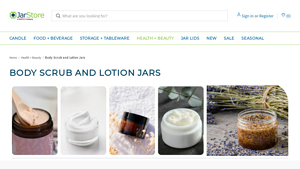
4. Jar Store – Body Scrub and Lotion Jars
Domínio: jarstore.com
Registrado: 2004 (21 anos)
Introdução: Body Scrub and Lotion Jars available in bulk and wholesale. Brands include Anchor Hocking and Jar Store. Volume options range from .25 oz to 16 oz. Colors available: Amber, Black, Clear, White. Features include BPA Free, FDA Compliant, UV Resistant, and Made in the USA. Materials include Glass, PET, PP/PP, and PS. Various jar types include straight sided jars and thickwall jars. Pricing examples: …
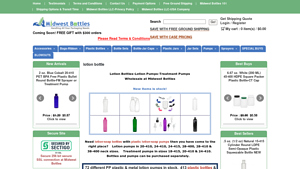
5. Midwest Bottles – Wholesale Lotion Bottles & Pumps
Domínio: midwestbottles.com
Registrado: 2006 (19 anos)
Introdução: Lotion bottles and pumps available at wholesale prices. Lotion pumps offered in neck sizes: 20-410, 24-410, 24-415, 28-400, 28-410, and 38-400. Treatment pumps available in sizes: 18-415, 20-410, and 24-410. Bottles and pumps can be purchased separately. 72 different PP plastic options available.
6. SKS Bottle – Wholesale Glass & Plastic Containers

Domínio: sks-bottle.com
Registrado: 1997 (28 anos)
Introdução: Wholesale Containers, Glass & Plastic Bottles, Jars, Metal Tins. Custom Labels, Caps, and various container types including Glass Bottles (by color, shape, and size), Glass Jars, Glass Vials, Plastic Bottles (by color, shape, material, and size), Plastic Jars, Plastic Containers, Metal Containers, and Bulk Containers. Categories include Bath & Body, Food, Cosmetic, Industrial, and more. Services i…
7. Cosmopacks – Bulk Body Wash & Hand Lotion Pump Bottles
Domínio: cosmopacks.com
Registrado: 2015 (10 anos)
Introdução: Bulk Body Wash & Hand Lotion Pump Bottles Wholesale from Cosmopacks. High-quality lotion bottles manufactured to the highest standards. Customization options in size, shape, and material. Leak-proof and durable design. Good chemical stability for various skincare products. Effective air tightness with ribbed closures. Accurate dispensing control for precise application. Versatile applications for …
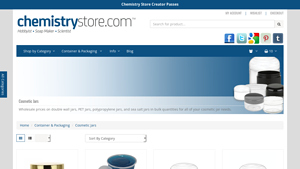
8. Chemistry Store – Wholesale Cosmetic Jars
Domínio: chemistrystore.com
Registrado: 1999 (26 anos)
Introdução: Wholesale Cosmetic Jars available in various sizes and colors. Key products include:
– 2oz Round PETG Jar w/Gold Lid: $14.00, Height: 1.75″, Diameter: 2.75″, Label Height: .75″.
– 8oz Jelly Soap Tub w/Lid: $4.50, Height w/lid: 3.27″, Diameter: 3.12″, Bottom Diameter: 2.12″, Label Diameter: 2.5″.
– 1/2oz White Double Wall Jar w/Lid: $4.70, Height: 1.25″, Diameter: 2″, Label Height: 0.5″.
– 1oz …
9. Jarsking – Body Lotion Bottles

Domínio: jarsking.com
Registrado: 2022 (3 anos)
Introdução: Jarsking is a trusted manufacturer of high-quality body lotion bottles, catering to the personal care industry. They utilize premium materials such as PET, HDPE, and PP, ensuring chemical resistance and compliance with industry regulations. The company offers a wide range of customization options, allowing brands to create packaging that reflects their unique identity. Key products include replace…
10. Roetell – Wholesale Glass Lotion Bottles

Domínio: roetell.com
Registrado: 2019 (6 anos)
Introdução: Roetell manufactures and supplies wholesale glass lotion bottles available in multiple colors and styles. Sizes range from 15ml to 150ml, with options for hand pumps and stoppers. Minimum order quantity for in-stock lotion bottles is 3,000 units, while custom orders have a MOQ of 2,000 units. The bottles are designed to be leak-proof, reusable, and made from durable, chemical-free, and sustainable…
Strategic Sourcing Conclusion and Outlook for Lotion Containers Wholesale
In the competitive landscape of lotion containers wholesale, strategic sourcing remains a crucial component for success. By selecting high-quality packaging solutions, businesses can ensure product integrity while enhancing brand appeal. The variety of options—from eco-friendly materials to diverse sizes and styles—provides ample opportunities for differentiation in the market. International buyers, particularly from Africa, South America, the Middle East, and Europe, should prioritize suppliers that offer customization and scalability to meet evolving consumer demands.
As the industry continues to grow, leveraging strategic partnerships with reputable wholesalers can lead to significant cost savings and improved supply chain efficiencies. Emphasizing sustainable practices not only meets regulatory requirements but also resonates with environmentally conscious consumers.
Looking ahead, it is essential for B2B buyers to stay informed about market trends and innovations in packaging technology. Engaging with suppliers who prioritize quality and sustainability will position your business for long-term success. Take action now by exploring partnerships that align with your business goals and values, ensuring your lotion products stand out in a crowded marketplace.




 Portuguese
  English
  Russian
  Spanish
  Italian
  Thai
Thai  French
  Arabic
  Indonesian
  German






