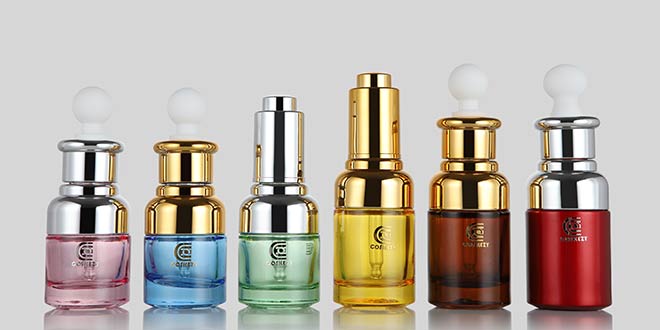
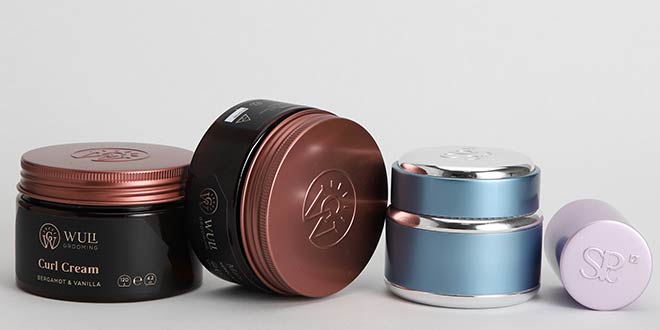
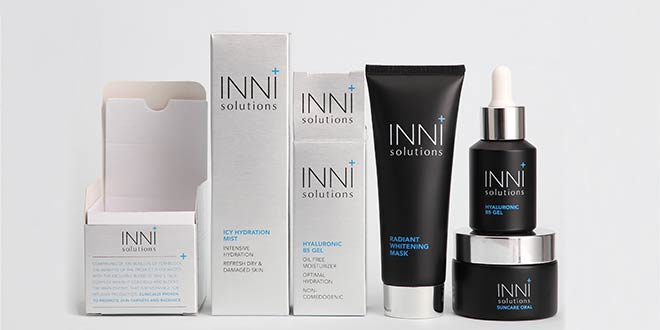
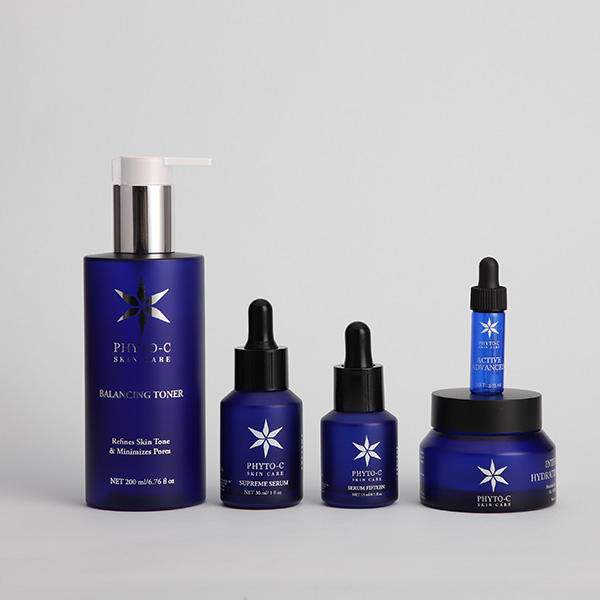
Introduction: Navigating the Global Market for glass pump bottle
In today’s competitive landscape, sourcing the right glass pump bottles can pose a significant challenge for international B2B buyers, especially as market demands evolve and sustainability concerns rise. This comprehensive guide aims to navigate the complexities of the global market for glass pump bottles, offering insights into various types, applications, and critical factors to consider when selecting suppliers. From personal care products to household cleaning solutions, glass pump bottles not only enhance product presentation but also align with eco-friendly initiatives, making them an attractive choice for brands targeting discerning consumers.
This guide is designed to empower buyers from regions such as Africa, South America, the Middle East, and Europe, including key markets like Germany and Saudi Arabia. It covers essential topics such as supplier vetting processes, cost considerations, and the latest trends in packaging design. By providing actionable insights and expert recommendations, this resource equips businesses with the knowledge needed to make informed purchasing decisions that align with their operational goals and brand values. Whether you are a startup looking to establish a new product line or an established company seeking to refresh your packaging strategy, this guide serves as a valuable tool in your sourcing journey.
Understanding glass pump bottle Types and Variations
| Nome do tipo | Principais características distintivas | Aplicativos B2B primários | Prós e contras resumidos para compradores |
|---|---|---|---|
| Garrafa de vidro redonda Boston | Curved shape, wide mouth, various sizes | Cosmetics, liquid cleansers, serums | Prós: Versatile, easy to fill. Contras: Limited aesthetic appeal. |
| Matic Glass Bottle | Squeeze action, integrated pump mechanism | Personal care, lotions, creams | Prós: User-friendly, minimizes waste. Contras: May require specific pump replacements. |
| Apothecary Glass Bottle | Vintage design, often with a cork or pump | Essential oils, herbal remedies | Prós: Aesthetic appeal, excellent for branding. Contras: Heavier and may increase shipping costs. |
| Cylindra Glass Bottle | Sleek, cylindrical shape, available in small sizes | Fragrances, specialty cosmetics | Prós: Modern look, good for upscale products. Contras: May not be as durable as thicker glass options. |
| Dropper Glass Bottle | Equipped with a dropper for precise dispensing | Serums, tinctures, high-value liquids | Prós: Precise dosage control, ideal for expensive formulations. Contras: Limited volume options. |
What are the Key Characteristics of Boston Round Glass Bottles?
Boston round glass bottles are characterized by their rounded bodies and wide mouths, which make them easy to fill and dispense. These bottles are available in various sizes, typically ranging from 1 oz to 16 oz, making them suitable for a wide array of applications, particularly in the cosmetics and personal care industries. When purchasing, consider the size and type of closure needed, as well as the potential for custom labeling to enhance brand visibility.
How Do Matic Glass Bottles Function in Personal Care?
Matic glass bottles feature an integrated pump mechanism that allows users to dispense product with a simple squeeze. This design is particularly advantageous for products such as lotions and creams, as it minimizes waste and enhances user convenience. B2B buyers should evaluate the compatibility of the pump with their product’s viscosity and consider the potential need for pump replacements when assessing long-term supply needs.
Why Choose Apothecary Glass Bottles for Your Products?
Apothecary glass bottles often evoke a vintage aesthetic, making them ideal for brands that wish to convey a sense of tradition or luxury. These bottles can come with either cork or pump closures, catering to various product types, including essential oils and herbal remedies. Buyers should assess the weight and fragility of these bottles, as they may incur higher shipping costs and require careful handling during distribution.
What Advantages Do Cylindra Glass Bottles Offer?
Cylindra glass bottles are recognized for their sleek, modern design, making them an attractive choice for upscale fragrances and specialty cosmetics. Their cylindrical shape allows for efficient use of shelf space, appealing to retailers. B2B buyers should consider the durability of the glass and whether the design aligns with their brand’s identity, especially if targeting premium market segments.
How Do Dropper Glass Bottles Benefit High-Value Liquid Products?
Equipped with droppers, these glass bottles provide precise dispensing, making them particularly suitable for high-value liquids like serums and tinctures. The ability to control dosage helps in minimizing waste and enhancing user satisfaction. When sourcing dropper bottles, buyers should evaluate the material quality of the dropper and the overall aesthetic appeal, as these factors can significantly influence consumer perception and brand loyalty.
Key Industrial Applications of glass pump bottle
| Indústria/Setor | Specific Application of Glass Pump Bottle | Valor/benefício para a empresa | Principais considerações de fornecimento para este aplicativo |
|---|---|---|---|
| Cuidados pessoais | Embalagens para loções e cremes | Enhances product preservation and customer appeal | Ensure compatibility with product viscosity and pump type. |
| Cosméticos | Dispensing serums and foundations | Provides precise dosage and reduces waste | Look for UV protection and aesthetic design options. |
| Alimentos e bebidas | Bottling sauces and dressings | Maintains flavor integrity and extends shelf life | Verify food-grade materials and compliance with regulations. |
| Home Care | Packaging for cleaning solutions | Offers a premium look and durability | Consider pump functionality and ease of use for consumers. |
| Produtos farmacêuticos | Dispensing topical medications | Ensures accurate dosing and maintains sterility | Source bottles that meet safety and regulatory standards. |
How Are Glass Pump Bottles Used in the Personal Care Industry?
In the personal care sector, glass pump bottles are extensively used for packaging lotions, creams, and other topical products. Their airtight seal prevents contamination, preserving the integrity of sensitive formulations. For international buyers, especially from Africa and South America, sourcing options should focus on bottles that can withstand varying climates and transportation conditions, ensuring product safety and longevity. Additionally, buyers should consider customization options for branding purposes, as glass provides a premium feel that enhances brand perception.
What Role Do Glass Pump Bottles Play in Cosmetics?
In the cosmetics industry, glass pump bottles serve as elegant and functional dispensers for serums, foundations, and other liquid products. They allow for precise dosage, minimizing product waste and enhancing user experience. For B2B buyers in Europe, particularly Germany, it is crucial to source bottles that offer UV protection to safeguard against degradation from light exposure. Additionally, aesthetic factors, such as color and design, can significantly impact consumer attraction and brand loyalty, making it essential to consider these elements when sourcing.
Why Are Glass Pump Bottles Ideal for Food and Beverage Applications?
Glass pump bottles are increasingly being adopted in the food and beverage industry for packaging sauces, dressings, and other liquid condiments. They maintain flavor integrity and prevent chemical leaching, offering a safer alternative to plastic. For buyers in the Middle East, sourcing should prioritize food-grade materials and compliance with local health regulations. Additionally, considerations regarding the pump’s locking mechanism can enhance usability and prevent spills, a critical factor for consumer satisfaction.
How Do Glass Pump Bottles Enhance Home Care Products?
In the home care industry, glass pump bottles are used for packaging cleaning solutions and other household products. Their durability and premium look can elevate brand image, appealing to environmentally conscious consumers. For businesses in South America, it is essential to consider the pump’s functionality, ensuring ease of use for consumers who may prefer quick dispensing methods. Additionally, sourcing from suppliers that offer sustainable packaging solutions can align with growing consumer demand for eco-friendly products.
What Are the Benefits of Glass Pump Bottles in Pharmaceuticals?
In the pharmaceutical sector, glass pump bottles are crucial for dispensing topical medications and ointments. They ensure accurate dosing while maintaining product sterility, which is vital for patient safety. For international buyers, especially in regions with stringent regulatory requirements, it is essential to source bottles that comply with safety standards. Additionally, considering the pump mechanism’s design can enhance user convenience, making it easier for patients to administer the correct dosage.
3 Common User Pain Points for ‘glass pump bottle’ & Their Solutions
Scenario 1: Ensuring Product Integrity During Transportation
O problema: B2B buyers often face significant challenges when sourcing glass pump bottles, particularly regarding the integrity of the product during transit. Glass is inherently fragile, and improper packaging can lead to damage, resulting in financial losses and delays. Buyers in regions with rough handling practices or inadequate shipping infrastructure, such as parts of Africa or South America, are especially vulnerable. The risk of receiving broken bottles can not only affect inventory levels but also disrupt supply chains and impact customer satisfaction.
A solução: To mitigate these risks, buyers should prioritize suppliers that offer robust packaging solutions specifically designed for glass products. Look for manufacturers that use cushioned packaging materials, such as bubble wrap or molded inserts, to protect bottles during transit. Additionally, opting for suppliers who provide detailed shipping guidelines, including recommended handling practices, can further reduce the likelihood of damage. Consider sourcing from companies that have a proven track record in exporting glass products to your region, as they often understand the specific challenges and can offer tailored solutions.
Scenario 2: Pump Mechanism Malfunctions in High-Volume Production
O problema: Another common pain point arises when the pump mechanisms of glass pump bottles fail during high-volume production. This can lead to product wastage, inefficient dispensing, and customer dissatisfaction. Buyers in the cosmetics and personal care industries, where consistency in product delivery is critical, often find themselves dealing with frequent complaints regarding faulty pumps. A malfunction can not only compromise product quality but also tarnish brand reputation.
A solução: To address this issue, buyers should invest in thorough quality assurance processes before finalizing their orders. This includes requesting samples of glass pump bottles to evaluate the performance of the pump mechanisms under various conditions. It’s also advisable to inquire about the materials used in the pump design and whether they are resistant to the specific products being dispensed, such as oils or viscous liquids. Establishing a strong relationship with suppliers who can provide ongoing support and replacement parts can also help mitigate future problems. Consider negotiating terms that allow for easy returns or replacements in the event of malfunctioning pumps.
Scenario 3: Navigating Customization and Branding Challenges
O problema: For many B2B buyers, particularly in competitive markets across Europe and the Middle East, the ability to customize glass pump bottles for branding purposes is vital. However, finding suppliers that offer customization options—like unique colors, sizes, or labeling—can be a daunting task. Buyers may struggle with limited options, leading to generic packaging that fails to distinguish their products on the shelf, ultimately impacting sales and brand identity.
A solução: To successfully navigate these challenges, buyers should conduct thorough market research to identify suppliers that specialize in customized glass packaging solutions. Look for companies that offer a variety of customization options, including color matching, screen printing, and labeling services. It’s beneficial to collaborate closely with the supplier’s design team to ensure that the packaging aligns with your brand’s aesthetics and messaging. Additionally, consider requesting mock-ups or prototypes before committing to large orders. This will allow you to assess the final product and make necessary adjustments, ensuring that the packaging not only meets functional requirements but also enhances brand visibility.
Strategic Material Selection Guide for glass pump bottle
What Are the Key Materials Used in Glass Pump Bottles?
When selecting materials for glass pump bottles, manufacturers typically consider several options based on their properties, suitability for specific applications, and compliance with international standards. Below, we analyze four common materials used in glass pump bottles, highlighting their key properties, advantages, disadvantages, and considerations for international buyers.
How Does Soda-Lime Glass Perform in Glass Pump Bottles?
Soda-lime glass is the most common type of glass used in the production of glass pump bottles. It has a good balance of strength and clarity, making it suitable for various personal care products.
Principais propriedades: Soda-lime glass has a temperature resistance of around 60-70°C, making it suitable for most ambient conditions. It is also relatively resistant to corrosion from common chemicals.
Prós e contras: Its durability is moderate; while it can withstand typical handling, it may shatter under extreme conditions. Cost-effective, soda-lime glass is easy to manufacture and widely available. However, its lower resistance to thermal shock compared to borosilicate glass can be a limitation for certain applications.
Impacto no aplicativo: Soda-lime glass is compatible with a wide range of media, including lotions and serums. However, it may not be suitable for products requiring high-temperature sterilization.
Considerações para compradores internacionais: Compliance with ASTM standards is crucial, especially for buyers in Europe and North America. Buyers from regions like Africa and South America should ensure that the glass meets local regulations regarding chemical safety.
What Advantages Does Borosilicate Glass Offer for Glass Pump Bottles?
Borosilicate glass is known for its high resistance to thermal shock and chemical corrosion, making it an excellent choice for specialized applications.
Principais propriedades: It can withstand temperatures up to 200°C and is resistant to a wide range of chemicals, making it suitable for both cosmetic and pharmaceutical applications.
Prós e contras: While borosilicate glass is highly durable and suitable for high-temperature applications, it tends to be more expensive than soda-lime glass. The manufacturing process is more complex, which can lead to higher costs.
Impacto no aplicativo: This material is ideal for products that require sterilization or are sensitive to temperature changes, such as essential oils or certain serums.
Considerações para compradores internacionais: Buyers should check for compliance with international standards like DIN and JIS, especially in markets like Germany and Japan, where strict quality controls are enforced.
How Do Recycled Glass Bottles Fit into Sustainable Practices?
Recycled glass is increasingly popular among brands focused on sustainability. It offers an environmentally friendly alternative without sacrificing quality.
Principais propriedades: Recycled glass maintains the same physical properties as new glass, including temperature and chemical resistance.
Prós e contras: The primary advantage is its reduced environmental impact, as it helps decrease waste and energy consumption during production. However, the availability of recycled glass can be inconsistent, which may affect supply chains.
Impacto no aplicativo: Recycled glass is suitable for a wide range of personal care products, but brands must ensure that the recycled content does not compromise product integrity.
Considerações para compradores internacionais: Buyers should verify that the recycled glass meets relevant safety and quality standards. This is particularly important in regions with strict environmental regulations, such as the EU.
What Role Does Plastic Play in Glass Pump Bottle Design?
While glass is the primary material, plastic components are often used in pump mechanisms for durability and ease of use.
Principais propriedades: Plastics used in pump mechanisms are generally lightweight and can withstand a range of temperatures, though they may not be as chemically resistant as glass.
Prós e contras: The integration of plastic can enhance the functionality of glass pump bottles, but it may detract from the perceived quality of the product. Additionally, plastic components can be less environmentally friendly unless sourced from recycled materials.
Impacto no aplicativo: Plastic pump mechanisms are compatible with most liquids but may not be suitable for highly corrosive substances.
Considerações para compradores internacionais: Buyers should ensure that the plastics used comply with safety regulations, especially in regions with stringent health standards.
Summary Table of Material Selection for Glass Pump Bottles
| Material | Typical Use Case for Glass Pump Bottle | Principais vantagens | Principais desvantagens/limitações | Custo relativo (baixo/médio/alto) |
|---|---|---|---|---|
| Soda-Lime Glass | Lotions, serums | Econômico e amplamente disponível | Moderate durability, thermal shock | Baixa |
| Borosilicate Glass | Essential oils, sterilized products | High thermal and chemical resistance | Higher cost, complex manufacturing | Alta |
| Recycled Glass | Produtos de cuidados pessoais ecologicamente corretos | Sustainable and environmentally friendly | Inconsistent supply availability | Médio |
| Componentes plásticos | Pump mechanisms for glass bottles | Lightweight and functional | May reduce perceived quality | Baixa |
This strategic material selection guide provides B2B buyers with valuable insights into the properties and considerations of various materials used in glass pump bottles, enabling informed decisions that align with their business needs and market requirements.

A stock image related to glass pump bottle.
In-depth Look: Manufacturing Processes and Quality Assurance for glass pump bottle
What Are the Key Stages in the Manufacturing Process of Glass Pump Bottles?
The manufacturing of glass pump bottles involves several critical stages that ensure both the functionality and aesthetic appeal of the final product. Understanding these stages helps B2B buyers make informed decisions when sourcing glass containers for personal care and cosmetic products.
Preparação de materiais: Quais materiais são usados?
The primary raw material for glass pump bottles is silica sand, which is combined with soda ash and limestone. This mixture is melted at high temperatures (around 1,700°C) to form molten glass. For colored bottles, metal oxides are added to achieve the desired hue. Quality control begins at this stage, as the purity of the raw materials significantly affects the final product’s quality.
How Is Glass Formed into Pump Bottles?
Once the molten glass is prepared, it undergoes forming processes. Common techniques include:
-
Moldagem por sopro: Air is blown into the molten glass, allowing it to take the shape of a mold. This method is often used for creating hollow bottles.
-
Press Molding: A plunger presses molten glass into a mold, which is ideal for intricate designs.
-
Moldagem por injeção: This technique is less common for glass but can be used for creating specific components, such as pump mechanisms.
Each forming technique is chosen based on the design specifications and production volume.
What Happens During Assembly and Finishing?
After the bottles are formed, they are cooled and then assembled with dispensing pumps. The pumps are typically manufactured separately and can include various features such as locking mechanisms and different nozzle types.
Finishing processes include surface treatments such as polishing and coating, which enhance the aesthetic appeal and durability of the glass. Branding elements like labeling or screen printing can also be applied during this stage.
What Quality Assurance Measures Are Essential for Glass Pump Bottles?
Quality assurance (QA) is crucial in the manufacturing of glass pump bottles to ensure safety, durability, and compliance with international standards. For B2B buyers, understanding these QA measures is vital for verifying supplier reliability.
Which International Standards Should Be Considered?
-
ISO 9001: This standard outlines quality management systems and is essential for ensuring consistent product quality. Manufacturers should be certified to this standard to provide assurance to buyers regarding their operational processes.
-
Marcação CE: Particularly relevant for European markets, this marking indicates compliance with health, safety, and environmental protection standards.
-
Padrões API: For pharmaceutical applications, adherence to standards set by the American Petroleum Institute (API) is essential.
Quais são os principais pontos de verificação de controle de qualidade no processo de fabricação?
Quality control in the manufacturing of glass pump bottles typically involves several checkpoints:
-
Controle de qualidade de entrada (IQC): This is the first line of defense where raw materials are inspected for quality before production begins. Any substandard materials are rejected.
-
Controle de qualidade durante o processo (IPQC): During the manufacturing process, random samples are taken to ensure that the production parameters are within acceptable limits.
-
Controle de qualidade final (FQC): Once production is complete, the finished products undergo rigorous testing to ensure they meet the specified standards. This may include visual inspections, dimensional checks, and functional tests of the pump mechanisms.
Como os compradores B2B podem verificar o controle de qualidade do fornecedor?
For international B2B buyers, verifying the quality control measures of suppliers is crucial to mitigate risks and ensure product quality.
Quais são as práticas recomendadas para a realização de auditorias de fornecedores?
Conducting regular audits of suppliers is one of the most effective ways to verify their quality control systems. Buyers should look for:
-
Documented Quality Procedures: Ensure that the supplier has documented procedures in place for each stage of production.
-
Compliance with Standards: Verify the supplier’s certifications, such as ISO 9001 or CE marking.
-
Employee Training Programs: Assess whether the supplier has ongoing training programs to keep employees updated on quality standards and procedures.
Como as inspeções de terceiros podem aumentar a confiança?
Engaging third-party inspection services can provide an unbiased assessment of a supplier’s manufacturing processes. These inspections often include:
-
Auditorias de fábrica: Evaluating the overall manufacturing environment and practices.
-
Product Inspections: Conducting inspections of random samples to check for defects before shipment.
-
Laboratory Testing: Verifying that the glass and other materials meet specified standards for safety and durability.
What Are the Specific QC and Certification Nuances for Different Regions?
B2B buyers from various regions should be aware of specific nuances in quality certification and regulatory compliance.
How Do Regional Regulations Affect Glass Pump Bottle Manufacturing?
-
África: In many African countries, regulations may not be as stringent as in Europe or North America. However, buyers should still seek suppliers who comply with international standards to ensure product safety.
-
América do Sul: Many countries in South America have adopted similar standards to those in the U.S. and Europe. Buyers should ensure that suppliers are familiar with local regulations regarding packaging and labeling.
-
Middle East: Compliance with Gulf Cooperation Council (GCC) standards is crucial for products sold in this region. Suppliers must understand local customs and regulations to avoid delays in importation.
-
Europe (e.g., Germany): European markets have rigorous standards for product safety and environmental impact. Suppliers must comply with REACH regulations, which govern chemical substances in products.
Conclusion: Ensuring Quality in Glass Pump Bottle Sourcing
For B2B buyers, understanding the manufacturing processes and quality assurance practices for glass pump bottles is essential for making informed sourcing decisions. By focusing on supplier audits, compliance with international standards, and ongoing quality checks, buyers can mitigate risks and ensure they receive high-quality products that meet their specific needs.
Practical Sourcing Guide: A Step-by-Step Checklist for ‘glass pump bottle’
Introdução
Sourcing glass pump bottles for your business requires careful consideration and strategic planning. This guide provides a step-by-step checklist to help you navigate the complexities of procurement, ensuring you select the best suppliers and products that meet your company’s needs.
1. Defina suas especificações técnicas
Establishing clear technical specifications is vital to ensure that the glass pump bottles meet your requirements. Consider factors such as capacity, neck size (e.g., 28/410 thread), and design preferences (e.g., Boston round or apothecary style). This clarity will help you communicate effectively with suppliers and avoid any misunderstandings.
2. Identifique seu mercado-alvo
Understanding your target market is essential for selecting the right glass pump bottles. Different regions may have varying preferences for bottle aesthetics, functionality, and sizes. For instance, markets in Europe may favor sleek designs, while those in Africa might prioritize durability and cost-effectiveness.
3. Pesquisar possíveis fornecedores
Conduct thorough research to identify potential suppliers that specialize in glass pump bottles. Look for manufacturers with a strong track record in the industry, particularly those who cater to your specific market segment. Key aspects to assess include:
- Experiência: Years in business and types of clients served.
- Linha de produtos: Variety of designs and customization options available.
4. Solicitar amostras
Before making a bulk purchase, always request samples of the glass pump bottles you are considering. This allows you to evaluate the quality of the materials, functionality of the pump mechanism, and overall aesthetics. Pay attention to:
- Qualidade do material: Ensure it meets safety standards and is free from harmful chemicals.
- Pump Mechanism: Test the functionality to confirm ease of use.
5. Verificar as certificações do fornecedor
Supplier certifications are crucial indicators of product quality and compliance with international standards. Ensure that potential suppliers have certifications such as ISO, GMP, or relevant safety approvals. This not only assures you of product reliability but also enhances your brand’s credibility in your target market.
6. Evaluate Pricing and Payment Terms
Once you have shortlisted suppliers, compare pricing structures and payment terms. Look for bulk purchase discounts and negotiate terms that suit your cash flow. Consider:
- Unit Cost: Ensure the price aligns with your budget while maintaining quality.
- Flexibilidade de pagamento: Terms such as deposits, payment schedules, and available financing options.
7. Avalie as opções de remessa e entrega
Logistics can significantly impact your supply chain. Evaluate the shipping options offered by your suppliers, including lead times, shipping costs, and reliability. Ensure that they can meet your delivery timelines, especially if you are planning a product launch or seasonal promotion.
By following this checklist, you can streamline the sourcing process for glass pump bottles, ensuring that you make informed decisions that align with your business objectives and market demands.

A stock image related to glass pump bottle.
Comprehensive Cost and Pricing Analysis for glass pump bottle Sourcing
What Are the Key Cost Components in Sourcing Glass Pump Bottles?
When considering the sourcing of glass pump bottles, a comprehensive understanding of the cost structure is essential. The primary cost components include:
-
Materiais: The base cost of glass, which can fluctuate based on market demand and availability, constitutes a significant portion of the overall expense. Additionally, the choice of pump mechanism—such as treatment pumps or locking lotion pumps—can also affect material costs.
-
Trabalho: Labor costs vary by region and can significantly impact the total cost. For instance, manufacturers in regions with higher wage standards may have elevated labor costs compared to those in emerging markets.
-
Custos indiretos de fabricação: This includes costs related to facility maintenance, utilities, and administrative expenses. Efficient manufacturing processes can help mitigate these costs, influencing the final price of the bottles.
-
Ferramentas: Custom tooling for specific bottle designs can add a substantial upfront cost. However, this investment may yield long-term savings through increased production efficiency and reduced per-unit costs.
-
Controle de qualidade (QC): Implementing rigorous QC measures ensures that the bottles meet safety and quality standards, which is particularly crucial for international markets. This can involve additional testing and inspection costs.
-
Logística: Shipping costs can vary significantly based on the distance and mode of transport. International buyers should consider the implications of Incoterms on logistics costs, which dictate responsibilities between buyers and sellers.
-
Margem: Suppliers will add a profit margin to cover their risks and ensure sustainability, which can vary widely based on market competition and demand.
How Do Price Influencers Affect the Cost of Glass Pump Bottles?
Several factors influence the pricing of glass pump bottles:
-
Volume/MOQ (quantidade mínima de pedido): Pricing structures often favor bulk purchases. Higher order volumes can lead to lower per-unit costs, making it more economical for buyers.
-
Especificações e personalização: Custom designs, colors, or sizes can significantly increase costs. Standard models typically offer better pricing due to their economies of scale.
-
Qualidade do material e certificações: Higher-quality glass and certifications (e.g., FDA approval for cosmetic use) can increase costs. Buyers should assess their target market’s requirements to determine the necessary level of quality.
-
Fatores do fornecedor: The reputation and reliability of the supplier can impact pricing. Established suppliers may charge a premium for their products, reflecting their quality assurance and service reliability.
-
Incoterms: Understanding Incoterms is crucial for international transactions. They define the responsibilities of buyers and sellers regarding shipping, insurance, and tariffs, which can affect the total landed cost of the products.
What Are the Best Practices for Negotiating Prices on Glass Pump Bottles?
For international buyers, particularly those from regions like Africa, South America, the Middle East, and Europe, effective negotiation strategies can lead to significant cost savings:
-
Aproveite os descontos por volume: Whenever possible, consolidate orders to meet higher MOQs, thus benefiting from lower unit prices.
-
Clarify Specifications Early: Clearly defining your specifications and requirements upfront can help avoid unexpected costs associated with changes or customizations later in the process.
-
Avaliar o custo total de propriedade (TCO): Consider all costs associated with the purchase, including shipping, tariffs, and potential waste due to breakage during transport. A lower purchase price may not always equate to a lower TCO.
-
Entenda as nuances dos preços: Familiarize yourself with the pricing trends in the supplier’s market, including seasonal fluctuations or material shortages that could affect pricing.
-
Build Strong Relationships: Establishing a good rapport with suppliers can lead to better pricing and terms over time. Suppliers are often more willing to negotiate with reliable buyers.
Conclusion: What Should Buyers Keep in Mind When Sourcing Glass Pump Bottles?
While indicative prices for glass pump bottles can range from $0.48 to over $2.00 per unit depending on factors such as size and design, buyers should conduct thorough research to understand their specific needs and the market landscape. By considering the outlined cost components, price influencers, and best negotiation practices, international B2B buyers can make informed decisions that enhance their sourcing strategies.
Alternatives Analysis: Comparing glass pump bottle With Other Solutions
Exploring Alternative Packaging Solutions to Glass Pump Bottles
In the competitive landscape of personal care and cosmetics packaging, businesses must carefully evaluate the various options available to them. While glass pump bottles are a popular choice due to their aesthetic appeal and sustainability, alternative packaging solutions may offer unique benefits that align with specific operational goals and market demands. This analysis compares glass pump bottles to plastic pump bottles and aluminum containers, providing B2B buyers with actionable insights.
| Aspecto de comparação | Garrafa de vidro com bomba | Plastic Pump Bottle | Contêiner de alumínio |
|---|---|---|---|
| Desempenho | Excellent barrier properties; inert and does not leach chemicals. | Moderate barrier; may leach chemicals over time. | Good barrier properties; protects contents from light and air. |
| Custo | Higher initial cost ($1.60 – $2.98 per unit). | Lower initial cost ($0.50 – $1.50 per unit). | Moderate initial cost ($0.80 – $2.50 per unit). |
| Facilidade de implementação | Requires careful handling and shipping due to fragility. | Easy to handle and lightweight, reducing shipping costs. | Lightweight but requires specialized sealing methods. |
| Manutenção | Low maintenance; durable if handled properly. | Prone to scratches and wear; may require replacements. | Generally low maintenance but recycling can be more complex. |
| Melhor caso de uso | Ideal for premium products and eco-conscious brands. | Suitable for budget-friendly products and high-volume sales. | Effective for products sensitive to light and air, like oils. |
Quais são as vantagens e desvantagens das garrafas plásticas com bomba?
Plastic pump bottles are often favored for their affordability and lightweight nature. They are particularly advantageous for high-volume production runs, where cost savings can significantly impact the overall budget. Additionally, their durability makes them less prone to breakage during shipping and handling. However, concerns regarding the leaching of harmful chemicals and environmental sustainability can deter brands aiming for a premium market position.
How Do Aluminum Containers Compare to Glass Pump Bottles?
Aluminum containers present a compelling alternative, especially for products that require protection from light and air, such as certain serums and oils. They offer a modern aesthetic and are fully recyclable, appealing to environmentally conscious consumers. However, the sealing process for aluminum can be more complex than that of glass or plastic, potentially increasing production costs and time. Furthermore, while aluminum provides a good barrier, it does not offer the same inert properties as glass, which may be crucial for sensitive formulations.
How Should B2B Buyers Decide on the Right Packaging Solution?
When choosing the right packaging solution, B2B buyers should consider several factors, including the nature of the product, target market, and budget constraints. For premium brands focused on quality and sustainability, glass pump bottles may be the best fit. Conversely, for brands targeting cost-sensitive consumers, plastic pump bottles could be more appropriate. Aluminum containers can serve niche markets that prioritize product integrity over aesthetic appeal. Ultimately, aligning the packaging choice with brand values and consumer expectations is key to driving sales and enhancing customer loyalty.
Essential Technical Properties and Trade Terminology for glass pump bottle
What Are the Key Technical Properties of Glass Pump Bottles?
When selecting glass pump bottles for personal care products, understanding their technical specifications is crucial for ensuring quality and compatibility with your products. Here are some essential properties to consider:
-
Grau do material: Glass pump bottles are typically made from various grades of glass, such as soda-lime or borosilicate. Soda-lime glass is the most common due to its cost-effectiveness and suitability for most applications. Borosilicate glass, however, offers higher thermal resistance and is ideal for products that require sterilization or are sensitive to temperature changes. Choosing the right material grade can impact the durability and safety of your product.
-
Capacidade: Glass pump bottles come in various sizes, ranging from 1 oz to 16 oz and beyond. The capacity you choose should align with the intended use of your product. Smaller bottles are ideal for samples or high-end serums, while larger ones are suitable for bulk products. Understanding capacity is essential for cost management and market positioning.
-
Acabamento do braço: The neck finish, typically denoted in millimeters (e.g., 28/410 or 24/410), refers to the diameter and thread type of the bottle’s opening. This specification is critical for ensuring compatibility with the chosen pump or cap. A mismatch can lead to leaks or product spoilage, impacting customer satisfaction.
-
Tolerância: Tolerance refers to the permissible limit of variation in the dimensions of the bottle. For example, if a bottle has a tolerance of ±0.5 mm, it means the actual dimensions can vary by that amount. Tighter tolerances are essential for maintaining product integrity and ensuring that pumps fit securely, preventing spillage during use.
-
Color and Clarity: Glass can be clear or colored, with each option serving different purposes. Clear glass allows for visibility of the product, which can enhance marketing efforts. Colored glass, on the other hand, can protect light-sensitive contents, prolonging shelf life. Choosing the right color and clarity can significantly impact both aesthetics and functionality.
What Trade Terms Should B2B Buyers Know When Purchasing Glass Pump Bottles?
Navigating the procurement landscape for glass pump bottles involves familiarizing yourself with industry jargon. Here are key terms that every B2B buyer should understand:
-
OEM (fabricante original do equipamento): This term refers to companies that manufacture products or components that are purchased by another company and sold under that company’s brand name. Understanding OEM relationships can help buyers identify reputable suppliers who can provide customized solutions.
-
MOQ (Quantidade mínima de pedido): MOQ indicates the smallest order quantity a supplier is willing to process. This term is crucial for budget planning and inventory management, as it can significantly impact your initial investment in glass pump bottles.
-
RFQ (Request for Quotation, solicitação de cotação): An RFQ is a formal process where buyers request pricing information from suppliers. This document typically outlines product specifications, quantities, and delivery timelines. Submitting an RFQ can help buyers compare offers and negotiate better terms.
-
Incoterms: These are international commercial terms that define the responsibilities of buyers and sellers in shipping and delivery. Familiarity with Incoterms like FOB (Free On Board) and CIF (Cost, Insurance, and Freight) is vital for understanding shipping costs and risk management in international transactions.
-
Prazo de entrega: This term refers to the amount of time it takes from placing an order to receiving the goods. Knowing the lead time is essential for inventory planning and ensuring that your products are available when needed, particularly in fast-paced markets.
Understanding these technical properties and trade terms not only empowers B2B buyers but also enhances decision-making capabilities, ultimately leading to successful procurement strategies for glass pump bottles.
Navigating Market Dynamics and Sourcing Trends in the glass pump bottle Sector
What Are the Current Market Dynamics and Key Trends in the Glass Pump Bottle Sector?
The global market for glass pump bottles is witnessing robust growth, driven by a surge in demand for sustainable and aesthetically appealing packaging solutions across various industries, including cosmetics, personal care, and pharmaceuticals. As consumers increasingly prioritize eco-friendly products, manufacturers are adapting their offerings to meet this demand. This trend is particularly strong in regions like Europe, where stringent regulations on plastic use are prompting a shift towards glass packaging.
Emerging B2B technology trends such as automation in manufacturing processes and the adoption of advanced supply chain management systems are optimizing production efficiency and reducing lead times. Digital platforms are enhancing sourcing opportunities, allowing international buyers from Africa, South America, and the Middle East to connect with suppliers more effectively. The rise of e-commerce is also influencing sourcing strategies, as buyers seek quick and reliable access to diverse product offerings.
Furthermore, the customization of glass pump bottles—through unique designs, colors, and sizes—is becoming a competitive differentiator. Suppliers are leveraging consumer insights to create tailored solutions that enhance brand identity, making it essential for B2B buyers to engage with manufacturers who can offer versatile packaging options.
How Does Sustainability Influence Sourcing Decisions for Glass Pump Bottles?
Sustainability has emerged as a critical factor in the glass pump bottle sector, with a growing emphasis on minimizing environmental impact. Glass, being infinitely recyclable, presents a compelling alternative to plastic, appealing to consumers and businesses alike. B2B buyers are increasingly prioritizing suppliers who adopt sustainable practices, such as using recycled glass and minimizing energy consumption in production.
Ethical sourcing is paramount, with buyers seeking transparency in their supply chains. Certifications such as ISO 14001 for environmental management and participation in eco-labeling programs can serve as indicators of a supplier’s commitment to sustainable practices. Additionally, the use of eco-friendly materials in packaging and labeling, including biodegradable inks and adhesives, is gaining traction among brands aiming to bolster their green credentials.
For international buyers, especially in regions like Africa and South America, aligning with suppliers who prioritize sustainability can enhance brand reputation and customer loyalty, ultimately translating to competitive advantage in the marketplace.
What Is the Historical Context of Glass Pump Bottles in B2B Markets?
The evolution of glass pump bottles dates back to the early 20th century when glass was a favored material for packaging due to its impermeability and aesthetic appeal. Initially, these containers were primarily used for pharmaceutical products. However, as consumer preferences evolved, the versatility of glass pump bottles found applications across various sectors, particularly in personal care and cosmetics.
Over the decades, advancements in manufacturing technology have led to the development of more sophisticated pump mechanisms, enhancing usability and product preservation. The rise of environmental awareness in the late 20th century further accelerated the demand for glass packaging, as companies sought to replace plastic with more sustainable options. Today, glass pump bottles are not only a symbol of quality and luxury but also a testament to a brand’s commitment to sustainability, making them an essential consideration for B2B buyers looking to innovate and differentiate in their product offerings.
Frequently Asked Questions (FAQs) for B2B Buyers of glass pump bottle
-
How do I choose the right glass pump bottle for my product line?
Selecting the right glass pump bottle involves considering several factors such as size, shape, functionality, and target market. Assess the type of product you plan to package—whether it’s liquid cleansers, lotions, or serums—as different products may require specific pump mechanisms. Additionally, evaluate the aesthetic appeal and branding potential of the bottle. Lastly, consider your customer base’s preferences, as trends can vary significantly across regions, particularly in Africa, South America, and the Middle East. -
What customization options are available for glass pump bottles?
Many suppliers offer extensive customization options for glass pump bottles, including color, size, and design features. You can choose from various pump styles, such as treatment pumps or locking lotion pumps, to enhance functionality. Furthermore, printing options like screen printing or labeling can be utilized to align with your brand identity. Always communicate your specific needs to potential suppliers to ensure they can accommodate your requests. -
What are the minimum order quantities (MOQs) for glass pump bottles?
Minimum order quantities for glass pump bottles can vary widely depending on the supplier and product specifications. Generally, MOQs can range from as low as 100 units for standard designs to several thousand for custom orders. It’s crucial to clarify these details upfront with potential suppliers to align your purchasing strategy with your business needs, especially if you are a smaller business or just starting. -
How can I ensure the quality of glass pump bottles from international suppliers?
To ensure quality, start by vetting suppliers thoroughly. Look for certifications such as ISO or other quality assurance standards. Request samples to evaluate the product firsthand, paying attention to the glass thickness, pump functionality, and overall finish. Additionally, consider suppliers who offer quality guarantees or return policies to safeguard your investment. Engaging in third-party inspections can also provide an extra layer of assurance, particularly for bulk orders. -
What payment terms should I negotiate with suppliers for glass pump bottles?
When negotiating payment terms, aim for flexibility that suits your cash flow. Common terms include a deposit upfront (usually 30-50%) with the remainder due upon shipment or delivery. Consider options for letters of credit or escrow services, especially when dealing with international suppliers, as these can provide additional security. Always review the supplier’s payment policies and ensure they align with your financial capabilities. -
What logistics considerations should I be aware of when importing glass pump bottles?
Importing glass pump bottles involves several logistics considerations, including shipping methods, customs duties, and lead times. Determine whether air or sea freight is more cost-effective for your order size and urgency. Factor in customs clearance processes, as regulations can differ significantly by country, impacting delivery times. Work with a reliable freight forwarder to navigate these complexities, ensuring that your products arrive safely and on schedule. -
How can I effectively communicate with suppliers in different regions?
Effective communication with suppliers across different regions is crucial for successful transactions. Utilize clear and concise language, avoiding jargon that may not translate well. Consider time zone differences when scheduling calls or expecting responses. If language barriers exist, using professional translation services can help ensure accurate communication. Establishing a rapport through regular updates and prompt responses can also foster a productive working relationship. -
What are the environmental considerations for sourcing glass pump bottles?
Sourcing glass pump bottles comes with various environmental considerations. Glass is a recyclable material, which can enhance your brand’s sustainability profile. When selecting suppliers, inquire about their use of recycled glass and eco-friendly production practices. Additionally, consider the carbon footprint of shipping and logistics. Opting for local suppliers can reduce transportation emissions, aligning your sourcing strategy with global sustainability trends, particularly important in regions increasingly focused on environmental responsibility.
Isenção de responsabilidade e termos de uso importantes
⚠️ Isenção de responsabilidade importante
As informações fornecidas neste guia, inclusive o conteúdo referente a fabricantes, especificações técnicas e análise de mercado, são apenas para fins informativos e educacionais. Elas não constituem aconselhamento profissional sobre compras, aconselhamento financeiro ou aconselhamento jurídico.
Embora tenhamos feito todos os esforços para garantir a precisão e a atualidade das informações, não nos responsabilizamos por erros, omissões ou informações desatualizadas. As condições de mercado, os detalhes da empresa e os padrões técnicos estão sujeitos a alterações.
Os compradores B2B devem realizar sua própria due diligence independente e completa antes de tomar qualquer decisão de compra. Isso inclui entrar em contato diretamente com os fornecedores, verificar as certificações, solicitar amostras e buscar consultoria profissional. O risco de confiar em qualquer informação contida neste guia é de responsabilidade exclusiva do leitor.
Top 4 Glass Pump Bottle Manufacturers & Suppliers List
1. GlassNow – Personal Care Containers

Domínio: glassnow.com
Registrado: 1997 (28 anos)
Introdução: Personal Care Containers include a variety of glass bottles and jars designed for bath and body products, bath salts and scrubs, men’s grooming, and cosmetics. Key features include:
– Bottle types: Cork Finish Glass Bottles, Threaded Finish Glass Bottles, Dropper Bottles, Glass Tubes.
– Jar types: Cork Finish Glass Jars, Threaded Finish Glass Jars.
– Candle Containers: Glassnow Premier™ Container…
2. Specialty Bottle – Clear Boston Round Glass Bottles with Pumps

Domínio: specialtybottle.com
Registrado: 1998 (27 anos)
Introdução: Clear Boston Round Glass Bottles with Pumps are suitable for liquid cleansers, cosmetics, or serums. Available sizes include 1 oz, 2 oz, 4 oz, 8 oz, and 16 oz. The 1 oz and 2 oz bottles come with treatment pumps with a transparent cover, while the 4 oz bottle features a locking lotion style pump. Prices vary based on quantity, with discounts for larger orders. Note: Dip tubes may require trimming….
3. The Good Fill – 16 oz Amber Glass Pump Bottle

Domínio: thegoodfill.co
Registrado: 2017 (8 anos)
Introdução: {“product_name”: “16 oz Amber Glass Pump Bottle”, “description”: “Great for making your own products for kitchen, bath, or body! Glass is infinitely recyclable, stable for essential oils and will not leach plastic into the contents.”, “price”: “$5.35”, “materials”: “Glass with plastic pump”, “care_instructions”: “Keep pump free of debris for longevity.”, “end_of_life”: “All bottles come wrapped in…
4. Cornucopia Brands – Half Gallon Glass Pump Dispenser

Domínio: target.com
Registrado: 1997 (28 anos)
Introdução: This company, Cornucopia Brands – Half Gallon Glass Pump Dispenser, is a notable entity in the market. For specific product details, it is recommended to visit their website directly.
Strategic Sourcing Conclusion and Outlook for glass pump bottle
In the rapidly evolving landscape of personal care packaging, glass pump bottles stand out for their aesthetic appeal and sustainability. As international B2B buyers, particularly from Africa, South America, the Middle East, and Europe, understanding the advantages of glass packaging is crucial. Glass not only enhances product presentation but also assures consumers of safety, being free from harmful chemicals like BPA. This is especially relevant in regions where eco-consciousness is on the rise.
Strategic sourcing of glass pump bottles allows businesses to capitalize on their durability and recyclability, ensuring a premium product that resonates with environmentally aware consumers. Furthermore, the diverse range of designs and sizes available caters to various product lines, from cosmetics to personal care items, enabling brands to tailor their packaging to their unique market needs.
Looking ahead, the demand for sustainable and visually appealing packaging is poised to grow. B2B buyers are encouraged to leverage this trend by prioritizing partnerships with reliable suppliers who can deliver quality glass solutions. Embrace the opportunity to elevate your brand and meet the expectations of a discerning global market by investing in glass pump bottles today.




 Portuguese
 English
 Russian
 Spanish
 Italian
 Thai
 French
 Arabic
 Indonesian
 German