

Introduction: Navigating the Global Market for PE Plastic Bottle Shampoo Bottle
Navigating the complexities of sourcing PE plastic bottle shampoo bottles poses a significant challenge for international B2B buyers. As companies aim to provide sustainable and user-friendly packaging for their hair care products, understanding the nuances of material selection, design, and functionality becomes crucial. This guide serves as an essential resource, outlining the diverse types of PE plastic shampoo bottles available, their applications in various sectors, and the critical aspects of supplier vetting to ensure quality and compliance.
In the following sections, we will delve into the myriad options for PE bottles, examining factors such as size variations, closure types, and customization opportunities that align with brand identity. Additionally, we will explore cost considerations, including bulk purchasing strategies and logistical implications, to aid in making financially sound decisions.
This comprehensive guide empowers B2B buyers from regions such as Africa, South America, the Middle East, and Europe—including key markets like Vietnam and Germany—to make informed purchasing decisions. By equipping stakeholders with the knowledge and insights needed to navigate the global market, we aim to enhance their sourcing strategies, ensuring they find the perfect packaging solutions that meet both product requirements and sustainability goals.
Understanding PE Plastic Bottle Shampoo Bottle Types and Variations
| Nome do tipo | Principais características distintivas | Aplicativos B2B primários | Prós e contras resumidos para compradores |
|---|---|---|---|
| Round Cylinder Bottles | Sleek design, available in multiple sizes, easy to label | Shampoo, conditioners, and body washes | Pros: Versatile design; Cons: May require additional caps |
| Garrafas Squeeze | Soft material for easy dispensing, often with flip-top caps | Travel-sized products, hair gels | Pros: Convenient for travel; Cons: Less robust than rigid bottles |
| Garrafas com bomba | Built-in dispensing mechanism, suitable for thicker products | Professional salons, bulk shampoos | Pros: Controlled dispensing; Cons: Higher initial cost |
| Flat Square Bottles | Space-saving design, customizable shapes and sizes | Retail packaging, promotional items | Pros: Efficient storage; Cons: Limited aesthetic appeal |
| Biodegradable PE Bottles | Eco-friendly materials, often made from renewable resources | Sustainable product lines | Pros: Appeals to eco-conscious consumers; Cons: May be more expensive |
What Are Round Cylinder Bottles and Their Benefits for B2B Buyers?
Round cylinder bottles are a popular choice for shampoo and hair care products due to their sleek design and versatility. These bottles come in various sizes, making them suitable for everything from travel-sized products to larger retail offerings. When sourcing these bottles, B2B buyers should consider factors such as label space and compatibility with dispensing caps, which can enhance the user experience.
Why Choose Squeeze Bottles for Travel and Convenience?
Squeeze bottles are designed for easy dispensing, making them ideal for travel-sized products or hair gels. The soft material allows users to control the amount of product dispensed, which can reduce waste. Buyers should evaluate the durability of the squeeze mechanism and the overall feel of the bottle, as these factors can influence customer satisfaction.
How Do Pump Bottles Enhance Product Use in Professional Settings?
Pump bottles are an excellent option for thicker products like shampoos and conditioners. Their built-in dispensing mechanisms ensure that users can easily access the right amount of product without mess. B2B buyers should consider the initial investment, as these bottles can be more expensive than traditional options, but their convenience can lead to higher customer loyalty in professional settings.
What Advantages Do Flat Square Bottles Offer for Retail Packaging?
Flat square bottles are designed to optimize shelf space, making them perfect for retail environments. They can be customized in various shapes and sizes, allowing brands to differentiate their products. When purchasing, B2B buyers should think about how the design aligns with their brand identity and whether the aesthetics can attract consumers.
Why Are Biodegradable PE Bottles Important for Sustainable Product Lines?
Biodegradable PE bottles are becoming increasingly popular as brands strive to meet consumer demand for sustainability. Made from renewable resources, these bottles can appeal to eco-conscious customers. Buyers should weigh the benefits of aligning with sustainable practices against potential cost increases, as these bottles may be priced higher than traditional options.
Key Industrial Applications of PE Plastic Bottle Shampoo Bottle
| Indústria/Setor | Specific Application of PE Plastic Bottle Shampoo Bottle | Valor/benefício para a empresa | Principais considerações de fornecimento para este aplicativo |
|---|---|---|---|
| Produtos de cuidados pessoais | Packaging for shampoos and conditioners | Durable, lightweight, and cost-effective packaging that enhances brand visibility and shelf life. | Consideration of bottle design, closure type, and customization options for branding. |
| Hospitalidade | In-room amenities for hotels and resorts | Provides a premium feel for guests, promoting brand loyalty and repeat stays. | Sourcing bulk quantities with flexible capacity options and eco-friendly materials. |
| Comércio eletrônico | Shipping and delivery of hair care products | Lightweight design reduces shipping costs while ensuring product safety during transit. | Ensure compliance with international shipping regulations and consider tamper-evident features. |
| Beauty and Wellness | Sample sizes for beauty subscription boxes | Attracts customers with trial sizes, increasing the likelihood of future purchases. | Customization options for branding, along with minimum order quantities for cost efficiency. |
| Varejo | In-store displays for hair care products | Eye-catching designs can drive impulse purchases and enhance product marketing. | Evaluate the compatibility of bottle designs with retail display requirements and space. |
How Are PE Plastic Bottle Shampoo Bottles Used in Personal Care Products?
In the personal care sector, PE plastic shampoo bottles are essential for packaging a wide range of hair care products, including shampoos and conditioners. Their durability and lightweight nature make them ideal for both retail and direct-to-consumer applications. International buyers should focus on customization options to align the bottle design with their brand identity, ensuring that the packaging not only protects the product but also attracts consumers on the shelf.
What Role Do PE Plastic Bottles Play in the Hospitality Industry?
In the hospitality industry, PE plastic shampoo bottles are commonly used for in-room amenities in hotels and resorts. These bottles provide a premium presentation for guests, enhancing their experience and promoting brand loyalty. When sourcing, businesses should consider bulk purchasing options and the ability to customize labels to reflect the hotel’s branding, ensuring that the bottles align with the overall guest experience.
How Do E-commerce Businesses Benefit from PE Plastic Shampoo Bottles?
E-commerce platforms often utilize PE plastic shampoo bottles for shipping hair care products. Their lightweight design reduces shipping costs, making them an economical choice for online retailers. Additionally, these bottles can be designed to withstand the rigors of transit, minimizing breakage. Buyers must ensure compliance with international shipping regulations and consider features such as tamper-evidence to enhance customer confidence.
Why Are Sample Sizes Important for Beauty and Wellness Brands?
Beauty subscription boxes frequently include sample sizes of products, and PE plastic shampoo bottles are ideal for this purpose. Offering trial sizes allows brands to attract new customers and encourage future purchases. B2B buyers should focus on customization options and minimum order quantities to ensure cost-effectiveness while maintaining brand integrity.
How Do Retail Environments Leverage PE Plastic Shampoo Bottles?
In retail settings, PE plastic shampoo bottles are often used in eye-catching displays that drive impulse purchases. Their design can be tailored to fit specific retail environments, enhancing product visibility and marketing effectiveness. Buyers need to evaluate compatibility with retail display requirements and consider how bottle shapes and sizes can influence consumer behavior.
3 Common User Pain Points for ‘PE Plastic Bottle Shampoo Bottle’ & Their Solutions
Scenario 1: Packaging Sustainability Concerns in the Shampoo Industry
O problema: As the demand for eco-friendly products continues to rise globally, B2B buyers face increasing pressure to source sustainable packaging solutions. This concern is particularly acute in regions like Europe and South America, where consumers are becoming more environmentally conscious. Buyers often struggle with finding PE plastic bottles that not only meet their product specifications but also align with sustainability goals. They may worry about the recyclability of their chosen materials or the environmental impact of their packaging choices, which can affect brand reputation and customer loyalty.
A solução: To address sustainability concerns, B2B buyers should prioritize sourcing PE plastic bottles that are made from recycled materials or are fully recyclable themselves. Suppliers like Gidea PAC offer PE bottles that meet these criteria. Buyers should inquire about the source of the plastic and ensure that it adheres to recognized environmental standards. Additionally, investing in biodegradable options or bottles made from bioplastics can enhance the brand’s eco-friendly positioning. Collaborating with suppliers who provide transparency about their sustainability practices can help businesses mitigate risks and appeal to eco-conscious consumers, ultimately enhancing brand value and customer trust.
Scenario 2: Compatibility of Bottle Design with Product Formulation
O problema: Buyers often face challenges related to the compatibility of bottle design with their specific shampoo formulations. Certain formulations, particularly those containing active ingredients like essential oils or preservatives, can react adversely with certain plastics. This can lead to issues such as leakage, bottle deformation, or even degradation of the product itself, resulting in product loss and customer dissatisfaction. Buyers in the Middle East and Africa, where climate can exacerbate these issues, must be particularly vigilant about this compatibility.
A solução: To mitigate compatibility issues, it is essential for buyers to work closely with suppliers to understand the chemical composition of the PE bottles. They should request samples and conduct compatibility tests with their shampoo formulations before making bulk purchases. It is also advisable to choose bottles with specific barrier properties, which can provide better protection against chemical interactions. Collaborating with suppliers who have experience in the personal care industry can lead to more informed decisions, ensuring that the selected packaging not only protects the product but also maintains its quality over time.
Scenario 3: Sourcing Challenges in a Competitive Market
O problema: In a competitive global market, B2B buyers often struggle with sourcing high-quality PE plastic shampoo bottles at competitive prices. Fluctuations in raw material costs, coupled with shipping delays and regulatory hurdles, can complicate the procurement process, especially for buyers in regions like Africa and South America, where logistics infrastructure may be less developed. The challenge is not only to find cost-effective solutions but also to ensure that the quality of the packaging does not suffer, as this directly impacts the end consumer’s experience.
A solução: To navigate sourcing challenges effectively, buyers should establish strong relationships with multiple suppliers, diversifying their sourcing strategy to mitigate risks associated with single-source dependency. Engaging in long-term contracts with suppliers can also lock in favorable pricing and ensure consistent quality. Additionally, leveraging technology such as supply chain management software can help streamline the procurement process and provide real-time data on inventory levels, allowing for better forecasting and planning. Attending industry trade shows and networking events can also provide insights into emerging suppliers and trends, enabling buyers to stay ahead in a competitive landscape. By fostering these relationships and adopting strategic sourcing practices, buyers can secure both quality and cost-effectiveness in their packaging solutions.
Strategic Material Selection Guide for PE Plastic Bottle Shampoo Bottle
What Are the Key Materials for PE Plastic Bottle Shampoo Bottles?
When selecting materials for PE plastic bottle shampoo bottles, it is essential to consider various options that align with product performance, manufacturing capabilities, and market preferences. Below are analyses of four common materials used in the production of these bottles: High-Density Polyethylene (HDPE), Low-Density Polyethylene (LDPE), Polypropylene (PP), and Polyethylene Terephthalate (PET).
How Does High-Density Polyethylene (HDPE) Perform in Shampoo Bottles?
HDPE is a widely used material for shampoo bottles due to its excellent strength-to-density ratio. It offers good resistance to impact and can withstand temperatures up to 120°C (248°F). Its high tensile strength makes it suitable for products requiring durability. However, HDPE is less flexible than other materials, which may limit its use in certain designs.
Prós: HDPE is cost-effective and recyclable, making it an environmentally friendly choice. It also provides good barrier properties against moisture and chemicals.
Contras: The rigidity of HDPE can be a disadvantage for products requiring squeezable packaging. Additionally, it may not be suitable for high-pressure applications.
For international buyers, especially in regions like Africa and South America, compliance with local recycling regulations is crucial. HDPE bottles often meet standards such as ASTM and ISO, which can facilitate market entry.
What Advantages Does Low-Density Polyethylene (LDPE) Offer?
LDPE is known for its flexibility and resilience, making it ideal for squeeze bottles. It can handle temperatures up to 80°C (176°F) and is resistant to various chemicals, which is beneficial for shampoo formulations.
Prós: LDPE’s flexibility allows for easy dispensing of products, enhancing user experience. It is also lightweight, reducing shipping costs.
Contras: While LDPE is durable, it is less rigid than HDPE, which may lead to deformation under pressure. Its lower barrier properties compared to HDPE can also be a concern for certain formulations.
For B2B buyers in Europe and the Middle East, LDPE bottles often comply with stringent environmental standards, which can be a selling point for eco-conscious consumers.
Why Choose Polypropylene (PP) for Shampoo Bottles?
Polypropylene is another popular material for shampoo bottles, known for its high melting point (up to 160°C or 320°F) and excellent chemical resistance. This makes it suitable for products containing aggressive ingredients.
Prós: PP is highly durable and can be molded into complex shapes, allowing for innovative designs. It is also recyclable and has a lower environmental impact compared to other plastics.
Contras: The cost of PP is generally higher than that of HDPE and LDPE, which may affect pricing strategies. Additionally, it can be more challenging to print on, limiting branding opportunities.
International buyers should be aware of compliance with regulations such as REACH in Europe, which governs the use of chemicals in plastics.
What Role Does Polyethylene Terephthalate (PET) Play in Shampoo Bottle Manufacturing?
PET is often used for its clarity and strength, making it ideal for premium shampoo products. It can withstand temperatures up to 70°C (158°F) and offers excellent barrier properties against moisture and gases.
Prós: PET bottles provide a high-end appearance, enhancing product appeal. They are also fully recyclable, aligning with global sustainability trends.
Contras: PET is more expensive than other materials and can be less flexible, which may limit design options. Additionally, it may not be suitable for all types of shampoos due to its lower chemical resistance compared to PP.
For B2B buyers from regions like Germany, where sustainability is a priority, PET’s recyclability can be a significant advantage.
Summary Table of Material Selection for PE Plastic Bottle Shampoo Bottles
| Material | Typical Use Case for PE Plastic Bottle Shampoo Bottle | Principais vantagens | Principais desvantagens/limitações | Custo relativo (baixo/médio/alto) |
|---|---|---|---|---|
| PEAD | Standard shampoo bottles requiring durability | Econômico e reciclável | Less flexible, not suitable for high-pressure | Baixa |
| LDPE | Squeeze bottles for easy dispensing | Flexible and lightweight | Lower rigidity, less barrier protection | Med |
| PP | Premium shampoo bottles with aggressive ingredients | High durability and design flexibility | Higher cost, printing challenges | Alta |
| PET | Clear, high-end shampoo bottles | Attractive appearance and recyclability | Higher cost, less flexibility | Alta |
This guide provides a comprehensive overview of material options for PE plastic bottle shampoo bottles, enabling international B2B buyers to make informed decisions that align with their product requirements and market standards.
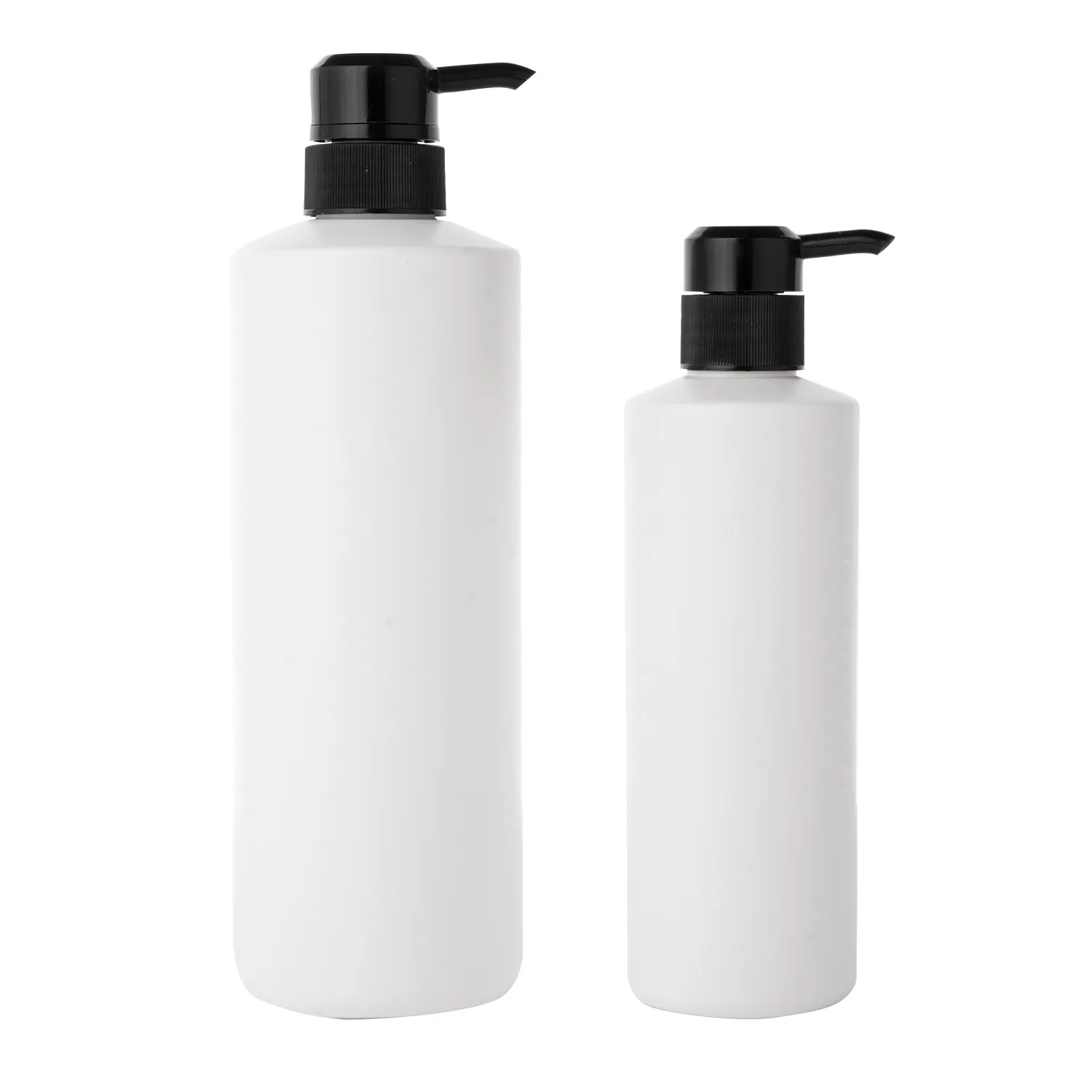
A stock image related to PE Plastic Bottle Shampoo Bottle.
In-depth Look: Manufacturing Processes and Quality Assurance for PE Plastic Bottle Shampoo Bottle
What Are the Main Stages in the Manufacturing Process of PE Plastic Shampoo Bottles?
The production of polyethylene (PE) plastic shampoo bottles involves a series of well-defined stages, each crucial for ensuring the quality and functionality of the final product. The primary stages of manufacturing include material preparation, forming, assembly, and finishing.
Material Preparation: What Materials Are Used and How Are They Prepared?
The first stage involves the selection and preparation of raw materials, primarily high-density polyethylene (HDPE) or low-density polyethylene (LDPE). These materials are sourced in granule form, which is then subjected to quality checks to ensure they meet industry standards.
Once the raw materials are approved, they undergo a drying process to eliminate moisture, which can affect the molding process. Additionally, additives such as colorants or UV stabilizers may be mixed in at this stage to enhance the properties of the bottles.
How Are PE Plastic Shampoo Bottles Formed?
The forming stage typically utilizes techniques such as blow molding or injection molding. In blow molding, heated plastic granules are extruded into a tube, which is then inflated within a mold to form the bottle shape. This method is favored for its efficiency and ability to create lightweight yet sturdy bottles.
In injection molding, molten plastic is injected into a pre-designed mold and cooled to form the desired shape. This technique is often used for producing caps or complex bottle designs. Each method has its advantages, and the choice depends on the specific requirements of the bottle design and production volume.
What Steps Are Involved in Assembly and Finishing?
After forming, the bottles are cooled and removed from their molds. They undergo a thorough inspection for defects. Following this, the assembly stage involves adding components such as caps, pumps, and labels.
Finishing touches may include surface treatments to enhance aesthetics or functionality, such as adding texture or applying coatings for better grip. The final step in this stage is packaging the bottles for shipment, ensuring they are secure to prevent damage during transit.
What Quality Assurance Practices Are Essential in the Production of PE Plastic Shampoo Bottles?
Quality assurance (QA) is a critical component of the manufacturing process, ensuring that the final products meet the required standards for safety, performance, and reliability. Various international standards and industry-specific guidelines govern QA practices.
Quais normas internacionais devem ser conhecidas pelos compradores B2B?
B2B buyers should be familiar with international standards such as ISO 9001, which outlines requirements for a quality management system. Compliance with ISO standards indicates that a manufacturer has established processes to ensure consistent quality.
Additionally, certifications like CE mark (indicating conformity with health, safety, and environmental protection standards) and API (American Petroleum Institute) standards may be relevant, especially for products that come into contact with personal care items.
What Are the Key QC Checkpoints During Production?
Quality control (QC) is integrated throughout the manufacturing process with several critical checkpoints:
-
Controle de qualidade de entrada (IQC): This step involves inspecting raw materials upon arrival to ensure they meet specifications. Any defective materials are rejected at this stage.
-
Controle de qualidade durante o processo (IPQC): During production, random samples are taken to monitor the manufacturing process. Parameters such as temperature, pressure, and cycle times are checked to ensure consistency.
-
Controle de qualidade final (FQC): Once the bottles are produced, they undergo final inspections. This includes checking for visual defects, measuring dimensions, and ensuring that components function correctly.
Como os compradores B2B podem verificar as práticas de controle de qualidade do fornecedor?
To ensure that suppliers adhere to stringent quality standards, B2B buyers can implement several verification strategies:
Quais são as práticas recomendadas para a realização de auditorias de fornecedores?
Conducting regular audits is one of the most effective ways to verify a supplier’s quality control practices. Audits should focus on the supplier’s processes, compliance with international standards, and overall production capabilities.
Buyers can use third-party auditing firms to provide an unbiased evaluation of the supplier’s operations. This not only helps in assessing the quality systems in place but also builds trust between the buyer and the supplier.
How Can Buyers Request Quality Reports and Testing Results?
Buyers should request detailed quality reports and testing results from suppliers. These documents should include information on materials used, manufacturing processes, and results from various quality tests.
Os métodos de teste comuns incluem:
- Testes físicos: Evaluates the strength, flexibility, and durability of the bottles.
- Testes químicos: Assesses the material’s resistance to various substances, ensuring it is safe for personal care products.
- Testes ambientais: Determines how well the bottles withstand different environmental conditions, such as heat and humidity.
Quais são as nuances de QC e certificação para compradores internacionais B2B?
For international buyers, understanding the nuances of QC and certifications can be crucial, especially when dealing with suppliers from different regions like Africa, South America, the Middle East, and Europe.
How Do Regional Regulations Affect Quality Assurance?
Each region may have different regulations regarding packaging materials, particularly for personal care products. Buyers must ensure that their suppliers comply with local regulations, such as those set by the European Union (EU) for products sold in Europe.
Additionally, some markets may require specific certifications, such as those related to sustainability and recyclability, which are increasingly important for eco-conscious consumers.
What Should Buyers Look for in Supplier Compliance?
Finally, buyers should look for suppliers that can demonstrate a commitment to continuous improvement in their QC processes. This may include investments in new technologies, employee training programs, and a proactive approach to addressing any quality issues that arise.
By understanding the manufacturing processes and quality assurance practices associated with PE plastic shampoo bottles, B2B buyers can make informed decisions when selecting suppliers, ultimately ensuring they receive high-quality products that meet their needs.
Practical Sourcing Guide: A Step-by-Step Checklist for ‘PE Plastic Bottle Shampoo Bottle’
This guide aims to provide a clear, actionable checklist for international B2B buyers looking to source PE plastic bottle shampoo bottles. By following these steps, you can ensure that your procurement process is efficient, compliant, and tailored to your specific needs.
Etapa 1: Defina suas especificações técnicas
Establishing clear technical specifications is vital for ensuring the bottles meet your product requirements. Consider factors such as capacity (e.g., 350ml, 650ml), shape (e.g., round, square), and closure type (e.g., pump, screw cap). This clarity will facilitate communication with suppliers and help prevent costly mistakes later in the sourcing process.
Etapa 2: Realizar pesquisas de mercado
Before reaching out to suppliers, conduct thorough market research to understand current trends and pricing. Analyze competitor offerings to identify features that appeal to your target market. This insight will allow you to negotiate better prices and select a supplier that can meet your quality and design expectations.
Etapa 3: Avaliar fornecedores em potencial
Before committing, it’s crucial to vet suppliers thoroughly. Request company profiles, case studies, and references from buyers in a similar industry or region. Look for suppliers with a proven track record in manufacturing PE plastic bottles, as this indicates reliability and quality.
- Verifique as certificações: Ensure suppliers comply with international standards, such as ISO certifications, which reflect their commitment to quality and safety.
- Assess Production Capacity: Confirm that the supplier can meet your volume requirements within your desired timeframe.
Etapa 4: Solicitar amostras
Always request samples before placing a bulk order. Samples allow you to assess the quality of the PE plastic bottle, including its durability, design, and functionality. Use this opportunity to test how the bottle performs with your shampoo product, ensuring compatibility with your formulation.
Etapa 5: Negociar termos e preços
Once you have selected a potential supplier, initiate negotiations on pricing, payment terms, and delivery schedules. Be clear about your budget and expectations to avoid misunderstandings. Aim for a win-win scenario where both parties feel satisfied with the agreement.
- Descontos por volume: Inquire about discounts for larger orders, which can significantly reduce your overall costs.
- Condições de pagamento: Establish payment terms that suit your financial situation, such as upfront payments, deposits, or net terms.
Etapa 6: Finalize Logistics and Shipping
Planning for logistics is essential to ensure timely delivery of your bottles. Confirm shipping methods, costs, and estimated delivery times with the supplier. It’s also important to understand the customs regulations in your country to avoid any delays upon arrival.
Etapa 7: Establish Quality Control Measures
Implement quality control measures to ensure that the received bottles meet your specifications. Define criteria for inspection upon delivery, including visual inspections and functional tests. Establish a clear protocol for handling discrepancies or defects to maintain your product quality.
By following this checklist, B2B buyers can navigate the sourcing process for PE plastic bottle shampoo bottles effectively, ensuring a smooth procurement experience that aligns with their business goals.
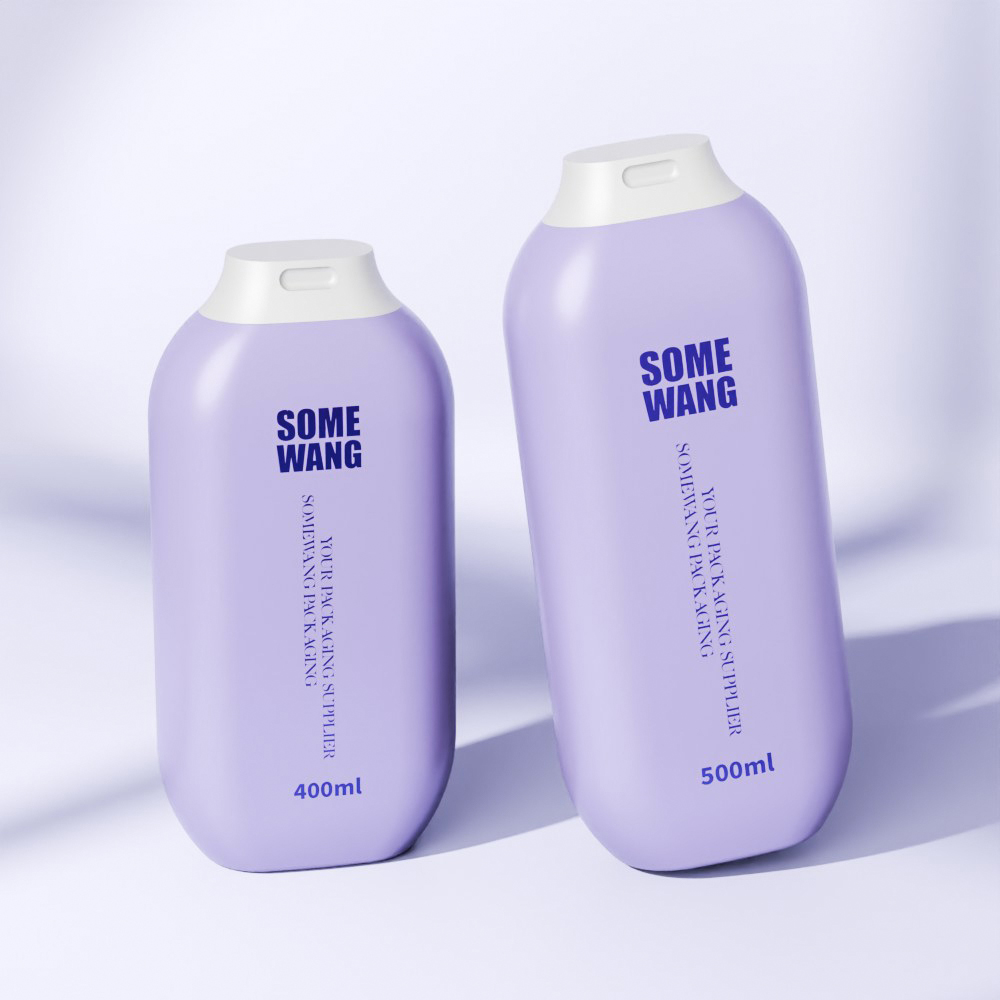
A stock image related to PE Plastic Bottle Shampoo Bottle.
Comprehensive Cost and Pricing Analysis for PE Plastic Bottle Shampoo Bottle Sourcing
What Are the Key Cost Components for Sourcing PE Plastic Bottle Shampoo Bottles?
When sourcing PE plastic bottle shampoo bottles, understanding the cost structure is vital. The primary components include:
-
Materiais: The choice of polyethylene (PE) impacts costs significantly. High-density polyethylene (HDPE) offers durability but may be priced higher than lower-grade options. Additionally, custom colors or finishes can add to material costs.
-
Trabalho: Labor costs vary depending on the manufacturing location. Regions with lower labor costs may offer competitive pricing, but quality and expertise should not be compromised.
-
Custos indiretos de fabricação: This includes expenses related to factory operations, utilities, and equipment maintenance. Efficient production processes can help minimize overhead costs.
-
Ferramentas: Custom molds for bottle shapes and sizes can represent a significant initial investment. However, this cost can be amortized over large production runs, making it more cost-effective for high-volume orders.
-
Controle de qualidade (QC): Implementing rigorous QC processes ensures product reliability, which can involve additional costs. However, this investment is essential for maintaining brand reputation.
-
Logística: Shipping and handling costs can fluctuate based on distance, shipping method, and freight terms. Understanding these factors is crucial for budget planning.
-
Margem: Suppliers will typically include a profit margin in their pricing. This margin can vary based on market competition and the perceived value of the product.
How Do Price Influencers Affect PE Plastic Bottle Shampoo Bottles?
Several factors influence the pricing of PE plastic shampoo bottles:
-
Volume e quantidade mínima de pedidos (MOQ): Larger orders often qualify for bulk pricing discounts. Buyers should negotiate MOQs to align with their inventory needs.
-
Especificações e personalização: Custom designs, sizes, or closures (e.g., pumps or caps) can increase costs. Buyers should balance the desire for unique packaging with budget constraints.
-
Qualidade do material e certificações: Bottles meeting specific quality standards or certifications (e.g., food-safe, eco-friendly) may cost more. Buyers should assess the importance of these certifications based on their target market.
-
Fatores do fornecedor: Supplier reputation, reliability, and production capabilities can impact pricing. Established suppliers may charge a premium for their expertise and service levels.
-
Incoterms: The choice of Incoterms (e.g., FOB, CIF) affects logistics costs. Buyers should clarify these terms to understand their responsibilities and potential additional costs.
Quais são as melhores dicas do comprador para obter eficiência de custos no sourcing?
International B2B buyers can optimize their sourcing strategy for PE plastic bottle shampoo bottles by considering the following tips:
-
Negociar com eficácia: Always negotiate terms, pricing, and payment conditions. Building a strong relationship with suppliers can lead to better deals over time.
-
Avaliar o custo total de propriedade (TCO): Beyond the initial purchase price, consider TCO, which includes shipping, handling, storage, and potential waste costs. This comprehensive view can lead to more informed purchasing decisions.
-
Understand Pricing Nuances for International Buyers: Different regions may have varying pricing structures due to economic factors. Buyers from Africa, South America, the Middle East, and Europe should be aware of these dynamics and adjust their expectations accordingly.
-
Stay Updated on Market Trends: Regularly reviewing market conditions, emerging materials, and new suppliers can provide insights into potential cost savings or innovative packaging solutions.
-
Solicite amostras antes de se comprometer: Always request samples to assess quality and suitability before placing large orders. This practice helps avoid costly mistakes and ensures product alignment with brand standards.
Isenção de responsabilidade sobre preços indicativos
Pricing for PE plastic bottle shampoo bottles can vary widely based on the factors mentioned above. The prices provided by suppliers are indicative and subject to change based on market conditions, order specifics, and supplier negotiations. Buyers are encouraged to conduct thorough research and obtain multiple quotes to ensure competitive pricing.
Alternatives Analysis: Comparing PE Plastic Bottle Shampoo Bottle With Other Solutions
Exploring Alternatives to PE Plastic Bottle Shampoo Bottles: What Are the Best Options?
When it comes to packaging solutions for shampoo and personal care products, the choice of materials is crucial. PE (Polyethylene) plastic bottles are widely used due to their durability and versatility. However, other alternatives also exist that may better suit specific business needs. Below, we compare PE plastic bottles against two viable alternatives: HDPE (High-Density Polyethylene) bottles and glass bottles.
| Aspecto de comparação | PE Plastic Bottle Shampoo Bottle | HDPE Bottle | Garrafa de vidro |
|---|---|---|---|
| Desempenho | Good barrier properties, lightweight, flexible | Excellent durability, withstands impact | Superior barrier against air and moisture |
| Custo | Custo geralmente mais baixo | Slightly higher than PE | Higher initial cost but reusable |
| Facilidade de implementação | Easy to mold and customize | Similar to PE, customizable | Requires more complex logistics for transportation |
| Manutenção | Easy to clean and recycle | Recyclable, can be reused | Requires careful handling; can be heavy |
| Melhor caso de uso | Ideal for single-use products | Great for bulk or refillable products | Best for premium products or eco-friendly brands |
Pros and Cons of HDPE Bottles
HDPE bottles are a popular alternative to PE plastic bottles, known for their robustness and resistance to impact. They maintain a high level of chemical resistance, making them suitable for a variety of shampoos and conditioners. However, they are slightly more expensive than PE bottles and may not offer the same level of flexibility in design. Businesses focused on bulk sales or refillable solutions will find HDPE beneficial due to its durability and recyclability, which aligns with sustainability goals.
Pros and Cons of Glass Bottles
Glass bottles present a premium packaging option that appeals to eco-conscious consumers and brands looking to establish a high-end image. They provide excellent protection against external factors such as air and moisture, which can prolong product shelf life. On the downside, glass bottles are heavier, increasing shipping costs, and are more fragile, requiring careful handling during transportation and storage. Businesses targeting the luxury market or those emphasizing sustainability may prefer glass despite the higher costs.
Making the Right Choice for Your Shampoo Bottle Needs
In conclusion, choosing the right shampoo bottle depends on various factors, including target market, budget, and sustainability goals. PE plastic bottles are ideal for cost-effective, single-use applications, while HDPE bottles offer a more robust solution for refillable or bulk products. Glass bottles, although more expensive, can elevate a brand’s image and appeal to environmentally conscious consumers. By carefully evaluating these alternatives, B2B buyers can select the packaging solution that best aligns with their operational needs and brand identity.
Essential Technical Properties and Trade Terminology for PE Plastic Bottle Shampoo Bottle
What Are the Key Technical Properties of PE Plastic Bottle Shampoo Bottles?
When sourcing PE plastic shampoo bottles, understanding their technical properties is crucial for making informed purchasing decisions. Here are some essential specifications to consider:
-
Grau do material
PE (Polyethylene) is available in various grades, such as HDPE (High-Density Polyethylene) and LDPE (Low-Density Polyethylene). HDPE is known for its strength and rigidity, making it ideal for shampoo bottles that require durability during transport and storage. LDPE, while more flexible, is often used for squeeze bottles. Selecting the appropriate grade can affect product integrity and shelf life. -
Capacidade
Shampoo bottles come in various sizes, typically ranging from 50ml to 1,000ml. The choice of capacity should align with market demand and consumer preferences. Larger bottles may cater to cost-conscious consumers looking for value, while smaller, travel-sized bottles appeal to customers seeking convenience. Understanding the target market will guide capacity selection. -
Tipo de fechamento
The closure type, such as screw caps, disc top caps, or pump dispensers, significantly influences user experience and product functionality. For instance, pumps allow for controlled dispensing, minimizing waste, while screw caps provide a secure seal to prevent leaks. Choosing the right closure type can enhance customer satisfaction and brand reputation. -
Espessura da parede
Wall thickness impacts the bottle’s strength, weight, and overall aesthetic. Thicker walls typically offer better protection against impacts and environmental conditions, while thinner walls can reduce material costs. Balancing wall thickness with functionality can help optimize manufacturing costs without compromising quality. -
Tolerância
Tolerance refers to the allowable variation in bottle dimensions. Maintaining tight tolerances is essential for ensuring compatibility with caps and pumps, preventing leaks and ensuring a consistent user experience. In B2B contexts, this can reduce the risk of product failure and improve the efficiency of the supply chain. -
Recursos de sustentabilidade
As environmental concerns grow, many buyers are looking for bottles made from recyclable or biodegradable materials. Some suppliers offer bottles made from recycled PE or incorporate sustainable practices in their production processes. Understanding these features can align your brand with eco-conscious consumers and improve marketability.
What Are Common Trade Terms Related to PE Plastic Bottle Shampoo Bottles?
Navigating the B2B landscape requires familiarity with industry jargon. Here are some key terms that may arise during transactions:
-
OEM (fabricante original do equipamento)
This term refers to a company that produces goods that are marketed by another company. In the context of shampoo bottles, an OEM can customize bottles according to your specifications, ensuring that your brand’s needs are met. -
MOQ (Quantidade mínima de pedido)
MOQ is the smallest quantity of a product that a supplier is willing to sell. Understanding MOQ is vital for budgeting and inventory management. It can influence your purchasing strategy, particularly if you’re testing new products or entering a new market. -
RFQ (Request for Quotation, solicitação de cotação)
An RFQ is a document sent to suppliers to solicit pricing and terms for specific products. Crafting a detailed RFQ can help you receive accurate quotes and ensure that you’re comparing similar products, thus facilitating better negotiation. -
Incoterms (Termos Comerciais Internacionais)
These are standardized trade terms that define the responsibilities of buyers and sellers in international transactions. Terms like FOB (Free On Board) and CIF (Cost, Insurance, and Freight) clarify who is responsible for shipping costs, insurance, and risks during transport, which is crucial for budgeting. -
Prazo de entrega
This refers to the time taken from placing an order to the product’s delivery. Understanding lead times is essential for inventory planning and ensuring that you have adequate stock to meet customer demand without incurring excess holding costs. -
Customs Clearance
This term refers to the process of passing goods through customs so they can enter or leave a country. Familiarity with customs clearance procedures is vital for international transactions, as it can affect delivery times and overall costs.
By grasping these technical properties and industry terms, B2B buyers can make more informed decisions, optimize their supply chain, and enhance their product offerings in a competitive market.
Navigating Market Dynamics and Sourcing Trends in the PE Plastic Bottle Shampoo Bottle Sector
What Are the Current Market Trends Influencing the PE Plastic Bottle Shampoo Bottle Sector?
The global market for PE plastic bottle shampoo bottles is witnessing significant growth, driven by increasing consumer demand for personal care products. Factors such as urbanization, rising disposable incomes, and a growing awareness of personal grooming are propelling the market forward. In regions like Africa and South America, the expanding middle class is particularly keen on affordable yet high-quality personal care solutions, creating opportunities for international B2B buyers to tap into these emerging markets.
In terms of technology and sourcing trends, there is a noticeable shift towards automation and digitalization in the manufacturing and sourcing processes. Suppliers are increasingly adopting e-commerce platforms and digital supply chain management tools to streamline operations and enhance customer engagement. Additionally, customization is becoming a key differentiator; buyers are seeking tailored solutions that align with their branding and product specifications. For instance, PE plastic bottles with various closures, such as pumps or disc-top caps, are gaining popularity due to their convenience and usability.
Furthermore, the competitive landscape is evolving, with both established manufacturers and new entrants vying for market share. Innovations in bottle designs, such as eco-friendly options and unique shapes, are becoming critical in attracting discerning customers. International B2B buyers must stay informed about these dynamics to make strategic sourcing decisions that align with market demands and consumer preferences.
How Is Sustainability Shaping Sourcing Decisions for PE Plastic Bottle Shampoo Bottles?
Sustainability is a pivotal consideration for B2B buyers in the PE plastic bottle shampoo bottle sector. The environmental impact of plastic waste is prompting companies to seek sustainable packaging solutions. As a result, buyers are increasingly prioritizing suppliers who offer eco-friendly materials, such as recycled polyethylene (rPE) and biodegradable options. These materials not only reduce the carbon footprint but also resonate well with environmentally conscious consumers, enhancing brand loyalty.
Moreover, ethical sourcing practices are gaining traction. Buyers are encouraged to vet suppliers based on their adherence to ethical labor practices and transparency in the supply chain. Certifications such as FSC (Forest Stewardship Council) and ISO (International Organization for Standardization) are becoming essential benchmarks for evaluating suppliers. These certifications assure buyers that the materials used in production are sourced responsibly and sustainably.
In addition to sourcing considerations, brands that actively promote their sustainability initiatives often enjoy a competitive edge in the marketplace. By leveraging green certifications and highlighting eco-friendly practices in their marketing strategies, businesses can appeal to a broader audience, particularly in regions with stringent environmental regulations, such as Europe.
How Has the PE Plastic Bottle Shampoo Bottle Sector Evolved Over Time?
The evolution of the PE plastic bottle shampoo bottle sector reflects broader changes in consumer behavior and technological advancements. Initially, these bottles were primarily valued for their cost-effectiveness and lightweight properties. However, as consumer awareness regarding sustainability and environmental issues has grown, manufacturers have been compelled to innovate.
In recent years, the industry has seen a shift towards incorporating recyclable and sustainable materials in bottle production. The introduction of advanced manufacturing techniques, such as blow molding and extrusion, has allowed for greater design flexibility and efficiency. This evolution is not only meeting the demands of a more informed consumer base but also aligning with global sustainability goals.
As international B2B buyers navigate this changing landscape, understanding the historical context of the PE plastic bottle shampoo bottle sector can provide valuable insights into future trends and opportunities. The focus on innovation and sustainability will likely continue to shape the market, presenting both challenges and prospects for strategic sourcing.
Frequently Asked Questions (FAQs) for B2B Buyers of PE Plastic Bottle Shampoo Bottle
-
How do I choose the right PE plastic shampoo bottle for my product?
When selecting a PE plastic shampoo bottle, consider factors such as capacity, closure type, and design. Evaluate the product’s compatibility with your shampoo’s viscosity and chemical composition. Look for bottles with dispensing options like pumps or flip-top caps that allow for controlled usage. Additionally, assess the aesthetic appeal that aligns with your brand identity. Lastly, sustainability is becoming increasingly important; choose bottles that are recyclable or made from post-consumer materials if that aligns with your brand values. -
What are the customization options available for PE plastic shampoo bottles?
Customization options for PE plastic shampoo bottles typically include size, color, and printing. Many suppliers offer private label services where you can design your own logo or label. You can also choose specific cap types and functionalities, such as pumps or spray nozzles, to enhance user experience. Discussing your specific needs with your supplier can lead to tailored solutions that suit your brand’s requirements, ensuring that your packaging stands out in a competitive market. -
What is the minimum order quantity (MOQ) for PE plastic shampoo bottles?
The minimum order quantity for PE plastic shampoo bottles varies by supplier, typically ranging from 1,000 to 10,000 units. Factors influencing MOQ include the complexity of customization, production capacity, and material costs. It’s advisable to discuss your specific needs with potential suppliers, as some may offer flexibility on MOQ for new clients or bulk orders. Always consider your inventory management strategy to avoid overstocking while meeting market demand. -
What are the payment terms for purchasing PE plastic shampoo bottles?
Payment terms can differ significantly among suppliers, but common practices include a deposit upfront (usually 30%) with the balance due before shipment. Some suppliers may offer net payment terms depending on your business relationship and order size. It’s crucial to clarify payment options early in negotiations, including accepted payment methods such as wire transfers, letters of credit, or online payment platforms. Ensure that the terms align with your cash flow management strategies. -
How do I ensure quality assurance for PE plastic shampoo bottles?
Quality assurance for PE plastic shampoo bottles begins with selecting reputable suppliers who provide certification for their products, such as ISO or FDA compliance. Request samples to assess the bottle’s quality, durability, and compatibility with your products. Establish clear quality control processes, including inspections during production and before shipment. Additionally, consider third-party inspections if you are sourcing from international suppliers to ensure adherence to your quality standards. -
What logistics considerations should I keep in mind when sourcing PE plastic shampoo bottles internationally?
When sourcing PE plastic shampoo bottles internationally, consider shipping methods, costs, and lead times. Evaluate the supplier’s location and the impact on logistics, including potential tariffs and customs regulations. Choose reliable freight forwarders experienced in handling plastic packaging to avoid delays. Additionally, factor in storage solutions for your inventory upon arrival and ensure that your supply chain can accommodate fluctuations in demand. -
What are the common certifications to look for in PE plastic shampoo bottles?
Common certifications for PE plastic shampoo bottles include ISO 9001 for quality management, FDA approval for food-grade materials, and REACH compliance for chemical safety in Europe. If your products are marketed as eco-friendly, look for certifications such as FSC or biodegradable claims. These certifications not only ensure product safety and quality but also enhance your brand’s credibility and appeal to environmentally conscious consumers. -
How can I vet suppliers for PE plastic shampoo bottles effectively?
To effectively vet suppliers for PE plastic shampoo bottles, start by researching their reputation through online reviews and industry forums. Request references from other clients to gauge their reliability and service quality. Evaluate their production capabilities, certifications, and compliance with international standards. A factory visit or virtual tour can also provide insights into their operational processes. Finally, compare quotes and terms from multiple suppliers to make an informed decision based on quality, pricing, and service.
Isenção de responsabilidade e termos de uso importantes
⚠️ Isenção de responsabilidade importante
As informações fornecidas neste guia, inclusive o conteúdo referente a fabricantes, especificações técnicas e análise de mercado, são apenas para fins informativos e educacionais. Elas não constituem aconselhamento profissional sobre compras, aconselhamento financeiro ou aconselhamento jurídico.
Embora tenhamos feito todos os esforços para garantir a precisão e a atualidade das informações, não nos responsabilizamos por erros, omissões ou informações desatualizadas. As condições de mercado, os detalhes da empresa e os padrões técnicos estão sujeitos a alterações.
Os compradores B2B devem realizar sua própria due diligence independente e completa antes de tomar qualquer decisão de compra. Isso inclui entrar em contato diretamente com os fornecedores, verificar as certificações, solicitar amostras e buscar consultoria profissional. O risco de confiar em qualquer informação contida neste guia é de responsabilidade exclusiva do leitor.
Top 6 Pe Plastic Bottle Shampoo Bottle Manufacturers & Suppliers List
1. The Cary Company – 30-Day Returns
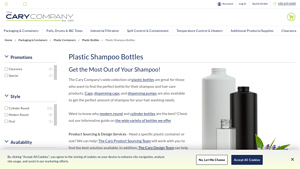
Domínio: thecarycompany.com
Registrado: 1999 (26 anos)
Introdução: Essa empresa, The Cary Company - 30-Day Returns, é uma entidade notável no mercado. Para obter detalhes específicos do produto, é recomendável visitar diretamente o site da empresa.
2. Gideapac – PE Plastic Bottle Shampoo Bottle

Domínio: gideapac.com
Registrado: 2023 (2 anos)
Introdução: {“Product Name”: “PE Plastic Bottle Shampoo Bottle”, “Item No.”: “G21152”, “Material”: “PE (Polyethylene)”, “Capacity”: [{“Size”: “350ml”, “Height”: “195mm”, “Diameter”: “64mm”}, {“Size”: “650ml”, “Height”: “169mm”, “Diameter”: “88mm”}], “Closure Type”: [“Screw on”, “Disc top cap”, “Lotion pump”], “Order Quantity”: “10,000PCS”, “Categories”: [“Bottles”, “Pump Bottle”], “Features”: “Controlled disp…
3. NBT Plastics – 500ml HDPE Pump Bottle

Domínio: nbtplastics.com
Registrado: 2024 (1 ano)
Introdução: {“Product Name”: “NBT Plastic Wholesale Empty Body Shower Gel Shampoo Pump Bottle PE Plastic Lotion Bottle With Pump”, “Capacity”: “500ml”, “Material”: “HDPE”, “Color”: “Customize”, “Features”: [“Durable”, “Lightweight”, “Heat-resistant”, “Waterproof”, “Non-toxic”], “Use”: “Cosmetic and chemistry bottle”, “Place of Origin”: “Vietnam”, “Custom Order”: “Accept”, “Brand”: “NBT Plastic”, “Packaging”: …
4. AliExpress – Empty Lotion Bottles
Domínio: aliexpress.com
Registrado: 2006 (19 anos)
Introdução: This company, AliExpress – Empty Lotion Bottles, is a notable entity in the market. For specific product details, it is recommended to visit their website directly.
5. Walmart – Leak Proof Portable Cosmetic Bottles
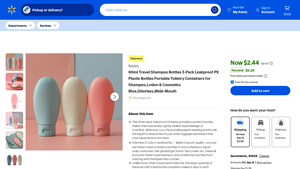
Domínio: walmart.com
Registrado: 1995 (30 anos)
Introdução: This company, Walmart – Leak Proof Portable Cosmetic Bottles, is a notable entity in the market. For specific product details, it is recommended to visit their website directly.
6. Cixi Deprag Plastics – Shampoo Bottles

Domínio: yasigeli.goldsupplier.com
Registrado: 2000 (25 anos)
Introdução: Shampoo bottle from Cixi Deprag Plastics Co., Ltd. Products include various sizes and types of shampoo bottles: 200ml HDPE cosmetic shampoo bottle with flip cap, 270ml PE shampoo bottle, 400ml PE plastic shampoo bottle, 600ml shampoo bottle, 1L shampoo bottle, and more. FOB Price ranges from US$ 0.1 to US$ 0.4 per piece, with minimum order quantities typically starting at 5000 to 10000 sets. The b…
Strategic Sourcing Conclusion and Outlook for PE Plastic Bottle Shampoo Bottle
In the competitive landscape of personal care packaging, strategic sourcing of PE plastic shampoo bottles presents significant opportunities for international B2B buyers. The advantages of using polyethylene (PE) bottles—such as their lightweight nature, durability, and resistance to chemicals—make them an ideal choice for shampoo and other hair care products. With options for customization in size, shape, and closure types, businesses can enhance brand identity while ensuring product integrity.
Moreover, as sustainability becomes a pivotal concern, sourcing from suppliers that offer eco-friendly materials and designs can align with evolving consumer preferences. Buyers from regions such as Africa, South America, the Middle East, and Europe should focus on establishing strong partnerships with manufacturers that provide innovative solutions and responsive service.
Looking ahead, the demand for versatile and sustainable packaging solutions will continue to grow. Engaging in strategic sourcing not only optimizes supply chains but also positions companies to adapt to market trends effectively. We encourage international buyers to explore diverse options and leverage the expertise of packaging specialists to elevate their product offerings. Take action today to secure a competitive edge in the dynamic personal care market.




 Portuguese
  English
  Russian
  Spanish
  Italian
  Thai
Thai  French
  Arabic
  Indonesian
  German






