

Introduction: Navigating the Global Market for Cream Jar Manufacturer Empty Plastic Cream Jar
Navigating the global market for empty plastic cream jars poses a significant challenge for international B2B buyers, particularly those in Africa, South America, the Middle East, and Europe, including countries like Saudi Arabia and Brazil. As the demand for cosmetic products continues to rise, sourcing high-quality cream jars that align with brand values and product safety standards becomes paramount. This guide aims to simplify the complexities of sourcing by providing a comprehensive overview of various types of empty plastic cream jars, their applications across the cosmetics industry, and essential criteria for vetting suppliers.
In the following sections, we will delve into the diverse options available, from eco-friendly materials to customizable designs that cater to unique brand identities. Additionally, we will discuss critical factors such as pricing structures, minimum order quantities, and shipping logistics, which are crucial for making informed purchasing decisions. By equipping international buyers with actionable insights and expert guidance, this guide empowers businesses to navigate the competitive landscape of cosmetic packaging effectively. Understanding these dynamics will not only enhance product presentation but also contribute to brand loyalty and customer satisfaction in diverse markets.
Understanding Cream Jar Manufacturer Empty Plastic Cream Jar Types and Variations
| Название типа | Ключевые отличительные особенности | Основные приложения B2B | Краткие плюсы и минусы для покупателей |
|---|---|---|---|
| Standard Plastic Jars | Lightweight, cost-effective, various sizes | Moisturizers, creams, balms | Плюсы: Affordable, versatile; Конс: Менее прочный, чем стекло. |
| Airless Pump Jars | Preserves product integrity, minimizes waste | Высокотехнологичный уход за кожей, сыворотки | Плюсы: Prevents contamination; Конс: Более высокая стоимость. |
| Eco-Friendly Jars | Made from recycled materials, biodegradable | Натуральные и органические продукты | Плюсы: Appeals to eco-conscious brands; Конс: May have limited designs. |
| Luxury Acrylic Jars | High-end finish, customizable designs | Premium cosmetics, specialty creams | Плюсы: Attractive presentation; Конс: Higher price point. |
| Custom-Shaped Jars | Unique designs tailored to brand specifications | Niche markets, promotional items | Плюсы: Stand out on shelves; Конс: Более длительный срок изготовления. |
What Are Standard Plastic Jars and Their B2B Suitability?
Standard plastic jars are the most common type of packaging for creams and lotions. They are lightweight and come in various sizes, making them suitable for a wide range of products from moisturizers to balms. For B2B buyers, the affordability of these jars is a significant advantage, especially for brands looking to optimize costs without sacrificing quality. However, their less durable nature compared to glass may be a consideration for products that require longer shelf life or protection from environmental factors.
Why Choose Airless Pump Jars for High-End Products?
Airless pump jars are designed to protect the integrity of the product by minimizing exposure to air and contaminants. This is particularly important for high-end skincare products and serums, where maintaining efficacy is crucial. B2B buyers should consider the added value of these jars in terms of product preservation, although the higher price point may be a drawback for budget-conscious brands. The convenience of dispensing without touching the product also enhances user experience.
What Makes Eco-Friendly Jars Attractive to Modern Brands?
Eco-friendly jars made from recycled or biodegradable materials are becoming increasingly popular in the cosmetic industry. They cater to the growing demand for sustainable packaging solutions among consumers. B2B buyers focusing on natural and organic product lines may find these jars particularly appealing. However, the limited design options and potential higher costs can be a consideration when evaluating overall packaging strategies.
How Do Luxury Acrylic Jars Enhance Brand Presentation?
Luxury acrylic jars offer a high-end aesthetic that can elevate the branding of any cosmetic line. They are customizable in terms of color and finish, allowing brands to create a unique product presentation that stands out on shelves. While the attractive design can justify a higher price point, B2B buyers should weigh the potential return on investment against their target market’s willingness to pay for premium packaging.
What Are the Benefits of Custom-Shaped Jars in Niche Markets?
Custom-shaped jars provide businesses with the opportunity to differentiate their products in a crowded marketplace. These jars can be tailored to specific brand identities, making them ideal for promotional items or niche markets. B2B buyers should consider the longer lead times and potential costs associated with custom designs, but the unique appeal can significantly enhance product visibility and customer engagement.
Key Industrial Applications of Cream Jar Manufacturer Empty Plastic Cream Jar
| Промышленность/сектор | Specific Application of Cream Jar Manufacturer Empty Plastic Cream Jar | Ценность/выгода для бизнеса | Ключевые соображения по поиску источников для данного приложения |
|---|---|---|---|
| Косметика и уход за кожей | Packaging for face creams and moisturizers | Enhances product shelf life and brand presentation | Quality of materials, customization options, and compliance with regulations. |
| Фармацевтика | Storage for topical creams and ointments | Обеспечивает целостность и безопасность продукции для чувствительных рецептур | Tamper-proof features, regulatory compliance, and material safety certifications. |
| Продукты питания и напитки | Containers for cosmetic-grade food creams (e.g., whipped toppings) | Provides safe, hygienic packaging that extends product freshness | Food-grade materials, sealing options, and eco-friendly alternatives. |
| Личный уход | Packaging for body lotions and creams | Facilitates easy dispensing and enhances user experience | Ergonomic design, size options, and branding capabilities. |
| Товары для дома | Containers for cleaning creams and polishes | Offers durable packaging that withstands various environmental conditions | Chemical resistance, airtight sealing, and bulk purchasing options. |
In the cosmetics and skincare industry, empty plastic cream jars are widely used for packaging face creams and moisturizers. These jars not only extend the shelf life of products but also enhance the visual appeal of brands. For international buyers, particularly from regions like Africa and South America, sourcing high-quality jars that comply with local regulations is crucial. Customization options can help brands stand out in a competitive market.
In the pharmaceutical sector, empty plastic cream jars serve as reliable storage for topical creams and ointments. They ensure the integrity and safety of sensitive formulations, which is vital for maintaining efficacy. Buyers must consider tamper-proof features and compliance with health regulations, especially when sourcing from manufacturers in the Middle East and Europe.
The food and beverage industry also utilizes cream jars for cosmetic-grade food creams, such as whipped toppings. These jars provide hygienic and safe packaging that helps extend product freshness. When sourcing, businesses should prioritize food-grade materials and effective sealing options to ensure product safety and compliance with food regulations.
In personal care, plastic cream jars are essential for packaging body lotions and creams. Their ergonomic designs facilitate easy dispensing, enhancing the user experience. Buyers should look for size options that cater to different consumer needs and consider branding capabilities to create a distinctive market presence.
Lastly, in the household products sector, empty plastic cream jars are utilized for cleaning creams and polishes. Their durability ensures they can withstand various environmental conditions, making them suitable for diverse applications. Key sourcing considerations include chemical resistance and airtight sealing to maintain product quality, especially for international buyers looking for reliable suppliers.

A stock image related to Cream Jar Manufacturer Empty Plastic Cream Jar.
3 Common User Pain Points for ‘Cream Jar Manufacturer Empty Plastic Cream Jar’ & Their Solutions
Scenario 1: Overcoming Quality Inconsistencies in Supply
Проблема: B2B buyers often face the challenge of inconsistent quality in empty plastic cream jars, especially when sourcing from multiple manufacturers across different regions. This inconsistency can lead to significant issues, such as product leakage, poor aesthetic appeal, and ultimately, customer dissatisfaction. For companies in the beauty and cosmetics industry, where packaging plays a crucial role in brand perception, receiving subpar products can severely impact their reputation and sales.
Решение: To mitigate quality inconsistencies, B2B buyers should prioritize establishing strong relationships with manufacturers that have proven quality control processes. Before placing large orders, it’s advisable to request samples and conduct thorough inspections. This includes checking for defects, ensuring that the jars are made from non-toxic materials, and verifying that they meet international safety standards. Additionally, implementing a quality assurance checklist can help streamline the evaluation process. By leveraging established manufacturers with a reputation for quality, buyers can ensure that their products consistently meet their brand’s high standards.
Scenario 2: Navigating Customization Challenges for Unique Branding
Проблема: Many B2B buyers struggle with the customization of empty plastic cream jars to align with their brand identity. They often find that standard options do not reflect their desired aesthetics, which can hinder their marketing efforts. This challenge is particularly pronounced in competitive markets where unique packaging can significantly influence consumer purchasing decisions. Buyers may encounter limitations in design, shape, and color options, making it difficult to create a standout product.
Решение: To effectively navigate customization challenges, buyers should engage with manufacturers that offer extensive customization capabilities. This involves communicating specific design requirements upfront and being open to collaboration during the design phase. Requesting detailed mock-ups and prototypes can help visualize the final product and make necessary adjustments before full-scale production. Additionally, exploring eco-friendly materials and innovative shapes can enhance brand appeal while also catering to the increasing consumer demand for sustainable packaging. By focusing on collaboration with manufacturers, buyers can ensure their packaging not only meets brand standards but also attracts their target audience.
Scenario 3: Managing Logistics and Supply Chain Delays
Проблема: Logistics and supply chain delays are a persistent pain point for B2B buyers, particularly in the cosmetic packaging industry. Delays can arise from various factors, including transportation issues, customs clearance, and production backlogs. Such disruptions can lead to product shortages, delayed launches, and lost revenue opportunities, making it imperative for businesses to have a reliable supply chain strategy.
Решение: To manage logistics effectively, buyers should work closely with manufacturers who provide transparency in their supply chain processes. This includes establishing clear timelines and expectations for production and delivery. Additionally, diversifying suppliers can help mitigate risks associated with relying on a single source. Implementing inventory management systems that allow for better forecasting and tracking can also be beneficial. By maintaining open lines of communication with suppliers and utilizing technology for real-time updates, buyers can proactively address potential delays and ensure a steady supply of cream jars for their products.
Strategic Material Selection Guide for Cream Jar Manufacturer Empty Plastic Cream Jar
When selecting materials for empty plastic cream jars, manufacturers must consider various factors that influence product performance, cost, and market compliance. Here, we analyze four common materials used in the production of these jars, focusing on their properties, advantages, disadvantages, and implications for international buyers.
What are the Key Properties of Polypropylene (PP) for Cream Jars?
Polypropylene (PP) is widely used in the cosmetic packaging industry due to its excellent chemical resistance and durability. It has a high melting point (around 160°C), making it suitable for heat-sensitive products. Additionally, PP is lightweight, which reduces shipping costs. However, it has limited barrier properties against gases and moisture, which may not be ideal for products requiring extended shelf life.
Плюсы:
- Экономичный и легкодоступный.
– Good impact resistance and lightweight.
Cons:
– Poor barrier properties compared to other plastics.
– Can become brittle over time when exposed to UV light.
How Does Polyethylene Terephthalate (PET) Perform in Cosmetic Applications?
Polyethylene Terephthalate (PET) is another popular choice for cosmetic jars, known for its clarity and strength. It offers better barrier properties than PP, making it suitable for products sensitive to oxygen and moisture. PET is also recyclable, aligning with the growing demand for sustainable packaging solutions. However, it can be more expensive than PP and may require more complex manufacturing processes.
Плюсы:
– Excellent clarity and aesthetic appeal.
– Strong barrier properties against moisture and gases.
Cons:
– Higher production costs compared to PP.
– Requires careful handling during manufacturing to avoid defects.
Why Choose Acrylonitrile Butadiene Styrene (ABS) for Cream Jars?
Acrylonitrile Butadiene Styrene (ABS) is known for its toughness and impact resistance, making it suitable for jars that may experience rough handling. ABS can withstand a wider range of temperatures, which is beneficial for products that may be stored in varying conditions. However, it is less chemically resistant than PP and PET, which could limit its use depending on the product formulation.
Плюсы:
– High impact resistance and durability.
– Good surface finish for aesthetic appeal.
Cons:
– Lower chemical resistance compared to PP and PET.
– Generally more expensive due to its manufacturing complexity.
What Are the Benefits of Using Polycarbonate (PC) in Cream Jar Manufacturing?
Polycarbonate (PC) is a high-performance plastic known for its exceptional strength and transparency. It can withstand high temperatures and is resistant to impact, making it ideal for jars that require durability. However, PC can be prone to scratching and may not be as chemically resistant as other materials, which can be a concern for certain cosmetic formulations.
Плюсы:
– High clarity and strength, suitable for premium products.
– Excellent thermal stability.
Cons:
– Susceptible to scratching.
– Higher cost and potential regulatory concerns due to BPA content.
Considerations for International B2B Buyers
When sourcing materials for cream jars, international buyers, particularly from regions like Africa, South America, the Middle East, and Europe, should be aware of local regulations and compliance standards. Materials must meet specific safety standards such as ASTM (American Society for Testing and Materials), DIN (Deutsches Institut für Normung), or JIS (Japanese Industrial Standards). Additionally, preferences for sustainable materials are increasing, particularly in Europe, where eco-friendly packaging is often prioritized.
| Материал | Typical Use Case for Cream Jar Manufacturer Empty Plastic Cream Jar | Ключевое преимущество | Основные недостатки/ограничения | Относительная стоимость (низкая/средняя/высокая) |
|---|---|---|---|---|
| Полипропилен (PP) | General-purpose cosmetic jars for creams and lotions | Экономичный и легкий | Poor barrier properties against gases | Низкий |
| Полиэтилентерефталат (ПЭТ) | Jars for moisture-sensitive products | Отличные барьерные свойства | Более высокие производственные затраты | Средний |
| Акрилонитрил-бутадиен-стирол (ABS) | Durable jars for products requiring impact resistance | High toughness and aesthetic appeal | Низкая химическая стойкость | Средний |
| Polycarbonate (PC) | Premium jars requiring high strength and clarity | Exceptional strength and thermal stability | Susceptible to scratching and higher cost | Высокий |
This strategic material selection guide provides valuable insights for cream jar manufacturers, helping them make informed decisions that align with product requirements and market expectations.

A stock image related to Cream Jar Manufacturer Empty Plastic Cream Jar.
In-depth Look: Manufacturing Processes and Quality Assurance for Cream Jar Manufacturer Empty Plastic Cream Jar
What Are the Main Stages in the Manufacturing Process of Empty Plastic Cream Jars?
The manufacturing process for empty plastic cream jars involves several critical stages, ensuring that the final product meets industry standards and customer specifications. The main stages include material preparation, forming, assembly, and finishing.
-
Подготовка материалов: The process begins with selecting the appropriate raw materials, typically polypropylene (PP), polyethylene terephthalate (PET), or a blend of these plastics. These materials are chosen based on their chemical resistance, durability, and safety for cosmetic applications. The raw materials undergo rigorous quality checks to ensure they meet regulatory standards before moving to the next stage.
-
Формирование: During this stage, the prepared materials are transformed into the desired jar shapes using techniques like injection molding or blow molding. Injection molding is often preferred for its precision and efficiency, allowing for the creation of complex designs and a variety of sizes. The molds used in this process are crafted to exact specifications, ensuring uniformity across production batches.
-
Сборка: Once the jars are formed, they may require additional components such as lids or inner seals. The assembly process involves integrating these components securely, ensuring that they fit perfectly and provide an airtight seal. This is crucial for maintaining the integrity of the cosmetic products that will be housed within the jars.
-
Отделка: The final stage includes surface treatments, which may involve printing, labeling, or applying protective coatings. Customization options such as embossed logos or unique color finishes are also applied at this stage, allowing brands to differentiate their products in a competitive market.
How is Quality Assurance Implemented in the Manufacturing of Cream Jars?
Quality assurance (QA) is an integral aspect of the manufacturing process, ensuring that each empty cream jar meets international standards and customer expectations. The QA process includes compliance with various international standards, such as ISO 9001, and industry-specific certifications like CE and API.
-
Международные стандарты: ISO 9001 certification indicates that the manufacturer has implemented a quality management system that consistently meets customer and regulatory requirements. This certification is particularly significant for international buyers, as it demonstrates a commitment to quality throughout the manufacturing process.
-
Контрольные точки контроля качества: The quality control process includes several checkpoints:
- Входящий контроль качества (IQC): This initial stage involves inspecting raw materials upon delivery. Tests are conducted to ensure that materials meet specified quality standards.
- Внутрипроцессный контроль качества (IPQC): During manufacturing, continuous monitoring occurs to identify and rectify any deviations from established quality norms. This step is essential for maintaining consistency and preventing defects.
- Окончательный контроль качества (ОКК): Once production is complete, the finished jars undergo rigorous testing to verify that they meet all specifications, including physical dimensions, sealing effectiveness, and aesthetic quality. -
Общие методы тестирования: Various testing methods are employed to assess the jars’ quality, such as:
- Визуальный осмотр: To check for any surface defects or inconsistencies.
- Размерные испытания: To ensure the jars meet the specified measurements.
- Испытание материалов: Assessing the material properties, including tensile strength and chemical resistance, to ensure safety and durability.
Как покупатели B2B могут проверять процессы контроля качества поставщиков?
For international B2B buyers, particularly those in regions like Africa, South America, the Middle East, and Europe, verifying a supplier’s quality control processes is crucial to ensuring product reliability.
-
Аудиты поставщиков: Conducting supplier audits is an effective way to evaluate a manufacturer’s quality control practices. This can include both on-site inspections and reviewing the company’s quality management documentation. Audits help buyers understand the processes in place and assess compliance with international standards.
-
Отчеты о качестве: Requesting detailed quality reports can provide insights into the manufacturer’s quality assurance protocols. These reports should include information on past performance, defect rates, and compliance with relevant standards.
-
Проверки третьих сторон: Engaging third-party inspection services can add an extra layer of assurance. These independent bodies evaluate the manufacturing processes and products, providing unbiased assessments of quality and compliance.
-
Certifications and Compliance Documents: Buyers should request copies of certifications such as ISO, CE, and API. These documents validate that the manufacturer adheres to established standards and regulations, which is particularly important for cosmetic packaging.
Какие нюансы контроля качества следует учитывать международным покупателям?
International buyers should be aware of several nuances that can impact quality control and product safety:
-
Regulatory Differences: Different regions may have varying regulations regarding cosmetic packaging. Buyers should familiarize themselves with local regulations in their target markets to ensure compliance. For example, the European Union has stringent regulations on materials used in cosmetic packaging to ensure consumer safety.
-
Культурные ожидания: Cultural differences can influence consumer expectations regarding packaging aesthetics and functionality. Manufacturers may need to adapt their products to meet these local preferences while still adhering to quality standards.
-
Прозрачность цепочки поставок: Understanding the entire supply chain is vital for quality assurance. Buyers should ensure that their suppliers maintain transparency regarding sourcing materials, manufacturing processes, and labor practices.
-
Практика устойчивого развития: With the growing emphasis on sustainability, buyers should inquire about manufacturers’ practices regarding eco-friendly materials and waste management. Certifications related to sustainable practices can also be a significant factor in supplier selection.
In conclusion, a thorough understanding of the manufacturing processes and quality assurance practices for empty plastic cream jars is essential for B2B buyers. By focusing on these aspects, buyers can ensure they partner with reliable manufacturers that meet their quality and compliance needs, ultimately leading to successful product offerings in their respective markets.
Practical Sourcing Guide: A Step-by-Step Checklist for ‘Cream Jar Manufacturer Empty Plastic Cream Jar’
Введение
In the competitive landscape of cosmetic packaging, sourcing high-quality empty plastic cream jars is essential for businesses aiming to enhance their product presentation and maintain product integrity. This guide provides a step-by-step checklist to assist international B2B buyers, particularly from Africa, South America, the Middle East, and Europe, in effectively procuring cream jars that meet their specific needs.
Шаг 1: Определите технические характеристики
Establish clear technical specifications for the cream jars you require. This includes details such as size, material (e.g., PP, PET, PCR), and design features (e.g., airless pump, screw cap). Defining these parameters upfront ensures that potential suppliers can provide accurate solutions tailored to your product line.
- Consider the end-use: Different formulations may require specific jar features to maintain product quality.
- Customization needs: Determine whether you need bespoke designs to differentiate your brand in the market.
Шаг 2: Исследование потенциальных поставщиков
Conduct thorough research to identify reputable suppliers. Utilize online platforms, trade shows, and industry directories to compile a list of manufacturers specializing in cosmetic packaging.
- Check company profiles: Look for suppliers with a solid track record and experience in the cosmetic industry.
- Assess geographical advantages: Consider suppliers that can efficiently ship to your target regions, minimizing lead times and costs.
Шаг 3: Оцените сертификаты поставщиков
Before engaging with suppliers, verify their certifications and compliance with international standards. This includes quality management systems (e.g., ISO 9001) and safety certifications relevant to cosmetic packaging.
- Request documentation: A reputable supplier should readily provide evidence of their certifications.
- Understand material safety: Ensure that the materials used are non-toxic and suitable for cosmetic products.
Шаг 4: Запрос образцов
Always request samples before placing bulk orders. This step is crucial to assess the quality, functionality, and aesthetic appeal of the jars.
- Test for compatibility: Ensure that the samples are compatible with your product formulations.
- Evaluate design: Check if the jars meet your branding requirements and if they stand out on retail shelves.
Шаг 5: Assess Pricing and Payment Terms
Negotiate pricing and payment terms with potential suppliers. Understanding the cost structure is vital for budgeting and financial planning.
- Compare quotes: Gather quotes from multiple suppliers to gauge market prices and make informed decisions.
- Review payment flexibility: Look for suppliers that offer favorable payment terms, such as credit options or installment payments.
Шаг 6: Inquire About Production Capabilities
Investigate the production capabilities of your shortlisted suppliers. Understanding their manufacturing processes and capacity can help ensure they can meet your demands.
- Ask about lead times: Confirm their ability to deliver on time, especially for large orders.
- Evaluate scalability: Ensure that the supplier can scale production if your demand increases in the future.
Шаг 7: Установите четкие каналы связи
Effective communication is essential for a successful sourcing relationship. Establish clear channels for ongoing dialogue regarding orders, changes, and quality control.
- Designate contacts: Assign specific contacts on both sides to streamline communication.
- Utilize technology: Consider using platforms that facilitate real-time updates and tracking of orders.
By following this comprehensive checklist, B2B buyers can confidently navigate the sourcing process for empty plastic cream jars, ensuring they partner with reliable suppliers that meet their specific requirements.
Comprehensive Cost and Pricing Analysis for Cream Jar Manufacturer Empty Plastic Cream Jar Sourcing
What Are the Key Cost Components in Sourcing Empty Plastic Cream Jars?
When analyzing the cost structure of sourcing empty plastic cream jars, several components come into play. These include materials, labor, manufacturing overhead, tooling, quality control (QC), logistics, and profit margins.
-
Материалы: The type of plastic used (e.g., PP, PET, PCR) significantly impacts cost. Eco-friendly options might have a higher upfront cost but can appeal to environmentally conscious consumers, potentially justifying a premium price.
-
Труд: Labor costs vary by region and can influence overall pricing. In countries with lower labor costs, such as some areas in Asia, prices may be more competitive. However, consider the skill level of labor, as higher-skilled workers can lead to better quality and efficiency.
-
Производственные накладные расходы: This includes costs related to utilities, maintenance, and factory management. Efficient production processes can help minimize these costs.
-
Инструментальная оснастка: Custom molds for unique jar designs can be a substantial initial investment. However, once amortized over large production runs, this cost can become negligible per unit.
-
Контроль качества (QC): Rigorous QC processes ensure the jars meet industry standards, which can incur additional costs. However, investing in quality can reduce returns and enhance brand reputation.
-
Логистика: Transportation costs fluctuate based on distance, shipping methods, and Incoterms. For international buyers, understanding these terms can help in budgeting and logistics planning.
-
Маржа: Suppliers typically add a margin to cover their costs and profit. This can vary widely based on the supplier’s market position and the volume of the order.
How Do Price Influencers Impact the Cost of Empty Plastic Cream Jars?
Several factors can influence pricing for empty plastic cream jars:
-
Объем/МОК: Manufacturers often provide better pricing for larger orders. Understanding the Minimum Order Quantity (MOQ) can help in negotiating better terms.
-
Технические характеристики/настройка: Customized jars can incur higher costs due to additional tooling and production complexities. Standard designs are generally more cost-effective.
-
Материалы: The choice of raw materials can significantly impact the price. Premium materials may elevate costs but can also enhance product appeal.
-
Качество/сертификация: Certifications (e.g., ISO, FDA) can assure buyers of product quality but may also increase costs. Ensure that the supplier meets relevant standards for your target markets.
-
Факторы поставщика: Supplier reputation, experience, and location can affect pricing. Engaging with established suppliers may offer more reliability, albeit at a potentially higher cost.
-
Инкотермс: Understanding shipping terms (like FOB, CIF) is crucial for managing total costs. These terms define responsibilities for shipping, insurance, and tariffs, which can affect the final price.
What Buyer Tips Should Be Considered for Cost-Efficiency?
For international B2B buyers, particularly in regions such as Africa, South America, the Middle East, and Europe, several strategies can enhance cost-efficiency:
-
Ведите переговоры с умом: Leverage volume to negotiate better pricing. Building long-term relationships with suppliers can also yield discounts and favorable terms.
-
Учитывайте общую стоимость владения (TCO): Look beyond the initial purchase price. Consider logistics, potential returns, and the impact of quality on brand reputation.
-
Изучите нескольких поставщиков: Don’t settle for the first quote. Comparing multiple suppliers can provide insights into market pricing and options.
-
Будьте в курсе тенденций рынка: Understanding market dynamics can help in anticipating price changes. For instance, fluctuations in raw material costs due to geopolitical factors can impact pricing.
-
Factor in Local Regulations: Be aware of local regulations in your target market, as compliance can affect shipping costs and timelines.
Заключение
Sourcing empty plastic cream jars involves a detailed understanding of various cost components and price influencers. By applying strategic negotiation techniques and considering total cost implications, B2B buyers can make informed decisions that align with their budgetary goals and market needs. Always keep in mind that prices may vary based on several factors, and it’s advisable to request multiple quotes for an accurate comparison.
Alternatives Analysis: Comparing Cream Jar Manufacturer Empty Plastic Cream Jar With Other Solutions
When considering packaging solutions for cosmetic products, particularly creams, businesses are often faced with a variety of options. While the Cream Jar Manufacturer Empty Plastic Cream Jar is a popular choice due to its lightweight, durability, and customization potential, it is essential to explore other viable alternatives. This analysis will compare the plastic cream jar against glass jars and aluminum containers to help B2B buyers make informed decisions.
| Сравнительный аспект | Cream Jar Manufacturer Empty Plastic Cream Jar | Стеклянная банка | Aluminum Container |
|---|---|---|---|
| Производительность | Lightweight and impact-resistant | Отличные барьерные свойства | Легкий вес и возможность вторичной переработки |
| Стоимость | Generally lower production cost | Более высокая стоимость производства | Moderate production cost |
| Простота реализации | Easy to manufacture and customize | More complex to produce | Requires specialized tooling |
| Техническое обслуживание | Не требует особого ухода; легко чистится | Требует осторожного обращения | Не требует особого ухода; легко чистится |
| Лучший пример использования | Ideal for bulk skincare products | Suitable for premium products | Great for travel-sized items |
What Are the Pros and Cons of Using Glass Jars as an Alternative?
Glass jars are often regarded as a premium packaging option. They offer excellent barrier properties, ensuring that the contents remain protected from environmental factors such as moisture and UV light. This makes them particularly suitable for high-end creams and serums. However, the downsides include a higher production cost and increased weight, which can lead to higher shipping expenses. Additionally, glass jars require careful handling to avoid breakage, making them less suitable for certain markets where robustness is a priority.
How Do Aluminum Containers Compare for Cream Packaging?
Aluminum containers present a unique alternative, particularly for brands focusing on sustainability. They are lightweight and recyclable, appealing to environmentally conscious consumers. The barrier properties of aluminum are excellent, protecting the product from light and air, which is beneficial for sensitive formulations. However, the cost of aluminum containers can be moderate, and they may require specialized tooling for production. While easy to clean and maintain, their metallic appearance may not align with all brand aesthetics, particularly those aiming for a more luxurious feel.
Conclusion: Which Packaging Solution Should B2B Buyers Choose?
When selecting the right packaging solution for cosmetic creams, B2B buyers should consider their specific product needs, brand positioning, and target audience. The Cream Jar Manufacturer Empty Plastic Cream Jar offers affordability and versatility, making it suitable for a broad range of products. In contrast, glass jars are ideal for premium positioning, while aluminum containers cater to sustainability-focused brands. By weighing the pros and cons of each option, buyers can choose the most appropriate packaging that aligns with their business strategy and consumer expectations.
Essential Technical Properties and Trade Terminology for Cream Jar Manufacturer Empty Plastic Cream Jar
What Are the Key Technical Properties of Empty Plastic Cream Jars?
When sourcing empty plastic cream jars, several technical properties are critical for ensuring quality and functionality. Here are the essential specifications to consider:
-
Класс материала
The choice of material significantly impacts the jar’s durability and safety. Common materials include Polypropylene (PP), Polyethylene Terephthalate (PET), and Polyethylene (PE). Each material has unique benefits; for instance, PET is known for its clarity and strength, making it ideal for high-end products, while PP is often chosen for its chemical resistance and affordability. Understanding material grades helps buyers select jars that align with their product requirements. -
Вместимость
Cream jars come in various sizes, typically ranging from 5ml to 500ml. The capacity should be chosen based on the product’s intended use, market demand, and packaging strategy. For example, smaller jars may be suitable for samples or travel-size products, while larger jars cater to bulk consumers. Capacity directly affects pricing and shipping costs, making it a crucial consideration for budget-conscious buyers. -
Толщина стенок
Wall thickness affects both the jar’s strength and its weight. Thicker walls provide greater durability, reducing the risk of breakage during transit. However, thicker walls can also increase material costs. Buyers should balance the need for sturdiness with cost-efficiency, especially when ordering in bulk. -
Тип закрытия
The closure system (screw-on, snap-on, or pump dispensers) is vital for product integrity and user convenience. A good closure prevents leakage and contamination, ensuring the product remains fresh. Understanding the various closure options allows buyers to choose jars that enhance customer experience while maintaining product quality. -
Отделка поверхности
The surface finish can range from matte to glossy, influencing the product’s aesthetic appeal. A matte finish may convey a more natural or luxurious feel, while glossy finishes can enhance visibility on retail shelves. The finish should align with the brand’s image and marketing strategy, making it a key consideration for product differentiation.
What Are Common Trade Terms Used in the Cream Jar Manufacturing Industry?
Understanding industry terminology is essential for effective communication and negotiation in the B2B space. Here are some common terms associated with cream jar manufacturing:
-
OEM (Original Equipment Manufacturer)
OEM refers to companies that produce goods for other brands to sell under their label. Buyers often engage with OEMs to create customized jars that meet specific design and functionality requirements. Understanding this term can help buyers identify potential manufacturing partners who can deliver tailored solutions. -
MOQ (минимальное количество заказа)
MOQ is the smallest quantity of product that a supplier is willing to sell. This term is crucial for buyers as it impacts budgeting and inventory management. Understanding MOQ helps businesses plan their purchasing strategies effectively, ensuring they meet supplier requirements without overcommitting resources. -
RFQ (запрос котировок)
An RFQ is a document that buyers send to suppliers to solicit pricing and terms for specific products. Including details such as material specifications, quantities, and delivery timelines in an RFQ can streamline the procurement process. This term is essential for buyers looking to compare costs and services from multiple manufacturers. -
Инкотермс (международные коммерческие термины)
Incoterms are a set of predefined commercial terms used in international trade. They define the responsibilities of buyers and sellers regarding shipping, insurance, and tariffs. Familiarity with Incoterms is vital for buyers to understand their obligations and costs in international transactions, reducing the risk of misunderstandings. -
Время выполнения
Lead time refers to the time taken from placing an order to receiving the goods. It includes production time, shipping duration, and any potential delays. Knowing the lead time is essential for inventory planning and ensuring timely product launches, particularly in fast-paced markets.
By understanding these technical properties and industry terms, B2B buyers can make informed decisions when sourcing empty plastic cream jars, ultimately enhancing their product offerings and operational efficiency.
Navigating Market Dynamics and Sourcing Trends in the Cream Jar Manufacturer Empty Plastic Cream Jar Sector
What Are the Current Market Dynamics and Key Trends in the Cream Jar Manufacturing Sector?
The global market for empty plastic cream jars is witnessing significant growth, fueled by the increasing demand for skincare and cosmetic products across various regions. In particular, emerging markets in Africa, South America, the Middle East, and Europe are becoming pivotal players in the beauty and personal care sector. This growth is driven by rising disposable incomes, changing consumer preferences towards premium products, and the influence of social media in shaping beauty trends.
B2B buyers should note that technology is reshaping sourcing trends within this sector. The rise of e-commerce platforms has facilitated easier access to suppliers, allowing international buyers to compare products, prices, and suppliers more efficiently. Additionally, customization has become a key trend, with manufacturers offering bespoke solutions tailored to specific brand requirements, including unique shapes, sizes, and materials. The introduction of smart packaging technologies, which enhance product safety and user experience, is also gaining traction, offering buyers an edge in a competitive market.
How Is Sustainability Influencing the Sourcing of Plastic Cream Jars?
Sustainability is becoming an essential consideration for B2B buyers in the cream jar manufacturing sector. The environmental impact of plastic waste has prompted both consumers and businesses to seek out eco-friendly alternatives. Manufacturers are increasingly adopting sustainable practices, such as using recycled materials and reducing packaging waste, to meet the growing consumer demand for environmentally responsible products.
For international buyers, understanding the importance of ethical sourcing is crucial. Certifications like ISO 14001 (Environmental Management) and the use of biodegradable or recyclable materials can serve as indicators of a supplier’s commitment to sustainability. Buyers should prioritize partnerships with manufacturers who demonstrate a transparent supply chain, showcasing their efforts in reducing carbon footprints and promoting responsible sourcing practices. This not only aligns with global sustainability goals but also enhances brand reputation and consumer trust.
What Is the Brief Evolution of the Cream Jar Manufacturing Sector?
The cream jar manufacturing sector has evolved significantly over the past few decades. Initially dominated by glass packaging, the industry has shifted towards plastic due to its lightweight, cost-effective, and versatile nature. This transition has been particularly beneficial in the cosmetics and skincare markets, where plastic jars can be easily molded into various shapes and sizes, allowing for innovative designs that cater to diverse consumer preferences.
As the demand for customization and sustainability has increased, manufacturers have adapted by incorporating advanced technologies and eco-friendly materials into their production processes. The focus has now shifted not only to functionality but also to aesthetics and environmental impact, positioning the cream jar manufacturing sector as a dynamic and responsive part of the global packaging industry.
By staying informed about these trends and dynamics, B2B buyers can make more strategic sourcing decisions that align with market demands and consumer expectations.
Frequently Asked Questions (FAQs) for B2B Buyers of Cream Jar Manufacturer Empty Plastic Cream Jar
-
1. How do I choose the right cream jar manufacturer for my business needs?
Selecting the right cream jar manufacturer involves assessing several key factors. Start by reviewing their product quality and range, ensuring they offer the specific materials and designs that fit your brand. Look for certifications that indicate compliance with international safety standards, especially if you’re in regions with strict regulations. Additionally, evaluate their production capabilities, customization options, and lead times. Request samples to assess the quality firsthand and read customer reviews or case studies to gauge their reliability and service. -
2. What is the best material for plastic cream jars in terms of safety and sustainability?
When considering materials for plastic cream jars, options like PET (Polyethylene Terephthalate) and PP (Polypropylene) are popular due to their non-toxic properties and recyclability. PET is known for its clarity and strength, making it suitable for displaying products attractively, while PP offers excellent chemical resistance and durability. For a sustainable choice, look for manufacturers offering PCR (Post-Consumer Recycled) plastic options, which minimize environmental impact. It’s essential to inquire about the material certifications to ensure they meet safety standards relevant to your target markets. -
3. What customization options are available for cream jars?
Many manufacturers provide extensive customization options for cream jars, including size, shape, color, and surface finish. You can also choose from various closure types, such as screw-on or flip-top lids. Some suppliers offer printing services for branding, allowing for screen printing, offset printing, or labeling. Discuss your specific needs with potential manufacturers to explore their design capabilities and ensure they can deliver jars that align with your brand’s aesthetic and functional requirements. -
4. What is the minimum order quantity (MOQ) for empty cream jars?
Minimum order quantities (MOQs) for empty cream jars can vary widely among manufacturers, typically ranging from 1,000 to 10,000 units. Factors affecting MOQ include the type of jar, customization requirements, and the manufacturer’s production capacity. For new brands or those testing a market, it’s advisable to discuss lower MOQs or sample orders with suppliers. Some manufacturers may offer flexibility, especially for long-term partnerships, so it’s worth negotiating based on your specific needs. -
5. What payment terms should I expect when sourcing cream jars internationally?
Payment terms for international sourcing can vary but generally include options like a deposit before production and the balance upon delivery or after inspection. Common methods include bank transfers, letters of credit, and payment through platforms like PayPal. It’s crucial to clarify these terms upfront and ensure they are documented in the purchase agreement. Additionally, consider discussing payment milestones tied to production stages to mitigate risk and ensure compliance with delivery timelines. -
6. How can I ensure quality assurance in my order of cream jars?
To ensure quality assurance, start by confirming that the manufacturer follows strict quality control processes, including inspections at various production stages. Request documentation of their quality certifications, such as ISO standards. It’s also beneficial to negotiate pre-shipment inspections, where an independent third party evaluates the products before they are shipped. Establishing a clear communication channel with the manufacturer throughout the production process can help address any issues promptly. -
7. What are the logistics considerations for importing cream jars from manufacturers?
When importing cream jars, logistics considerations include shipping methods, customs regulations, and delivery timelines. Choose between air freight for speed or ocean freight for cost-effectiveness based on your urgency and budget. Ensure compliance with import regulations in your country, including any tariffs or duties that may apply. Partnering with a freight forwarder can streamline the process, helping you navigate paperwork and logistics efficiently, ensuring timely delivery of your products. -
8. How do I vet a cream jar manufacturer to ensure they are reputable?
Vetting a cream jar manufacturer involves several steps. Start by researching their business history, checking for industry certifications and customer testimonials. Request references from other clients and inquire about their experience regarding quality, delivery times, and customer service. Conducting a factory visit, if possible, can provide insight into their operations and quality control practices. Additionally, ensure they have clear communication channels and are responsive to inquiries, indicating their commitment to customer satisfaction.
Важный отказ от ответственности и условия использования
⚠️ Важное заявление об отказе от ответственности
Информация, представленная в данном руководстве, включая сведения о производителях, технические характеристики и анализ рынка, предназначена исключительно для информационных и образовательных целей. Она не является профессиональной консультацией по закупкам, финансовой или юридической консультацией.
Несмотря на то, что мы приложили все усилия для обеспечения точности и своевременности информации, мы не несем ответственности за любые ошибки, упущения или устаревшую информацию. Условия рынка, сведения о компании и технические стандарты могут быть изменены.
Покупатели B2B должны проводить независимую и тщательную юридическую экспертизу перед принятием решения о покупке. Это включает в себя прямые контакты с поставщиками, проверку сертификатов, запрос образцов и обращение за профессиональной консультацией. Риск, связанный с использованием любой информации, содержащейся в данном руководстве, несет исключительно читатель.
Top 6 Cream Jar Manufacturer Empty Plastic Cream Jar Manufacturers & Suppliers List
1. China Spray – Unique Design Customized Cream Jar Bottle
Домен: chinaspray.com
Зарегистрирован: 2003 (22 года)
Введение: Empty cream jars available in various designs and sizes. Key products include:
– Unique Design Customized Cream Jar Bottle (GR713A) – Price: Negotiable
– 15ML, 30ML, 50ML Empty Cosmetics Jars (GR711A) – Price: Negotiable
– Square Face Cream Jars (15ML, 30ML, 50ML) (GR705A) – Price: Negotiable
– Eco Friendly Mono PP/PP PCR Plastic Cosmetic Jars (120ML) (GR706A) – Price: Negotiable
– Empty PP/P…
2. CosmoPacks – Wholesale Cosmetic Jars
Домен: cosmopacks.com
Зарегистрирован: 2015 (10 лет)
Введение: Wholesale plastic cosmetic jars for skincare and creams. Available materials include acrylic, glass, PP, PET, PETG, and PCR. Customizable jar solutions for various applications including lotions, creams, gels, and scrubs. Different styles available: minimalist, luxury, and environmentally friendly. Unique shapes offered: ball-shaped, luxury sphere, diamond, square, circle, cylinder, and round luxu…
3. Sanle Plastics – PS Jars for Cosmetics
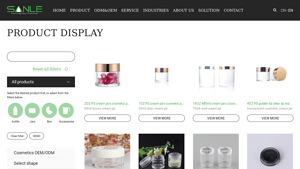
Домен: sanleplastics.com
Зарегистрирован: 2017 (8 лет)
Введение: Product Type: PS Jar
Volume Options: 5ml, 15ml, 30ml, 60ml, 150ml, 480ml
Material: PS (Polystyrene)
Lid Options: Gold screw lid, PP lid
Applications: Cosmetics packaging, cream jars, lip balm containers, lip scrub containers
Features: Thick wall, clear and transparent options, custom colors available
Manufacturer: Sanle Plastics
Model Numbers: GFA-561 (5ml), GFA-560 (15ml), GFA-559 (25ml), GFA-564…
4. Lechan Packaging – Cosmetic Cream Jar

Домен: lechanpackage.com
Зарегистрирован: 2020 (5 лет)
Введение: Key Product Details:
– Product Type: Cosmetic Cream Jar
– Manufacturer: Lechan Packaging
– Material: PP (Polypropylene) and PET (Polyethylene Terephthalate)
– Specifications: Various capacities including 5g, 10g, 15g, 20ml, 30ml, 50ml, 100ml, 150ml, 200ml, 250ml, 500ml
– Color Options: Blue, Pink, White, Black, White + Silver Edge, Customizable Colors
– Minimum Order Quantity (MOQ): 100 pcs for mo…
5. Reddit – Skincare Product Preservation
Домен: reddit.com
Зарегистрирован: 2005 (20 лет)
Введение: The discussion revolves around whether to remove skincare products from their original jars and transfer them to pumps or airtight containers. Key points include concerns about ingredient degradation due to air and light exposure, the design of product packaging for optimal preservation, and personal practices regarding product storage. Some users prefer to keep products in their original jars for…
6. TYH Container – 30ml Round Cream Jar

Домен: tyhcontainer.com
Зарегистрирован: 2010 (15 лет)
Введение: {“Product Name”: “30ml Round Cream Jar”, “Material”: “PET/PETG”, “Dimensions”: “D 60 x H 29 mm”, “Volume”: “34.8 ml / 1.23 oz”, “Cap Type”: “Black Acrylic cap”, “Inner Cover”: “White PE inner cover (disc cover)”, “Design Features”: “Stylish and functional, widely used for skin care products such as foundation cream jars, face cream jars, and beauty cream jars.”, “Customization Options”: [“Injectio…
Strategic Sourcing Conclusion and Outlook for Cream Jar Manufacturer Empty Plastic Cream Jar
As the cosmetic industry continues to evolve, the strategic sourcing of empty plastic cream jars presents a valuable opportunity for international buyers. By focusing on quality, customization, and sustainability, businesses can enhance their product offerings and meet the growing consumer demand for eco-friendly packaging solutions. Key takeaways include the importance of partnering with reliable manufacturers who provide diverse options in terms of materials, sizes, and designs, tailored to your specific brand identity.
Understanding regional market trends in Africa, South America, the Middle East, and Europe can further inform your sourcing decisions. Buyers should prioritize suppliers that demonstrate a commitment to quality control and environmental responsibility, which can significantly impact brand perception and customer loyalty.
Looking ahead, the demand for innovative and sustainable packaging will only increase. International B2B buyers are encouraged to engage with manufacturers proactively, exploring customizable options that align with their brand vision. By investing in strategic sourcing practices today, businesses can position themselves for success in a competitive market, ensuring they meet the evolving needs of consumers globally.




 Russian
  English
  Spanish
  Italian
  Thai
Thai  French
  Arabic
  Portuguese
  Indonesian
  German






