

Introduction
In This Article
- Introduction
- What Are UsersReallyLooking For?
- Key Takeaways
- What is the Quick and Direct Answer to ‘Eco-Friendly Wood Polymer Cosmetic Jar’?
- How Can We Dive Deeper into Eco-Friendly Wood Polymer Cosmetic Jar? (A Full Explanation)
- Understanding Wood Polymer Composites
- Benefits of Eco-Friendly Wood Polymer Cosmetic Jars
- What are the Core Factors and Components to Consider?
- Material Composition
- Manufacturing Process
- Product Lifecycle
- What are the Main Advantages and Disadvantages of Eco-Friendly Wood Polymer Cosmetic Jar?
- Advantages
- Disadvantages
- What are Some Practical Applications and Real-World Examples?
- Skincare Products
- Makeup Packaging
- Fragrance Containers
- What is the Final Conclusion and Summary?
- What are some other Frequently Asked Questions (FAQs)?
- What are eco-friendly wood polymer cosmetic jars made of?
- How do eco-friendly wood polymer cosmetic jars compare to plastic jars?
- Are eco-friendly wood polymer cosmetic jars biodegradable?
- Where can I buy eco-friendly wood polymer cosmetic jars?
- Common Problems and Smart Solutions for Eco-Friendly Wood Polymer Cosmetic Jar
- Pain Point: Limited Availability and Variety
- Pain Point: Concerns Over Durability and Quality
- Pain Point: Uncertainty About Disposal and End-of-Life
- Exploring Alternatives to Eco-Friendly Wood Polymer Cosmetic Jar
Are you tired of the environmental impact of traditional cosmetic packaging? The Eco-Friendly Wood Polymer Cosmetic Jar emerges as a comfortable solution for beauty enthusiasts seeking sustainable alternatives. With increasing awareness about plastic waste, many ask, “What are the best eco-friendly options for cosmetics?” This article dives deep into the benefits of wood polymer jars, addressing not only their environmental advantages but also their aesthetic appeal and durability. We’ll explore how these innovative containers can enhance your beauty routine while contributing to a greener planet. Join us as we uncover everything you need to know about this eco-friendly packaging solution!
What Are Users Really Looking For?
* **Problem Solving:** Users are asking specific questions like ‘- What are eco-friendly wood polymer cosmetic jars made of?’ and ‘- How do eco-friendly wood polymer cosmetic jars compare to plastic jars?’. This shows they have specific problems they need to solve regarding ‘Eco-Friendly Wood Polymer Cosmetic Jar’.
This article is designed to meet all these needs by providing comprehensive explanations, practical guides, and comparative information.
Key Takeaways
Sustainable Material: Eco-friendly wood polymer cosmetic jars are made from renewable resources, significantly reducing environmental impact compared to traditional plastic containers.
Biodegradable Options: Many wood polymer jars are designed to be biodegradable, contributing to lower waste in landfills and promoting a circular economy.
Aesthetic Appeal: These jars offer a unique, natural look that enhances product presentation, making them attractive for eco-conscious consumers and brands.
Durability and Versatility: Wood polymer jars are lightweight yet durable, making them suitable for a variety of cosmetic products, from creams to powders, without compromising quality.
Eco-Friendly Wood Polymer Cosmetic Jar: The Sustainable Choice for Your Beauty Products
What is the Quick and Direct Answer to ‘Eco-Friendly Wood Polymer Cosmetic Jar’?
An eco-friendly wood polymer cosmetic jar is a sustainable packaging solution that combines natural wood fibers with bio-based polymers. These jars are designed to minimize environmental impact while providing an aesthetically pleasing and functional option for packaging cosmetics and skincare products. As consumers become increasingly aware of the ecological footprint of their purchases, eco-friendly wood polymer cosmetic jars offer a responsible alternative to traditional plastic containers.
How Can We Dive Deeper into Eco-Friendly Wood Polymer Cosmetic Jar? (A Full Explanation)
The rising concern over plastic waste has prompted many industries to explore more sustainable packaging options. In the cosmetics sector, eco-friendly wood polymer jars have emerged as a viable solution. But what exactly are they made of, and how do they contribute to a greener planet?
Understanding Wood Polymer Composites
Wood polymer composites (WPC) are materials made by combining wood fibers or sawdust with thermoplastic polymers. This innovative combination results in a material that retains the aesthetic appeal of wood while benefiting from the durability and versatility of plastics. Here are some key aspects of wood polymer composites:
Source: jarsking.com
Sustainable Sourcing: The wood fibers used in these composites are often sourced from recycled wood or sustainable forestry practices, ensuring that the raw materials have a minimal environmental impact.
Bio-Based Polymers: The polymers used in these jars may be derived from natural sources like corn starch or sugarcane, making them more environmentally friendly compared to traditional petroleum-based plastics.
Durability and Functionality: Wood polymer jars are not only visually appealing but also robust. They can effectively protect the products inside from light and air, preserving their integrity.
Benefits of Eco-Friendly Wood Polymer Cosmetic Jars
- Eco-Friendly: By utilizing renewable materials, these jars help reduce reliance on fossil fuels and lower carbon emissions.
- Biodegradable Options: Many wood polymer composites are designed to break down more easily than conventional plastics, reducing landfill waste.
- Aesthetic Appeal: The natural wood texture and appearance can enhance brand image and attract eco-conscious consumers.
What are the Core Factors and Components to Consider?
When considering the adoption of eco-friendly wood polymer cosmetic jars for your product line, several factors and components should be taken into account:

Material Composition
Wood Fiber Quality: Ensure that the wood fibers used are sourced sustainably and are of high quality to maintain the jar’s structural integrity.
Polymer Type: Investigate the types of polymers used. Bio-based polymers are preferable for increased sustainability.
Manufacturing Process
Eco-Friendly Production: Look for manufacturers that prioritize environmentally friendly practices, such as low-energy production methods and minimal waste generation.
Certifications: Check for certifications that validate the eco-friendliness of the jars, like FSC (Forest Stewardship Council) or Cradle to Cradle certifications.
Product Lifecycle
End-of-Life Options: Consider how the jars can be disposed of or recycled after use. Options like composting or recycling should be explored.
Consumer Education: Provide clear instructions to customers on how to responsibly dispose of or recycle the jars.
What are the Main Advantages and Disadvantages of Eco-Friendly Wood Polymer Cosmetic Jar?
Advantages
- Sustainability: These jars reduce the environmental impact associated with plastic waste.
- Consumer Appeal: Eco-friendly packaging can attract a growing demographic of environmentally conscious consumers.
- Versatility: Wood polymer jars can be manufactured in various sizes and designs, catering to different cosmetic products and branding needs.
Disadvantages
- Cost: Eco-friendly jars may be more expensive to produce than traditional plastic containers, which could affect pricing strategies.
- Shelf Life: While durable, wood polymer jars may not have the same shelf life as certain plastics, potentially limiting their use for some products.
- Limited Availability: Depending on the region, sourcing eco-friendly jars may present challenges in terms of availability and distribution.
What are Some Practical Applications and Real-World Examples?
Eco-friendly wood polymer cosmetic jars are being embraced by various brands looking to enhance their sustainability efforts. Here are some practical applications and notable examples:
Skincare Products
Many skincare brands have started using eco-friendly jars for creams, lotions, and balms. The natural aesthetic of wood can enhance product appeal and align with the brand’s commitment to sustainability.
Makeup Packaging
Makeup companies are exploring eco-friendly packaging options for foundations, powders, and lip products. Using wood polymer jars not only reduces waste but also creates a luxurious, high-end feel.
Fragrance Containers

Perfume brands are increasingly opting for wood polymer jars to house their fragrances. The combination of wood and polymer offers a unique sensory experience that resonates with consumers seeking premium products.
What is the Final Conclusion and Summary?
Eco-friendly wood polymer cosmetic jars represent a significant step towards sustainable packaging solutions in the beauty industry. By combining the aesthetic qualities of wood with the durability of polymers, these jars offer an eco-conscious alternative to traditional plastic packaging. While they come with their own set of advantages and disadvantages, the benefits of reduced environmental impact and increased consumer appeal make them an attractive option for brands prioritizing sustainability.
As the demand for eco-friendly products continues to rise, embracing wood polymer cosmetic jars can not only enhance brand image but also contribute positively to the planet. Companies that invest in sustainable packaging are likely to build stronger connections with their consumers, fostering loyalty and trust in an increasingly eco-aware market.
What are some other Frequently Asked Questions (FAQs)?
What are eco-friendly wood polymer cosmetic jars made of?
Eco-friendly wood polymer cosmetic jars are primarily made from a blend of natural wood fibers and biodegradable polymers. This combination not only looks appealing but also offers a sustainable alternative to conventional plastic jars.
How do eco-friendly wood polymer cosmetic jars compare to plastic jars?
Wood polymer jars tend to be more environmentally friendly than traditional plastic jars. They utilize renewable materials and can be more easily biodegradable, while also providing similar durability and protective qualities.

Are eco-friendly wood polymer cosmetic jars biodegradable?
Many eco-friendly wood polymer cosmetic jars are designed to be biodegradable, especially those made from bio-based polymers. However, the specific biodegradability can depend on the type of materials used and the disposal conditions.
Where can I buy eco-friendly wood polymer cosmetic jars?
Eco-friendly wood polymer cosmetic jars can be purchased from various suppliers specializing in sustainable packaging. Online marketplaces, eco-conscious packaging companies, and direct manufacturers are good starting points to explore your options.
Common Problems and Smart Solutions for Eco-Friendly Wood Polymer Cosmetic Jar
Common User Pain Points for Eco-Friendly Wood Polymer Cosmetic Jars
Pain Point: Limited Availability and Variety
User Scenario: Sarah is an environmentally conscious beauty enthusiast who recently switched to eco-friendly products. She’s excited to find a cosmetic jar that aligns with her values, but when she visits local stores and browses online, she discovers a lack of variety. Most jars are made of plastic or other non-biodegradable materials, and the few eco-friendly options available are either too expensive or not aesthetically pleasing to her.
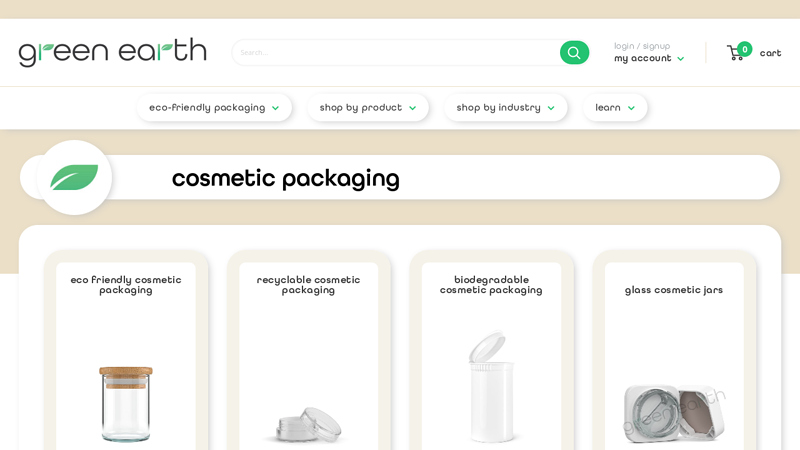
Solution: To address the issue of limited availability, Sarah can explore specialized online retailers or eco-focused marketplaces that prioritize sustainable beauty products. Websites like Etsy or eco-friendly brands’ official stores often carry a wider range of options. Additionally, she can join online communities or forums dedicated to eco-friendly beauty where members share their finds and recommendations. To save on costs, she might consider buying in bulk with friends or family, taking advantage of discounts on larger orders.
Source: greenearthpackaging.com
Pain Point: Concerns Over Durability and Quality
User Scenario: James, a skincare product developer, is interested in switching his product line to eco-friendly wood polymer jars but worries about their durability. He recalls a time when he used a biodegradable jar that cracked during shipping, leading to a messy situation and unsatisfied customers. This experience makes him hesitant to invest in eco-friendly packaging for his new line.
Solution: To alleviate concerns about durability, James should seek out reputable suppliers who specialize in high-quality eco-friendly packaging. He can request samples to test the jars’ resilience and integrity under various conditions. Additionally, he should look for jars that have been certified for durability or have undergone rigorous testing. By choosing jars with reinforced edges or those designed for shipping, he can ensure that his products arrive safely to customers. Incorporating padded packaging materials can also help minimize damage during transit.
Pain Point: Uncertainty About Disposal and End-of-Life
User Scenario: Emily is passionate about sustainability, but she finds herself confused about how to properly dispose of her eco-friendly wood polymer cosmetic jars. After using a moisturizer, she’s unsure whether the jar can be composted, recycled, or if it should be thrown away. She’s frustrated because she wants to ensure that her eco-friendly choices don’t inadvertently harm the environment.
Solution: To clarify disposal options, Emily can refer to the manufacturer’s guidelines, which often detail the best practices for disposing of their products. If such information isn’t readily available, she can contact customer service for clarification. Additionally, she can research local waste management options to determine if wood polymer materials are accepted in her area’s composting or recycling programs. Educating herself on how to repurpose jars—such as using them for storage or crafts—can also extend their life cycle and reduce waste. Joining local eco-conscious groups or social media communities can provide further insights and tips from like-minded individuals on sustainable disposal practices.
Exploring Alternatives to Eco-Friendly Wood Polymer Cosmetic Jar
The term “Eco-Friendly Wood Polymer Cosmetic Jar” suggests a product designed for cosmetic storage that emphasizes sustainability and environmentally friendly materials. In the cosmetic packaging industry, there is a growing trend towards using materials that minimize environmental impact. This analysis will compare the Eco-Friendly Wood Polymer Cosmetic Jar with other similar products in the market, focusing on their features, materials, and sustainability practices.
| Feature                       | Eco-Friendly Wood Polymer Cosmetic Jar | Biodegradable Glass Jar | Reusable Aluminum Container |
|-------------------------------|----------------------------------------|-------------------------|-----------------------------|
| Material                      | Wood Polymer (composite)               | Glass                   | Aluminum                    |
| Eco-Friendliness              | High (renewable resources)             | High (recyclable)       | Medium (recyclable, but energy-intensive) |
| Durability                    | Moderate (depends on composition)      | High                    | High                        |
| Design Options                | Customizable (natural aesthetics)      | Limited (various colors) | Limited (metal finish)      |
| Cost                          | Moderate                               | High                    | Moderate                    |
| Weight                        | Light to Moderate                      | Heavy                   | Light                       |
| Reusability                   | Yes                                    | Yes                     | Yes                         |
| Consumer Perception           | Innovative and eco-conscious           | Classic and premium     | Practical and modern        |
— Industry Expert Analysis
Source: continental-smoking-pipes.com




 Thai
Thai  English
  Russian
  Spanish
  Italian
  French
  Arabic
  Portuguese
  Indonesian
  German






