

Introduction: Navigating the Global Market for amber glass jar
In today’s competitive landscape, sourcing high-quality amber glass jars can pose significant challenges for international B2B buyers. With diverse applications ranging from cosmetics to food preservation, these jars not only protect light-sensitive products but also enhance brand appeal. However, navigating the complexities of supplier selection, pricing structures, and product variations can be daunting. This comprehensive guide addresses these concerns by offering insights into various types of amber glass jars, their applications across industries, and effective strategies for vetting suppliers to ensure quality and reliability.
From understanding the nuances of different jar sizes and finishes to evaluating cost implications and shipping logistics, this guide empowers businesses in regions like Africa, South America, the Middle East, and Europe—such as Nigeria and Saudi Arabia—to make informed purchasing decisions. It delves into the specifications that matter, including UV resistance, food safety compliance, and sustainable packaging options. Furthermore, it outlines best practices for leveraging bulk purchasing to optimize inventory management and cash flow. By the end of this guide, B2B buyers will be equipped with the knowledge needed to confidently navigate the global market for amber glass jars, ensuring they select products that meet their specific needs while aligning with their business goals.
Understanding amber glass jar Types and Variations
| พิมพ์ชื่อ | คุณสมบัติเด่นที่สำคัญ | แอปพลิเคชัน B2B หลัก | ข้อดีและข้อเสียโดยย่อสำหรับผู้ซื้อ |
|---|---|---|---|
| Straight-Sided Jars | Tall, cylindrical shape; wide mouth; compatibility with various closures | Cosmetics, food storage, candles | Pros: Versatile, easy to label; Cons: Limited aesthetic appeal compared to decorative options. |
| Boston Round Jars | Rounded body; narrow neck; often used for liquids | Essential oils, beverages, pharmaceuticals | Pros: Excellent for liquid containment; Cons: Not ideal for solid products. |
| Squat Jars | Low-profile design; easy access; stable base | Creams, balms, dry ingredients | Pros: Space-efficient; easy filling; Cons: Limited volume options. |
| Growler Jars | Larger capacity; designed for beverages; often with a handle | Craft beers, kombucha, specialty beverages | Pros: Great for bulk storage; Cons: Bulk shipping may increase costs. |
| Specialty Candle Jars | Unique designs; often with lids; optimized for candle production | Handmade candles, decorative packaging | Pros: Aesthetic appeal; Cons: Higher cost compared to standard jars. |
What Are the Characteristics and Suitability of Straight-Sided Amber Glass Jars?
Straight-sided amber glass jars are characterized by their tall, cylindrical shape and wide mouth, making them highly versatile. They are compatible with a variety of closures, allowing businesses to choose options that best fit their product needs. These jars are commonly used in the cosmetics industry for creams and lotions, as well as in food storage applications. When purchasing, businesses should consider the jar’s dimensions and compatibility with their existing labeling systems.
Why Choose Boston Round Amber Glass Jars for Liquid Products?
Boston round jars feature a rounded body and a narrow neck, making them ideal for storing liquids such as essential oils and beverages. Their design provides a secure fit for closures, minimizing the risk of leaks. These jars are particularly popular in the pharmaceutical industry due to their reliability. Buyers should evaluate the neck finish size to ensure compatibility with their chosen closures and consider the implications of shipping costs for bulk orders.
How Do Squat Amber Glass Jars Benefit B2B Buyers?
Squat amber glass jars have a low-profile design that allows for easy access to contents. They are stable, making them suitable for products like creams and balms that require frequent use. These jars are particularly advantageous in the personal care sector, where quick access can enhance user experience. Buyers should assess the jar’s capacity and ensure it meets their product volume requirements, as options may be limited compared to taller jars.
What Are the Advantages of Using Growler Jars in the Beverage Industry?
Growler jars are larger capacity containers designed specifically for beverages, often featuring a handle for easy transport. They are ideal for craft beers, kombucha, and other specialty drinks. The bulk storage capability of growlers makes them a cost-effective choice for businesses looking to reduce packaging waste. Buyers should consider the logistics of shipping larger jars, as this may impact overall costs and storage space.
What Makes Specialty Candle Jars a Good Investment for Handmade Products?
Specialty candle jars are designed with unique aesthetics and often come with lids, making them suitable for decorative packaging in the candle industry. Their appeal lies in their ability to enhance the presentation of handmade candles, attracting consumers looking for quality products. While these jars can be more expensive than standard options, the investment can pay off through increased sales. Buyers should evaluate design options and consider how they align with their brand identity.
Key Industrial Applications of amber glass jar
| อุตสาหกรรม/ภาคส่วน | Specific Application of amber glass jar | มูลค่า/ประโยชน์ต่อธุรกิจ | ข้อควรพิจารณาในการจัดหาแหล่งข้อมูลที่สำคัญสำหรับแอปพลิเคชันนี้ |
|---|---|---|---|
| Personal Care and Beauty | Packaging for creams, lotions, and balms | Protects light-sensitive ingredients, enhances product appeal | Ensure UV protection, compatibility with closures, and food safety compliance |
| Food and Beverage | Storage for sauces, jams, and dry ingredients | Extends shelf life, maintains product integrity | Verify food contact safety, consider bulk purchasing options |
| Pharmaceutical and Nutraceutical | Packaging for supplements and herbal products | Provides stability and protection from UV light | Focus on regulatory compliance, child-resistant options, and sterilization capabilities |
| Candle Manufacturing | Container for soy and paraffin candles | Offers a premium look, encourages reuse, and reduces waste | Assess compatibility with various waxes, and consider jar sizes for different candle types |
| Laboratory and Research | Sample storage for chemicals and compounds | Ensures safe storage and minimizes contamination risks | Look for BPA-free materials, autoclaving capabilities, and secure sealing options |
How Are Amber Glass Jars Utilized in Personal Care and Beauty Industries?
Amber glass jars are widely used in the personal care and beauty industries for packaging creams, lotions, and balms. The UV-filtering properties of amber glass protect light-sensitive ingredients, preserving their efficacy and extending shelf life. For international buyers, particularly from regions like Africa and the Middle East, sourcing jars that comply with local regulations for cosmetic packaging is essential. Additionally, compatibility with standard closures and the aesthetic appeal of amber glass can enhance brand image and consumer trust.
What Role Do Amber Glass Jars Play in Food and Beverage Packaging?
In the food and beverage sector, amber glass jars serve as ideal containers for sauces, jams, and dry ingredients. Their UV protection ensures the integrity of light-sensitive products, while the glass material provides a non-reactive environment, preserving flavor and freshness. For buyers in South America and Europe, it is crucial to verify that the jars meet food safety standards and are suitable for bulk purchases to optimize supply chain efficiency.
How Are Amber Glass Jars Applied in the Pharmaceutical and Nutraceutical Fields?
Amber glass jars are increasingly utilized in the pharmaceutical and nutraceutical industries for packaging supplements and herbal products. These jars provide a stable environment that protects against UV light, which can degrade sensitive compounds. Buyers should prioritize sourcing options that comply with regulatory standards for pharmaceutical packaging, including child-resistant features and sterilization capabilities, especially for markets in Nigeria and Saudi Arabia.
Why Are Amber Glass Jars Preferred for Candle Manufacturing?
Candle manufacturers favor amber glass jars for their aesthetic appeal and functionality. These jars enhance the visual presentation of both soy and paraffin candles while encouraging consumers to reuse them after the candle has burned out, promoting sustainability. When sourcing, buyers should consider the compatibility of the jars with different wax types and the availability of various sizes to cater to diverse consumer preferences.
What Benefits Do Amber Glass Jars Offer in Laboratory Settings?
In laboratory and research environments, amber glass jars are essential for storing chemicals and compounds safely. Their ability to block UV light minimizes the risk of degradation, ensuring the longevity of sensitive materials. For B2B buyers, particularly in Europe, it is vital to source jars made from BPA-free materials and those that can withstand autoclaving processes, as this guarantees a contamination-free and secure storage solution.
3 Common User Pain Points for ‘amber glass jar’ & Their Solutions
Scenario 1: Ensuring Product Integrity During Shipping
The Problem: B2B buyers often face challenges related to the safe transport of amber glass jars. Fragility is a significant concern, especially when sourcing jars in bulk from suppliers. Breakage during transit can lead to costly losses, delays in production, and a damaged reputation among clients who depend on timely deliveries. Buyers in regions like Nigeria and Saudi Arabia, where shipping conditions can be unpredictable, may find this issue particularly pressing.
The Solution: To mitigate this risk, it is essential to partner with suppliers who prioritize robust packaging solutions. Look for vendors that use reinforced shipping materials, such as internal corrugated dividers and sturdy outer cartons, designed to protect glass during transit. Additionally, consider purchasing jars in smaller, more manageable quantities initially to test the supplier’s packaging integrity before committing to larger orders. Implementing a quality assurance process upon receipt of the jars can also help identify any damages early, allowing for prompt claims and replacements. Collaborating with logistics partners experienced in handling fragile items can further ensure safe delivery, minimizing the risk of breakage.
Scenario 2: Finding the Right Closure for Amber Glass Jars
The Problem: Another common challenge is the compatibility of closures with amber glass jars. Buyers may find that the jars they select do not come with appropriate lids, leading to frustration and additional costs. This can be particularly problematic in industries like cosmetics or food where product integrity is critical, and mismatched closures can compromise safety and shelf life. Buyers in South America, for instance, often encounter issues with local suppliers offering limited closure options.
The Solution: To address this concern, buyers should ensure they specify the neck finish and diameter when ordering amber glass jars. Many suppliers provide detailed specifications for their jars, including which closures are compatible. It’s advisable to stock up on a range of closure types—such as child-resistant or tamper-evident options—based on the intended use of the product. Establishing a relationship with a supplier that offers both jars and closures will streamline the purchasing process and reduce the risk of compatibility issues. Additionally, consider customizing closures with branding to enhance product appeal while ensuring they meet safety standards.
Scenario 3: Managing Inventory and Cash Flow
The Problem: For B2B buyers, managing inventory efficiently while maintaining cash flow can be a significant pain point. Purchasing amber glass jars in large quantities may lead to excess stock that ties up capital, especially for small to medium-sized businesses in the Middle East or Africa. Conversely, running out of stock can hinder production and sales, creating a delicate balancing act that requires careful planning.
The Solution: Implementing a just-in-time (JIT) inventory system can help buyers maintain optimal stock levels without overcommitting resources. This approach involves closely monitoring sales trends and ordering jars based on anticipated demand rather than bulk buying. Working with suppliers who offer flexible ordering options, such as low minimum order quantities or quick turnaround times, can also alleviate cash flow issues. Additionally, leveraging data analytics tools can provide insights into usage patterns, enabling better forecasting and more strategic purchasing decisions. By aligning inventory practices with sales forecasts, businesses can reduce the risk of overstocking while ensuring they meet customer demands promptly.
Strategic Material Selection Guide for amber glass jar
What Are the Key Properties of Amber Glass for Jars?
Amber glass is primarily composed of Type III soda-lime glass, which is known for its excellent performance in various applications. Its key properties include a high resistance to UV light, making it ideal for products sensitive to light exposure, such as essential oils, pharmaceuticals, and certain cosmetics. The temperature resistance of amber glass typically ranges from -40°C to 200°C, allowing it to withstand a variety of storage conditions without compromising its structural integrity.
What Are the Advantages and Disadvantages of Using Amber Glass?
Pros: Amber glass jars are highly durable and offer superior protection against UV radiation, which helps preserve the quality of light-sensitive products. They are also recyclable, aligning with sustainability goals that many businesses prioritize today. Furthermore, the aesthetic appeal of amber glass can enhance product presentation, making it an attractive option for brands looking to differentiate themselves in competitive markets.
Cons: On the downside, amber glass can be more expensive than plastic alternatives, which may be a consideration for budget-conscious buyers. The manufacturing process can also be complex, requiring specialized equipment and techniques, which may lead to longer lead times for bulk orders. Additionally, while amber glass is generally robust, it is still susceptible to breakage if not handled properly.
How Does Amber Glass Impact Application Suitability?
Amber glass jars are particularly suited for applications in the personal care, food, and pharmaceutical industries. Their UV filtering properties make them ideal for packaging products like essential oils, creams, and certain food items that require protection from light. However, it is essential to ensure compatibility with the contents, as some chemicals may react adversely with glass materials.
What Should International B2B Buyers Consider When Sourcing Amber Glass Jars?
For international B2B buyers, especially those from regions like Africa, South America, the Middle East, and Europe, compliance with local regulations and standards is crucial. Familiarity with standards such as ASTM, DIN, and JIS can help ensure that the products meet safety and quality requirements. Additionally, buyers should consider logistics, including shipping costs and lead times, as these factors can significantly impact overall procurement costs. Understanding local preferences for packaging materials, such as sustainability and recyclability, can also guide purchasing decisions.
Summary Table of Amber Glass Jar Materials
| วัสดุ | Typical Use Case for amber glass jar | ข้อได้เปรียบหลัก | ข้อเสีย/ข้อจำกัดหลัก | ต้นทุนสัมพันธ์ (ต่ำ/กลาง/สูง) |
|---|---|---|---|---|
| Type III Soda-Lime Glass | Essential oils, cosmetics, pharmaceuticals | Excellent UV protection and durability | Higher cost compared to plastic alternatives | High |
| Amber Glass | Food storage, personal care products | Aesthetic appeal and recyclability | Susceptible to breakage | Medium |
| Tempered Glass | High-end cosmetic jars, luxury packaging | Enhanced strength and thermal resistance | More expensive and complex to manufacture | High |
| Borosilicate Glass | Laboratory use, high-temperature applications | Superior thermal shock resistance | Higher cost and may not be suitable for all products | High |
This strategic material selection guide provides a comprehensive overview of amber glass jars, empowering B2B buyers to make informed decisions that align with their business needs and market expectations.

A stock image related to amber glass jar.
In-depth Look: Manufacturing Processes and Quality Assurance for amber glass jar
What Are the Main Stages of Amber Glass Jar Manufacturing?
The manufacturing process of amber glass jars involves several key stages that ensure product quality and durability. Understanding these stages is crucial for B2B buyers who prioritize quality and reliability in their sourcing.
Material Preparation: What Raw Materials Are Used?
The primary material for amber glass jars is Type III soda-lime glass, known for its excellent clarity and UV protection. This glass composition typically includes silica, soda ash, and limestone, which are melted together at high temperatures. The amber coloration is achieved by adding iron and sulfur during the melting process. This step is critical as the quality of raw materials directly impacts the final product’s strength and resistance to environmental factors.
Forming: How Are Amber Glass Jars Shaped?
Once the molten glass is prepared, it is formed into jars through various techniques, with blow molding and press molding being the most common. In blow molding, air is blown into a molten glass parison, allowing it to take the shape of a mold. Press molding involves pressing the molten glass into a mold using a plunger. Both methods are designed to ensure uniformity and precision in the jars’ dimensions, which is essential for compatibility with closures and labels.
Assembly: What Components Are Integrated?
After forming, the jars undergo an assembly phase where closures, such as caps or dropper tops, are fitted. This step is particularly important for B2B buyers who require specific closure types to ensure the jars are functional for their intended use, whether for candles, cosmetics, or food products. Some manufacturers offer customizable options, allowing buyers to select closures that best suit their branding and product needs.
Finishing: How Are Amber Glass Jars Finished?
Finishing processes include annealing, which involves slowly cooling the jars to relieve internal stresses, and surface treatment, such as polishing or applying coatings. These processes enhance the aesthetic appeal and durability of the jars. Additionally, manufacturers may apply labels or conduct silk-screen printing, making the jars ready for market immediately after production.
What Quality Assurance Measures Are in Place for Amber Glass Jars?
Quality assurance (QA) is vital to maintaining high standards in amber glass jar production. For B2B buyers, understanding these QA measures can inform their purchasing decisions and ensure they are sourcing from reliable suppliers.
What International Standards Should B2B Buyers Be Aware Of?
Manufacturers of amber glass jars often adhere to international standards such as ISO 9001, which focuses on quality management systems. This certification indicates that the manufacturer has established effective processes to consistently meet customer and regulatory requirements. Additionally, compliance with CE marking is essential for selling products within the European Union, ensuring that the jars meet safety and health requirements.
What Are the Key Quality Control Checkpoints?
Quality control (QC) checkpoints are integral to the production process, ensuring that each batch of jars meets established standards. These checkpoints include:
-
Incoming Quality Control (IQC): This stage involves inspecting raw materials upon arrival to ensure they meet specified quality standards.
-
In-Process Quality Control (IPQC): During production, regular inspections are conducted to monitor the forming and finishing processes, ensuring consistency and identifying defects early.
-
Final Quality Control (FQC): After production, jars undergo a comprehensive evaluation, including visual inspections and testing for structural integrity, UV resistance, and compatibility with closures.
These QC checkpoints help minimize defects and ensure that only high-quality products reach the market.
What Common Testing Methods Are Used in Quality Assurance?
Several testing methods are employed to verify the quality of amber glass jars:
-
Visual Inspection: Trained personnel examine jars for surface defects, such as cracks or bubbles.
-
Dimensional Testing: Measurements are taken to ensure that jars meet specified dimensions, which is critical for fitting closures.
-
Mechanical Testing: This includes stress tests to determine the jars’ strength and resistance to breakage.
-
Chemical Testing: Ensures that the glass is food contact safe and free from harmful substances.
B2B buyers can request detailed reports on these tests to verify the quality of the products they are purchasing.
How Can B2B Buyers Verify Supplier Quality Control Practices?
For international buyers, especially those from regions like Africa, South America, the Middle East, and Europe, verifying a supplier’s QC practices is essential to ensuring product reliability. Here are some actionable steps:
-
Request Documentation: Buyers should ask for quality certifications, inspection reports, and compliance documents. This includes ISO certifications and test results.
-
Conduct Audits: Regular audits of suppliers can reveal their manufacturing processes and quality control measures. Buyers may consider hiring third-party inspection services to conduct these audits.
-
Check References: Contacting other businesses that have sourced from the supplier can provide insights into the supplier’s reliability and product quality.
-
Consider Third-Party Inspections: Engaging third-party inspection agencies can help ensure that the products meet international standards before they are shipped.
What Are the Specific Quality Control Nuances for International Buyers?
International buyers should be aware of certain nuances when it comes to quality control:
-
Cultural and Regulatory Differences: Different regions may have varying standards and regulations. Buyers must familiarize themselves with local laws regarding packaging and safety.
-
Shipping and Handling Considerations: The handling of glass products during shipping can impact quality. Buyers should ensure that suppliers have robust packaging and logistics processes in place to minimize damage.
-
Product Traceability: Understanding the supply chain and having the ability to trace back the product to its source can be crucial for compliance and quality assurance.
By being informed about the manufacturing processes and quality assurance measures, B2B buyers can make educated decisions when sourcing amber glass jars, ultimately ensuring product quality and customer satisfaction.
Practical Sourcing Guide: A Step-by-Step Checklist for ‘amber glass jar’
Introduction
This sourcing guide is designed to assist B2B buyers in procuring amber glass jars effectively and efficiently. Whether you are in the personal care, food, or nutraceutical industry, following this checklist will help you navigate the complexities of sourcing high-quality amber glass jars that meet your specific needs.
1. Define Your Technical Specifications
Before initiating your search, clearly outline the specifications of the amber glass jars you need. Consider factors such as size, shape, and neck finish.
– Size: Ensure the jar capacity aligns with your product requirements (e.g., 2 oz, 4 oz, or 16 oz).
– Shape: Decide between straight-sided or Boston round jars based on your branding and functional needs.
2. Identify Your Target Market
Understanding your target market is crucial for selecting the right amber glass jars. Different regions may have varying preferences and regulations regarding packaging.
– Regional Preferences: For instance, buyers in Europe may prioritize sustainability, while those in Africa may focus on cost-effectiveness.
– Regulatory Compliance: Ensure the jars meet local regulations for food safety or cosmetic products, particularly for markets like Saudi Arabia and Nigeria.
3. Evaluate Potential Suppliers
Before committing, thoroughly vet potential suppliers to ensure they can meet your quality and delivery standards.
– Supplier Profile: Request detailed company profiles, including years in business and industry experience.
– References: Ask for case studies or references from similar businesses to gauge reliability and product quality.
4. Request Samples
Always request samples before placing a bulk order. This step allows you to assess the quality and suitability of the jars for your products.
– Quality Check: Examine the glass thickness, finish, and overall craftsmanship to ensure it meets your expectations.
– Compatibility Test: Verify that the jars are compatible with your chosen closures to avoid any future issues.
5. Negotiate Pricing and Terms
Once you have selected a potential supplier, engage in negotiations to secure favorable pricing and terms.
– Bulk Discounts: Inquire about pricing tiers based on order volume to optimize your costs.
– Payment Terms: Discuss payment options, including deposits and payment schedules, to maintain cash flow.
6. Verify Certifications and Compliance
Ensure that the supplier’s products comply with relevant certifications and standards. This is particularly important if you are packaging food or cosmetic products.
– Quality Certifications: Look for certifications such as ISO or FDA compliance that verify the jars are safe for their intended use.
– Environmental Standards: Check if the jars are made from recyclable materials, aligning with sustainability goals.
7. Establish a Logistics Plan
Finally, create a logistics plan for receiving your amber glass jars. Consider the shipping methods and timelines based on your operational needs.
– Shipping Options: Evaluate different shipping methods to balance cost and delivery speed, especially for international shipments.
– Inventory Management: Plan for storage and inventory management to ensure you can efficiently handle the incoming stock.
By following this comprehensive sourcing checklist, B2B buyers can make informed decisions that lead to successful procurement of amber glass jars tailored to their specific needs.

A stock image related to amber glass jar.
Comprehensive Cost and Pricing Analysis for amber glass jar Sourcing
What Are the Key Cost Components in Sourcing Amber Glass Jars?
When analyzing the cost structure of amber glass jars, several components play a crucial role in determining the overall price. The primary cost components include materials, labor, manufacturing overhead, tooling, quality control (QC), logistics, and profit margin.
-
Materials: The type of glass (often Type-III soda-lime glass) significantly impacts the cost, with higher quality materials providing better durability and UV protection. Bulk purchasing can lead to significant savings.
-
Labor: Labor costs vary based on the manufacturing location. Countries with lower labor costs can offer competitive pricing, but this may come at the expense of quality or production speed.
-
Manufacturing Overhead: This includes expenses related to factory operations, utilities, and maintenance. Efficient manufacturing processes can help keep these costs down.
-
Tooling: Custom molds for specific jar designs can be a considerable upfront investment. However, once amortized over large production runs, these costs can be minimized.
-
Quality Control: Investing in rigorous QC processes ensures that the jars meet safety standards, particularly for food and cosmetic applications. This may increase costs but is essential for maintaining brand reputation.
-
Logistics: Shipping and handling costs can vary widely based on the distance and mode of transport. For international buyers, understanding Incoterms and choosing the right shipping method can significantly influence total costs.
-
Margin: Suppliers typically incorporate a profit margin into the final pricing, which can vary based on market conditions and competition.
How Do Price Influencers Affect Amber Glass Jar Costs?
Several factors can influence the price of amber glass jars:
-
Volume/MOQ: Minimum order quantities (MOQs) often dictate pricing. Purchasing in larger quantities can lead to discounts, while smaller orders may incur higher per-unit costs.
-
Specifications and Customization: Custom sizes, shapes, or finishes can raise costs. Standard jars are typically less expensive, so evaluating whether customization is necessary can lead to savings.
-
Material Quality and Certifications: Higher quality materials and certifications (e.g., FDA compliance for food contact) can increase costs but provide assurance of safety and quality.
-
Supplier Factors: The reputation and reliability of suppliers can impact pricing. Established suppliers may charge more due to their proven track record and quality assurance processes.
-
Incoterms: Understanding terms like FOB (Free on Board) or CIF (Cost, Insurance, and Freight) can help buyers negotiate better shipping terms and manage logistics costs effectively.
What Are the Best Buyer Tips for Cost-Efficiency in Amber Glass Jar Sourcing?
International B2B buyers, especially from regions like Africa, South America, the Middle East, and Europe, should consider several strategies for cost-effective sourcing:
-
Negotiate: Always negotiate pricing, especially for larger orders. Suppliers may offer discounts for bulk purchases or long-term contracts.
-
Assess Total Cost of Ownership (TCO): Factor in not just the purchase price but also logistics, potential wastage, and future demand when evaluating costs. This broader perspective can lead to smarter purchasing decisions.
-
Understand Pricing Nuances: Be aware of seasonal price fluctuations and economic factors that may affect glass prices. For instance, fluctuations in raw material costs or shipping rates can impact overall pricing.
-
Build Relationships: Establishing a strong relationship with suppliers can lead to better pricing, priority in stock availability, and improved service.
-
Evaluate Local Sourcing: Where feasible, consider local suppliers to reduce shipping costs and lead times. This can also enhance flexibility in order quantities.
Conclusion
Sourcing amber glass jars requires a comprehensive understanding of cost components and pricing influencers. By leveraging the outlined tips and considering the specific needs of international markets, B2B buyers can make informed decisions that enhance their purchasing strategy. While indicative prices provide a starting point, a thorough analysis of all factors will yield the best results for your business.
Alternatives Analysis: Comparing amber glass jar With Other Solutions
In the competitive landscape of packaging solutions, businesses often seek alternatives to traditional materials to enhance product safety, sustainability, and marketing appeal. This analysis examines the amber glass jar, a widely used container known for its protective properties against UV light and aesthetic appeal, alongside two viable alternatives: polypropylene (PP) plastic containers and aluminum tins. Each option presents unique advantages and challenges that B2B buyers must consider in their procurement strategies.
| Comparison Aspect | Amber Glass Jar | Polypropylene (PP) Plastic Container | Aluminum Tin |
|---|---|---|---|
| Performance | Excellent UV protection; preserves product integrity | Good barrier properties; lightweight | Strong barrier; protects from moisture |
| Cost | Generally higher upfront cost | Lower initial cost | Moderate cost, but varies by size |
| Ease of Implementation | Requires careful handling and transportation | Easy to handle and transport | Lightweight and stackable |
| Maintenance | Reusable and recyclable; may require careful cleaning | Recyclable; less durable over time | Recyclable; resistant to corrosion |
| Best Use Case | Ideal for light-sensitive products like oils and cosmetics | Suitable for food storage and personal care | Great for dry products and small items |
What are the advantages and disadvantages of using polypropylene plastic containers compared to amber glass jars?
Polypropylene (PP) plastic containers are often favored for their lightweight nature and cost-effectiveness. They can withstand a range of temperatures, making them suitable for various applications, including food storage. However, they do not provide the same level of UV protection as amber glass jars, which can lead to degradation of light-sensitive products over time. Additionally, while PP is recyclable, it may not have the same perceived value as glass packaging, impacting brand positioning in premium markets.
How do aluminum tins stack up against amber glass jars in terms of functionality?
Aluminum tins are a robust alternative that offers excellent protection against moisture and air, making them ideal for products like creams, balms, and dry goods. They are lightweight and easily stackable, which can reduce shipping costs and storage space. However, aluminum does not provide UV protection, which could be a disadvantage for products sensitive to light. Furthermore, while aluminum is recyclable, the environmental impact of aluminum production can be higher than that of glass, which is 100% recyclable without loss of quality.
How can B2B buyers determine the best packaging solution for their needs?
When selecting the appropriate packaging solution, B2B buyers should consider several factors, including the nature of the product, target market preferences, and budget constraints. For products sensitive to light, amber glass jars are the superior choice due to their UV filtering properties. Conversely, if cost and weight are paramount, polypropylene containers may be more suitable. Aluminum tins can serve as an effective middle-ground for brands looking to combine durability with a premium appearance. Ultimately, understanding the specific requirements of the product and the expectations of the end consumer will guide businesses in making informed decisions that align with their operational goals and brand identity.
Essential Technical Properties and Trade Terminology for amber glass jar
What Are the Key Technical Properties of Amber Glass Jars?
Amber glass jars are favored in various industries due to their protective qualities and versatility. Understanding their technical specifications is crucial for B2B buyers, particularly when sourcing products for sensitive contents like essential oils, cosmetics, or food items. Below are essential technical properties to consider:
-
Material Grade: Most amber glass jars are made from Type III soda-lime glass, which is known for its durability and recyclability. This material is FDA-compliant for food contact, making it suitable for packaging consumables. For B2B buyers, selecting jars made from high-quality glass ensures product safety and longevity.
-
Neck Finish: The neck finish indicates the type of closure that can be used. Common finishes include 70-400, 58-400, and 89-400, which refer to the diameter of the jar’s neck in millimeters and the type of threading. Understanding neck finishes is vital for ensuring compatibility with closures, preventing leaks, and maintaining product integrity during storage and transportation.
-
UV Protection: Amber glass offers excellent UV filtering capabilities, which protect light-sensitive products from degradation. This property is crucial for brands that market essential oils or cosmetics, as exposure to UV light can alter the effectiveness of these products. By choosing amber jars, businesses can enhance product stability and shelf life.
-
Overflow Capacity: This specification indicates the maximum volume a jar can hold, often exceeding its stated capacity. For example, an 8 oz jar may have an overflow capacity of 272 ml. Knowing the overflow capacity is essential for manufacturers to optimize filling processes and ensure compliance with labeling regulations.
-
Dimensions and Weight: Specifications like diameter, height, and weight are important for logistics and storage considerations. Accurate dimensioning helps in determining how many jars can fit into shipping containers, thus optimizing shipping costs and reducing the carbon footprint.
-
BPA Non-Intent: This specification indicates that bisphenol A (BPA) was not intentionally added during the manufacturing process. This is particularly relevant for food and cosmetic packaging, as consumers increasingly demand BPA-free products for safety and health reasons.
What Are Common Trade Terms Used in the Amber Glass Jar Industry?
Understanding trade terminology is essential for efficient communication and decision-making in B2B transactions. Here are some key terms:
-
OEM (Original Equipment Manufacturer): This term refers to companies that produce parts or equipment that may be marketed by another manufacturer. In the context of amber glass jars, an OEM might create custom jars for brands looking for unique packaging solutions.
-
MOQ (ปริมาณการสั่งซื้อขั้นต่ำ): This is the smallest quantity of a product that a supplier is willing to sell. Knowing the MOQ is essential for businesses to manage inventory levels and cash flow effectively. It can influence purchasing decisions, particularly for startups or small businesses.
-
RFQ (คำขอใบเสนอราคา): An RFQ is a document used by buyers to solicit price quotes from suppliers for specific quantities of products. For B2B buyers of amber glass jars, issuing an RFQ can help compare prices and terms from multiple suppliers, ensuring the best deal.
-
Incoterms: Short for International Commercial Terms, these are a set of predefined rules that clarify the responsibilities of buyers and sellers regarding shipping, insurance, and tariffs. Familiarity with Incoterms is crucial for international transactions, helping to avoid misunderstandings and legal complications.
-
ระยะเวลาดำเนินการ: This refers to the amount of time it takes from placing an order to its delivery. Understanding lead times is essential for businesses to plan their inventory and avoid stockouts, especially in industries with high demand fluctuations.
-
Sustainability Certifications: Many companies are now seeking glass products that come with sustainability certifications, indicating that the production processes meet specific environmental standards. This is increasingly important for brands looking to align with eco-conscious consumer preferences.
By grasping these technical properties and trade terms, B2B buyers can make informed decisions when sourcing amber glass jars, ensuring that they meet both their product and logistical needs.
Navigating Market Dynamics and Sourcing Trends in the amber glass jar Sector
What Are the Key Market Drivers and Trends Affecting the Amber Glass Jar Sector?
The amber glass jar market is witnessing significant growth driven by increasing consumer awareness regarding product safety and sustainability. Globally, the demand for eco-friendly packaging solutions is surging, with amber glass jars being favored for their UV protection, which is essential for light-sensitive products such as cosmetics, pharmaceuticals, and food items. Additionally, the rise of e-commerce has transformed sourcing dynamics, prompting international B2B buyers from regions like Africa, South America, the Middle East, and Europe to seek reliable suppliers that can offer bulk purchasing options and swift delivery.
Emerging technologies such as blockchain for traceability and AI for inventory management are reshaping the sourcing landscape. Buyers are increasingly looking for suppliers who can provide transparent information regarding the origin and quality of materials used in their products. Moreover, customization options are becoming a key trend, allowing businesses to differentiate their offerings in competitive markets. For buyers in Nigeria and Saudi Arabia, understanding local regulations and market preferences is crucial for successful sourcing and market entry.
How Does Sustainability Influence B2B Sourcing of Amber Glass Jars?
Sustainability has become a cornerstone of modern B2B procurement strategies. The environmental impact of packaging is under scrutiny, and amber glass jars stand out due to their recyclability and reusability. These jars, made from Type-III soda-lime glass, not only protect contents from UV light but also minimize the carbon footprint associated with single-use plastics. For international buyers, especially in regions like Africa and South America, sourcing from manufacturers that prioritize sustainable practices can enhance brand reputation and meet increasing consumer demand for eco-friendly products.
The importance of ethical supply chains is also paramount. Buyers are encouraged to collaborate with suppliers who possess ‘green’ certifications, ensuring that their products are produced with minimal environmental impact. Certifications such as ISO 14001 for environmental management systems and Fair Trade practices can further bolster credibility. As global consumers become more environmentally conscious, B2B buyers must align their sourcing strategies with sustainability goals to remain competitive.
What Is the Historical Context of Amber Glass Jars in B2B Markets?
Amber glass jars have a rich history that dates back to the early 20th century when they were first utilized in the pharmaceutical industry for their ability to protect sensitive medications from light exposure. Over the decades, their use has expanded across various sectors, including food and beverages, cosmetics, and personal care products. The shift towards natural and organic ingredients in these industries has fueled the demand for amber glass packaging, which is perceived as a safer and more premium option compared to plastic alternatives.
As B2B buyers increasingly focus on quality and sustainability, the amber glass jar sector continues to evolve, adapting to new market demands and technological advancements. This historical context underscores the importance of understanding product longevity and market evolution when making sourcing decisions. By leveraging the historical significance of amber glass, businesses can better position themselves in today’s competitive marketplace.
Frequently Asked Questions (FAQs) for B2B Buyers of amber glass jar
-
How do I ensure the amber glass jars I purchase are suitable for my products?
To guarantee that the amber glass jars meet your product requirements, consider factors such as size, neck finish, and UV protection. Amber glass is particularly effective for light-sensitive products, as it filters out UV light, preserving the integrity of your contents. Always request samples before placing a bulk order to evaluate quality and fit with your closures. Additionally, ensure that the jars are FDA-compliant if they will be used for food or cosmetic applications. -
What is the best size of amber glass jar for essential oils?
The ideal size for essential oils typically ranges from 1 oz to 4 oz. Smaller jars (1 oz or 2 oz) are perfect for single-use or travel-sized products, while 4 oz jars offer a balance between portability and quantity, suitable for personal use or small gifts. Make sure to choose jars with a compatible neck finish for your preferred dropper or closure to enhance user experience. -
What factors should I consider when vetting suppliers for amber glass jars?
When vetting suppliers, assess their reputation, experience, and product range. Check for certifications like ISO or FDA compliance, which indicate adherence to quality standards. Look for reviews or testimonials from other B2B buyers, and inquire about minimum order quantities (MOQs) and customization options. Additionally, consider their logistics capabilities, including shipping times and costs, especially if you are sourcing internationally. -
What are the typical minimum order quantities (MOQs) for amber glass jars?
MOQs for amber glass jars can vary significantly between suppliers, typically ranging from 12 to 1,000 jars per order. Smaller suppliers may offer lower MOQs, which can be beneficial for startups or small businesses looking to test the market. However, purchasing larger quantities often results in lower per-unit costs. Always confirm MOQs before placing an order to ensure it aligns with your business needs. -
Can I customize amber glass jars with my branding?
Yes, many suppliers offer customization options such as silk-screen printing or labeling. This allows you to add your brand logo, product information, or unique designs directly onto the jars. Customization not only enhances brand recognition but also helps in product differentiation. Be sure to discuss the minimum order requirements for customized jars and the lead times involved in the process. -
What payment terms should I expect when purchasing amber glass jars internationally?
Payment terms can vary by supplier but typically include options like advance payment, net 30, or letters of credit for larger orders. It’s crucial to clarify payment methods accepted (e.g., bank transfer, PayPal) and any associated fees. For international transactions, consider using escrow services for additional security, especially when dealing with new suppliers. -
How can I ensure quality assurance for the amber glass jars I order?
To ensure quality assurance, request a Certificate of Analysis (CoA) from the supplier, which confirms the materials and specifications of the jars. It’s also advisable to conduct a pre-shipment inspection, especially for large orders, to verify that the jars meet your quality standards. Establishing a clear return policy with the supplier in case of defects or discrepancies can also safeguard your investment. -
What logistics considerations should I keep in mind when importing amber glass jars?
When importing amber glass jars, consider shipping costs, customs duties, and delivery times. Work with suppliers who have reliable logistics partners to ensure timely delivery. Additionally, familiarize yourself with local import regulations, as some countries may have restrictions or additional paperwork for glass products. Planning for potential delays in customs can help avoid interruptions in your supply chain.
Important Disclaimer & Terms of Use
⚠️ Important Disclaimer
The information provided in this guide, including content regarding manufacturers, technical specifications, and market analysis, is for informational and educational purposes only. It does not constitute professional procurement advice, financial advice, or legal advice.
While we have made every effort to ensure the accuracy and timeliness of the information, we are not responsible for any errors, omissions, or outdated information. Market conditions, company details, and technical standards are subject to change.
B2B buyers must conduct their own independent and thorough due diligence before making any purchasing decisions. This includes contacting suppliers directly, verifying certifications, requesting samples, and seeking professional consultation. The risk of relying on any information in this guide is borne solely by the reader.
Top 10 Amber Glass Jar Manufacturers & Suppliers List
1. Fillmore Container – Amber Glass Jars
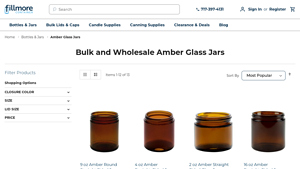
Domain: fillmorecontainer.com
Registered: 2002 (23 years)
Introduction: Amber Glass Jars available in various sizes and finishes for wholesale and bulk purchase. Key products include: 9 oz Amber Round Straight Sided Jar (70-400 Finish), 4 oz Amber Straight-Sided Jar (58-400 Finish), 2 oz Amber Straight Sided Glass Jar (53-400 Finish), 16 oz Amber Straight-Sided Jar (89-400 Finish), 6 oz Amber Straight-Sided Jar (63-400 Finish), 8 oz Amber Boston Round (24-400 Finish),…
2. Bottle Store – 8oz Amber Glass Jar
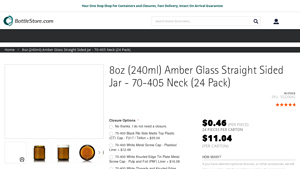
Domain: bottlestore.com
Registered: 1998 (27 years)
Introduction: {“product_name”: “8oz Amber Glass Straight Sided Jar”, “capacity”: “240ml”, “neck_finish”: “70-405”, “pack_size”: “24 Pack”, “availability”: “In-Stock and Ready-To-Ship”, “sku”: “55220042”, “rating”: “100% of 100 based on 6 reviews”}
3. Berlin Packaging – 4 oz Amber Glass Squat Jar

Domain: berlinpackaging.com
Registered: 1997 (28 years)
Introduction: {“product_name”: “4 oz Amber Glass Straight Sided Squat Jars”, “item_number”: “5001B56-B”, “capacity”: “4 oz”, “color”: “Amber”, “jar_type”: “Straight Sided Squat”, “cap_size”: “58-400 (sold separately)”, “features”: [“UV Resistant”, “FDA Food Contact Compliant”, “BPA Non-Intent”, “Dishwasher Safe”, “Microwave Safe”, “Freezer Safe”, “Child-Resistant Options Available”, “Tamper-Evident”, “100% Recy…
4. Container and Packaging – G864AM Amber Glass Jar
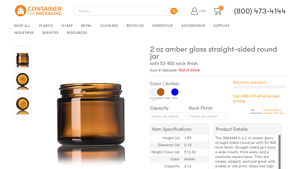
Domain: containerandpackaging.com
Registered: 2001 (24 years)
Introduction: {“item_number”:”G864AM”,”color”:”Amber”,”capacity”:”2 oz”,”material”:”Glass”,”neck_finish”:”53-400″,”height_in”:”1.89″,”diameter_in”:”2.15″,”weight_case_oz”:”512.32″,”recyclable”:”Yes”,”description”:”The G864AM is a 2 oz amber glass straight-sided round jar with a 53-400 neck finish. Straight-sided jars have a wide mouth, thick walls, and a relatively square base. They are simple, elegant, and loo…
5. Uline – Amber Straight-Sided Glass Jars
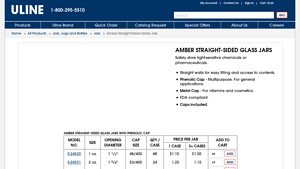
Domain: uline.com
Registered: 1995 (30 years)
Introduction: Amber Straight-Sided Glass Jars available in various sizes and cap types.
1. **With Phenolic Cap:**
– **1 oz:** Opening Diameter: 1 1/2″, Cap Size: 48/400, Qty/Case: 48, Starting at $1.15
– **2 oz:** Opening Diameter: 1 5/8″, Cap Size: 53/400, Qty/Case: 24, Starting at $1.25
– **4 oz:** Opening Diameter: 1 7/8″, Cap Size: 58/400, Qty/Case: 24, Starting at $1.30
– **8 oz:** Openin…
6. Specialty Bottle – Amber Straight Sided Jars

Domain: specialtybottle.com
Registered: 1998 (27 years)
Introduction: Amber Straight Sided Jars are versatile and functional, made with thick glass providing 70% more UV protection than clear containers. Suitable for food, cosmetics, bath products, or any light-sensitive products. Available sizes and details include:
– .85 oz (25 ml) with Black Lid: Height 1.7″, Width 1.5″, Price: $1.11 (1-287), $0.89 (288-999), $0.74 (1,000-4,999), $0.62 (5,000-10,000)
– .85 oz (2…
7. Walmart – 10 Pack Amber Glass Cosmetic Jars

Domain: walmart.com
Registered: 1995 (30 years)
Introduction: This company, Walmart – 10 Pack Amber Glass Cosmetic Jars, is a notable entity in the market. For specific product details, it is recommended to visit their website directly.
8. Amber Glass Jar – Collectible Jars

Domain: ebay.com
Registered: 1995 (30 years)
Introduction: Amber Glass Jar In Collectible Jars 1900-Now for sale on eBay. Popular items include various brands and sizes of glass jars, such as Ball and Kerr, with options like wide mouth, pint, and quart sizes. Prices range from approximately $9.00 to $68.00 depending on the product and quantity. The jars are suitable for canning and storage, and some are designed with features like anti-UV protection and a…
9. Mountain Rose Herbs – Amber Glass Jars

Domain: mountainroseherbs.com
Registered: 2000 (25 years)
Introduction: Amber glass jars designed to protect light-sensitive products. Available sizes: 50 mL, 4 oz., and 9 oz. Comes with black plastic lids featuring a pressure seal. Suitable for creams, salves, lotions, lip balm, body butter, herbal honey, and more. Manufactured in Taiwan. Sold in cases of 6 or 24.
10. Hobby Lobby – Mini Amber Glass Jar
Domain: hobbylobby.com
Registered: 1995 (30 years)
Introduction: {“name”: “Mini Amber Glass Jar”, “SKU”: “2420495”, “original_price”: “$3.49”, “dimensions”: {“height”: “2.5 inches”, “width”: “2.19 inches”, “depth”: “2.19 inches”}, “opening_diameter”: “1.5 inches”, “volume”: “2 ounces (59mL)”, “material”: “Glass”, “color”: “Amber”, “care_and_safety”: “Food & Dishwasher Safe”, “quantity”: “1”}
Strategic Sourcing Conclusion and Outlook for amber glass jar
What Are the Key Takeaways for B2B Buyers of Amber Glass Jars?
In the competitive landscape of packaging, amber glass jars stand out as an ideal choice for businesses focused on quality and sustainability. Their UV-filtering properties protect sensitive products, making them suitable for a wide range of applications, from personal care to food storage. Additionally, the availability of various sizes and finishes allows for customization, enabling brands to enhance their product presentation while ensuring safety and compliance with industry standards.
How Does Strategic Sourcing Enhance Your Business?
Strategic sourcing of amber glass jars not only optimizes supply chain efficiency but also ensures cost-effectiveness. By partnering with reliable suppliers, businesses can secure high-quality products at competitive prices, ultimately improving their bottom line. Moreover, flexible purchasing options, such as bulk orders, empower companies to manage cash flow effectively while maintaining an adequate inventory.
What’s Next for International B2B Buyers?
As the demand for sustainable packaging solutions grows across Africa, South America, the Middle East, and Europe, now is the time to invest in amber glass jars. By leveraging strategic sourcing practices, international buyers can position themselves advantageously in their respective markets. Embrace the opportunity to elevate your product offerings and strengthen your brand identity—connect with trusted suppliers today to explore the vast potential that amber glass jars can bring to your business.




 Thai
Thai  English
  Russian
  Spanish
  Italian
  French
  Arabic
  Portuguese
  Indonesian
  German






