

Introduction: Navigating the Global Market for Plastic Colored Cosmetic PE Tube
In today’s competitive landscape, sourcing high-quality plastic colored cosmetic PE tubes presents a unique challenge for B2B buyers looking to enhance their product offerings. With increasing consumer demand for aesthetically pleasing and sustainable packaging, it is essential for businesses to navigate the myriad options available in the global market. This guide provides a comprehensive overview of various types of plastic colored cosmetic PE tubes, their applications across different cosmetic products, and critical factors to consider when selecting a supplier.
From understanding the different customization options—such as in-mold color and various printing techniques—to evaluating sustainability features like post-consumer recycled (PCR) materials, this resource empowers international B2B buyers, particularly those in Africa, South America, the Middle East, and Europe, including key markets like Saudi Arabia and Brazil. With detailed insights into cost considerations, supplier vetting processes, and emerging trends in cosmetic packaging, this guide aims to facilitate informed purchasing decisions. By leveraging the information contained herein, businesses can align their packaging solutions with their brand values while meeting the evolving expectations of their customers.
In an era where packaging quality can significantly influence consumer perception, understanding the global market for plastic colored cosmetic PE tubes is not just advantageous—it’s essential for success.
Understanding Plastic Colored Cosmetic PE Tube Types and Variations
| พิมพ์ชื่อ | คุณสมบัติเด่นที่สำคัญ | แอปพลิเคชัน B2B หลัก | ข้อดีและข้อเสียโดยย่อสำหรับผู้ซื้อ |
|---|---|---|---|
| Standard Squeeze Tube | Flexible, lightweight design; various sizes available | Creams, lotions, and gels | Pros: Cost-effective, versatile. Cons: May not convey luxury. |
| Nozzle Tip Tube | Precision dispensing with a nozzle; ideal for thicker products | Serums, treatments, and adhesives | Pros: Reduces waste, enhances control. Cons: Limited to specific formulations. |
| Flat Oval Tube | Sleek design; maximizes surface area for branding | Sunscreens, moisturizers, and makeup bases | Pros: Attractive display, easy to handle. Cons: Slightly bulkier for transport. |
| Biodegradable PE Tube | Made from sustainable materials; eco-friendly options | Natural and organic cosmetic products | Pros: Aligns with sustainability goals. Cons: May have higher costs. |
| Custom Molded Tube | Tailored shapes and sizes; unique branding opportunities | High-end cosmetics and specialty products | Pros: Distinctive branding, meets niche needs. Cons: Longer lead times and potentially higher MOQs. |
What Are the Key Characteristics of Standard Squeeze Tubes?
Standard squeeze tubes are one of the most common types of cosmetic packaging, known for their flexibility and lightweight nature. They can be manufactured in various sizes, making them suitable for a wide range of products, including creams, lotions, and gels. For B2B buyers, the cost-effectiveness and versatility of these tubes are significant advantages. However, they may not convey a premium feel, which could be a drawback for brands targeting luxury markets.
How Do Nozzle Tip Tubes Enhance Product Application?
Nozzle tip tubes feature a precision dispensing nozzle that allows for controlled application, making them ideal for thicker products such as serums and treatments. This design minimizes waste and enhances user experience by providing targeted application. B2B buyers should consider the specific formulation of their products, as these tubes are tailored for products requiring precise dispensing. However, their use may be limited to specific product types, which could restrict versatility.
What Advantages Do Flat Oval Tubes Offer?
Flat oval tubes are designed to maximize surface area, making them ideal for branding and aesthetic appeal. Their sleek design is particularly effective for products such as sunscreens and moisturizers. For B2B buyers, these tubes not only provide an attractive display on retail shelves but also enhance user convenience. However, their slightly bulkier design may increase shipping costs, which is an essential consideration for international buyers.
Why Choose Biodegradable PE Tubes for Eco-Conscious Branding?
Biodegradable PE tubes are made from sustainable materials, aligning with the growing demand for eco-friendly packaging. They are particularly suitable for natural and organic cosmetic products, appealing to environmentally conscious consumers. B2B buyers looking to enhance their brand’s sustainability profile may find these tubes beneficial, although they often come with a higher price point. This investment can be justified by the increasing consumer preference for sustainable products.
How Do Custom Molded Tubes Stand Out in the Market?
Custom molded tubes offer brands the opportunity to create unique shapes and sizes, providing distinctive branding options that can make products stand out in a crowded market. These tubes are particularly effective for high-end cosmetics and specialty products, allowing brands to meet niche needs. However, B2B buyers should be prepared for longer lead times and potentially higher minimum order quantities (MOQs), which can impact inventory management and cash flow.
Key Industrial Applications of Plastic Colored Cosmetic PE Tube
| อุตสาหกรรม/ภาคส่วน | Specific Application of Plastic Colored Cosmetic PE Tube | มูลค่า/ประโยชน์ต่อธุรกิจ | ข้อควรพิจารณาในการจัดหาแหล่งข้อมูลที่สำคัญสำหรับแอปพลิเคชันนี้ |
|---|---|---|---|
| Cosmetics & Skincare | Packaging for creams, lotions, and serums | Enhances brand appeal with customizable designs | Minimum order quantities, customization options, and sustainability certifications |
| Personal Care | Packaging for sunscreens and moisturizers | Provides protection against contamination and UV rays | Compatibility with chemical formulations and regulatory compliance |
| เภสัชภัณฑ์ | Packaging for topical treatments and ointments | Ensures product integrity and extends shelf life | Material safety standards and child-resistant features |
| Haircare | Packaging for conditioners and styling products | Facilitates easy dispensing and user convenience | Size options and pump or nozzle compatibility |
| Eco-Friendly Products | Sustainable packaging solutions using recycled materials | Aligns with consumer demand for environmentally friendly options | Availability of post-consumer recycled (PCR) materials |
How Are Plastic Colored Cosmetic PE Tubes Used in the Cosmetics & Skincare Industry?
In the cosmetics and skincare sector, plastic colored cosmetic PE tubes are primarily utilized for packaging a variety of products, including creams, lotions, and serums. Their sleek design and customizable features allow brands to enhance their market presence and attract consumers. These tubes solve the problem of contamination and product degradation by providing a secure and airtight seal. International buyers should consider customization options, such as in-mold labeling and various printing techniques, to align with local market preferences.
What Role Do Plastic Colored Cosmetic PE Tubes Play in Personal Care Products?
Plastic colored cosmetic PE tubes are also widely employed for personal care items like sunscreens and moisturizers. Their formulation compatibility ensures that the products remain stable and effective over time. The tubes offer UV protection, which is essential for products that are sensitive to light. Buyers from regions like Africa and South America should focus on sourcing tubes that comply with local regulations regarding personal care product packaging, as well as those that feature easy-to-use dispensing mechanisms.
How Are Plastic Colored Cosmetic PE Tubes Applied in Pharmaceuticals?
In the pharmaceutical industry, these tubes are used for packaging topical treatments and ointments. They provide an effective barrier against external contaminants, thereby preserving the integrity of sensitive formulations. The extended shelf life afforded by these tubes is a critical benefit for pharmaceutical companies. Buyers should prioritize sourcing tubes that meet stringent safety standards and consider options with child-resistant features for over-the-counter products.
Why Are Plastic Colored Cosmetic PE Tubes Important for Haircare Products?
For haircare products, plastic colored cosmetic PE tubes serve as practical packaging solutions for conditioners and styling gels. Their design facilitates easy dispensing, making them user-friendly. Moreover, the tubes can be customized in various sizes to cater to different market segments, such as travel-sized products. Sourcing considerations include ensuring compatibility with different dispensing mechanisms, such as pumps or nozzles, to enhance customer experience.
How Do Eco-Friendly Plastic Colored Cosmetic PE Tubes Meet Market Demands?
The growing demand for eco-friendly products has led to the adoption of plastic colored cosmetic PE tubes made from recycled materials. These sustainable packaging solutions resonate with environmentally conscious consumers and brands alike. They help businesses reduce their carbon footprint while meeting consumer expectations. Buyers should look for suppliers that offer post-consumer recycled (PCR) options and verify the sustainability certifications of the materials used.

A stock image related to Plastic Colored Cosmetic PE Tube.
3 Common User Pain Points for ‘Plastic Colored Cosmetic PE Tube’ & Their Solutions
Scenario 1: Difficulty in Sourcing Sustainable Packaging Solutions
The Problem: Many B2B buyers in the cosmetic industry are facing increasing pressure from consumers to adopt more sustainable packaging solutions. Traditional plastic tubes are often viewed negatively due to environmental concerns. Buyers are challenged to find cosmetic tubes that not only meet their aesthetic and functional needs but also align with sustainability goals. This can lead to confusion about which materials are truly eco-friendly and how they can effectively market these attributes to their customers.
The Solution: To address this challenge, buyers should consider sourcing Plastic Colored Cosmetic PE Tubes made from post-consumer recycled (PCR) materials or bioplastics like sugarcane-based polyethylene. When contacting suppliers, request detailed information on the sustainability credentials of their products, including certifications and the percentage of recycled content. Additionally, consider customizing the tube design to highlight its sustainable features, such as using eco-friendly inks for printing and incorporating clear labeling that communicates the environmental benefits. Collaborating with suppliers who specialize in sustainable packaging can also provide insights into the latest innovations and trends in eco-friendly cosmetics packaging.
Scenario 2: Customization Limitations Leading to Brand Inconsistency
The Problem: Many B2B buyers encounter limitations when trying to customize their Plastic Colored Cosmetic PE Tubes. These limitations can lead to a lack of brand consistency, which is critical for market recognition and consumer trust. Buyers may struggle to find the right colors, finishes, and printing techniques that reflect their brand identity, resulting in products that do not resonate with their target audience.
The Solution: To ensure brand consistency, buyers should engage with suppliers that offer extensive customization options. When requesting quotes, specify the exact colors, finishes, and decoration methods desired, such as in-mold labeling, silk-screen printing, or hot stamping. It’s beneficial to request samples before placing a bulk order to assess how the final product aligns with the brand’s vision. Additionally, consider working with suppliers who have experience in your specific market segment, as they can provide valuable insights on what designs and finishes resonate best with consumers in regions like Africa, South America, or the Middle East.
Scenario 3: Concerns Over Product Compatibility and Shelf Life
The Problem: B2B buyers often worry about the compatibility of their cosmetic formulations with the Plastic Colored Cosmetic PE Tubes they intend to use. Certain ingredients can react with packaging materials, leading to degradation of the product, altered efficacy, or even contamination. This concern can be particularly acute for products with sensitive ingredients, like serums or sunscreens, which may have specific storage requirements.
The Solution: To mitigate these concerns, buyers should engage in thorough material compatibility testing prior to finalizing their packaging choice. Collaborate closely with suppliers to understand the chemical resistance of the PE materials used in the tubes and request technical data sheets that outline compatibility with various cosmetic formulations. Additionally, consider utilizing barrier coatings or liners that can enhance the shelf life of sensitive products. Establishing a strong relationship with your supplier for ongoing support can also ensure that any issues related to product compatibility are promptly addressed, allowing for a smooth production process and maintaining product integrity.
Strategic Material Selection Guide for Plastic Colored Cosmetic PE Tube
What Are the Key Properties of Common Materials for Plastic Colored Cosmetic PE Tubes?
When selecting materials for plastic colored cosmetic PE tubes, it is essential to consider the properties of various materials that affect performance, durability, and overall suitability for cosmetic applications. Here, we analyze four common materials used in the production of these tubes: Polyethylene (PE), Polypropylene (PP), Post-Consumer Recycled (PCR) plastic, and Ocean-Bound Plastic (OBP).
How Does Polyethylene (PE) Perform in Cosmetic Tube Applications?
Polyethylene (PE) is the most commonly used material for cosmetic tubes due to its excellent flexibility and chemical resistance. It can withstand a range of temperatures and pressures, making it suitable for various cosmetic formulations, including creams and lotions. PE is also lightweight and provides a good barrier against moisture and oxygen, which helps preserve the product inside.
Pros: PE tubes are cost-effective and easy to manufacture, offering a variety of customization options, including colors and printing techniques. They are also recyclable, which appeals to environmentally conscious brands.
Cons: While PE is durable, it may not be suitable for products requiring high-temperature sterilization. Additionally, it has a lower resistance to certain solvents compared to other materials.
Impact on Application: PE is compatible with a wide range of cosmetic products, but brands should ensure that their specific formulations do not react negatively with the material.
Considerations for International Buyers: Compliance with international standards such as ASTM and DIN is crucial. Buyers from regions like Africa and South America should also consider local recycling capabilities and consumer preferences for sustainable packaging.
What Advantages Does Polypropylene (PP) Offer for Cosmetic Tubes?
Polypropylene (PP) is another popular choice for cosmetic packaging, known for its high resistance to heat and chemicals. This material can endure higher temperature processing, making it suitable for products that require sterilization.
Pros: PP tubes are robust and resistant to cracking, providing a longer shelf life for products. They also offer excellent clarity, which can enhance the visual appeal of the packaging.
Cons: The manufacturing process for PP can be more complex and costly than for PE. Additionally, while PP is recyclable, it is less commonly accepted in recycling programs compared to PE.
Impact on Application: PP is ideal for products that contain active ingredients sensitive to environmental factors. However, brands must ensure compatibility with their formulations.
Considerations for International Buyers: Buyers should verify compliance with local regulations regarding the use of PP, especially in regions with stringent plastic waste management policies.
How Do Post-Consumer Recycled (PCR) Plastics Enhance Sustainability in Cosmetic Tubes?
Post-Consumer Recycled (PCR) plastics are gaining traction in the cosmetic industry as brands strive for sustainability. These materials are derived from recycled plastic waste, reducing the reliance on virgin materials.
Pros: Using PCR plastics can significantly lower carbon emissions and appeal to eco-conscious consumers. They can be manufactured to maintain similar properties to virgin plastics, ensuring product integrity.
Cons: The availability of high-quality PCR materials can be inconsistent, potentially affecting the production process. Additionally, the cost may be higher compared to virgin materials due to the recycling process.
Impact on Application: PCR plastics are suitable for a wide range of cosmetic products, but brands must assess the quality and compatibility of the recycled material with their formulations.
Considerations for International Buyers: Compliance with sustainability certifications and local recycling regulations is essential, particularly in Europe, where eco-labeling is becoming increasingly important.
What Are the Benefits of Using Ocean-Bound Plastic (OBP) in Cosmetic Tubes?
Ocean-Bound Plastic (OBP) refers to plastic collected from coastal areas before it can enter the ocean. This innovative material is part of the broader movement towards reducing ocean pollution.
Pros: OBP helps brands position themselves as environmentally responsible and can attract consumers who prioritize sustainability. The use of OBP can enhance brand reputation and loyalty.
Cons: Similar to PCR, the supply of OBP can be limited, and the cost may be higher than conventional plastics. Additionally, quality control can be a challenge, as the material must be processed to meet safety standards.
Impact on Application: OBP is suitable for various cosmetic products, but brands must ensure that the material meets safety and compatibility standards for their specific formulations.
Considerations for International Buyers: Buyers should investigate the sourcing and certification of OBP materials to ensure compliance with international standards and consumer expectations.
Summary Table of Material Selection for Plastic Colored Cosmetic PE Tubes
| วัสดุ | Typical Use Case for Plastic Colored Cosmetic PE Tube | ข้อได้เปรียบหลัก | ข้อเสีย/ข้อจำกัดหลัก | ต้นทุนสัมพันธ์ (ต่ำ/กลาง/สูง) |
|---|---|---|---|---|
| Polyethylene (PE) | Creams, lotions, sunscreens | Cost-effective and versatile | Lower resistance to certain solvents | ต่ำ |
| Polypropylene (PP) | High-end skincare products | High heat and chemical resistance | More complex and costly to manufacture | Medium |
| Post-Consumer Recycled (PCR) | Eco-friendly cosmetic lines | Reduces carbon footprint | Inconsistent quality and higher cost | Medium |
| Ocean-Bound Plastic (OBP) | Sustainable cosmetic packaging | Enhances brand sustainability | Limited supply and potential quality issues | High |
This strategic material selection guide provides valuable insights for international B2B buyers looking to optimize their cosmetic packaging solutions while aligning with sustainability goals and market demands.

A stock image related to Plastic Colored Cosmetic PE Tube.
In-depth Look: Manufacturing Processes and Quality Assurance for Plastic Colored Cosmetic PE Tube
What Are the Key Stages in the Manufacturing Process of Plastic Colored Cosmetic PE Tubes?
The manufacturing of Plastic Colored Cosmetic PE Tubes involves several critical stages, ensuring that each tube meets the required specifications for quality and functionality.
-
Material Preparation: The process begins with the selection of high-quality polyethylene (PE) resins, which can include post-consumer recycled (PCR) materials or bio-based options like sugarcane. The chosen material is then dried and blended to achieve the desired consistency, ensuring that it is suitable for the extrusion process.
-
Forming: The blended material is fed into an extruder, where it is melted and shaped into tubes. This can involve different techniques such as co-extrusion for multi-layer tubes, which can enhance barrier properties and aesthetics. The extruded tubes are then cooled and cut to the desired lengths, with the inner layers potentially composed of different materials for specific functionality (e.g., barrier against moisture).
-
Assembly: After forming, the tubes go through an assembly process where caps and other components, such as nozzles or pumps, are added. This stage may include the application of various closure types, including screw-on or flip-top caps, depending on the product requirements.
-
Finishing: The final stage involves decorating the tubes to enhance branding and consumer appeal. Techniques such as in-mold labeling, offset printing, silk screening, and hot stamping are commonly employed. This customization not only adds visual appeal but can also convey essential product information, thus playing a crucial role in marketing.
How Is Quality Assurance Implemented During the Manufacturing of PE Tubes?
Quality assurance (QA) is paramount in the production of Plastic Colored Cosmetic PE Tubes, ensuring that the final product adheres to international standards and meets customer expectations.
-
International Standards Compliance: Manufacturers typically adhere to ISO 9001, which focuses on quality management systems. Compliance with this standard indicates that a manufacturer has established a systematic approach to managing processes to enhance customer satisfaction.
-
Industry-Specific Certifications: For cosmetic packaging, other relevant certifications may include CE marking, which indicates compliance with health, safety, and environmental protection standards, and API certification for packaging that comes into contact with pharmaceutical products.
-
Quality Control Checkpoints:
– Incoming Quality Control (IQC): This checkpoint involves inspecting raw materials upon receipt to ensure they meet specified standards.
– In-Process Quality Control (IPQC): During production, various parameters such as temperature, pressure, and material consistency are monitored to detect any deviations from established norms.
– Final Quality Control (FQC): This stage involves a comprehensive assessment of the finished product, including visual inspections, functionality tests, and verification of printing and labeling accuracy. -
Common Testing Methods: Typical tests may include:
– Mechanical Testing: Assessing the tensile strength, flexibility, and impact resistance of the tubes.
– Chemical Compatibility Testing: Ensuring that the tube material does not react negatively with the cosmetic formulations.
– Barrier Testing: Evaluating the effectiveness of the tube in preventing moisture and air ingress, which is crucial for product stability.
What Steps Can B2B Buyers Take to Verify Supplier Quality Control?
For B2B buyers looking to source Plastic Colored Cosmetic PE Tubes, ensuring the reliability of their suppliers is essential. Here are several actionable steps:
-
Supplier Audits: Conducting on-site audits can provide insights into a manufacturer’s quality management practices. Buyers should assess the production facilities, QA processes, and adherence to international standards.
-
Requesting Quality Reports: Suppliers should provide detailed quality assurance reports, including results from IQC, IPQC, and FQC. These documents can help buyers understand the level of scrutiny each batch of products undergoes.
-
Third-Party Inspections: Engaging third-party quality assurance firms can add an extra layer of confidence. These inspectors can conduct independent assessments of the manufacturing process and final products.
-
Reviewing Certifications: Buyers should verify the authenticity of relevant certifications (ISO, CE, API) by checking with issuing bodies. This step ensures that the supplier’s claims are valid and that they adhere to necessary industry standards.
What Are the Nuances of Quality Control for International B2B Buyers?
International buyers, particularly from regions like Africa, South America, the Middle East, and Europe, should be aware of specific nuances when it comes to quality control:
-
Regulatory Compliance: Different regions may have varying regulations regarding cosmetic packaging. Buyers should familiarize themselves with local regulations to ensure compliance and avoid penalties.
-
Cultural Expectations: Understanding cultural preferences for packaging aesthetics can influence quality expectations. For instance, certain colors or designs may be more appealing in specific markets.
-
Logistical Considerations: The shipping and handling of PE tubes must be managed to prevent damage. Quality control should also include packaging for transportation, ensuring that products arrive at their destination in optimal condition.
-
Sustainability Practices: As the global market shifts towards eco-friendly solutions, buyers should inquire about the sustainability practices of their suppliers. This includes the use of recycled materials and the overall environmental impact of the manufacturing process.
By understanding these manufacturing processes and quality assurance practices, B2B buyers can make informed decisions, ensuring that they partner with reliable suppliers who meet their specific needs and standards.
Practical Sourcing Guide: A Step-by-Step Checklist for ‘Plastic Colored Cosmetic PE Tube’
When sourcing Plastic Colored Cosmetic PE Tubes, it’s essential to follow a structured approach to ensure you select the right supplier and product specifications. This guide provides a clear checklist to streamline your procurement process and help you make informed decisions.
Step 1: Define Your Technical Specifications
Clarifying your requirements is crucial. Determine the size, capacity, and design features of the PE tubes you need. Consider the intended use—whether for creams, serums, or other cosmetic products—as this will impact your specifications.
- Size Options: Standard capacities typically range from 20ml to 120ml, but custom sizes may be available.
- Material Considerations: Specify whether you require tubes made from virgin or post-consumer recycled materials to align with sustainability goals.
Step 2: Research Market Trends
Understanding current market trends can give you a competitive edge. Investigate the latest innovations in cosmetic packaging, including eco-friendly materials and unique designs. This knowledge can influence your decision-making process and help you identify popular features that appeal to consumers.
- Sustainability: Look for tubes made with PCR or OBP materials, as they are increasingly favored by consumers and regulatory bodies.
- Design Preferences: Analyze color trends and finishes that resonate with your target market.
Step 3: Evaluate Potential Suppliers
A thorough supplier evaluation is essential to mitigate risks. Research potential suppliers by reviewing their company profiles, product offerings, and customer feedback. Request case studies or references from buyers within your industry.
- Certifications: Ensure that suppliers comply with international quality standards and possess relevant certifications.
- Experience: Consider suppliers with a proven track record in cosmetic packaging, as they are more likely to understand your needs.
Step 4: Request Samples
Always request samples before placing a bulk order. This step allows you to assess the quality of the PE tubes firsthand. Examine the material durability, printing quality, and overall design.
- Quality Check: Evaluate the tubes for leaks, defects, and the effectiveness of closures.
- Printing Options: Ensure that the printing meets your branding requirements and that colors are consistent with your design.
Step 5: Compare Pricing and Terms
Collect and compare quotes from multiple suppliers. Look beyond the base price; consider shipping costs, lead times, and payment terms. This comprehensive comparison will help you identify the best value for your investment.
- Minimum Order Quantities: Be aware of the MOQ requirements, as they can significantly impact your initial investment.
- Negotiation: Don’t hesitate to negotiate terms, especially if you plan to establish a long-term partnership.
Step 6: Confirm Logistics and Delivery Times
Understanding logistics is critical to maintaining your supply chain. Once you’ve selected a supplier, confirm the shipping methods, estimated delivery times, and any potential customs requirements.
- Shipping Options: Evaluate the reliability of shipping options based on your region, especially if you’re sourcing from international suppliers.
- Customs Clearance: Ensure that all necessary documentation is in order to prevent delays at customs.
Step 7: Establish a Long-term Relationship
Building a partnership with your supplier can lead to mutual benefits. Once you have successfully sourced your PE tubes, maintain open communication with your supplier to address any future needs or issues.
- Feedback Loop: Provide feedback on product performance and service to foster continuous improvement.
- Future Collaboration: Explore opportunities for custom designs or additional products to expand your offerings.
By following this step-by-step checklist, you can effectively navigate the sourcing process for Plastic Colored Cosmetic PE Tubes, ensuring that you choose the right product and supplier for your business needs.
Comprehensive Cost and Pricing Analysis for Plastic Colored Cosmetic PE Tube Sourcing
What Are the Key Cost Components in Sourcing Plastic Colored Cosmetic PE Tubes?
When sourcing plastic colored cosmetic polyethylene (PE) tubes, it’s essential to understand the various cost components that contribute to the overall price. The primary cost factors include:
-
Materials: The choice of materials significantly impacts the cost. PE is commonly used for its durability and chemical resistance, while options like post-consumer recycled (PCR) and ocean-bound plastics (OBP) can increase sustainability but may also raise costs. Custom colors and finishes can further influence material prices.
-
Labor: Labor costs vary by region and manufacturing practices. High-quality production often requires skilled labor, which can increase costs, especially in regions with higher wage standards.
-
Manufacturing Overhead: This includes costs associated with the facilities, equipment maintenance, and utilities. Efficient manufacturing processes can help reduce overhead costs, which can be a negotiation point with suppliers.
-
Tooling: Custom tooling for specific designs or sizes can be a significant upfront investment. Buyers should consider the amortization of tooling costs over the expected volume of orders.
-
Quality Control (QC): Ensuring product quality through rigorous QC processes adds to the overall cost but is essential for maintaining brand integrity. Certifications for quality assurance can further enhance costs but also provide value.
-
Logistics: Transportation and shipping costs are critical, especially for international buyers. Factors like distance, shipping method, and customs duties can significantly affect the total cost.
-
Margin: Suppliers will build in their profit margins, which can vary based on their market positioning and competition.
How Do Price Influencers Affect the Cost of Cosmetic PE Tubes?
Several key factors influence the pricing of plastic colored cosmetic PE tubes, which buyers should consider:
-
Volume/MOQ: Minimum order quantities (MOQs) can greatly affect pricing. Larger orders typically lead to lower per-unit costs. Buyers should evaluate their consumption rates to negotiate better pricing terms.
-
Specifications and Customization: Customized features such as specific sizes, colors, and printing options can increase costs. Buyers should weigh the need for customization against budget constraints.
-
Material Choices: As mentioned, the choice between standard PE and more sustainable options like PCR can influence costs. Buyers focused on sustainability may find value in investing more upfront for long-term brand benefits.
-
Quality and Certifications: Products that meet specific quality standards or certifications may come at a premium. Buyers should assess whether these certifications are necessary for their target markets.
-
Supplier Factors: Established suppliers with a reputation for quality may charge higher prices. However, they may also offer reliability and superior customer service, which can justify the cost.
-
Incoterms: Understanding Incoterms (International Commercial Terms) is crucial for international transactions. They dictate responsibilities for shipping, insurance, and tariffs, directly impacting the total landed cost.
What Are Some Negotiation and Cost-Efficiency Tips for International Buyers?
International buyers, particularly from regions like Africa, South America, the Middle East, and Europe, should consider the following strategies to optimize costs when sourcing plastic colored cosmetic PE tubes:
-
Negotiate Volume Discounts: Leverage larger orders to negotiate lower prices per unit. Establishing a long-term relationship with suppliers can also lead to better pricing over time.
-
Assess Total Cost of Ownership (TCO): Look beyond the initial purchase price. Consider factors such as shipping, customs duties, and potential return costs. This holistic view will help determine the most cost-effective sourcing strategy.
-
Be Mindful of Pricing Nuances: Different regions may have varying pricing norms. Buyers should be aware of local economic conditions and currency fluctuations that may affect pricing.
-
Explore Multiple Suppliers: Don’t limit your options to a single supplier. Obtaining quotes from multiple manufacturers can provide leverage during negotiations and highlight competitive pricing.
-
Evaluate Payment Terms: Flexible payment terms can ease cash flow constraints. Discussing options like partial payments or extended payment terms can be beneficial.
By thoroughly understanding these cost components, price influencers, and negotiation strategies, international buyers can make informed decisions that align with their budget and sustainability goals while sourcing plastic colored cosmetic PE tubes.
Alternatives Analysis: Comparing Plastic Colored Cosmetic PE Tube With Other Solutions
In the world of cosmetic packaging, the choice of materials significantly impacts product appeal, sustainability, and performance. With growing environmental concerns and varying consumer preferences, businesses must evaluate multiple packaging options. This analysis compares the Plastic Colored Cosmetic PE Tube with alternative solutions, highlighting their respective advantages and disadvantages.
| Comparison Aspect | Plastic Colored Cosmetic PE Tube | Aluminum Cosmetic Tube | Glass Cosmetic Container |
|---|---|---|---|
| Performance | Excellent barrier properties; flexible | High durability; excellent barrier | Fragile but offers premium feel |
| Cost | Moderate; competitive pricing | Higher; requires more resources | Highest; costly to produce and ship |
| Ease of Implementation | Easy to manufacture and customize | More complex production process | Requires specialized handling and transport |
| Maintenance | Low; recyclable and lightweight | Moderate; can dent or corrode | High; requires careful handling to avoid breakage |
| Best Use Case | Ideal for a range of cosmetics; lightweight and portable | Best for high-end products requiring durability | Suitable for luxury brands aiming for aesthetics |
What Are the Pros and Cons of Aluminum Cosmetic Tubes?
Aluminum cosmetic tubes are a robust alternative to plastic tubes. They provide excellent barrier properties, protecting the contents from light and air, which is crucial for preserving sensitive formulations. The durability of aluminum means it can withstand rough handling during shipping and storage. However, the production cost is generally higher, which may not be ideal for budget-conscious brands. Additionally, while they are recyclable, they require a more complex recycling process than plastic, potentially impacting their sustainability profile.
How Do Glass Cosmetic Containers Compare to PE Tubes?
Glass cosmetic containers are often viewed as a premium packaging option, appealing to brands targeting the luxury market. Their aesthetic appeal is unmatched, offering a high-end feel that can enhance brand perception. However, glass is fragile, posing risks during transportation and handling. The cost of glass containers is typically higher than that of plastic tubes, both in terms of production and shipping due to weight. While glass is fully recyclable, the energy required for its production and recycling processes can be a drawback from a sustainability perspective.
Conclusion: Which Packaging Solution Is Right for Your Brand?
Choosing the right cosmetic packaging solution depends on various factors, including brand positioning, product type, target market, and budget. For brands focused on sustainability and versatility, the Plastic Colored Cosmetic PE Tube offers a compelling balance of performance, cost-effectiveness, and ease of use. In contrast, if the brand is positioned in the luxury segment, investing in aluminum or glass may provide the necessary premium feel and durability. Ultimately, B2B buyers should assess their specific requirements and market trends to select the most suitable packaging solution that aligns with their business goals.
Essential Technical Properties and Trade Terminology for Plastic Colored Cosmetic PE Tube
What Are the Essential Technical Properties of Plastic Colored Cosmetic PE Tubes?
When sourcing plastic colored cosmetic PE tubes for beauty products, understanding the critical technical properties can significantly impact your product’s success in the market. Here are some of the key specifications to consider:
-
Material Grade
The primary material used for these tubes is polyethylene (PE), which may include varying percentages of post-consumer recycled (PCR) content or bio-based materials such as sugarcane. Choosing the right material grade is crucial for ensuring durability, flexibility, and chemical resistance, all of which affect the shelf life and safety of cosmetic products. -
Capacity Options
PE tubes come in a range of capacities, typically from 20ml to 120ml. Understanding the capacity is vital for aligning with consumer preferences and market trends. For instance, smaller sizes might cater to travel-friendly products, while larger sizes can target regular usage, impacting pricing strategies and inventory management. -
Closure Type
Common closure types include screw-on caps, flip tops, and snap-on lids. The choice of closure affects user experience, product protection, and ease of dispensing. For B2B buyers, selecting the appropriate closure type can enhance customer satisfaction and influence repeat purchases. -
Printing and Decoration Options
Customization is a significant aspect of cosmetic packaging. PE tubes can be decorated through various techniques, such as offset printing, silk screening, and hot stamping. These options allow brands to create visually appealing products that stand out on retail shelves, which is essential in a competitive market. -
Sustainability Features
Increasingly, brands are prioritizing sustainability, making it essential to consider the use of PCR or ocean-bound plastic (OBP) in your tube designs. Not only does this align with consumer demand for eco-friendly products, but it also helps in reducing carbon footprints and enhancing brand reputation. -
Tolerance Levels
Tolerance refers to the allowable variation in the dimensions of the tube, which is critical for ensuring compatibility with filling machines and caps. Understanding tolerance levels can prevent production issues and ensure a smooth supply chain, thereby reducing costs associated with waste and rework.
What Are Common Trade Terms in the Cosmetic Tube Industry?
Navigating the terminology in the cosmetic tube industry can be daunting for new buyers. Here are some essential trade terms that can help you make informed decisions:
-
OEM (Original Equipment Manufacturer)
This term refers to companies that design and manufacture products based on specifications provided by another company. For buyers, partnering with an OEM can facilitate the creation of custom-designed tubes that align with specific brand requirements. -
MOQ (ปริมาณการสั่งซื้อขั้นต่ำ)
MOQ is the smallest number of units that a supplier is willing to produce or sell. Understanding the MOQ is crucial for budgeting and inventory management, especially for small brands or startups that may not require large quantities. -
RFQ (คำขอใบเสนอราคา)
An RFQ is a formal document sent to suppliers requesting pricing and terms for a specific quantity of products. Submitting an RFQ allows buyers to compare offers from multiple suppliers, ensuring competitive pricing and favorable terms. -
Incoterms
These are international commercial terms that define the responsibilities of buyers and sellers in shipping. Familiarity with Incoterms is essential for understanding costs related to shipping, insurance, and tariffs, which can significantly impact the overall procurement budget. -
ระยะเวลาดำเนินการ
This refers to the time taken from placing an order to its delivery. Knowing the lead time helps in planning product launches and managing stock levels, ensuring that you meet market demand without delays. -
Custom Molding
This term refers to the ability to create unique tube shapes or designs tailored to a brand’s specifications. Custom molding can provide a competitive edge in product differentiation, making it a critical consideration for brand owners looking to stand out in the marketplace.
Understanding these technical properties and trade terms equips B2B buyers with the knowledge needed to make informed decisions, ensuring that their cosmetic packaging aligns with market demands and brand strategies.
Navigating Market Dynamics and Sourcing Trends in the Plastic Colored Cosmetic PE Tube Sector
What Are the Current Market Dynamics and Key Trends in the Plastic Colored Cosmetic PE Tube Sector?
The global market for plastic colored cosmetic polyethylene (PE) tubes is experiencing robust growth, driven by increasing consumer demand for personalized beauty products and sustainable packaging solutions. As cosmetic brands aim to differentiate themselves, customization options such as in-mold coloring, screen printing, and hot stamping have gained traction. International B2B buyers, particularly in regions like Africa, South America, the Middle East, and Europe, are increasingly seeking suppliers that offer a variety of tube sizes and shapes to accommodate diverse product lines, from skincare to makeup.
Emerging technologies in the manufacturing process, such as co-extrusion techniques that allow for the blending of different materials, are enhancing the performance of cosmetic tubes. This innovation not only improves product durability but also supports the development of eco-friendly options using post-consumer recycled (PCR) materials. Additionally, the rise of e-commerce has influenced packaging design, as brands now prioritize lightweight and user-friendly packaging to improve shipping efficiency.
Furthermore, the shift towards minimalistic and sustainable branding is evident in the growing preference for biodegradable and recyclable materials. As consumers become more environmentally conscious, B2B buyers must adapt their sourcing strategies to include suppliers who prioritize sustainable practices.
How Does Sustainability Impact Sourcing Trends for Plastic Colored Cosmetic PE Tubes?
Sustainability is no longer just a trend but a critical component of sourcing strategies in the plastic colored cosmetic PE tube sector. Environmental concerns surrounding plastic waste have prompted brands to seek innovative packaging solutions that minimize their ecological footprint. The use of sustainable materials such as PCR, ocean-bound plastic (OBP), and bioplastics is becoming increasingly important for international buyers who wish to align their products with consumer values.
Ethical sourcing practices are also gaining prominence. Brands are expected to ensure that their supply chains are transparent and responsible, reflecting a commitment to social and environmental ethics. Certifications such as ISO 14001 for environmental management systems or the Forest Stewardship Council (FSC) for sustainable materials can enhance a brand’s credibility and appeal to eco-conscious consumers.
Moreover, suppliers that offer eco-friendly packaging options often provide additional benefits, such as reduced carbon footprints and compliance with international regulations on plastic waste. For B2B buyers, this means that sourcing decisions should prioritize suppliers who can demonstrate their commitment to sustainability through certifications, product transparency, and innovative packaging solutions.
What is the Brief Evolution of the Plastic Colored Cosmetic PE Tube Market?
The plastic colored cosmetic PE tube sector has evolved significantly over the past few decades, transitioning from basic, functional packaging to sophisticated, aesthetically pleasing designs that meet the demands of modern consumers. Initially, cosmetic packaging focused primarily on functionality and cost-effectiveness. However, as the beauty industry expanded in the late 20th century, brands began to recognize the importance of packaging as a key marketing tool.
The introduction of advanced manufacturing techniques allowed for greater customization and innovation in tube design, paving the way for unique shapes, sizes, and color options. This evolution coincided with the rise of the eco-conscious consumer, leading to an increased focus on sustainable materials and ethical sourcing practices. Today, the market is characterized by a blend of functionality, aesthetic appeal, and environmental responsibility, reflecting the changing values of both brands and consumers. As this sector continues to grow, B2B buyers must stay informed about the latest trends and technologies to ensure they are sourcing the best packaging solutions for their products.
Frequently Asked Questions (FAQs) for B2B Buyers of Plastic Colored Cosmetic PE Tube
-
How do I ensure the quality of Plastic Colored Cosmetic PE Tubes from suppliers?
To ensure quality, start by vetting suppliers through their certifications, such as ISO or GMP, which indicate adherence to quality standards. Request samples to assess material quality, durability, and print accuracy. Additionally, inquire about their quality assurance processes, including inspections during production and before shipping. Establish clear communication regarding your quality expectations and consider a third-party inspection service to verify the product before shipment. -
What are the customization options available for Plastic Colored Cosmetic PE Tubes?
Customization options are extensive and can include tube size, shape, color, and decorative finishes. Suppliers typically offer in-mold labeling, offset printing, hot stamping, and silk screening for branding. Discuss your branding needs with the supplier to explore material options, such as using post-consumer recycled (PCR) or ocean-bound plastic (OBP) for sustainable packaging. Be sure to inquire about the minimum order quantities for customized designs. -
What is the minimum order quantity (MOQ) for Plastic Colored Cosmetic PE Tubes?
MOQs can vary significantly between suppliers and depend on the type of customization required. Generally, for standard designs, MOQs can start at around 10,000 pieces. For highly customized products, the MOQ may be higher. When negotiating with suppliers, clarify your requirements and see if they offer flexibility in order quantities, especially if you are testing the market with a new product line. -
What payment terms should I expect when ordering from international suppliers?
Payment terms can vary, but common practices include a 30% deposit upon order confirmation and the remaining 70% before shipment. Some suppliers may offer different terms based on your relationship or order size. Always confirm payment methods accepted, such as T/T (bank transfer), L/C (letter of credit), or PayPal, and ensure that terms are documented in your purchase agreement to avoid misunderstandings. -
What are the typical lead times for Plastic Colored Cosmetic PE Tube orders?
Lead times depend on factors such as order size, customization complexity, and the supplier’s production capacity. Generally, you can expect lead times to range from 15 to 30 days after order confirmation. For larger or more complex orders, it may take longer. It’s advisable to discuss lead times upfront with your supplier and consider buffer time for potential delays, especially when planning your inventory. -
How can I verify the credibility of a supplier for Plastic Colored Cosmetic PE Tubes?
To verify a supplier’s credibility, research their business history, customer reviews, and case studies. Request references from previous clients, particularly those in your industry or region. Check for industry certifications and membership in trade organizations. Additionally, consider visiting their manufacturing facility if possible or utilizing third-party services to conduct background checks and factory audits. -
What logistics considerations should I keep in mind when importing Plastic Colored Cosmetic PE Tubes?
Logistics considerations include shipping methods (air vs. sea), customs regulations, and potential tariffs or duties applicable to your product category. Determine the most cost-effective shipping option based on your timeline and budget. Ensure that all necessary documentation, such as commercial invoices and packing lists, are prepared to facilitate smooth customs clearance. Collaborate with a freight forwarder experienced in handling cosmetic packaging to navigate these complexities efficiently. -
What sustainability options are available for Plastic Colored Cosmetic PE Tubes?
Sustainability options include using materials like post-consumer recycled (PCR) plastics or ocean-bound plastics (OBP) to reduce environmental impact. Suppliers may also offer biodegradable alternatives or tubes designed for easy recyclability. When sourcing, inquire about the supplier’s sustainability practices and certifications. Implementing sustainable packaging can enhance your brand image and meet growing consumer demand for eco-friendly products.
Important Disclaimer & Terms of Use
⚠️ Important Disclaimer
The information provided in this guide, including content regarding manufacturers, technical specifications, and market analysis, is for informational and educational purposes only. It does not constitute professional procurement advice, financial advice, or legal advice.
While we have made every effort to ensure the accuracy and timeliness of the information, we are not responsible for any errors, omissions, or outdated information. Market conditions, company details, and technical standards are subject to change.
B2B buyers must conduct their own independent and thorough due diligence before making any purchasing decisions. This includes contacting suppliers directly, verifying certifications, requesting samples, and seeking professional consultation. The risk of relying on any information in this guide is borne solely by the reader.
Top 7 Plastic Colored Cosmetic Pe Tube Manufacturers & Suppliers List
1. Gideapac – Plastic Colored Cosmetic PE Tube

Domain: gideapac.com
Registered: 2023 (2 years)
Introduction: {“Product Name”: “Plastic Colored Cosmetic PE Tube”, “Item No.”: “G3138”, “Close Type”: “Screw on”, “Perfect for”: [“BB Cream”, “makeup base”, “primer”, “sunscreen”, “concealer”, “moisturizer”, “serum”, “treatment”], “Outer Material”: “PE”, “Cap Material”: “ABS”, “Capacity Options”: [“20ml (0.68oz)”, “30ml (1oz)”, “40ml (1.35oz)”, “50ml (1.7oz)”, “60ml (2.03oz)”, “70ml (2.37oz)”, “80ml (2.7oz)”, “…
2. Qiaoneng – 30ml PE Cosmetic Tube
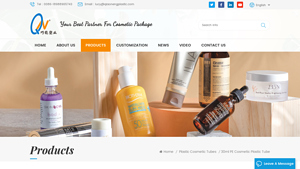
Domain: qiaonengpackaging.com
Registered: 2021 (4 years)
Introduction: {“Item NO.”: “30ml PE cosmetic tube”, “Payment”: “T/T, L/C, MoneyGram”, “Market Price”: “$0.1”, “Price”: “$0.1/piece”, “Price Range”: “10000 – 1000000/$0.1”, “Product Origin”: “China”, “Color”: [“pink”, “white”, “green”, “purple”], “Shipping Port”: “Guangzhou port”, “Lead Time”: “15-20 days”, “Order (MOQ)”: “10000”, “Product weight”: “8g”, “Materials”: “PE plastic”, “Capacity”: “30ml”, “Printing”:…
3. CosmoPacks – Custom Color Cosmetic Tubes

Domain: cosmopacks.com
Registered: 2015 (10 years)
Introduction: Custom Color Cosmetic Facial Serum Plastic Tube
– Various Materials: PE, HDPE, Sugarcane, PCR, ABL & PBL, Soft Touch, EVOH
– Tube Color: Matte and Glossy
– Pump Type: Airless Pump Tubes
– Sizes Available: 1oz to 8oz
– Applications: Body Lotion, Hand Cream, Facial Cleaner, Skincare Packaging
– Features: Protects products from light and temperature
– Customization: Available in various sizes from 10…
4. For-Tube – Plastic Cosmetic Tube
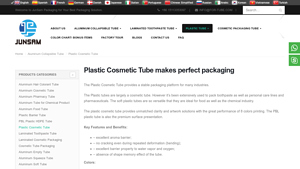
Domain: for-tube.com
Registered: 2015 (10 years)
Introduction: Product Name: Plastic Cosmetic Tube
Key Features and Benefits:
– Excellent aroma barrier
– No cracking even during repeated deformation (bending)
– Excellent barrier property to water vapor and oxygen
– Absence of shape memory effect of the tube
Colors Available:
– White
– Transparent or semitransparent
– Custom colors or OEM design available on request
Function: Protects contents from oxygen an…
5. Vanky – Custom Color Super Oval BB Cream Tube

Domain: pinterest.com
Registered: 2009 (16 years)
Introduction: Custom Color Super Oval BB Cream Plastic Cosmetic Tube, In Stock, Manufacturer: Suzhou Vanky Luxpackaging Co., Ltd, Product Types: Cosmetic Plastic Tube, PE Laminated Cosmetic Tube, Plastic PE Round Tubes, Cosmetic Aluminum Tube, Frost Cosmetic Tube, Features: Excellent quality, Variety of sizes.
6. Jarsking – Customizable HDPE Cosmetic Tube

Domain: jarsking.com
Registered: 2022 (3 years)
Introduction: {“Product Name”: “Customizable HDPE Cosmetic Tube”, “Capacity”: “40g/custom”, “Material”: “HDPE/custom”, “Color Options”: [“Green”, “Blue”, “Orange”, “custom”], “Shape”: “Round/custom”, “Bottle Cap Options”: [“Crown cap”, “pump/custom”], “Minimum Order Quantity (MOQ)”: “10000”, “Outer Packaging”: “Standard export carton packing”, “Surface Treatment Options”: [“Silk screen printing”, “Hot stamping”…
7. Accio – Colored Plastic Tubes 50mm with Lid
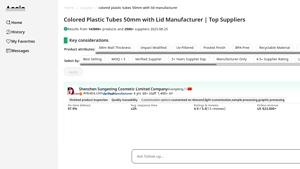
Domain: accio.com
Registered: 1997 (28 years)
Introduction: Colored Plastic Tubes 50mm with Lid Manufacturer
Key Product Attributes:
– 3Mm Wall Thickness
– Impact Modified
– UV-Filtered
– Frosted Finish
– BPA-Free
– Recyclable Material
– Leak-Proof Seal
– Heat Resistant
– Chemical Resistant
– Food Grade
Customization Options:
– Customizable Surface
– Customizable Handle
– Customizable Cap
– Customizable Capacity
– Customizable Volume
– Customizable Shape…
Strategic Sourcing Conclusion and Outlook for Plastic Colored Cosmetic PE Tube
In navigating the evolving landscape of cosmetic packaging, the Plastic Colored Cosmetic PE Tube emerges as a versatile and sustainable solution tailored for diverse product offerings. With customizable options in size, design, and printing techniques, these tubes are not only aesthetically appealing but also align with the growing demand for eco-friendly packaging. The integration of post-consumer recycled materials and alternative sustainable options underscores the importance of responsible sourcing in today’s market.
Strategic sourcing for these tubes provides international B2B buyers, particularly from regions like Africa, South America, the Middle East, and Europe, with a unique opportunity to enhance brand value while meeting consumer expectations for sustainability. Establishing partnerships with reliable suppliers ensures access to high-quality products that can be tailored to specific market needs, thereby boosting competitiveness in a crowded marketplace.
As we look to the future, the demand for innovative and sustainable cosmetic packaging solutions will only increase. Now is the time to engage with suppliers who can offer advanced materials and designs that resonate with your brand ethos. Take the next step toward sustainable growth by exploring partnerships that prioritize both quality and environmental responsibility in your cosmetic packaging strategy.




 Thai
Thai  English
  Russian
  Spanish
  Italian
  French
  Arabic
  Portuguese
  Indonesian
  German






