

Introduction: Navigating the Global Market for White PP Airless Cosmetic Pump Bottle Cosmetic Packaging
In an increasingly competitive global market, sourcing high-quality white PP airless cosmetic pump bottles can pose significant challenges for B2B buyers. With a growing demand for sustainable and effective packaging solutions, it’s essential to navigate the complexities of product specifications, supplier reliability, and market trends. This guide serves as a comprehensive resource for international buyers, particularly those in Africa, South America, the Middle East, and Europe, offering insights into various types of airless pump bottles, their applications, and the best practices for supplier vetting.
Throughout this guide, you will discover the unique benefits of using white PP airless bottles, such as their ability to preserve product integrity and enhance user experience. We will delve into the different sizes and designs available, explore their suitability for various cosmetic formulations, and discuss pricing strategies that align with your business goals. Additionally, we provide essential tips for assessing supplier quality, ensuring compliance with international standards, and understanding logistical considerations for your region.
By empowering you with the knowledge needed to make informed purchasing decisions, this guide aims to streamline your sourcing process and enhance your brand’s market presence. Whether you are a startup or an established brand, our insights will help you confidently select the right packaging solution to meet your customers’ needs and drive your business forward.
Understanding White PP Airless Cosmetic Pump Bottle Cosmetic Packaging Types and Variations
| Typ Name | Wichtigste Unterscheidungsmerkmale | Primäre B2B-Anwendungen | Kurze Vor- und Nachteile für Käufer |
|---|---|---|---|
| 30 ML White PP Airless Bottle | Glossy finish, airless dispensing mechanism, recyclable PP plastic | Lotions, serums, moisturizers | Vorteile: Cost-effective, customizable, no MOQ. Nachteile: Limited to lighter formulations. |
| 50 ML White PP Airless Bottle | Frosted cap, larger capacity, elegant design | Skincare products, foundations | Vorteile: Preserves product integrity, stylish. Nachteile: Higher price per unit. |
| Airless Treatment Pump Bottle | Metal-free, proprietary technology, tamper-proof design | Skin care, treatment serums | Vorteile: Excellent for sensitive formulations. Nachteile: Compatibility issues with certain oils. |
| Matte White PP Airless Bottle | Matte finish, high output per actuation, propellant-free | High-end cosmetics, serums | Vorteile: Luxurious look, effective dispensing. Nachteile: May have longer lead times. |
| Mixed Plastic Airless Bottle | All-plastic construction, customizable label area | Various cosmetic applications | Vorteile: Versatile, easy to customize. Nachteile: Less durable than glass alternatives. |
What Are the Key Characteristics of the 30 ML White PP Airless Bottle?
The 30 ML White PP Airless Bottle is a popular choice for many cosmetic brands due to its sleek glossy finish and airless dispensing mechanism. Made from recyclable polypropylene (PP), it is ideal for a variety of formulations such as lotions, serums, and moisturizers. B2B buyers appreciate its cost-effectiveness, with no minimum order quantity (MOQ), allowing businesses to purchase only what they need. However, it is important to note that this bottle is best suited for lighter formulations, as heavier products may not dispense effectively.
How Does the 50 ML White PP Airless Bottle Stand Out?
The 50 ML White PP Airless Bottle features a sophisticated frosted cap and a larger capacity, making it perfect for brands looking to convey elegance in their packaging. This bottle is particularly suited for skincare and foundation products that require preservation from air exposure. While it offers a stylish appearance and ensures product integrity, B2B buyers should consider the slightly higher price per unit compared to smaller bottles, which may impact budget-conscious brands.
What Are the Advantages of Using an Airless Treatment Pump Bottle?
The Airless Treatment Pump Bottle utilizes a metal-free, proprietary dispensing technology that ensures the integrity of sensitive formulations. This tamper-proof design is especially beneficial for skin care and treatment serums that require protection from air and contaminants. B2B buyers value its compatibility with a wide range of products; however, it’s crucial to test formulations for compatibility, as high-silicone or oily products may not perform well in these containers.
Why Choose a Matte White PP Airless Bottle for High-End Products?
The Matte White PP Airless Bottle is designed to provide a luxurious look and feel, making it an excellent choice for high-end cosmetics and serums. Its high output per actuation and propellant-free dispensing system enhance user experience. While buyers appreciate its aesthetic appeal, they should be mindful of potential longer lead times, which may affect production schedules.
What Makes Mixed Plastic Airless Bottles a Versatile Option?
Mixed Plastic Airless Bottles are designed for versatility, featuring an all-plastic construction that allows for easy customization. With a generous label area, brands can effectively communicate their product benefits. These bottles cater to various cosmetic applications, making them an attractive option for B2B buyers. However, it’s important to consider that while they offer flexibility, they may not be as durable as glass alternatives, which could be a factor for brands prioritizing sustainability and longevity.
Key Industrial Applications of White PP Airless Cosmetic Pump Bottle Cosmetic Packaging
| Industrie/Sektor | Specific Application of White PP Airless Cosmetic Pump Bottle Cosmetic Packaging | Wert/Nutzen für das Unternehmen | Wichtige Überlegungen zur Beschaffung für diese Anwendung |
|---|---|---|---|
| Hautpflege | Packaging for serums, moisturizers, and anti-aging creams. | Preserves product integrity and extends shelf life. | Ensure compatibility with product formulations and regulations. |
| Makeup | Containers for foundations, concealers, and primers. | Provides precise dispensing and prevents contamination. | Evaluate customization options for branding and labeling. |
| Körperpflege | Bottles for lotions and sanitizers. | Enhances user experience with airless technology. | Assess minimum order quantities and shipping logistics. |
| Pharmazeutische | Packaging for topical treatments and dermatological products. | Maintains sterility and prevents product degradation. | Verify compliance with health regulations and certifications. |
| Umweltverträgliche Produkte | Sustainable packaging solutions for organic and natural cosmetics. | Appeals to eco-conscious consumers, enhancing brand image. | Consider recyclability and sourcing of raw materials. |
How Are White PP Airless Cosmetic Pump Bottles Used in Skincare?
In the skincare industry, white PP airless cosmetic pump bottles are ideal for packaging serums, moisturizers, and anti-aging creams. Their airless design prevents oxidation and contamination, ensuring that products remain effective over time. For international B2B buyers, particularly in regions like Africa and South America, sourcing these bottles requires consideration of compatibility with various formulations, including those with sensitive ingredients. Reliable suppliers will also provide assurances regarding the bottles’ ability to maintain product integrity throughout their shelf life.
What Role Do Airless Pump Bottles Play in Makeup Packaging?
For makeup applications, these airless bottles serve as excellent containers for foundations, concealers, and primers. The precise dispensing mechanism allows users to control the amount of product used, reducing waste and enhancing customer satisfaction. Buyers in Europe and the Middle East should focus on customization options that reflect their brand identity, including label design and bottle finishes. Additionally, evaluating the supplier’s ability to meet international shipping requirements is crucial to ensuring timely delivery.
How Are White PP Airless Bottles Beneficial in Personal Care?
In the personal care sector, white PP airless pump bottles are commonly used for lotions and sanitizers, providing a hygienic solution that minimizes exposure to air and contaminants. This is particularly important for products intended for frequent use. B2B buyers should consider sourcing from manufacturers with flexible minimum order quantities to accommodate varying demand levels. Furthermore, understanding the logistics of shipping these products to regions with specific import regulations is essential for smooth operations.
What Are the Advantages of Airless Packaging in Pharmaceuticals?
The pharmaceutical industry benefits from using white PP airless cosmetic pump bottles for topical treatments and dermatological products. These containers maintain sterility and prevent degradation of sensitive formulations, which is critical for patient safety. Buyers must ensure that the packaging complies with health regulations in their respective markets, including certifications and quality standards. Establishing a relationship with a reputable supplier can aid in navigating these requirements effectively.
How Do Eco-Friendly Airless Bottles Appeal to Conscious Consumers?
As consumer demand for sustainable products grows, white PP airless cosmetic pump bottles provide an eco-friendly packaging solution for organic and natural cosmetics. Their recyclable materials align with the values of eco-conscious consumers, enhancing brand reputation and loyalty. B2B buyers should prioritize sourcing from suppliers that offer transparency about the recyclability of their products and the sourcing of raw materials. This consideration not only meets consumer expectations but also supports broader environmental goals.
3 Common User Pain Points for ‘White PP Airless Cosmetic Pump Bottle Cosmetic Packaging’ & Their Solutions
Scenario 1: Navigating Compatibility with Product Formulations
Das Problem: B2B buyers often face challenges when selecting airless pump bottles for specific cosmetic formulations. Many products, especially those containing high oil or silicone content, may not perform well in airless containers due to the risk of leaking or losing vacuum pressure. This can lead to wasted product, increased costs, and frustrated customers. Buyers may struggle to find reliable suppliers that provide detailed compatibility information for their formulations, which can complicate the packaging decision-making process.
Die Lösung: To overcome this challenge, B2B buyers should conduct thorough compatibility testing before committing to an airless pump bottle. When sourcing White PP Airless Cosmetic Pump Bottles, it’s crucial to consult with suppliers about the materials used in the bottle’s construction and the specific formulation requirements. Consider starting with smaller quantities or sample orders to test the packaging with your products. Additionally, seek suppliers who provide technical support and guidelines on suitable formulations for their airless bottles. This proactive approach ensures that buyers can confidently select the right packaging without risking product integrity.
Scenario 2: Concerns About Product Preservation and Contamination
Das Problem: Another common pain point is the concern about product preservation and contamination. Many cosmetic formulations are sensitive to air and light exposure, which can degrade their effectiveness. Buyers may worry that traditional packaging could compromise product stability, leading to customer dissatisfaction and potential returns. Finding airless packaging that effectively protects against these issues while maintaining an aesthetic appeal can be daunting.
Die Lösung: Selecting White PP Airless Cosmetic Pump Bottles specifically designed for optimal preservation is key. These bottles utilize airless technology that minimizes exposure to air, thereby extending the shelf life of sensitive products like serums and lotions. When sourcing, look for bottles that feature UV protection or opaque designs to shield formulations from light. Additionally, suppliers should offer detailed information about the sealing mechanisms to ensure tamper-proof packaging, which not only preserves product quality but also enhances consumer trust. Regularly review your product line to assess which formulations may require additional protective measures to maintain quality.
Scenario 3: Managing Supply Chain and Cost Efficiency
Das Problem: B2B buyers frequently grapple with supply chain management and cost efficiency when sourcing packaging. Fluctuations in demand, lead times, and minimum order quantities can disrupt production schedules and inflate costs. Buyers in regions such as Africa or South America may find themselves facing higher shipping costs and longer lead times, making it critical to partner with suppliers who can offer flexibility and competitive pricing.
Die Lösung: To address these supply chain challenges, buyers should prioritize suppliers who provide no minimum order quantities and have a transparent pricing structure. This flexibility allows businesses to scale their orders based on actual demand rather than forecasted needs, reducing excess inventory and associated costs. Furthermore, establishing a reliable communication channel with suppliers can facilitate quicker turnaround times and better manage expectations regarding lead times. It’s also beneficial to consider suppliers with local distribution centers or partnerships in your region to mitigate shipping costs and delays. By implementing these strategies, buyers can enhance their supply chain efficiency while maintaining cost-effective packaging solutions.
Strategic Material Selection Guide for White PP Airless Cosmetic Pump Bottle Cosmetic Packaging
What Are the Key Materials Used in White PP Airless Cosmetic Pump Bottles?
In the realm of cosmetic packaging, particularly for white PP airless pump bottles, material selection is crucial for ensuring product integrity, functionality, and market appeal. Below, we analyze common materials used in these bottles, focusing on polypropylene (PP), mixed plastics, aluminum components, and frosted finishes.
How Does Polypropylene (PP) Perform in Cosmetic Packaging?
Polypropylene (PP) is the primary material for white airless pump bottles. It boasts excellent chemical resistance, making it suitable for a wide range of cosmetic formulations, including lotions, creams, and serums. PP can withstand temperatures up to 100°C and is resistant to moisture, which helps maintain product stability.
Vorteile: PP is lightweight, durable, and cost-effective, making it an ideal choice for manufacturers aiming to balance quality and affordability. Its recyclability aligns with growing sustainability trends in packaging.
Nachteile: While PP is generally robust, it may not be suitable for products containing high levels of essential oils or solvents, which can degrade the material over time. Additionally, the manufacturing process can be complex, requiring precise temperature control to avoid defects.
For international buyers, PP complies with various standards, including ASTM and ISO certifications, ensuring quality and safety. However, buyers should verify local regulations regarding plastic use, especially in regions like Africa and South America, where compliance standards may vary.
What Role Do Mixed Plastics Play in Airless Pump Bottles?
Mixed plastics are often used in airless pump systems, particularly for components like caps and pumps. These materials can include blends of PP and other plastics to enhance performance characteristics.
Vorteile: Mixed plastics can provide improved flexibility and impact resistance, which is beneficial during shipping and handling. They also offer aesthetic versatility, allowing for various finishes, such as matte or glossy.
Nachteile: The recycling of mixed plastics can be challenging due to the different material types, potentially leading to environmental concerns. Moreover, the cost of production can be higher than using a single material, impacting overall pricing strategies.
International buyers should consider the recyclability of mixed plastics in their markets. Regions with stringent environmental regulations may favor products that are easier to recycle or made from single materials.
How Do Aluminum Components Enhance Airless Pump Bottles?
Aluminum is often used in the pump mechanism of airless bottles, providing a metal-free pathway for product dispensing. This design is crucial for maintaining product integrity, especially for sensitive formulations.
Vorteile: Aluminum is highly resistant to corrosion and can withstand various pressures, making it ideal for airless systems. It also allows for precise dispensing, reducing waste and improving user experience.
Nachteile: The inclusion of aluminum can increase production costs and complicate the recycling process, as it requires separate handling from plastic components. Additionally, aluminum may not be suitable for all formulations, particularly those that are acidic or alkaline.
For B2B buyers, understanding local recycling capabilities for aluminum is essential. In regions like Europe, where recycling rates are high, aluminum components may be more acceptable, while in developing markets, this could pose challenges.
Why Is Frosted Finish Important for Aesthetic Appeal?
A frosted finish on airless pump bottles not only enhances the visual appeal but also serves functional purposes, such as reducing light exposure to sensitive formulations.
Vorteile: The frosted texture can create a premium look and feel, appealing to consumers and enhancing brand perception. It also helps mask fingerprints and smudges, maintaining the product’s aesthetic over time.
Nachteile: The frosted finish can be more expensive to produce than standard glossy finishes, potentially impacting pricing strategies for manufacturers. Additionally, it may be more susceptible to scratches, which could affect long-term appearance.
International buyers should evaluate consumer preferences in their markets. In regions where luxury packaging is valued, a frosted finish may justify higher costs, while in more price-sensitive markets, simpler finishes may be preferred.
Zusammenfassende Tabelle der Materialanalyse
| Material | Typical Use Case for White PP Airless Cosmetic Pump Bottle Cosmetic Packaging | Hauptvorteil | Wesentlicher Nachteil/Beschränkung | Relative Kosten (niedrig/mittel/hoch) |
|---|---|---|---|---|
| Polypropylen (PP) | Main body of airless pump bottles for lotions and creams | Lightweight, durable, and recyclable | Not suitable for high solvent formulations | Niedrig |
| Mixed Plastics | Caps and pump components for airless systems | Improved flexibility and aesthetic versatility | Recycling challenges and potentially higher costs | Mittel |
| Aluminium | Pump mechanism for airless dispensing | Corrosion-resistant and precise dispensing | Increased production costs and recycling complexity | Hoch |
| Frosted Finish | Aesthetic enhancement for premium product appeal | Creates a premium look and reduces visibility of smudges | More expensive to produce and susceptible to scratches | Mittel |
This strategic material selection guide provides B2B buyers with essential insights into the materials used in white PP airless cosmetic pump bottles, aiding in informed decision-making for their packaging needs.
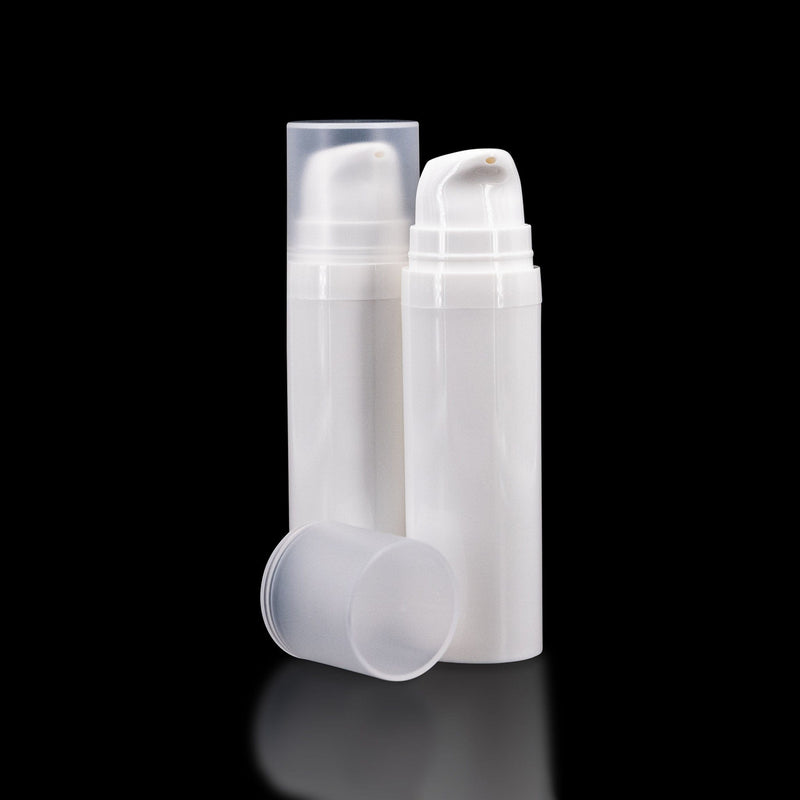
A stock image related to White PP Airless Cosmetic Pump Bottle Cosmetic Packaging.
In-depth Look: Manufacturing Processes and Quality Assurance for White PP Airless Cosmetic Pump Bottle Cosmetic Packaging
What Are the Main Stages in the Manufacturing Process of White PP Airless Cosmetic Pump Bottles?
The manufacturing process for White PP Airless Cosmetic Pump Bottles typically involves several key stages: material preparation, forming, assembly, and finishing.
Vorbereitung des Materials
The process begins with the selection of high-quality polypropylene (PP) resin, which is crucial for ensuring the durability and chemical resistance of the bottles. Suppliers often source PP from reputable manufacturers to guarantee consistent quality. Once the resin is obtained, it undergoes a drying process to eliminate moisture, which is critical for achieving optimal molding results.
How Are White PP Airless Bottles Formed?
The forming stage involves injection molding, a prevalent technique used to create the bottle components. During this phase, the dried PP resin is heated until it becomes molten and is then injected into molds shaped like the desired bottle components, including the body, cap, and pump mechanism.
Advanced manufacturing techniques like multi-cavity molds can be employed to increase production efficiency, allowing multiple bottles to be produced simultaneously. Once the molten resin cools and solidifies, the molds are opened to reveal the newly formed components.
What Happens During Assembly?
After forming, the various components undergo an assembly process. This includes fitting the pump mechanism into the bottle body and attaching the cap securely. Precision is key in this stage to ensure proper sealing and functionality of the airless pump system. Manufacturers may employ automated assembly lines to enhance speed and reduce human error, ensuring that each unit meets the specified standards.
How Is the Finishing Process Carried Out?
The finishing stage involves several processes, including surface treatment, labeling, and quality checks. Surface treatments may include polishing or applying a frosted finish to enhance aesthetic appeal. Custom labeling options are often available to help brands present their products attractively.
Finally, the bottles are packaged for shipment, with care taken to prevent damage during transit. Manufacturers often use cushioning materials and sturdy boxes to ensure that the products arrive at their destination in perfect condition.
What Quality Assurance Practices Are Essential for Airless Cosmetic Pump Bottles?
Quality assurance is a critical component of the manufacturing process for airless cosmetic pump bottles. Adhering to international standards, such as ISO 9001, ensures that manufacturers maintain consistent quality throughout production.
Welche internationalen Normen sollten B2B-Einkäufer beachten?
ISO 9001 certification indicates that a manufacturer has implemented a quality management system that meets international standards. This certification is crucial for B2B buyers as it reflects a commitment to quality and continuous improvement.
In addition to ISO standards, other industry-specific certifications may apply, such as CE marking for products sold in the European market and API certification for products intended for pharmaceutical use. These certifications provide additional assurance that the products meet regulatory requirements.
Was sind die wichtigsten Punkte der Qualitätskontrolle?
The quality control process involves several checkpoints, including:
- Eingehende Qualitätskontrolle (IQC): Inspecting raw materials upon arrival to ensure they meet specifications.
- Prozessbegleitende Qualitätskontrolle (IPQC): Monitoring production processes in real-time to catch defects early.
- Endgültige Qualitätskontrolle (FQC): Conducting thorough inspections of finished products before shipment to ensure they meet all quality and safety standards.
Common testing methods include dimensional checks, pressure tests for the pump mechanisms, and compatibility tests with various formulations to ensure the bottles do not react negatively with the contents.
Wie können B2B-Einkäufer die Qualitätskontrolle von Lieferanten überprüfen?
For international B2B buyers, especially those from regions like Africa, South America, the Middle East, and Europe, verifying supplier quality control is essential. Here are several methods to ensure quality:
What Should Buyers Look for in Supplier Audits and Reports?
Buyers should request detailed quality control reports that outline the testing methods used, results, and any corrective actions taken. Conducting supplier audits can also provide insights into the manufacturing process and adherence to quality standards.
How Important Are Third-Party Inspections?
Engaging third-party inspection services can add an additional layer of assurance. These independent entities can conduct inspections at various stages of the manufacturing process, providing unbiased reports on product quality.
Was sind die Besonderheiten bei der Qualitätskontrolle und Zertifizierung für internationale Käufer?
When dealing with international suppliers, it’s crucial to understand the nuances of quality control and certification processes. Different regions may have varying regulations regarding packaging materials and product safety.
B2B buyers should familiarize themselves with the specific requirements of their target markets. For example, European markets may have stringent regulations regarding recyclability and material safety, which can affect purchasing decisions.
Furthermore, language barriers and differences in business practices can complicate communications. Establishing clear lines of communication with suppliers and utilizing local representatives can help navigate these challenges effectively.
Schlussfolgerung
The manufacturing processes and quality assurance practices for White PP Airless Cosmetic Pump Bottles are intricate and demand attention to detail. By understanding these processes, B2B buyers can make informed decisions, ensuring they partner with reputable suppliers who prioritize quality and compliance. This insight is invaluable for brands looking to establish a strong presence in the competitive cosmetic packaging market.
Practical Sourcing Guide: A Step-by-Step Checklist for ‘White PP Airless Cosmetic Pump Bottle Cosmetic Packaging’
This guide serves as a practical checklist for international B2B buyers aiming to procure White PP Airless Cosmetic Pump Bottles. By following these steps, you can ensure that you select the right packaging solutions that meet your product requirements and align with your business goals.
Schritt 1: Definieren Sie Ihre technischen Spezifikationen
Establish clear technical specifications for the airless pump bottles you need. Consider factors such as material (Polypropylene is common for its durability), capacity (e.g., 30ml or 50ml), and design features like a frosted cap for aesthetic appeal. Defining these specifications early helps streamline the sourcing process and ensures that potential suppliers can meet your needs.
Schritt 2: Research and Identify Reputable Suppliers
Conduct thorough research to identify suppliers with a solid reputation in the industry. Look for companies that specialize in cosmetic packaging and have positive reviews from previous clients. Check platforms like Alibaba or industry-specific directories to gather a list of potential suppliers.
Schritt 3: Überprüfung der Lieferantenzertifikate
Before making any commitments, verify that your chosen suppliers possess relevant certifications. For instance, ISO 9001 certification ensures quality management standards, while GMP certification indicates adherence to good manufacturing practices. This step is crucial to guarantee the safety and reliability of your packaging materials.
Schritt 4: Muster für die Qualitätsbewertung anfordern
Once you have narrowed down your suppliers, request samples of the airless pump bottles. Testing the samples allows you to evaluate the quality, functionality, and aesthetics of the packaging. Pay attention to the pump mechanism’s performance and ensure that it provides a smooth dispensing action without leaks.
Schritt 5: Discuss Customization Options
If branding is important for your products, discuss customization options with potential suppliers. Look for suppliers that offer label printing, color choices, and unique design features that align with your brand identity. This ensures that the final product will resonate with your target audience and enhance your brand image.
Schritt 6: Evaluate Pricing Structures and Terms
Compare the pricing structures offered by different suppliers. Be sure to clarify any additional costs, such as shipping, duties, or minimum order quantities (MOQs). Understanding the total cost will help you make informed purchasing decisions and maintain your budget.
Schritt 7: Kommunikations- und Unterstützungskanäle einrichten
Finally, ensure that your supplier provides clear communication channels and robust customer support. An open line of communication is essential for addressing any concerns that may arise during the order process. Look for suppliers that are responsive and willing to assist you with any inquiries, ensuring a smooth procurement experience.
By following this checklist, B2B buyers can effectively navigate the complexities of sourcing White PP Airless Cosmetic Pump Bottles, ensuring they select high-quality packaging that meets their specific needs.

A stock image related to White PP Airless Cosmetic Pump Bottle Cosmetic Packaging.
Comprehensive Cost and Pricing Analysis for White PP Airless Cosmetic Pump Bottle Cosmetic Packaging Sourcing
What Are the Key Cost Components of White PP Airless Cosmetic Pump Bottles?
When sourcing White PP Airless Cosmetic Pump Bottles, understanding the cost structure is crucial for B2B buyers. The primary cost components include:
-
Materialien: The main component, polypropylene (PP), is a cost-effective plastic that offers durability and recyclability. Prices can vary based on market fluctuations and the supplier’s sourcing strategy.
-
Arbeit: Labor costs can differ significantly depending on the production location. Regions with lower labor costs may offer competitive pricing, but it’s essential to evaluate the quality of workmanship.
-
Fertigungsgemeinkosten: This includes costs associated with production facilities, utilities, and equipment maintenance. Efficient factories with modern machinery may offer lower overhead costs.
-
Werkzeugbau: Custom molds for specific bottle designs can be a significant upfront investment. However, these costs are amortized over larger production runs, making them less impactful per unit in high-volume orders.
-
Qualitätskontrolle (QC): Ensuring product quality is vital, especially for cosmetic packaging. Rigorous QC processes may increase costs but are necessary to maintain brand reputation.
-
Logistik: Shipping costs can vary based on distance, method, and Incoterms. For international buyers, understanding these costs is critical to calculating the total landed cost.
-
Marge: Suppliers typically mark up costs to ensure profitability. This margin can vary widely based on the supplier’s market positioning and competitive landscape.
How Do Price Influencers Affect Sourcing Decisions for Airless Pump Bottles?
Several factors influence the pricing of White PP Airless Cosmetic Pump Bottles, impacting the overall sourcing strategy:
-
Volumen/MOQ: Minimum order quantities (MOQs) can significantly affect pricing. Suppliers may offer lower per-unit costs for larger orders. Buyers should evaluate their inventory needs against potential savings.
-
Spezifikationen und Anpassungen: Custom features, such as specialized caps or printing, can increase costs. Buyers should weigh the benefits of customization against their budget constraints.
-
Materialqualität und Zertifizierungen: Bottles made from higher-quality materials or those that meet specific certifications (like ISO 9001) can be priced higher. This is essential for brands that prioritize safety and sustainability.
-
Lieferanten-Faktoren: The supplier’s reputation, reliability, and service levels can impact pricing. Established suppliers may charge a premium but often provide better service and quality assurance.
-
Incoterms: Understanding Incoterms is vital for international transactions. Terms like FOB (Free On Board) or CIF (Cost, Insurance, and Freight) will determine who bears shipping costs and risks, affecting the total cost of ownership.
What Are the Best Negotiation and Cost-Efficiency Tips for International Buyers?
For B2B buyers, especially those from Africa, South America, the Middle East, and Europe, effective negotiation and cost-efficiency strategies are essential:
-
Bulk Buying: Consider consolidating orders to meet or exceed MOQs, which can yield significant savings.
-
Beziehungen zu den Lieferanten: Building long-term relationships with suppliers can lead to better pricing, favorable payment terms, and priority service.
-
Gesamtbetriebskosten (TCO): Evaluate all costs involved, including shipping, duties, and potential tariffs, to understand the true cost of sourcing.
-
Marktforschung: Conduct thorough market research to understand pricing trends and identify competitive suppliers. This knowledge can empower negotiations.
-
Flexibility in Sourcing: Be open to sourcing from different regions to take advantage of lower labor or material costs without compromising quality.
What Pricing Nuances Should International B2B Buyers Be Aware Of?
International buyers should be mindful of several pricing nuances that can impact their sourcing decisions:
-
Currency Fluctuations: Exchange rates can affect the final price of products. Locking in rates through forward contracts can mitigate this risk.
-
Import Regulations: Be aware of local regulations and import duties that can add to the cost. Compliance with these regulations is crucial to avoid unexpected expenses.
-
Cultural Differences in Negotiation: Understand the cultural context of suppliers, as negotiation styles can vary significantly. Adapting to these nuances can facilitate smoother transactions.
In conclusion, a comprehensive understanding of the cost components, price influencers, and negotiation strategies will empower international B2B buyers to make informed decisions when sourcing White PP Airless Cosmetic Pump Bottles. While indicative prices can provide a starting point, careful evaluation of the total cost of ownership is essential for maximizing value.
Alternatives Analysis: Comparing White PP Airless Cosmetic Pump Bottle Cosmetic Packaging With Other Solutions
Alternativen für kosmetische Verpackungslösungen verstehen
In the competitive cosmetic industry, selecting the right packaging solution is crucial for preserving product quality and enhancing brand appeal. Among various options, the White PP Airless Cosmetic Pump Bottle stands out due to its innovative design and functionality. However, it’s essential to explore alternative packaging solutions to ensure that businesses make informed decisions that align with their specific needs and budget constraints. This section compares the White PP Airless Cosmetic Pump Bottle with two viable alternatives: traditional pump bottles and airless jars.
Vergleichstabelle
| Vergleich Aspekt | White PP Airless Cosmetic Pump Bottle | Traditional Pump Bottle | Airless Jar |
|---|---|---|---|
| Leistung | Excellent for preserving sensitive formulations; minimizes oxidation | Good for general use; potential for product contamination | Highly effective for creams and serums; prevents exposure to air |
| Kosten | $1.18 – $1.95 per unit | $0.80 – $2.50 per unit | $2.00 – $4.00 per unit |
| Leichte Implementierung | Simple to use; compatible with various formulations | Widely used; easy to fill and operate | More complex filling process; requires specific handling |
| Wartung | Low maintenance; recyclable materials | Moderate; may require cleaning to prevent clogging | Low; durable and easy to clean |
| Bester Anwendungsfall | Ideal for serums, moisturizers, and products sensitive to air | Suitable for lotions and creams | Best for thick creams and products that require minimal air exposure |
Detaillierte Aufschlüsselung der Alternativen
What are the Pros and Cons of Traditional Pump Bottles?
Traditional pump bottles are a common choice in the cosmetic industry, typically made from glass or plastic with a simple pump mechanism. Their affordability makes them attractive for mass production, and they are available in various sizes and designs. However, they do pose a risk of product contamination due to air exposure, which can lead to oxidation and degradation of sensitive ingredients. Additionally, traditional pump bottles may not be suitable for high-viscosity products as the pump may struggle to dispense thicker formulations.
How Do Airless Jars Compare to the White PP Airless Pump Bottle?
Airless jars are another alternative, designed to protect formulations from air exposure by utilizing a vacuum system. These jars are particularly beneficial for thicker products, such as creams and lotions, ensuring maximum product integrity and longevity. While they are effective, airless jars can be more expensive and may require more complex filling processes. Their design can also limit the types of products that can be packaged effectively, making them less versatile than airless pump bottles.
Conclusion: Which Cosmetic Packaging Solution Should B2B Buyers Choose?
When deciding on the right packaging solution, B2B buyers should consider factors such as product type, budget, and brand positioning. The White PP Airless Cosmetic Pump Bottle offers superior performance for a range of formulations, especially those that are air-sensitive. In contrast, traditional pump bottles may be suitable for less sensitive products and budget-conscious brands, while airless jars excel in preserving thick creams but come at a higher cost. Ultimately, understanding the unique benefits and limitations of each packaging option will empower buyers to select the most suitable solution for their cosmetic lines, ensuring product quality and customer satisfaction.
Essential Technical Properties and Trade Terminology for White PP Airless Cosmetic Pump Bottle Cosmetic Packaging
What Are the Key Technical Properties of White PP Airless Cosmetic Pump Bottles?
1. Material Grade: Polypropylene (PP)
Polypropylene (PP) is the primary material used in the construction of white airless cosmetic pump bottles. This thermoplastic polymer is known for its durability, chemical resistance, and lightweight characteristics. In a B2B context, the choice of PP ensures that the packaging can withstand the rigors of shipping and handling, while also offering a safe container for cosmetic formulations. Importantly, PP is recyclable, aligning with the growing demand for sustainable packaging solutions in the cosmetics industry.
2. Capacity and Dimensions
Typically available in sizes like 30 ml and 50 ml, the capacity of airless pump bottles is crucial for manufacturers to meet market demands. The dimensions, such as a diameter of approximately 30 mm and height around 113 mm, are essential for compatibility with existing production lines and shelf space. Understanding these specifications aids businesses in selecting the right packaging to optimize both production efficiency and retail display.
3. Airless Dispensing Mechanism
The airless dispensing technology used in these bottles is designed to prevent air from entering the container, thus preserving the integrity of the product. This mechanism is vital for products sensitive to oxidation, such as serums and creams. For B2B buyers, investing in airless packaging can enhance product longevity and customer satisfaction by ensuring that the formulations remain effective until the last drop.
4. Output Volume
The output volume, typically around 0.21 ml per pump, is another critical specification. This measurement helps in determining how many uses a customer can expect from a single bottle, which can influence purchasing decisions. For manufacturers, understanding the output can facilitate better inventory management and customer expectations.
5. Tamper-Proof Design
Many airless bottles feature a tamper-proof design, which is essential for consumer safety and product integrity. This aspect is particularly important in regions with strict regulatory requirements, as it helps build trust with consumers. For B2B buyers, ensuring that the packaging adheres to safety standards can prevent costly recalls and enhance brand reputation.
What Are the Common Trade Terms Related to Airless Cosmetic Pump Bottles?
1. OEM (Original Equipment Manufacturer)
OEM refers to companies that manufacture products that are sold under another company’s brand. In the context of airless cosmetic pump bottles, businesses may seek OEM services to create custom packaging solutions tailored to their specific branding needs. Understanding OEM relationships can help buyers negotiate better terms and ensure quality control.
2. MOQ (Mindestbestellmenge)
MOQ is the smallest number of units that a supplier is willing to sell. This term is crucial for B2B buyers as it impacts inventory management and initial investment costs. Suppliers with low MOQs allow small and medium-sized enterprises to enter the market without significant upfront expenses.
3. RFQ (Request for Quotation)
An RFQ is a formal request from a buyer to a supplier for pricing and terms for specific products. For airless cosmetic pump bottles, submitting an RFQ can help buyers compare costs and options from different manufacturers, ensuring they get the best value for their investment.
4. Incoterms (Internationale Handelsklauseln)
Incoterms are a set of rules that define the responsibilities of buyers and sellers in international transactions. Understanding these terms is essential for B2B buyers to navigate shipping, insurance, and risk management effectively. For instance, terms like FOB (Free on Board) can influence shipping costs and liability during transit.
5. Vorlaufzeit
Lead time refers to the amount of time it takes from placing an order to receiving the product. For businesses relying on timely delivery of airless cosmetic pump bottles, understanding lead times can help in planning production schedules and meeting market demands efficiently.
Schlussfolgerung
Familiarity with the technical properties and trade terminology associated with white PP airless cosmetic pump bottles is vital for B2B buyers. By understanding these specifications and terms, businesses can make informed decisions that enhance product offerings and operational efficiency.
Navigating Market Dynamics and Sourcing Trends in the White PP Airless Cosmetic Pump Bottle Cosmetic Packaging Sector
What Are the Current Market Dynamics and Key Trends in White PP Airless Cosmetic Pump Bottles?
The cosmetic packaging sector is experiencing notable growth, driven by increasing consumer demand for innovative and efficient packaging solutions. The white polypropylene (PP) airless pump bottles are particularly gaining traction due to their ability to preserve product integrity while providing a user-friendly experience. Key trends include the rise of multifunctional packaging, where bottles serve dual purposes for both product delivery and aesthetic appeal. Notably, airless technology is becoming a standard expectation among consumers, as it minimizes waste and maximizes product use, making it a compelling selling point for brands targeting international markets, especially in Africa, South America, the Middle East, and Europe.
Emerging technologies, such as smart packaging integrated with QR codes and NFC tags, are also influencing sourcing decisions. These technologies allow brands to engage consumers directly, offering product information and promotional content while enhancing brand loyalty. Furthermore, the competitive landscape is shifting as brands increasingly seek suppliers with flexible order quantities and quick turnaround times, ensuring they can respond swiftly to changing market demands. For B2B buyers, understanding these dynamics is crucial for selecting suppliers that align with their strategic objectives.
How Does Sustainability Influence Sourcing for White PP Airless Cosmetic Pump Bottles?
Sustainability has become a cornerstone of product development and sourcing in the cosmetic packaging industry. The environmental impact of packaging materials is now a primary concern for brands and consumers alike. White PP airless bottles are favored for their recyclable properties, reducing the carbon footprint associated with packaging waste. This aligns with the growing consumer preference for eco-friendly products, especially in markets where environmental awareness is on the rise.
Moreover, the importance of ethical supply chains cannot be overstated. B2B buyers are increasingly looking for suppliers who demonstrate a commitment to sustainable practices, including the use of green certifications and responsibly sourced materials. Certifications such as ISO 14001 for environmental management and compliance with regulations like the European Union’s REACH are becoming prerequisites for partnerships. By prioritizing sustainable sourcing, brands not only enhance their marketability but also contribute positively to environmental conservation, appealing to a conscientious consumer base.
How Has the White PP Airless Cosmetic Pump Bottle Evolved Over Time?
The evolution of the white PP airless cosmetic pump bottle reflects broader trends in consumer preferences and technological advancements. Initially, traditional cosmetic packaging relied heavily on materials that were less sustainable and often led to product spoilage. The introduction of airless technology marked a significant turning point, offering brands a solution to preserve the efficacy of sensitive formulations while minimizing waste.
In recent years, the focus has shifted towards creating aesthetically pleasing and functional designs that resonate with modern consumers. Innovations in materials and manufacturing processes have resulted in lightweight, durable, and customizable packaging options, allowing brands to differentiate themselves in a crowded marketplace. As the demand for eco-friendly products continues to grow, the evolution of white PP airless bottles exemplifies the industry’s responsiveness to consumer needs and environmental challenges.
By understanding these trends and dynamics, international B2B buyers can make informed decisions that align with both market demands and their own sustainability goals, ensuring a competitive edge in the cosmetic packaging sector.
Frequently Asked Questions (FAQs) for B2B Buyers of White PP Airless Cosmetic Pump Bottle Cosmetic Packaging
-
How do I choose the right airless pump bottle for my cosmetic products?
Selecting the appropriate airless pump bottle depends on several factors, including the type of product you’re packaging (e.g., creams, serums, or lotions), the desired volume (commonly 30ml or 50ml), and the aesthetic appeal that aligns with your brand. Additionally, consider the material—polypropylene (PP) is a popular choice due to its durability and recyclability. Always verify that the bottle’s dispensing mechanism is compatible with your formulation to prevent leakage or pump failure. Request samples to test functionality and ensure it meets your quality standards. -
What customization options are available for white PP airless pump bottles?
Customization options for white PP airless pump bottles typically include printing your brand logo, selecting different cap styles, and altering label designs. Some suppliers also offer color variations or the ability to add special finishes like matte or glossy effects. It’s crucial to communicate your specific requirements during the inquiry process. Additionally, inquire about the minimum order quantities (MOQs) for customized products, as these can vary significantly between manufacturers. -
What are the benefits of using airless pump bottles for cosmetic products?
Airless pump bottles provide several advantages, including extended product shelf life by preventing air exposure that can lead to oxidation. This design also minimizes contamination risks, ensuring the integrity of sensitive formulations. Furthermore, airless dispensing allows for precise dosing, which can enhance user experience and reduce waste. These features make airless bottles particularly suitable for high-end skincare and cosmetic lines that prioritize quality and customer satisfaction. -
Are there minimum order quantities (MOQs) for white PP airless pump bottles?
Minimum order quantities can vary by supplier, with some offering no MOQs, allowing you to purchase as few as one unit. However, others may have MOQs ranging from 100 to 1,000 units, especially for customized orders. It is essential to clarify the supplier’s policies on MOQs when placing your order, as this can impact your inventory management and overall costs. Always consider your production needs and sales forecasts when negotiating quantities. -
Mit welchen Zahlungsbedingungen muss ich rechnen, wenn ich von internationalen Lieferanten beziehe?
Payment terms can vary widely based on the supplier and the nature of the transaction. Common arrangements include upfront payments, deposits (often 30-50%), and the balance upon shipment. For larger orders, suppliers may offer credit terms or payment upon delivery. It’s advisable to establish clear terms before finalizing your order, including acceptable payment methods (e.g., bank transfer, PayPal) and currency considerations. Ensure you understand any additional fees related to international transactions. -
How can I vet suppliers of white PP airless pump bottles for quality assurance?
Vetting suppliers involves conducting thorough research, including checking for industry certifications (like ISO 9001), customer reviews, and their experience in cosmetic packaging. Request samples to evaluate product quality and functionality firsthand. Additionally, ask about their quality assurance processes, such as testing for durability and performance. Engaging in direct communication can also help gauge their responsiveness and willingness to address your concerns. -
What logistics considerations should I keep in mind when importing airless pump bottles?
Logistics plays a crucial role in sourcing products internationally. Consider factors such as shipping costs, lead times, and customs regulations specific to your country. It’s essential to work with a supplier who can provide reliable shipping options and clear documentation to facilitate customs clearance. Additionally, evaluate potential duties and taxes that may apply upon import. Establishing a good relationship with a logistics partner can streamline the process and reduce delays. -
What are the typical lead times for ordering white PP airless pump bottles?
Lead times for white PP airless pump bottles can vary depending on the supplier, order quantity, and whether customization is required. Generally, standard orders may take 2-4 weeks for processing and shipping, while customized products can extend this timeline. It’s important to confirm lead times upfront and inquire about any potential delays, especially if you’re working towards a specific launch date. Effective communication with your supplier can help manage expectations and ensure timely delivery.
Wichtiger Haftungsausschluss & Nutzungsbedingungen
⚠️ Wichtiger Haftungsausschluss
Die in diesem Leitfaden enthaltenen Informationen, einschließlich der Angaben zu Herstellern, technischen Spezifikationen und Marktanalysen, dienen ausschließlich Informations- und Bildungszwecken. Sie stellen keine professionelle Kaufberatung, Finanzberatung oder Rechtsberatung dar.
Obwohl wir alle Anstrengungen unternommen haben, um die Richtigkeit und Aktualität der Informationen zu gewährleisten, übernehmen wir keine Verantwortung für etwaige Fehler, Auslassungen oder veraltete Informationen. Marktbedingungen, Unternehmensangaben und technische Standards können sich ändern.
B2B-Käufer müssen ihre eigene unabhängige und gründliche Due-Diligence-Prüfung durchführen bevor Sie eine Kaufentscheidung treffen. Dazu gehört, dass Sie sich direkt mit den Anbietern in Verbindung setzen, die Zertifizierungen überprüfen, Muster anfordern und sich professionell beraten lassen. Das Risiko, sich auf die Informationen in diesem Leitfaden zu verlassen, trägt allein der Leser.
Top 4 White Pp Airless Cosmetic Pump Bottle Cosmetic Packaging Manufacturers & Suppliers List
1. Cosmetic Packaging – Pure 30 ML Airless Bottle
Bereich: cosmeticpackagingnow.com
Registriert: 2017 (8 Jahre)
Einleitung: {“Product Name”: “Pure 30 ML White PP Airless Bottle with Frosted Cap”, “Price”: “$1.18 USD”, “Stock”: “623,760 in stock”, “Capacity”: “30 ML (1 OZ)”, “Output per Pump”: “0.21 ML”, “Material”: “PP (Polypropylene) for Bottle, Collar, Actuator, and Piston; Outer Aluminium for Pump Engine”, “Dimensions”: “30.2 MM (W) x 113 MM (H)”, “Features”: [“Airless Dispensing Pump”, “Recyclable PP Plastic”, “Met…
2. Calmar – Airless Treatment Pump Bottle 30ml
Bereich: lotioncrafter.com
Registriert: 2002 (23 Jahre)
Einleitung: Airless Treatment Pump Bottle, White, 30ml
Price: $15.95 (5 pack – $15.95, 20 pack – $62.95, 100 pack – $290.00)
Size: 30ml (1 ounce)
Manufacturer: Calmar/Silgan
Finish: 94mm length x 24mm diameter (3.7″ length x 0.94″ diameter)
Label Area: 60mm x 94mm (2.36″ tall x 3.7″ wide)
Material: Mixed Plastic Material – Recycle Code 7
Features: All-plastic system based on Calmar’s proprietary Rolling Bello…
3. Cosmopacks – Airless Pump Bottles
Bereich: cosmopacks.de
Registriert: 2015 (10 Jahre)
Einleitung: Cosmopacks is a wholesale supplier of airless pump bottles with over ten years of experience in the cosmetic packaging industry, serving more than 100 brands globally. Key features of their airless cosmetic bottles include:
– Air insulation to prevent oxidation and contamination, extending shelf life.
– Double-layered walls for durability and protection against UV reactions.
– Minimal wastage d…
4. SKS – 50 ml White Polypropylene Airless Pump Bottles
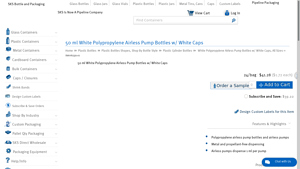
Bereich: sks-flasche.de
Registriert: 1997 (28 Jahre)
Einleitung: {“Product Name”: “50 ml White Polypropylene Airless Pump Bottles w/ White Caps”, “Stock Number”: “2591-01”, “Size”: “50 ml (1.69 oz)”, “Case Pack”: “24/bag”, “Material”: “White Polypropylene”, “Neck Finish”: “48/2030”, “Cap Option”: “White PP Airless Pumps w/ Snap On Caps”, “Country of Origin”: “USA”, “Dimensions”: {“Height”: “91 mm (3.58\” H)”, “Diameter”: “48 mm (1.89\” D)”}, “Label Panel Dimens…
Strategic Sourcing Conclusion and Outlook for White PP Airless Cosmetic Pump Bottle Cosmetic Packaging
In summary, the strategic sourcing of white PP airless cosmetic pump bottles presents a lucrative opportunity for international B2B buyers, especially in regions like Africa, South America, the Middle East, and Europe. The versatility of these bottles, which cater to a wide range of products from serums to moisturizers, underscores their importance in modern cosmetic packaging. With features such as airless dispensing technology that enhances product longevity and minimizes contamination, these bottles not only ensure quality but also appeal to eco-conscious consumers through their recyclable materials.
As you consider your sourcing strategies, prioritize suppliers that offer competitive pricing, low minimum order quantities, and rapid fulfillment. Establishing partnerships with manufacturers who uphold stringent quality standards, such as ISO certifications, will ensure that your brand is represented with integrity and reliability.
Looking ahead, the demand for innovative and sustainable packaging solutions is set to rise. Now is the time to act—explore your options and engage with suppliers who can help elevate your cosmetic line. By leveraging strategic sourcing, you can position your brand for success in a competitive marketplace while meeting the evolving needs of consumers.




 German
  English
  Russian
  Spanish
  Italian
  Thai
Thai  French
  Arabic
  Portuguese
  Indonesian






