

Introduction: Navigating the Global Market for slim sliding lid tin cases for compact packaging solutions
In today’s fast-paced global market, sourcing slim sliding lid tin cases for compact packaging solutions presents both opportunities and challenges for B2B buyers. The growing demand for versatile and stylish packaging options has led to an increased interest in these durable containers, particularly for industries such as cosmetics, food, and pharmaceuticals. However, navigating the myriad of suppliers, varying quality standards, and compliance requirements can be daunting, especially for businesses operating across diverse regions like Africa, South America, the Middle East, and Europe.
This comprehensive guide aims to equip international B2B buyers with the knowledge necessary to make informed purchasing decisions regarding slim sliding lid tin cases. We will explore the various types available, their applications across different sectors, and essential considerations for supplier vetting. Additionally, we will address cost factors, customization options, and sustainability practices, ensuring that buyers understand the full scope of their investment.
By providing actionable insights and practical tips, this guide empowers businesses to identify reliable suppliers, select the most suitable packaging solutions, and ultimately enhance their product offerings. Whether you’re based in Vietnam, Germany, or elsewhere, this resource is designed to streamline your sourcing process and elevate your brand’s packaging strategy in a competitive marketplace.
Understanding slim sliding lid tin cases for compact packaging solutions Types and Variations
| Nom du type | Principales caractéristiques | Applications primaires B2B | Avantages et inconvénients pour les acheteurs |
|---|---|---|---|
| Standard Slim Sliding Tin | Compact size, smooth sliding mechanism | Personal care products, promotional items | Pour : Cost-effective, customizable design. Cons : Limited size options. |
| Custom Printed Sliding Tin | High-quality print options for branding | Gifting, corporate giveaways, retail packaging | Pour : Enhanced brand visibility. Cons : Quantités minimales de commande plus élevées. |
| Child-Resistant Sliding Tin | Safety features for secure storage | Pharmaceuticals, cannabis products | Pour : Compliance with safety regulations. Cons : May be more complex to open. |
| Eco-Friendly Sliding Tin | Made from sustainable materials | Organic products, eco-conscious brands | Pour : S'adresse aux consommateurs soucieux de l'environnement. Cons : Potentially higher costs. |
| Luxury Finish Sliding Tin | Premium materials with elegant designs | High-end cosmetics, luxury gifts | Pour : Attractive presentation, enhances perceived value. Cons : Higher price point. |
What Are the Characteristics of Standard Slim Sliding Tins?
Standard slim sliding tins are characterized by their compact design and smooth sliding mechanism, making them perfect for storing small items such as mints, candies, or personal care products. Their common dimensions typically allow for easy portability, appealing to brands that prioritize convenience. B2B buyers should consider their cost-effectiveness and customization options, but note that size variations may be limited.
How Do Custom Printed Sliding Tins Enhance Branding?
Custom printed sliding tins offer high-quality print options that allow businesses to showcase their branding effectively. These tins are ideal for gifting and corporate giveaways, as well as retail packaging for various products. For B2B buyers, the ability to enhance brand visibility through customization is a significant advantage, although it’s essential to be aware of the higher minimum order quantities that may apply.
Why Choose Child-Resistant Sliding Tins?
Child-resistant sliding tins are designed with safety features that ensure secure storage, making them particularly suitable for pharmaceuticals and cannabis products. These tins comply with safety regulations, providing peace of mind for manufacturers and consumers alike. B2B buyers should consider the added value of compliance but may need to account for the complexity of opening these tins, which could deter some end-users.
What Benefits Do Eco-Friendly Sliding Tins Offer?
Eco-friendly sliding tins are crafted from sustainable materials, catering to organic products and brands that emphasize environmental responsibility. These tins appeal to eco-conscious consumers, providing a marketing edge in today’s sustainability-driven market. B2B buyers should weigh the benefits of appealing to this demographic against potentially higher costs associated with sustainable materials.
How Do Luxury Finish Sliding Tins Impact Product Perception?
Luxury finish sliding tins are made from premium materials and feature elegant designs that enhance the presentation of high-end cosmetics or luxury gifts. Their attractive appearance can significantly increase the perceived value of the product contained within. For B2B buyers, investing in luxury tins can be beneficial for brand positioning, although the higher price point may limit their use for budget-sensitive products.
Key Industrial Applications of slim sliding lid tin cases for compact packaging solutions
| Industrie/secteur | Specific Application of slim sliding lid tin cases for compact packaging solutions | Valeur/bénéfice pour l'entreprise | Principales considérations en matière d'approvisionnement pour cette application |
|---|---|---|---|
| Cosmétiques et soins personnels | Packaging for solid perfumes, lip balms, and skincare samples | Enhances brand visibility through customization | Minimum order quantities, material certifications |
| Food & Confectionery | Storage for mints, candies, and other small food items | Provides secure and portable packaging solutions | Compliance with food safety standards, custom sizes |
| Produits pharmaceutiques | Containment for pills, supplements, and herbal products | Ensures product integrity and user convenience | Child-resistant options, labeling requirements |
| Produits promotionnels | Packaging for branded merchandise like USB drives and corporate gifts | Effective marketing tool for brand promotion | Custom printing capabilities, bulk order pricing |
| Craft & Handmade Goods | Containers for handmade items such as jewelry or mini candles | Appeals to eco-conscious consumers with aesthetics | Sourcing sustainable materials, design flexibility |
How Are Slim Sliding Lid Tin Cases Used in Cosmetics & Personal Care?
In the cosmetics and personal care industry, slim sliding lid tin cases serve as elegant packaging for solid perfumes, lip balms, and skincare samples. These tins not only protect the products but also enhance brand visibility through customizable surfaces, allowing businesses to print logos and designs. For international buyers, sourcing options should focus on minimum order quantities and material certifications to ensure product safety and quality, particularly in regions with strict regulations like Europe and the Middle East.
What Role Do Slim Sliding Lid Tin Cases Play in Food & Confectionery?
In the food and confectionery sector, these tins are ideal for storing mints, candies, and other small edible items. Their compact design makes them suitable for on-the-go consumers, while the sliding lid ensures easy access and secure closure. Buyers must consider compliance with food safety standards and the possibility of customizing sizes and designs to meet specific market demands, especially in diverse regions like Africa and South America where local preferences vary.
How Are Slim Sliding Lid Tin Cases Utilized in Pharmaceuticals?
Pharmaceutical companies utilize slim sliding lid tin cases to contain pills, supplements, and herbal products, providing a secure and reliable packaging solution. These tins help maintain product integrity and offer convenience for end-users. International buyers should prioritize child-resistant options and adhere to local labeling requirements, which can differ significantly across markets, particularly in Europe and the Middle East, where regulations are stringent.
In What Ways Are Slim Sliding Lid Tin Cases Effective for Promotional Products?
For businesses in the promotional products sector, slim sliding lid tin cases are an effective way to package branded merchandise such as USB drives and corporate gifts. The customizable surface allows for effective marketing, enhancing brand recognition. When sourcing these tins, companies should focus on custom printing capabilities and bulk order pricing to maximize their promotional impact while staying within budget constraints.
How Do Slim Sliding Lid Tin Cases Support Craft & Handmade Goods?
Craft and handmade goods businesses find slim sliding lid tin cases invaluable for packaging items like jewelry or mini candles. The aesthetic appeal of these tins attracts eco-conscious consumers, particularly in markets that favor sustainable products. Buyers should consider sourcing sustainable materials and ensuring design flexibility to cater to diverse consumer preferences, which can vary widely across international markets, from Europe to South America.
3 Common User Pain Points for ‘slim sliding lid tin cases for compact packaging solutions’ & Their Solutions
Scenario 1: Inconsistent Product Quality During Bulk Orders
Le problème : B2B buyers often face significant challenges in ensuring consistent quality across bulk orders of slim sliding lid tin cases. Variations in tin thickness, sliding mechanisms, and surface finishes can lead to dissatisfaction among end customers, particularly when the cases are used for packaging high-value items. This inconsistency can result in increased returns, damaged brand reputation, and ultimately lost sales.
La solution : To mitigate these quality concerns, it is crucial to establish a strong partnership with a reputable manufacturer who adheres to stringent quality control processes. When sourcing, request detailed specifications and quality assurance protocols from potential suppliers. Additionally, consider conducting a pre-production sample run to evaluate the product quality before placing a large order. This step allows you to assess the sliding mechanism’s functionality and the overall finish of the tin cases. Moreover, implementing regular quality audits and utilizing third-party inspection services can help ensure that the products meet your standards consistently.
Scenario 2: Limited Customization Options
Le problème : Many B2B buyers encounter issues with customization when sourcing slim sliding lid tin cases, particularly when trying to align packaging with their brand identity. Standard designs may not adequately represent their brand or product, leading to missed marketing opportunities and a lack of differentiation in a competitive market.
La solution : To enhance customization options, engage with manufacturers that offer flexible design solutions. Look for suppliers that provide a range of printing techniques, such as digital printing, silk screening, and hot stamping, which can be tailored to your branding needs. When discussing your requirements, provide examples of your desired aesthetic, including color schemes, logos, and any other branding elements. Additionally, inquire about the ability to create custom molds for unique sizes or shapes that better fit your product. Establishing clear communication about your branding objectives will ensure that the final product effectively represents your business and resonates with your target audience.
Scenario 3: Environmental Sustainability Concerns
Le problème : Increasingly, B2B buyers are facing pressure from consumers and regulatory bodies to adopt sustainable packaging solutions. Traditional tin cases may not align with eco-friendly practices, leading to potential backlash from environmentally conscious customers and a negative impact on brand perception.
La solution : To address sustainability concerns, choose suppliers that prioritize eco-friendly materials and practices in their manufacturing processes. Inquire about the use of recycled materials or eco-friendly coatings for the tin cases, which can reduce the environmental impact. Additionally, consider the lifecycle of the packaging—opt for designs that encourage reuse or recycling to appeal to eco-conscious consumers. Collaborate with suppliers to create packaging that not only meets your functional needs but also aligns with your sustainability goals. By communicating your commitment to environmental responsibility, you can enhance your brand’s image and appeal to a broader customer base.
Strategic Material Selection Guide for slim sliding lid tin cases for compact packaging solutions
What Are the Key Materials for Slim Sliding Lid Tin Cases?
When selecting materials for slim sliding lid tin cases, it’s crucial to consider properties that affect performance, durability, and suitability for specific applications. Below is an analysis of four common materials used in the manufacturing of these packaging solutions, tailored for international B2B buyers.
How Does Tin Material Perform in Slim Sliding Lid Cases?
Tin is the most traditional material for sliding lid cases. It offers excellent corrosion resistance, making it suitable for various environments. Tin’s lightweight nature contributes to lower shipping costs, which is particularly advantageous for international buyers. However, while tin is durable, it can be prone to denting under pressure, which may compromise the aesthetic and functional integrity of the packaging.
Considérations clés : For buyers in regions like Africa and South America, where humidity can be high, tin’s corrosion resistance is a significant advantage. Compliance with local standards for food safety and packaging is essential, and tin typically meets these requirements.
What Advantages Do Aluminum Sliding Lid Cases Offer?
Aluminum is another popular choice for sliding lid tin cases, known for its superior strength-to-weight ratio. It is highly resistant to corrosion and can withstand a wider temperature range than tin, making it suitable for products that may be exposed to varying conditions. Aluminum cases can also be anodized or coated for additional protection and aesthetic appeal.
Pour et contre : While aluminum is more expensive than tin, its durability and lightweight nature can justify the cost, especially for high-end products. However, aluminum’s manufacturing process can be more complex, which may lead to longer lead times.
International Perspective: Buyers from Europe, particularly Germany, often prefer aluminum for its premium feel and recyclability. Compliance with European Union regulations regarding packaging waste can also favor aluminum’s sustainability profile.
How Do Steel Sliding Lid Cases Compare?
Steel, particularly stainless steel, is known for its robustness and resistance to corrosion. This material is ideal for applications requiring enhanced durability, such as packaging for pharmaceuticals or high-value items. Steel sliding lid cases can maintain their integrity under pressure, making them suitable for products that require a stronger barrier.
Advantages and Limitations: While steel offers high durability, it is heavier than tin and aluminum, which can increase shipping costs. Additionally, the initial investment is generally higher, making it less appealing for budget-conscious buyers.
Considérations pour les acheteurs internationaux : In regions like the Middle East, where temperature fluctuations can be significant, stainless steel’s resilience is a considerable advantage. Buyers should ensure compliance with local health and safety standards, particularly for food and pharmaceutical applications.
What Role Do Eco-Friendly Materials Play in Slim Sliding Lid Cases?
Eco-friendly materials, such as recycled tin or aluminum, are gaining traction in the packaging industry. These materials not only reduce environmental impact but also appeal to consumers increasingly concerned with sustainability. They can be treated similarly to their traditional counterparts in terms of durability and performance.
Pour et contre : The primary advantage of eco-friendly materials is their positive environmental profile, which can enhance brand reputation. However, sourcing these materials may involve higher costs and limited availability, particularly in developing markets.

Illustrative image related to slim sliding lid tin cases for compact packaging solutions
Global Considerations: For buyers in Europe and regions like South America, where sustainability regulations are becoming stricter, opting for eco-friendly materials can be a strategic choice. Ensuring compliance with international sustainability standards can also enhance marketability.
Summary of Material Selection for Slim Sliding Lid Tin Cases
| Matériau | Typical Use Case for slim sliding lid tin cases for compact packaging solutions | Avantage clé | Principaux inconvénients/limites | Coût relatif (faible/moyen/élevé) |
|---|---|---|---|---|
| Tin | Packaging for candies, mints, and small accessories | Léger et rentable | Prone to denting | Faible |
| Aluminium | High-end cosmetics and promotional items | Corrosion-resistant and durable | Complexité accrue de la fabrication | Moyen |
| Steel | Pharmaceutical products and high-value items | Extremely robust and pressure-resistant | Heavier and more expensive | Haut |
| Respect de l'environnement | Sustainable packaging for cosmetics and food products | Positive environmental impact | Higher costs and limited availability | Moyen |
By understanding the properties and implications of each material, B2B buyers can make informed decisions that align with their product requirements and market expectations.
In-depth Look: Manufacturing Processes and Quality Assurance for slim sliding lid tin cases for compact packaging solutions
What Are the Key Stages in the Manufacturing Process of Slim Sliding Lid Tin Cases?
The production of slim sliding lid tin cases is a multifaceted process that involves several critical stages, ensuring that the final product meets both functional and aesthetic requirements. The primary stages include material preparation, forming, assembly, and finishing.
-
Préparation du matériel: The process begins with the selection of high-quality tinplate, which is favored for its durability, corrosion resistance, and recyclability. Suppliers often source materials that comply with international standards, ensuring that they are suitable for various applications, including food and cosmetics. Before production, the tinplate is cut into sheets of predetermined dimensions suitable for the tin case design.
-
Formation: In this stage, the sheets are subjected to forming techniques that shape them into the desired tin case form. Common methods include stamping and deep drawing, where the tinplate is pressed into molds to create the body and lid of the case. Precision in this stage is vital to maintain the sliding mechanism’s functionality.
-
Assemblée: After forming, the components are assembled. This typically involves attaching the lid to the body through a sliding mechanism that allows for easy access to the contents. Automated assembly lines are often employed to ensure consistency and efficiency, especially for bulk orders.
-
Finition: The final stage involves surface treatments that enhance both aesthetics and protection. Techniques such as silk screening, electroplating, color coating, and digital printing are commonly used. These processes not only provide a decorative finish but also contribute to branding and marketing efforts by allowing for customized designs.
How Is Quality Assurance Integrated Into the Production of Tin Cases?
Quality assurance (QA) is integral to the manufacturing of slim sliding lid tin cases, ensuring that the final products adhere to specified standards. The QA process typically involves several checkpoints and testing methods aligned with international and industry-specific standards.
-
Normes internationales: Compliance with ISO 9001 is crucial for manufacturers, as it outlines requirements for a quality management system. This certification demonstrates a commitment to consistent quality and customer satisfaction. Additionally, industry-specific certifications like CE (for products sold in Europe) and API (for pharmaceutical applications) may be required depending on the intended use of the tin cases.
-
Points de contrôle de la qualité:
- Contrôle de la qualité à l'arrivée (IQC): This initial stage involves inspecting raw materials upon arrival to ensure they meet specified standards. Any non-compliant materials are rejected before production begins.
- Contrôle de la qualité en cours de fabrication (IPQC): Throughout the manufacturing process, regular inspections are conducted to monitor the quality of the components being formed and assembled. This includes checking the dimensions, the integrity of the sliding mechanism, and ensuring that the finishing processes are applied correctly.
- Contrôle de qualité final (CQF): Once the tin cases are fully assembled and finished, a comprehensive inspection is performed. This includes testing the functionality of the sliding lid, visual inspections for defects, and ensuring that the final product meets customer specifications. -
Méthodes d'essai courantes: Testing methods may include mechanical tests to assess the strength of the tin, adhesion tests for printed designs, and environmental tests to evaluate durability against moisture and temperature fluctuations.
Comment les acheteurs B2B peuvent-ils vérifier le contrôle de la qualité des fournisseurs ?
For international B2B buyers, particularly those from diverse regions such as Africa, South America, the Middle East, and Europe, verifying a supplier’s quality control processes is essential to ensure product reliability and compliance with local regulations.
-
Audits des fournisseurs: Conducting on-site audits can provide buyers with firsthand knowledge of the supplier’s manufacturing capabilities and quality control processes. This also allows buyers to assess the working conditions and overall operational standards of the factory.
-
Rapports sur la qualité: Requesting detailed quality control reports can provide insights into the supplier’s practices and any issues that may have arisen during production. These reports often include data on defect rates, corrective actions taken, and compliance with international standards.
-
Inspections par des tiers: Engaging third-party inspection services can offer an unbiased assessment of the manufacturing process and final products. These services can perform thorough inspections at various stages, ensuring that quality standards are maintained.
Quelles sont les particularités du contrôle de la qualité et de la certification pour les acheteurs internationaux ?
Understanding the nuances of quality control and certification is critical for international buyers, as different regions may have varying requirements and expectations.
-
Regional Regulations: For example, tin cases intended for food or pharmaceutical use may need to comply with specific regulations set forth by local authorities in each region. Buyers should familiarize themselves with these regulations to ensure compliance and avoid potential legal issues.
-
Considérations culturelles: Different regions may prioritize different aspects of quality. For instance, European buyers may emphasize environmental sustainability and eco-friendly materials, while buyers in the Middle East may focus more on functionality and durability. Understanding these preferences can help in selecting the right supplier.
-
Language and Communication: Effective communication is vital for ensuring that quality expectations are clearly understood. Language barriers can lead to misunderstandings about product specifications and quality standards, so it’s advisable for buyers to work with suppliers who can provide documentation and support in the buyer’s preferred language.
Conclusion
The manufacturing and quality assurance processes for slim sliding lid tin cases are comprehensive and designed to ensure the delivery of high-quality products that meet the diverse needs of B2B buyers. By understanding the manufacturing stages, implementing rigorous quality control measures, and verifying supplier practices, international buyers can make informed decisions that enhance their packaging solutions. This diligence not only ensures compliance with local regulations but also strengthens brand reputation and customer satisfaction across various markets.
Practical Sourcing Guide: A Step-by-Step Checklist for ‘slim sliding lid tin cases for compact packaging solutions’
To successfully procure slim sliding lid tin cases for compact packaging solutions, it is essential to follow a structured approach. This guide provides a practical checklist that will help B2B buyers streamline their sourcing process, ensuring they select the best suppliers and products that meet their specific needs.
Étape 1 : Définir les spécifications techniques
Establishing clear technical specifications is the foundation of your sourcing process. Identify the dimensions, materials (such as tin or aluminum), and any customization needs, such as printing options. Consider the intended use of the cases, whether for personal care items, food products, or promotional materials, as these factors will influence your requirements.
Étape 2 : Recherche de fournisseurs potentiels
A thorough supplier research phase is crucial for identifying reliable partners. Look for manufacturers who specialize in tin packaging and have a solid reputation in the industry. Utilize platforms like Alibaba, trade shows, or industry-specific directories to find potential suppliers and assess their capabilities.
- Check for Experience: Favor suppliers with a proven track record in producing sliding lid tin cases.
- Review Product Range: Ensure they offer a variety of sizes and customization options to meet diverse needs.
Étape 3 : Évaluer les certifications des fournisseurs
Before proceeding with any supplier, verify their certifications and compliance with international standards. This step is vital for ensuring product quality and safety, particularly if the cases will hold consumable goods.
- Assurance qualité: Look for ISO certifications or other relevant quality management systems.
- Pratiques de durabilité: Check for environmental certifications if sustainability is a priority for your brand.
Étape 4 : Demande d'échantillons
Requesting samples is an essential step in the sourcing process. Samples allow you to evaluate the quality, functionality, and overall appearance of the tin cases before making a bulk order.
- Assess Durability: Check the sliding mechanism and overall sturdiness.
- Evaluate Aesthetics: Ensure the finish and print quality meet your branding requirements.
Étape 5 : Confirm Minimum Order Quantities (MOQs)
Understanding the supplier’s minimum order quantities is crucial for budgeting and planning. Different suppliers may have varying MOQs, which can impact your purchasing decisions.
- Negotiate if Necessary: If the MOQ is higher than you need, inquire about flexibility or alternatives.
- Consider Bulk Discounts: Larger orders may qualify for discounts, which can affect your overall cost.
Étape 6 : Discuss Lead Times and Shipping Options
Clarifying lead times and shipping methods upfront can prevent delays and ensure you receive your products when needed.
- Delivery Timeframes: Ask for estimated production and shipping times based on your order size.
- Frais d'expédition: Get quotes for various shipping options to find the most cost-effective solution.
Étape 7 : Finalize Terms and Place Your Order
Once you are satisfied with your chosen supplier, finalize the terms of your order. This includes payment terms, delivery schedules, and any warranties or guarantees.
- Review Contracts Thoroughly: Ensure all agreed terms are documented to avoid future disputes.
- Maintain Open Communication: Establish a point of contact for updates throughout the production and shipping process.
By following this comprehensive checklist, B2B buyers can confidently navigate the procurement of slim sliding lid tin cases, ensuring they make informed decisions that align with their business needs.
Comprehensive Cost and Pricing Analysis for slim sliding lid tin cases for compact packaging solutions Sourcing
What Are the Key Cost Components for Slim Sliding Lid Tin Cases?
When sourcing slim sliding lid tin cases, understanding the cost structure is essential for effective budgeting and decision-making. The primary cost components include:
-
Matériaux: The base material, typically tin, significantly influences cost. Tin prices can fluctuate based on global market conditions, impacting the final price per unit. Additional materials for surface treatment, such as coatings or prints, can also add to the overall expense.
-
Travail: Labor costs vary depending on the manufacturing location. Regions with lower labor costs can offer more competitive pricing, but this may also correlate with varying quality levels.
-
Frais généraux de fabrication: This includes utilities, facility costs, and equipment maintenance. Efficient production processes can help mitigate overhead costs, which can be passed on to buyers as savings.
-
Outillage: Initial costs for molds and tooling for custom designs can be substantial. However, these costs are amortized over the production run, making larger orders more cost-effective per unit.
-
Contrôle de la qualité (CQ): Implementing rigorous QC measures ensures product reliability but can also add to costs. Quality certifications (ISO, GMP) may be necessary for certain markets, especially in pharmaceuticals and food packaging.
-
Logistique: Shipping costs can vary significantly based on the destination, mode of transport, and any import/export duties. Efficient logistics management can help reduce costs and improve delivery times.
-
Marge: Suppliers typically add a profit margin on top of their costs. This margin can vary based on the supplier’s market positioning and competition.
How Do Pricing Influencers Impact the Cost of Tin Cases?
Numerous factors can influence the pricing of slim sliding lid tin cases, which buyers should consider:
-
Volume/MOQ: Minimum Order Quantities (MOQs) are critical. Higher volumes usually lower the per-unit cost, as fixed costs are spread over more units. Buyers should evaluate their needs against supplier MOQs to ensure they align.
-
Spécifications et personnalisation: Custom designs and specific sizes can increase costs. Standardized products are generally cheaper. Buyers should weigh the benefits of customization against the added expense.
-
Qualité des matériaux et certifications: Higher-quality materials or certified products command higher prices. Buyers in regulated industries (e.g., food, pharmaceuticals) should prioritize quality to ensure compliance and safety.
-
Facteurs liés au fournisseur: The reputation and reliability of suppliers can affect pricing. Established suppliers may charge a premium for their experience and assurance of quality.
-
Incoterms: The chosen Incoterms can significantly impact the total cost. Understanding who bears the costs and risks at various points in the shipping process can help buyers make more informed decisions.
What Are Effective Buyer Tips for Negotiating Prices?
For international B2B buyers, particularly in regions like Africa, South America, the Middle East, and Europe, several strategies can enhance cost efficiency:
-
Négocier les conditions: Engage suppliers in discussions about pricing, especially for larger orders. Flexibility in payment terms or bulk discounts can lead to significant savings.
-
Évaluer le coût total de possession (TCO): Consider not just the purchase price but all associated costs, including shipping, handling, and potential duties. A lower upfront cost may lead to higher TCO if not carefully assessed.
-
Comprendre les nuances de la tarification: Be aware of local economic conditions, currency fluctuations, and international trade policies that can affect pricing. Buyers should keep abreast of market trends to make informed purchasing decisions.
-
Établir des relations à long terme: Establishing a rapport with suppliers can lead to better pricing and service. Long-term partnerships often yield benefits such as priority production and exclusive offers.
Clause de non-responsabilité concernant la tarification
While indicative prices can be provided, actual costs may vary based on the factors discussed. Buyers are encouraged to conduct thorough market research and obtain quotes from multiple suppliers to ensure competitive pricing.
Alternatives Analysis: Comparing slim sliding lid tin cases for compact packaging solutions With Other Solutions
In the competitive landscape of compact packaging solutions, B2B buyers must evaluate various options to determine the best fit for their products. While slim sliding lid tin cases are a popular choice due to their durability and aesthetic appeal, several alternative packaging solutions exist that may also meet specific business needs. This analysis compares slim sliding lid tin cases with two other viable alternatives: plastic snap-tight containers and glass jars with screw lids.
Tableau de comparaison
| Aspect comparatif | Slim Sliding Lid Tin Cases For Compact Packaging Solutions | Plastic Snap-Tight Containers | Glass Jars with Screw Lids |
|---|---|---|---|
| Performance | Durable, secure closure, customizable surface | Lightweight, flexible design, secure seal | Sturdy, excellent for food preservation |
| Coût | Moderate, varies with customization | Low-cost, economical for bulk | Higher cost, premium feel |
| Facilité de mise en œuvre | Requires minimum setup, easy to brand | Simple to use, immediate availability | May require additional materials (labels) |
| Maintenance | Peu d'entretien, facile à nettoyer | Low maintenance, recyclable | Requires careful handling, potential breakage |
| Meilleur cas d'utilisation | Ideal for candies, cosmetics, promotional items | Great for snacks, small items | Best for food items, preserves, or gifts |
Analyse détaillée des alternatives
Plastic Snap-Tight Containers
Plastic snap-tight containers are a lightweight and economical alternative for compact packaging. They offer a flexible design that can accommodate a variety of products, from snacks to cosmetics. Their secure seal prevents spills and contamination, making them suitable for both personal and professional use. However, they may lack the premium feel and aesthetic appeal of metal tins, which could affect branding efforts. Additionally, while these containers are often recyclable, the environmental impact of plastic remains a concern for many businesses looking to adopt sustainable practices.
Glass Jars with Screw Lids
Glass jars with screw lids present a more premium packaging solution that is particularly effective for food products. They provide excellent preservation qualities, making them ideal for items that require an airtight seal. The durability of glass ensures that products remain safe during transport and storage. However, the higher cost associated with glass packaging can be a barrier for some businesses, especially those operating on tight margins. Furthermore, the weight of glass jars can lead to increased shipping costs, which is a consideration for international buyers.
Conclusion
When choosing the right packaging solution, B2B buyers should assess their specific needs, including product type, target market, and budget constraints. Slim sliding lid tin cases offer a balance of durability and aesthetic appeal, making them suitable for a range of applications. In contrast, plastic snap-tight containers may be better suited for cost-sensitive projects, while glass jars with screw lids provide a premium option for food preservation. Ultimately, the decision should align with the brand’s identity and the expectations of its customer base, ensuring that the chosen packaging enhances the overall product offering.
Essential Technical Properties and Trade Terminology for slim sliding lid tin cases for compact packaging solutions
What Are the Key Technical Properties of Slim Sliding Lid Tin Cases?
When selecting slim sliding lid tin cases for compact packaging solutions, several technical properties are critical for ensuring product integrity and functionality. Here are the essential specifications to consider:
-
Qualité des matériaux
Tinplate is the most common material used for these containers, characterized by its corrosion resistance and durability. The thickness of the tinplate can significantly impact the container’s strength and weight. A higher gauge indicates a thicker material, which provides better protection for the contents. In a B2B context, understanding material grade helps in assessing the product’s longevity and suitability for specific applications, such as food or pharmaceutical storage. -
Capacité
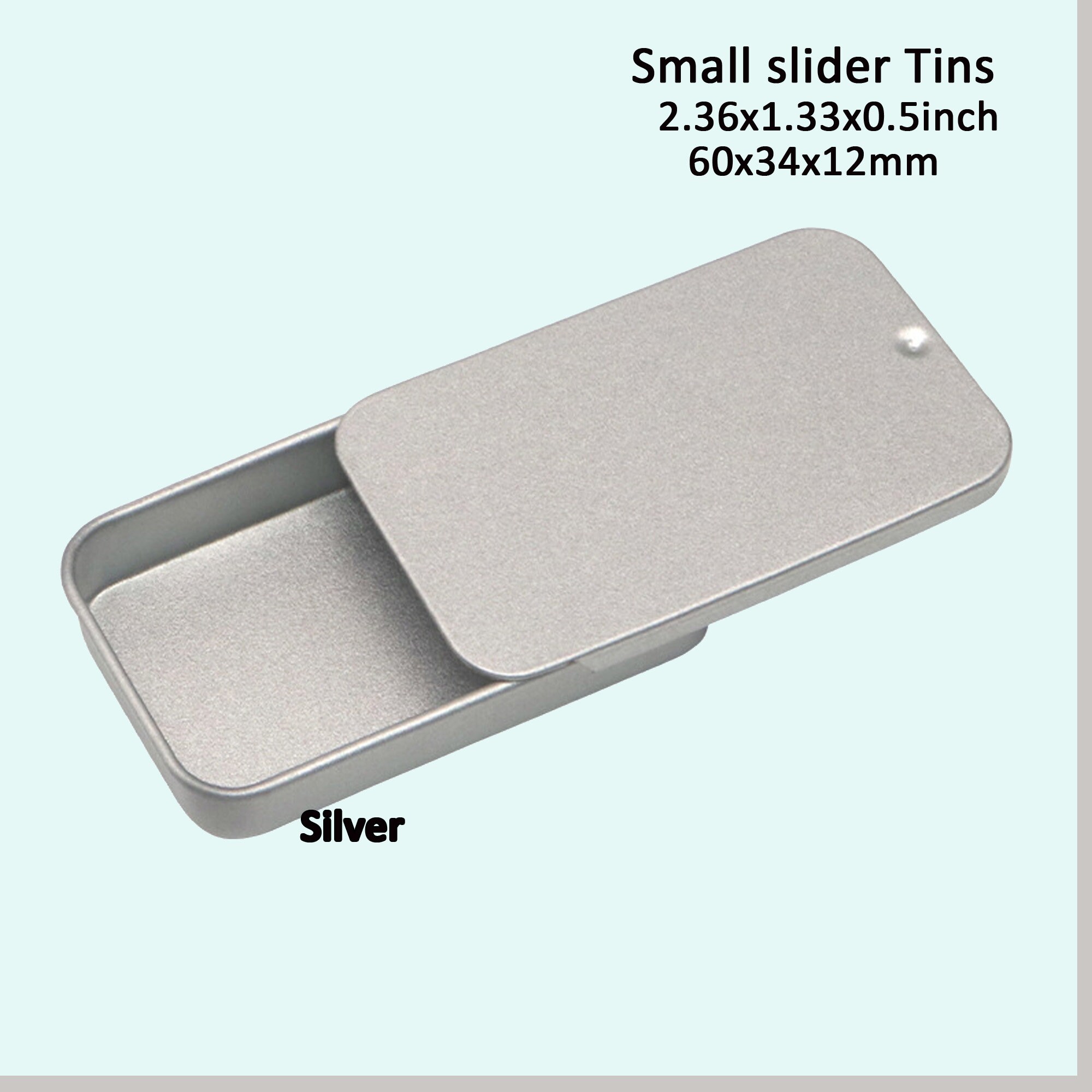
The capacity of slim sliding lid tin cases typically ranges from 0.25 oz to larger custom sizes. The most common size is approximately 92mm x 61mm x 18mm. Capacity is crucial for determining how many products can be packaged together, directly affecting logistics and storage solutions. B2B buyers must align capacity with their specific product requirements to optimize inventory management. -
Tolérance
Tolerance refers to the permissible variation in dimensions of the tin cases. A standard tolerance of ±0.5 mm is common, but it can vary based on manufacturing processes. Precise tolerances are essential to ensure that lids fit securely and that products are protected from external elements. For B2B buyers, understanding tolerance is critical in maintaining quality control and ensuring consistency across large orders. -
Traitement de surface
Various surface treatments, such as silk screen printing, hot stamping, and electroplating, enhance the aesthetic appeal and branding potential of the tin cases. These treatments not only allow for personalized branding but also improve resistance to scratches and wear. B2B buyers should evaluate surface treatment options to ensure that the packaging aligns with brand identity and marketing strategies. -
Closure Mechanism
The sliding lid mechanism should provide a smooth operation while ensuring a secure closure. This property affects user convenience and product protection. A well-designed sliding mechanism allows for easy access to contents, which is particularly important for products intended for on-the-go use. B2B buyers should prioritize the reliability of the closure mechanism in their purchasing decisions.
Which Trade Terms Should B2B Buyers Understand?
Understanding industry-specific jargon is essential for navigating the purchasing process effectively. Here are some common terms associated with slim sliding lid tin cases:
-
OEM (Original Equipment Manufacturer)
OEM refers to a company that produces components or products that are used in another company’s end product. For B2B buyers, partnering with an OEM can streamline the manufacturing process and ensure that packaging meets specific requirements without extensive redesign. -
MOQ (Minimum Order Quantity)
MOQ is the smallest quantity of a product that a supplier is willing to sell. For slim sliding lid tin cases, the MOQ might be set at 5,000 units. Understanding MOQ is vital for buyers to align their purchasing needs with supplier capabilities and manage budget constraints effectively. -
RFQ (Request for Quotation)
An RFQ is a document sent to suppliers requesting a quote for specific products or services. For B2B transactions, an RFQ helps buyers gather pricing information and evaluate different suppliers’ offers, facilitating informed decision-making. -
Incoterms (termes commerciaux internationaux)
Incoterms are a set of internationally recognized rules that define the responsibilities of sellers and buyers in international transactions. Terms such as FOB (Free On Board) or CIF (Cost, Insurance, and Freight) are crucial for B2B buyers to understand shipping responsibilities, costs, and risks involved in the procurement process. -
Délai d'exécution
Lead time refers to the time taken from placing an order to receiving the products. In the context of slim sliding lid tin cases, lead time is essential for planning inventory and meeting market demands. B2B buyers should inquire about lead times to synchronize their supply chain processes effectively.
By familiarizing themselves with these technical properties and trade terms, international B2B buyers can make more informed decisions, ensuring that their packaging solutions meet both functional and marketing needs.

Illustrative image related to slim sliding lid tin cases for compact packaging solutions
Navigating Market Dynamics and Sourcing Trends in the slim sliding lid tin cases for compact packaging solutions Sector
What Are the Key Market Dynamics Affecting Slim Sliding Lid Tin Cases?
The global market for slim sliding lid tin cases has been significantly influenced by the rising demand for compact and versatile packaging solutions across various sectors, particularly cosmetics, food, and pharmaceuticals. Key drivers include the increasing consumer preference for sustainable packaging options, as well as the growth of e-commerce, which necessitates efficient and protective packaging. Emerging technologies in manufacturing, such as advanced printing techniques and eco-friendly materials, are shaping the industry, allowing for greater customization and branding opportunities.
International buyers, particularly in Africa, South America, the Middle East, and Europe, are increasingly seeking suppliers who can offer both quality and compliance with local regulations. The market is also witnessing a shift towards smaller, more portable packaging solutions, driven by a growing trend in minimalism and on-the-go lifestyles. Furthermore, the ongoing focus on product safety and compliance with regulatory standards is pushing manufacturers to innovate in terms of design and materials, ensuring that products meet both aesthetic and functional requirements.
How Is Sustainability and Ethical Sourcing Shaping the Slim Sliding Lid Tin Case Industry?
Sustainability has become a cornerstone of purchasing decisions among B2B buyers, particularly in regions like Europe and North America, where consumers are increasingly vocal about environmental issues. The slim sliding lid tin case sector is responding by adopting greener materials and practices. Many manufacturers are now offering products made from recycled or recyclable materials, such as aluminum and tin, which are not only durable but also environmentally friendly.
Ethical sourcing is also gaining prominence, with buyers placing greater emphasis on supply chain transparency and the ethical treatment of workers. Certifications such as ISO 14001 for environmental management and Fair Trade can enhance a company’s reputation and appeal to conscientious consumers. By prioritizing sustainability and ethical practices, businesses can not only comply with regulations but also differentiate themselves in a competitive market, thereby appealing to a broader customer base.
How Has the Slim Sliding Lid Tin Case Industry Evolved Over Time?
The evolution of slim sliding lid tin cases can be traced back to the early 20th century when metal packaging became popular due to its durability and protective qualities. Initially used for food and beverages, the application of tin cases expanded to include cosmetics and pharmaceuticals as industries recognized the benefits of metal packaging in terms of product preservation and aesthetic appeal.
Over the decades, advancements in manufacturing technologies, such as improved welding and printing techniques, have allowed for more intricate designs and custom branding opportunities. Today, the industry is characterized by a strong emphasis on sustainability and innovation, with companies continuously seeking to adapt to changing consumer preferences and regulatory landscapes. The modern slim sliding lid tin case is not just a packaging solution but a marketing tool that reflects brand values and resonates with environmentally conscious consumers.
Frequently Asked Questions (FAQs) for B2B Buyers of slim sliding lid tin cases for compact packaging solutions
-
How do I ensure the quality of slim sliding lid tin cases before placing a bulk order?
To ensure quality, request samples from potential suppliers before committing to a large order. This allows you to inspect the material, finish, and functionality of the sliding lid. Additionally, inquire about the supplier’s quality assurance processes, certifications, and any third-party testing they may conduct. Consider conducting a factory audit if feasible, especially for larger orders, to assess their manufacturing capabilities and standards. -
What customization options are available for slim sliding lid tin cases?
Most manufacturers offer a variety of customization options, including size, color, and printing techniques. You can choose from silk screen printing, digital printing, or even embossing for branding purposes. Discuss your specific needs with the supplier to understand the extent of customization available and any associated costs. Keep in mind that intricate designs may have minimum order quantity requirements. -
What are typical minimum order quantities (MOQs) for slim sliding lid tin cases?
Minimum order quantities can vary significantly between manufacturers, but a common MOQ for slim sliding lid tin cases is around 5,000 units. This is often due to the setup costs associated with production and customization. If your needs are smaller, some suppliers may offer stock items or lower MOQs but expect higher unit prices. Always clarify MOQs during initial discussions to align with your budget and inventory needs. -
What payment terms should I expect when sourcing tin cases internationally?
Payment terms can vary by supplier and region but typically include options such as a deposit (often 30% upfront) with the balance due before shipment. Some suppliers may offer net payment terms based on your creditworthiness. Ensure to discuss payment methods (e.g., bank transfer, letter of credit) and any associated fees. It’s advisable to clarify these terms in writing to avoid misunderstandings. -
How can I vet suppliers of slim sliding lid tin cases for reliability?
To vet suppliers, start by checking their business credentials, including registration and certifications. Look for reviews or testimonials from previous clients, and consider reaching out to them for feedback. Request references and ask about their experience regarding product quality, communication, and delivery timelines. Additionally, consider using platforms that offer supplier ratings and verification services. -
What logistics considerations should I be aware of when importing tin cases?
Logistics is crucial in international trade. Understand the shipping methods available (air freight vs. sea freight) and their implications for cost and delivery time. Be aware of customs regulations in your country, including tariffs and import duties that may apply. Collaborate with a logistics provider to ensure proper documentation and compliance to avoid delays and additional costs. -
What are the benefits of using slim sliding lid tin cases for packaging?
Slim sliding lid tin cases offer several benefits, including durability, reusability, and aesthetic appeal. Their compact design makes them ideal for portable applications, allowing brands to enhance their product presentation. Additionally, they provide excellent protection for contents, making them suitable for various industries, including cosmetics, food, and pharmaceuticals. The customizable surface also allows businesses to effectively promote their brand. -
What should I do if I encounter issues with my order after delivery?
If you encounter issues post-delivery, such as defects or discrepancies in the order, promptly contact the supplier with detailed documentation of the issues. Most reputable suppliers will have a return policy or warranty in place. Ensure to keep records of all communications and agreements related to your order. If necessary, escalate the issue through formal channels to seek a resolution, whether that be a replacement or refund.
Top 5 Slim Sliding Lid Tin Cases For Compact Packaging Solutions Manufacturers & Suppliers List
1. Jarsking – Slim Sliding Lid Tin Cases

Domaine : jarsking.com
Enregistré : 2022 (3 ans)
Introduction : {“Product Name”: “Slim Sliding Lid Tin Cases for Compact Packaging Solutions”, “Capacity”: “common size 92*61*18mm, customizable”, “Color”: “Customized”, “Material”: “tin case”, “Use”: “pre-rolls and cannabis edibles, other food or pharmaceutical products”, “MOQ”: “5000”, “Delivery Packing”: “standard export carton packing”, “Surface Treatment”: [“silk screen”, “electroplating”, “color coating”, “…
2. Tinspkg – Slide Lid Tin Containers

Domaine : tinspkg.com
Enregistré : 2024 (1 an)
Introduction : Slide Lid Tin Containers with push pull lids available in various sizes. Made from 100% food-grade and BPA-free materials. Seamless tinplate steel structure with rolled-edge design. Smooth and round edges with no sharp edges. Suitable for storing small items like lip balm, candies, mints, paperclips, incense sticks, gardening seeds, vitamins, and crafts supplies. Fast quotation and free sample ava…
3. Berlin Packaging – 0.25 oz Small Silver Slide Top Tin

Domaine : berlinpackaging.com
Enregistré : 1997 (28 ans)
Introduction : {“name”:”0.25 oz Small Silver Slide Top Tin”,”item_number”:”LBTSL”,”capacity”:”0.25 oz”,”color”:”Silver”,”type”:”Slide Top Tin”,”price”:”$0.84″,”bulk_pricing”:”Not available”,”free_shipping”:”Available for orders of $150+”,”inventory_status”:”Currently unavailable”,”features”:[“Durable tin with ample space for labeling”,”Dishwasher safe”,”BPA Non-Intent”,”Child-resistant design”,”FDA-compliant mat…
4. Tin Boxes China – Slide Lid Tin Boxes
Domaine : tinboxeschina.com
Enregistré : 2016 (9 ans)
Introduction : Slide Lid Tin boxes feature smooth sliding lids, secure closure, and compact, stackable design. They are widely used for candy, mints, tea, small gifts, cosmetics, and promotional packaging. Key features include:
– Strong and durable, providing excellent protection for products.
– Customizable with branding, ideal for promotional use.
– Visually appealing and easy to label for product identificat…
5. CandleScience – Small Slide Top Tin

Domaine : candlescience.com
Enregistré : 2002 (23 ans)
Introduction : {“name”:”0.25 oz. Small Slide Top Tin”,”price_per_piece”:”$0.74″,”bulk_price”:”$0.70 (6+ Bags)”,”total_price”:”$35.71 (48 pc Bag)”,”material”:”Tin”,”dimensions”:{“length”:”1.88 inches (4.78 cm)”,”width”:”0.94 inches (2.39 cm)”,”height”:”0.31 inches (0.79 cm)”},”base_weight”:”0.28 oz (8 g)”,”max_labeling_area”:”1.75 inches x 0.88 inches (4.45 cm x 2.24 cm)”,”features”:”Seamlessly constructed, ideal…
Strategic Sourcing Conclusion and Outlook for slim sliding lid tin cases for compact packaging solutions
In navigating the global marketplace for slim sliding lid tin cases, strategic sourcing emerges as a crucial factor for success. These compact packaging solutions offer unparalleled versatility, allowing businesses to cater to diverse applications—from personal care products to promotional items and creative gifts. By investing in high-quality tin cases, brands can not only enhance product protection but also leverage customizable surfaces for impactful branding, thus boosting market visibility.
For international B2B buyers from regions such as Africa, South America, the Middle East, and Europe, understanding the nuances of sourcing these materials is vital. Prioritizing suppliers who offer robust manufacturing capabilities, eco-friendly options, and innovative designs can significantly enhance the value proposition of your product offerings.
As the demand for sustainable and aesthetically appealing packaging continues to rise, the outlook for slim sliding lid tin cases is promising. Brands that embrace these trends and strategically source their packaging solutions will position themselves advantageously in an increasingly competitive landscape. Take the next step in elevating your product line—partner with leading manufacturers to harness the full potential of slim sliding lid tin cases today.
Avis de non-responsabilité et conditions d'utilisation
⚠️ Avis de non-responsabilité important
Les informations fournies dans ce guide, y compris le contenu concernant les fabricants, les spécifications techniques et l'analyse du marché, sont uniquement destinées à des fins d'information et d'éducation. Elles ne constituent pas un conseil professionnel en matière d'achat, un conseil financier ou un conseil juridique.
Illustrative image related to slim sliding lid tin cases for compact packaging solutions
Bien que nous ayons fait tout notre possible pour garantir l'exactitude et l'actualité des informations, nous ne sommes pas responsables des erreurs, des omissions ou des informations obsolètes. Les conditions du marché, les détails de l'entreprise et les normes techniques sont susceptibles d'être modifiés.
Les acheteurs B2B doivent faire preuve d'une diligence raisonnable indépendante et approfondie. avant de prendre toute décision d'achat. Il convient notamment de contacter directement les fournisseurs, de vérifier les certifications, de demander des échantillons et de solliciter une consultation professionnelle. Le risque lié à l'utilisation des informations contenues dans ce guide est supporté uniquement par le lecteur.




 French
  English
  Russian
  Spanish
  Italian
  Thai
Thai  Arabic
  Portuguese
  Indonesian
  German






