

Introduction: Navigating the Global Market for glass bottle
In an increasingly competitive global marketplace, sourcing high-quality glass bottles presents unique challenges for international B2B buyers. Factors such as fluctuating material costs, varying supplier reliability, and compliance with regional regulations can complicate the procurement process. This comprehensive guide addresses these challenges by providing an in-depth exploration of the glass bottle market, encompassing a variety of types, applications, and design options. From understanding the nuances of different bottle shapes and sizes to examining eco-friendly materials, this resource equips buyers with the knowledge necessary to make informed purchasing decisions.
As businesses across Africa, South America, the Middle East, and Europe (including regions like Brazil and Germany) seek to enhance their product packaging, the demand for glass bottles is on the rise. This guide not only outlines the various styles and functionalities of glass bottles but also delves into essential aspects like supplier vetting, pricing structures, and market trends. By empowering buyers with actionable insights, we aim to streamline the sourcing process, enabling companies to identify reliable suppliers and negotiate favorable terms. Ultimately, this guide serves as a vital tool for businesses aiming to elevate their product offerings while ensuring compliance with industry standards and sustainability goals.
Understanding glass bottle Types and Variations
| Nom du type | Principales caractéristiques | Applications primaires B2B | Avantages et inconvénients pour les acheteurs |
|---|---|---|---|
| Ronde de Boston | Curved shoulders, wide mouth, available in various sizes | Pharmaceuticals, cosmetics, beverages | Pour : Versatile, easy to fill. Cons : May require additional labeling for branding. |
| Roll-On | Small, cylindrical shape with a roller ball applicator | Essential oils, perfumes, cosmetics | Pour : Precise application, portable. Cons : Limited volume capacity. |
| Verre ambré | Dark coloration protects contents from UV light | Food products, pharmaceuticals, cosmetics | Pour : Preserves product integrity, aesthetic appeal. Cons : Higher shipping costs due to weight. |
| Matic Bottle | Standard neck size (28mm), available in various colors | Sauces, dressings, personal care products | Pour : Customizable, suitable for various liquids. Cons : May require specialized caps. |
| Wide Mouth Bottles | Larger opening for easy filling and cleaning | Food storage, industrial applications | Pour : Easy to clean and refill. Cons : Bulkier for storage. |
What are the characteristics of Boston Round glass bottles?
Boston Round bottles are characterized by their distinctive rounded shape with a wide mouth, making them suitable for a variety of products. These bottles are available in multiple sizes, typically ranging from 1 oz to 16 oz, and are often made from clear or amber glass. They are particularly popular in the pharmaceutical and cosmetic industries due to their versatility and ease of filling. When considering Boston Round bottles, B2B buyers should evaluate the compatibility of the bottle size with their product and assess labeling options to enhance branding.
How do Roll-On glass bottles serve specific applications?
Roll-On glass bottles are designed with a small, cylindrical shape and a roller ball applicator, making them ideal for products that require precise application, such as essential oils and perfumes. The compact size enhances portability, appealing to consumers who prefer travel-friendly options. B2B buyers should consider the material of the roller ball and the overall design to ensure they meet their product’s functional requirements while also aligning with branding strategies.
Why choose Amber glass bottles for your products?
Amber glass bottles are distinguished by their dark coloration, which effectively protects sensitive contents from UV light exposure. This feature is particularly advantageous for products like pharmaceuticals, essential oils, and certain food items that can degrade when exposed to light. B2B buyers should weigh the benefits of product preservation against the potentially higher shipping costs associated with heavier glass containers. Additionally, the aesthetic appeal of amber glass can enhance product presentation on retail shelves.
What makes Matic bottles a versatile choice for B2B buyers?
Matic bottles are known for their standard neck size (28mm) and are available in a wide array of colors, making them suitable for various applications including sauces, dressings, and personal care products. Their customizable nature allows brands to create unique packaging solutions that align with their marketing strategies. When purchasing Matic bottles, B2B buyers should consider the need for specialized caps and the implications for production efficiency and cost.
What advantages do Wide Mouth bottles offer in industrial applications?
Wide mouth bottles feature a larger opening that facilitates easy filling, cleaning, and refilling, making them particularly useful in food storage and industrial applications. This design also allows for the inclusion of larger solid ingredients, which can be a significant advantage for manufacturers. B2B buyers should assess the storage requirements and space constraints of their operations when selecting wide mouth bottles, as their bulkier design may pose challenges in terms of storage efficiency.
Key Industrial Applications of glass bottle
| Industrie/secteur | Specific Application of Glass Bottle | Valeur/bénéfice pour l'entreprise | Principales considérations en matière d'approvisionnement pour cette application |
|---|---|---|---|
| Alimentation et boissons | Packaging for sauces, dressings, and oils | Enhances product preservation and shelf appeal | Ensure compliance with food safety regulations and standards |
| Cosmétiques et soins personnels | Bottles for perfumes and lotions | Provides a premium look and feel, improving brand image | Consider customization options like color and size |
| Produits pharmaceutiques | Containers for essential oils and tinctures | Protects sensitive contents from contamination | Verify glass quality and compatibility with contents |
| Produits ménagers | Packaging for cleaning solutions and sprays | Eco-friendly option that appeals to environmentally conscious consumers | Look for bulk purchasing options to reduce costs |
| Beverage Industry | Bottles for craft beers and soft drinks | Offers a sustainable packaging solution that preserves flavor | Consider logistics for international shipping and handling |
What Are the Key Applications of Glass Bottles in the Food and Beverage Industry?
In the food and beverage sector, glass bottles serve as essential packaging for products like sauces, dressings, and oils. Their impermeable nature protects the contents from external contaminants while preserving flavor and aroma. For international buyers, especially those in Africa and South America, it is crucial to ensure that the glass meets local food safety regulations, which can vary significantly by region. Additionally, the aesthetic appeal of glass enhances the product’s marketability on shelves, making it a preferred choice for premium brands.
How Do Glass Bottles Elevate the Cosmetics and Personal Care Sector?
The cosmetics and personal care industry relies heavily on glass bottles for packaging perfumes, lotions, and serums. Glass not only provides a luxurious feel but also preserves the integrity of sensitive formulations, preventing chemical reactions that can occur with plastic. Buyers, particularly from Europe and the Middle East, should focus on sourcing customizable options that allow for branding and differentiation. The choice of color and design can significantly impact consumer perception, making it essential to partner with suppliers who offer a range of aesthetic options.
In What Ways Are Glass Bottles Utilized in Pharmaceuticals?
In the pharmaceutical sector, glass bottles are commonly used to package essential oils, tinctures, and other sensitive products. Glass is inert, meaning it does not react with the contents, thus ensuring the efficacy of medications and supplements. For international B2B buyers, particularly in regions with stringent health regulations, it is vital to verify that the glass quality meets pharmaceutical standards. Additionally, ensuring compatibility with various dispensing mechanisms, such as droppers or spray tops, is crucial for functionality and user experience.
Why Are Glass Bottles Important for Household Products?
Household products, including cleaning solutions and sprays, benefit from glass packaging due to its eco-friendly nature. Glass is recyclable and does not leach harmful chemicals, appealing to environmentally conscious consumers. When sourcing glass bottles for these applications, buyers should consider bulk purchasing options to optimize costs and logistics. Furthermore, ensuring that the glass is robust enough to withstand various formulations is essential to prevent breakage and product loss during transportation.
How Do Glass Bottles Enhance the Beverage Industry?
In the beverage industry, glass bottles are favored for packaging craft beers and soft drinks due to their ability to preserve flavor and carbonation. The use of glass not only enhances the product’s shelf life but also resonates with a growing consumer preference for sustainable packaging solutions. For international buyers, particularly those in Europe, understanding the logistics involved in glass bottle handling and shipping is crucial, as glass is heavier and more fragile than alternative packaging materials. Sourcing from suppliers with experience in international regulations can streamline the process and reduce potential challenges.
3 Common User Pain Points for ‘glass bottle’ & Their Solutions
Scénario 1 : Garantir l'intégrité du produit pendant l'expédition
Le problème : One of the most pressing challenges for B2B buyers of glass bottles is ensuring that products arrive intact and undamaged during transit. The fragility of glass makes it susceptible to breakage, leading to potential financial losses and delays in production schedules. Additionally, many international shipments may face rough handling and varying environmental conditions, which can further compromise the integrity of the glass bottles.
La solution : To mitigate these risks, it is essential for buyers to prioritize robust packaging solutions when sourcing glass bottles. Opt for suppliers who provide specialized packaging designed for glass products, such as custom-fit boxes with cushioning materials like bubble wrap or foam inserts. Additionally, consider bulk purchasing options that offer protective packaging as part of the deal, which can reduce costs and enhance protection. Implementing a quality assurance process with suppliers to regularly check packaging standards can also ensure that your bottles arrive safely, minimizing the risk of breakage during shipping.
Scenario 2: Navigating Regulatory Compliance for International Markets
Le problème : B2B buyers often face complex regulatory requirements regarding packaging materials, particularly when exporting glass bottles to different regions like Africa, South America, or Europe. Each market may have specific regulations concerning safety, labeling, and material standards that must be adhered to, which can be overwhelming for businesses attempting to enter or expand in these markets.
La solution : To effectively navigate these regulatory landscapes, it is crucial to partner with suppliers who are knowledgeable about the specific regulations in each target market. Conduct thorough research on local compliance requirements, such as FDA regulations in the U.S., EU packaging directives, or specific country-based restrictions in emerging markets. Additionally, leverage resources such as trade associations and regulatory agencies to stay informed about changes in compliance standards. Establishing a checklist for each market can streamline the process, ensuring all necessary certifications and labeling requirements are met before shipment.
Scenario 3: Balancing Sustainability with Cost-Effectiveness
Le problème : In today’s market, many businesses are under pressure to adopt sustainable practices, which can lead to a conflict when sourcing glass bottles. While glass is an eco-friendly option, the costs associated with using recycled glass or sustainably sourced materials can be higher than traditional options. This poses a dilemma for B2B buyers who want to enhance their brand’s sustainability while maintaining competitive pricing.
La solution : To strike a balance between sustainability and cost-effectiveness, buyers should explore partnerships with suppliers who specialize in eco-friendly glass solutions. Look for manufacturers that use recycled glass or implement energy-efficient production processes, as these suppliers often offer competitive pricing due to lower material costs. Additionally, consider bulk purchasing and long-term contracts with these suppliers to negotiate better rates. Incorporating sustainability into your brand narrative can also appeal to environmentally conscious consumers, potentially justifying any premium costs associated with sustainable sourcing. Leveraging government incentives or grants for sustainable practices may also provide financial relief, making it easier to adopt eco-friendly glass packaging without sacrificing profitability.
Strategic Material Selection Guide for glass bottle
What are the Key Properties of Common Glass Materials for Bottles?
When selecting materials for glass bottles, it is essential to consider the specific properties that affect product performance. The most common materials used in glass bottle manufacturing include clear glass, amber glass, green glass, and frosted glass. Each material has distinct characteristics that influence its suitability for various applications.
Clear Glass: Versatile and Transparent
Clear glass is the most widely used type of glass for bottles. It offers excellent clarity, allowing consumers to see the product inside, which is particularly beneficial for beverages and cosmetics. Clear glass has a high-temperature resistance, making it suitable for hot-fill applications. However, it lacks UV protection, which can lead to degradation of light-sensitive products.
Pour : High transparency, good thermal resistance, and cost-effective production.
Cons : Poor UV protection, which may not be suitable for all products, particularly those sensitive to light.
Impact sur l'application : Clear glass is ideal for products like juices, spirits, and cosmetics that benefit from visibility.
Considérations pour les acheteurs internationaux : Compliance with international standards such as ASTM and DIN is crucial, particularly for food and beverage applications. Buyers should also consider the availability of clear glass in their region, as supply chains may vary.
Verre ambré : Protection contre la lumière UV
Amber glass is favored for products that are sensitive to light, such as essential oils and certain beverages. The amber color provides excellent UV protection, helping to preserve the integrity of the contents. This material is also highly durable and resistant to corrosion, making it suitable for a wide range of applications.
Pour : Superior UV protection, good chemical resistance, and robust durability.
Cons : Higher production costs compared to clear glass and limited visibility of the product inside.
Impact sur l'application : Amber glass is particularly effective for products like pharmaceuticals, oils, and other light-sensitive materials.
Considérations pour les acheteurs internationaux : Buyers should ensure that amber glass bottles meet local regulations regarding food safety and product labeling, especially in markets like Europe and South America.
Green Glass: Aesthetic Appeal and Functionality
Green glass bottles are often used for beverages, especially wines and craft beers, due to their aesthetic appeal. They provide moderate UV protection, which is beneficial for preserving flavor and quality. Green glass is also durable and resistant to breakage, making it a popular choice for both consumers and manufacturers.
Pour : Attractive appearance, decent UV protection, and good durability.
Cons : Limited availability in some regions and slightly higher costs compared to clear glass.
Impact sur l'application : Green glass is well-suited for alcoholic beverages and specialty products that benefit from a unique presentation.
Considérations pour les acheteurs internationaux : Buyers should be aware of local preferences for green glass in beverage packaging, as consumer trends can vary significantly across regions.
Frosted Glass: A Unique Finish for Premium Products
Frosted glass offers a distinctive look and feel, making it popular for high-end products such as perfumes and luxury beverages. The frosted finish provides a non-slip surface and can enhance the tactile experience for consumers. However, this type of glass is generally more expensive to produce and may require special handling during manufacturing.
Pour : Premium appearance, non-slip surface, and enhanced tactile experience.
Cons : Higher manufacturing costs and potential for scratches that can affect aesthetics.
Impact sur l'application : Frosted glass is ideal for luxury items where presentation is key, such as fragrances and upscale spirits.
Considérations pour les acheteurs internationaux : When sourcing frosted glass, buyers should ensure compliance with quality standards and consider the implications of higher costs in their pricing strategy.
Summary Table of Material Selection for Glass Bottles
| Matériau | Typical Use Case for glass bottle | Avantage clé | Principaux inconvénients/limites | Coût relatif (faible/moyen/élevé) |
|---|---|---|---|---|
| Verre clair | Beverages, cosmetics | High transparency | Poor UV protection | Faible |
| Verre ambré | Pharmaceuticals, oils | Superior UV protection | Higher production costs | Moyen |
| Verre vert | Wines, craft beers | Attractive appearance | Limited availability | Moyen |
| Verre dépoli | Luxury perfumes, high-end spirits | Premium appearance | Coûts de fabrication plus élevés | Haut |
This guide provides a comprehensive overview for B2B buyers to make informed decisions when selecting glass materials for their products, considering both performance and market demands across different regions.
A stock image related to glass bottle.
In-depth Look: Manufacturing Processes and Quality Assurance for glass bottle
What Are the Key Stages in the Manufacturing Process of Glass Bottles?
The manufacturing process of glass bottles is intricate and involves several key stages that ensure the final product meets quality and design specifications. Understanding these stages is crucial for B2B buyers looking to source high-quality glass bottles.
Material Preparation: What Raw Materials Are Used?
The primary raw materials used in glass bottle manufacturing include silica sand, soda ash, and limestone. These materials are mixed in specific proportions to create a glass batch. The quality of these raw materials is critical, as impurities can affect the strength and clarity of the glass. Additionally, recycled glass, known as cullet, is often added to the mix to enhance sustainability and reduce energy consumption during the melting process.
How Is Glass Formed into Bottles?
Once the raw materials are prepared, they are melted in a furnace at temperatures exceeding 1,700 degrees Celsius. The molten glass is then shaped into bottles using various techniques:
- Moulage par soufflage : This is the most common method, where air is blown into a molten glass parison to shape it into a bottle.
- Press Molding: A mold is pressed into the molten glass to form the desired shape, commonly used for thicker glass products.
- Moulage par injection : Used primarily for the production of closures and caps, this method involves injecting molten glass into a mold.
Each technique offers unique advantages in terms of production speed, cost, and design flexibility.
What Finishing Processes Are Involved?
After the bottles are formed, they undergo finishing processes that enhance their functionality and aesthetic appeal. This may include:
- Annealing: Bottles are gradually cooled in an annealing lehr to relieve internal stresses, which is crucial for ensuring durability.
- Traitement de surface : This can involve polishing, coating, or decorating the bottles through processes like screen printing or labeling.
- Quality Control Checks: Throughout the manufacturing process, quality control checkpoints are established to ensure adherence to specifications.
How Is Quality Assurance Implemented in Glass Bottle Manufacturing?
Quality assurance (QA) is a vital component in the glass bottle manufacturing process, ensuring that products meet both international and industry-specific standards. For B2B buyers, understanding these QA practices can help in selecting reliable suppliers.
What International Standards Should Buyers Be Aware Of?
Manufacturers often comply with international quality standards such as ISO 9001, which focuses on ensuring consistent quality in manufacturing processes. Additionally, industry-specific certifications like CE (Conformité Européenne) for the European market and API (American Petroleum Institute) standards for certain applications are essential for products used in specific sectors.
What Are the Quality Control Checkpoints During Production?
Quality control typically involves several checkpoints, including:
- Contrôle de la qualité à l'arrivée (IQC) : Raw materials are inspected upon arrival to ensure they meet specified standards.
- Contrôle de la qualité en cours de fabrication (IPQC) : Continuous monitoring during manufacturing helps catch defects early in the process.
- Contrôle de qualité final (CQF) : Finished products undergo rigorous testing for defects and compliance with specifications before packaging and shipping.
Each checkpoint serves to minimize defects and ensure that only high-quality products reach the market.
Quelles sont les méthodes de test couramment utilisées dans le cadre de l'assurance qualité ?
Several testing methods are employed to verify the quality of glass bottles, including:
- Inspection visuelle : Manual checks for surface imperfections, clarity, and overall appearance.
- Essais dimensionnels : Ensuring that the bottles meet specific size and shape requirements.
- Strength Testing: Evaluating the durability of the glass through stress tests.
- Essais de résistance chimique : Assessing how the glass interacts with various substances, crucial for bottles intended for food and beverages.
How Can B2B Buyers Verify Supplier Quality Assurance?
For international B2B buyers, particularly in regions like Africa, South America, the Middle East, and Europe, verifying supplier quality assurance is essential. Here are some actionable strategies:
What Steps Can Buyers Take to Ensure Supplier Compliance?
- Procéder à des audits des fournisseurs : Regular audits of suppliers can help verify compliance with quality standards and manufacturing processes. This can be done either in-house or through third-party inspection services.
- Demander des rapports d'assurance qualité : Suppliers should provide detailed quality assurance documentation, including results from testing methods and certifications of compliance with international standards.
- Faire appel à des inspecteurs tiers : Utilizing independent inspectors to evaluate manufacturing practices and product quality can provide an unbiased assessment of a supplier’s capabilities.
- Understand Regional Certification Nuances: Different regions may have specific certifications or regulations regarding glass bottle manufacturing. Familiarizing oneself with these can help in making informed sourcing decisions.
What Are the Challenges of Quality Assurance in International Sourcing?
B2B buyers must navigate various challenges when it comes to quality assurance in international sourcing:
- Différences culturelles : Variations in manufacturing practices and quality expectations across regions can lead to misunderstandings.
- Logistical Issues: Shipping and handling can impact product quality, especially for fragile items like glass bottles.
- Conformité réglementaire : Adhering to different regulations in various markets requires thorough knowledge and diligence.
By understanding these challenges and implementing robust quality assurance practices, B2B buyers can effectively source high-quality glass bottles that meet their specific needs.
Practical Sourcing Guide: A Step-by-Step Checklist for ‘glass bottle’
Introduction
This guide provides a practical checklist for B2B buyers looking to procure glass bottles. Sourcing glass bottles requires careful consideration of various factors to ensure that the products meet your needs in terms of quality, compliance, and cost-effectiveness. Following this step-by-step checklist will help streamline your procurement process and enhance the likelihood of successful sourcing.
Étape 1 : Définir les spécifications techniques
Before reaching out to suppliers, it’s essential to clearly define your technical specifications for the glass bottles you need. This includes determining the size, shape, color, and type of glass required, as well as any specific features like closures or labels. Having a detailed specification will not only help you communicate effectively with suppliers but also ensure that you receive products that align with your brand’s requirements.
Étape 2 : Recherche de fournisseurs potentiels
Conduct thorough research to identify potential suppliers who specialize in glass bottles. Look for manufacturers with a proven track record in your industry and favorable reviews from previous clients. Utilize platforms like trade shows, industry directories, and online marketplaces to gather a list of candidates.
Étape 3 : Évaluer les fournisseurs potentiels
Before committing to a supplier, it’s crucial to vet them thoroughly. Request company profiles, case studies, and references from buyers in a similar industry or region. Assess their production capabilities, quality control processes, and compliance with international standards, especially if you are sourcing from different continents.
- Considérations clés :
- Production capacity to meet your demand.
- Quality certifications such as ISO or FDA compliance.
Étape 4 : Demande d'échantillons pour l'évaluation de la qualité
Once you have shortlisted suppliers, request samples of their glass bottles to evaluate quality firsthand. This step is vital for assessing the bottle’s durability, aesthetics, and functionality. Pay attention to factors such as clarity, finish, and any defects that might affect your product presentation.
Étape 5 : Vérifier les certifications des fournisseurs
Ensure that your chosen suppliers hold relevant certifications that demonstrate compliance with industry standards. This is particularly important for glass bottles used in food and beverage applications, where safety and quality are paramount. Certifications may include ISO, FDA, or local health and safety regulations.
Étape 6 : Négocier les conditions et les prix
Engage in discussions with potential suppliers to negotiate pricing, payment terms, and delivery schedules. Be transparent about your budget while ensuring that the quality of materials is not compromised. Consider bulk purchase discounts, as many suppliers offer better pricing for larger orders.
Étape 7 : Établir un plan de communication
Once you have selected a supplier, establish a clear communication plan to ensure smooth collaboration. Regular updates on production timelines, shipping schedules, and any issues that arise will help build a strong working relationship. Utilize tools like project management software to keep track of progress and maintain transparency.
By following this checklist, B2B buyers can navigate the complexities of sourcing glass bottles effectively, ensuring that they partner with reliable suppliers who meet their specific needs.
A stock image related to glass bottle.
Comprehensive Cost and Pricing Analysis for glass bottle Sourcing
When sourcing glass bottles for your business, understanding the cost structure and pricing dynamics is crucial for making informed purchasing decisions. The cost of glass bottles typically consists of several components, each influencing the final price you pay.
What Are the Key Cost Components in Glass Bottle Manufacturing?
- Matériaux: The primary material used in glass bottle production is silica sand, along with soda ash and limestone. The quality and source of these raw materials can significantly affect costs. For example, using recycled glass can lower material costs while also appealing to environmentally conscious consumers.
- Travail: Labor costs vary depending on the region and the level of automation in the manufacturing process. Countries with lower labor costs may provide a competitive edge, but it’s essential to consider the trade-off with potential quality control issues.
- Frais généraux de fabrication: This includes costs related to utilities, maintenance of machinery, and factory operations. Efficient production lines can help minimize overhead costs, thus impacting the pricing structure favorably.
- Outillage: Custom molds and tooling required for specific bottle designs can be a significant upfront investment. This cost is often amortized over larger production runs, making it vital to assess your volume requirements before committing.
- Contrôle de la qualité (CQ): Ensuring that glass bottles meet required standards incurs costs for testing and quality assurance processes. Certifications such as ISO or specific food safety standards may also impact pricing.
- Logistique: Transporting glass bottles can be costly due to their weight and fragility. Shipping costs can vary greatly based on distance, mode of transport, and packaging solutions that minimize breakage.
- Marge: Suppliers will add their profit margin on top of the production cost, which can vary based on the supplier’s market position and reputation.
What Influences the Pricing of Glass Bottles?
- Volume/MOQ: Suppliers often have minimum order quantities (MOQ), and pricing typically decreases with larger orders. For international buyers, understanding the MOQ can be crucial for budgeting.
- Spécifications et personnalisation: Custom designs, colors, and sizes will increase costs. Generic, standardized bottles are usually more cost-effective.
- Materials and Quality: Higher quality glass or specialty glass types (e.g., UV-protective glass) come at a premium. Assess the required quality based on your product needs.
- Facteurs liés au fournisseur: The supplier’s location, reputation, and production capabilities can influence pricing. Local suppliers may offer lower shipping costs but may have higher material prices.
- Incoterms: Understanding the shipping terms (Incoterms) is vital for budgeting. Terms like FOB (Free on Board) or CIF (Cost, Insurance, and Freight) can significantly affect the total cost.
How Can Buyers Optimize Costs When Sourcing Glass Bottles?
- Négociation: Engage in open discussions with suppliers to negotiate pricing based on your volume and long-term partnership potential. Suppliers are often willing to offer discounts for bulk orders or repeat business.
- Tenir compte du coût total de possession (CTP): Evaluate not just the purchase price but also logistics, handling, and potential losses from breakage. A lower upfront price may lead to higher TCO if logistics costs are significantly higher.
- Comprendre les nuances de la tarification pour l'approvisionnement international: Different regions may have varying costs due to local regulations, tariffs, and shipping complexities. For instance, sourcing from Europe may include additional tariffs for South American buyers, impacting total costs.
- Recherche et comparaison des fournisseurs: Take time to analyze multiple suppliers to find the best balance between cost and quality. Always check for reviews and past client experiences.
Avertissement sur les prix indicatifs
Pricing for glass bottles can vary widely based on market conditions, material costs, and supplier policies. The prices mentioned in this analysis are indicative and may fluctuate. Always seek updated quotes from suppliers before making purchasing decisions.
Alternatives Analysis: Comparing glass bottle With Other Solutions
In the competitive landscape of packaging solutions, businesses must evaluate various options to determine the best fit for their products. Glass bottles have long been favored for their aesthetic appeal and sustainability, but alternative materials and methods are emerging that offer distinct advantages. This analysis will compare glass bottles against plastic bottles and aluminum cans, providing insights for B2B buyers looking for the most effective packaging solutions.
| Aspect comparatif | Bouteille en verre | Plastic Bottle | Aluminum Can |
|---|---|---|---|
| Performance | Excellent barrier properties, preserves flavor and freshness | Good barrier properties, but can leach chemicals | Great barrier properties, ideal for carbonated beverages |
| Coût | Investissement initial plus élevé | Lower production cost | Moderate cost, competitive with glass |
| Facilité de mise en œuvre | Requires careful handling and logistics | Lightweight and easy to transport | Easy to stack and transport, recyclable |
| Maintenance | Réutilisable et recyclable | Generally single-use, less eco-friendly | Recyclable but often single-use |
| Meilleur cas d'utilisation | Premium products, beverages, cosmetics | Everyday consumer products | Soft drinks, energy drinks, canned foods |
What Are the Advantages and Disadvantages of Using Plastic Bottles Instead of Glass?
Plastic bottles are widely used across many industries due to their lightweight nature and cost-effectiveness. They are less expensive to produce than glass bottles, making them an attractive option for businesses looking to minimize costs. However, they often lack the premium feel of glass and can leach harmful chemicals, particularly when exposed to heat. While they are recyclable, the environmental impact of plastic waste remains a significant concern.
How Do Aluminum Cans Compare to Glass Bottles?
Aluminum cans provide a lightweight, durable, and highly recyclable alternative to glass bottles. They excel in preserving the freshness of carbonated drinks and are often favored in the beverage industry. The cost of aluminum cans is generally moderate, offering a competitive edge against glass. However, they are typically single-use and may not convey the same premium image as glass packaging, which can affect branding for high-end products.
Conclusion: Which Packaging Solution Should B2B Buyers Choose?
When selecting the right packaging solution, B2B buyers should consider factors such as product type, target market, and branding strategy. Glass bottles remain an excellent choice for premium products where aesthetics and sustainability are paramount. However, for high-volume, cost-sensitive products, plastic bottles or aluminum cans may be more suitable. Ultimately, the decision should align with the company’s values, target audience, and long-term sustainability goals, ensuring that the chosen packaging solution enhances the overall product offering.
Essential Technical Properties and Trade Terminology for glass bottle
What Are the Essential Technical Properties of Glass Bottles for B2B Buyers?
When selecting glass bottles for your business, understanding critical technical properties is vital to ensure the products meet your specifications and requirements. Here are some key properties to consider:
- Qualité des matériaux
Glass bottles are typically made from soda-lime glass, borosilicate glass, or specialty glass. Soda-lime glass is the most common for general use due to its cost-effectiveness and excellent clarity. Borosilicate glass, known for its thermal resistance, is ideal for products that require temperature stability, such as laboratory chemicals or hot beverages. Selecting the right material grade can impact the durability, safety, and suitability of the bottle for your specific application. - Tolérance
Tolerance refers to the allowable variation in dimensions, which is crucial for ensuring that closures fit properly and that the bottles are compatible with filling lines. For instance, a tolerance of ±0.5mm in neck diameter could be acceptable for certain applications, but more stringent tolerances might be required for precision filling processes. Proper tolerance ensures operational efficiency and reduces the risk of product loss during bottling. - Capacité
Glass bottles come in various sizes, typically ranging from small (10 ml) to large (1 liter or more). The capacity must align with your product requirements, as it directly affects packaging, shipping costs, and consumer convenience. Understanding the target market’s preferences for volume can help in selecting the most suitable bottle size. - Compatibilité des fermetures
Different bottles require specific types of closures (e.g., screw caps, corks, or pump dispensers). The compatibility of closures with the bottle’s neck finish (like 28/400 or 20/410) is essential for maintaining product integrity and preventing leakage. This factor is particularly important for liquid products, where improper sealing can lead to spoilage or contamination. - Couleur et protection UV
The color of glass bottles can influence product quality, especially for light-sensitive products like oils, spirits, or pharmaceuticals. Amber and cobalt blue bottles provide UV protection, helping to preserve the integrity of the contents. Selecting the right color can enhance product longevity and appeal.
What Trade Terminology Should B2B Buyers Know When Purchasing Glass Bottles?
Familiarity with industry jargon can streamline your procurement process and enhance communication with suppliers. Here are some essential terms to understand:
- OEM (Original Equipment Manufacturer)
OEM refers to a company that produces parts or equipment that may be marketed by another manufacturer. In the glass bottle industry, working with an OEM can allow for customized designs or specifications, enabling businesses to differentiate their products in the market. - MOQ (Minimum Order Quantity)
MOQ is the minimum number of units that a supplier is willing to sell. This term is critical for budgeting and inventory management, as purchasing below the MOQ may lead to higher per-unit costs or unavailability of the product. Understanding MOQ helps businesses plan their orders effectively. - RFQ (Request for Quotation)
An RFQ is a document used to solicit price quotes from suppliers for specific products or services. Including detailed specifications in your RFQ ensures that suppliers provide accurate pricing, which aids in comparing offers and making informed purchasing decisions. - Incoterms (termes commerciaux internationaux)
Incoterms are a set of predefined international trade terms that clarify the responsibilities of buyers and sellers in the shipping process. Familiarity with these terms, such as FOB (Free On Board) or CIF (Cost, Insurance, and Freight), helps businesses understand shipping costs, risk allocation, and delivery responsibilities. - Délai d'exécution
Lead time refers to the amount of time between placing an order and receiving the product. Understanding lead times is crucial for inventory management and planning, especially when dealing with international suppliers. Clear communication about lead times helps businesses avoid stockouts and maintain smooth operations.
By mastering these technical properties and trade terms, B2B buyers can make more informed decisions, ensuring that they select the right glass bottles for their products while effectively managing their supply chain.
Navigating Market Dynamics and Sourcing Trends in the glass bottle Sector
What Are the Key Trends Influencing the Global Glass Bottle Market?
The glass bottle market is currently experiencing a notable transformation, driven by several global factors. One of the primary drivers is the increasing consumer preference for sustainable packaging solutions. Countries across Africa, South America, the Middle East, and Europe are seeing a shift towards eco-friendly products, with glass being favored due to its recyclability and non-toxic nature. This trend is particularly pronounced in regions like Germany, where stringent regulations on plastic usage are compelling manufacturers to seek alternatives.
Technological advancements are also reshaping the sourcing landscape. Innovations such as automated production lines and smart manufacturing are enhancing efficiency and reducing costs. Moreover, the rise of e-commerce is prompting suppliers to adapt their logistics strategies, ensuring timely delivery and optimized inventory management. International B2B buyers should also pay attention to emerging digital platforms that facilitate supplier discovery and comparison, making it easier to source quality glass products from various regions.
The market dynamics are further influenced by fluctuating raw material prices and supply chain disruptions, often resulting from geopolitical tensions. For instance, the availability of silica sand, a primary ingredient in glass production, can vary significantly based on regional mining regulations and environmental policies. Understanding these factors is crucial for buyers looking to navigate the complexities of global sourcing effectively.
How Important Is Sustainability and Ethical Sourcing in the Glass Bottle Sector?
Sustainability is not just a trend; it is becoming a fundamental expectation within the glass bottle sector. The environmental impact of packaging materials is under increasing scrutiny, with consumers and regulatory bodies calling for transparency in sourcing and production processes. For B2B buyers, prioritizing suppliers that adhere to sustainable practices is essential. This includes evaluating their use of recycled materials, energy-efficient manufacturing processes, and commitment to waste reduction.
Ethical sourcing is equally important, as it encompasses the social and economic dimensions of supply chains. Buyers should seek partners who are compliant with labor standards and who support fair trade practices. Certifications such as ISO 14001 (Environmental Management) and FSC (Forest Stewardship Council) can serve as indicators of a supplier’s commitment to sustainability and ethical practices.
Furthermore, using “green” materials, such as recycled glass, not only appeals to environmentally-conscious consumers but also enhances brand reputation. As international markets increasingly emphasize sustainability, buyers who align with these values will likely gain a competitive edge.
What Is the Historical Context of Glass Bottles in the B2B Landscape?
The evolution of glass bottles dates back thousands of years, with their origins rooted in ancient civilizations that utilized glass for storage and preservation. Over time, glass production techniques advanced, leading to the development of various shapes and sizes that catered to different industries, from food and beverage to pharmaceuticals.
In the 19th century, the industrial revolution marked a significant turning point, with mass production making glass bottles more accessible and affordable. This period saw the introduction of bottle designs that are still prevalent today, such as the iconic Boston round and the sleek wine bottle.
In recent decades, the glass bottle industry has adapted to changing consumer preferences and technological advancements, focusing on both aesthetics and functionality. As B2B buyers navigate the modern market, understanding this historical context can provide valuable insights into current trends and consumer expectations, allowing for more informed purchasing decisions.
Conclusion
Navigating the complex dynamics of the glass bottle sector requires an understanding of market trends, sustainability practices, and historical evolution. By staying informed and prioritizing ethical sourcing, B2B buyers can effectively meet consumer demands while fostering long-term partnerships with suppliers committed to quality and environmental stewardship.
Frequently Asked Questions (FAQs) for B2B Buyers of glass bottle
- How do I choose the right glass bottle for my product?
Selecting the right glass bottle involves considering several factors, including the product type, size, and intended market. Evaluate the viscosity and chemical compatibility of your product with different glass types. For instance, amber glass is ideal for light-sensitive products, while clear glass offers aesthetic appeal for cosmetics. Additionally, ensure the chosen bottle aligns with your brand’s identity and packaging needs, such as labeling options and closure types. Conducting market research can also provide insights into consumer preferences in your target region. - What is the best size glass bottle for my needs?
The best size for your glass bottle depends on your product and customer preferences. Assess your product’s volume requirements and consider standard sizes that fit your target market’s consumption habits. For example, smaller sizes may be preferred in regions with a focus on single-use products, while larger bottles may appeal to bulk buyers. It’s essential to strike a balance between providing enough product while minimizing waste. Reviewing competitors’ packaging can also guide your decision on size. - What are the minimum order quantities (MOQs) for glass bottles?
Minimum order quantities for glass bottles can vary significantly by supplier and product type. Typically, MOQs range from a few hundred to several thousand units, depending on the bottle’s complexity and customization. When sourcing, inquire about the supplier’s MOQs and explore options for lower quantities, especially if you are testing a new product line. Some suppliers may offer flexibility for startups or smaller businesses, so it’s beneficial to communicate your needs clearly. - How can I ensure the quality of glass bottles from suppliers?
To ensure quality, conduct thorough due diligence on potential suppliers. Request samples to evaluate the glass quality, finish, and closure compatibility. Look for certifications that indicate compliance with international quality standards, such as ISO or FDA approval. Additionally, consider visiting the manufacturing facility if feasible, or leverage third-party inspection services for quality assurance. Building a relationship with your supplier can also facilitate better communication regarding quality expectations. - What customization options are available for glass bottles?
Customization options for glass bottles include size, shape, color, and surface treatments like labeling, screen printing, or embossing. Many suppliers offer a range of stock designs, but if you need a unique bottle, inquire about custom molds. Ensure that the customization aligns with your brand identity and meets regulatory requirements in your target market. Discuss lead times and additional costs associated with custom orders to avoid surprises in your procurement process. - What payment terms should I expect when sourcing glass bottles internationally?
Payment terms can vary widely based on the supplier’s policies and your negotiation power. Common terms include payment in advance, a letter of credit, or a 30% deposit with the balance due upon shipment. It’s crucial to clarify payment terms before finalizing any agreements to ensure both parties are protected. Additionally, consider the implications of currency fluctuations and transaction fees when dealing with international suppliers. - What are the logistics considerations when importing glass bottles?
Logistics for importing glass bottles require careful planning due to their fragility. Consider factors such as shipping methods, packaging, and insurance to mitigate the risk of breakage. Work with experienced freight forwarders who understand the specific requirements for glass products. Additionally, be aware of customs regulations, tariffs, and import duties in your country to ensure compliance and avoid unexpected costs upon arrival. - How do I vet suppliers for glass bottles in international markets?
Vetting suppliers is critical for successful sourcing. Begin by researching potential suppliers through trade directories, industry forums, and trade shows. Request references and reviews from other clients to gauge their reliability. Conduct background checks to confirm their business legitimacy and production capabilities. It’s also beneficial to start with smaller orders to evaluate their service and product quality before committing to larger purchases. Establishing clear communication and understanding their production processes can further ensure a successful partnership.
Avis de non-responsabilité et conditions d'utilisation
⚠️ Avis de non-responsabilité important
Les informations fournies dans ce guide, y compris le contenu concernant les fabricants, les spécifications techniques et l'analyse du marché, sont uniquement destinées à des fins d'information et d'éducation. Elles ne constituent pas un conseil professionnel en matière d'achat, un conseil financier ou un conseil juridique.
Bien que nous ayons fait tout notre possible pour garantir l'exactitude et l'actualité des informations, nous ne sommes pas responsables des erreurs, des omissions ou des informations obsolètes. Les conditions du marché, les détails de l'entreprise et les normes techniques sont susceptibles d'être modifiés.
Les acheteurs B2B doivent faire preuve d'une diligence raisonnable indépendante et approfondie. avant de prendre toute décision d'achat. Il convient notamment de contacter directement les fournisseurs, de vérifier les certifications, de demander des échantillons et de solliciter une consultation professionnelle. Le risque lié à l'utilisation des informations contenues dans ce guide est supporté uniquement par le lecteur.
Top 9 Glass Bottle Manufacturers & Suppliers List
1. Glass Bottle Outlet – Glass Bottles & Roll-On Bottles

Domaine : glassbottleoutlet.com
Enregistré : 2013 (12 ans)
Introduction : Glass Bottle Outlet offers a wide selection of glass bottles including Boston Round bottles in sizes ranging from 1/2 oz to 32 oz, available in Amber, Clear, and Cobalt Blue. They provide Roll-On bottles with options for Amber and Clear, and various caps including Foam Lined, Cone Lined, and Child-Resistant. The site features bulk discounts on bottles and closures, as well as additional products l…
2. GlassNow – Custom European Glass Bottles
Domaine : glassnow.com
Enregistré : 1997 (28 ans)
Introduction : This company, GlassNow – Custom European Glass Bottles, is a notable entity in the market. For specific product details, it is recommended to visit their website directly.
3. BottleStore – Glass Containers for Food and Beverage Storage

Domaine : bottlestore.com
Enregistré : 1998 (27 ans)
Introduction : BottleStore.com offers a variety of glass containers suitable for food and beverage storage. The selection includes jars, bottles, and other glass packaging options designed to preserve freshness and quality. Key features include various sizes, shapes, and closures to meet diverse packaging needs. The products are ideal for both commercial and personal use, ensuring safe and attractive presentatio…
4. Specialty Bottle – Glass Jars for Canning

Domaine : specialtybottle.com
Enregistré : 1998 (27 ans)
Introduction : This company, Specialty Bottle – Glass Jars for Canning, is a notable entity in the market. For specific product details, it is recommended to visit their website directly.
5. Waterdrop – Glass Water Bottle
Domaine : waterdrop.com
Enregistré : 1998 (27 ans)
Introduction : Glass Water Bottle: Reusable & sustainable. Key features include: 1. Robust Glass 2. Leakproof 3. Odorless 4. Dishwasher Safe 5. Made in the EU. Available sizes: 14 oz, 20 oz, 34 oz. Price range: From $18.40 to $39.90 depending on the model. Types include Limited Editions and various colors. Durable borosilicate glass used for all bottles.
6. SKS Bottle – Wholesale Glass Bottles

Domaine : sks-bottle.com
Enregistré : 1997 (28 ans)
Introduction : Glass Bottles Wholesale and Bulk from SKS Bottle & Packaging. Available in various colors: Amber, Clear, Blue, Frosted, Green. Shapes include: Boston Round, Euro Dropper, Sauce, Roll On, Square, Specialty, Beverage. Sizes range from 5 ml to 25 oz and up, including 15 ml, 30 ml, 50 ml, 2 oz, 4 oz, 8 oz, 10-12 oz, and 16 oz. Glass bottles are versatile, impermeable, recyclable, and FDA approved for …
7. Restaurantsupply – Glass Bottles

Domaine : restaurantsupply.com
Enregistré : 1998 (27 ans)
Introduction : This company, Restaurantsupply – Glass Bottles, is a notable entity in the market. For specific product details, it is recommended to visit their website directly.
8. Better Beverage Bottles – 2 Qt Reusable Heavy Glass Milk Bottles
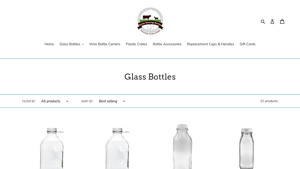
Domaine : betterbeveragebottles.com
Enregistré : 2015 (10 ans)
Introduction : We are a small sustainability-focused homestead supply company located in Dyke, Virginia USA. We are happy to answer any questions you may have, please contact us or stop by for a visit….
9. StanPac – Glass Bottles & Jars
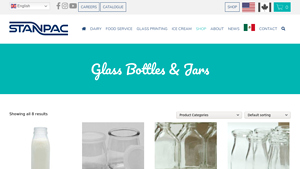
Domaine : stanpacnet.com
Enregistré : 1999 (26 ans)
Introduction :
For over 75 years, Stanpac has been manufacturing dairy and beverage packaging for companies located throughout the United States, Canada and many locations worldwide. Back in 1949, Stanpac provided closures for glass milk bottles. Since then, we have continually expanded our product lines with new products and innovations for the ice cream, fluid milk, wine and spirits, and most recently, food service packaging markets.
The evolution of a great company continues with the introduction of new products, sizes and configurations for an ever changing market. With 7 patents in more than 20 countries, we are recognized by our customers as innovative and customer focused.
...
Strategic Sourcing Conclusion and Outlook for glass bottle
The glass bottle industry presents a wealth of opportunities for international B2B buyers, especially in emerging markets across Africa, South America, the Middle East, and Europe. Strategic sourcing in this sector involves not only selecting suppliers based on price but also assessing quality, sustainability, and design to enhance brand value. The growing consumer preference for eco-friendly packaging solutions underscores the importance of choosing glass, which is recyclable and free from harmful chemicals, thus appealing to environmentally conscious markets.
Leveraging bulk purchasing options and customized designs can lead to significant cost savings and improved product differentiation. As buyers navigate the complexities of global sourcing, building strong relationships with reliable suppliers can foster innovation and ensure supply chain resilience.
Looking ahead, the demand for glass bottles is expected to rise as industries ranging from cosmetics to food and beverages increasingly prioritize quality and sustainability. Now is the time for international buyers to capitalize on these trends by actively exploring partnerships that align with their strategic goals. Engage with suppliers who share your vision for sustainability and innovation to secure a competitive edge in the marketplace.




 French
  English
  Russian
  Spanish
  Italian
  Thai
Thai  Arabic
  Portuguese
  Indonesian
  German






