

Introduction: Navigating the Global Market for perfume bottle
In an increasingly competitive landscape, sourcing high-quality perfume bottles poses a significant challenge for B2B buyers, particularly in regions like Africa, South America, the Middle East, and Europe. With a diverse array of options available, from elegant glass designs to practical roll-on and spray mechanisms, understanding the nuances of perfume bottle selection is crucial for brands aiming to enhance their product offerings. This comprehensive guide delves into the various types of perfume bottles, their applications, and the critical factors to consider when sourcing them, including supplier vetting, customization options, and pricing strategies.
Navigating the global market for perfume bottles involves more than just selecting a product; it requires a strategic approach to ensure alignment with brand identity and consumer preferences. This guide empowers international B2B buyers by providing actionable insights and best practices, enabling them to make informed purchasing decisions that align with their unique market demands. Whether you are a fragrance manufacturer seeking to elevate your packaging or a distributor aiming to meet the diverse needs of your clientele, our resource offers valuable knowledge to streamline your sourcing process. With a focus on quality, functionality, and aesthetic appeal, this guide is your essential companion in the quest for the perfect perfume packaging solution.
Understanding perfume bottle Types and Variations
| พิมพ์ชื่อ | คุณสมบัติเด่นที่สำคัญ | แอปพลิเคชัน B2B หลัก | ข้อดีและข้อเสียโดยย่อสำหรับผู้ซื้อ |
|---|---|---|---|
| Glass Perfume Bottles | High-quality, customizable, various sizes and designs | High-end fragrance brands, luxury markets | Pros: Elegant, customizable; Cons: Fragile, heavier to ship. |
| Roll-On Bottles | Small, portable, typically with a rollerball applicator | Travel-size products, personal fragrance lines | Pros: Easy to apply, compact; Cons: Limited capacity, slower application. |
| Fine Mist Spray Bottles | Designed for fine mist dispersion, various neck sizes | Perfume, body sprays, and home fragrances | Pros: Even distribution, versatile; Cons: Can clog if not maintained. |
| Boston Round Bottles | Classic round shape, often made of amber or clear glass | Essential oils, aromatherapy, and samples | Pros: Cost-effective, durable; Cons: Less visually appealing. |
| Tinted Glass Bottles | Colored glass to protect contents from UV light | Organic and natural fragrance brands | Pros: Protects fragrance integrity; Cons: Limited visibility of contents. |
What Are the Key Characteristics of Glass Perfume Bottles?
Glass perfume bottles are characterized by their high-quality materials and customizable designs, making them ideal for high-end fragrance brands. Available in various sizes and shapes, these bottles offer an elegant presentation that enhances brand identity. When considering B2B purchases, companies should evaluate customization options, stock availability, and the potential for branding through screen printing or coatings.
How Do Roll-On Bottles Serve the Market?
Roll-on bottles are typically compact and feature a rollerball applicator, making them perfect for travel-sized products and personal fragrance lines. They allow for precise application, which appeals to consumers seeking convenience. Buyers in the B2B space should consider the materials used for the rollerball to ensure durability and the overall aesthetic to align with their brand image.
What Makes Fine Mist Spray Bottles a Popular Choice?
Fine mist spray bottles are designed for optimal dispersion of liquids, making them suitable for perfumes, body sprays, and home fragrances. They come in various neck sizes, allowing compatibility with different spray pumps. B2B buyers should focus on the functionality of the spray mechanism and ease of maintenance to avoid clogging issues, which can impact product performance.
Why Choose Boston Round Bottles for Essential Oils?
Boston round bottles are a classic choice for essential oils and aromatherapy products, often made from amber or clear glass. Their round shape is not only practical but also cost-effective for bulk purchases. Buyers should consider the durability and aesthetic appeal of these bottles, as they may need to balance cost with visual presentation in their product lines.
How Do Tinted Glass Bottles Benefit Organic Brands?
Tinted glass bottles provide protection against UV light, which is particularly beneficial for organic and natural fragrance brands. This feature helps maintain the integrity of the fragrance over time. B2B buyers should assess the balance between aesthetic appeal and functional protection when selecting tinted options, as these considerations can significantly impact product longevity and customer satisfaction.
Key Industrial Applications of perfume bottle
| อุตสาหกรรม/ภาคส่วน | Specific Application of perfume bottle | มูลค่า/ประโยชน์ต่อธุรกิจ | ข้อควรพิจารณาในการจัดหาแหล่งข้อมูลที่สำคัญสำหรับแอปพลิเคชันนี้ |
|---|---|---|---|
| Fragrance Manufacturing | Custom fragrance lines in glass bottles | Enhances brand identity and product appeal through aesthetics | Quality of glass, customization options, and volume capacity |
| Cosmetics and Personal Care | Perfume packaging for cosmetic brands | Provides a luxury feel, attracting higher-end consumers | Compatibility with cosmetic formulations and regulatory standards |
| Retail and E-commerce | Bulk purchasing for retail distribution | Cost-effective sourcing for high-demand products | Shipping logistics, minimum order quantities, and lead times |
| Gift and Specialty Retail | Seasonal or promotional gift sets | Creates unique offerings that drive customer engagement | Customization options and design flexibility |
| Hospitality and Events | Personalized scent bottles for events | Enhances guest experience and brand recognition | Custom branding options and volume requirements |
How Is the Perfume Bottle Used in Fragrance Manufacturing?
In the fragrance manufacturing sector, perfume bottles serve as the primary packaging for custom fragrance lines. These bottles are often crafted from high-quality glass, which enhances the visual appeal and luxury perception of the product. For international buyers, especially from regions like Europe and the Middle East, sourcing bottles that can be easily customized is crucial. This allows manufacturers to create unique branding that resonates with local markets while ensuring compliance with international standards for packaging materials.
What Role Do Perfume Bottles Play in Cosmetics and Personal Care?
In cosmetics and personal care, perfume bottles are utilized for packaging fragrances that complement beauty products. Aesthetic appeal is paramount in this sector, as consumers often equate beautiful packaging with quality. Buyers from Africa and South America should prioritize bottles that not only meet aesthetic standards but also align with the chemical compatibility of cosmetic formulations. This ensures that the product maintains its integrity over time, addressing concerns about leakage or contamination.
Why Are Perfume Bottles Important for Retail and E-commerce?
For retail and e-commerce businesses, perfume bottles are essential for bulk purchasing and distribution of fragrance products. These businesses benefit from cost-effective sourcing that allows them to maintain competitive pricing while meeting consumer demand. International B2B buyers should consider the logistics of shipping and the minimum order quantities when sourcing bottles, as these factors can significantly impact profitability and inventory management.
How Are Perfume Bottles Used in Gift and Specialty Retail?
In gift and specialty retail, perfume bottles are often used for seasonal promotions or unique gift sets. These bottles can be customized to create exclusive offerings that enhance customer engagement and drive sales. Buyers should focus on customization options and design flexibility when sourcing, as these features can differentiate their products in a crowded market, particularly in regions with strong gifting traditions.
What Benefits Do Personalized Perfume Bottles Offer in Hospitality and Events?
Personalized perfume bottles are increasingly popular in the hospitality and events industry, where they are used to create memorable experiences for guests. These bottles can be customized with branding or event-specific designs, enhancing brand recognition and guest satisfaction. For B2B buyers in this sector, sourcing options should include consideration for customization capabilities and the ability to meet specific volume requirements, ensuring that they can deliver a cohesive brand experience at large events.
3 Common User Pain Points for ‘perfume bottle’ & Their Solutions
Scenario 1: Quality Assurance in Perfume Bottle Sourcing
The Problem: Many B2B buyers face significant challenges when sourcing high-quality perfume bottles. Inconsistent quality can lead to product returns, brand damage, and increased operational costs. Buyers often receive samples that look appealing but fail to meet the durability and aesthetic standards once in use. This is especially critical for brands in markets like Africa and the Middle East, where customer expectations for luxury and quality are high.
The Solution: To ensure quality, B2B buyers should prioritize sourcing from reputable manufacturers that offer extensive product specifications and quality assurance processes. Conducting thorough research on suppliers, including reading reviews and requesting certifications, can help mitigate risks. Additionally, buyers can order small quantities of various styles and materials to test in real-world conditions before committing to larger orders. Establishing clear communication with suppliers about expectations and standards is vital, as well as insisting on detailed product documentation to ensure compliance with local regulations and market needs.
Scenario 2: Customization Challenges for Brand Differentiation
The Problem: In a crowded fragrance market, standing out is essential, yet many buyers struggle with the limitations of off-the-shelf perfume bottle designs. Customization options can be inadequate, leaving brands with generic packaging that fails to convey their unique identity. This issue is particularly pronounced in regions like South America, where local brands are vying for consumer attention against established international names.
The Solution: Buyers should seek suppliers that specialize in customizable perfume bottles, offering various design options, materials, and finishing techniques. Working closely with these suppliers during the design phase can yield innovative packaging that resonates with target consumers. Buyers should also consider incorporating local cultural elements into their designs, which can enhance brand connection. Utilizing advanced technologies such as 3D modeling can help visualize potential designs before production, ensuring the final product aligns with brand values and market expectations.
Scenario 3: Logistics and Supply Chain Management
The Problem: Perfume bottle procurement often involves complex logistics, particularly for international buyers. Delays in shipping, customs issues, and inconsistent supply chain communication can lead to stock shortages, impacting sales and customer satisfaction. This is a critical concern for buyers in Europe and Africa, where timely product availability is linked to seasonal trends and promotional campaigns.
The Solution: To address these logistics challenges, B2B buyers should establish strong relationships with suppliers that have proven track records in reliable shipping and supply chain management. Utilizing vendors with local warehouses or distribution centers can help mitigate delays. Buyers can also implement inventory management systems that provide real-time tracking and forecasting capabilities, allowing for proactive ordering based on market trends and historical data. Engaging a logistics partner that specializes in international shipping can further streamline the process, ensuring timely delivery and compliance with all import/export regulations.
Strategic Material Selection Guide for perfume bottle
What Are the Key Properties of Glass as a Material for Perfume Bottles?
Glass is one of the most popular materials for perfume bottles due to its aesthetic appeal and chemical inertness. It offers excellent temperature resistance, allowing it to maintain the integrity of the fragrance under varying conditions. Glass also has high corrosion resistance, making it suitable for containing volatile substances without risk of leaching or reaction. However, it is fragile and can break easily, which may lead to increased shipping costs and product loss.
What Are the Advantages and Disadvantages of Using Plastic for Perfume Bottles?
Plastic, particularly PET and HDPE, is favored for its lightweight and shatterproof characteristics. It is less expensive than glass and can be molded into intricate designs, providing manufacturers with flexibility in branding. However, plastic may not offer the same level of barrier protection against air and UV light, which can compromise the fragrance over time. Additionally, certain plastics may not be compatible with specific fragrance components, leading to potential degradation.
How Does Aluminum Perform as a Material for Perfume Bottles?
Aluminum is increasingly used for perfume packaging due to its lightweight nature and recyclability. It provides an excellent barrier against light and air, which helps preserve the fragrance quality. Aluminum bottles can also be designed with various finishes, enhancing the product’s visual appeal. However, they may be more expensive than plastic and can be prone to dents and scratches, which may affect the overall presentation.
What Are the Considerations for Using Crystal in Perfume Bottles?
Crystal is often associated with luxury and high-end fragrances. Its clarity and brilliance provide an attractive presentation that appeals to consumers. Crystal bottles are durable and can be intricately designed, adding to the product’s exclusivity. However, the cost of crystal is significantly higher than other materials, which may not be feasible for all brands. Additionally, crystal is heavy and can increase shipping costs, making it less practical for mass production.
Summary of Material Selection for Perfume Bottles
| วัสดุ | Typical Use Case for perfume bottle | ข้อได้เปรียบหลัก | ข้อเสีย/ข้อจำกัดหลัก | ต้นทุนสัมพันธ์ (ต่ำ/กลาง/สูง) |
|---|---|---|---|---|
| กระจก | High-end fragrances, luxury brands | Aesthetic appeal and chemical inertness | Fragility and higher shipping costs | High |
| Plastic | Mass-market products, travel sizes | Lightweight and cost-effective | Potential compatibility issues with fragrances | ต่ำ |
| อลูมิเนียม | Eco-friendly brands, premium products | Excellent barrier properties and recyclability | Higher cost and susceptibility to dents | Medium |
| Crystal | Luxury fragrances, gift items | High aesthetic value and durability | Very high cost and increased shipping weight | High |
This strategic material selection guide provides insights into the properties, advantages, and limitations of various materials used in perfume bottles. Understanding these factors can help international B2B buyers make informed decisions that align with their brand identity and market demands.
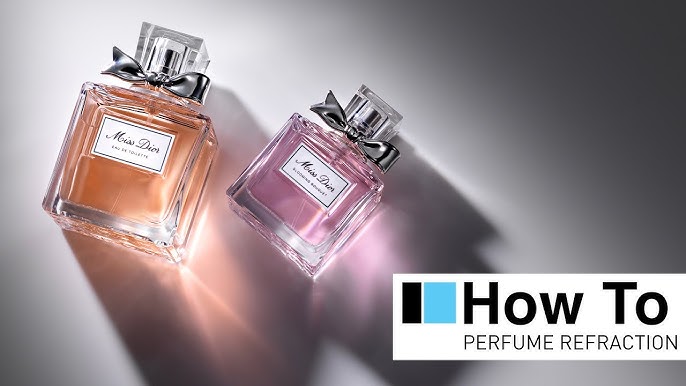
A stock image related to perfume bottle.
In-depth Look: Manufacturing Processes and Quality Assurance for perfume bottle
What Are the Key Stages in the Manufacturing Process of Perfume Bottles?
The manufacturing of perfume bottles involves several critical stages, each designed to ensure that the final product meets aesthetic, functional, and quality requirements.
Material Preparation: What Materials Are Commonly Used?
The primary materials used in perfume bottle manufacturing are glass, plastic, and metal. High-quality glass is favored for its ability to preserve the fragrance and enhance the product’s aesthetic appeal. The glass is sourced in various forms, including clear, colored, and frosted options. For plastic bottles, materials such as PET (polyethylene terephthalate) are common due to their lightweight and shatter-resistant properties. Metal components, often used in caps and spray mechanisms, are typically made from aluminum or stainless steel to ensure durability.
How Are Perfume Bottles Formed and Shaped?
Once the materials are prepared, the next step is forming and shaping the bottles. This is primarily achieved through techniques such as blow molding for glass bottles, which allows for intricate designs and uniform thickness. In this process, molten glass is inflated into a mold to achieve the desired shape. For plastic bottles, injection molding is frequently used, where heated plastic is injected into a mold, cooling and solidifying into the final shape.
What Are the Assembly and Finishing Processes?
After forming, the bottles undergo assembly, which includes attaching components such as spray pumps, caps, and decorative collars. This is often a manual process, ensuring precision in fitting and alignment. Following assembly, finishing processes enhance the bottle’s appearance and functionality. Techniques such as screen printing, coating, and labeling are employed to apply branding elements and protective layers. These processes not only improve aesthetics but also add functionality, such as UV protection for the fragrance.
What Are the Quality Assurance Standards for Perfume Bottles?
Quality assurance (QA) in perfume bottle manufacturing is paramount, especially for international B2B transactions. Compliance with international standards such as ISO 9001 ensures that manufacturers maintain a quality management system that meets customer and regulatory requirements.
Which International Standards Should B2B Buyers Be Aware Of?
Apart from ISO 9001, perfume bottle manufacturers may need to comply with other specific standards based on their target markets. For instance, CE marking indicates conformity with health, safety, and environmental protection standards for products sold within the European Economic Area. In regions like the Middle East and Africa, adherence to local regulations and standards can also be crucial for market entry.
What Are the Key Quality Control Checkpoints in Manufacturing?
Quality control (QC) is integrated into various stages of production, often categorized into three main checkpoints:
-
Incoming Quality Control (IQC): This involves inspecting raw materials upon arrival to ensure they meet specified standards. For glass, this may include checking for impurities or defects.
-
In-Process Quality Control (IPQC): Throughout the manufacturing process, random samples may be taken to assess the quality of the bottles being produced. This includes checking dimensions, weight, and visual defects.
-
Final Quality Control (FQC): After assembly and finishing, a thorough inspection is conducted on the final products to ensure they meet all quality standards before shipment.
What Common Testing Methods Are Used in Quality Assurance?
Manufacturers implement various testing methods to verify quality, including:
- Visual Inspections: Trained inspectors visually assess bottles for defects such as bubbles, scratches, or uneven finishes.
- Mechanical Testing: This includes pressure tests for spray pumps and drop tests to assess durability.
- Chemical Testing: Bottles may be tested for leachability to ensure that no harmful substances migrate from the container to the fragrance.
How Can B2B Buyers Verify Supplier Quality Control?
For international B2B buyers, verifying a supplier’s quality control processes is essential to ensure product reliability. Here are several actionable steps:
-
Supplier Audits: Conducting on-site audits can provide insight into the manufacturing environment, processes, and adherence to quality standards.
-
Requesting Quality Reports: Suppliers should be able to provide documentation of their quality control measures, including reports from IQC, IPQC, and FQC.
-
Third-Party Inspections: Engaging a third-party inspection service can offer an unbiased evaluation of the manufacturing processes and quality assurance practices.
What Are the Quality Control Nuances for International Buyers?
When sourcing from different regions, B2B buyers should be aware of specific nuances that can affect quality control:
-
Cultural Differences: Understanding local practices and standards can help buyers navigate potential challenges in quality assurance.
-
Supply Chain Complexity: In regions with intricate supply chains, ensuring that all components meet quality standards can be more challenging. Buyers should seek suppliers with a robust QC system that encompasses all aspects of production.
-
Regulatory Compliance: Different regions may have varying requirements for packaging materials, particularly concerning environmental standards. Ensuring compliance can avoid costly delays and rejections.
By understanding the manufacturing processes and quality assurance practices associated with perfume bottles, B2B buyers can make informed decisions, ensuring they partner with reliable suppliers that meet their quality expectations. This insight not only streamlines procurement processes but also enhances brand reputation in competitive markets.
Practical Sourcing Guide: A Step-by-Step Checklist for ‘perfume bottle’
In the competitive landscape of fragrance packaging, sourcing high-quality perfume bottles is a critical decision for B2B buyers. This guide provides a structured checklist to streamline the procurement process, ensuring that your selection meets both aesthetic and functional requirements.
Step 1: Define Your Technical Specifications
Clearly outlining the specifications of the perfume bottles you need is essential. Consider factors such as size (e.g., 10ml, 30ml, 50ml), material (glass or plastic), and design features (e.g., shape, color, and finish). This step will help you communicate effectively with suppliers and ensure that the products align with your brand’s identity and customer preferences.
Step 2: Research Potential Suppliers
Conduct thorough research to identify reliable suppliers. Look for companies that specialize in perfume packaging and have a strong reputation in the industry. Use online platforms, trade shows, and industry directories to gather a list of potential partners. Pay attention to their experience, product range, and customer reviews.
Step 3: Evaluate Supplier Capabilities
Before committing, it’s crucial to vet suppliers thoroughly. Request company profiles, case studies, and references from buyers in a similar industry or region. Evaluate their production capacity, customization options, and ability to meet your delivery timelines. This assessment will help ensure that the supplier can support your business needs effectively.
Step 4: Request Samples
Obtaining samples is a vital step in the sourcing process. This allows you to assess the quality of the bottles firsthand, including their durability, finish, and overall design. Ensure that the samples reflect the specifications you require, as this will be critical for maintaining product consistency in your offerings.
Step 5: Check Compliance and Certifications
Verify that the suppliers meet relevant industry standards and regulations. This includes checking for certifications related to quality control, environmental sustainability, and safety compliance. Suppliers should provide documentation to confirm that their products meet necessary legal requirements in your target markets, particularly if you’re sourcing from international vendors.
Step 6: Negotiate Terms and Pricing
Once you have selected a supplier, it’s time to discuss pricing and contractual terms. Be clear about your budget and any minimum order quantities. Consider negotiating payment terms, delivery schedules, and return policies. A well-defined agreement can help prevent misunderstandings and foster a strong business relationship.
Step 7: Plan for Logistics and Distribution
Finally, consider the logistics involved in getting your perfume bottles from the supplier to your location. Evaluate shipping options, costs, and delivery timelines. Ensure that the supplier has a reliable shipping process in place, as delays can impact your production and sales timelines.
By following this checklist, B2B buyers can effectively navigate the sourcing process for perfume bottles, ensuring that they select the best products that align with their business goals and customer expectations.
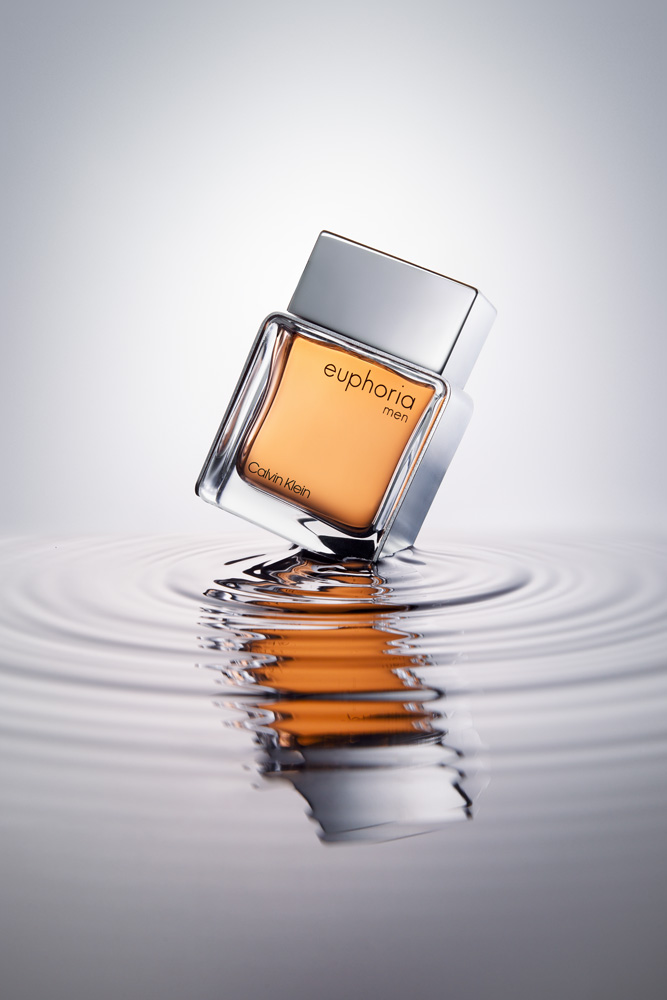
A stock image related to perfume bottle.
Comprehensive Cost and Pricing Analysis for perfume bottle Sourcing
What Are the Key Cost Components in Perfume Bottle Sourcing?
When sourcing perfume bottles, understanding the cost structure is crucial for effective budgeting and decision-making. The primary cost components include:
-
Materials: The choice of materials significantly impacts pricing. Glass, for example, is a premium choice that offers elegance and durability, while plastic alternatives may be less expensive but could compromise brand perception. High-quality glass bottles with refined finishes often come at a higher price point.
-
Labor: Labor costs vary based on the region of production and the complexity of the manufacturing process. Skilled labor is often required for custom designs and finishing touches, which can elevate costs.
-
Manufacturing Overhead: This encompasses indirect costs related to production, such as utilities, rent, and equipment depreciation. Efficient production processes can help reduce overhead, but this often requires investment in technology and training.
-
Tooling: Custom molds and tooling for unique bottle shapes or sizes can be a significant upfront investment. While these costs are amortized over larger production runs, they can affect pricing for smaller orders.
-
Quality Control (QC): Ensuring product quality is essential, particularly for high-end markets. The costs associated with QC processes, including testing and inspections, should be factored into the overall price.
-
Logistics: Shipping and handling costs vary based on the distance from the supplier and the chosen Incoterms. International shipping may involve additional tariffs and taxes, impacting the final cost.
-
Margin: Suppliers will typically add a markup to cover their costs and profit. Understanding typical margins in the perfume bottle industry can help buyers gauge fair pricing.
What Influences Pricing for Perfume Bottles in B2B Transactions?
Several factors influence the pricing of perfume bottles in a B2B context:
-
Volume/MOQ (Minimum Order Quantity): Higher order volumes generally lead to lower per-unit costs due to economies of scale. Suppliers may have strict MOQs that can significantly affect total costs.
-
Specifications and Customization: Custom designs, colors, and finishes often come with higher costs. Buyers should weigh the benefits of customization against their budget constraints.
-
Material Quality and Certifications: Bottles made from eco-friendly or certified materials can attract a premium price. Certifications may also be required for certain markets, adding to costs.
-
Supplier Factors: The supplier’s reputation, location, and production capabilities can affect pricing. Established suppliers may charge more for their reliability and quality assurance.
-
Incoterms: The choice of Incoterms will influence logistics costs and responsibilities. For instance, CIF (Cost, Insurance, and Freight) may include shipping costs, while EXW (Ex Works) places the onus on the buyer to manage logistics.
How Can Buyers Negotiate and Ensure Cost Efficiency in Perfume Bottle Procurement?
For international B2B buyers, especially those from regions like Africa, South America, the Middle East, and Europe, here are actionable tips:
-
Negotiate Terms: Always negotiate terms, including pricing, payment schedules, and delivery timelines. Leverage multiple quotes to strengthen your position.
-
Consider Total Cost of Ownership (TCO): Evaluate not just the purchase price but also logistics, storage, and potential wastage. A slightly more expensive bottle may offer better quality and lower TCO in the long run.
-
Understand Pricing Nuances: Familiarize yourself with market trends and typical pricing for various bottle types. This knowledge can help in identifying fair pricing and recognizing red flags.
-
Build Relationships with Suppliers: Cultivating long-term relationships can lead to better pricing, preferential treatment, and insights into upcoming trends or discounts.
-
Leverage Local Regulations: Understand the import regulations and taxes in your region, as these can significantly impact overall costs. Working with local suppliers can sometimes mitigate these issues.
In conclusion, a comprehensive understanding of the cost structure and pricing influencers in perfume bottle sourcing empowers B2B buyers to make informed decisions, ensuring both quality and cost-effectiveness in their procurement strategies.
Alternatives Analysis: Comparing perfume bottle With Other Solutions
Introduction: Understanding Alternatives in Perfume Packaging
In the competitive fragrance industry, selecting the right packaging solution is crucial for both brand identity and product functionality. While traditional perfume bottles remain a popular choice, several alternative packaging solutions can also fulfill similar purposes, each with distinct advantages and disadvantages. This analysis aims to provide B2B buyers with a comprehensive understanding of how these alternatives compare to traditional perfume bottles, facilitating informed decision-making.
Comparison Table
| Comparison Aspect | Perfume Bottle | Roll-On Applicator | Aluminum Spray Can |
|---|---|---|---|
| Performance | High aesthetic appeal; preserves fragrance integrity | Easy application; portable | Good for larger volumes; effective for long-lasting scent delivery |
| Cost | Moderate to high depending on material and design | Generally low-cost | Low to moderate, depending on customization |
| Ease of Implementation | Requires design and production time | Quick to fill and label | Straightforward manufacturing process |
| Maintenance | Fragile; requires careful handling | Durable; minimal maintenance | Recyclable but may require additional handling for refilling |
| Best Use Case | High-end fragrances; gift sets | Travel-sized perfumes; personal use | Mass-market products; promotional items |
Detailed Breakdown of Alternatives
Roll-On Applicator
Roll-on applicators are a practical alternative for fragrance packaging, especially for personal use. These compact containers allow users to apply perfume directly to the skin, making them ideal for on-the-go applications. The primary advantages include their affordability and ease of use, which cater well to the travel and personal care markets. However, the aesthetic appeal may not match that of traditional glass perfume bottles, which can be a disadvantage for luxury brands looking to create a high-end image.
Aluminum Spray Can
Aluminum spray cans are another alternative that offers a unique approach to fragrance packaging. These cans are lightweight and can be produced at a lower cost compared to glass bottles, making them suitable for mass-market fragrances. They provide effective scent delivery through fine mist sprays, ensuring an even application. However, the perception of quality can be an issue, particularly for high-end brands, as aluminum lacks the luxury feel associated with glass packaging. Additionally, sustainability concerns regarding single-use plastics may arise, though aluminum is recyclable.
Conclusion: Choosing the Right Packaging Solution for Your Needs
When considering the best packaging solution for perfumes, B2B buyers must weigh their brand’s identity, target market, and budget. Traditional perfume bottles offer a luxurious aesthetic that aligns well with high-end products, while roll-on applicators and aluminum spray cans provide cost-effective and practical alternatives for different market segments. Ultimately, the choice should reflect the intended use case, brand positioning, and customer preferences to ensure maximum impact and profitability in the competitive fragrance landscape.
Essential Technical Properties and Trade Terminology for perfume bottle
What Are the Key Technical Properties of Perfume Bottles?
When sourcing perfume bottles for B2B needs, understanding their technical properties is crucial. Here are some critical specifications that impact functionality, aesthetics, and brand identity:
1. Material Grade
The most common materials used in perfume bottles are glass, plastic, and metal. Glass, often considered the premium choice, provides an elegant appearance and is chemically inert, preventing reactions with fragrances. The grade of glass can affect its clarity, durability, and ability to be customized with finishes. Buyers should prioritize high-quality materials to ensure that the bottles not only look attractive but also maintain the integrity of the perfume.
2. Capacity
Perfume bottles come in various sizes, typically ranging from 5ml to 100ml or more. The nominal capacity refers to the volume of liquid the bottle can hold, while the brim capacity indicates the maximum fill level without spillage. Understanding these specifications is essential for meeting consumer preferences and regulatory requirements, especially in different markets.
3. Neck Finish and Compatibility
The neck finish (e.g., FEA 13, FEA 15) specifies the diameter and threading of the bottle opening, which is crucial for ensuring compatibility with closures like spray pumps and caps. A proper fit is vital for preventing leaks and ensuring the user experience remains intact. Buyers should ensure that their chosen bottle neck finish aligns with the accessories they plan to use.
4. Tolerance
Tolerance refers to the permissible variation in dimensions during manufacturing. For example, a bottle’s height or diameter may have a specified tolerance of ±0.5mm. This precision is particularly important for maintaining uniformity in large orders and ensuring compatibility with other packaging elements. High tolerance levels can indicate better manufacturing practices and higher quality control standards.
5. Finish and Customization Options
The finish of a perfume bottle, such as frosted, glossy, or colored, can significantly influence consumer perception. Many manufacturers offer customization options like screen printing, coating, and embossing to enhance brand visibility. This flexibility allows businesses to create distinctive packaging that resonates with their target market.
What Are Common Trade Terms in the Perfume Bottle Industry?
Understanding industry jargon is essential for effective communication and negotiation in B2B transactions. Here are some common terms that every buyer should know:
1. OEM (Original Equipment Manufacturer)
OEM refers to companies that produce parts or products that are marketed by another company under its brand name. In the context of perfume bottles, an OEM might manufacture bottles designed according to a specific brand’s specifications. This term is important for businesses looking to create custom packaging solutions.
2. MOQ (Minimum Order Quantity)
MOQ is the smallest number of units a supplier is willing to sell. Knowing the MOQ is crucial for budgeting and inventory management. For instance, if a supplier has an MOQ of 500 units, buyers need to assess whether they can absorb that volume based on their sales forecasts.
3. RFQ (Request for Quotation)
An RFQ is a formal document sent to suppliers to request pricing and terms for specific products. When sourcing perfume bottles, submitting an RFQ can help buyers compare costs and services from multiple vendors, ensuring they secure the best deal for their needs.
4. Incoterms (International Commercial Terms)
Incoterms define the responsibilities of buyers and sellers in international transactions, including shipping, insurance, and tariffs. Familiarity with these terms helps buyers understand their obligations and manage risks effectively. For example, terms like FOB (Free on Board) indicate that the seller covers all costs up to the shipping point.
5. Lead Time
Lead time refers to the duration from placing an order to receiving the goods. It is a critical factor for planning and inventory management, especially for businesses with seasonal demand. Understanding lead times allows companies to coordinate production schedules and optimize supply chain efficiency.
By grasping these essential technical properties and trade terminologies, B2B buyers can make informed decisions, ensuring that their perfume packaging solutions align with their brand and market expectations.
Navigating Market Dynamics and Sourcing Trends in the perfume bottle Sector
What Are the Current Market Dynamics and Key Trends Influencing the Perfume Bottle Sector?
The global perfume bottle market is experiencing robust growth driven by increasing consumer demand for luxury fragrances, especially in emerging markets like Africa, South America, the Middle East, and parts of Europe, including Vietnam and Saudi Arabia. Key trends include a shift towards personalized and customizable packaging, with brands seeking to enhance consumer experience through unique designs and finishes. This trend is supported by advancements in technology, enabling manufacturers to offer bespoke solutions that align with brand identities and consumer preferences.
Another significant trend is the adoption of e-commerce as a primary sales channel. With the rise of online shopping, B2B buyers are increasingly looking for suppliers who can provide fast shipping and a wide variety of products. Additionally, suppliers are leveraging digital platforms to showcase their offerings, making it easier for international buyers to access diverse product lines. The focus on aesthetics and functionality has led to innovations in bottle design, including the use of high-quality materials and ergonomic features that improve usability.
Furthermore, sustainability is becoming a core consideration, with brands and suppliers prioritizing eco-friendly materials and practices. This shift not only meets consumer demand for responsible products but also enhances brand reputation in a competitive marketplace. Overall, international buyers must remain agile, adapting to these evolving market dynamics to stay ahead in the perfume bottle sector.
How Is Sustainability Impacting the Sourcing of Perfume Bottles in B2B?
Sustainability is increasingly shaping the perfume bottle sourcing landscape, emphasizing the importance of ethical supply chains and environmentally friendly materials. The perfume industry faces scrutiny over its environmental impact, particularly concerning plastic waste and the carbon footprint associated with production and transportation. As such, many brands are now prioritizing partnerships with suppliers that demonstrate a commitment to sustainable practices.
Key to this movement is the adoption of ‘green’ certifications and the use of eco-friendly materials, such as recycled glass and biodegradable options. Suppliers that invest in sustainable practices not only contribute positively to the environment but also enhance their appeal to eco-conscious buyers. This is particularly relevant in markets like Europe, where regulatory frameworks are becoming more stringent regarding environmental standards.
For B2B buyers, sourcing from suppliers who prioritize sustainability can lead to long-term benefits, including reduced waste, improved brand loyalty, and compliance with evolving regulations. Additionally, incorporating sustainable packaging solutions can differentiate brands in a crowded marketplace, appealing to a growing segment of consumers who value eco-friendly products.
What Is the Historical Context of Perfume Bottles in B2B Markets?
The evolution of perfume bottles has been marked by shifts in consumer preferences and technological advancements. Historically, perfume packaging was primarily functional, serving merely to contain the fragrance. However, as the fragrance market expanded in the 19th and 20th centuries, the design of perfume bottles became a vital aspect of branding and marketing strategies.
Artistry in bottle design began to flourish, with manufacturers exploring various materials and forms to create unique and luxurious packaging. Glass became the material of choice due to its ability to preserve fragrance integrity while offering aesthetic versatility. The introduction of innovative closures and spray mechanisms further enhanced user experience, transforming perfume bottles into collectible items that reflect personal style.
Today, the perfume bottle sector continues to evolve, driven by technological advancements and a greater emphasis on sustainability. Understanding this historical context can help B2B buyers appreciate the significance of design and functionality in their sourcing decisions, ensuring they choose products that align with contemporary market demands.
Frequently Asked Questions (FAQs) for B2B Buyers of perfume bottle
-
How do I choose the right perfume bottle supplier for my business?
When selecting a perfume bottle supplier, consider factors such as product quality, customization options, minimum order quantities (MOQs), and lead times. Look for suppliers with a strong reputation in the industry and positive customer reviews. Request samples to assess quality firsthand, and inquire about their production capabilities to ensure they can meet your specific needs. Additionally, verify their compliance with international shipping standards and regulations, especially if you are sourcing from different continents like Africa or South America. -
What are the typical minimum order quantities (MOQs) for perfume bottles?
MOQs can vary significantly among suppliers, typically ranging from 50 to several thousand units depending on the bottle type and customization level. For standard bottles, the MOQ is often lower, while custom designs may require higher quantities. It’s essential to communicate your requirements clearly with potential suppliers to find one that aligns with your business needs. Additionally, some suppliers may offer flexibility on MOQs for first-time buyers or bulk orders, making it worthwhile to negotiate. -
What payment terms should I expect when sourcing perfume bottles internationally?
Payment terms can differ widely depending on the supplier’s policies and your negotiation. Common practices include upfront payments ranging from 30% to 50% upon order confirmation, with the remainder due before shipping. Some suppliers may offer net payment terms (e.g., 30 or 60 days post-delivery) for established relationships. It’s crucial to clarify these terms in your contract to avoid misunderstandings. Consider using secure payment methods, such as letters of credit or escrow services, to protect your transactions. -
How can I ensure the quality of perfume bottles before placing a large order?
To guarantee quality, request samples from potential suppliers before committing to a bulk order. Assess the materials, craftsmanship, and finish of the bottles. Additionally, inquire about their quality assurance processes, including any certifications (e.g., ISO standards) they may hold. If possible, visit the manufacturing facility or conduct a third-party inspection to evaluate production practices. Establishing clear quality expectations in your contract can also help mitigate risks associated with product defects. -
What customization options are available for perfume bottles?
Many suppliers offer a variety of customization options, including different shapes, colors, sizes, and materials. You can also request custom labeling, printing, or coatings to enhance brand identity. Discuss your specific design ideas with the supplier to understand what is feasible within their production capabilities. Additionally, inquire about the associated costs and lead times for customized orders to ensure they align with your project timeline. -
What are the logistics considerations when importing perfume bottles?
When importing perfume bottles, consider shipping methods, costs, and import regulations specific to your country. Air freight is faster but more expensive, while sea freight is more cost-effective for large orders but takes longer. Ensure that your supplier provides the necessary documentation, such as bills of lading and customs declarations, to facilitate smooth customs clearance. Familiarize yourself with any import duties and taxes that may apply to your shipment to avoid unexpected costs. -
How do I handle potential shipping delays or issues?
To manage shipping delays, maintain open communication with your supplier regarding production timelines and shipping schedules. It’s advisable to build buffer time into your inventory planning to accommodate unforeseen delays. Familiarize yourself with the shipping process and have contingency plans in place, such as alternative suppliers or emergency stock. If issues arise, promptly contact the shipping carrier and your supplier to resolve them efficiently, ensuring you minimize disruptions to your business operations. -
What should I know about international trade regulations affecting perfume bottles?
International trade regulations can impact the import and export of perfume bottles, including compliance with safety and labeling standards. Research the specific regulations in your target markets, as these can vary by country and region. Ensure your supplier adheres to relevant regulations, such as those related to materials used in packaging. Additionally, be aware of any tariffs or trade agreements that may affect pricing and availability, and consult with a trade expert if necessary to navigate these complexities effectively.
Important Disclaimer & Terms of Use
⚠️ Important Disclaimer
The information provided in this guide, including content regarding manufacturers, technical specifications, and market analysis, is for informational and educational purposes only. It does not constitute professional procurement advice, financial advice, or legal advice.
While we have made every effort to ensure the accuracy and timeliness of the information, we are not responsible for any errors, omissions, or outdated information. Market conditions, company details, and technical standards are subject to change.
B2B buyers must conduct their own independent and thorough due diligence before making any purchasing decisions. This includes contacting suppliers directly, verifying certifications, requesting samples, and seeking professional consultation. The risk of relying on any information in this guide is borne solely by the reader.
Top 6 Perfume Bottle Manufacturers & Suppliers List
1. Stocksmetic – Glass Perfume Bottles Collection
Domain: stocksmetic.com
Registered: 2013 (12 years)
Introduction: Glass perfume bottles collection designed for high-end fragrance brands and manufacturers. Features include: various sizes and designs, high-quality glass, refined finishes, compatibility with FEA 13 and FEA 15 accessories (spray pumps, caps, decorative collars), customization options (screen printing and coating), immediate availability, and aesthetic functionality. Specific products include: 30 …
2. Thierry Mugler – Angel & Alien, XINÚ, Guerlain – Bee Bottles & Shalimar
Domain: reddit.com
Registered: 2005 (20 years)
Introduction: 1. Thierry Mugler Angel – Unique design, considered beautiful. 2. Thierry Mugler Alien – Unique design, considered beautiful. 3. XINÚ – Bottles can be repurposed into vases or holders. 4. Guerlain Bee Bottles – Intricate design, appealing to some, but not universally liked. 5. Shalimar by Guerlain – Beautiful bottle, even if the fragrance is not favored by some. 6. Van Cleef and Arpels Feerie – En…
3. Calaso – Premium Glass Perfume Bottles

Domain: calaso.com
Registered: 2013 (12 years)
Introduction: Premium glass perfume bottles available in various sizes (30ml, 50ml, 100ml) and shapes (rectangle, round, square). Made from high-quality materials including flint glass, amber glass, and frosted glass. Features industry-standard FEA crimp neck for compatibility with various closures. Decoration options include screen printing, pad printing, hot stamping, and metallisation. Fast worldwide deliver…
4. Ghulam Abbas – Perfume Bottle Design

Domain: pinterest.com
Registered: 2009 (16 years)
Introduction: perfume bottle design, 181 Pins, By Ghulam Abbas, includes various fragrances such as Tory Burch, Christian Dior, Jimmy Choo, Tom Ford Santal Blush, Elie Saab Le Parfum, and YSL LIBRE Eau de Parfum Intense. Related interests include Luxury perfume, Vintage perfume bottles, and Antique Perfume Bottles.
5. Ajanta Bottle – Perfume Glass Bottles

Domain: ajantabottle.com
Registered: 2006 (19 years)
Introduction: Ajanta Bottle Pvt Ltd offers a variety of perfume glass bottles available online. The minimum order value is Rs 10,000/-. The company provides products for various industries including cosmetics and perfumes, with specific categories for perfume bottles, cream jars, roll-on bottles, serum bottles, and nail polish bottles. They have multiple locations in Delhi, Mumbai, and Ahmedabad, and provide co…
6. Packamor – Wholesale Perfume Bottles & Boxes

Domain: packamor.com
Registered: 2023 (2 years)
Introduction: Wholesale perfume bottles and boxes for perfumes. Products include empty glass perfume bottles, mini sample vials, roll-on bottles, luxury perfume boxes, and custom labels. Available sizes: 2ml tester vials, 10ml roll-on bottles, 15ml, 30ml, and 50ml glass perfume bottles. Customizable options include matte-black, silver, or gold caps, frosted or matte-black glass, metallic foiling, and custom pri…
Strategic Sourcing Conclusion and Outlook for perfume bottle
What Are the Key Insights for Strategic Sourcing in Perfume Bottles?
In summary, effective strategic sourcing of perfume bottles is essential for B2B buyers seeking to enhance their brand identity and product presentation. The diverse range of options—from elegant glass designs to customizable features—allows businesses to select packaging that aligns with their brand ethos. Understanding regional preferences and logistical considerations is crucial, particularly for buyers from Africa, South America, the Middle East, and Europe. Establishing relationships with reliable suppliers can lead to cost savings and improved supply chain efficiency.
How Can International Buyers Benefit from Strategic Sourcing?
Investing in high-quality perfume bottles not only elevates the product’s perceived value but also contributes to a sustainable packaging strategy. As global trends shift towards eco-friendly solutions, sourcing bottles made from recyclable materials can position your brand as a responsible market player.
What’s Next for B2B Buyers in the Perfume Bottle Market?
Now is the time to leverage these insights and make informed decisions that will propel your brand forward. Engage with suppliers, explore customization options, and consider the long-term benefits of strategic sourcing. By doing so, you can ensure your offerings stand out in a competitive market, fostering growth and success in your international ventures.




 Thai
Thai  English
  Russian
  Spanish
  Italian
  French
  Arabic
  Portuguese
  Indonesian
  German






