

Introduction: Navigating the Global Market for Custom Nail Polish Bottles
Sourcing custom nail polish bottles for regulatory-compliant global distribution presents a multifaceted challenge for international procurement teams navigating today’s fragmented manufacturing landscape. Whether you are launching a premium nail care line in Riyadh, expanding distribution networks across São Paulo and Lagos, or securing sustainable glass packaging for the German market, identifying manufacturers capable of delivering Pantone-matched coatings and FDA-compliant soda-lime glass requires strategic insight far beyond standard catalog browsing.
Why Do B2B Buyers Across Africa, the Middle East, and South America Face Unique Sourcing Challenges?
Buyers operating in these diverse markets—from Johannesburg to Jeddah and Buenos Aires—encounter distinct hurdles when vetting suppliers for customizable nail polish packaging. These include verifying SGS environmental certifications, negotiating flexible MOQs for specialized cap molds and brush assemblies, and ensuring lead time reliability for complex surface treatments like UV coating and water transfer printing. The absence of standardized customization protocols frequently results in costly mold revisions, misaligned packaging specifications, and compliance gaps that delay market entry and erode profit margins.
How Will This Guide Empower Your Informed Procurement Decisions?
This comprehensive resource dismantles these barriers by examining technical specifications—from white opal glass durability to FEA 13 sealing standards—alongside regional regulatory frameworks and logistics optimization strategies. You will discover actionable frameworks for supplier vetting, cost-benefit analysis for wood-grain versus acrylic cap materials, and quality assurance protocols tailored to European and Middle Eastern import requirements. By integrating mold development timelines with market-specific compliance insights, this guide equips you to secure packaging partnerships that elevate brand positioning while maintaining the rigorous quality controls essential for global competitiveness.
Understanding Custom Nail Polish Bottles Types and Variations
| Tipo Nombre | Principales rasgos distintivos | Aplicaciones B2B principales | Breves pros y contras para los compradores |
|---|---|---|---|
| Standard Clear Soda-Lime Glass | FDA-compliant, recyclable, transparent finish, compatible with FEA 13 neck finish | Mass-market nail polish brands, private label cosmetics, budget-conscious product lines in Africa and South America | Pros: Cost-effective, fast production, eco-friendly, SGS-certified materials; Cons: Limited shelf differentiation, requires strong label design for branding |
| UV Gel Polish Glass Bottles | Thicker glass walls, specialized neck threads for gel viscosity, light-blocking tint options | Salon-grade UV/LED gel polish brands, professional nail supply distributors in Germany and Saudi Arabia | Pros: Optimized for thick formulas, premium positioning, temperature stable; Cons: Higher unit cost, specific cap/brush compatibility required |
| Opal White & Frosted Glass | White opal or translucent frosted finish, superior surface for hot stamping/UV printing | Luxury cosmetic brands, organic/natural polish lines, premium gift sets in European markets | Pros: Premium aesthetic, hides product sediment, excellent print adhesion; Cons: Higher material cost, longer lead times, elevated MOQ requirements |
| Custom Mold Proprietary Shapes | Unique silhouettes beyond standard cylinder/square, requires dedicated mold development | High-end niche brands, celebrity collaborations, limited edition collections seeking IP protection | Pros: Maximum brand differentiation, proprietary assets; Cons: High upfront mold costs, 4-6 week lead times, very high MOQ requirements |
What Are the Benefits of Standard Soda-Lime Glass Bottles for Bulk Orders?
Standard soda-lime glass bottles represent the industry benchmark for B2B buyers prioritizing regulatory compliance and supply chain efficiency. These containers meet US FDA standards for lead and cadmium content while offering full recyclability—a critical selling point for environmentally conscious markets in Europe and the Middle East. With established FEA 13 neck finishes ensuring compatibility with standard caps and brushes, these bottles minimize component sourcing complexity and optimize palletization for international shipping. For buyers in Africa and South America, the cost-effectiveness, SGS-certified material safety, and shorter lead times of stock glass molds make this type ideal for high-volume, fast-moving consumer goods where price competitiveness drives market penetration.
How Do UV Gel Polish Bottles Differ from Standard Nail Polish Containers?
UV gel polish bottles require specific engineering to accommodate higher viscosity formulas and prevent premature curing from light exposure. Distinguished by thicker glass walls and precision-engineered neck threads, these containers maintain product integrity during storage and application in high-temperature climates common in Middle Eastern and African markets. B2B buyers targeting professional salon sectors in Saudi Arabia and Germany should verify compatibility with gel-specific brushes and caps, as standard FEA 13 components may not provide adequate sealing for gel consistencies. While the technical specifications demand rigorous quality control and slightly higher unit costs, the resulting premium positioning commands significantly higher wholesale margins in professional beauty markets.
When Should B2B Buyers Choose Opal White or Frosted Glass Bottles?
Opal white and frosted glass bottles offer sophisticated aesthetic solutions for brands targeting luxury, organic, or therapeutic market segments. The opaque white opal glass conceals product sediment while providing an exceptional substrate for hot stamping, UV printing, and lacquering—decorative techniques that elevate perceived value in competitive German and European retail environments. Frosted finishes achieved through acid etching create tactile luxury cues essential for premium gift sets and boutique collections. Buyers should note that these specialized glass treatments require extended production schedules and higher minimum order quantities compared to standard clear glass, but enable 30-40% premium pricing strategies that enhance profit margins.
What Are the Key Considerations for Developing Custom Mold Nail Polish Bottles?
Custom molded bottles enable complete brand differentiation through proprietary silhouettes that command immediate shelf recognition and prevent competitor replication. This variation involves collaborative design-to-manufacture processes, typically requiring 4-6 weeks for mold completion following drawing approval, plus associated mold investment fees. While upfront costs and MOQ thresholds exceed stock options, the resulting intellectual property protection and unique brand assets justify investment for established distributors launching exclusive lines or celebrity collaborations in sophisticated markets. Successful procurement requires detailed technical drawings, material thickness specifications for shipping durability, and precise Pantone color matching for coordinated cap and bottle coating.
Key Industrial Applications of Custom Nail Polish Bottles
| Industria/Sector | Specific Application of Custom Nail Polish Bottles | Valor/beneficio para la empresa | Consideraciones clave para el aprovisionamiento de esta aplicación |
|---|---|---|---|
| Premium Cosmetics & Beauty Brands | Private-label lines with Pantone-matched coatings, embossed logos, and UV-printed branding on white opal or soda-lime glass | Market differentiation, premium shelf appeal, enhanced brand recognition in competitive retail environments | FDA-compliant materials, EU cosmetic regulation adherence, Pantone color accuracy, UV-resistant lacquering for high-heat climates |
| Professional Salon Supply Distributors | UV gel-compatible bottles with ergonomic FEA 13 screw caps and specialized brushes for high-viscosity formulas | Durability for high-frequency salon use, chemical resistance, compatibility with automated filling systems | SGS certification, acetone-resistant glass, standardized FEA 13 neck dimensions, 4-6 week mold-to-production timelines |
| Hospitality & Corporate Gifting | Branded 10ml amenity bottles with wood-grain caps, frosting, or metallic finishes for luxury spa kits and promotional merchandise | Luxury brand visibility, enhanced guest experience, compact travel-friendly sizing for amenities | Low MOQ flexibility for seasonal campaigns, rapid prototyping capabilities, cultural aesthetic customization for regional preferences |
| Pharmaceutical & Wellness | Medicated nail treatment packaging in opaque white opal glass with tamper-evident and child-resistant sealing options | Protection for light-sensitive active ingredients, compliance with medical-grade standards, safety assurance | SGS-certified pharmaceutical-grade materials, UV-protection capabilities, recyclable soda-lime glass meeting environmental standards |
| E-commerce Private Label Brands | Unique bottle silhouettes with decal printing and multi-layer lacquering for subscription boxes and viral unboxing experiences | Social media differentiation, brand storytelling, scalable DTC packaging that drives digital engagement | Agile mold modification, mold cost amortization across production runs, sample turnaround within one week |
How Do Premium Beauty Brands Leverage Custom Nail Polish Bottles for Market Differentiation?
Custom nail polish bottles enable beauty brands to establish distinct market positioning through bespoke packaging that aligns precisely with brand identity and target demographics. Manufacturers can utilize white opal glass or transparent soda-lime options with Pantone-matched coatings, hot stamping, and UV printing to create luxury aesthetics that command premium pricing. For European markets like Germany, strict compliance with EU cosmetic packaging regulations and FDA standards is essential, while African and Middle Eastern buyers prioritize UV-resistant lacquering and heat-stable materials to withstand high-temperature climates without degradation or color fading.
What Role Do Custom Nail Polish Bottles Play in Professional Salon Supply Chains?
Salon distributors require industrial-grade packaging solutions that withstand frequent handling and aggressive chemical exposure inherent in professional nail care settings. Custom bottles featuring standardized FEA 13 screw necks ensure compatibility with automated filling systems and universal cap replacements, while specialized brushes accommodate viscous UV gel formulations common in modern salons. Buyers from South America and

A stock image related to Custom Nail Polish Bottles.
3 Common User Pain Points for ‘Custom Nail Polish Bottles’ & Their Solutions
Scenario 1: What is the Minimum Order Quantity for Custom Nail Polish Bottles?
El problema: Emerging beauty brands and distributors across Africa, South America, and the Middle East frequently encounter prohibitive MOQs of 30,000 to 50,000 units when requesting fully bespoke glass bottle molds. For small-to-medium enterprises testing new market penetration or seasonal color collections, this capital requirement creates significant inventory risk and cash flow strain. Many buyers resort to generic, undifferentiated packaging that fails to establish brand equity, or delay launches entirely while accumulating sufficient order volume.
La solución: Implement a hybrid customization strategy utilizing stock white opal or transparent glass bottles in standard volumes (10ml–15ml), paired with low-MOQ decorative techniques. Reputable manufacturers offer customization through hot stamping, UV coating, lacquering, or specialized cap materials (acrylic, wood-grain water transfer printing) at thresholds of 3,000–5,000 units. This approach allows for distinctive shelf presence and private label branding without the upfront mold investment, enabling market validation before committing to exclusive bottle designs.
Scenario 2: How to Ensure Regulatory Compliance for EU and US Distribution?
El problema: B2B buyers targeting regulated markets like Germany (REACH compliance) or exporting to the United States face severe penalties and customs rejections when nail polish bottles contain excessive lead or cadmium levels in colored coatings. Additionally, sourcing bottles, caps, and brushes from fragmented suppliers often results in incompatible components that fail leakage tests or lack unified safety certifications (SGS, FDA). The administrative burden of verifying compliance across multiple vendors creates documentation gaps and shipment delays.
La solución: Partner with vertically integrated manufacturers who control the entire production ecosystem—from soda-lime glass molding to cap and brush assembly—ensuring all materials meet US FDA standards for heavy metals and environmental regulations. Demand comprehensive pre-shipment inspection reports and verify that bottles utilize standardized FEA 13 neck finishes to guarantee hermetic sealing. Selecting suppliers with existing SGS certifications eliminates redundant testing costs and provides single-source accountability for regulatory adherence.
Scenario 3: What is the Typical Lead Time for Producing Wholesale Custom Nail Polish Bottles?
El problema: Extended production timelines—typically 8 to 10 weeks for mold creation followed by 4 to 6 weeks of mass production—frequently disrupt seasonal marketing campaigns and retail launch windows. When buyers coordinate separate vendors for glass manufacturing, Pantone color matching, and brush assembly, communication lags and quality inconsistencies compound delays. This fragmentation proves particularly challenging for European buyers requiring just-in-time inventory strategies, resulting in stockouts during peak demand periods or excess warehousing costs.
La solución: Engage manufacturers offering concurrent engineering capabilities where mold design, glass production, and cap/brush manufacturing occur under unified project management. Streamlined workflows can compress total lead times to 4–6 weeks by eliminating inter-factory coordination delays. Ensure your supplier provides detailed production schedules with milestone-based approvals (drawing confirmation, mold completion, sample approval) and maintains buffer stock of standard components. This integrated approach minimizes time-to-market while ensuring component compatibility and consistent quality control throughout the supply chain.
Strategic Material Selection Guide for Custom Nail Polish Bottles
Selecting the optimal substrate for custom nail polish packaging requires balancing chemical compatibility, logistical durability, and regional regulatory frameworks. Material selection directly influences not only product preservation but also freight economics, customs compliance, and shelf appeal across diverse international markets from Germany to South Africa. Understanding the distinct performance profiles of available materials enables procurement teams to align packaging specifications with specific climatic conditions, distribution channels, and sustainability mandates prevalent in their target regions.
What Are the Performance Characteristics of Soda-Lime Glass for High-Volume Distribution?
Soda-lime glass constitutes approximately 75% of global nail polish bottle production, offering exceptional chemical resistance to acet
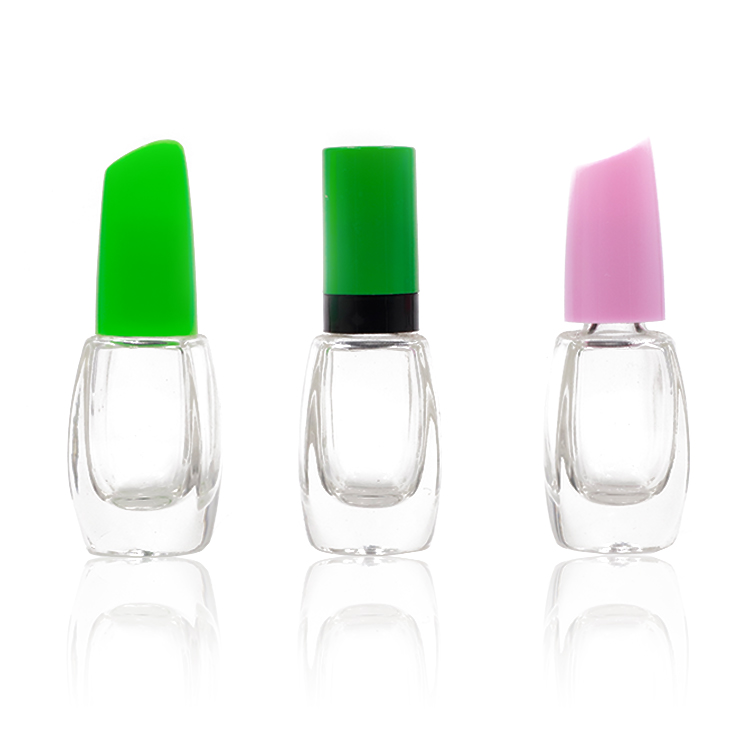
A stock image related to Custom Nail Polish Bottles.
In-depth Look: Manufacturing Processes and Quality Assurance for Custom Nail Polish Bottles
Understanding the technical workflow behind custom nail polish bottle production enables procurement teams to set realistic timelines, evaluate supplier capabilities, and mitigate risks associated with international sourcing. Whether you are developing a private label cosmetics line in São Paulo or sourcing packaging for a luxury nail salon chain in Riyadh, familiarity with glass manufacturing protocols and quality assurance checkpoints ensures your packaging meets both regulatory requirements and brand aesthetic standards while withstanding the logistical demands of cross-continental shipping.
How Are Custom Nail Polish Bottles Manufactured from Raw Materials to Finished Goods?
Premium nail polish bottles typically utilize soda-lime glass or white opal glass, materials selected for their chemical resistance to solvents like acetone and ethyl acetate. The manufacturing process begins with raw silica sand, soda ash, and limestone melted at temperatures exceeding 1,700°C to form molten glass. For custom shapes, manufacturers create precision aluminum or steel molds based on client-approved technical drawings. The glassblowing process—either automated press-and-blow or blow-and-blow methods—forms the bottle body, followed by annealing in controlled cooling tunnels to eliminate internal stress and prevent thermal cracking during filling and transportation.
Concurrently, cap components undergo injection molding using ABS, acrylic, or sustainable wood-composite materials. Brush assemblies require filament selection (nylon or DuPont fibers) and crimping precision to ensure consistent polish application. Reputable manufacturers integrate these components in-house or through certified partner facilities to maintain supply chain integrity, particularly critical when coordinating FEA 13 standard screw neck specifications that must match precisely with cap threading to prevent leakage.
What Quality Standards Should B2B Buyers Verify for Nail Polish Glass Bottles?
Regulatory compliance varies by destination market, making certification verification critical for cross-border trade into Europe, the Middle East, and Africa. European buyers must ensure compliance with EU Regulation 1935/2004 for food contact materials and REACH standards, while Middle Eastern importers often require SASO certification for glass imports. For North American distribution, FDA compliance regarding lead and cadmium content (typically below 5-10 ppm) remains mandatory, ensuring no heavy metal migration occurs through the glass matrix.
Request third-party testing documentation from suppliers, specifically SGS or Bureau Veritas certificates validating heavy metal content, thermal shock resistance, and dimensional accuracy. Additionally, verify leak-proof testing protocols—quality manufacturers conduct vacuum sealing tests and brush-cap torque testing to prevent evaporation during storage and transit through hot climates common in African and Middle Eastern supply chains.
How Long Does the Custom Mold Development Process Take for Private Label Bottles?
Custom mold creation represents the longest lead time in bespoke packaging projects. Upon receiving your technical drawings or physical samples, engineering teams typically require 5-7 business days to assess feasibility, calculate glass weight distribution, and provide mold cost quotations. Once approved, precision CNC machining of mold cavities takes approximately 4 weeks, followed by trial runs and sample approval processes.
The complete development cycle—from initial deposit to mass production readiness—generally spans 8-10 weeks. Factor in additional time for Pantone color matching and surface treatment approvals. For African and South American markets where import timelines are critical and cash flow considerations are paramount, consider negotiating mold retention agreements with suppliers to expedite reorder lead times for successful SKUs, potentially reducing subsequent orders to 4-6 weeks.
What Surface Decoration Techniques Ensure Brand Differentiation in Cosmetic Packaging?
Beyond structural design, surface finishing transforms standard bottles into luxury brand assets that command premium shelf positioning. UV coating and lacquering provide high-gloss durability and scratch resistance essential for retail environments in competitive European markets. Hot stamping and silk-screen printing offer metallic and opaque color options with precise logo reproduction, while water transfer printing enables sophisticated wood-grain or marble effects without the cost and variability of natural materials.
Frosting treatments—achieved through acid etching or sandblasting—create tactile luxury finishes particularly popular in German and Nordic markets. For brands targeting eco-conscious consumers in emerging Middle Eastern luxury sectors, consider water-based inks and organic coating alternatives that maintain compliance with California Prop 65 and EU REACH regulations while supporting corporate sustainability narratives.
How Do Manufacturers Ensure Batch Consistency for International Bulk Orders?
Maintaining uniformity across 50,000+ unit orders requires systematic quality control checkpoints and statistical monitoring. Automated optical inspection systems detect dimensional deviations, bubbles, or cracks at production speeds, while statistical process control (SPC) methods monitor glass thickness and weight variations throughout the production run to prevent capacity inconsistencies that could affect filling line efficiency at your facility.
Pre-shipment inspections should include random sampling per AQL (Acceptable Quality Level) standards, typically Level II General Inspection with 1.0 major and 2.5 minor defect tolerances. For Middle Eastern and African markets where high temperatures during transit pose risks, verify that suppliers conduct thermal stability testing (typically 40°C for 72 hours) to ensure coating adhesion and seal integrity under extreme conditions, preventing costly rejections at port of entry.
What Sustainability Certifications Matter for Eco-Conscious Beauty Markets?
Sustainability credentials increasingly influence purchasing decisions in Germany and across European Union markets facing strict packaging regulations. Soda-lime glass offers infinite recyclability, but verify that manufacturing facilities hold ISO 14001 environmental management certification. Inquire about wastewater treatment protocols for decoration processes and the percentage of post-industrial recycled glass content available, which can support corporate ESG reporting requirements.
For wooden cap components, FSC (Forest Stewardship Council) certification ensures responsible sourcing from managed forests. Some manufacturers now offer carbon-neutral shipping options or biodegradable packaging materials for inner cartons—features that resonate with EU Green Deal compliance requirements and the emerging eco-beauty sector in Saudi Arabia, where environmental consciousness is becoming a key differentiator for luxury cosmetic brands.
Practical Sourcing Guide: A Step-by-Step Checklist for ‘Custom Nail Polish Bottles’
Sourcing custom nail polish bottles requires navigating complex technical specifications, regulatory standards, and cross-border logistics. For B2B buyers across Africa, South America, the Middle East, and Europe, a systematic approach minimizes risks associated with mold investments, glass quality inconsistencies, and shipping damages. This checklist provides actionable steps to evaluate manufacturers, manage production timelines, and ensure compliance with international safety standards.
1. How Do You Define Technical Specifications and Regulatory Compliance Requirements?
Begin by specifying material composition—opt for soda-lime glass or white opal glass that meets US FDA standards for lead and cadmium content, ensuring SGS certification for environmental compliance. Confirm the sealing standard (FEA 13 is industry standard) and precise volume requirements, typically 10ml for standard formulations. Document your Pantone color codes for caps and coatings upfront, and verify that the manufacturer can provide recyclable components aligned with EU and Middle Eastern environmental regulations.
2. What Customization Capabilities Should You Verify Before Placing an Order?
Assess the supplier’s decoration portfolio beyond basic printing—inquire about hot stamping, UV coating, lacquering, and water transfer printing for wood grain effects. Determine whether mold development is handled in-house or outsourced, as this impacts quality control and lead times. Request samples demonstrating surface handling techniques like frosting or polishing to evaluate craftsmanship consistency, particularly if sourcing for premium markets in Germany or Saudi Arabia where aesthetic precision drives brand perception.
3. How Should You Manage the Sampling and Mold Development Timeline?
Understand that custom mold creation typically requires four weeks after drawing approval, followed by four to six weeks for mass production. Request detailed mold cost breakdowns separately from unit pricing, and confirm that prototype samples match approved technical drawings before authorizing full production. Establish clear milestones: one week for initial quotations, mold fee payment protocols, and sample approval checkpoints to prevent costly revisions during bulk manufacturing.
4. Which Quality Control Protocols Are Essential for Glass Packaging Imports?
Implement third-party inspection protocols focusing on glass thickness uniformity, cap-thread precision, and brush fiber quality. Verify that the manufacturer conducts leak-proof testing under varying temperature conditions relevant to your regional climate zones. Request batch-specific compliance documentation, including material safety data sheets and recyclability certifications, ensuring transparency across the supply chain from raw glass sourcing to final packaging.
5. How Do You Optimize Logistics and Packaging for Fragile Glass Shipments?
Coordinate with suppliers to design export-grade packaging using HS Code 7013990000 classifications, ensuring adequate cushioning materials and pallet configurations that prevent transit damage during ocean freight. Discuss consolidation strategies for mixed container loads if sourcing caps and brushes from the same manufacturer, reducing freight costs for African and South American markets. Clarify Incoterms responsibilities regarding breakage insurance and customs documentation requirements.
6. What Terms Should You Negotiate for Long-Term Supplier Partnerships?
Negotiate mold ownership rights and storage policies to facilitate cost-effective reordering without recurring setup fees. Establish communication protocols for handling regional regulatory changes, such as updated EU cosmetic packaging directives or Middle Eastern import restrictions. Secure agreements on minimum order quantity flexibility and buffer stock arrangements to accommodate seasonal demand fluctuations in diverse international markets.

A stock image related to Custom Nail Polish Bottles.
Comprehensive Cost and Pricing Analysis for Custom Nail Polish Bottles Sourcing
Strategic procurement of custom nail polish bottles requires looking beyond per-unit quotes to understand the total cost of ownership. For B2B buyers across Africa, South America, the Middle East, and Europe, several critical cost drivers—from mold investments to regional compliance requirements—determine the true financial impact of your packaging decisions and supply chain resilience.
How Do Mold Development Fees Structure Your Initial Investment?
Custom bottle manufacturing necessitates upfront mold costs, typically requiring full payment before production begins and representing a significant capital allocation separate from unit pricing. Based on standard industry timelines, mold development spans approximately four weeks after technical drawing approval, with multi-cavity molds commanding higher initial investments but reducing per-piece costs at scale. Standard FEA 13 screw neck specifications may mitigate these expenses compared to fully proprietary thread designs, while custom cap molds for specialized acrylic, wooden, or metallic finishes require additional tooling investments. Savvy buyers negotiate mold ownership retention and storage agreements to prevent vendor lock-in, ensuring the ability to transfer production or qualify secondary suppliers without duplicate tooling expenditures.
What Hidden Variables Affect Material and Decoration Pricing?
Material selection creates substantial cost variances between recyclable soda-lime glass and premium white opal glass alternatives, with the latter offering superior chemical resistance but commanding 15-30% price premiums. Surface decoration techniques—including hot stamping, UV coating, lacquering, decal application, and water transfer printing for sophisticated wood-grain effects—accumulate costs through separate production passes and specialized labor. Pantone color matching for bottle coating and cap painting requires precise pigment calibration and small-batch testing, adding setup fees that distributors often waive only for substantial recurring orders. Additionally, frosting and polishing treatments demand extended processing time, directly correlating with factory throughput constraints and extended lead times.
How Does Order Volume Impact Unit Economics and MOQ Thresholds?
Minimum order quantities typically scale with customization complexity, with standard 10ml bottles starting at 10,000-20,000 unit thresholds while fully bespoke designs may require 50,000+ commitments to justify production line configuration. Unit costs decrease logarithmically at volume breakpoints, with savings of 20-40% achievable when moving from trial quantities to full container loads destined for European or Middle Eastern distribution hubs. The sampling phase—where prototypes undergo rigorous approval before mass production commences—incurs costs ranging from $200-$500 per iteration, though suppliers frequently credit these against bulk orders exceeding $50,000. Understanding these volume-price relationships helps buyers optimize cash flow while accounting for the four-to-six week mass production timeline that impacts inventory carrying costs.
Which Logistics and Compliance Costs Should International Buyers Anticipate?
Glass nail polish bottles fall under HS Code 7013990000, affecting duty calculations and import documentation requirements across African, South American, and Middle Eastern customs jurisdictions. Compliance certifications—including FDA standards for lead and cadmium content limits and SGS material safety verification—add third-party testing costs of $300-$800 per shipment but prove essential for market access in Germany, Saudi Arabia, and premium South American retailers. Fragile glass shipments necessitate specialized inner packaging, palletization, and marine insurance riders that increase freight costs by 8-12% compared to plastic alternatives. Furthermore, Incoterms selection significantly impacts landed costs; while FOB arrangements offer pricing transparency at origin, CIF or DDP terms provide cost certainty for buyers managing complex logistics across multiple international transshipment points.
Alternatives Analysis: Comparing Custom Nail Polish Bottles With Other Solutions
When evaluating packaging strategies for nail polish lines, B2B procurement teams must weigh the long-term brand equity of fully custom molded bottles against the operational agility of alternative solutions. While custom manufacturing delivers unparalleled differentiation through unique silhouettes and proprietary cap systems, stock-based alternatives and outsourced manufacturing models offer distinct advantages for market entry and seasonal launches. Understanding these trade-offs enables buyers to align packaging decisions with specific commercial objectives, whether prioritizing speed-to-market in competitive Middle Eastern markets or managing cash flow constraints in emerging African economies.
| Aspecto comparativo | Custom Nail Polish Bottles | Stock Glass Bottles with Custom Decoration | Fabricación de marcas blancas |
|---|---|---|---|
| Brand Differentiation | Maximum (unique mold, exclusive design) | Moderate (label/packaging customization) | Minimal (pre-existing bottle designs) |
| Initial Investment | High ($5,000-$15,000+ mold fees) | Low (no tooling costs) | Minimal (branding fees only) |
| Minimum Order Quantity | High (10,000-30,000 units) | Low (1,000-5,000 units) | Very Low (500-2,000 units) |
| Production Lead Time | 10-14 weeks (mold + production) | 3-5 weeks | 2-4 weeks |
| Regulatory Control | Full (material selection, compliance docs) | Moderate (dependent on stock supplier) | Limited (relies on partner’s certifications) |
| Design Flexibility | Unlimited (shape, glass color, cap material) | Constrained by existing molds | Restricted to available inventory |
How Do Stock Glass Bottles with Advanced Decoration Compare to Fully Custom Solutions?
Stock glass bottles paired with sophisticated secondary decoration offer a strategic compromise for brands entering price-sensitive markets like South America or testing color cosmetics trends in European Union territories. Rather than committing capital to proprietary mold development, procurement teams select from existing soda-lime glass catalogs—typically featuring FEA 13 or FEA 15 standard neck finishes—and apply brand differentiation through advanced techniques such as hot stamping, UV printing, or water-transfer coatings that simulate wood grain or metallic textures. This approach eliminates the 4-6 week mold fabrication timeline and reduces minimum order quantities from 10,000+ units to as few as 1,000 pieces, significantly improving cash flow for emerging businesses in African markets. However, while decoration methods like Pantone-matched lacquering provide visual distinction, the fundamental bottle architecture remains identical to competitors utilizing the same stock molds, potentially limiting shelf impact in saturated German retail environments where unique silhouettes drive consumer preference.
Is Private Label Manufacturing a Viable Alternative to Custom Bottle Procurement?
Private label manufacturing represents the most operationally agile alternative, particularly for Middle Eastern distributors and Nigerian beauty entrepreneurs seeking rapid market entry without capital-intensive packaging development. In this arrangement, suppliers provide complete nail polish products—including pre-filled bottles, caps, and brushes—using standardized containers that comply with regional regulations such as GCC standards or EU cosmetic directives. While this model eliminates tooling costs entirely and compresses lead times to 2-4 weeks, buyers sacrifice exclusivity and face constraints regarding formula viscosity and brush customization. The approach suits seasonal collections or entry-level market testing but may hinder long-term brand equity building, as identical bottle shapes frequently appear across multiple competing labels within the same Saudi Arabian distribution networks, making sustained premium positioning challenging.
What About Semi-Custom Configurations Using Modular Component Systems?
Semi-custom configurations utilizing modular component systems present a hybrid strategy that balances differentiation with risk mitigation. By pairing stock glass bottle bodies with custom-molded caps, brushes, or decorative collars, brands achieve distinctive tactile experiences—such as weighted acrylic caps or specialized ergonomic brush handles—without investing in complete mold sets. For German buyers navigating stringent REACH compliance requirements, this method simplifies regulatory documentation since the glass component typically carries existing safety certifications and material safety data sheets. However, achieving aesthetic cohesion between standardized bottles and bespoke accessories requires precise engineering consultation to ensure FEA standard compatibility and prevent leakage during international shipping to humid climates prevalent in Brazilian or Southeast Asian markets, potentially adding technical complexity to procurement workflows.
Essential Technical Properties and Trade Terminology for Custom Nail Polish Bottles
When sourcing custom nail polish bottles for international markets, understanding precise technical specifications and industry terminology prevents costly miscommunications and ensures regulatory compliance across diverse regions. Whether supplying beauty brands in Germany, distributors in Saudi Arabia, or retailers in Brazil, buyers must verify material integrity and standardization protocols before committing to production runs.
What Are the Critical Technical Specifications for Custom Nail Polish Bottles?
Glass Composition and Chemical Compliance
Soda-lime glass remains the industry standard for nail polish containers due to its excellent chemical resistance to solvents like acetone and toluene. For premium opaque finishes, white opal glass offers superior UV protection for light-sensitive formulations. Verify that compositions meet FDA standards for lead and cadmium content (typically <0.1% lead) and hold SGS certification, which is essential for clearing customs in the European Union and Middle Eastern markets.
FEA Neck Finish Dimensions
The French European Association (FEA) establishes universal thread standards, with FEA 13 and FEA 15 being the most common for nail polish bottles. These specifications ensure precise cap-to-bottle sealing, preventing evaporation of volatile organic compounds (VOCs). Always confirm that your supplier’s molds match your cap manufacturer’s thread specifications to avoid leakage or incompatible torque requirements that could compromise product shelf life in hot climates.
Volume Accuracy and Dimensional Tolerance
Standard capacities range from 5ml to 15ml, with 10ml and 15ml optimizing retail shelf presence. Critical tolerances typically fall within ±0.5ml to ensure compliance with net content regulations like EU Regulation 1169/2011. Request dimensional drawings specifying neck height, body diameter, and overall height—commonly 51.8mm for standard 10ml bottles—to verify compatibility with automated filling lines and secondary packaging.
Surface Treatment Adhesion Properties
Custom decoration requires specific glass surface preparations. UV coating and lacquering demand borosilicate-treated surfaces for proper adhesion, while water transfer printing requires hydrophilic surface activation. Frosting and hot stamping require glass etching depths of 0.05mm to 0.1mm to ensure durability against nail polish remover exposure and handling during shipping.
Brush Assembly and Cap Compatibility
Technical specifications must include brush length (typically 38mm–45mm), bristle density measured in fibers per square millimeter, and cap material compatibility. Plastic caps require different torque settings than wooden or acrylic alternatives, affecting the sealing gasket design and preventing solvent leakage during air freight from Asia to Africa or South America.
What Trade Terminology Should International Buyers Understand?
FEA Standards
Referring to the French European Association’s dimensional guidelines for bottle neck threads, ensuring global interchangeability of caps and bottles across European, Middle Eastern, and South American markets without custom fitting.
Pantone Color Matching
The universal color identification system used to specify custom bottle coatings and cap colors, ensuring batch-to-batch consistency across different production runs and preventing color drift that could damage brand recognition in competitive retail environments.
Tooling Fees (Mold Costs)
Upfront investment required for custom mold creation, typically ranging from $500–$2,000 per mold set. These fees cover CNC machining of steel molds and are often amortized across production volumes, with many manufacturers crediting fees back against orders exceeding 50,000 units.
Water Transfer Printing (Hydrographics)
A decoration technique transferring ink patterns from water-soluble film onto three-dimensional bottle surfaces, enabling wood grain, marble, or custom graphic effects without dimensional distortion—ideal for premium positioning in Middle Eastern and European luxury markets.
UV Curing vs. Thermal Curing
Distinguishing between ultraviolet light polymerization (instant drying, harder surface) and heat-based lacquer drying (traditional method). UV curing reduces production lead times by 40% but requires specialized equipment, affecting unit costs for smaller African and South American orders.
MOQ (Cantidad mínima de pedido)
The smallest production volume a manufacturer will accept for custom items, typically 3,000–10,000 units for molded glass bottles. Understanding MOQ structures helps buyers negotiate economic order quantities that balance per-unit costs against inventory carrying costs in high-temperature storage environments.
Navigating Market Dynamics and Sourcing Trends in the Custom Nail Polish Bottles Sector
The custom nail polish bottle sector operates at the intersection of beauty innovation and precision manufacturing, with distinct regional demands shaping global supply chains. For B2B buyers across Africa, South America, the Middle East, and Europe, understanding evolving market dynamics and sustainable sourcing protocols has become essential for maintaining competitive advantage. As consumer preferences shift toward personalized beauty experiences, the packaging component has transformed from a functional necessity into a critical brand differentiator, requiring procurement strategies that balance aesthetic customization with regulatory compliance and environmental responsibility.
What Are the Current Market Dynamics Shaping Custom Nail Polish Bottle Demand in Emerging Economies?
The nail care industry is experiencing robust growth across Africa and South America, creating unprecedented demand for customizable packaging solutions that cater to diverse climatic conditions and consumer preferences. In the Middle East, particularly Saudi Arabia, luxury positioning drives interest in sophisticated surface treatments such as UV coating and metallic hot stamping, while European markets led by Germany prioritize technical precision and environmental compliance. This geographic diversification has compelled manufacturers to expand their material portfolios beyond standard soda-lime glass to include white opal glass options specifically formulated for UV gel polish formulations. Logistical considerations further complicate sourcing decisions, as buyers must balance manufacturing lead times against shipping durations to landlocked African regions or South American ports. Successful B2B sourcing now requires partners capable of navigating varying regulatory landscapes while offering flexible production timelines—typically four weeks for mold development and four to six weeks for mass production—that accommodate seasonal market demands.
Which Customization Technologies Are Essential for Brand Differentiation in Competitive Markets?
Contemporary brand positioning demands packaging that communicates quality through tactile and visual sophistication. Advanced manufacturing capabilities now enable water transfer printing techniques that replicate wood grain aesthetics on both glass bottles and plastic caps, offering sustainable alternatives to resource-intensive natural materials. Pantone color matching systems ensure brand consistency across cap and bottle components, critical for multinational companies maintaining visual identity across Middle Eastern and European retail environments. Surface handling options have expanded significantly, encompassing frosting, lacquering, decal application, and precision polishing that elevates shelf presence in premium German cosmetic retailers. Beyond aesthetic customization, functional innovation in brush design represents significant value-add, with custom filament configurations tailored to specific viscosity formulations enhancing end-user experience. Technical specifications such as FEA 13 screw sealing systems provide standardized compatibility while accommodating diverse cap materials including acrylic, wooden, and high-grade plastics, allowing B2B buyers to create cohesive packaging ecosystems.
How Can B2B Buyers Ensure Sustainable and Ethical Sourcing Across International Supply Chains?
Sustainability has transitioned from market preference to procurement mandate, particularly for buyers supplying environmentally regulated European markets and increasingly eco-conscious Middle Eastern consumers. Leading manufacturers now emphasize soda-lime glass formulations that are fully recyclable and bear green environmental protection labels, ensuring no pollution during production or disposal. Critical due diligence must verify that lead and cadmium content meets stringent US FDA standards, supported by comprehensive SGS certificates covering all materials from glass to cap components. Ethical sourcing extends beyond material composition to production methodologies—water-based stamping technologies significantly reduce volatile organic compound emissions compared to traditional solvent-based coating methods. Social compliance considerations are equally critical, particularly for buyers representing European brands subject to modern slavery legislation and supply chain transparency requirements. For African and South American markets where environmental regulations are rapidly evolving, partnering with suppliers demonstrating end-to-end recycling protocols, mold reusability programs, and fair labor practices mitigates future compliance risks while strengthening corporate ESG credentials.
Frequently Asked Questions (FAQs) for B2B Buyers of Custom Nail Polish Bottles
What is the minimum order quantity for custom nail polish bottles?
What is the typical MOQ when sourcing custom nail polish bottles from international manufacturers?
Minimum order quantities vary based on customization depth. For standard soda-lime glass bottles with surface decoration such as screen printing or hot stamping, expect MOQs of 5,000 to 10,000 units per SKU. Fully proprietary designs requiring new mold development typically demand 30,000 to 50,000 units to amortize tooling costs effectively. Suppliers increasingly offer flexible entry points of 3,000 to 5,000 units for emerging markets in Africa and South America, particularly when buyers standardize cap specifications across multiple product lines or commit to consolidated annual volumes.
How much does it cost to manufacture custom nail polish bottles in bulk?
What factors determine the bulk manufacturing costs for custom nail polish packaging solutions?
Unit pricing typically ranges from $0.15 to $0.80 depending on glass quality and decoration complexity. Standard clear soda-lime glass with plastic screw caps (FEA 13) represents the most cost-effective option, while white opal glass or Pantone color-matched coatings increase material costs by 20-30%. Mold development fees for custom shapes generally fall between $1,500 and $5,000 per design, though these become negligible when distributed across high-volume orders of 100,000+ units. Establishing long-term B2B partnerships with Taiwan or China-based manufacturers often unlocks tiered pricing structures and mold fee waivers for committed annual contracts.
Can I customize the bottle shape, cap, and brush for private label nail polish packaging?
How extensive are the OEM/ODM customization options for private label nail polish bottle components?
Comprehensive customization covers every component of the packaging system. Bottle shapes can be engineered from your technical drawings or physical samples, with precision molds completed within 4 weeks of design approval. Cap materials extend beyond standard plastic to include premium acrylic, metallic finishes, or wooden textures achieved through water transfer printing. Brushes can be configured with specific bristle densities, lengths, and ferrule materials optimized for either traditional lacquer or UV gel polish viscosities, ensuring functional performance aligns with your specific cosmetic formulations.
What is the typical lead time for producing wholesale custom nail polish bottles?
How long does the production timeline take from design approval to delivery for wholesale custom orders?
Standard lead times span 8 to 12 weeks for fully custom projects. The process includes 1 week for quotation and mold cost assessment, 4 weeks for mold manufacturing following deposit payment, and 4 to 6 weeks for mass production after sample approval. Utilizing existing mold designs or selecting standard bottles with surface decoration (UV coating, frosting, or decal application) reduces lead times to 4 to 5 weeks. For European and Middle Eastern buyers, factor in an additional 2 to 4 weeks for sea freight, while air freight options accommodate urgent product launches at premium shipping rates.
How do I ensure compliance with international safety standards for nail polish packaging?
What certifications should B2B buyers verify for custom nail polish bottles exported to Europe, Saudi Arabia, and other regulated markets?
Verify that your manufacturer provides SGS certificates and FDA compliance documentation, specifically regarding lead and cadmium content limits for glass containers. Soda-lime glass must meet recyclable environmental standards and heavy metal restrictions under EU Cosmetics Regulation (EC) No 1223/2009 for German and European entry. For Saudi Arabia and GCC markets, ensure compliance with SASO standards and GCC technical regulations. Always request material safety data sheets (MSDS) and migration testing reports to certify chemical compatibility between container materials and aggressive nail polish solvents like acetone and nitrocellulose.
What surface decoration options are available for branding glass nail polish bottles?
Which printing and finishing techniques deliver the best ROI for luxury nail polish packaging customization?
Manufacturers offer sophisticated multi-layer decoration including UV coating, lacquering, hot stamping, screen printing, and decal application. Frosting creates premium matte aesthetics highly sought after in European markets, while metallic hot stamping provides luxury appeal essential for Middle Eastern retail environments. Water transfer printing enables complex wood grain, marble, or geometric patterns on both glass surfaces and plastic caps. For high-end private label lines, combine Pantone-matched bottle coating with embossed logos and brushed aluminum caps to maximize shelf differentiation and perceived value.
How do I manage mold development costs and intellectual property when creating custom bottle designs?
What is the standard process for developing proprietary molds and protecting custom bottle designs in B2B manufacturing relationships?
The development process initiates with your technical drawings or physical samples, followed by detailed CAD renderings for approval within one week. Mold fees typically range from $1,500 to $5,000 depending on geometric complexity, with full ownership transferring to you upon payment completion. Reputable manufacturers execute non-disclosure agreements (NDAs) preventing your proprietary designs from entering competitor catalogs. For buyers in South America and Africa, negotiate mold fee amortization plans or discounts when committing to annual volume agreements exceeding 500,000 units, effectively reducing upfront capital requirements while securing exclusive design rights.
What logistics considerations should international buyers plan for when importing custom nail polish bottles?
How can B2B buyers optimize shipping, customs clearance, and breakage prevention for fragile glass nail polish packaging?
Glass nail polish bottles require specialized export packaging with corrugated dividers and foam inserts to prevent breakage during international transit. HS Code 7013990000 generally applies to these glass containers, though verify specific tariff classifications with German customs or Saudi Arabian customs authorities to avoid clearance delays. Ensure suppliers provide comprehensive export documentation including certificates of origin, SGS compliance statements, and detailed packing lists. Consider consolidating shipments with other beauty packaging components to optimize container utilization, and always secure pre-shipment inspection reports with photographic evidence of packaging integrity before releasing final payment.
Descargo de responsabilidad y condiciones de uso
⚠️ Descargo de responsabilidad importante
La información facilitada en esta guía, incluido el contenido relativo a fabricantes, especificaciones técnicas y análisis de mercado, tiene únicamente fines informativos y educativos. No constituye asesoramiento profesional en materia de adquisiciones, asesoramiento financiero ni asesoramiento jurídico.
Los compradores B2B deben llevar a cabo su propia diligencia debida independiente y exhaustiva before making any purchasing decisions. The risk of relying on any information in this guide is borne solely by the reader.
Top 3 Custom Nail Polish Bottles Manufacturers & Suppliers List
1. Othilapak – Nail Polish Bottles

Dominio: othilapak.com
Registered: 2023 (3 years)
Introducción: Othilapak manufactures high-quality nail polish bottles from durable, high-clarity, chemically resistant glass for professional nail brands, salons, and cosmetic manufacturers. Product range includes standard shapes (round, cylindrical, square, rectangular) and specialty creative shapes (curved, geometric, character-inspired) in capacities from 5ml mini to 15-20ml professional formats with custom …
2. GH Plastic – Nail Polish Glass Bottles

Dominio: nailpolishbottle.com
Registered: 2012 (14 years)
Introducción: GH Plastic Manufacturing Co., Ltd. specializes in nail polish packaging solutions since 2004 (30 years experience), offering 100% Taiwan-made products. Main product categories include: (1) Empty Nail Polish Glass Bottles – made of soda-lime glass, recyclable, lead/cadmium compliant with US FDA standards, available in various capacities, shapes, and neck sizes; (2) UV/LED Nail Gel Glass Bottles – l…
3. Roetell – Custom Empty Nail Polish Bottles
Dominio: roetell.com
Registered: 2019 (7 years)
Introducción: This company, Roetell – Custom Empty Nail Polish Bottles, is a notable entity in the market.
Strategic Sourcing Conclusion and Outlook for Custom Nail Polish Bottles
As global beauty markets evolve, strategic sourcing of custom nail polish bottles demands a fundamental shift from transactional procurement to partnership-based supply chain management. Buyers must balance aesthetic differentiation with regulatory compliance, operational resilience, and increasingly stringent sustainability requirements across diverse international territories.
How Can B2B Buyers Future-Proof Their Custom Nail Polish Bottle Supply Chain?
Future-ready sourcing strategies prioritize manufacturers offering comprehensive mold-to-delivery capabilities with transparent lead times—typically 4-6 weeks for production following mold approval. Establishing partnerships with suppliers proficient in Pantone-accurate coating, FDA-compliant soda-lime glass, and recyclable materials ensures adaptability to shifting environmental mandates across European, Middle Eastern, and emerging African and South American markets.
What Quality Certifications Should International Buyers Prioritize for Multi-Regional Distribution?
Cross-border distribution requires rigorous adherence to SGS certifications, FDA standards for lead and cadmium content, and region-specific environmental compliance labels. Suppliers providing integrated quality assurance—from raw material verification to advanced surface treatments like UV printing and hot stamping—mitigate regulatory risks while accelerating time-to-market for private-label brands.
Ultimately, sustainable competitive advantage in custom nail polish packaging hinges on selecting partners capable of translating complex design visions into compliant, scalable production. By prioritizing end-to-end manufacturing expertise, transparent customization processes, and eco-conscious material innovation, B2B buyers position their brands for resilient growth in the global beauty landscape.




 Spanish
  English
  Russian
  Italian
  Thai
Thai  French
  Arabic
  Portuguese
  Indonesian
  German






