

Introduction
In This Article
- Introduction
- What Are UsersReallyLooking For?
- Key Takeaways
- What is the Quick and Direct Answer to ‘Cylinder PP Airless Pump Bottle’?
- How Can We Dive Deeper into Cylinder PP Airless Pump Bottle? (A Full Explanation)
- What Exactly is an Airless Pump Bottle?
- What is PP in Cylinder PP Airless Pump Bottle?
- How Does the Airless Pump Mechanism Work?
- What are the Core Factors and Components to Consider?
- What Materials are Used in Cylinder PP Airless Pump Bottles?
- What Sizes and Capacities are Available?
- How Do Design and Aesthetics Impact User Experience?
- What are the Main Advantages and Disadvantages of Cylinder PP Airless Pump Bottle?
- What are the Key Benefits of Using a Cylinder PP Airless Pump Bottle?
- Are There Any Disadvantages to Consider?
- What are Some Practical Applications and Real-World Examples?
- How Are Cylinder PP Airless Pump Bottles Used in the Cosmetic Industry?
- Are There Applications Beyond Cosmetics?
- What are Real-World Examples of Successful Brands Using Cylinder PP Airless Pump Bottles?
- What is the Final Conclusion and Summary?
- Summary of Key Points:
- What are some other Frequently Asked Questions (FAQs)?
- Can I Use a Cylinder PP Airless Pump Bottle for Different Types of Liquids?
- How Do I Clean and Refill My Airless Pump Bottle?
- Are Cylinder PP Airless Pump Bottles Recyclable?
- How Can I Choose the Right Size Airless Pump Bottle for My Product?
- What Should I Consider When Designing My Airless Pump Bottle?
- Common Problems and Smart Solutions for Cylinder Pp Airless Pump Bottle
- Exploring Alternatives to Cylinder Pp Airless Pump Bottle
Are you tired of struggling with traditional bottles that waste product and compromise hygiene? Enter the Cylinder PP Airless Pump Bottle—a comfortable solution for preserving the integrity of your creams, serums, and lotions. This innovative packaging design eliminates the need for straws and reduces exposure to air, keeping your products fresh and effective. In this article, we’ll explore the numerous benefits of using airless pump bottles, how they work, and why they are becoming the go-to choice for both consumers and brands alike. Whether you’re a beauty enthusiast or a manufacturer looking for reliable packaging, we’ve got you covered with comprehensive insights and practical advice.
What Are Users Really Looking For?
* **Problem Solving:** Users are asking specific questions like ‘- What is a Cylinder PP Airless Pump Bottle used for?’ and ‘- How does an airless pump bottle work?’. This shows they have specific problems they need to solve regarding ‘Cylinder PP Airless Pump Bottle’.
This article is designed to meet all these needs by providing comprehensive explanations, practical guides, and comparative information.
Key Takeaways
Airless Design: The Cylinder PP Airless Pump Bottle features an innovative airless pump mechanism that prevents air exposure, preserving the integrity and potency of its contents.
Material Durability: Made from high-quality polypropylene (PP), this bottle is not only lightweight but also resistant to impact and chemical degradation, making it ideal for various cosmetic and skincare products.
Hygienic Dispensing: The airless pump system ensures that users can dispense products without contamination, providing a cleaner and more hygienic experience.
Versatile Applications: Suitable for a range of products, including lotions, serums, and creams, the Cylinder PP Airless Pump Bottle is perfect for both personal and professional use in the beauty industry.
Cylinder PP Airless Pump Bottle: A Comprehensive Guide
What is the Quick and Direct Answer to ‘Cylinder PP Airless Pump Bottle’?
A Cylinder PP Airless Pump Bottle is an innovative packaging solution primarily used for cosmetics and personal care products. This type of bottle is designed to dispense liquid without exposing its contents to air, ensuring that sensitive formulations remain stable and effective. The airless mechanism helps preserve the integrity of the product, making it a preferred choice for high-quality creams, serums, and lotions.
How Can We Dive Deeper into Cylinder PP Airless Pump Bottle? (A Full Explanation)
What Exactly is an Airless Pump Bottle?
Airless pump bottles are specially engineered containers that utilize a vacuum mechanism to dispense products. Unlike traditional bottles that rely on gravity and air pressure, airless bottles create a vacuum seal that prevents air from entering the container. This design minimizes the risk of contamination and oxidation, which can degrade the quality of various formulations.
What is PP in Cylinder PP Airless Pump Bottle?

Source: midwestbottles.com
PP stands for Polypropylene, a thermoplastic polymer widely used in the manufacturing of various products, including packaging. Polypropylene is favored for its durability, resistance to chemicals, and lightweight properties. In the context of airless pump bottles, PP is utilized to create a sturdy yet lightweight container capable of holding sensitive liquids securely.
How Does the Airless Pump Mechanism Work?
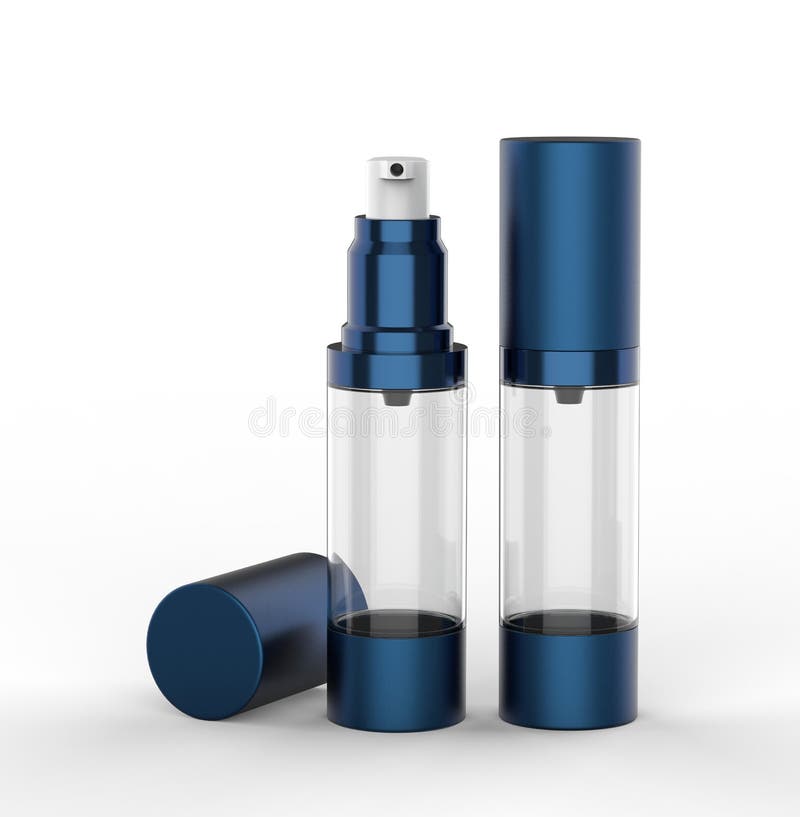
The airless pump mechanism operates through a simple yet effective principle. When the user presses down on the pump, a piston within the bottle moves upwards, creating a vacuum. This vacuum pulls the product up through the nozzle and dispenses it without allowing air to enter the bottle. This process not only prevents contamination but also ensures that every last drop of the product can be used, reducing waste.
What are the Core Factors and Components to Consider?
When considering a Cylinder PP Airless Pump Bottle for your products, several crucial factors come into play:
What Materials are Used in Cylinder PP Airless Pump Bottles?
The primary material used in these bottles is Polypropylene (PP), which is known for its strength and resistance to chemicals. Moreover, the pump mechanism often includes other materials, such as silicone or rubber, to ensure a smooth operation and effective sealing.
What Sizes and Capacities are Available?
Cylinder PP Airless Pump Bottles come in various sizes, typically ranging from 15ml to 100ml or more. The choice of size depends on the product type and intended use. Smaller bottles are suitable for high-end serums, while larger containers may be used for lotions or creams that are used more frequently.
How Do Design and Aesthetics Impact User Experience?
The design of an airless pump bottle can significantly affect user experience. A sleek, modern design not only appeals visually but also enhances usability. Features such as a clear window to view remaining product levels, ergonomic pumps, and child-resistant caps can make a significant difference in customer satisfaction.
What are the Main Advantages and Disadvantages of Cylinder PP Airless Pump Bottle?
What are the Key Benefits of Using a Cylinder PP Airless Pump Bottle?
-
Preservation of Product Integrity: The primary advantage of airless pump bottles is their ability to keep products free from air exposure. This is particularly beneficial for products containing sensitive ingredients like vitamins, antioxidants, and essential oils.

Source: mckernan.com
-
Reduced Contamination Risk: The sealed environment of airless bottles minimizes the risk of contamination from external sources, such as bacteria and dust.
-
Maximized Product Use: With airless technology, users can dispense nearly all of the product without waste. This feature is particularly appealing for premium products.
-
Enhanced Shelf Life: Products stored in airless bottles typically have a longer shelf life due to reduced oxidation and microbial growth.
-
Eco-Friendly Options: Many manufacturers are now producing airless bottles with recyclable materials, making them a more sustainable option.
Are There Any Disadvantages to Consider?

-
Cost: Airless pump bottles tend to be more expensive than traditional packaging solutions due to their complex manufacturing processes and technology.
-
Compatibility Issues: Not all formulations are compatible with airless technology. Products that require certain types of preservatives may not perform well in an airless environment.
-
Potential for Mechanical Failure: While airless bottles are designed for durability, there is a risk of mechanical failure in the pump mechanism, which may lead to product wastage.
What are Some Practical Applications and Real-World Examples?
How Are Cylinder PP Airless Pump Bottles Used in the Cosmetic Industry?
In the cosmetic industry, airless pump bottles are commonly used for:
Serums: High-value formulations like anti-aging serums benefit from airless packaging as it preserves active ingredients.
Moisturizers: Creams that contain sensitive components, such as peptides and hyaluronic acid, are often stored in these bottles to maintain efficacy.
Sunscreens: Products designed to protect the skin from UV rays require stability and protection from air exposure, making airless bottles an ideal choice.
Are There Applications Beyond Cosmetics?
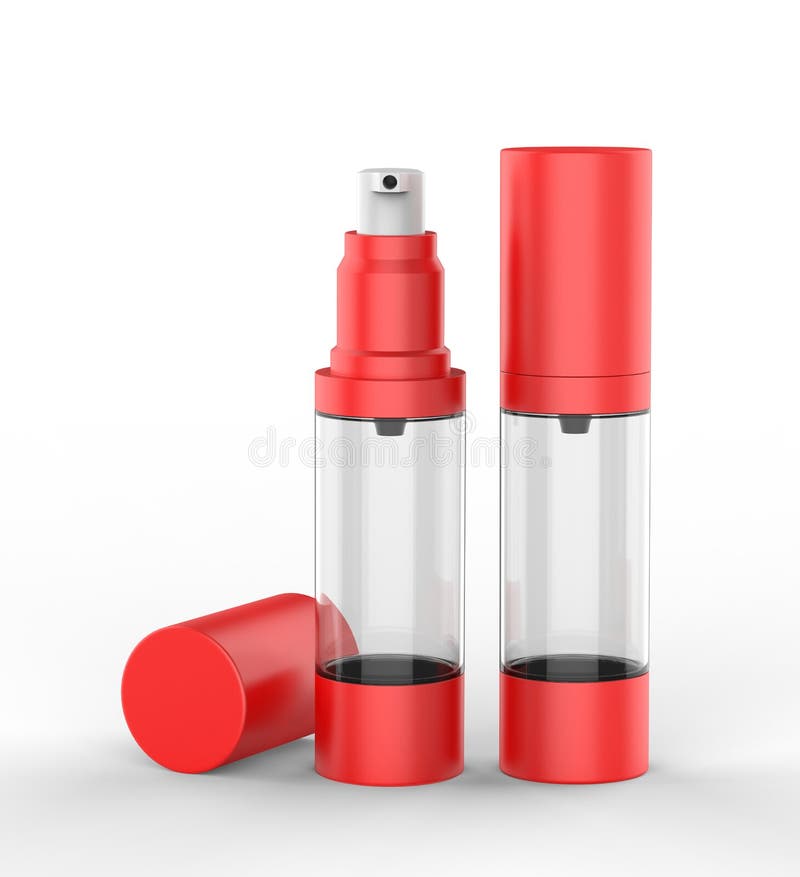
Beyond cosmetics, airless pump bottles are also finding applications in various industries, including:
Pharmaceuticals: Certain medications, particularly topical treatments, are packaged in airless bottles to ensure dosage accuracy and product stability.
Food Products: Some gourmet food brands are exploring airless technology for sauces and dressings, providing consumers with sealed, fresh products without preservatives.
What are Real-World Examples of Successful Brands Using Cylinder PP Airless Pump Bottles?
Several reputable brands have successfully incorporated airless pump bottles into their product lines.
Olay: Known for its advanced skincare products, Olay uses airless technology to enhance the effectiveness of its creams and serums.
The Ordinary: This skincare brand emphasizes ingredient integrity and uses airless bottles to maintain the quality of its formulations.
Neutrogena: The brand has also adopted airless packaging for several of its products, showcasing a commitment to quality and consumer satisfaction.
What is the Final Conclusion and Summary?
In summary, the Cylinder PP Airless Pump Bottle represents a significant advancement in product packaging, particularly for cosmetics and personal care items. Its unique design preserves product integrity, minimizes contamination risks, and maximizes usability. While there are some disadvantages, the benefits far outweigh them, making airless pump bottles a popular choice among consumers and brands alike.
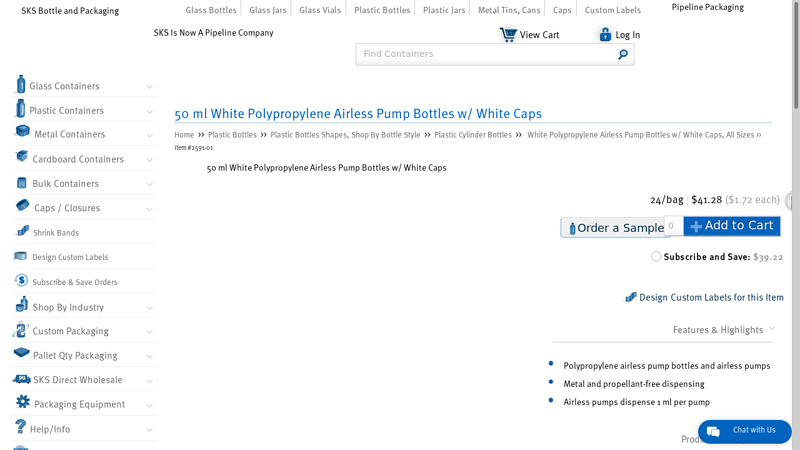
Source: sks-bottle.com
Summary of Key Points:
Airless pump bottles use a vacuum mechanism to dispense products, preserving their quality.
Made from durable Polypropylene, they are available in various sizes and designs.
They offer significant advantages, including longer shelf life and reduced waste.
Widely used in the cosmetic and pharmaceutical industries, they are becoming increasingly popular for food products too.
What are some other Frequently Asked Questions (FAQs)?
Can I Use a Cylinder PP Airless Pump Bottle for Different Types of Liquids?
Yes, cylinder PP airless pump bottles can be used for various types of liquids, but it’s essential to ensure that the formulation is compatible with airless technology. Products such as serums, creams, lotions, and even certain pharmaceutical preparations can be effectively packaged in these bottles.
How Do I Clean and Refill My Airless Pump Bottle?
Cleaning and refilling an airless pump bottle can be tricky, as they are designed for single-use or limited use. It is generally recommended to use them for the products they were designed for. However, if you are refilling, ensure that the new product is compatible, and thoroughly clean the bottle with warm water and a mild detergent before refilling.
Are Cylinder PP Airless Pump Bottles Recyclable?
Many cylinder PP airless pump bottles are made from recyclable materials, but it’s important to check the specific recycling guidelines in your area. Some components, such as pumps, may not be recyclable, so it’s advisable to disassemble the bottle carefully before recycling.
How Can I Choose the Right Size Airless Pump Bottle for My Product?
Choosing the right size airless pump bottle depends on several factors, including the type of product, the target market, and usage frequency. Smaller bottles (15ml-30ml) are suitable for high-end skincare products, while larger bottles (50ml-100ml) may be better for everyday use products.
What Should I Consider When Designing My Airless Pump Bottle?
When designing your airless pump bottle, consider factors such as functionality, aesthetics, and user experience. Ensure the pump mechanism is easy to operate and that the design is visually appealing. Additionally, think about branding elements and how they will be represented on the bottle.
Source: gideapac.com
By thoroughly understanding the features, benefits, and applications of Cylinder PP Airless Pump Bottles, you can make informed decisions that enhance product performance and consumer satisfaction.
Common Problems and Smart Solutions for Cylinder Pp Airless Pump Bottle
# Common User Pain Points for Cylinder PP Airless Pump Bottles

When it comes to using Cylinder PP Airless Pump Bottles, users often encounter several challenges. Here are three common pain points, along with relatable scenarios and practical solutions.

---

#### Pain Point: Product Wastage Due to Incomplete Dispensing
**User Scenario:**
Emma is an organic skincare enthusiast who loves her aloe vera gel stored in a Cylinder PP Airless Pump Bottle. However, she notices that even when the bottle feels full, she struggles to get the last few pumps out. Frustrated, she ends up wasting a significant amount of product, leading her to feel like she’s not getting her money’s worth.

**Solution:**
To minimize product wastage, look for airless pump bottles that allow for complete evacuation of the contents. Consider using a model with a flexible bag inside the container that collapses as the product is dispensed. This design ensures that every drop is utilized. Additionally, when you start to notice reduced dispensing, try holding the bottle upside down for a few seconds; this can help the remaining product move towards the pump mechanism. Always check for user reviews that mention dispensing efficiency before purchasing.

---

#### Pain Point: Difficulty in Refilling the Bottle
**User Scenario:**
John has a favorite serum that he prefers to transfer into a smaller Cylinder PP Airless Pump Bottle for travel. However, when he tries to refill it, he struggles with the narrow opening and ends up spilling serum everywhere, making the process messy and frustrating.

**Solution:**
To make refilling easier, consider using a funnel specifically designed for cosmetic bottles. These funnels often have a tapered end that fits snugly into the bottle’s opening, allowing for a clean transfer without spills. If you frequently refill your bottles, you may also want to invest in a refillable airless pump system that has a wider opening and a simpler refill mechanism. Look for bottles with instructions or video guides that demonstrate the refilling process, ensuring a hassle-free experience.

---

#### Pain Point: Incompatibility with Certain Formulations
**User Scenario:**
Sophie loves experimenting with DIY beauty products, but when she tried to store her homemade cream in a Cylinder PP Airless Pump Bottle, it clogged the pump mechanism. After several attempts to unclog it, she feels disheartened, worried that her efforts to create a natural product are wasted.

**Solution:**
Not all formulations are compatible with airless pump systems. To avoid clogging, ensure that the consistency of your product is suitable for the pump. For thicker formulations, consider diluting them slightly with a compatible carrier oil or emulsifier to achieve a smoother texture. Additionally, opt for airless pump bottles designed for thicker products, which typically feature wider openings and stronger pumps. Always test a small batch first to see if the formulation works well with the bottle before making larger quantities.

---
This format addresses common user pain points associated with Cylinder PP Airless Pump Bottles while providing empathetic scenarios and practical solutions.
Exploring Alternatives to Cylinder Pp Airless Pump Bottle
The “Cylinder PP Airless Pump Bottle” is a specialized packaging solution commonly used in the cosmetics and personal care industry. This type of bottle is designed to dispense products without exposing them to air, which helps preserve the integrity of the contents and extends shelf life. To better understand its market positioning, we can compare it with several other airless pump bottle brands that offer similar features and benefits. Below is a comparison table highlighting key aspects of the Cylinder PP Airless Pump Bottle alongside its main competitors.
| Feature | Cylinder PP Airless Pump Bottle | Competitor A: Airless Pump Bottle X | Competitor B: Eco-Friendly Airless Bottle Y |
|---|---|---|---|
| Material | PP (Polypropylene) | PET (Polyethylene Terephthalate) | Glass with PP components |
| Capacity | 30ml, 50ml, 100ml | 15ml, 30ml, 50ml | 50ml, 100ml |
| Airless Technology | Yes | Yes | Yes |
| Recyclability | High (depending on local policies) | Moderate (check local guidelines) | High (fully recyclable) |
| Price Range | $1.50 – $3.00 | $2.00 – $4.00 | $3.00 – $5.00 |
| Customization Options | Yes | Limited | Yes |
| Ideal For | Creams, serums, lotions | Serums, oils | Creams, gels |
— Industry Expert Analysis




 English
  Russian
  Spanish
  Italian
  Thai
Thai  French
  Arabic
  Portuguese
  Indonesian
  German






