

In This Article
- What Are UsersReallyLooking For?
- Key Takeaways
- What is the Quick and Direct Answer to ‘30% Wheat Straw Cream Jar Biodegradable Plant-based Plastic’?
- How Can We Dive Deeper into 30% Wheat Straw Cream Jar Biodegradable Plant-Based Plastic? (A Full Explanation)
- What is Wheat Straw and Why Use It in Packaging?
- What is Plant-Based Plastic?
- How is the 30% Wheat Straw Cream Jar Manufactured?
- What are the Core Factors and Components to Consider?
- What Materials are Used in a 30% Wheat Straw Cream Jar?
- What Sustainability Certifications Should You Look For?
- What are the Main Advantages and Disadvantages of 30% Wheat Straw Cream Biodegradable Plant-Based Plastic?
- What are the Benefits of Using a 30% Wheat Straw Cream Jar Compared to Traditional Plastic?
- What are the Drawbacks of 30% Wheat Straw Cream Jars?
- What are Some Practical Applications and Real-World Examples?
- What Products are Suitable for Packaging in Biodegradable Plant-Based Plastic Jars?
- What Are Some Brands Leading the Way in Sustainable Packaging?
- What is the Final Conclusion and Summary?
- What are some other Frequently Asked Questions (FAQs)?
- How Biodegradable is a Plant-Based Plastic Cream Jar Made from Wheat Straw?
- Can I Recycle a Cream Jar Made from 30% Wheat Straw?
- What Are the Environmental Benefits of Using Wheat Straw in Packaging?
- Are There Alternatives to Wheat Straw Cream Jars?
- Common Problems and Smart Solutions for 30% Wheat Straw Cream Jar Biodegradable Plant-Based Plastic
- Pain Point: Environmental Concerns
- Pain Point: Product Durability and Usability
- Pain Point: Cost Implications
- Exploring Alternatives to 30% Wheat Straw Cream Jar Biodegradable Plant-Based Plastic
In an era where sustainable packaging is paramount, the 30% Wheat Straw Cream Jar Biodegradable Plant-based Plastic emerges as a comfortable solution for eco-conscious brands seeking alternatives to traditional plastic. A common question many businesses face is how to balance product integrity with environmental responsibility. This article will delve into the advantages of wheat straw-based packaging, including its biodegradability, environmental impact, and practical applications. We’ll explore the benefits of switching to this innovative material, addressing concerns about performance, cost-effectiveness, and consumer perception. Join us as we provide a comprehensive answer, equipping you with the knowledge to make informed decisions for a greener future.
What Are Users Really Looking For?
* **Problem Solving:** Users are asking specific questions like ‘- What are the benefits of using a 30% wheat straw cream jar compared to traditional plastic?’ and ‘- How biodegradable is a plant-based plastic cream jar made from wheat straw?’. This shows they have specific problems they need to solve regarding ‘30% Wheat Straw Cream Jar Biodegradable Plant-based Plastic’.
This article is designed to meet all these needs by providing comprehensive explanations, practical guides, and comparative information.
Key Takeaways
Eco-Friendly Composition: The cream jar is made from 30% wheat straw, a renewable resource, contributing to reduced environmental impact compared to traditional plastics.
Biodegradable Material: Designed to break down naturally over time, the jar minimizes plastic waste and supports sustainable practices.
Plant-Based Plastic: Utilizing plant-based materials enhances the jar’s sustainability profile, making it a better choice for environmentally-conscious consumers.
Versatile Usage: Ideal for cosmetic, skincare, or food products, the jar combines functionality with eco-friendliness, appealing to a wide range of industries.
30% Wheat Straw Cream Jar Biodegradable Plant-based Plastic: A Comprehensive Guide
In today’s eco-conscious world, understanding sustainable packaging options is essential. One innovative solution gaining traction is the 30% wheat straw cream jar biodegradable plant-based plastic. This type of packaging not only reduces reliance on traditional plastics but also aligns with the growing demand for environmentally friendly products. In this article, we will explore the ins and outs of these cream jars, their benefits, and their implications for the future of packaging.
What is the Quick and Direct Answer to ‘30% Wheat Straw Cream Jar Biodegradable Plant-based Plastic’?
A 30% wheat straw cream jar biodegradable plant-based plastic is a packaging solution made primarily from plant materials, specifically incorporating 30% wheat straw fiber. This type of jar is designed to be biodegradable, which means it can break down naturally in the environment, reducing plastic waste. By shifting from conventional petroleum-based plastics to plant-based alternatives, manufacturers can significantly mitigate environmental impact.
How Can We Dive Deeper into 30% Wheat Straw Cream Jar Biodegradable Plant-Based Plastic? (A Full Explanation)
What is Wheat Straw and Why Use It in Packaging?
Wheat straw is the byproduct of wheat harvesting, consisting of the stalks and leaves left after the grain is collected. Traditionally considered agricultural waste, wheat straw has found a new life in sustainable packaging. Utilizing this byproduct not only promotes the circular economy but also reduces the need for virgin materials.
What is Plant-Based Plastic?
Plant-based plastics, often referred to as bioplastics, are materials derived from renewable biomass sources, such as corn, sugarcane, and in this case, wheat straw. Unlike traditional plastics made from fossil fuels, plant-based plastics aim to provide an eco-friendly alternative that can help reduce carbon footprints.
How is the 30% Wheat Straw Cream Jar Manufactured?
The manufacturing process for a 30% wheat straw cream jar involves several steps:
- Harvesting: Wheat straw is collected post-harvest.
- Processing: The straw is then processed into fibers and combined with other biodegradable materials.
- Molding: The mixture is molded into the desired jar shape, typically using injection molding or extrusion techniques.
- Finishing: Additional treatments may be applied to enhance the jar’s durability and aesthetic appeal.
This comprehensive process ensures that the final product is both functional and sustainable.
What are the Core Factors and Components to Consider?
What Materials are Used in a 30% Wheat Straw Cream Jar?
Source: gideapac.com
The primary component of a 30% wheat straw cream jar is, of course, the wheat straw fiber, which is blended with other biodegradable polymers. Common materials include:
PLA (Polylactic Acid): Derived from corn starch, this biodegradable polymer is often used in conjunction with wheat straw to enhance the jar’s structural integrity.
PBAT (Polybutylene Adipate Terephthalate): A biodegradable copolymer that provides flexibility and durability.
What Sustainability Certifications Should You Look For?
When choosing biodegradable packaging, it’s crucial to check for certifications that verify the product’s environmental claims. Some notable certifications include:

BPI (Biodegradable Products Institute): Ensures products meet strict compostability standards.
ASTM D6400: Certifies that the product is compostable in industrial composting facilities.
EN 13432: A European standard that defines requirements for packaging recoverable through composting and biodegradation.
What are the Main Advantages and Disadvantages of 30% Wheat Straw Cream Biodegradable Plant-Based Plastic?
What are the Benefits of Using a 30% Wheat Straw Cream Jar Compared to Traditional Plastic?
- Environmental Impact: Reduces plastic pollution and reliance on fossil fuels.
- Biodegradability: Breaks down more quickly than conventional plastics, especially in composting conditions.
- Waste Utilization: Transforms agricultural waste into valuable products, promoting sustainability.
- Consumer Appeal: As eco-consciousness grows, consumers increasingly prefer sustainable packaging options, enhancing brand loyalty.
What are the Drawbacks of 30% Wheat Straw Cream Jars?
- Cost: Biodegradable options can be more expensive than traditional plastics.
- Durability: While improving, plant-based plastics may not always match the strength and resilience of conventional plastics.
- Availability: Depending on the region, sourcing and availability of wheat straw products can vary.
What are Some Practical Applications and Real-World Examples?
What Products are Suitable for Packaging in Biodegradable Plant-Based Plastic Jars?
The versatility of 30% wheat straw cream jars makes them suitable for various products, including:
Cosmetics: Creams, lotions, and serums can be effectively housed in these jars, appealing to eco-conscious consumers.
Food Products: Certain food items, particularly those that require minimal moisture exposure, can be packaged in biodegradable jars.
Pharmaceuticals: Some over-the-counter medications and supplements can utilize this sustainable packaging.
What Are Some Brands Leading the Way in Sustainable Packaging?
Several brands are at the forefront of using 30% wheat straw cream jars, including:
Source: beautyd-packaging.com
Lush: Known for its commitment to sustainability, Lush has begun using biodegradable packaging in some of its products.
The Body Shop: This brand emphasizes eco-friendly practices and has introduced plant-based packaging for several lines.
Kiehl’s: Kiehl’s has explored using biodegradable materials for its skincare products, aligning with its environmental goals.
What is the Final Conclusion and Summary?
The 30% wheat straw cream jar biodegradable plant-based plastic represents a significant step forward in sustainable packaging. By leveraging agricultural byproducts and innovative materials, these jars provide an eco-friendly alternative to traditional plastic packaging. While there are some challenges to overcome, the benefits—ranging from reduced environmental impact to increased consumer appeal—make them a compelling choice for manufacturers and consumers alike.
As the demand for sustainable solutions continues to rise, it’s essential for businesses to adapt and prioritize eco-friendly practices. The transition to biodegradable plant-based plastics not only meets consumer expectations but also contributes to a healthier planet.
What are some other Frequently Asked Questions (FAQs)?
How Biodegradable is a Plant-Based Plastic Cream Jar Made from Wheat Straw?
The biodegradability of a plant-based plastic cream jar made from wheat straw depends on several factors, including environmental conditions. Under optimal conditions, such as industrial composting facilities, these jars can break down within a few months. However, in landfill conditions, the breakdown may take longer.
Can I Recycle a Cream Jar Made from 30% Wheat Straw?
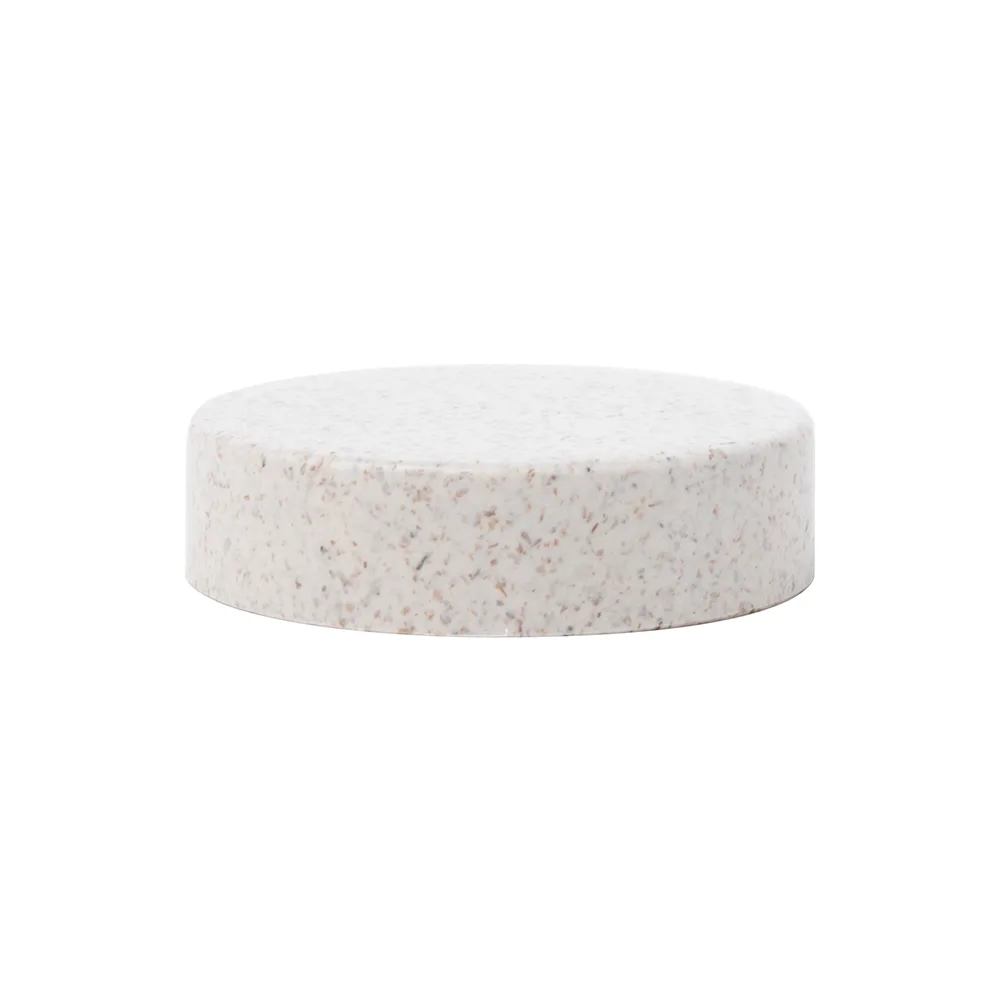
While recycling options for biodegradable plastics are limited, many municipal recycling programs do not accept them. Instead, it’s best to compost these jars in a commercial composting facility where available.
What Are the Environmental Benefits of Using Wheat Straw in Packaging?
Utilizing wheat straw in packaging helps reduce agricultural waste, decreases reliance on virgin materials, and lowers greenhouse gas emissions associated with plastic production. This practice promotes sustainability and contributes to a healthier ecosystem.
Are There Alternatives to Wheat Straw Cream Jars?
Yes, there are several alternatives to wheat straw cream jars, including:
Cornstarch-based plastics: These are often used in packaging and are biodegradable.
Mushroom packaging: Made from mycelium, this innovative solution is fully compostable.
Recycled paper products: For certain applications, recycled paper can serve as a sustainable packaging option.

Source: lechanpackage.com
By exploring these alternatives, manufacturers can further diversify their sustainable packaging offerings and reduce environmental impact.
Common Problems and Smart Solutions for 30% Wheat Straw Cream Jar Biodegradable Plant-Based Plastic
Pain Points Related to 30% Wheat Straw Cream Jar Biodegradable Plant-based Plastic
Pain Point: Environmental Concerns
User Scenario: Sarah is a passionate environmentalist who has been looking for sustainable packaging options for her homemade skincare line. She feels guilty about using conventional plastic jars because she knows they contribute significantly to pollution. However, she is unsure if switching to biodegradable options will truly make a difference.
Solution: Sarah can educate herself on the benefits of using biodegradable plant-based plastics like the 30% wheat straw cream jar. She should research the production process, which utilizes renewable resources and reduces reliance on fossil fuels. By switching, she will not only minimize waste but also attract eco-conscious customers who appreciate sustainable practices. To further amplify her impact, she can share her journey through social media and inspire others to follow suit.
Pain Point: Product Durability and Usability
User Scenario: John runs a small cosmetics business and recently switched to biodegradable jars made from 30% wheat straw. After using them for a few weeks, he notices that some jars are not sealing properly, leading to product spoilage. He worries this might affect his brand’s reputation.
Solution: John should evaluate the quality of the jars and ensure they are sourced from a reputable supplier that meets durability standards. He can conduct product testing to assess how well the jars maintain their integrity under various conditions, such as temperature and humidity. If he finds inconsistencies, he should consider reaching out to the manufacturer for feedback or switching to a more reliable source. Additionally, he can educate customers on the best storage practices for biodegradable products, helping them to preserve the integrity of the cream.
Pain Point: Cost Implications
User Scenario: Emma is a startup founder who wants to use biodegradable packaging for her cosmetic line. However, she is concerned about the higher costs associated with plant-based plastics. She fears that raising prices may deter potential customers.

Source: bulkapothecary.com
Solution: Emma can explore bulk purchasing options or seek out grants and subsidies aimed at sustainable initiatives. By building relationships with suppliers, she may find discounts or loyalty programs that make biodegradable options more affordable. Additionally, she can communicate the value of sustainability to her customers, emphasizing that they are investing in a product that is better for the environment. This approach allows her to justify a slight price increase while still appealing to eco-conscious consumers who are willing to pay more for sustainable products. Emma can also consider incorporating a transparent pricing strategy that educates customers on the costs involved in using eco-friendly materials.
Exploring Alternatives to 30% Wheat Straw Cream Jar Biodegradable Plant-Based Plastic
The keyword “30% Wheat Straw Cream Jar Biodegradable Plant-based Plastic” suggests a product designed for eco-friendly packaging, specifically for creams or cosmetics. This product utilizes wheat straw, a byproduct of agriculture, to create a biodegradable and plant-based plastic alternative. To understand its market positioning, we can compare it with similar biodegradable packaging solutions. Below is a comparison table featuring the “30% Wheat Straw Cream Jar” and two alternative products that also focus on sustainability in packaging.

| Feature | 30% Wheat Straw Cream Jar Biodegradable Plant-Based Plastic | Biodegradable PLA Jar | Sugarcane Bio-Resin Jar |
|---|---|---|---|
| Material | 30% Wheat Straw + Biodegradable Plastic | Polylactic Acid (PLA) | Sugarcane-based Bio-Resin |
| Biodegradability | Yes, under industrial composting conditions | Yes, under industrial composting | Yes, under industrial composting |
| Carbon Footprint | Lower due to agricultural waste utilization | Moderate due to the production process | Generally lower due to renewable source |
| Temperature Resistance | Moderate (suitable for room temperature) | Low to moderate (not suitable for hot items) | Moderate (suitable for room temperature) |
| Common Uses | Creams, lotions, cosmetics | Food packaging, cosmetics | Personal care products, food packaging |
This table provides a clear comparison of the features and benefits of the 30% Wheat Straw Cream Jar against other biodegradable packaging options, helping consumers and businesses make informed choices regarding sustainable packaging solutions.
— Industry Expert Analysis




 English
  Russian
  Spanish
  Italian
  Thai
Thai  French
  Arabic
  Portuguese
  Indonesian
  German






