

Introduction: Navigating the Global Market for Foamer Pump Bottles with Overcap
In the ever-evolving landscape of consumer goods, sourcing foamer pump bottles with overcap poses a significant challenge for international B2B buyers. These versatile packaging solutions are essential for delivering a variety of liquid formulations, from soaps and sanitizers to shampoos and creams. However, navigating the complexities of global suppliers, material choices, and regulatory standards can be daunting, especially for businesses in regions like Africa, South America, the Middle East, and Europe, including emerging markets like Vietnam and Saudi Arabia.
This comprehensive guide provides a thorough exploration of foamer pump bottles with overcap, detailing the different types, materials, and applications available in the market. Buyers will gain insights into the crucial aspects of supplier vetting, ensuring they partner with reputable manufacturers who adhere to quality and sustainability standards. Additionally, we will discuss cost considerations, helping businesses make informed purchasing decisions while optimizing their budgets.
Empowering B2B buyers with actionable insights, this guide aims to demystify the procurement process, enabling companies to effectively select the right foamer pump bottles for their specific needs. With the right information at their fingertips, businesses can enhance their product offerings and meet the evolving demands of their customers, ultimately driving growth and success in a competitive marketplace.
Understanding Foamer Pump Bottles with Overcap Types and Variations
| Type Name | Key Distinguishing Features | Primary B2B Applications | Brief Pros & Cons for Buyers |
|---|---|---|---|
| Standard Foamer Pump Bottle | Typically made from HDPE or PET; available in various sizes. | Personal care products, liquid soaps, sanitizers. | Pros: Cost-effective, lightweight. Cons: Limited customization options. |
| Mini Foamer Pump Bottle | Smaller capacity (e.g., 50 ml); ideal for travel or samples. | Sample packaging, promotional items. | Pros: Compact, portable. Cons: Less volume may not suit all applications. |
| Customizable Foamer Pump Bottle | Options for color, logo printing, and materials. | Branding, premium products. | Pros: Enhanced brand visibility. Cons: Higher cost, longer lead times. |
| Trigger Foamer Pump Bottle | Features a trigger mechanism for dispensing larger amounts. | Industrial cleaning products, hair care. | Pros: Greater control over dispensing. Cons: Bulkier than standard pumps. |
| Luxury Foamer Pump Bottle | Premium materials and designs; often used for upscale brands. | High-end cosmetics, specialty soaps. | Pros: Aesthetic appeal, high-quality feel. Cons: Higher price point. |
What Are the Characteristics of Standard Foamer Pump Bottles?
Standard foamer pump bottles are versatile containers typically crafted from HDPE or PET. They come in various sizes, making them suitable for a range of products, including personal care items, liquid soaps, and hand sanitizers. When considering a purchase, B2B buyers should focus on the cost-effectiveness and lightweight nature of these bottles, which can significantly reduce shipping costs. However, buyers should also note that standard options may offer limited customization, which could be a drawback for brands looking to enhance their market presence.
How Do Mini Foamer Pump Bottles Differ?
Mini foamer pump bottles, often holding around 50 ml, are designed for portability and convenience. They are ideal for travel-sized products or promotional samples, making them a popular choice for businesses looking to introduce new products without a large commitment. B2B buyers should consider their target market’s needs when choosing mini bottles, as their compact size can be a significant advantage. However, the reduced capacity might not meet the needs of all applications, particularly for regular use products.
What Are the Benefits of Customizable Foamer Pump Bottles?
Customizable foamer pump bottles allow businesses to tailor their packaging to align with brand identity through color choices and logo printing. These bottles are particularly advantageous for branding efforts and premium product lines, as they can enhance visibility and appeal. When purchasing, B2B buyers should weigh the benefits of increased brand recognition against the higher costs and potentially longer lead times associated with customization. Such investments can yield substantial returns if executed effectively.
Why Choose Trigger Foamer Pump Bottles?
Trigger foamer pump bottles are designed for larger dispensing needs and typically feature a trigger mechanism, which provides better control over the amount dispensed. These bottles are commonly used in industrial cleaning products and hair care applications. B2B buyers should consider the operational efficiency that trigger pumps offer in high-demand environments. However, their bulkier design compared to standard pumps may limit their use in certain retail settings.
What Makes Luxury Foamer Pump Bottles Stand Out?
Luxury foamer pump bottles are often made from premium materials and feature sophisticated designs, making them ideal for high-end cosmetics and specialty soaps. These bottles not only serve a functional purpose but also enhance the overall aesthetic of the product, appealing to discerning consumers. B2B buyers should recognize that while these bottles elevate brand perception, they come at a higher price point, which may impact overall product pricing strategies.
Key Industrial Applications of Foamer Pump Bottles with Overcap
| Industry/Sector | Specific Application of Foamer Pump Bottles with Overcap | Value/Benefit for the Business | Key Sourcing Considerations for this Application |
|---|---|---|---|
| Personal Care & Cosmetics | Dispensing foaming cleansers and shampoos | Enhances user experience with controlled dispensing | Material compatibility, customization options, and MOQ |
| Food & Beverage | Packaging foaming hand sanitizers | Promotes hygiene and easy access in food environments | Compliance with food safety regulations and certifications |
| Healthcare | Providing foaming antiseptics and sanitizers | Ensures effective disinfection in medical settings | Sterilization capabilities and material safety standards |
| Household Cleaning Products | Dispensing foaming multi-surface cleaners | Improves cleaning efficiency with reduced product usage | Eco-friendly materials and refill options |
| Industrial & Manufacturing | Packaging of foaming lubricants and cleaning agents | Reduces waste and enhances application precision | Bulk purchasing options and compatibility with equipment |
How Are Foamer Pump Bottles with Overcap Used in Personal Care & Cosmetics?
In the personal care and cosmetics industry, foamer pump bottles with overcaps are commonly used for dispensing foaming cleansers, shampoos, and other liquid products. These bottles provide a controlled dispensing mechanism, allowing users to obtain the desired amount of product without waste. For international buyers, particularly from regions like Africa and Europe, sourcing options should include customizable designs and compatibility with various formulations, ensuring that products meet local regulatory standards and consumer preferences.
What Role Do Foamer Pump Bottles Play in Food & Beverage Applications?
Foamer pump bottles are increasingly utilized in the food and beverage sector for packaging hand sanitizers, particularly in restaurants and food preparation areas. These bottles facilitate hygiene by allowing easy access to sanitizers while minimizing contamination risks. Buyers in South America and the Middle East should prioritize sourcing bottles that comply with food safety regulations and are made from materials that are safe for food contact, ensuring consumer trust and regulatory compliance.
Why Are Foamer Pump Bottles Essential in Healthcare Settings?
In healthcare environments, foamer pump bottles are critical for dispensing antiseptics and sanitizers efficiently. The foaming action ensures adequate coverage and effective disinfection, which is vital in preventing infections. Buyers from the Middle East and Europe need to ensure that the bottles meet stringent sterilization and safety standards, as well as offer features like secure overcaps to prevent spillage and maintain product integrity.
How Do Household Cleaning Products Benefit from Foamer Pump Bottles?
Household cleaning products leverage foamer pump bottles for dispensing multi-surface cleaners, enhancing cleaning efficiency by producing a fine foam that clings to surfaces. This not only optimizes the use of cleaning agents but also reduces waste. B2B buyers in Africa and Europe should consider eco-friendly materials and refill options, as sustainability is becoming a significant factor in consumer purchasing decisions.
What Are the Advantages of Using Foamer Pump Bottles in Industrial Applications?
In industrial settings, foamer pump bottles are used for packaging lubricants and cleaning agents, allowing for precise application and reducing waste. This is particularly important in manufacturing environments where efficiency is key. Buyers from various regions should focus on bulk purchasing options and ensure that the materials used are compatible with the specific chemicals being dispensed, thus maintaining operational safety and effectiveness.
3 Common User Pain Points for ‘Foamer Pump Bottles with Overcap’ & Their Solutions
Scenario 1: Inconsistent Foaming Performance Leads to Customer Dissatisfaction
The Problem: B2B buyers often face challenges with inconsistent foaming performance from foamer pump bottles. This inconsistency can stem from various factors, including incorrect formulations, poor quality pump mechanisms, or improper usage instructions. When customers receive a product that doesn’t foam as expected, their satisfaction diminishes, leading to potential returns and negative reviews. This situation is particularly problematic for brands that prioritize customer experience and rely on high-quality product performance to maintain their reputation.
The Solution: To ensure optimal foaming performance, B2B buyers should first focus on sourcing high-quality foamer pumps specifically designed for their product formulations. It is vital to consult with manufacturers or suppliers about the ideal ratio of active ingredients to water for their specific foaming products. Testing different formulations in small batches before scaling up can help identify the best mix. Additionally, providing clear usage instructions to end consumers can mitigate issues related to improper use. Consider including instructional graphics on the packaging to enhance user understanding and promote optimal results.
Scenario 2: Difficulty in Securing Customization Options for Branding
The Problem: For many businesses, especially those in competitive markets, having customizable packaging is crucial. B2B buyers often encounter limitations in available customization options, which can hinder branding efforts. Whether it’s the color of the bottle, the design of the label, or the type of pump, a lack of customization can make it difficult for brands to stand out on the shelf, especially in diverse markets across Africa, South America, the Middle East, and Europe.
The Solution: To address this challenge, buyers should prioritize suppliers that offer robust customization capabilities. Engaging with manufacturers who can accommodate low minimum order quantities for custom designs can be particularly beneficial. Buyers should inquire about the range of customization options available, including color, printing techniques, and label designs. Additionally, leveraging digital mockups during the design phase can streamline the process and ensure that the final product aligns with brand expectations. Establishing a strong partnership with a flexible supplier will provide the agility necessary to adapt to market demands swiftly.
Scenario 3: Environmental Concerns Surrounding Packaging Materials
The Problem: As sustainability becomes a top priority for businesses globally, B2B buyers often grapple with the challenge of sourcing eco-friendly packaging solutions. The environmental impact of packaging materials used in foamer pump bottles can be a significant concern, especially for companies looking to appeal to environmentally conscious consumers. Buyers may find it challenging to identify suppliers that offer sustainable options without compromising on quality or functionality.
The Solution: B2B buyers should conduct thorough research to identify manufacturers who specialize in eco-friendly materials, such as recycled PET or biodegradable options for foamer pump bottles. Engaging with suppliers who prioritize sustainability can lead to innovative packaging solutions that meet environmental standards. Buyers can also consider implementing a take-back program for used packaging to encourage recycling among consumers. This not only enhances the brand’s sustainability credentials but also fosters loyalty among environmentally aware customers. By prioritizing sustainability in sourcing decisions, businesses can better align with consumer expectations and regulatory requirements.
Strategic Material Selection Guide for Foamer Pump Bottles with Overcap
What Are the Key Materials for Foamer Pump Bottles with Overcap?
When selecting foamer pump bottles with overcaps for various applications, understanding the properties and suitability of different materials is crucial for international B2B buyers. This guide analyzes four common materials: High-Density Polyethylene (HDPE), Polyethylene Terephthalate (PET), Polypropylene (PP), and Glass. Each material presents unique benefits and challenges that can impact product performance and market suitability.
How Does High-Density Polyethylene (HDPE) Perform in Foamer Pump Bottles?
HDPE is widely used for foamer pump bottles due to its excellent strength-to-density ratio and resistance to impact. It exhibits good temperature resistance, typically up to 120°C, and is resistant to many chemicals, making it suitable for a variety of formulations.
Pros: HDPE is cost-effective and lightweight, which reduces shipping costs. It is also recyclable, aligning with sustainability goals.
Cons: While durable, HDPE may not be as aesthetically pleasing as other materials, which can be a drawback for premium products. Its lower transparency limits visibility of the product inside.
Application Impact: HDPE is compatible with a range of media, including soaps and sanitizers, but may not be suitable for products containing strong solvents.
International Considerations: Buyers from regions like Africa and South America should ensure compliance with local regulations regarding plastic use and recycling. ASTM standards often apply, ensuring safety and performance.
What Advantages Does Polyethylene Terephthalate (PET) Offer?
PET is another popular choice for foamer pump bottles, particularly for personal care products. It has excellent clarity and can withstand temperatures up to 60°C, making it suitable for products that require visibility.
Pros: PET is lightweight, strong, and offers better aesthetics due to its clarity. It is also recyclable, which appeals to environmentally-conscious consumers.
Cons: The material can be more expensive than HDPE and may not provide the same level of chemical resistance against certain solvents.
Application Impact: PET is ideal for foaming soaps and shampoos but may not be suitable for aggressive chemicals.
International Considerations: Compliance with JIS standards in Japan or EU regulations is essential for PET products. Buyers should also consider local recycling capabilities.
Why Choose Polypropylene (PP) for Foamer Pump Bottles?
Polypropylene is known for its high melting point and excellent chemical resistance, making it suitable for a variety of formulations, including those that are more aggressive.
Pros: PP is durable and can withstand higher temperatures, making it versatile for different applications. It is also lightweight and cost-effective.
Cons: While it offers good chemical resistance, PP is less transparent than PET, which may not be desirable for all products.
Application Impact: PP is suitable for foaming products that require a higher level of chemical stability but may not be ideal for products that benefit from visibility.
International Considerations: Compliance with DIN standards is important for buyers in Europe, while buyers in the Middle East should ensure that the material meets local health and safety regulations.
What Are the Benefits of Using Glass for Foamer Pump Bottles?
Glass is often used for high-end products due to its premium feel and excellent barrier properties. It is chemically inert, making it suitable for a wide range of formulations.
Pros: Glass provides superior aesthetics and is fully recyclable, appealing to eco-conscious consumers. It also offers excellent protection against external contaminants.
Cons: The primary drawback is its weight and fragility, which can increase shipping costs and the risk of breakage.
Application Impact: Glass is ideal for luxury products but may not be practical for everyday use due to its weight.
International Considerations: Compliance with local packaging regulations is critical, especially in regions with strict import standards. Buyers should also consider the logistics of shipping glass products to avoid breakage.
Summary Table of Material Properties
| Material | Typical Use Case for Foamer Pump Bottles with Overcap | Key Advantage | Key Disadvantage/Limitation | Relative Cost (Low/Med/High) |
|---|---|---|---|---|
| HDPE | General-purpose foaming products | Cost-effective and lightweight | Less aesthetic appeal | Low |
| PET | Personal care products requiring visibility | Excellent clarity and aesthetics | Higher cost and limited solvent resistance | Medium |
| PP | Chemical-resistant applications | High durability and temperature resistance | Less transparency | Low |
| Glass | High-end luxury products | Superior aesthetics and protection | Heavy and fragile | High |
Understanding these materials allows B2B buyers to make informed decisions that align with product requirements, market expectations, and regulatory compliance across diverse regions.

A stock image related to Foamer Pump Bottles with Overcap.
In-depth Look: Manufacturing Processes and Quality Assurance for Foamer Pump Bottles with Overcap
What Are the Main Stages of Manufacturing Foamer Pump Bottles with Overcap?
The manufacturing process for foamer pump bottles with overcaps involves several critical stages, each ensuring that the final product meets both functional and aesthetic standards. Understanding these stages can help B2B buyers evaluate potential suppliers effectively.
Material Preparation: What Are the Key Materials Used?
The primary materials for foamer pump bottles typically include various plastics such as HDPE (High-Density Polyethylene) and PET (Polyethylene Terephthalate). These materials are chosen for their durability, chemical resistance, and recyclability. Suppliers often source these materials in bulk, ensuring consistent quality and supply. Before production, materials undergo rigorous testing to confirm they meet specifications for density, clarity, and chemical compatibility.
Forming: How Are Bottles Shaped?
The forming stage involves shaping the materials into the desired bottle and pump designs. This is usually achieved through injection molding or blow molding techniques. In injection molding, molten plastic is injected into a mold, allowing for complex shapes and fine details. Blow molding, on the other hand, is used for hollow containers where a preform is heated and then inflated within a mold. Both techniques are crucial for achieving the precise dimensions required for effective sealing and dispensing.
Assembly: How Are Components Joined Together?
Once the individual components are formed, they are assembled. This includes attaching the foamer pump to the bottle and placing the overcap. Automated assembly lines are common in this stage, where machines handle the delicate tasks of aligning, fitting, and securing components. Manual assembly may still be used for complex designs or custom orders. Quality checks are typically integrated into the assembly process to ensure that all components fit correctly.
Finishing: What Final Touches Are Applied?
The finishing stage may involve several steps such as labeling, surface treatment, and packaging. Labels can be customized for branding, with options for printing logos or product information directly onto the bottle. Surface treatments may include UV coating for added protection against environmental factors. Finally, finished products are packaged in bulk or as per order specifications, ready for shipping to international clients.
What International Standards and Quality Assurance Practices Should B2B Buyers Be Aware Of?
Quality assurance in the manufacturing of foamer pump bottles is essential, especially for international B2B buyers. Compliance with established standards ensures that products are safe, reliable, and effective.
Which International Standards Are Relevant?
ISO 9001 is a widely recognized standard that outlines the criteria for a quality management system (QMS). It is applicable to any organization, regardless of size or industry, and focuses on meeting customer expectations and delivering customer satisfaction. For products like foamer pump bottles, adherence to ISO standards can assure buyers of consistent quality.
Other relevant certifications may include CE marking for compliance with European health, safety, and environmental protection standards, and API (American Petroleum Institute) standards for products related to the petroleum industry. Depending on the target market, suppliers may also need to comply with local regulations concerning packaging and safety.
What Are the Key Quality Control Checkpoints?
Quality control (QC) involves several checkpoints throughout the manufacturing process:
-
Incoming Quality Control (IQC): This initial stage involves inspecting raw materials before they enter the production line. Ensuring that materials meet specified standards is critical to the overall quality of the final product.
-
In-Process Quality Control (IPQC): Continuous monitoring during production helps identify and address issues in real-time. This includes checking dimensions, weights, and assembly integrity.
-
Final Quality Control (FQC): After production, a final inspection is conducted to verify that the finished products meet all specifications. This may involve testing the functionality of the foamer pump and the integrity of the overcap seal.
What Common Testing Methods Are Used to Ensure Quality?
Various testing methods are employed to ensure the quality of foamer pump bottles. These include:
-
Leak Testing: Ensuring that the bottle and pump system are airtight and do not leak under pressure.
-
Drop Testing: Assessing the durability of the bottles by simulating drops from various heights to see if they maintain integrity.
-
Chemical Compatibility Testing: Verifying that the materials used for the bottles and pumps do not react adversely with the contents they will hold.
-
Performance Testing: Evaluating how well the foamer pump dispenses the liquid, including the quality and consistency of the foam produced.
How Can B2B Buyers Verify Supplier Quality Control Processes?
B2B buyers can employ several strategies to ensure that their suppliers maintain stringent quality control processes:
What Should Buyers Look for in Supplier Audits?
Regular audits of suppliers can provide insights into their quality control practices. Buyers should request documentation of past audits, including any corrective actions taken in response to identified issues. A well-documented audit trail can indicate a supplier’s commitment to maintaining high standards.
Are There Reports or Certifications Buyers Can Request?
Buyers should request copies of certifications, such as ISO 9001, as well as detailed quality control reports. These documents can provide evidence of a supplier’s adherence to industry standards and their internal quality control measures.
Should Buyers Consider Third-Party Inspections?
Engaging third-party inspection services can provide an unbiased assessment of a supplier’s manufacturing processes. These inspections can cover various aspects, from material quality to final product testing, offering additional peace of mind for buyers.
How Do Quality Control Nuances Vary for International Buyers?
For international buyers, understanding local regulations and market expectations is crucial. Different regions may have specific compliance requirements that affect product specifications and labeling. Buyers should familiarize themselves with these regulations to avoid compliance issues and ensure smooth market entry.
In regions like Africa and South America, where regulatory frameworks may be evolving, maintaining open communication with suppliers regarding compliance can help navigate potential challenges. In the Middle East and Europe, established standards can often provide a clearer framework for ensuring product quality.
By understanding the manufacturing processes and quality assurance practices involved in the production of foamer pump bottles with overcaps, B2B buyers can make informed decisions, ensuring they partner with suppliers committed to delivering high-quality products that meet international standards.
Practical Sourcing Guide: A Step-by-Step Checklist for ‘Foamer Pump Bottles with Overcap’
This guide serves as a comprehensive checklist for B2B buyers looking to procure foamer pump bottles with overcaps. By following these steps, you can ensure that your sourcing process is efficient, cost-effective, and meets the specific needs of your business.
Step 1: Define Your Technical Specifications
Before reaching out to suppliers, clearly outline your requirements for foamer pump bottles. Consider factors such as size, material (e.g., PET, HDPE), and compatibility with your product formulations. Specifying these details upfront helps suppliers provide accurate quotes and reduces the likelihood of miscommunication later in the process.
Step 2: Research Potential Suppliers
Conduct thorough research to identify suppliers who specialize in foamer pump bottles. Look for companies with a proven track record and positive customer reviews. Utilize industry directories and platforms like Alibaba or ThomasNet to compile a list of potential suppliers, ensuring they have experience in your target markets such as Africa, South America, the Middle East, and Europe.
Step 3: Evaluate Supplier Certifications
Verify that potential suppliers have the necessary certifications and compliance with international packaging standards. This includes certifications for food safety, recycling, and environmental sustainability. Suppliers with recognized certifications demonstrate their commitment to quality and regulatory compliance, which is crucial for maintaining your brand’s reputation.
Step 4: Request Samples for Testing
Before making bulk purchases, request samples of the foamer pump bottles to evaluate their quality and functionality. Test the bottles with your specific formulations to ensure they dispense correctly and maintain product integrity. This step is vital to avoid costly mistakes later on, as it allows you to assess the product in real-world conditions.
Step 5: Negotiate Pricing and Terms
Once you’ve selected a supplier, engage in negotiations regarding pricing, minimum order quantities, and payment terms. Be transparent about your budget and expectations, and consider discussing volume discounts for larger orders. Establishing clear terms upfront can lead to a more favorable and long-term partnership.
Step 6: Confirm Lead Times and Delivery Options
Discuss lead times and shipping options with your chosen supplier to ensure timely delivery. Inquire about their production capacity and ability to meet your demand, especially if you have seasonal fluctuations. Understanding these logistics will help you plan your inventory effectively and avoid stockouts.
Step 7: Establish Quality Control Measures
Implement quality control procedures to monitor the performance of the foamer pump bottles upon arrival. Define acceptable quality standards and consider conducting inspections either in-house or by hiring third-party services. Establishing these measures helps ensure that the products meet your specifications and reduces the risk of returns or customer complaints.
By following this checklist, you can streamline the sourcing process for foamer pump bottles with overcaps, ensuring that you find reliable suppliers who can meet your business needs effectively.

A stock image related to Foamer Pump Bottles with Overcap.
Comprehensive Cost and Pricing Analysis for Foamer Pump Bottles with Overcap Sourcing
What Are the Key Cost Components for Foamer Pump Bottles with Overcap?
When sourcing foamer pump bottles with overcaps, understanding the cost structure is crucial for B2B buyers. The primary cost components include:
-
Materials: The choice of materials significantly impacts cost. Common materials like HDPE and PET are cost-effective, while premium options may increase the overall price. For instance, a 50 ml HDPE bottle typically ranges from $0.60 to $1.50, while a 100 ml PET bottle may cost between $0.80 and $2.00.
-
Labor: Labor costs can vary by region. In countries with lower labor costs, such as Vietnam or certain Middle Eastern nations, you may find reduced pricing on labor-intensive processes, such as assembly and quality control.
-
Manufacturing Overhead: This encompasses costs related to facilities, utilities, and equipment maintenance. Efficient manufacturing processes can help minimize these costs.
-
Tooling: Custom molds and tooling for unique designs can be significant, often requiring initial investments ranging from $1,000 to $5,000. Buyers should consider how these upfront costs will affect overall pricing.
-
Quality Control (QC): Ensuring product quality may involve additional costs for testing and inspections. Certifications for food safety or cosmetic compliance can further influence pricing.
-
Logistics: Shipping and handling costs can vary significantly based on distance, shipping method, and Incoterms. Buyers should account for these costs in their total budget.
-
Margin: Suppliers typically add a margin on top of their costs, which can range from 10% to 30%, depending on market dynamics and competition.
How Do Price Influencers Impact Foamer Pump Bottle Costs?
Several factors influence the final pricing of foamer pump bottles:
-
Volume/MOQ: Most suppliers offer tiered pricing based on order volume. Higher quantities generally result in lower per-unit costs. For example, ordering 500 units could reduce the price to $2.03 each, compared to $3.59 for smaller orders.
-
Specifications and Customization: Custom features such as colored bottles or branded labels increase costs. Customization often requires minimum order quantities (MOQs) that can affect pricing flexibility.
-
Material Quality and Certifications: Bottles made from high-quality materials or those that meet specific certifications (e.g., FDA-approved) command higher prices due to their enhanced safety and performance.
-
Supplier Factors: The reputation and reliability of the supplier can impact pricing. Established suppliers may charge a premium for their proven track record and quality assurance processes.
-
Incoterms: Understanding shipping terms is vital. Different Incoterms (e.g., FOB, CIF) affect who bears costs and risks during transit, potentially altering the total cost.
What Buyer Tips Can Help Optimize Costs?
For international B2B buyers, especially from Africa, South America, and the Middle East, consider the following tips to enhance cost-efficiency:
-
Negotiate Terms: Always negotiate pricing, payment terms, and delivery schedules. Suppliers may offer discounts or flexible terms for larger orders or repeat business.
-
Assess Total Cost of Ownership: Evaluate not just the purchase price but also logistics, potential tariffs, and storage costs. A lower upfront price may lead to higher total costs if logistics are inefficient.
-
Consider Local Suppliers: Sourcing locally can minimize shipping costs and lead times. It can also simplify communication and reduce the risk of misunderstandings.
-
Understand Pricing Nuances: Be aware of fluctuating material costs and currency exchange rates that can affect pricing over time. This is particularly relevant for buyers operating in volatile markets.
-
Request Samples: Before committing to large orders, request samples to ensure the product meets your specifications. This can prevent costly mistakes down the line.
In summary, navigating the complexities of sourcing foamer pump bottles with overcaps requires a thorough understanding of cost components, pricing influencers, and strategic negotiation tactics. By leveraging these insights, international B2B buyers can optimize their sourcing decisions for better financial outcomes.
Alternatives Analysis: Comparing Foamer Pump Bottles with Overcap With Other Solutions
Exploring Alternatives to Foamer Pump Bottles with Overcap
In the realm of packaging solutions for liquid products, particularly in the personal care and cleaning sectors, Foamer Pump Bottles with Overcap have become a popular choice. However, it is essential for B2B buyers to consider alternative solutions that may better fit their specific needs, budget, or operational capabilities. This section will compare Foamer Pump Bottles with Overcap against two viable alternatives: traditional spray bottles and manual foaming dispensers.
| Comparison Aspect | Foamer Pump Bottles With Overcap | Traditional Spray Bottles | Manual Foaming Dispensers |
|---|---|---|---|
| Performance | Provides controlled foaming, ideal for thick liquids. | Offers fine mist or stream, versatile for various liquids. | Produces foam but requires manual operation; variable foam quality. |
| Cost | Moderate initial investment; cost-effective in bulk. | Generally lower upfront costs, but may require frequent replacements. | Higher initial cost due to mechanical components; long-term savings possible. |
| Ease of Implementation | Easy to use and refill; requires minimal training. | Straightforward to use; common in most industries. | Requires user training for optimal use; can be cumbersome. |
| Maintenance | Low maintenance; occasional cleaning needed. | Moderate maintenance; nozzle clogs can occur. | Higher maintenance; manual cleaning and adjustment necessary. |
| Best Use Case | Ideal for hand sanitizers, foaming soaps, and conditioners. | Suitable for a wide range of liquids, including cleaners and sprays. | Best for controlled environments where foam quality is crucial. |
What Are the Advantages and Disadvantages of Traditional Spray Bottles?
Traditional spray bottles are a common packaging option that provides versatility for a wide range of liquid products, from cleaning solutions to personal care items. They typically feature a trigger or pump mechanism that produces a fine mist or stream, making them suitable for both broad and targeted application.
Pros:
– Versatility: Effective for various liquid types, including those that do not require foaming.
– Lower Initial Costs: Generally cheaper than foamer bottles, making them accessible for smaller businesses.
Cons:
– Frequent Replacement: The spray mechanism can clog, leading to a need for regular replacements.
– Less Control: Users may struggle to control the amount dispensed, leading to waste.
What Are the Pros and Cons of Manual Foaming Dispensers?
Manual foaming dispensers serve as a more premium option for delivering foamy products. These dispensers allow users to produce foam on demand, making them ideal for applications where foaming is crucial, such as in certain hand soaps or cleansing products.
Pros:
– Quality Control: Users can control the foam quality and quantity, ensuring a consistent experience.
– Durability: Often built to last, reducing the need for frequent replacements.
Cons:
– Higher Initial Investment: More expensive upfront due to the mechanical nature of the dispensers.
– User Training Required: Effectiveness can be diminished without proper user knowledge and operation.
How Should B2B Buyers Choose the Right Packaging Solution?
When selecting the right packaging solution, B2B buyers should consider multiple factors, including the specific application of their products, budget constraints, and operational workflows. Foamer Pump Bottles with Overcap are well-suited for products that benefit from foaming action, while traditional spray bottles offer flexibility for a variety of liquids. Manual foaming dispensers may be ideal for environments prioritizing foam quality, despite their higher initial costs.
Ultimately, the decision should align with product requirements, customer expectations, and long-term operational efficiency. By thoroughly evaluating these alternatives, buyers can make informed decisions that enhance their product offerings and overall business strategy.
Essential Technical Properties and Trade Terminology for Foamer Pump Bottles with Overcap
What Are the Key Technical Properties of Foamer Pump Bottles with Overcap?
When sourcing foamer pump bottles with overcaps, understanding the technical specifications is crucial for making informed purchasing decisions. Here are several critical properties to consider:
-
Material Grade
Foamer pump bottles are typically made from materials such as PET (Polyethylene Terephthalate), HDPE (High-Density Polyethylene), or PP (Polypropylene). The material grade impacts durability, recyclability, and compatibility with various formulations. For example, PET is often preferred for its clarity and strength, making it suitable for cosmetic and personal care products. -
Capacity
The capacity of foamer pump bottles can range from 50 ml to over 300 ml. This specification is vital as it determines the volume of product each bottle can hold, directly affecting the customer’s experience and purchase frequency. B2B buyers should align bottle size with their target market needs and product usage scenarios. -
Pump Mechanism
The type of pump mechanism, such as a foaming or dispensing pump, is essential for product functionality. Foaming pumps create a rich lather, ideal for products like hand soaps and shampoos. Understanding the mechanics can help in selecting the right bottle for specific formulations, ensuring optimal product performance. -
Neck Finish and Compatibility
The neck finish (e.g., 28mm, 43mm) of the bottle affects the compatibility with different closures and pumps. This specification is crucial for ensuring that the chosen overcap fits securely and that the overall packaging is leak-proof. Buyers should verify compatibility with their existing packaging lines to prevent supply chain disruptions. -
Color and Customization Options
Color options, such as clear, white, or custom colors, play a significant role in branding and market appeal. Many suppliers offer customization services, including printing logos or labels. Understanding the minimum order quantities (MOQs) for custom colors can help buyers plan their inventory effectively. -
Recyclability
With increasing focus on sustainability, the recyclability of materials used in foamer pump bottles is becoming a key purchasing factor. B2B buyers should inquire about the environmental impact of their packaging choices and consider materials that align with their sustainability goals.
What Are Common Trade Terms Related to Foamer Pump Bottles?
Familiarity with industry terminology can streamline the procurement process and enhance communication with suppliers. Here are some commonly used terms:
-
OEM (Original Equipment Manufacturer)
Refers to a company that manufactures products that are sold under another company’s brand. Understanding OEM relationships is vital for buyers looking to source private-label products. -
MOQ (Minimum Order Quantity)
The smallest quantity of a product that a supplier is willing to sell. Knowing the MOQ is essential for budgeting and inventory planning, as it can affect the total cost of goods. -
RFQ (Request for Quotation)
A formal process where buyers request price quotes from suppliers for specific quantities and specifications. An RFQ helps buyers compare prices and terms, ensuring they make cost-effective purchasing decisions. -
Incoterms (International Commercial Terms)
These are standardized trade terms that define the responsibilities of buyers and sellers in international transactions. Understanding Incoterms helps clarify shipping costs, risk transfer, and delivery responsibilities, which is crucial for global sourcing. -
Lead Time
The time it takes from placing an order to receiving the goods. Knowing lead times helps buyers manage inventory levels and plan for product launches or promotions effectively. -
Custom Packaging
Refers to tailored packaging solutions designed to meet specific branding or functional requirements. Engaging in custom packaging discussions can enhance brand visibility and product differentiation in competitive markets.
By grasping these essential technical properties and trade terms, B2B buyers can navigate the procurement landscape for foamer pump bottles more effectively, ensuring they select the right products to meet their business needs.
Navigating Market Dynamics and Sourcing Trends in the Foamer Pump Bottles with Overcap Sector
What Are the Key Market Dynamics and Trends Influencing Foamer Pump Bottles with Overcap?
The global market for foamer pump bottles with overcaps is experiencing significant growth, driven by increasing consumer demand for convenience and hygiene products. The surge in the personal care, cosmetic, and cleaning sectors is particularly noteworthy, as these industries frequently utilize foaming solutions for their products. Notably, B2B buyers from regions such as Africa, South America, the Middle East, and Europe are increasingly looking for suppliers who can provide customized solutions that cater to local preferences and regulations.
Emerging technology trends, including automation in manufacturing and advancements in material science, are reshaping sourcing strategies. Suppliers are now integrating smart technologies that enable real-time tracking of inventory and production processes, thereby enhancing efficiency and reducing lead times. Additionally, the rise of e-commerce platforms has made it easier for B2B buyers to compare options and procure products from international markets, fostering competitive pricing and diverse product offerings.
Sustainability is another pivotal aspect driving market dynamics. International buyers are increasingly prioritizing eco-friendly packaging solutions, including recyclable and biodegradable materials. As a result, suppliers must adapt their product lines to meet these preferences while ensuring compliance with stringent environmental regulations in different regions.
How Is Sustainability and Ethical Sourcing Reshaping the Foamer Pump Bottle Market?
Sustainability and ethical sourcing have become critical considerations in the foamer pump bottle sector. The environmental impact of packaging materials is a growing concern for businesses and consumers alike, pushing companies to adopt greener practices. Foamer pump bottles made from recyclable materials, such as PET and HDPE, are gaining traction as buyers seek to reduce their carbon footprints.
Ethical supply chains are also becoming a focal point for B2B buyers. Companies are increasingly scrutinizing their suppliers to ensure adherence to fair labor practices and environmental standards. Certifications such as ISO 14001 (Environmental Management) and FSC (Forest Stewardship Council) are becoming essential for suppliers aiming to demonstrate their commitment to sustainability.
Moreover, the trend toward minimalism in packaging design aligns well with sustainability goals, encouraging manufacturers to reduce excess material use while maintaining product efficacy. B2B buyers should prioritize suppliers who can provide transparent sourcing practices and sustainable materials, as these factors are likely to influence consumer purchasing decisions significantly.
What Is the Historical Context of Foamer Pump Bottles with Overcap?
The evolution of foamer pump bottles can be traced back to the late 20th century when the demand for efficient dispensing solutions emerged in various industries, particularly cosmetics and personal care. Initially, these bottles were predominantly made of glass, which, while effective, posed challenges in terms of weight and breakage.
With advancements in polymer technology, the introduction of plastic materials like PET and HDPE revolutionized the sector by offering lighter, more durable, and cost-effective alternatives. Over time, the design of foamer pumps has evolved to include various functionalities, such as improved aeration mechanisms that enhance the foaming action and user experience. As consumer preferences shifted towards convenience and sustainability, the industry adapted by incorporating overcaps that not only protect the pump but also contribute to the overall aesthetic appeal of the product.
Today, foamer pump bottles with overcaps represent a sophisticated blend of functionality, sustainability, and design, catering to an increasingly discerning global market. B2B buyers must stay informed about these historical developments to make strategic sourcing decisions that align with current market demands.
Frequently Asked Questions (FAQs) for B2B Buyers of Foamer Pump Bottles with Overcap
-
How do I solve issues with foamer pump bottle performance?
To address performance issues with foamer pump bottles, start by ensuring that the formulation used is compatible with the pump design. Foamer pumps work best with specific viscosity levels; typically, a dilution of 80% water combined with 10-12% surfactants is ideal. Additionally, check for any blockages in the nozzle or pump mechanism. If problems persist, consult with your supplier regarding potential adjustments in design or formulation that may enhance performance. -
What is the best foamer pump bottle for my product line?
The best foamer pump bottle for your product line depends on your specific application and target market. For instance, if you’re packaging liquid soaps or sanitizers, consider a bottle made from recyclable PET with a capacity of 100 ml or more, as it is lightweight and durable. Customization options, such as color and labeling, can also influence your choice. Evaluate your product’s viscosity and dispensing needs to ensure optimal performance. -
What customization options are available for foamer pump bottles?
Most suppliers offer a range of customization options for foamer pump bottles, including color changes, logo printing, and label designs. Minimum order quantities (MOQs) for customization often range from 20,000 to 30,000 pieces, depending on the supplier. It’s advisable to discuss your specific requirements directly with manufacturers to understand the costs and lead times associated with your desired customizations. -
What are the typical minimum order quantities (MOQs) for foamer pump bottles?
MOQs for foamer pump bottles can vary widely based on the supplier and the specific customization requirements. Generally, MOQs can range from 1,000 to 30,000 units for standard products, while customized options may require larger quantities. When sourcing, consider your market demand and storage capabilities to determine an order size that meets your business needs without overextending your resources. -
What payment terms should I expect when sourcing internationally?
Payment terms for international orders can vary based on the supplier and your negotiation. Common terms include partial payments upfront (typically 30% to 50%) with the balance due upon shipment or delivery. Some suppliers may also accept letters of credit or escrow services for larger orders. Always clarify payment terms before placing an order to avoid misunderstandings and ensure compliance with your financial policies. -
How can I vet suppliers of foamer pump bottles?
To vet suppliers effectively, start by researching their business credentials, including years of operation, customer reviews, and industry certifications. Request samples to evaluate product quality and performance. Additionally, inquire about their production capabilities, lead times, and compliance with international quality standards. Establishing clear communication and visiting the manufacturing facility, if possible, can further enhance your confidence in their reliability. -
What are common quality assurance measures for foamer pump bottles?
Quality assurance measures for foamer pump bottles often include regular inspections during production, material testing for durability and safety, and compliance with relevant industry standards. Suppliers may also offer certificates of analysis (COAs) to confirm that products meet specified criteria. As a buyer, you should request these documents and consider implementing your quality control checks upon receipt of goods. -
What logistics considerations should I keep in mind when importing foamer pump bottles?
When importing foamer pump bottles, consider factors such as shipping methods, customs regulations, and potential tariffs. Evaluate the total landed cost, which includes product price, shipping fees, and import duties. Collaborating with a reliable freight forwarder can help navigate complex logistics and ensure timely delivery. Additionally, ensure that your supplier provides the necessary documentation to facilitate smooth customs clearance.
Important Disclaimer & Terms of Use
⚠️ Important Disclaimer
The information provided in this guide, including content regarding manufacturers, technical specifications, and market analysis, is for informational and educational purposes only. It does not constitute professional procurement advice, financial advice, or legal advice.
While we have made every effort to ensure the accuracy and timeliness of the information, we are not responsible for any errors, omissions, or outdated information. Market conditions, company details, and technical standards are subject to change.
B2B buyers must conduct their own independent and thorough due diligence before making any purchasing decisions. This includes contacting suppliers directly, verifying certifications, requesting samples, and seeking professional consultation. The risk of relying on any information in this guide is borne solely by the reader.
Top 7 Foamer Pump Bottles With Overcap Manufacturers & Suppliers List
1. SKS – 50 ml Cylinder Bottle
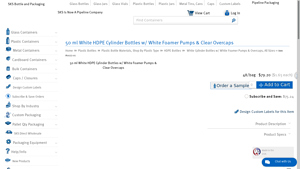
Domain: sks-bottle.com
Registered: 1997 (28 years)
Introduction: {‘stock_number’: ‘0022-01’, ‘size’: ’50 ml (1.69 oz)’, ‘case_pack’: ’48/bag’, ‘material’: ‘White HDPE’, ‘style’: ‘Cylinder Bottles’, ‘cap_option’: ’30 mm White PP Foamer Pumps’, ‘dimensions’: ‘130 mm (H) x 34 mm (D)’, ‘label_panel’: ‘64.000 mm (H) x 101 mm (W)’, ‘made_in’: ‘USA’}
2. ForSoapmakers – 8.5 oz Foamer Pump Bottle (Clear)
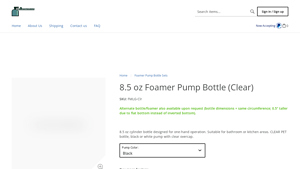
Domain: forsoapmakers.com
Registered: 2001 (24 years)
Introduction: {“name”: “8.5 oz Foamer Pump Bottle (Clear)”, “SKU”: “FMLG-Clr”, “capacity”: “8.5 oz (250 ml)”, “material”: “Clear PET”, “pump_colors”: [“Black”, “White”], “dimensions”: {“height”: “8.5 inches”, “diameter”: “1.875 inches”}, “weight”: “0.1400 lbs”, “suitable_for”: [“bathroom”, “kitchen”], “bulk_pricing”: [{“quantity_range”: “1-24”, “price”: “$3.59”}, {“quantity_range”: “25-99”, “price”: “$2.87”}, {…
3. Making Cosmetics – Mini Foamer Pump (Foma 4)
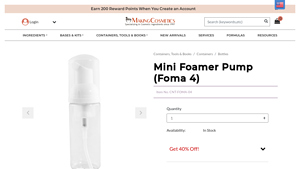
Domain: makingcosmetics.com
Registered: 1999 (26 years)
Introduction: Mini Foamer Pump (Foma 4) – Item No. CNT-FOMA-04
4. US Plastic – 50mL Clear PET Foaming Cylinder Bottle
Domain: usplastic.com
Registered: 1996 (29 years)
Introduction: {“Product Name”: “50mL Clear PET Foaming-Style Cylinder Bottle with Foaming Pump & Over-Cap”, “Item Number”: “62484”, “Material”: “PET”, “Shape”: “Round”, “Color”: “Clear”, “Capacity”: “50mL”, “Style”: “Dispenser”, “Dimensions”: “1.34” Dia. x 3.35” Hgt.”, “Dip Tube Length”: “3-5/8″”, “Output per Stroke”: “0.25mL”, “Weight”: “0.063 lbs”, “Pump Type”: “Polypropylene foamer pump”, “Included”: “Pump &…
5. Plastirey – 43mm Foamer Pump w/ Overcap

Domain: plastirey.com
Registered: 1998 (27 years)
Introduction: {“Product Name”: “43mm Foamer Pump w/ Overcap (U6310)”, “Neck Finish”: “43mm”, “Stock Material”: “PP”, “Stock Color”: “White/Clear”, “Parts per Box”: 480, “Parts per Pallet”: 14400, “Min Order Qty (ea)”: 480}
6. Midwest Bottles – Foamer Bottle

Domain: midwestbottles.com
Registered: 2006 (19 years)
Introduction: Foamer Bottle – Plastic bottle with foamer. Designed for making foaming hand soap. Set includes 1 bottle and 1 foamer pump (not 2 bottles and 2 pumps).
7. Bottle Source Corp – 210ml White HDPE Foamer Bottle

Domain: bottlesourcecorp.com
Registered: 2018 (7 years)
Introduction: {“name”: “210ml White HDPE Foamer Bottle With Pump & OverCap”, “SKU”: “BSB-032”, “volume”: “210ml”, “material”: “HDPE”, “color”: “White”, “features”: [“Includes pump”, “Includes overcap”, “Durable material”, “Suitable for foaming products”, “Travel-friendly size”], “price”: “1.50 CAD”, “packaging_options”: [“Single Unit”, “100/Pack”, “500/CS”], “availability”: “In stock”}
Strategic Sourcing Conclusion and Outlook for Foamer Pump Bottles with Overcap
In today’s competitive market, the strategic sourcing of foamer pump bottles with overcaps offers significant advantages for businesses targeting personal care, household, and industrial applications. Understanding the nuances of material selection, customization options, and regional demand is crucial for optimizing supply chains and enhancing product offerings.
By prioritizing high-quality materials such as PET and HDPE, companies can ensure the durability and recyclability of their packaging, aligning with global sustainability trends. Additionally, leveraging customization capabilities—from color variations to branding opportunities—can provide a unique selling proposition, particularly in emerging markets across Africa, South America, the Middle East, and Europe.
Looking ahead, the demand for foamer pump bottles is poised for growth, driven by the increasing popularity of foam-based products in personal care and hygiene sectors. International B2B buyers are encouraged to capitalize on this trend by forging strong partnerships with reliable suppliers who can meet their specific needs efficiently. As the market evolves, staying informed about innovations in packaging technology will be essential for maintaining a competitive edge. Embrace the opportunities in this dynamic landscape and position your business for success by sourcing strategically today.




 English
  Russian
  Spanish
  Italian
  Thai
Thai  French
  Arabic
  Portuguese
  Indonesian
  German






