

Introduction: Navigating the Global Market for Mono-material Ocean Bound Plastic refillable Cosmetic Jar
The challenge of sourcing sustainable packaging solutions has never been more pressing, particularly in the cosmetics industry where environmental concerns are at the forefront. The Mono-material Ocean Bound Plastic refillable Cosmetic Jar represents a significant innovation in this space, offering a dual benefit of reducing plastic waste while providing a functional and aesthetically pleasing option for brands. This guide aims to equip international B2B buyers, especially those from Africa, South America, the Middle East, and Europe—including emerging markets like Vietnam and established ones like Germany—with the insights needed to navigate this evolving landscape.
In the following sections, we will explore various types of Mono-material Ocean Bound Plastic refillable jars, their applications in different cosmetic segments, and the importance of supplier vetting to ensure quality and sustainability. Additionally, we will delve into cost considerations and best practices for integrating these eco-friendly solutions into existing product lines. By providing a comprehensive overview, this guide empowers businesses to make informed purchasing decisions, aligning their packaging strategies with consumer demand for sustainability while also enhancing their brand image.
The transition to eco-friendly packaging is not just a trend; it’s a necessity for businesses aiming to thrive in a competitive global market. Embracing the Mono-material Ocean Bound Plastic refillable Cosmetic Jar is a step towards sustainable practices that resonate with today’s environmentally conscious consumers.
Understanding Mono-material Ocean Bound Plastic refillable Cosmetic Jar Types and Variations
| Type Name | Key Distinguishing Features | Primary B2B Applications | Brief Pros & Cons for Buyers |
|---|---|---|---|
| Cylinder Smooth Surface Cosmetic Jar | Sleek design, smooth exterior, suitable for various formulations | Skincare, haircare, and body products | Pros: Modern aesthetic; easy to label. Cons: Limited customization options. |
| Ocean Bound Plastic Airless Jar | Airless pump technology, prevents contamination, preserves product | High-end skincare, serums, and creams | Pros: Extended shelf life; reduces waste. Cons: Higher initial cost. |
| Round Cosmetic Jar | Classic round shape, versatile size options | Creams, balms, and lotions | Pros: Familiar design; cost-effective. Cons: Bulkier than other options. |
| Refillable Ocean Bound Plastic Jar | Designed for multiple uses, reduces waste | Eco-conscious brands, subscription services | Pros: Sustainability-focused; cost-saving in the long run. Cons: Requires consumer education. |
| Mono-material Cosmetic Jar | Made from a single type of material, enhancing recyclability | Brands prioritizing sustainability | Pros: Easy recycling; aligns with eco-friendly goals. Cons: Material limitations may affect durability. |
What Are the Characteristics of Cylinder Smooth Surface Cosmetic Jars?
Cylinder Smooth Surface Cosmetic Jars are characterized by their sleek, modern design with a smooth exterior that enhances branding and labeling opportunities. These jars are typically made from mono-material ocean-bound plastics, making them eco-friendly and suitable for a wide range of formulations, including skincare and body care products. When considering a purchase, B2B buyers should evaluate their branding needs, as these jars offer a contemporary aesthetic but may have limited options for customization.
How Do Ocean Bound Plastic Airless Jars Preserve Product Integrity?
Ocean Bound Plastic Airless Jars utilize advanced pump technology to prevent air exposure, thus minimizing contamination and preserving the integrity of sensitive formulations like serums and creams. This design is particularly advantageous for high-end skincare brands aiming to extend the shelf life of their products. B2B buyers should weigh the initial investment against the long-term benefits of reduced waste and enhanced product performance when considering these jars.
Why Are Round Cosmetic Jars a Versatile Choice for Different Products?
Round Cosmetic Jars are a classic choice in the beauty industry, offering versatility in size and capacity. Their familiar shape makes them suitable for various applications, including creams, balms, and lotions. While they are generally more cost-effective, B2B buyers should consider the trade-off between bulkiness and the ease of transport and storage when selecting this type.
What Benefits Do Refillable Ocean Bound Plastic Jars Offer to Brands?
Refillable Ocean Bound Plastic Jars are designed for multiple uses, significantly reducing waste and appealing to eco-conscious brands and consumers. This type of jar is ideal for businesses that offer subscription services or products aimed at sustainability. B2B buyers should consider the importance of consumer education and marketing strategies to effectively promote the benefits of refillable systems.
How Does Mono-material Construction Enhance Sustainability in Cosmetic Jars?
Mono-material Cosmetic Jars are crafted from a single type of material, which simplifies the recycling process and aligns with the growing demand for sustainable packaging solutions. These jars are particularly appealing to brands committed to reducing their environmental impact. B2B buyers should assess how the material’s properties may affect durability and product protection, as well as the overall brand message regarding sustainability.
Key Industrial Applications of Mono-material Ocean Bound Plastic refillable Cosmetic Jar
| Industry/Sector | Specific Application of Mono-material Ocean Bound Plastic refillable Cosmetic Jar | Value/Benefit for the Business | Key Sourcing Considerations for this Application |
|---|---|---|---|
| Cosmetics & Skincare | Packaging for creams, lotions, and serums | Enhances brand image through sustainable practices | Compliance with international eco-certifications and standards |
| Personal Care Products | Containers for hair care products and deodorants | Appeals to environmentally conscious consumers | Customization options for branding and product differentiation |
| Retail and E-commerce | Refillable jars for online beauty subscription services | Reduces packaging waste and attracts eco-focused customers | Reliable supply chain for consistent product availability |
| Hospitality and Spa Services | Eco-friendly packaging for in-room amenities in hotels and spas | Improves guest experience while promoting sustainability | Bulk purchasing agreements and logistics for timely delivery |
| Food and Beverage | Packaging for beauty-related food supplements (e.g., collagen powders) | Diversifies product offerings while maintaining eco-friendly image | Regulatory compliance for food safety and material certifications |
How is the Mono-material Ocean Bound Plastic refillable Cosmetic Jar Used in the Cosmetics & Skincare Industry?
In the cosmetics and skincare industry, the Mono-material Ocean Bound Plastic refillable cosmetic jar is primarily used for packaging various products, such as creams, lotions, and serums. These jars not only serve the functional purpose of storing products but also enhance brand image by showcasing a commitment to sustainability. For international buyers, especially from regions like Africa and South America, understanding local regulations on eco-friendly packaging can be crucial for market entry and acceptance.
What are the Applications in Personal Care Products?
For personal care products, these refillable jars are ideal for packaging hair care items and deodorants. The use of ocean-bound plastic aligns with the growing trend of sustainability, appealing to eco-conscious consumers. Buyers in the Middle East and Europe may prioritize customization options to ensure that the jars reflect their brand identity while adhering to environmental standards.
How Do Retail and E-commerce Benefit from Refillable Packaging?
In the retail and e-commerce sectors, these jars are perfect for subscription services that deliver beauty products directly to consumers. The refillable nature reduces packaging waste, which is a significant selling point for eco-focused brands. B2B buyers in the e-commerce space must consider reliable sourcing to ensure consistent product availability and meet consumer demand.
How is it Utilized in Hospitality and Spa Services?
The hospitality and spa industries can leverage these eco-friendly jars for in-room amenities, enhancing the guest experience while promoting sustainability. This not only aligns with the growing trend of responsible tourism but also differentiates hotels and spas in a competitive market. Buyers should focus on bulk purchasing agreements to ensure timely delivery and sufficient stock for their operations.
What is the Role in Food and Beverage Packaging?
Interestingly, these jars can also be utilized in the food and beverage sector, particularly for beauty-related supplements like collagen powders. This diversification allows brands to maintain an eco-friendly image while expanding their product offerings. B2B buyers need to ensure that all packaging complies with food safety regulations and material certifications to guarantee consumer safety and satisfaction.

A stock image related to Mono-material Ocean Bound Plastic refillable Cosmetic Jar.
3 Common User Pain Points for ‘Mono-material Ocean Bound Plastic refillable Cosmetic Jar’ & Their Solutions
Scenario 1: Sourcing Reliable Suppliers for Ocean Bound Plastic Packaging
The Problem: B2B buyers often face significant challenges in identifying reliable suppliers for mono-material ocean bound plastic refillable cosmetic jars. The market is flooded with options, but not all suppliers maintain high standards of quality and sustainability. This lack of transparency can lead to concerns about the authenticity of the materials, potential environmental impact, and whether the packaging will meet the necessary regulatory requirements in their respective markets. For international buyers, especially from regions like Africa and South America, navigating different certifications and standards can be overwhelming.
The Solution: To overcome this challenge, B2B buyers should conduct thorough due diligence when sourcing suppliers. Start by seeking out suppliers who have verifiable certifications for their ocean bound plastic materials, such as ISO 14001 for environmental management and certifications from recognized organizations that validate the sustainability claims. Establish direct communication with potential suppliers to inquire about their sourcing processes, quality control measures, and any third-party audits they may undergo. It is also beneficial to request samples to assess the quality of the jars firsthand. Joining industry-specific forums or associations can provide insights into reputable suppliers and peer recommendations, ensuring a more reliable sourcing process.
Scenario 2: Addressing Consumer Skepticism Toward Refillable Packaging
The Problem: As the market shifts towards sustainability, many consumers remain skeptical about refillable packaging, particularly concerning the hygiene and safety of mono-material ocean bound plastic jars. This skepticism can translate into hesitance from B2B buyers, who are concerned about how their products will be perceived in the market. Buyers need to ensure that their packaging not only meets sustainability goals but also addresses consumer concerns about cleanliness and usability.
The Solution: To combat consumer skepticism, B2B buyers should prioritize transparency in their marketing and product information. Providing detailed information about the refillable jars’ cleaning processes and safety features can build consumer trust. Consider collaborating with suppliers who can provide data on the materials used, including certifications that ensure the jars are free from harmful chemicals. Additionally, incorporating user-friendly features, such as easy-to-clean designs or resealable components, can enhance the consumer experience. Offering incentives for refills, such as discounts or loyalty programs, can also encourage consumers to embrace refillable options, thereby reinforcing their value.
Scenario 3: Managing the Logistics of Refillable Packaging
The Problem: Implementing a refillable packaging system using mono-material ocean bound plastic jars presents logistical challenges for B2B buyers, especially in terms of distribution and inventory management. This is particularly true in regions with underdeveloped infrastructure or where supply chain disruptions are common. Buyers may struggle with how to effectively manage the return and refill process, which can complicate inventory turnover and increase operational costs.
The Solution: To streamline logistics, B2B buyers should develop a clear plan that addresses the entire lifecycle of the refillable jars. Implement a robust tracking system to monitor inventory levels and refill rates. This could involve using software solutions that integrate inventory management with sales data to predict refill needs accurately. Additionally, establishing a returnable packaging program can facilitate the collection of used jars for refilling. Collaborating with local partners who understand the regional logistics landscape can also enhance the efficiency of the refill process. Offering educational resources to retailers about how to manage the refillable system can further ensure a smooth implementation, benefiting both the buyer and the end consumer.
Strategic Material Selection Guide for Mono-material Ocean Bound Plastic refillable Cosmetic Jar
What Are the Key Properties of Mono-material Ocean Bound Plastic for Refillable Cosmetic Jars?
Mono-material ocean-bound plastic is derived from discarded plastics collected from coastal areas, making it a sustainable choice for cosmetic packaging. The key properties of this material include excellent chemical resistance, which allows it to withstand various cosmetic formulations without degrading. Additionally, it offers good temperature stability, ensuring that products remain safe and effective under varying environmental conditions. The material’s lightweight nature also contributes to reduced shipping costs and lower carbon footprints.
What Are the Advantages and Disadvantages of Using Mono-material Ocean Bound Plastic?
Advantages
- Sustainability: Utilizing ocean-bound plastic helps mitigate the ongoing plastic pollution crisis, appealing to environmentally conscious consumers and businesses.
- Durability: This material exhibits high resistance to impact and wear, making it suitable for refillable jars that endure regular use.
- Cost-Effectiveness: As the demand for sustainable packaging rises, the cost of ocean-bound plastic has become increasingly competitive compared to traditional materials.
Disadvantages
- Manufacturing Complexity: The recycling process for ocean-bound plastics can be more intricate than for virgin materials, potentially leading to higher production costs.
- Limited Color Options: Due to the nature of recycled materials, there may be restrictions on color and finish, which could affect branding strategies.
- Regulatory Compliance: International buyers must ensure that products meet local regulations regarding recycled materials, which can vary significantly across regions.
How Does Material Selection Impact Application in Different Markets?
When considering the application of mono-material ocean-bound plastic refillable cosmetic jars, international B2B buyers must account for regional preferences and compliance standards. In Europe, for example, stringent regulations such as the EU Plastics Strategy may require detailed documentation on the sourcing and recycling processes. In contrast, markets in Africa and South America may have less rigorous standards but are increasingly adopting sustainable practices, making ocean-bound plastic an attractive option. Buyers from the Middle East should also be aware of local regulations regarding plastic use and recycling, which can differ from those in Europe or Asia.
What Compliance and Standards Should International Buyers Consider?
For international B2B buyers, compliance with standards such as ASTM (American Society for Testing and Materials), DIN (Deutsches Institut für Normung), and JIS (Japanese Industrial Standards) is crucial. These standards often dictate the performance and safety requirements for packaging materials. Buyers should also consider certifications related to sustainability, such as ISO 14001, which can enhance brand reputation and consumer trust.
| Material | Typical Use Case for Mono-material Ocean Bound Plastic refillable Cosmetic Jar | Key Advantage | Key Disadvantage/Limitation | Relative Cost (Low/Med/High) |
|---|---|---|---|---|
| Mono-material Ocean Bound Plastic | Refillable cosmetic jars for creams, lotions, and serums | Environmentally sustainable and reduces waste | Manufacturing complexity may increase costs | Medium |
| Recycled Polyethylene (rPE) | Packaging for skincare and haircare products | Good chemical resistance and durability | Limited color options due to recycling process | Medium |
| Polypropylene (PP) | Lightweight jars for various cosmetic applications | Cost-effective and widely available | Lower impact resistance compared to other plastics | Low |
| Polyethylene Terephthalate (PET) | Refillable jars for high-end cosmetic products | Excellent clarity and aesthetic appeal | Less sustainable compared to ocean-bound plastic | Medium |
This strategic material selection guide provides B2B buyers with essential insights into the properties, advantages, and considerations of using mono-material ocean-bound plastic for refillable cosmetic jars, enabling informed decision-making in a competitive marketplace.

A stock image related to Mono-material Ocean Bound Plastic refillable Cosmetic Jar.
In-depth Look: Manufacturing Processes and Quality Assurance for Mono-material Ocean Bound Plastic refillable Cosmetic Jar
What Are the Main Stages in the Manufacturing Process of Mono-material Ocean Bound Plastic Refillable Cosmetic Jars?
The manufacturing of Mono-material Ocean Bound Plastic refillable cosmetic jars involves a structured process that ensures sustainability and quality. This process typically includes several key stages: material preparation, forming, assembly, and finishing.
-
Material Preparation: The journey begins with sourcing ocean-bound plastic, which is collected from coastal regions where it has a high likelihood of entering the ocean. The plastic is then sorted, cleaned, and shredded into flakes. This initial step is crucial as it directly influences the quality of the final product. To ensure consistency, suppliers often employ advanced washing and drying techniques to remove contaminants and moisture, preparing the plastic for subsequent processing.
-
Forming: Once the material is prepared, it is transformed into cosmetic jars using various forming techniques such as injection molding or blow molding. Injection molding is commonly used for creating precise shapes and is favored for its efficiency in high-volume production. Blow molding may be employed for more complex designs. The choice of technique impacts the jar’s structural integrity and aesthetic appeal, making it essential for manufacturers to select the appropriate method based on the product specifications.
-
Assembly: After forming, the jars are assembled with components such as lids and labels. This stage may involve automated machinery for efficiency, but manual inspection remains vital to ensure that all parts fit correctly and meet design specifications. The assembly process also includes quality checks to confirm that the jars are free from defects before they proceed to the finishing stage.
-
Finishing: The final stage involves applying any necessary finishes, such as UV coating or printing, to enhance the jar’s appearance and functionality. This step is also where any additional quality control measures are implemented to ensure that the final product meets industry standards.
How Is Quality Assurance Integrated Into the Manufacturing of Cosmetic Jars?
Quality assurance (QA) is a critical component throughout the manufacturing process of Mono-material Ocean Bound Plastic refillable cosmetic jars. Ensuring product quality not only complies with international standards but also builds trust with B2B buyers.
-
International Standards Compliance: Manufacturers typically adhere to international standards such as ISO 9001, which outlines requirements for a quality management system. Compliance with these standards ensures that the production process is efficient and that the products meet customer and regulatory requirements. Additionally, industry-specific certifications like CE (Conformité Européenne) and API (Active Pharmaceutical Ingredient) may apply depending on the intended use of the jars.
-
Quality Control Checkpoints: The manufacturing process incorporates several quality control (QC) checkpoints:
– Incoming Quality Control (IQC): This step involves inspecting raw materials upon arrival at the facility. The focus is on verifying that the ocean-bound plastic meets specified quality criteria before it is used in production.
– In-Process Quality Control (IPQC): During the manufacturing process, regular inspections are conducted to monitor the production parameters. This ensures that any deviations are addressed promptly, preventing defects.
– Final Quality Control (FQC): Once the jars are completed, they undergo a final inspection to confirm that they meet all specifications and quality standards before packaging and shipping. -
Common Testing Methods: Various testing methods are employed to ensure the jars’ quality and safety. These can include:
– Physical Testing: Assessing the mechanical properties of the jars, such as tensile strength and impact resistance.
– Chemical Testing: Ensuring that the materials used do not leach harmful substances, especially since the jars will contain cosmetic products.
– Environmental Testing: Evaluating the jars’ performance under different environmental conditions to ensure durability.
How Can B2B Buyers Verify Supplier Quality Control Processes?
For international B2B buyers, particularly in regions like Africa, South America, the Middle East, and Europe, verifying supplier quality control processes is paramount. Here are some actionable steps to ensure that suppliers maintain high standards:
-
Supplier Audits: Conducting regular audits of potential suppliers can provide insights into their manufacturing practices, quality control measures, and adherence to international standards. Audits can be performed by the buying company or through third-party services specializing in supplier evaluations.
-
Quality Control Reports: Requesting detailed QC reports from suppliers can give buyers an understanding of the testing methods used, results, and any corrective actions taken in case of non-compliance. This transparency can help establish trust between buyers and suppliers.
-
Third-Party Inspections: Engaging independent third-party inspection services can provide an unbiased assessment of the supplier’s quality control processes. These inspections can occur at various stages of production, ensuring that the jars meet specified standards before shipment.
-
Certifications and Documentation: Buyers should look for suppliers who hold relevant certifications and can provide documentation to prove compliance with industry standards. This documentation can include quality management system certificates, material safety data sheets (MSDS), and product testing reports.
What Are the Quality Control Nuances for International B2B Buyers?
International B2B buyers must navigate several nuances when it comes to quality control in the context of Mono-material Ocean Bound Plastic refillable cosmetic jars.
-
Cultural and Regulatory Differences: Different regions may have varying regulations and standards concerning plastic use and waste management. Understanding these differences is essential for compliance and ensuring that products meet local market requirements.
-
Supply Chain Transparency: Given the complexity of sourcing ocean-bound plastic, buyers should prioritize suppliers who offer transparency in their supply chain processes. This includes tracking the journey of materials from collection to manufacturing, which can be facilitated by technologies like blockchain.
-
Sustainability Considerations: As sustainability becomes a focal point for consumers, buyers should verify that suppliers not only use ocean-bound plastic but also engage in practices that minimize environmental impact throughout the manufacturing process.
By understanding the manufacturing processes and quality assurance protocols associated with Mono-material Ocean Bound Plastic refillable cosmetic jars, B2B buyers can make informed decisions that align with their sustainability goals and quality expectations.
Practical Sourcing Guide: A Step-by-Step Checklist for ‘Mono-material Ocean Bound Plastic refillable Cosmetic Jar’
Introduction
This guide serves as a practical checklist for B2B buyers interested in sourcing Mono-material Ocean Bound Plastic refillable cosmetic jars. With increasing environmental concerns and consumer demand for sustainable packaging, understanding the procurement process for these innovative solutions is essential. This checklist will help streamline your sourcing efforts and ensure that you choose the right supplier and product.
Step 1: Define Your Technical Specifications
Clearly outline the technical requirements for your cosmetic jars, including size, volume, and design features. It’s essential to determine whether you need additional functionalities, such as airless technology or specific closure types. This will ensure that potential suppliers understand your needs and can provide suitable options.
- Consider market trends: Research current cosmetic packaging trends to ensure your specifications align with consumer preferences.
- Focus on sustainability: Ensure that the jars are made from mono-material ocean-bound plastic to meet sustainability goals.
Step 2: Research Potential Suppliers
Conduct thorough research to identify potential suppliers who specialize in sustainable packaging solutions. Look for manufacturers with a proven track record in producing ocean-bound plastic products and assess their market reputation.
- Review online catalogs: Examine product offerings, certifications, and case studies to gauge their capabilities.
- Seek industry recommendations: Connect with other businesses in your network to get insights and referrals.
Step 3: Evaluate Supplier Certifications
Verify that your potential suppliers possess the necessary certifications to ensure quality and sustainability. Certifications such as ISO 14001 (Environmental Management) or specific ocean-bound plastic certifications can provide reassurance regarding their practices.
- Request documentation: Ask for copies of certifications and any relevant third-party audits.
- Assess compliance: Ensure that their processes align with international standards for environmental responsibility.
Step 4: Request Samples for Testing
Before making a bulk purchase, request samples of the cosmetic jars to evaluate their quality and usability. This step is crucial to ensure that the jars meet your specifications and perform as expected in real-world conditions.
- Test for durability: Check the jars for sturdiness, sealing effectiveness, and resistance to various cosmetic products.
- Assess aesthetics: Evaluate the design and finish to ensure they align with your brand’s image.
Step 5: Negotiate Terms and Pricing
Once you have selected a supplier, engage in negotiations regarding pricing, minimum order quantities, and payment terms. Clear communication during this stage can help establish a mutually beneficial partnership.
- Be transparent: Share your budget constraints and any specific requirements you may have.
- Explore long-term agreements: Discuss possibilities for future orders or bulk discounts to enhance cost-effectiveness.
Step 6: Plan for Logistics and Delivery
Consider logistics and delivery timelines as part of your sourcing strategy. Understand the supplier’s capabilities in terms of shipping and handling, especially if you are sourcing from international locations.
- Clarify shipping options: Determine whether the supplier can accommodate your preferred shipping methods and timelines.
- Factor in customs and duties: If importing, be aware of any additional costs or regulations that may apply.
Step 7: Establish Quality Control Measures
Implement quality control measures to ensure that the products received meet your standards and specifications. This includes setting up inspection protocols upon receipt of the goods.
- Define inspection criteria: Establish clear criteria for what constitutes an acceptable product.
- Communicate feedback: Provide feedback to your supplier on any issues encountered to foster continuous improvement.
By following this checklist, B2B buyers can effectively navigate the sourcing process for Mono-material Ocean Bound Plastic refillable cosmetic jars, ensuring a successful partnership with their chosen suppliers.
Comprehensive Cost and Pricing Analysis for Mono-material Ocean Bound Plastic refillable Cosmetic Jar Sourcing
What Are the Key Cost Components for Sourcing Mono-material Ocean Bound Plastic Refillable Cosmetic Jars?
When sourcing mono-material ocean-bound plastic refillable cosmetic jars, understanding the cost structure is crucial for B2B buyers. The primary cost components include:
-
Materials: The price of ocean-bound plastic can vary based on market demand and sourcing locations. Sustainable materials often come at a premium, reflecting their environmental benefits. Expect costs to fluctuate based on the material’s availability and quality certifications.
-
Labor: Labor costs will depend on the manufacturing region. Countries with established labor standards and skilled workforces, such as Vietnam and Germany, may present higher labor costs but potentially lower defect rates and better quality assurance.
-
Manufacturing Overhead: This includes expenses related to factory operations, maintenance, utilities, and other indirect costs. Efficient manufacturing processes can reduce overhead, which in turn can lower the overall price of the jars.
-
Tooling: Custom molds and tooling for unique jar designs can be significant upfront costs. However, the investment may be justified if the jars are produced in high volumes, leading to lower per-unit costs over time.
-
Quality Control (QC): Ensuring that products meet international quality standards incurs costs. Implementing stringent QC processes is vital, especially when catering to markets in Europe and the Middle East, where compliance with environmental regulations and quality standards is rigorous.
-
Logistics: Shipping costs are influenced by distance, shipping methods, and Incoterms. International shipping can add a substantial amount to the total cost, especially if expedited delivery is required.
-
Margin: Suppliers typically add a profit margin to cover their costs and risks. This margin can vary widely based on the supplier’s reputation, the complexity of the order, and market conditions.
How Do Price Influencers Affect the Sourcing of Mono-material Ocean Bound Plastic Jars?
Several factors can influence the pricing of mono-material ocean-bound plastic refillable cosmetic jars:
-
Volume/MOQ: Minimum order quantities (MOQs) can significantly affect pricing. Larger orders usually benefit from economies of scale, reducing the per-unit price. Conversely, smaller orders may incur higher costs.
-
Specifications and Customization: Customized jars with unique designs or features can drive up costs. Buyers must balance the need for customization against budget constraints.
-
Material Quality and Certifications: Higher quality materials and certifications (like recycled content certification) can increase costs. However, these certifications can enhance brand value and appeal to environmentally conscious consumers.
-
Supplier Factors: Supplier reliability, experience, and geographic location can impact pricing. Established suppliers may charge more for their expertise and quality assurance.
-
Incoterms: The choice of Incoterms affects shipping responsibilities and costs. Understanding these terms can help buyers negotiate better deals and manage total shipping costs effectively.
What Are the Best Negotiation and Cost-efficiency Tips for International B2B Buyers?
For international buyers, particularly those from regions like Africa, South America, the Middle East, and Europe, navigating the complexities of sourcing can be challenging. Here are some actionable tips:
-
Negotiate Volume Discounts: Engage suppliers in discussions about potential discounts for larger orders. Establishing a long-term relationship can also lead to better pricing and terms.
-
Evaluate Total Cost of Ownership (TCO): Assess not just the purchase price but the total cost over the product’s lifecycle, including logistics, storage, and potential recycling costs. This comprehensive view can guide better decision-making.
-
Understand Pricing Nuances: Be aware that pricing structures may vary significantly between suppliers. Conduct market research to understand average pricing and ensure you’re getting competitive offers.
-
Leverage Local Expertise: Collaborate with local agents or distributors who understand regional market dynamics and can help negotiate better terms.
-
Consider Sustainability as a Value Proposition: Highlighting the sustainable aspects of the products may justify a higher price point and appeal to eco-conscious consumers, especially in European markets.
By carefully considering these factors, B2B buyers can make informed decisions that align with their sustainability goals while optimizing costs.
Alternatives Analysis: Comparing Mono-material Ocean Bound Plastic refillable Cosmetic Jar With Other Solutions
Introduction to Alternative Solutions for Cosmetic Packaging
In the evolving landscape of sustainable cosmetic packaging, businesses are increasingly seeking alternatives to traditional materials. The Mono-material Ocean Bound Plastic refillable Cosmetic Jar stands out as an innovative solution, but it is essential to explore other viable options to determine the best fit for specific needs. This analysis will compare the Mono-material Ocean Bound Plastic jar against two alternative packaging solutions: Refillable Glass Jars and Aluminum Cosmetic Containers. Each option presents unique advantages and challenges that can influence purchasing decisions for B2B buyers.
| Comparison Aspect | Mono-Material Ocean Bound Plastic Refillable Cosmetic Jar | Refillable Glass Jar | Aluminum Cosmetic Container |
|---|---|---|---|
| Performance | Durable, lightweight, and recyclable | Offers premium aesthetics and durability | Lightweight, excellent barrier properties |
| Cost | Generally lower production costs due to material sourcing | Higher production costs | Moderate costs, depending on sourcing |
| Ease of Implementation | Easy to integrate into existing production lines | Requires specialized handling and transport | Can be implemented with minor adjustments |
| Maintenance | Low maintenance; easy to clean and refill | Requires careful handling to avoid breakage | Easy to clean; highly recyclable |
| Best Use Case | Ideal for eco-conscious brands targeting younger consumers | Best for luxury brands seeking premium feel | Suitable for brands focused on sustainability and durability |
Detailed Breakdown of Alternatives
1. Refillable Glass Jar
The refillable glass jar is a classic choice for cosmetic packaging, particularly for high-end products. Its aesthetic appeal enhances brand perception, making it a popular option for luxury skincare lines. However, while glass jars provide excellent product protection and are fully recyclable, they come with higher production and shipping costs due to weight and fragility. Brands may also face challenges in logistics, as glass requires more careful handling to prevent breakage.
2. Aluminum Cosmetic Container
Aluminum containers present a modern and sustainable alternative, offering a lightweight solution with excellent barrier properties to protect the contents. They are highly recyclable and can be produced using a significant percentage of recycled material, appealing to eco-conscious consumers. The initial investment can vary, but aluminum containers often strike a balance between cost and sustainability. However, branding opportunities may be limited compared to glass, and some consumers may perceive aluminum as less premium than glass.
Conclusion: How to Choose the Right Packaging Solution
When selecting the appropriate packaging solution, B2B buyers should consider their target market, brand positioning, and sustainability goals. The Mono-material Ocean Bound Plastic refillable Cosmetic Jar is an excellent choice for brands aiming to appeal to environmentally conscious consumers with a modern aesthetic. In contrast, refillable glass jars suit luxury brands looking for high-end presentation, while aluminum containers are ideal for companies focused on sustainability without compromising on durability. Ultimately, the decision should align with the brand’s identity, market demands, and logistical capabilities to ensure a successful product launch.
Essential Technical Properties and Trade Terminology for Mono-material Ocean Bound Plastic refillable Cosmetic Jar
What Are the Key Technical Properties of Mono-material Ocean Bound Plastic Refillable Cosmetic Jars?
When considering the procurement of Mono-material Ocean Bound Plastic refillable cosmetic jars, understanding their technical specifications is crucial for ensuring product quality and performance. Below are some essential properties that international B2B buyers should be aware of:
1. Material Composition
Mono-material jars are made from a single type of plastic, typically Polypropylene (PP) or Polyethylene (PE), sourced from ocean-bound plastic. This uniform composition simplifies recycling processes, aligning with sustainability goals. For B2B buyers, selecting jars made from verified ocean-bound materials can enhance brand reputation and appeal to eco-conscious consumers.
2. Tolerance Specifications
Tolerance refers to the allowable variation in dimensions during manufacturing. For cosmetic jars, tight tolerances are essential to ensure proper sealing and usability. For instance, a tolerance of ±0.5 mm on the jar’s diameter can significantly impact the fit of caps and pumps. Buyers should insist on clear tolerance specifications to avoid issues in assembly and packaging.
3. Volume Capacity
Volume capacity typically ranges from 30 ml to 500 ml, depending on the product being packaged. Understanding the volume options available is essential for aligning packaging solutions with product formulations. Buyers should evaluate their product line to determine the most suitable volume, ensuring efficient space utilization during transport and storage.
4. Barrier Properties
Barrier properties refer to a jar’s ability to protect contents from external factors such as air, moisture, and light. High-quality ocean-bound plastic jars can offer enhanced barrier properties, preserving the integrity of cosmetic formulations. For B2B buyers, these properties are critical in maintaining product efficacy and extending shelf life.
5. Recyclability
A key selling point for mono-material jars is their recyclability. Unlike multi-material packaging, which complicates recycling processes, mono-material jars can be processed more efficiently. Buyers should consider the end-of-life options for their packaging to comply with environmental regulations and consumer expectations.
6. Customization Options
Customization can include color, size, and decorative finishes, allowing brands to differentiate their products on the shelf. Understanding the available customization options is vital for branding strategies. Buyers should inquire about the minimum order quantities (MOQs) for customized designs to plan their inventory effectively.
What Are Common Trade Terminologies Related to Ocean Bound Plastic Packaging?
Navigating the B2B landscape requires familiarity with specific trade terminology. Here are some commonly used terms associated with mono-material ocean-bound plastic jars:
1. OEM (Original Equipment Manufacturer)
OEM refers to companies that produce products based on the specifications provided by other brands. In the context of cosmetic jars, buyers may collaborate with OEMs to create custom packaging solutions that meet their unique brand requirements.
2. MOQ (Minimum Order Quantity)
MOQ is the smallest quantity of a product that a supplier is willing to sell. Understanding MOQs is crucial for buyers to manage their inventory and cash flow effectively. For ocean-bound plastic jars, MOQs may vary based on customization options and production capabilities.
3. RFQ (Request for Quotation)
An RFQ is a formal document issued by buyers to solicit price quotes from suppliers for specific products. When sourcing ocean-bound plastic jars, submitting an RFQ can help buyers obtain competitive pricing and evaluate different suppliers.
4. Incoterms (International Commercial Terms)
Incoterms define the responsibilities of buyers and sellers in international shipping agreements. Familiarity with these terms helps buyers understand shipping costs, insurance, and risk management, ensuring smooth transactions when importing ocean-bound plastic jars.
5. Sustainability Certification
This term refers to recognized standards that confirm a product’s environmental credentials. Certifications such as ISO 14001 or Cradle to Cradle can enhance marketability and consumer trust. Buyers should seek products with relevant certifications to demonstrate their commitment to sustainability.
By understanding these technical properties and trade terminologies, B2B buyers can make informed decisions when sourcing mono-material ocean-bound plastic refillable cosmetic jars, ultimately enhancing their product offerings and aligning with sustainability goals.
Navigating Market Dynamics and Sourcing Trends in the Mono-material Ocean Bound Plastic refillable Cosmetic Jar Sector
What Are the Key Trends Influencing the Mono-material Ocean Bound Plastic Refillable Cosmetic Jar Market?
The global market for cosmetic packaging is increasingly shaped by sustainability, driven by consumer awareness and regulatory pressures. Mono-material ocean-bound plastic refillable jars are at the forefront of this transformation, offering brands a way to contribute to environmental conservation while maintaining product integrity. Key trends include the rise of circular economy principles, where businesses are encouraged to adopt sustainable practices that allow materials to be reused and recycled effectively.
International B2B buyers, particularly in emerging markets in Africa, South America, the Middle East, and Europe (notably Vietnam and Germany), are seeking innovative packaging solutions that align with these principles. The demand for customization in design and functionality is also growing, as brands look to differentiate themselves in a competitive marketplace. Technology plays a pivotal role, with advancements in material science enabling the development of high-quality, recyclable mono-materials that are not only sustainable but also cost-effective. Additionally, the integration of digital tools for supply chain transparency and efficiency is becoming a standard expectation among international buyers.
As the market evolves, companies that leverage data analytics to understand consumer behavior and preferences will gain a competitive edge. This data-driven approach can inform sourcing decisions, helping businesses identify reliable suppliers and innovative packaging solutions that resonate with eco-conscious consumers.
How Does Sustainability and Ethical Sourcing Impact the Mono-material Ocean Bound Plastic Refillable Cosmetic Jar Sector?
Sustainability is no longer an option but a necessity in the cosmetic packaging industry. The environmental impact of traditional plastic is significant, contributing to ocean pollution and harming marine life. Mono-material ocean-bound plastic jars provide a viable alternative, sourced from plastics that would otherwise threaten ocean ecosystems. This shift not only addresses pollution but also supports the reduction of virgin plastic production, aligning with global sustainability goals.
Moreover, ethical sourcing is paramount for B2B buyers seeking to enhance their brand reputation. Transparency in the supply chain is crucial; buyers are increasingly scrutinizing the origins of materials and the manufacturing processes involved. Certifications such as FSC (Forest Stewardship Council) and ISO (International Organization for Standardization) can help validate a brand’s commitment to sustainability.
B2B buyers should prioritize suppliers who can demonstrate their sustainability efforts through certifications and detailed reporting on their sourcing practices. By doing so, they can ensure that their products meet the growing consumer demand for eco-friendly solutions while fostering responsible production methods.
What Is the Evolution of Mono-material Ocean Bound Plastic Refillable Cosmetic Jars in the B2B Landscape?
The journey of mono-material ocean-bound plastic jars in the cosmetic sector reflects a broader trend towards sustainability and innovation. Initially, cosmetic packaging was predominantly made from conventional plastics, which posed environmental challenges. However, as awareness of plastic pollution grew, brands began to explore alternative materials. The introduction of ocean-bound plastics—collected from coastal areas at risk of entering the ocean—marked a significant turning point.
Over the past decade, the technology surrounding plastic recycling and processing has advanced, enabling the creation of high-quality mono-material packaging that is both functional and aesthetically appealing. This evolution is now being embraced by B2B buyers who are keen to align their product offerings with sustainable practices. The transition from single-use plastic to refillable, eco-conscious solutions represents a paradigm shift in the cosmetics industry, positioning companies that adopt these innovations as leaders in the market.
As the demand for sustainable packaging continues to rise, the mono-material ocean-bound plastic refillable cosmetic jar sector is poised for growth, appealing to environmentally conscious brands and consumers alike.
Frequently Asked Questions (FAQs) for B2B Buyers of Mono-material Ocean Bound Plastic refillable Cosmetic Jar
-
1. How do I ensure the quality of Mono-material Ocean Bound Plastic refillable Cosmetic Jars?
To ensure quality, request samples from potential suppliers before placing large orders. Conduct a thorough assessment of their manufacturing processes and certifications, such as ISO or sustainability certifications. Additionally, consider visiting the production facility or hiring a third-party inspection service to verify the quality of the materials and the finished products. Regular audits and quality assurance checks can help maintain standards throughout your partnership. -
2. What are the customization options available for Mono-material Ocean Bound Plastic jars?
Customization options can include size, color, design, and branding elements such as logos or labels. Many suppliers offer a variety of finishes, such as matte or glossy, and can accommodate unique shapes to align with your brand identity. Discuss your specific requirements with the supplier, and inquire about their capabilities for custom tooling and production runs to ensure your vision is accurately realized. -
3. What is the minimum order quantity (MOQ) for these refillable jars?
MOQs can vary significantly between suppliers, typically ranging from a few hundred to several thousand units. Factors influencing MOQ include production capacity, customization requirements, and material availability. It’s essential to communicate your needs clearly and negotiate with suppliers to find a feasible MOQ that aligns with your business goals while ensuring cost-effectiveness. -
4. What payment terms should I expect when ordering from international suppliers?
Payment terms can differ by supplier and region, but common practices include a deposit (often 30-50%) upfront, with the balance due before shipping. Some suppliers may also offer net payment terms (e.g., 30 or 60 days) after delivery. Always clarify payment methods, currency, and any additional fees (like bank transfer charges) before finalizing the order to avoid misunderstandings. -
5. How can I verify the sustainability claims of my supplier?
To verify sustainability claims, request documentation such as certificates for ocean-bound plastic sourcing and recycling processes. Look for third-party certifications from recognized organizations that validate eco-friendly practices. Engaging with suppliers who provide transparency in their supply chain, including detailed material passports, can also enhance trust in their sustainability commitments. -
6. What logistics considerations should I keep in mind when sourcing from abroad?
When sourcing internationally, consider shipping methods, lead times, customs regulations, and potential tariffs. It’s crucial to work with logistics partners experienced in international trade who can assist with documentation and compliance. Additionally, understanding the supplier’s location can impact shipping costs and delivery times, so factor in these elements when planning your supply chain. -
7. How do I handle potential language barriers when communicating with suppliers?
To mitigate language barriers, consider using professional translation services or hiring bilingual staff who can facilitate effective communication. Clearly outline your requirements in writing and ask suppliers to confirm their understanding. Utilize visual aids, such as diagrams or images, to enhance comprehension. Building a strong relationship with your supplier can also help bridge any communication gaps. -
8. What are the best practices for vetting suppliers of cosmetic packaging?
Start by researching potential suppliers through industry directories, trade shows, and online platforms. Request references from other clients to gauge their reliability and service quality. Evaluate their production capabilities, compliance with international standards, and customer service responsiveness. Conducting a site visit, if feasible, can provide valuable insights into their operations and help establish a trustworthy partnership.
Important Disclaimer & Terms of Use
⚠️ Important Disclaimer
The information provided in this guide, including content regarding manufacturers, technical specifications, and market analysis, is for informational and educational purposes only. It does not constitute professional procurement advice, financial advice, or legal advice.
While we have made every effort to ensure the accuracy and timeliness of the information, we are not responsible for any errors, omissions, or outdated information. Market conditions, company details, and technical standards are subject to change.
B2B buyers must conduct their own independent and thorough due diligence before making any purchasing decisions. This includes contacting suppliers directly, verifying certifications, requesting samples, and seeking professional consultation. The risk of relying on any information in this guide is borne solely by the reader.
Top 5 Mono-Material Ocean Bound Plastic Refillable Cosmetic Jar Manufacturers & Suppliers List
1. Gideapac – Key Product

Domain: gideapac.com
Registered: 2023 (2 years)
Introduction: Key Product Details: 1. Product Types: Pump Bottles, Dropper Bottles, Spray Bottles, Flip-top Bottles, Roller Bottles, Cosmetic Jars, Cosmetic Tubes, Airless Bottles, Airless Jars. 2. Cosmetic Applications: Foundations, Lip Balm, Sunscreen, Hair Powder, Nail Care. 3. Sustainability Features: Post-consumer Recycled, Ocean-bound Plastic, Refillable, Mono-material, Biodegradable options including Bam…
2. UA Packaging – Ocean Bound Plastic Cosmetic Packaging
Domain: uapkg.com
Registered: 2009 (16 years)
Introduction: Key Product Details: 1. Ocean Bound Plastic Cosmetic Skincare Makeup Packaging Products Supplier – UA Packaging. 2. Product Categories: Bottle, Jar, Tube, Airless, Dropper, Deodorant Stick, Glass, Pump, Sprayer. 3. Featured Products: – Tube Packaging: Customizable in shape, diameter, length, and decoration. – ALU Skincare Airless Packaging (50ml): 50% plastic reduction, refillable design, recycla…
3. AstralPak – Refillable Round Cosmetic Jar
Domain: astralpak.com
Registered: 2024 (1 years)
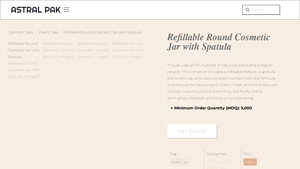
Introduction: {‘name’: ‘Refillable Round Cosmetic Jar with Spatula’, ‘material’: ‘PP (Polypropylene)’, ‘features’: ‘Refillable, includes spatula to reduce direct contact with formula’, ‘capacity’: ’50g’, ‘height’: ’53mm’, ‘diameter’: ’65mm’, ‘customization_options’: ‘Custom colors and printing (frosty, matte, semi-gloss, silkscreen printing, hot stamping)’, ‘minimum_order_quantity’: ‘5,000’, ‘packaging_finishes…
4. SunRange Pack – Airless Bottles & Cosmetic Containers

Domain: sunrangepack.com
Registered: 2022 (3 years)
Introduction: Airless Bottles, Jars, Compacts, Refillable Mini Lipstick, Stick Foundations, Eyeliner, Eyeshadow, Compact Powder Case, Jar, Lipstick Tube, Lipgloss Tube, Lip Balm Tube, Mascara Tube.
5. Berlin Packaging – Sashi Refill Pouch
Domain: berlinpackaging.com
Registered: 1997 (28 years)
Introduction: Mono-material packaging refers to packaging made entirely from a single type of material, such as PET, PE, or PP. It simplifies the recycling process by eliminating the need for sorting different materials. Key products include: 1. Sashi refill pouch – a flexible packaging solution made entirely of PE, available in 250-ml and 500-ml sizes. 2. Future pump – a recyclable mono-material PE dispenser w…
Strategic Sourcing Conclusion and Outlook for Mono-material Ocean Bound Plastic refillable Cosmetic Jar
In the evolving landscape of sustainable cosmetics, the adoption of mono-material ocean-bound plastic refillable jars represents a pivotal opportunity for businesses aiming to enhance their environmental responsibility while meeting consumer demand for eco-friendly products. These innovative solutions not only contribute to the reduction of plastic waste but also align with global sustainability goals, making them an attractive choice for brands targeting conscientious consumers.
Strategic sourcing of these materials allows companies to leverage the dual benefits of cost-effectiveness and environmental impact, particularly in regions such as Africa, South America, the Middle East, and Europe. By partnering with suppliers who prioritize ethical sourcing and sustainable practices, businesses can ensure a reliable supply chain that supports their corporate social responsibility initiatives.
Looking ahead, the demand for sustainable packaging is projected to grow significantly. Companies that embrace mono-material ocean-bound plastic solutions now will position themselves as leaders in the market, appealing to a broad audience eager for sustainable alternatives. As the industry evolves, international B2B buyers are encouraged to explore partnerships that prioritize sustainability, innovation, and transparency, ensuring their products not only meet consumer needs but also contribute positively to the planet.




 English
  Russian
  Spanish
  Italian
  Thai
Thai  French
  Arabic
  Portuguese
  Indonesian
  German






