

Introduction: Navigating the Global Market for PET/PETG Round Cosmetic Jar
In the fast-evolving landscape of cosmetic packaging, sourcing the right PET/PETG round cosmetic jar can pose a significant challenge for international B2B buyers. With an increasing demand for durable, aesthetically appealing, and sustainable packaging solutions, businesses must navigate a complex array of options while balancing quality, cost, and supplier reliability. This guide serves as an essential resource for buyers from Africa, South America, the Middle East, and Europe, including key markets like Saudi Arabia and Nigeria, empowering them to make informed purchasing decisions.
Within this comprehensive guide, we delve into various types of PET/PETG round cosmetic jars, highlighting their applications across skincare, beauty, and personal care products. We also provide valuable insights into the supplier vetting process, ensuring you select manufacturers who meet global quality standards. Additionally, we address cost considerations, customization options, and the latest trends in sustainable packaging.
By equipping buyers with the knowledge to navigate the global market effectively, this guide not only simplifies the sourcing process but also enhances your ability to align packaging choices with brand values and consumer expectations. Whether you are a small startup or an established brand, understanding the nuances of PET/PETG round cosmetic jars will position you for success in a competitive marketplace.
Understanding PET/PETG Round Cosmetic Jar Types and Variations
| Type Name | Key Distinguishing Features | Primary B2B Applications | Brief Pros & Cons for Buyers |
|---|---|---|---|
| Standard Round Jar | Available in various capacities (15ml to 120ml) | Skincare creams, foundations | Pros: Versatile use, customizable options. Cons: Standard design may lack uniqueness. |
| Wide Mouth Jar | Easy access for filling and dispensing | Body scrubs, lotions | Pros: User-friendly, ideal for thicker products. Cons: May require larger shelf space. |
| Double-Walled Jar | Enhanced insulation and aesthetic appeal | Luxury creams, specialty products | Pros: Premium look, better product preservation. Cons: Higher production costs. |
| Airless Pump Jar | Prevents contamination, extends product shelf life | High-end skincare, serums | Pros: Hygiene-focused, minimizes waste. Cons: More complex mechanism may increase costs. |
| Customizable Jar | Tailored colors, finishes, and branding options | Brand differentiation | Pros: Unique branding opportunities. Cons: Longer lead times for custom orders. |
What Are the Key Characteristics of Standard Round Jars?
Standard round jars made from PET or PETG are popular in the cosmetic industry due to their versatility and wide range of capacities, typically from 15ml to 120ml. They are suitable for various applications, including skincare creams and foundations. When considering these jars, B2B buyers should evaluate customization options, as many manufacturers offer color and printing capabilities to enhance brand identity. However, buyers should be aware that while these jars are functional, their standard design may not stand out on retail shelves.
Why Choose Wide Mouth Jars for Cosmetic Packaging?
Wide mouth jars are designed for easy access, making them ideal for products like body scrubs and lotions. Their design allows for effortless filling and dispensing, which can enhance the user experience. B2B buyers should consider the product’s viscosity when selecting wide mouth jars, as they are particularly suited for thicker formulations. While these jars provide convenience, they may require additional shelf space, which could be a consideration for brands with limited display areas.
What Advantages Do Double-Walled Jars Offer?
Double-walled jars not only provide an aesthetic appeal but also enhance insulation, making them suitable for luxury creams and specialty products. The dual-layer design helps in better product preservation, extending shelf life and maintaining product integrity. When purchasing, B2B buyers should weigh the premium look and feel against the higher production costs associated with these jars. Customization options are often available, allowing brands to further differentiate their products in a competitive market.
How Do Airless Pump Jars Enhance Product Quality?
Airless pump jars are engineered to prevent contamination and extend the shelf life of cosmetic products. This feature is particularly beneficial for high-end skincare and serums, where product integrity is paramount. B2B buyers should prioritize hygiene and waste reduction when considering these jars. However, they come with a more complex mechanism, which may lead to increased costs. Buyers should ensure that their budget aligns with the benefits of this advanced packaging solution.
Why Invest in Customizable Jars for Branding?
Customizable jars offer brands the opportunity to differentiate themselves through tailored colors, finishes, and branding options. This flexibility makes them ideal for companies looking to establish a unique market presence. B2B buyers should consider the longer lead times associated with custom orders, as well as the potential for higher minimum order quantities. Nonetheless, the investment in unique packaging can lead to increased brand recognition and consumer loyalty in the crowded cosmetics market.
Key Industrial Applications of PET/PETG Round Cosmetic Jar
| Industry/Sector | Specific Application of PET/PETG Round Cosmetic Jar | Value/Benefit for the Business | Key Sourcing Considerations for this Application |
|---|---|---|---|
| Cosmetics & Skincare | Packaging for creams, lotions, and serums | Enhances product appeal with stylish design; durable and leak-proof | Customization options for branding; compliance with international safety standards |
| Pharmaceuticals | Packaging for topical ointments and creams | Ensures product integrity and safety; user-friendly design for easy dispensing | Need for high-quality materials; regulatory compliance for health and safety |
| Food & Beverage | Packaging for edible creams and spreads | Food-safe materials enhance brand trust and consumer safety | Certifications for food safety; consideration of regional regulations |
| Personal Care Products | Containers for body scrubs and lotions | Attracts consumers with aesthetic appeal; offers functionality for various product types | Customization for branding; focus on eco-friendly materials for sustainability |
| Home Fragrance & Aromatherapy | Jars for scented creams and essential oil blends | Provides an attractive presentation; ensures product freshness and longevity | Requirement for airtight seals; options for decorative finishes and custom labeling |
How are PET/PETG Round Cosmetic Jars Used in Cosmetics & Skincare?
In the cosmetics and skincare industry, PET/PETG round cosmetic jars are primarily used for packaging creams, lotions, and serums. These jars offer a sleek and modern aesthetic that appeals to consumers, enhancing the brand’s marketability. They are also durable and leak-proof, ensuring that the product remains safe and intact during transportation and storage. For international buyers, especially those in Africa and South America, customization options such as color and branding are crucial to stand out in competitive markets.
What Role do PET/PETG Jars Play in Pharmaceuticals?
Pharmaceutical companies utilize PET/PETG jars for packaging topical ointments and creams, ensuring product integrity and safety. These jars are designed for user-friendly dispensing, which is particularly important in healthcare settings. Buyers from regions like the Middle East and Europe must consider regulatory compliance for health and safety standards, ensuring that the materials used are of the highest quality and suitable for medical applications.
How are PET/PETG Jars Applied in Food & Beverage?
In the food and beverage sector, PET/PETG round jars are used for packaging edible creams and spreads. The use of food-safe materials is essential to enhance brand trust and ensure consumer safety. Buyers should be aware of regional regulations regarding food packaging, particularly in markets such as Saudi Arabia and Nigeria, where food safety standards can vary significantly.
What Benefits do PET/PETG Jars Offer for Personal Care Products?
For personal care products, these jars serve as containers for body scrubs and lotions, providing an attractive presentation that appeals to consumers. Their functionality allows for the packaging of various product types, making them versatile for brands looking to diversify their offerings. Buyers should prioritize customization for branding purposes and consider the growing demand for eco-friendly materials, especially in European markets.
How are PET/PETG Jars Used in Home Fragrance & Aromatherapy?
In the home fragrance and aromatherapy sector, PET/PETG jars are ideal for scented creams and essential oil blends. They provide an attractive presentation while ensuring product freshness and longevity. Buyers must consider the need for airtight seals to maintain product quality and may also look for decorative finishes and custom labeling options to enhance shelf appeal.
3 Common User Pain Points for ‘PET/PETG Round Cosmetic Jar’ & Their Solutions
Scenario 1: Sourcing Reliable Suppliers for PET/PETG Round Cosmetic Jars
The Problem: One of the most pressing challenges faced by B2B buyers is finding reliable suppliers who can deliver high-quality PET/PETG round cosmetic jars consistently. Many buyers have encountered issues with suppliers who promise quality but fail to meet specifications or deliver on time. This can lead to production delays, increased costs, and ultimately, a tarnished brand reputation. Buyers from regions like Africa and South America may particularly struggle due to varying manufacturing standards and logistical challenges.
The Solution: To mitigate this risk, buyers should conduct thorough due diligence on potential suppliers. Start by researching manufacturers with a proven track record in cosmetic packaging, ideally those with international certifications such as ISO, REACH, or FDA compliance. Request samples to evaluate the quality of the jars firsthand. Additionally, leverage platforms such as Alibaba or industry-specific trade shows to connect with multiple suppliers and compare their offerings. Establish clear communication regarding your specific requirements, such as jar capacity, custom printing options, and delivery timelines. Creating a detailed contract that outlines expectations and penalties for non-compliance can also help safeguard your interests.
Scenario 2: Ensuring Product Integrity and Safety
The Problem: Another significant concern for B2B buyers is ensuring that the PET/PETG round cosmetic jars maintain product integrity and safety. With increasing regulations around cosmetic packaging, especially in regions like Europe and the Middle East, buyers must ensure that their packaging materials do not react adversely with the products inside, potentially leading to contamination or degradation of the product. Buyers often find themselves unsure about the chemical compatibility of PET/PETG with various formulations.
The Solution: To address this issue, buyers should work closely with suppliers who can provide detailed technical data sheets and compatibility testing results for their jars. It’s essential to specify the type of cosmetic products intended for the jars, as this will guide the manufacturer in recommending the right materials. Conducting small-scale trials with your product in the jars can also help identify any potential issues before full-scale production. Additionally, staying informed about local and international regulations regarding cosmetic packaging can help ensure compliance and avoid costly recalls or penalties.
Scenario 3: Customization Challenges in Packaging Design
The Problem: Customization is often a key factor for brands looking to differentiate themselves in a competitive market. However, B2B buyers frequently face challenges in achieving their desired aesthetic and functional design when sourcing PET/PETG round cosmetic jars. This can include limitations in color options, printing techniques, or jar shapes, which can hinder brand identity and consumer appeal. Buyers from diverse markets might also experience discrepancies in customization capabilities offered by different suppliers.
The Solution: To overcome these customization challenges, buyers should prioritize suppliers that offer comprehensive OEM/ODM services. Engage with manufacturers early in the design process to explore all available options for customization, including colors, finishes (like frosted or glossy), and printing techniques such as screen printing or hot stamping. Providing clear and detailed design specifications can facilitate better communication and outcomes. Utilizing 3D modeling tools to visualize the final product can also be beneficial. Lastly, consider suppliers with a strong R&D department, as they are more likely to innovate and meet unique packaging needs, thus enhancing your brand’s market presence.
Strategic Material Selection Guide for PET/PETG Round Cosmetic Jar
What Are the Key Properties of PET and PETG for Cosmetic Jars?
PET (Polyethylene Terephthalate) is a thermoplastic polymer known for its excellent clarity, strength, and lightweight properties. It has a high melting point, making it suitable for a range of cosmetic products that may require heat resistance. PET is also resistant to moisture and has good barrier properties, which helps in preserving the integrity of the contents, such as creams and lotions.
PETG (Polyethylene Terephthalate Glycol-Modified) offers similar benefits to PET but with enhanced clarity and impact resistance. It is easier to mold and shape, allowing for more complex designs in cosmetic packaging. PETG is also known for its superior chemical resistance, making it suitable for products that may contain aggressive ingredients.
What Are the Pros and Cons of Using PET and PETG in Cosmetic Packaging?
Both PET and PETG come with their unique advantages and disadvantages:
Pros:
– Durability: Both materials exhibit high durability and resistance to breakage, which is essential for cosmetic jars that may be dropped or mishandled during transport.
– Cost-Effectiveness: PET is generally less expensive than PETG, making it a popular choice for bulk production. However, PETG provides a premium feel and appearance, justifying its higher cost in luxury markets.
– Customization: Both materials can be customized through various processes such as injection molding, screen printing, and metallization, allowing brands to create visually appealing products.
Cons:
– Temperature Sensitivity: While PET can handle moderate temperatures, PETG has a lower heat resistance compared to glass or metal, which may limit its use in certain applications.
– Environmental Concerns: Although both materials are recyclable, PETG is less widely accepted in recycling programs, which could impact sustainability efforts for brands focused on eco-friendly packaging.
How Do Material Properties Affect Application in Different Markets?
The choice of material significantly impacts the application of cosmetic jars. For instance, in regions with high humidity, such as parts of Africa and South America, the moisture barrier properties of PET and PETG become critical to prevent product degradation. In contrast, markets in Europe and the Middle East may prioritize aesthetic qualities and customization options, where PETG’s clarity and design flexibility can provide a competitive edge.
International buyers must also consider compliance with local regulations. For example, adherence to standards such as ASTM (American Society for Testing and Materials) or DIN (Deutsches Institut für Normung) is crucial for ensuring product safety and quality. Buyers in regions like Saudi Arabia and Nigeria should also be aware of any specific import regulations or material certifications required for cosmetic products.
Summary Table of Material Selection for PET/PETG Round Cosmetic Jars
| Material | Typical Use Case for PET/PETG Round Cosmetic Jar | Key Advantage | Key Disadvantage/Limitation | Relative Cost (Low/Med/High) |
|---|---|---|---|---|
| PET | Standard cosmetic creams and lotions | Cost-effective and durable | Lower heat resistance | Low |
| PETG | Premium skincare products and serums | Excellent clarity and impact resistance | Less heat resistant than glass | Medium |
| PP (Polypropylene) | Budget-friendly cosmetic jars | Lightweight and low-cost | Less aesthetic appeal compared to PET/PETG | Low |
| Acrylic | Luxury cosmetic packaging | High-end appearance and customization | More prone to scratching | High |
This analysis provides B2B buyers with actionable insights into the strategic selection of materials for PET/PETG round cosmetic jars, enabling informed decisions that align with market demands and regulatory standards.
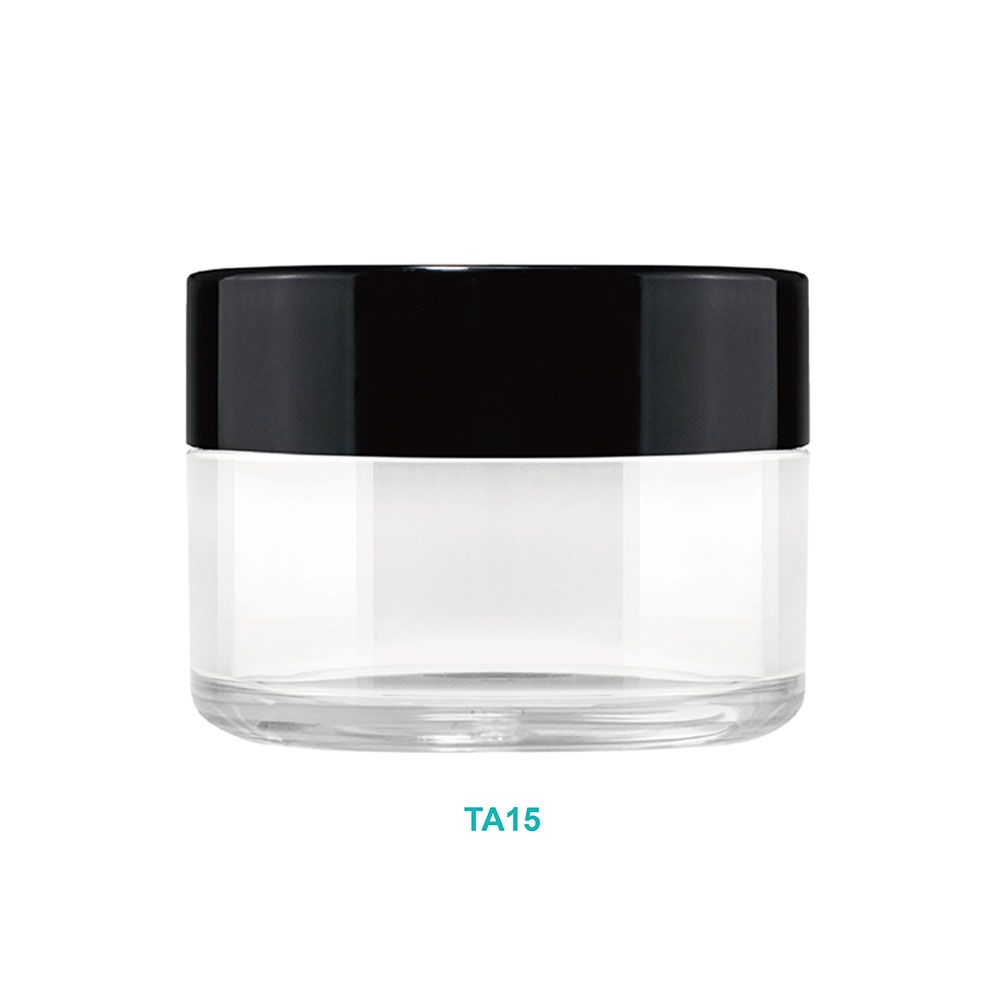
A stock image related to PET/PETG Round Cosmetic Jar.
In-depth Look: Manufacturing Processes and Quality Assurance for PET/PETG Round Cosmetic Jar
What are the Key Manufacturing Processes for PET/PETG Round Cosmetic Jars?
Manufacturing PET/PETG round cosmetic jars involves several critical stages that ensure the final product meets industry standards for quality, durability, and aesthetic appeal. The main stages of production typically include material preparation, forming, assembly, and finishing.
Material Preparation: What’s Involved?
The first step in the manufacturing process is material preparation, where PET (Polyethylene Terephthalate) or PETG (Glycol-Modified PET) resin is sourced. This involves selecting high-quality resins that are suitable for cosmetic packaging, emphasizing clarity and strength. The raw materials are often subjected to drying processes to remove moisture, which can compromise the integrity of the final product.
How are PET/PETG Jars Formed?
Once the materials are prepared, the next stage is forming. This typically employs techniques such as injection molding or blow molding. In injection molding, molten PET or PETG is injected into a mold to create the desired shape of the jar. Blow molding may also be used for certain designs, where air is blown into a heated parison to expand it against the mold walls.
Both techniques allow for the creation of jars with varying capacities, ranging from 15ml to 120ml or more, catering to diverse cosmetic product needs. Advanced technology in these processes ensures precision in dimensions and shapes, which is critical for aesthetic appeal and functionality.
What Does the Assembly Process Entail?
After the jars are formed, the assembly process begins. This includes attaching components such as caps, inner seals, and labels. The assembly must be done meticulously to ensure that there are no leaks and that the components fit seamlessly. For instance, the inner seal often uses materials like PE (Polyethylene) to ensure an airtight closure, which is vital for preserving the integrity of cosmetic products.
What Finishing Techniques are Commonly Used?
Finishing techniques enhance the aesthetic and functional qualities of the jars. Options include UV coating, spray painting, and silk screen printing, allowing brands to customize their products according to market trends. Additionally, metallization and hot stamping can be applied for a premium look, which is particularly appealing in the cosmetics market.
What Quality Assurance Measures are Essential for PET/PETG Cosmetic Jars?
Quality assurance is paramount in the production of PET/PETG cosmetic jars to ensure compliance with international standards and customer satisfaction. Various quality control (QC) measures are integrated throughout the manufacturing process.
Which International Standards Are Relevant?
Key international standards such as ISO 9001 play a crucial role in maintaining quality across production. These standards outline the requirements for a quality management system, ensuring that manufacturers consistently provide products that meet customer and regulatory requirements. Other industry-specific certifications may include CE marking for compliance with European health, safety, and environmental protection standards, and API (Active Pharmaceutical Ingredients) standards for products intended for pharmaceutical use.
What Are the Key QC Checkpoints During Manufacturing?
Quality control checkpoints are established at various stages of the manufacturing process:
-
Incoming Quality Control (IQC): This stage involves inspecting the raw materials before they enter the production line. This ensures that only materials meeting specified standards are used.
-
In-Process Quality Control (IPQC): During production, various tests are conducted to ensure that the manufacturing process is being followed correctly. This may include monitoring temperature, pressure, and other critical parameters.
-
Final Quality Control (FQC): After production, finished jars undergo a comprehensive inspection to check for defects, leaks, and adherence to design specifications. Common testing methods include visual inspections, pressure tests, and dimensional checks.
How Can B2B Buyers Verify Supplier Quality Control?
When sourcing PET/PETG round cosmetic jars, B2B buyers should ensure that their suppliers have robust quality control measures in place. Here are several strategies to verify this:
-
Audits: Conducting on-site audits of manufacturing facilities can provide insights into the supplier’s quality management practices. This allows buyers to assess compliance with international standards and internal protocols.
-
Quality Control Reports: Requesting detailed QC reports can help buyers understand the outcomes of inspections and tests conducted at various stages of production. These reports should include information on defect rates and corrective actions taken.
-
Third-Party Inspections: Engaging third-party inspection agencies can provide an unbiased evaluation of the supplier’s manufacturing processes and quality control measures. This is particularly important for international buyers to mitigate risks associated with overseas sourcing.
-
Certifications: Buyers should inquire about certifications related to quality management and product safety. Certifications such as ISO 9001 and CE indicate that the supplier adheres to recognized quality standards.
What Are the Nuances of QC and Certification for International B2B Buyers?
For international B2B buyers, especially those from regions like Africa, South America, the Middle East, and Europe, understanding local regulations and standards is essential. Different regions may have specific requirements for cosmetic packaging that must be met to avoid compliance issues.
For example, buyers in the EU must ensure that their packaging complies with REACH regulations, which govern the safe use of chemicals. In contrast, buyers in Africa may face different regulatory frameworks depending on the country. Thus, it is vital for buyers to conduct thorough research and engage with suppliers who are knowledgeable about these regulations.
By focusing on these manufacturing processes and quality assurance measures, B2B buyers can make informed decisions when selecting suppliers for PET/PETG round cosmetic jars, ensuring they receive high-quality products that meet their specific needs and standards.
Practical Sourcing Guide: A Step-by-Step Checklist for ‘PET/PETG Round Cosmetic Jar’
When sourcing PET/PETG round cosmetic jars, it is essential to approach the process systematically. This checklist is designed to help international B2B buyers navigate the complexities of procurement, ensuring that they select the right products and suppliers for their needs.
Step 1: Define Your Technical Specifications
Clearly outline the specifications required for your cosmetic jars. Consider factors such as capacity (e.g., 30ml, 50ml), material (PET vs. PETG), and design features (e.g., wide mouth, leak-proof). This clarity will help you communicate effectively with suppliers and ensure that the products meet your operational needs.
Step 2: Research Potential Suppliers
Conduct thorough research to identify potential suppliers who specialize in PET/PETG packaging. Look for manufacturers with a strong reputation in the cosmetic packaging industry. Utilize platforms like Alibaba, Global Sources, or industry-specific trade shows to compile a list of potential vendors.
- Check for Reviews and Testimonials: Look for feedback from previous customers to gauge reliability and product quality.
- Evaluate Their Product Range: Ensure they offer a variety of options that suit your branding and product requirements.
Step 3: Evaluate Supplier Certifications
Before finalizing a supplier, verify their certifications and compliance with international standards. Look for certifications such as ISO 9001 for quality management, and ensure they meet REACH and FDA regulations, especially for cosmetic products.
- Request Documentation: Ask suppliers to provide copies of their certifications and compliance documentation to ensure they adhere to industry standards.
- Assess Environmental Practices: If sustainability is a priority, check if they offer biodegradable options or follow eco-friendly manufacturing practices.
Step 4: Request Samples for Quality Assessment
Once you have shortlisted suppliers, request samples of the PET/PETG jars. This step is crucial for assessing the quality and functionality of the jars before placing a bulk order.
- Evaluate Design and Usability: Check for any defects, and test how well the jars perform in terms of ease of opening and sealing.
- Test Compatibility with Your Products: Ensure that the jars are suitable for the specific cosmetic formulations you intend to use.
Step 5: Understand Pricing and Payment Terms
Discuss pricing structures, including minimum order quantities (MOQ), payment terms, and any additional costs such as shipping and customs duties. Understanding the financial aspects will help you avoid unexpected expenses.
- Negotiate for Better Terms: Don’t hesitate to negotiate pricing, especially if you plan to make large orders or establish a long-term relationship.
- Consider Total Cost of Ownership: Look beyond the unit price to consider shipping costs, potential tariffs, and storage fees.
Step 6: Assess Lead Times and Logistics
Inquire about lead times for production and shipping. A reliable supplier should provide clear timelines to help you plan your inventory and marketing strategies effectively.
- Plan for Delays: Consider potential delays in shipping, especially when importing to regions like Africa or South America, where logistics can be more complex.
- Evaluate Shipping Options: Discuss available shipping methods and their associated costs to determine the most efficient option for your needs.
Step 7: Finalize Your Supplier Agreement
After evaluating all aspects, finalize your agreement with the selected supplier. Make sure to outline all terms clearly, including delivery schedules, quality expectations, and payment conditions.
- Draft a Formal Contract: A well-drafted contract will protect both parties and clarify responsibilities.
- Maintain Open Communication: Establish a line of communication for ongoing updates and support throughout the sourcing process.
By following this step-by-step checklist, B2B buyers can effectively navigate the sourcing of PET/PETG round cosmetic jars, ensuring they make informed decisions that align with their business goals.
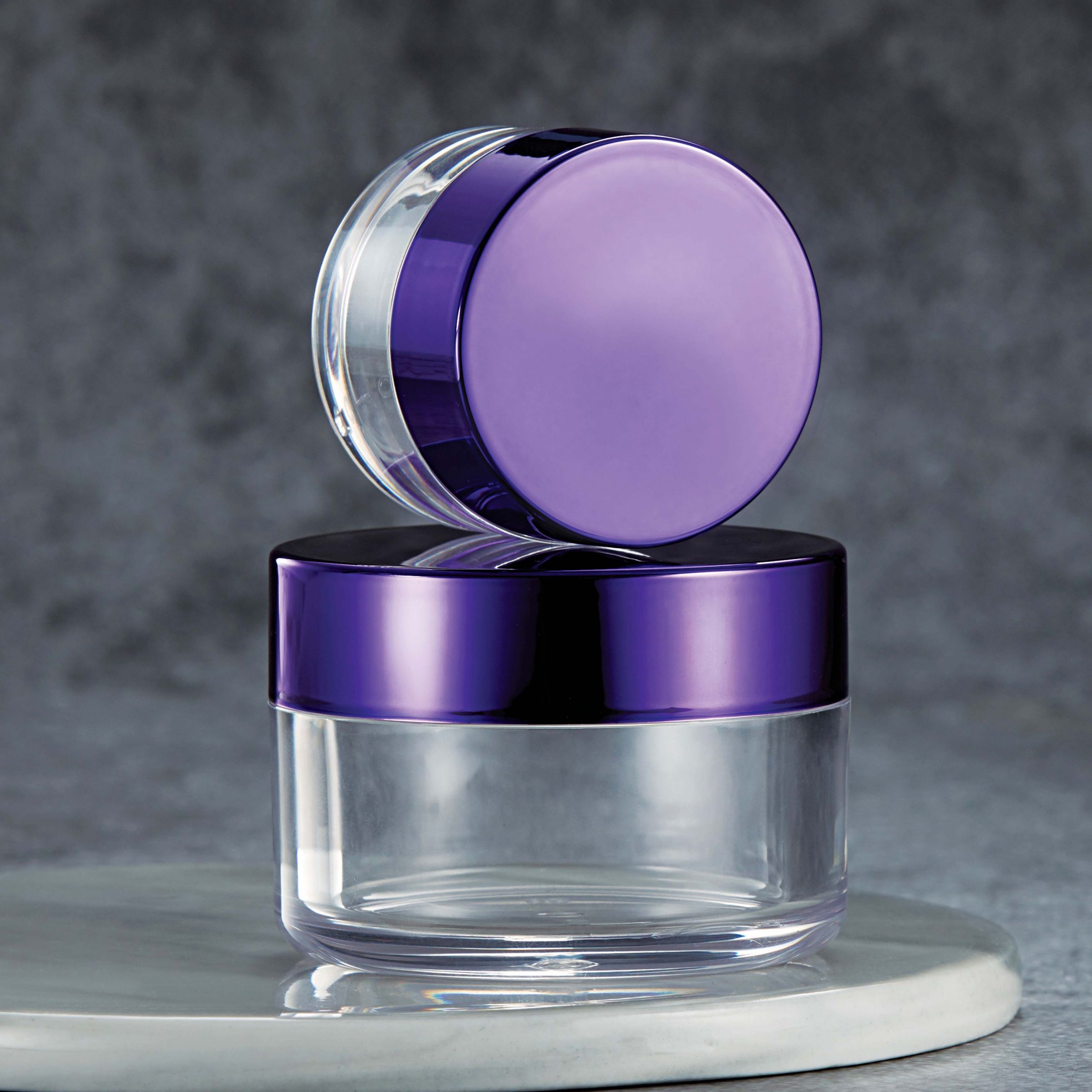
A stock image related to PET/PETG Round Cosmetic Jar.
Comprehensive Cost and Pricing Analysis for PET/PETG Round Cosmetic Jar Sourcing
What Are the Key Cost Components of Sourcing PET/PETG Round Cosmetic Jars?
When evaluating the costs associated with sourcing PET/PETG round cosmetic jars, several critical components come into play. These include materials, labor, manufacturing overhead, tooling, quality control (QC), logistics, and margins.
-
Materials: The primary cost driver is the raw material itself—PET or PETG. PET is often cheaper than PETG, which is known for its superior clarity and impact resistance. Buyers should consider the specific material requirements based on their product’s packaging needs.
-
Labor: Labor costs vary by region and supplier. In countries with lower labor costs, such as those in parts of Africa and South America, manufacturers may offer more competitive pricing. However, quality and compliance with international standards should not be compromised.
-
Manufacturing Overhead: This includes utilities, factory maintenance, and other operational costs. Suppliers with advanced manufacturing capabilities may have higher overhead costs but can also offer better quality and consistency.
-
Tooling: Custom tooling for jar shapes or designs can significantly impact the initial investment. While high upfront costs may be daunting, they can lead to long-term savings through reduced per-unit costs for larger orders.
-
Quality Control: Ensuring that jars meet specified quality standards incurs additional costs. However, investing in robust QC processes can prevent costly returns and enhance brand reputation.
-
Logistics: Shipping costs vary based on the distance from the manufacturer to the buyer’s location, as well as the chosen Incoterms. Understanding the total logistics cost is essential for accurate pricing.
-
Margin: Suppliers typically add a markup to cover their costs and profit. This margin can fluctuate based on market demand and competition.
How Do Price Influencers Affect PET/PETG Round Cosmetic Jar Costs?
Several factors influence the pricing of PET/PETG round cosmetic jars, impacting the overall cost structure for international buyers:
-
Volume/MOQ: Manufacturers often set minimum order quantities (MOQ), which can affect pricing. Larger orders usually lead to lower per-unit costs, making it crucial for buyers to assess their demand accurately.
-
Specifications and Customization: Custom features like colors, sizes, and printing significantly affect the price. Standard options tend to be more cost-effective, while bespoke designs require additional investment.
-
Materials and Quality Certifications: Higher quality or specialized materials can drive up costs. Certifications (e.g., FDA, REACH) may also add to the expense but can enhance product safety and marketability.
-
Supplier Factors: Supplier reputation, location, and production capabilities can greatly influence pricing. Established suppliers may charge more but often provide better reliability and service.
-
Incoterms: Understanding the implications of Incoterms (e.g., FOB, CIF) is essential, as they dictate the responsibilities and costs associated with shipping. Buyers should negotiate terms that minimize their total landed cost.
What Tips Can Help Buyers Optimize Costs When Sourcing PET/PETG Round Cosmetic Jars?
B2B buyers from regions like Africa, South America, the Middle East, and Europe can implement several strategies to optimize costs:
-
Negotiation: Building a good relationship with suppliers can open opportunities for better pricing, especially for bulk orders. Don’t hesitate to discuss pricing and terms to find a mutually beneficial agreement.
-
Cost-Efficiency: Consider the Total Cost of Ownership (TCO), which includes not just the purchase price but also logistics, storage, and any potential rework costs. A lower upfront cost may lead to higher TCO if the quality is poor.
-
Pricing Nuances for International Buyers: Be aware of currency fluctuations, import duties, and taxes, which can affect the final cost. Engaging a local agent or consultant may help navigate these complexities.
-
Sample Testing: Request samples before committing to large orders. This allows buyers to evaluate quality and suitability without incurring significant costs upfront.
-
Sustainability Considerations: Increasingly, consumers prefer eco-friendly packaging. Sourcing from suppliers who offer sustainable options can enhance brand image and potentially justify higher prices.
Disclaimer
Prices for PET/PETG round cosmetic jars can vary widely based on the aforementioned factors. The information provided here is intended for guidance only and should not be taken as definitive pricing. Buyers are encouraged to conduct thorough market research and engage directly with suppliers to obtain accurate quotes tailored to their specific needs.
Alternatives Analysis: Comparing PET/PETG Round Cosmetic Jar With Other Solutions
Understanding Alternative Solutions to PET/PETG Round Cosmetic Jars
When evaluating packaging options for cosmetic products, it’s crucial for B2B buyers to consider alternatives to the widely used PET/PETG round cosmetic jars. This analysis aims to compare PET/PETG jars with two viable alternatives: glass jars and PP (Polypropylene) jars. Each option presents unique benefits and challenges, making it essential for buyers to assess their specific needs before making a decision.
| Comparison Aspect | PET/PETG Round Cosmetic Jar | Glass Jar | PP (Polypropylene) Jar |
|---|---|---|---|
| Performance | Durable, shatter-resistant | Premium feel, excellent barrier properties | Lightweight, flexible, good chemical resistance |
| Cost | Moderate cost | Generally higher cost | Lower cost |
| Ease of Implementation | Simple manufacturing process | Requires more complex handling | Easy to produce and handle |
| Maintenance | Low, easy to clean | Requires careful handling | Low, resistant to staining |
| Best Use Case | Skincare and beauty products | High-end cosmetics, fragrances | Everyday use products, budget lines |
What Are the Advantages and Disadvantages of Glass Jars?
Glass jars are often favored in the cosmetic industry for their premium look and feel. They offer excellent barrier properties, effectively protecting products from environmental factors. However, their weight and fragility can be drawbacks, especially for brands looking to minimize shipping costs and reduce breakage during transportation. Additionally, the higher manufacturing costs associated with glass may not align with budget-conscious brands targeting a wider audience.
How Do PP Jars Compare to PET/PETG Jars?
PP jars represent a cost-effective alternative to PET/PETG options. They are lightweight, making them easier and cheaper to ship, and are resistant to various chemicals, which is beneficial for a range of cosmetic formulations. However, they may not provide the same aesthetic appeal as PET/PETG or glass jars, which could impact brand perception. While PP jars are durable, they can be less effective in creating airtight seals compared to PET/PETG, potentially affecting product longevity.
Conclusion: Which Cosmetic Jar Solution is Right for Your Business?
Choosing the right cosmetic packaging solution hinges on understanding your brand’s specific needs and target market. For luxury brands aiming for a high-end image, glass jars may be the best fit despite their higher costs. Conversely, for brands focused on affordability and practicality, PP jars could provide a viable solution without sacrificing too much on quality. Meanwhile, PET/PETG jars strike a balance between durability, aesthetic appeal, and moderate pricing, making them a versatile choice for a variety of cosmetic applications. B2B buyers should assess these factors carefully to select the packaging that aligns with their product strategy and market positioning.
Essential Technical Properties and Trade Terminology for PET/PETG Round Cosmetic Jar
What Are the Key Technical Properties of PET/PETG Round Cosmetic Jars?
When sourcing PET/PETG round cosmetic jars, understanding their essential technical properties is crucial for making informed purchasing decisions. Here are several critical specifications:
-
Material Grade:
PET (Polyethylene Terephthalate) and PETG (Polyethylene Terephthalate Glycol-Modified) are the primary materials used for these jars. PET is known for its excellent clarity and strength, while PETG offers enhanced impact resistance and thermal stability. For B2B buyers, selecting the right material grade ensures that the packaging meets durability requirements while maintaining product visibility. -
Volume Capacity:
Common capacities for cosmetic jars range from 15ml to 120ml, with 30ml being a popular size for creams and serums. Understanding volume capacity is essential for brands to align their product offerings with consumer expectations and market trends. It also influences shipping costs and shelf space considerations. -
Dimensions and Tolerances:
Specifications like height and diameter must be precise, typically measured in millimeters (mm). For instance, a standard 30ml jar might have a diameter of 60mm and a height of 29mm. Tolerance levels indicate how much variation is acceptable in these measurements, which is vital for ensuring compatibility with caps and labels. Accurate dimensions help maintain brand consistency and avoid packaging issues during production. -
Closure Types:
The type of closure—whether it’s a screw cap, snap-on, or pump—impacts usability and product integrity. For instance, air-tight closures prevent contamination and extend shelf life. Buyers should consider their product’s specific needs when selecting closures, as this can affect customer satisfaction and product performance. -
Customizability:
Many manufacturers offer options for customization, such as color injection, hot stamping, and screen printing. Customizability is essential for brands aiming to differentiate themselves in a competitive market. It allows for branding opportunities that enhance product appeal and market presence.
Which Trade Terms Are Commonly Used in the PET/PETG Cosmetic Jar Industry?
Familiarity with industry jargon can streamline communication between buyers and suppliers. Here are key terms that are frequently encountered:
-
OEM (Original Equipment Manufacturer):
This term refers to companies that manufacture products based on the designs and specifications provided by another company. For B2B buyers, working with an OEM can facilitate custom packaging solutions while leveraging the expertise of specialized manufacturers. -
MOQ (Minimum Order Quantity):
MOQ is the smallest order amount that a supplier is willing to accept. This term is crucial for buyers as it impacts inventory management and initial investment costs. Understanding MOQ helps in planning purchase orders according to demand and budget. -
RFQ (Request for Quotation):
An RFQ is a formal document sent by a buyer to suppliers, asking for pricing and terms for a specified quantity of goods. This is a critical step in the procurement process, allowing buyers to compare offers and negotiate better deals. -
Incoterms (International Commercial Terms):
These are a set of globally recognized rules that define the responsibilities of buyers and sellers in international transactions. Terms like FOB (Free on Board) or CIF (Cost, Insurance, and Freight) clarify shipping responsibilities, helping buyers manage logistics effectively. -
Lead Time:
Lead time refers to the time taken from placing an order to its delivery. For B2B buyers, understanding lead times is vital for inventory planning and ensuring that products are available when needed. Shorter lead times can enhance responsiveness to market demands.
By grasping these technical properties and trade terms, international B2B buyers can make more strategic decisions regarding the procurement of PET/PETG round cosmetic jars, ultimately leading to successful business outcomes.
Navigating Market Dynamics and Sourcing Trends in the PET/PETG Round Cosmetic Jar Sector
What Are the Current Market Dynamics and Key Trends Affecting the PET/PETG Round Cosmetic Jar Sector?
The global market for PET/PETG round cosmetic jars is witnessing robust growth driven by several factors. Increasing consumer awareness regarding product safety and the need for high-quality packaging solutions are prominent drivers. As beauty and personal care products gain traction across emerging markets, especially in regions like Africa, South America, and the Middle East, the demand for versatile, durable packaging is on the rise. The trend towards smaller, more convenient packaging formats is also notable, with 30ml jars becoming particularly popular among brands targeting niche markets or travel-friendly products.
In terms of technology and sourcing trends, there is a marked shift towards digitalization in supply chain management. International B2B buyers are increasingly leveraging e-commerce platforms and digital marketplaces to streamline sourcing processes. Advanced manufacturing technologies such as injection molding and blow molding are being adopted to enhance efficiency and reduce costs. Moreover, customization options, including color injection and printing capabilities, are becoming crucial as brands seek to differentiate themselves in a crowded market.
Furthermore, sustainability is becoming a cornerstone of purchasing decisions. Buyers are now prioritizing suppliers who demonstrate environmental responsibility, influencing the competitive landscape. As a result, suppliers are adapting their offerings to include eco-friendly materials and sustainable practices, aligning with global consumer trends towards greener products.
How Is Sustainability and Ethical Sourcing Shaping the PET/PETG Round Cosmetic Jar Market?
Sustainability and ethical sourcing have emerged as critical components in the PET/PETG round cosmetic jar sector. The environmental impact of plastic waste has pushed brands to seek alternatives that minimize their carbon footprint. PETG, known for its durability and recyclability, is increasingly favored as a sustainable option. Many manufacturers are now incorporating recycled content into their products, thus contributing to a circular economy.
The significance of ethical supply chains cannot be overstated. International B2B buyers are becoming more discerning, often requiring transparency in sourcing practices. Suppliers who can demonstrate adherence to environmental regulations and certifications, such as ISO 14001 or the Global Recycled Standard, are gaining a competitive edge. These certifications not only validate the sustainability claims but also enhance brand reputation in the eyes of consumers increasingly concerned about environmental issues.
Additionally, brands are actively seeking packaging solutions that utilize biodegradable materials or offer refillable options, thus addressing consumer demand for sustainable products. As a result, buyers are encouraged to evaluate potential suppliers based on their sustainability initiatives and the availability of ‘green’ certifications, which can significantly influence their purchasing decisions.
What Is the Brief Evolution and History of PET/PETG Cosmetic Jars?
The evolution of PET/PETG cosmetic jars can be traced back to the broader development of plastic packaging in the 20th century. Initially, glass was the dominant material for cosmetic packaging due to its premium feel and barrier properties. However, the introduction of PET in the 1970s revolutionized the industry, offering a lightweight, shatterproof alternative that met the growing demand for convenience and safety.
As consumer preferences shifted towards more sustainable options in recent decades, PETG emerged as a favored choice. This material not only retains the beneficial properties of PET—such as clarity and impact resistance—but also enhances the ability to produce more complex designs and customizations. The advancement of manufacturing technologies has further facilitated the growth of PET/PETG jars, allowing brands to meet evolving market demands effectively.
Today, PET/PETG jars are celebrated for their versatility, aesthetic appeal, and sustainability, making them a preferred packaging solution for cosmetic brands globally. As the market continues to evolve, ongoing innovations and a focus on sustainability will likely drive future developments in this sector.
Frequently Asked Questions (FAQs) for B2B Buyers of PET/PETG Round Cosmetic Jar
-
How do I ensure the quality of PET/PETG round cosmetic jars from suppliers?
To ensure the quality of PET/PETG round cosmetic jars, request samples from potential suppliers before placing bulk orders. Conduct a thorough inspection for defects such as scratches, leaks, or color inconsistencies. Additionally, inquire about their quality control processes, including certifications like ISO or compliance with international standards (e.g., REACH, FDA). Establishing a clear quality assurance protocol and possibly visiting the manufacturing facility can further enhance your confidence in their products. -
What customization options are available for PET/PETG round cosmetic jars?
Customization options for PET/PETG round cosmetic jars typically include color choices, surface finishes (like frosted, glossy, or metallic), and printing techniques (such as silk screen printing or hot stamping). Many manufacturers offer bespoke designs to align with your branding. When discussing customization, provide your design specifications in vector format (AI or CDR) to facilitate precise production. Ensure to communicate your requirements early in the negotiation process to avoid delays. -
What are the minimum order quantities (MOQ) for PET/PETG round cosmetic jars?
Minimum order quantities for PET/PETG round cosmetic jars can vary significantly by manufacturer, often ranging from 5,000 to 10,000 pieces. Some suppliers may offer lower MOQs for standard products or during promotional periods. It’s crucial to confirm the MOQ during your initial discussions to align your purchasing strategy with the supplier’s capabilities. Consider negotiating lower MOQs if you are a new buyer or exploring trial orders. -
What payment terms should I expect when sourcing PET/PETG jars internationally?
Payment terms for international orders can vary but commonly include options such as a 30% deposit upfront with the balance due upon delivery or before shipment. Some suppliers may offer letter of credit (LC) arrangements for larger orders. Always clarify the payment terms in your contract, including acceptable payment methods (e.g., bank transfer, PayPal) and any associated fees. This ensures a smooth transaction and helps mitigate financial risks. -
How do I vet suppliers for PET/PETG round cosmetic jars?
To vet suppliers effectively, research their reputation through online reviews, industry forums, and trade references. Verify their certifications and compliance with international packaging standards. Request detailed company profiles, including years in business, production capabilities, and client portfolios. Engaging in direct communication can also help assess their responsiveness and willingness to address your concerns, which is crucial for building a reliable partnership. -
What are the logistics considerations for shipping PET/PETG jars internationally?
When shipping PET/PETG jars internationally, consider factors such as shipping methods (air vs. sea), transit times, and customs regulations for your destination country. Discuss with your supplier about their logistics partners and whether they can handle customs clearance. Ensure that packaging is robust to prevent damage during transit. It’s also advisable to obtain insurance for your shipment to cover any potential losses. -
Are there sustainability options available for PET/PETG cosmetic jars?
Yes, many manufacturers are now offering sustainable options for PET/PETG cosmetic jars, such as using recycled materials or incorporating biodegradable additives. When sourcing, inquire specifically about their sustainability initiatives and whether they can provide certifications to support eco-friendly claims. Choosing sustainable packaging not only enhances your brand image but also aligns with growing consumer demand for environmentally responsible products. -
What is the lead time for production and delivery of PET/PETG jars?
Lead times for production and delivery of PET/PETG jars typically range from 30 to 35 days after deposit receipt and sample approval. However, this can vary based on order size, customization complexity, and the supplier’s current production capacity. To avoid delays, it’s advisable to discuss timelines upfront and maintain regular communication throughout the production process, especially as your order approaches its due date.
Important Disclaimer & Terms of Use
⚠️ Important Disclaimer
The information provided in this guide, including content regarding manufacturers, technical specifications, and market analysis, is for informational and educational purposes only. It does not constitute professional procurement advice, financial advice, or legal advice.
While we have made every effort to ensure the accuracy and timeliness of the information, we are not responsible for any errors, omissions, or outdated information. Market conditions, company details, and technical standards are subject to change.
B2B buyers must conduct their own independent and thorough due diligence before making any purchasing decisions. This includes contacting suppliers directly, verifying certifications, requesting samples, and seeking professional consultation. The risk of relying on any information in this guide is borne solely by the reader.
Top 7 Pet/Petg Round Cosmetic Jar Manufacturers & Suppliers List
1. US Plastic – 30mL Clear PETG Round Jar with Silver Cap & Liner
Domain: usplastic.com
Registered: 1996 (29 years)
Introduction: {‘item_name’: ’30mL Clear PETG Round Jar with Silver Cap & Liner’, ‘item_number’: ‘68324’, ‘catalog_page_number’: ‘P-50’, ‘material’: ‘PETG’, ‘shape’: ‘Round’, ‘color’: ‘Clear’, ‘style’: ‘Jar’, ‘capacity’: ’30mL’, ‘dimensions’: ‘2-1/8” Dia. x 1-13/16” Hgt. with cap’, ‘weight’: ‘0.173 lbs’, ‘country_of_origin’: ‘China’, ‘liner_material’: ‘LDPE’, ‘manufacturer_part_number’: ‘USP 68324’, ‘price’: ‘2….
2. TYH Container – 30ml Round Cream Jar

Domain: tyhcontainer.com
Registered: 2010 (15 years)
Introduction: {“product_name”: “30ml Round Cream Jar”, “manufacturer”: “TYH Container Enterprise Co., Ltd.”, “material”: “PET/PETG”, “cap_color”: “Black Acrylic”, “inner_cover”: “White PE disc cover”, “jar_color”: “Clear PET/PETG”, “volume”: “30ml”, “dimensions”: “D 60 x H 29 mm”, “applications”: [“foundation cream”, “face cream”, “beauty cream”], “customization_options”: [“injection color”, “hot stamping”, “sc…
3. ispackage – PET Cosmetic Bottles & Jars

Domain: ispackage.com
Registered: 2009 (16 years)
Introduction: PET Cosmetic Bottle and PETG Cosmetic Jar designed for products such as cream, gel, eyeliner, body scrub, and body moisturizer. Available in full sizes from 2ml to 500ml with various cap styles including PETG Double Cap, PETG Straight Edge Single Cap, and PETG Round Edge Single Cap. Made from sustainable materials classified as No. 1 in recycle symbols, with an option for 30% PET PCR. Offers glass…
4. Gideapac – PET/PETG Round Cosmetic Jar
Domain: gideapac.com
Registered: 2023 (2 years)
Introduction: {“Product Name”: “PET/PETG Round Cosmetic Jar”, “Item No.”: “G1519”, “Capacity”: “50g”, “Height”: “59.8mm”, “Diameter”: “77.8mm”, “Close Type”: “Screw On”, “Outer Material”: “PET, PETG”, “Inner Jar Material”: “ABS”, “Outer Jar Material”: “PP”, “Features”: [“Double wall round shape”, “Durable design”, “Resistant to breaking and damage from prolonged heat exposure”, “Air-tight seal to preserve moist…
5. DaliCap – PETG Cosmetic Jar PJT14

Domain: dalicapkg.com
Registered: 2013 (12 years)
Introduction: {“Name”:”PETG Cosmetic Jar PJT14″,”Material”:”PETG, ABS, PP”,”Available Capacities”:[{“capacity”:”30ml”,”height”:”58mm”,”diameter”:”70mm”},{“capacity”:”50ml”,”height”:”63mm”,”diameter”:”78mm”}],”Color”:”As pictures or custom”,”Artwork Options”:[“Frosting”,”Screen printing”,”Hot stamping”],”MOQ”:”10000pcs per item”,”Samples”:”Free samples in stock, shipping cost collected”,”Packaging Details”:”Stan…
6. Pinmao – DG30 30ml PETG Jar with Aluminum Lid
Domain: pinmao-tw.com
Registered: 2017 (8 years)
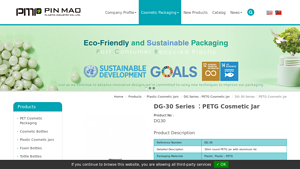
Introduction: {“Product No”: “DG30”, “Product Description”: “30ml round PETG jar with aluminum lid”, “Packaging Materials”: “Plastic, Plastic – PETG”, “Shape”: “Cross Section Circular”, “Width”: “51 mm”, “Height”: “33 mm”, “Nominal Volume”: “30 ml”, “Overflow Volume”: “51 ml”}
7. GAOPIN – 50ml PETG White Plastic Round Jar

Domain: cosmeticsplasticbottles.com
Registered: 2021 (4 years)
Introduction: {“Product Name”:”50ml PETG White Plastic Round Jar”,”Type”:”Face Cream Cosmetic Jar”,”Price”:”USD$0.68/PCS”,”Minimum Order Quantity”:”5000 pcs”,”Brand Name”:”GAOPIN”,”Certification”:”SGS/CE”,”Delivery Time”:”30-35 Days”,”Model Number”:”G-20-202″}
Strategic Sourcing Conclusion and Outlook for PET/PETG Round Cosmetic Jar
In navigating the competitive landscape of cosmetic packaging, strategic sourcing of PET/PETG round cosmetic jars presents a valuable opportunity for international buyers. These materials are not only celebrated for their durability and aesthetic appeal but also offer customization options that enhance brand differentiation. By leveraging the capabilities of established manufacturers, buyers can ensure that their packaging meets global quality standards while also aligning with sustainability goals.
Investing in high-quality PET/PETG jars can significantly impact product presentation and consumer perception, particularly in emerging markets across Africa, South America, the Middle East, and Europe. As demand for eco-friendly packaging continues to rise, sourcing partners that prioritize sustainable practices will provide a competitive edge.
Looking ahead, businesses are encouraged to engage with trusted suppliers that offer innovative solutions and flexible customization. By fostering these relationships, companies can enhance their product offerings and better meet the evolving needs of their clientele. Seize the opportunity to elevate your brand by strategically sourcing PET/PETG round cosmetic jars that resonate with your market’s expectations and values.




 English
  Russian
  Spanish
  Italian
  Thai
Thai  French
  Arabic
  Portuguese
  Indonesian
  German






