

Introduction: Navigating the Global Market for Refillable Round Cosmetic Jar
The demand for sustainable packaging solutions in the cosmetics industry is rapidly growing, and B2B buyers face the challenge of sourcing refillable round cosmetic jars that align with environmental standards while meeting consumer expectations. This guide serves as a comprehensive resource for international buyers, particularly those from Africa, South America, the Middle East, and Europe, including key markets like Germany and Nigeria. It explores various types of refillable jars, their applications in skincare and beauty products, and the critical factors in supplier vetting.
By addressing essential considerations such as material quality, design options, and cost implications, this guide empowers businesses to make informed purchasing decisions. We delve into the latest innovations in refillable packaging, highlighting features such as ease of use, recyclability, and the integration of sustainable practices that can enhance a brand’s market appeal.
With a focus on delivering actionable insights and practical solutions, this guide equips B2B buyers with the knowledge necessary to navigate the global market effectively. Whether you are looking to enhance your product line with eco-friendly packaging or seeking reliable suppliers, the information provided here will facilitate strategic sourcing and support your brand’s sustainability goals.
Understanding Refillable Round Cosmetic Jar Types and Variations
| Type Name | Key Distinguishing Features | Primary B2B Applications | Brief Pros & Cons for Buyers |
|---|---|---|---|
| JRA Refillable Jar | Patented inner jar mechanism, recyclable materials, various sizes | Skincare brands, subscription services | Pros: Sustainable, customizable; Cons: Higher initial cost. |
| Glass Cosmetic Jars | Eco-friendly glass, available in various colors and sizes | High-end skincare, organic cosmetics | Pros: Premium feel, recyclable; Cons: Heavier and fragile. |
| Plastic Refillable Jars | Lightweight, made from PP, often includes spatula for hygiene | Budget-friendly brands, travel-size products | Pros: Cost-effective, durable; Cons: Less eco-friendly than glass. |
| Frosted Glass Jars | Elegant frosted finish, often paired with wooden lids | Luxury brands, gift sets | Pros: Aesthetic appeal, reusable; Cons: More expensive than clear glass. |
| Aluminum Cosmetic Jars | Lightweight, rust-resistant, often features a sleek design | Outdoor skincare, travel products | Pros: Durable, recyclable; Cons: Limited customization options. |
What Are the Characteristics of JRA Refillable Jars?
The JRA Refillable Jar is designed with a patented mechanism that allows for easy removal and replacement of the inner jar. This feature is particularly appealing to skincare brands that prioritize sustainability. By utilizing recyclable materials and offering sizes suitable for various product lines, such as day/night skincare, these jars cater to modern consumer demands. Brands can benefit from the collaborative approach of manufacturers to ensure alignment with their sustainability goals.
Why Choose Glass Cosmetic Jars for Your Brand?
Glass cosmetic jars are favored for their premium appearance and eco-friendliness. Available in various sizes and colors, they are suitable for high-end skincare lines and organic products. Their recyclable nature appeals to environmentally conscious consumers, making them a strong selling point. However, buyers should consider the fragility and weight of glass, which may impact shipping costs and product durability during transportation.
How Do Plastic Refillable Jars Meet Budget Needs?
Plastic refillable jars are an excellent choice for brands looking to minimize costs without sacrificing functionality. Made from durable polypropylene (PP), these jars are lightweight and often come with hygienic spatulas to reduce product contamination. They are ideal for budget-friendly skincare lines and travel-sized products. While they offer significant cost savings, buyers should be aware of the potential environmental impact compared to glass options.
What Makes Frosted Glass Jars Stand Out?
Frosted glass jars are known for their elegant appearance, making them a popular choice for luxury brands and gift sets. The frosted finish not only enhances the aesthetic appeal but also provides a unique texture that can attract consumers. While they are reusable and recyclable, the higher cost may be a consideration for brands with limited budgets. Their visual appeal can justify the investment for companies targeting upscale markets.
Why Are Aluminum Cosmetic Jars Ideal for Outdoor Products?
Aluminum cosmetic jars are lightweight and rust-resistant, making them suitable for outdoor skincare products and travel applications. Their sleek design and durability appeal to brands targeting active consumers. Although they are recyclable, buyers may find limited customization options compared to glass or plastic jars. However, their practicality and resistance to environmental elements can provide a competitive edge in niche markets.
Key Industrial Applications of Refillable Round Cosmetic Jar
| Industry/Sector | Specific Application of Refillable Round Cosmetic Jar | Value/Benefit for the Business | Key Sourcing Considerations for this Application |
|---|---|---|---|
| Skincare Brands | Packaging for creams and serums | Enhances brand image through sustainability and innovation | Material quality, refillable design, customization options |
| Cosmetics Retailers | Sample and travel-size products | Increases customer engagement with eco-friendly offerings | Size variations, compatibility with different formulations |
| Subscription Services | Monthly beauty box subscriptions | Supports recurring revenue models with refillable options | Cost-effectiveness, supply chain reliability |
| Eco-Friendly Brands | Sustainable product lines | Aligns with brand values and attracts environmentally conscious consumers | Certifications, sourcing of recycled materials |
| Pharmacies and Wellness | Packaging for ointments and balms | Provides safe, hygienic storage while promoting sustainability | Regulatory compliance, user-friendly design |
How Can Skincare Brands Utilize Refillable Round Cosmetic Jars?
Skincare brands can utilize refillable round cosmetic jars to package their creams and serums, providing a modern and eco-friendly solution for consumers. These jars not only enhance the brand image through a commitment to sustainability but also offer a unique selling proposition in a crowded market. Buyers from regions like Europe and Africa should consider the material quality and customization options available to ensure that the packaging reflects their brand identity while meeting consumer demands for environmentally responsible products.
What Are the Benefits for Cosmetics Retailers?
Cosmetics retailers can leverage refillable jars for sample and travel-size products, appealing to consumers who prioritize sustainability. By offering refillable options, retailers can increase customer engagement and loyalty, as consumers are more likely to return for refills. For B2B buyers in South America and the Middle East, sourcing considerations should include size variations and compatibility with various formulations to ensure a seamless retail experience.
How Do Subscription Services Benefit from Refillable Jars?
Subscription services can incorporate refillable round cosmetic jars into their monthly beauty boxes, creating a sustainable model that encourages repeat purchases. This approach not only supports the recurring revenue model but also aligns with the growing consumer demand for eco-friendly products. Buyers should focus on cost-effectiveness and supply chain reliability to maintain a steady flow of inventory while delivering value to subscribers.
Why Are Eco-Friendly Brands Investing in Refillable Jars?
Eco-friendly brands are increasingly adopting refillable round cosmetic jars as part of their sustainable product lines. This packaging aligns with their core values and attracts environmentally conscious consumers who are willing to pay a premium for sustainable options. B2B buyers should prioritize certifications and the sourcing of recycled materials to ensure that their products meet both consumer expectations and regulatory standards.
What Role Do Refillable Jars Play in Pharmacies and Wellness Products?
Pharmacies and wellness brands can use refillable jars for ointments and balms, providing safe and hygienic storage solutions. This not only enhances the product’s appeal but also promotes a commitment to sustainability. Buyers in this sector must consider regulatory compliance and user-friendly designs to ensure that the packaging meets health and safety standards while appealing to the growing consumer interest in eco-friendly products.

A stock image related to Refillable Round Cosmetic Jar.
3 Common User Pain Points for ‘Refillable Round Cosmetic Jar’ & Their Solutions
Scenario 1: Challenges with Product Compatibility in Refillable Cosmetic Jars
The Problem: A common challenge faced by B2B buyers is ensuring that the refillable round cosmetic jars are compatible with various product formulations. Many skincare brands offer a diverse range of products, from creams and lotions to serums. However, not all formulations behave the same way when stored in jars. Some products may degrade or react negatively with certain materials used in jars, causing concerns about product integrity and consumer safety. Additionally, buyers worry about the need for multiple jar types to accommodate different formulations, which can complicate inventory management and increase costs.
The Solution: To overcome compatibility issues, B2B buyers should engage in thorough material testing before finalizing their orders. This involves requesting samples of refillable jars made from different materials, such as glass, PP, or PET, and testing these with the actual formulations. Collaborating with manufacturers who provide transparency regarding their materials can enhance confidence in product safety. Furthermore, buyers can opt for jars designed with inner liners that protect the product from potential chemical reactions. By specifying the desired material properties and ensuring compatibility through rigorous testing, brands can streamline their offerings and simplify inventory needs.
Scenario 2: Sustainability Concerns in Packaging Choices
The Problem: As sustainability becomes a key focus for consumers, B2B buyers often grapple with the dilemma of balancing eco-friendly practices with cost-effectiveness. Many brands wish to adopt refillable packaging solutions to reduce waste, but they may encounter higher initial costs or concerns about the long-term viability of these solutions. Additionally, there is a fear that consumers may not embrace refillable options if they perceive them as less convenient or hygienic compared to single-use alternatives.
The Solution: To address sustainability concerns, buyers should focus on sourcing refillable jars that utilize recycled materials and offer a clear recycling pathway for consumers. Engaging with suppliers who prioritize eco-friendly practices and can provide documentation on their sustainability claims can enhance brand credibility. Additionally, implementing a robust education campaign about the benefits of refillable jars, including their environmental impact and convenience, can encourage consumer acceptance. Offering incentives, such as discounts for refills, can also enhance customer participation in the refill program, making sustainability a selling point rather than a barrier.
Scenario 3: Complexity in Consumer Usage and Education
The Problem: Another significant challenge for B2B buyers is the potential complexity involved in consumer education regarding the use of refillable round cosmetic jars. If the refill process is not straightforward, consumers may become frustrated, leading to negative experiences and reduced brand loyalty. Moreover, brands must ensure that the jars are designed intuitively to minimize confusion during the refill process, especially when catering to a diverse international market with varying levels of familiarity with refillable packaging.
The Solution: To mitigate these issues, buyers should prioritize sourcing refillable jars that feature clear instructions for use, ideally printed directly on the packaging or included as part of a user-friendly guide. Engaging in user-testing sessions can provide valuable feedback on how consumers interact with the jars, allowing brands to refine the design for optimal usability. Additionally, creating instructional videos or visual aids can help demystify the refill process and enhance consumer confidence. Brands can also consider offering refill stations in retail environments or partnerships with online platforms that simplify the refill experience, thus promoting a seamless transition to refillable packaging for all customers.
Strategic Material Selection Guide for Refillable Round Cosmetic Jar
What Are the Key Materials for Refillable Round Cosmetic Jars?
When selecting materials for refillable round cosmetic jars, several factors come into play, including performance, sustainability, cost, and regional compliance. Below, we analyze four common materials used in the production of these jars: glass, polypropylene (PP), polyethylene terephthalate (PET), and aluminum. Each material has distinct properties, advantages, and limitations that can influence the purchasing decisions of international B2B buyers.
How Does Glass Perform as a Material for Refillable Round Cosmetic Jars?
Glass is a traditional choice for cosmetic packaging due to its premium appearance and excellent barrier properties. It is highly resistant to temperature fluctuations and does not react chemically with most formulations, ensuring product integrity. However, glass can be heavy and fragile, making it less suitable for shipping over long distances, especially in regions with challenging logistics.
Pros:
– Excellent chemical resistance and product protection.
– Recyclable and can be produced with post-consumer recycled content.
– Premium aesthetic appeal.
Cons:
– Higher manufacturing costs due to fragility.
– Requires careful handling and packaging to prevent breakage.
– Heavier than other materials, increasing shipping costs.
What Are the Benefits of Polypropylene (PP) in Cosmetic Jars?
Polypropylene is a versatile thermoplastic known for its lightweight and durable characteristics. It is resistant to various chemicals and can withstand moderate temperature changes, making it suitable for many cosmetic applications. PP is also cost-effective and easy to mold into complex shapes, which can be advantageous for custom designs.
Pros:
– Lightweight and durable, reducing shipping costs.
– Cost-effective and widely available.
– Good chemical resistance.
Cons:
– Lower premium perception compared to glass.
– Limited temperature resistance compared to glass.
– Environmental concerns if not recycled properly.
Why Choose Polyethylene Terephthalate (PET) for Cosmetic Jars?
PET is increasingly popular in the cosmetic industry due to its clarity, strength, and lightweight nature. It provides excellent barrier properties against moisture and oxygen, which helps preserve product quality. PET is also fully recyclable, making it a sustainable option for brands focused on reducing their environmental impact.
Pros:
– Lightweight and shatter-resistant.
– Good barrier properties for moisture-sensitive products.
– Fully recyclable and often made from recycled materials.
Cons:
– Less chemical resistance than glass.
– Can be less visually appealing than glass.
– May require additives to enhance UV protection.
What Advantages Does Aluminum Offer in Cosmetic Packaging?
Aluminum is gaining traction as a sustainable alternative for cosmetic jars. It is lightweight, durable, and fully recyclable, making it an excellent choice for brands prioritizing sustainability. Aluminum containers can also be designed to be airtight, providing superior protection against contamination.
Pros:
– Lightweight and highly durable.
– Excellent barrier properties against light and air.
– Fully recyclable and can be produced with recycled content.
Cons:
– Higher initial costs compared to plastics.
– Requires a coating to prevent chemical interaction with formulations.
– Limited design flexibility compared to glass and plastics.
Summary of Material Selection for Refillable Round Cosmetic Jars
| Material | Typical Use Case for Refillable Round Cosmetic Jar | Key Advantage | Key Disadvantage/Limitation | Relative Cost (Low/Med/High) |
|---|---|---|---|---|
| Glass | High-end skincare products | Excellent chemical resistance | Heavy and fragile | High |
| Polypropylene (PP) | Budget-friendly cosmetic products | Lightweight and cost-effective | Lower premium perception | Low |
| Polyethylene Terephthalate (PET) | Moisture-sensitive formulations | Good barrier properties | Less chemical resistance | Medium |
| Aluminum | Sustainable and airtight packaging | Fully recyclable | Higher initial costs | Medium |
This analysis provides a comprehensive overview of the materials suitable for refillable round cosmetic jars. International B2B buyers, particularly from regions like Africa, South America, the Middle East, and Europe, should consider these factors in relation to local regulations, market preferences, and sustainability goals when making their selections.

A stock image related to Refillable Round Cosmetic Jar.
In-depth Look: Manufacturing Processes and Quality Assurance for Refillable Round Cosmetic Jar
What Are the Main Stages of Manufacturing a Refillable Round Cosmetic Jar?
The manufacturing process for refillable round cosmetic jars is intricate and involves several key stages. Understanding these stages can help B2B buyers assess potential suppliers effectively.
Material Preparation: What Materials Are Used?
The first stage in the manufacturing of refillable round cosmetic jars involves selecting and preparing the right materials. Common materials include high-quality glass, polypropylene (PP), and other eco-friendly plastics that are safe for cosmetic use. These materials are often sourced from certified suppliers who adhere to strict environmental regulations.
Once materials are selected, they undergo thorough testing for purity and compliance with international safety standards. This ensures that the materials are free from harmful chemicals and suitable for cosmetic products. Additionally, sourcing materials with Post Consumer Recycling (PCR) content can enhance sustainability, which is increasingly demanded by consumers and regulatory bodies.
How Are the Jars Formed?
After material preparation, the next step is forming the jars. This typically involves methods such as injection molding for plastics or blow molding for glass.
-
Injection Molding: This technique is commonly used for plastic jars, where molten plastic is injected into a mold to create the desired shape. This method allows for high precision and repeatability, ensuring that each jar meets the specified design requirements.
-
Blow Molding: For glass jars, blow molding is used to form the jar shape from molten glass. This process requires high temperatures and skilled operators to ensure quality and safety.
Both techniques require advanced machinery and trained personnel to minimize defects and ensure uniformity.
What Does the Assembly Process Involve?
The assembly stage involves attaching components such as caps, inner jars, and seals. This may include processes like:
-
Insertion of Inner Jars: In refillable jars, the inner jar must fit snugly within the outer jar. This is often achieved through automated systems that ensure precise alignment and fit.
-
Application of Seals: Depending on the design, seals may be added to prevent leakage and maintain product integrity. Pressure-sensitive seals or service caps can be used to enhance user convenience and product longevity.
Quality control during assembly is critical, as even minor misalignments can lead to product failures.
What Finishing Techniques Are Commonly Used?
Finishing processes add the final touches to the jars, enhancing their aesthetic appeal and functionality. This can include:
-
Surface Treatment: Techniques such as polishing, coating, or painting may be applied to improve the jar’s appearance and durability. For instance, glass jars may be frosted or colored to create a unique look.
-
Labeling and Branding: Custom labeling is often applied, which may include printing brand logos, product information, and compliance labels. This step is vital for marketability and must adhere to regional regulations regarding labeling.
What Quality Assurance Practices Are Essential for Refillable Round Cosmetic Jars?
Quality assurance (QA) is critical in the manufacturing of refillable round cosmetic jars to ensure safety, functionality, and compliance with international standards. B2B buyers should familiarize themselves with the following QA practices.
Which International Standards Should Be Followed?
International standards such as ISO 9001 play a crucial role in ensuring quality management systems within manufacturing processes. Compliance with ISO standards ensures that manufacturers maintain consistent quality and continuously improve their processes.
Additionally, industry-specific certifications like CE (Conformité Européenne) for European markets and API (American Petroleum Institute) standards for materials can be significant indicators of quality. These certifications ensure that products meet safety and environmental regulations.
What Are the Key Quality Control Checkpoints?
Quality control involves multiple checkpoints throughout the manufacturing process to ensure that each product meets quality standards:
-
Incoming Quality Control (IQC): This checkpoint occurs at the material sourcing stage, where raw materials are inspected for compliance with specified standards before production begins.
-
In-Process Quality Control (IPQC): During manufacturing, IPQC ensures that processes are followed correctly, and any deviations are addressed promptly. This includes monitoring equipment performance and material handling.
-
Final Quality Control (FQC): After assembly, FQC involves comprehensive inspections of the finished jars. This may include leak testing, dimensional checks, and visual inspections to identify any defects.
How Can B2B Buyers Verify Supplier Quality Control?
B2B buyers should take proactive steps to verify a supplier’s quality control processes. Here are some recommended approaches:
-
Supplier Audits: Conducting regular audits of suppliers can provide insight into their manufacturing processes and quality assurance practices. Audits can help identify areas for improvement and ensure compliance with industry standards.
-
Requesting Quality Reports: Buyers should request detailed quality reports that outline the results of IQC, IPQC, and FQC checks. This documentation can provide confidence in the supplier’s commitment to quality.
-
Third-Party Inspections: Engaging third-party inspection services can further validate the quality of the products before shipment. These independent assessments can help mitigate risks associated with purchasing from international suppliers.
What Are the Quality Control Nuances for International Buyers?
International B2B buyers, particularly from regions like Africa, South America, the Middle East, and Europe, should be aware of the nuances in quality control.
-
Regulatory Compliance: Different regions may have varying regulations regarding cosmetic packaging. Understanding these requirements is essential to ensure compliance and avoid potential legal issues.
-
Cultural Sensitivity: Packaging preferences can differ significantly across cultures. Suppliers should be aware of local preferences regarding design, materials, and labeling to meet market expectations.
-
Logistics and Supply Chain Considerations: Quality control doesn’t end at manufacturing; it extends to logistics. Ensuring that products are transported under conditions that maintain their integrity is crucial for international buyers.
In conclusion, understanding the manufacturing processes and quality assurance practices for refillable round cosmetic jars is essential for B2B buyers. By focusing on material preparation, forming, assembly, finishing, and rigorous quality control, buyers can ensure they partner with suppliers who prioritize quality and sustainability.
Practical Sourcing Guide: A Step-by-Step Checklist for ‘Refillable Round Cosmetic Jar’
This practical sourcing guide is designed to assist B2B buyers in procuring refillable round cosmetic jars. By following this step-by-step checklist, you can ensure that your sourcing process is thorough, efficient, and aligned with your brand’s sustainability goals.
Step 1: Define Your Technical Specifications
Before you start reaching out to suppliers, clearly outline your technical requirements. This includes the desired size, material (such as glass or plastic), and specific features like inner liners or seals. Defining these parameters will help you streamline your search and ensure that the jars meet your product formulation needs.
Step 2: Research Sustainable Packaging Options
As sustainability becomes increasingly important in the cosmetics industry, look for suppliers that offer eco-friendly packaging solutions. Investigate options such as post-consumer recycled (PCR) materials or biodegradable components. Sustainable packaging not only aligns with consumer preferences but can also enhance your brand’s reputation.
Step 3: Evaluate Potential Suppliers
Conduct a thorough evaluation of potential suppliers to ensure they meet your needs. Request company profiles, product samples, and case studies showcasing their experience in the cosmetic packaging sector. Pay attention to their production capabilities and previous collaborations with brands similar to yours, as this can indicate their reliability and quality standards.
Step 4: Verify Supplier Certifications
It’s essential to confirm that your chosen suppliers adhere to relevant industry standards and certifications. Look for certifications such as ISO 9001 for quality management and ISO 14001 for environmental management. Certifications not only ensure compliance with safety standards but also demonstrate a supplier’s commitment to quality and sustainability.
Step 5: Request Samples for Quality Assessment
Before placing a bulk order, always request samples of the refillable jars. This allows you to assess the quality, usability, and design firsthand. Evaluate the jars for durability, ease of use (such as the ease of refilling), and how well they preserve the integrity of your product.
Step 6: Discuss Pricing and Minimum Order Quantities
Engage in discussions about pricing structures and minimum order quantities (MOQs). Ensure that the costs align with your budget while also considering the long-term value of investing in high-quality, refillable jars. Be aware of any discounts for bulk orders, which can significantly impact your overall costs.
Step 7: Establish Clear Communication and Support Channels
Once you’ve selected a supplier, establish clear lines of communication. Ensure they provide ongoing support and are responsive to your inquiries. A supplier that values communication will be more likely to assist you promptly with any issues that arise during production or delivery.
By following these steps, B2B buyers can effectively navigate the sourcing process for refillable round cosmetic jars, ensuring they select the best options for their brand and customers.
Comprehensive Cost and Pricing Analysis for Refillable Round Cosmetic Jar Sourcing
What Are the Key Cost Components for Refillable Round Cosmetic Jars?
When sourcing refillable round cosmetic jars, understanding the cost structure is crucial for effective budgeting and planning. The primary cost components include:
-
Materials: The type of materials used significantly impacts costs. Common choices include glass, plastic (such as PP), and eco-friendly alternatives like Post Consumer Recycling (PCR) materials. Glass tends to be more expensive but offers superior quality and sustainability credentials.
-
Labor: Labor costs vary by region and can be influenced by local wage standards and labor laws. Skilled labor may be needed for quality control and assembly, which can add to the overall cost.
-
Manufacturing Overhead: This includes indirect costs associated with production, such as utilities, rent, and equipment maintenance. These costs are often distributed across all products manufactured by a facility.
-
Tooling: Custom molds and tooling for unique designs or specifications can incur significant upfront costs. This investment is crucial for manufacturers aiming to provide tailored solutions that meet specific branding requirements.
-
Quality Control (QC): Ensuring that products meet safety and quality standards is essential. Investing in robust QC processes may increase costs but ultimately protects brand reputation and reduces returns.
-
Logistics: Shipping costs, including freight and handling, can vary widely based on distance, weight, and delivery terms. International shipping often entails additional fees, customs duties, and import taxes.
-
Margin: Suppliers typically apply a markup to cover their costs and generate profit. The margin can vary based on market demand, competition, and the perceived value of the product.
How Do Price Influencers Affect the Cost of Refillable Round Cosmetic Jars?
Several factors can influence the pricing of refillable round cosmetic jars:
-
Volume/MOQ: The minimum order quantity (MOQ) often affects pricing. Larger orders typically lead to reduced per-unit costs, making it essential for buyers to negotiate favorable terms based on anticipated demand.
-
Specifications and Customization: Custom designs, colors, and features (like integrated spatulas) can increase costs. Buyers should weigh the benefits of customization against the potential price increase.
-
Materials: High-quality or sustainable materials can raise costs. Brands focused on eco-friendly packaging may find that these materials align better with their values and customer expectations, justifying the higher expense.
-
Quality and Certifications: Compliance with international safety and quality standards (such as ISO certifications) can affect pricing. Suppliers that invest in certifications may charge more but offer greater assurance of product quality.
-
Supplier Factors: Supplier reputation, reliability, and service quality can influence costs. Established suppliers may command higher prices due to their track record, but they often provide better support and consistent quality.
-
Incoterms: Understanding shipping terms (such as FOB, CIF, or DDP) is crucial. These terms dictate who bears the costs and risks during transportation, affecting overall pricing.
What Are the Best Practices for International B2B Buyers in Sourcing Refillable Round Cosmetic Jars?
International buyers, particularly from regions like Africa, South America, the Middle East, and Europe, should consider the following tips:
-
Negotiation: Approach suppliers with a clear understanding of your needs and budget. Leverage volume commitments to negotiate better pricing and terms.
-
Cost-Efficiency: Look beyond the initial price. Consider the Total Cost of Ownership (TCO), which includes shipping, import duties, and potential quality-related costs.
-
Pricing Nuances: Be aware of price fluctuations due to currency exchange rates, local economic conditions, and seasonal demand variations in different regions.
-
Supplier Evaluation: Conduct thorough due diligence on suppliers. Check references, review quality certifications, and assess their ability to meet your specific requirements.
-
Cultural Sensitivity: Understanding cultural differences in business practices can enhance negotiations and foster better supplier relationships.
Disclaimer
Prices and costs mentioned herein are indicative and can vary based on market conditions, supplier negotiations, and specific buyer requirements. Always conduct thorough research and consult with suppliers to obtain accurate pricing information tailored to your needs.
Alternatives Analysis: Comparing Refillable Round Cosmetic Jar With Other Solutions
Exploring Alternative Solutions to the Refillable Round Cosmetic Jar
In the quest for sustainable and efficient packaging solutions, the refillable round cosmetic jar stands out for its innovative design and eco-friendly attributes. However, there are alternative options that brands may consider. This analysis compares the refillable round cosmetic jar with other viable packaging solutions, focusing on their performance, cost, ease of implementation, maintenance, and best use cases.
| Comparison Aspect | Refillable Round Cosmetic Jar | Glass Jar with Inner Liners | Single-Use Plastic Jar |
|---|---|---|---|
| Performance | High durability; supports multiple refills; recyclable inner jar | Durable; good for preserving product integrity; recyclable | Low durability; prone to leakage; not recyclable |
| Cost | Moderate initial investment; potential savings over time due to refills | Generally lower upfront cost; potential for higher long-term waste disposal costs | Very low upfront cost; high ongoing costs due to waste |
| Ease of Implementation | Requires consumer education for proper use; straightforward refill process | Simple to use; familiar to consumers; no special instructions needed | Easy to distribute; no additional consumer instructions required |
| Maintenance | Requires regular cleaning; inner jars need replacing | Minimal maintenance; easy to clean and reuse | No maintenance; single-use and disposal only |
| Best Use Case | Ideal for premium skincare brands focused on sustainability | Suitable for budget-conscious brands; effective for less sensitive products | Best for low-cost, high-volume products where sustainability is not a priority |
Detailed Breakdown of Alternatives
Glass Jar with Inner Liners
Glass jars with inner liners offer a robust alternative to refillable jars. They are made from durable materials that effectively preserve product integrity, making them suitable for various cosmetic applications. The upfront costs are generally lower compared to refillable jars, which can appeal to budget-conscious brands. However, while they are recyclable, the environmental impact may be higher due to the frequency of disposal and potential for increased waste. They are easy to implement and familiar to consumers, requiring no additional education.
Single-Use Plastic Jar
Single-use plastic jars are a common packaging solution in the cosmetics industry, particularly for mass-market products. They are cost-effective due to their low initial investment and ease of distribution. However, these jars are often associated with significant environmental concerns, as they contribute to plastic waste and are not recyclable in many regions. The lack of durability and potential for leakage makes them less ideal for high-end products, but they serve well for low-cost items where sustainability is not a primary concern.
Conclusion: Choosing the Right Packaging Solution
When selecting a packaging solution, B2B buyers must evaluate their brand’s values, target market, and product requirements. The refillable round cosmetic jar stands out for its sustainability and potential long-term cost savings. In contrast, glass jars with inner liners offer a balance of durability and affordability, while single-use plastic jars may cater to price-sensitive markets. Ultimately, the choice will hinge on the brand’s commitment to sustainability, consumer expectations, and operational capabilities. Engaging in thorough market research and considering the lifecycle impact of each option will empower buyers to make informed decisions that align with their brand identity and customer values.
Essential Technical Properties and Trade Terminology for Refillable Round Cosmetic Jar
What Are the Essential Technical Properties of Refillable Round Cosmetic Jars?
When selecting refillable round cosmetic jars, several technical properties are critical for B2B buyers to consider. Understanding these specifications can significantly influence product quality, sustainability, and overall customer satisfaction.
1. Material Grade
The most common materials used in refillable cosmetic jars include glass, polypropylene (PP), and polyethylene terephthalate (PET). Glass is favored for its premium aesthetic and recyclability, while PP offers durability and cost-effectiveness. Material selection affects not only the jar’s look and feel but also its ability to preserve the product inside, making it essential for skincare brands that prioritize quality.
2. Volume Capacity
Refillable jars typically come in various sizes, with common capacities being 30ml and 50ml. The choice of volume impacts the product’s market positioning and usability. For instance, smaller jars are often used for samples or travel-sized products, while larger jars cater to daily skincare routines. Understanding target market preferences for volume can help brands optimize their product offerings.
3. Seal Type
The sealing mechanism is crucial for maintaining product integrity. Options like pressure-sensitive seals and service caps ensure that the contents remain uncontaminated and fresh. A reliable sealing method also enhances user experience, as consumers expect ease of use without compromising quality. Brands must consider the balance between user convenience and product protection.
4. Recyclability and Sustainability
With increasing consumer awareness around sustainability, the recyclability of packaging materials is vital. Jars designed with Post Consumer Recycled (PCR) materials or those that can be easily disassembled for recycling align with eco-friendly practices. B2B buyers should evaluate suppliers on their sustainability commitments, as this can enhance their brand’s reputation and appeal in environmentally-conscious markets.
5. Customization Options
Customization includes color, branding, and specific design features such as inner liners or spatulas for hygienic application. The ability to personalize jars not only enhances brand recognition but also caters to diverse consumer preferences in different regions. Providing customization options can lead to increased sales and customer loyalty.
Which Trade Terminology Should B2B Buyers Know When Sourcing Refillable Round Cosmetic Jars?
Familiarity with industry-specific terminology is crucial for effective communication and negotiation in the B2B market. Here are some key terms to be aware of:
1. OEM (Original Equipment Manufacturer)
OEM refers to companies that manufacture products based on the specifications provided by another company, often for branding under the latter’s name. For buyers, understanding OEM relationships can help in sourcing high-quality jars tailored to specific branding needs without compromising on quality.
2. MOQ (Minimum Order Quantity)
MOQ is the smallest quantity of a product that a supplier is willing to sell. This term is critical for B2B buyers, as it affects inventory management and cost. Buyers should negotiate MOQs that align with their production schedules to avoid excess inventory or stockouts.
3. RFQ (Request for Quotation)
An RFQ is a document sent to suppliers asking for prices and terms for specific products. This process allows buyers to compare offers from multiple suppliers, ensuring they receive the best value for their investments.
4. Incoterms (International Commercial Terms)
Incoterms are internationally recognized rules that define the responsibilities of buyers and sellers in international transactions. Understanding these terms is essential for B2B buyers to manage shipping costs, risks, and delivery timelines effectively.
5. Lead Time
Lead time refers to the time it takes from placing an order to receiving the product. For cosmetic brands, understanding lead times is critical for planning marketing campaigns and product launches. Buyers should factor in lead times when negotiating contracts to ensure timely delivery.
By grasping these essential technical properties and trade terminologies, B2B buyers can make informed decisions when sourcing refillable round cosmetic jars, ultimately enhancing their product offerings and market competitiveness.
Navigating Market Dynamics and Sourcing Trends in the Refillable Round Cosmetic Jar Sector
What Are the Current Market Dynamics and Key Trends in the Refillable Round Cosmetic Jar Sector?
The refillable round cosmetic jar market is experiencing a transformative phase driven by an increasing consumer preference for sustainable products. The global beauty and personal care industry is projected to grow, with refillable packaging playing a pivotal role in this expansion. Notably, consumers are becoming more eco-conscious, demanding brands that prioritize sustainability. This shift is particularly pronounced in markets across Africa, South America, the Middle East, and Europe, where regulatory frameworks are increasingly favoring eco-friendly practices.
Emerging technologies are reshaping sourcing trends in this sector. Innovations such as smart packaging, which may include QR codes for tracking the product lifecycle, are gaining traction. Moreover, B2B buyers are increasingly focusing on suppliers who can provide transparency in their supply chains, thus ensuring the ethical sourcing of materials. The trend towards e-commerce has also intensified the demand for durable, lightweight, and visually appealing packaging solutions, compelling manufacturers to enhance their design capabilities.
As brands pivot to subscription models and refill systems, the demand for versatile jar sizes—like the widely used 30ml and 50ml—has surged. This trend is particularly relevant for skincare brands, which are increasingly adopting refillable solutions to cater to a broad range of customer needs. For international B2B buyers, understanding these dynamics is crucial for making informed sourcing decisions that align with market expectations.
How Is Sustainability Influencing Sourcing Trends in the Refillable Round Cosmetic Jar Market?
Sustainability is no longer a mere buzzword; it is a fundamental aspect of the refillable round cosmetic jar sector. The environmental impact of traditional single-use packaging has prompted brands and consumers alike to seek alternatives that minimize waste. The refillable jars not only reduce plastic waste but also encourage a circular economy, where materials are reused and recycled effectively.
Ethical sourcing practices are gaining prominence as B2B buyers demand more transparency. Brands that utilize recycled materials, such as Post Consumer Recycling (PCR) content in their jars, can significantly reduce their carbon footprint. Certifications like FSC (Forest Stewardship Council) or ISO 14001 can enhance brand credibility, assuring buyers of the environmental integrity of their products.
Furthermore, sourcing from suppliers who prioritize ethical labor practices is becoming increasingly important. Brands that uphold these values are not only appealing to environmentally-conscious consumers but also aligning with the regulatory trends in markets such as the European Union, which is imposing stricter guidelines on packaging sustainability.
How Has the Refillable Round Cosmetic Jar Evolved Over Time?
The evolution of refillable round cosmetic jars is rooted in the broader movement towards sustainability in packaging. Historically, the beauty and personal care industry relied heavily on single-use containers, contributing to significant environmental challenges. However, as awareness about plastic pollution has grown, so has the demand for innovative solutions.
The introduction of refillable jars marked a significant turning point, allowing brands to offer consumers an eco-friendly alternative. Early designs primarily focused on functionality, but recent advancements have emphasized aesthetics, convenience, and user experience. Modern refillable jars are now designed with features such as inner liners for easy refilling and pressure-sensitive seals to maintain product integrity.
This evolution reflects a shift in consumer behavior and expectations, with brands now recognizing that sustainability is not just a trend but a key driver of business success. As the market continues to grow, it is essential for B2B buyers to stay informed about these changes to leverage the benefits of refillable packaging solutions.
Frequently Asked Questions (FAQs) for B2B Buyers of Refillable Round Cosmetic Jar
-
1. How do I ensure the refillable round cosmetic jars I source are environmentally friendly?
When sourcing refillable round cosmetic jars, look for suppliers that emphasize sustainable practices, such as using Post-Consumer Recycled (PCR) materials. Request documentation regarding their recycling processes and certifications. Additionally, inquire about the materials used in the jars, ensuring they are non-toxic and designed for multiple uses. Engaging suppliers who prioritize eco-friendly packaging not only aligns with sustainability goals but also appeals to environmentally conscious consumers. -
2. What is the best material for refillable round cosmetic jars?
The best materials for refillable round cosmetic jars typically include glass, PET, or PP (polypropylene). Glass is favored for its premium feel and recyclability, while PET offers lightweight durability. PP is a cost-effective option that is easy to recycle. When selecting a material, consider factors such as product compatibility, branding requirements, and customer preferences. Additionally, assess the jars’ ability to maintain product integrity, especially for sensitive formulations. -
3. What customization options are available for refillable round cosmetic jars?
Customization options for refillable round cosmetic jars can include color choices, branding through printing or labeling, and unique shapes or sizes tailored to your product line. Some suppliers offer custom molds, allowing for distinctive designs that align with your brand identity. Discuss with potential manufacturers about their capabilities and minimum order quantities for customized products to ensure they meet your specific needs. -
4. How do I evaluate potential suppliers for refillable round cosmetic jars?
To evaluate suppliers, consider their experience in the industry, production capacity, and reputation. Request samples to assess the quality of their products. Check for certifications related to sustainability and quality assurance. Additionally, look for customer reviews or case studies that highlight their reliability. Establish communication to gauge their responsiveness and willingness to collaborate on your specific requirements. -
5. What are the typical minimum order quantities (MOQs) for refillable round cosmetic jars?
Minimum order quantities for refillable round cosmetic jars can vary significantly based on the supplier and the level of customization required. Generally, MOQs can range from a few hundred to several thousand units. Discuss your needs with potential suppliers to negotiate terms that align with your business model. Be aware that lower MOQs may be available for standard designs, while custom orders may require higher quantities. -
6. What payment terms should I expect when sourcing internationally?
Payment terms when sourcing refillable round cosmetic jars internationally can vary by supplier and region. Common terms include payment in full upfront, a deposit followed by a balance upon shipment, or net terms (e.g., net 30 or 60 days). It’s crucial to clarify payment methods accepted (e.g., wire transfer, credit card) and any associated fees. Establishing clear terms helps mitigate risks and ensures a smooth transaction. -
7. How can I ensure quality assurance (QA) for my refillable jars?
To ensure quality assurance for refillable jars, request detailed specifications and quality control processes from your supplier. Ask about their testing protocols for durability, safety, and compliance with international standards. Conduct pre-shipment inspections or hire third-party quality assurance services to verify that products meet your specifications before they leave the factory. Establishing a clear QA process helps prevent potential issues upon receipt. -
8. What logistics considerations should I keep in mind when importing refillable cosmetic jars?
When importing refillable cosmetic jars, consider shipping costs, lead times, and customs regulations for your destination country. Research the best shipping methods (air or sea) based on urgency and budget. Ensure all necessary documentation, such as invoices and certificates of origin, is in order to facilitate smooth customs clearance. Engaging a logistics partner with experience in international shipping can help streamline the process and mitigate potential delays.
Important Disclaimer & Terms of Use
⚠️ Important Disclaimer
The information provided in this guide, including content regarding manufacturers, technical specifications, and market analysis, is for informational and educational purposes only. It does not constitute professional procurement advice, financial advice, or legal advice.
While we have made every effort to ensure the accuracy and timeliness of the information, we are not responsible for any errors, omissions, or outdated information. Market conditions, company details, and technical standards are subject to change.
B2B buyers must conduct their own independent and thorough due diligence before making any purchasing decisions. This includes contacting suppliers directly, verifying certifications, requesting samples, and seeking professional consultation. The risk of relying on any information in this guide is borne solely by the reader.
Top 6 Refillable Round Cosmetic Jar Manufacturers & Suppliers List
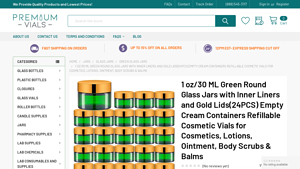
1. Premium Vials – 1 oz Green Round Glass Jars
Domain: premiumvials.com
Registered: 2013 (12 years)
Introduction: 1 oz / 30 ML Green Round Glass Jars with Inner Liners and Gold Lids (24PCS) Empty Cream Containers Refillable Cosmetic Vials for Cosmetics, Lotions, Ointment, Body Scrubs & Balms.
2. Walmart – 50g Round Empty Cosmetic Container Jar
Domain: walmart.com
Registered: 1995 (30 years)
Introduction: This company, Walmart – 50g Round Empty Cosmetic Container Jar, is a notable entity in the market. For specific product details, it is recommended to visit their website directly.
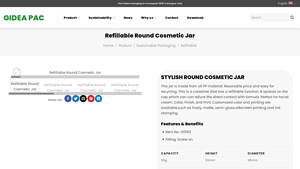
3. Gideapac – Refillable Round Cosmetic Jar
Domain: gideapac.com
Registered: 2023 (2 years)
Introduction: {“product_name”: “Refillable Round Cosmetic Jar”, “material”: “PP (Polypropylene)”, “capacity”: “50g”, “dimensions”: {“height”: “53mm”, “diameter”: “65mm”}, “features”: [“Refillable function”, “Spatula on the cap to reduce direct contact with formula”, “Customizable color and printing options (frosty, matte, semi-gloss, silkscreen printing, hot stamping)”], “sustainability”: [“Post-consumer recycl…
4. AliExpress – Beauty Storage Jars
Domain: aliexpress.com
Registered: 2006 (19 years)
Introduction: This company, AliExpress – Beauty Storage Jars, is a notable entity in the market. For specific product details, it is recommended to visit their website directly.
5. AstralPak – Refillable Round Cosmetic Jar

Domain: astralpak.com
Registered: 2024 (1 years)
Introduction: {‘name’: ‘Refillable Round Cosmetic Jar with Spatula’, ‘material’: ‘PP (Polypropylene)’, ‘features’: ‘Refillable, includes spatula to reduce direct contact with formula’, ‘capacity’: ’50g’, ‘height’: ’53mm’, ‘diameter’: ’65mm’, ‘customization_options’: ‘Custom colors and printing available (frosty, matte, semi-gloss, silkscreen printing, hot stamping)’, ‘minimum_order_quantity’: ‘5,000’, ‘packagin…
6. Qeirudu – 4 oz Amber Plastic Jars

Domain: gosupps.com
Registered: 2014 (11 years)
Introduction: Qeirudu 4 oz Amber Plastic Jars, 12 Pack – Refillable Round Brown Cosmetic Containers with Lids and Labels for Beauty Products, Creams, Lotion, Essential Oil, Powders, and Ointments. Regular Price: US$49.99, Special Price: US$39.99. Availability: In stock. Shipping: International only, fixed rate of US$19.99 for delivery in 5-10 days. Supplier: Qeirudu.
Strategic Sourcing Conclusion and Outlook for Refillable Round Cosmetic Jar
In the dynamic landscape of cosmetic packaging, the refillable round cosmetic jar stands out as a pivotal solution for brands committed to sustainability and consumer convenience. Strategic sourcing of these jars enables businesses to align their packaging choices with environmental goals while meeting the rising demand for eco-friendly products. By opting for refillable solutions, companies not only reduce their carbon footprint but also enhance their brand image as responsible market players.
The growing popularity of refillable jars, particularly in regions such as Africa, South America, the Middle East, and Europe, presents a significant opportunity for international buyers. These markets increasingly prioritize sustainable practices, making refillable jars an attractive option for cosmetics and skincare brands looking to innovate.
As you explore sourcing opportunities, consider partnering with manufacturers that prioritize quality, sustainability, and customization. This strategic alignment will not only fulfill your packaging needs but also resonate with environmentally-conscious consumers. Engage with your suppliers to develop tailored solutions that reflect your brand’s values and commitment to sustainability.
Seize this moment to lead the charge in sustainable beauty packaging. Invest in refillable round cosmetic jars and position your brand at the forefront of the eco-friendly revolution in the cosmetics industry.




 English
  Russian
  Spanish
  Italian
  Thai
Thai  French
  Arabic
  Portuguese
  Indonesian
  German






