

Introduction: Navigating the Global Market for Round Shape Refillable Glass Bottle
In an era where sustainability is paramount, sourcing round shape refillable glass bottles presents a unique challenge for international B2B buyers. These eco-friendly packaging solutions not only reduce waste but also elevate brand aesthetics, making them increasingly popular across various industries, from cosmetics to food and beverages. This guide delves deep into the global market for round shape refillable glass bottles, offering insights into different types, applications, and the vetting process for reliable suppliers.
With a focus on practical strategies, we aim to empower B2B buyers from Africa, South America, the Middle East, and Europe—such as Vietnam and Saudi Arabia—to make informed purchasing decisions. By exploring key factors such as cost considerations, customization options, and market trends, buyers will be equipped to navigate this dynamic landscape effectively. Whether you are looking to enhance your product line with stylish packaging or seeking sustainable solutions that resonate with environmentally conscious consumers, this guide serves as an essential resource. Discover how to capitalize on the growing demand for refillable glass bottles while ensuring quality and compliance across diverse markets.
Understanding Round Shape Refillable Glass Bottle Types and Variations
| Type Name | Key Distinguishing Features | Primary B2B Applications | Brief Pros & Cons for Buyers |
|---|---|---|---|
| Refillable Perfume Bottles | Elegant design, screw neck (15/415), customizable finishes, sizes (30ml, 50ml, 100ml) | Fragrance brands, cosmetic packaging | Pros: Stylish, sustainable, customizable. Cons: Higher initial investment. |
| Refillable Spray Bottles | Wide neck for easy filling, various closure options, often with protective silicone boot | Cleaning products, personal care items | Pros: Versatile, eco-friendly. Cons: Potential fragility. |
| Round Glass Storage Jars | Cork stoppers, various sizes (16oz), clear glass for visibility | Food storage, craft supplies, décor | Pros: Affordable, reusable. Cons: Limited sealing options. |
| Boston Round Glass Bottles | Classic round shape, multiple neck sizes (20-400, 24-410), available in amber and clear | Beverages, pharmaceuticals, essential oils | Pros: Durable, versatile. Cons: May require additional closures. |
| Nordic Spirits Bottles | Unique Nordic design, larger capacity (750ml), screw neck (33-400) | Distilleries, beverage packaging | Pros: Attractive design, functional. Cons: Bulk purchase needed. |
What Are Refillable Perfume Bottles and Their B2B Benefits?
Refillable perfume bottles are designed with elegance and functionality in mind. Typically featuring a screw neck design, they are available in various sizes, such as 30ml, 50ml, and 100ml. Their customizable finishes and accessories allow fragrance brands to enhance their product’s aesthetic appeal while promoting sustainability. B2B buyers in the cosmetics sector find these bottles attractive due to their ability to reduce waste and align with eco-friendly branding strategies.
How Do Refillable Spray Bottles Enhance Cleaning Product Packaging?
Refillable spray bottles are characterized by their wide necks, making them easy to fill with cleaning solutions. Often equipped with protective silicone boots, these bottles are ideal for both commercial and domestic cleaning products. The versatility of these bottles makes them suitable for personal care items as well. Buyers should consider the balance between aesthetics and durability when selecting these bottles, as they are designed to reduce single-use plastic consumption.
What Makes Round Glass Storage Jars Ideal for Various Applications?
Round glass storage jars are commonly used for food storage and decorative purposes. Typically equipped with cork stoppers, these jars provide a rustic and appealing look. Their transparent design allows for easy visibility of contents, making them suitable for pantry organization or craft supplies. B2B buyers should weigh the affordability of these jars against their limited sealing capabilities, especially if airtight storage is a priority.
Why Choose Boston Round Glass Bottles for Diverse Industries?
Boston round glass bottles are known for their classic shape and versatility. Available in various neck sizes, they cater to a wide range of applications, including beverages, pharmaceuticals, and essential oils. Their durability is a significant selling point for B2B buyers, who require reliable packaging solutions. However, buyers should be aware that these bottles may necessitate additional closures to meet specific product requirements.
What Are the Advantages of Nordic Spirits Bottles for Distilleries?
Nordic spirits bottles stand out with their unique design and larger capacity, making them a popular choice for distilleries. With a screw neck for secure sealing, these bottles are perfect for packaging a variety of beverages. B2B buyers looking for attractive packaging solutions will find these bottles beneficial, but they should consider the need for bulk purchasing to ensure cost-effectiveness.
Key Industrial Applications of Round Shape Refillable Glass Bottle
| Industry/Sector | Specific Application of Round Shape Refillable Glass Bottle | Value/Benefit for the Business | Key Sourcing Considerations for this Application |
|---|---|---|---|
| Cosmetics & Personal Care | Refillable perfume and essential oil packaging | Enhances brand image through sustainable practices, attracting eco-conscious consumers. | Customization options for caps and finishes to align with branding. |
| Food & Beverage | Bottling sauces, dressings, and beverages | Offers a premium presentation while ensuring product safety and freshness. | Compliance with food safety regulations and the ability to handle various closures. |
| Cleaning & Household Products | Refillable spray bottles for cleaning solutions | Reduces reliance on single-use plastics, promoting environmental responsibility. | Durability of glass and compatibility with various cleaning solutions. |
| Arts & Crafts | Storage for craft supplies or homemade products | Versatile usage for both storage and display, appealing to creative markets. | Availability of different sizes and designs to meet diverse customer needs. |
| Pharmaceuticals & Health Products | Packaging for tinctures, oils, and herbal remedies | Provides a professional appearance while ensuring product integrity and shelf life. | Specific neck sizes and closure options for secure sealing and dispensing. |
How Are Round Shape Refillable Glass Bottles Used in the Cosmetics & Personal Care Industry?
In the cosmetics and personal care sector, round shape refillable glass bottles are primarily used for packaging perfumes and essential oils. These bottles not only serve as stylish containers but also align with the growing demand for sustainable packaging solutions. By utilizing refillable options, brands can significantly reduce waste, thereby enhancing their appeal to environmentally conscious consumers. Buyers in this sector should consider customization options for caps and finishes to ensure that the packaging aligns with their brand identity.
What Role Do Round Glass Bottles Play in the Food & Beverage Sector?
In the food and beverage industry, round shape refillable glass bottles are ideal for bottling sauces, dressings, and beverages. Their robust design ensures product safety and freshness, while the glass material provides a premium presentation that can elevate brand perception. Buyers must ensure that the bottles comply with food safety regulations and are compatible with various closures, such as tamper-evident caps, to maintain product integrity throughout the supply chain.
How Are Round Refillable Glass Bottles Transforming Cleaning Products?
The use of round shape refillable glass bottles for cleaning products is a growing trend aimed at reducing single-use plastics. These bottles are perfect for packaging custom or bulk cleaning solutions, allowing consumers to refill rather than replace. This not only promotes sustainability but also offers a more aesthetically pleasing alternative to typical plastic bottles. Buyers should focus on the durability of the glass and the compatibility of the bottles with various cleaning solutions, ensuring they can withstand frequent use.
What Are the Applications of Round Glass Bottles in Arts & Crafts?
In the arts and crafts industry, round shape refillable glass bottles serve as versatile storage solutions for craft supplies, homemade products, or decorative items. Their aesthetic appeal makes them suitable for display, while their refillable nature supports eco-friendly practices. When sourcing, buyers should consider the availability of different sizes and designs to accommodate a wide range of uses, from storing paints to presenting artisanal products.
How Are Round Refillable Glass Bottles Used in Pharmaceuticals?
Round shape refillable glass bottles are essential in the pharmaceuticals and health products sector, particularly for packaging tinctures, oils, and herbal remedies. Their design ensures a professional appearance while maintaining the integrity and shelf life of sensitive products. Buyers in this industry should prioritize specific neck sizes and closure options to ensure secure sealing and easy dispensing, which are crucial for maintaining product quality and safety.

A stock image related to Round Shape Refillable Glass Bottle.
3 Common User Pain Points for ‘Round Shape Refillable Glass Bottle’ & Their Solutions
Scenario 1: Navigating Customization Challenges for Branding
The Problem: Many B2B buyers struggle with the lack of customization options when sourcing round shape refillable glass bottles. For brands looking to establish a unique market identity, finding bottles that can be tailored to their specific branding requirements—such as color, logo placement, and closure types—can be a significant hurdle. This limitation can lead to missed opportunities in branding consistency and customer recognition, especially in competitive markets across Africa, South America, and Europe.
The Solution: To effectively address customization challenges, buyers should prioritize suppliers that offer extensive customization options. When evaluating potential suppliers, request samples that showcase various colors and finishes, and inquire about their capabilities for printing or embossing logos. Additionally, consider suppliers who provide a range of closure types, such as spray pumps or droppers, which can further enhance the branding experience. Establishing a strong partnership with a supplier that understands your branding needs can facilitate a smoother design process and ensure that your refillable bottles align perfectly with your marketing strategy.
Scenario 2: Addressing Sustainability Concerns in Packaging
The Problem: Sustainability is a crucial consideration for many businesses today, particularly those in environmentally conscious markets. B2B buyers often face the challenge of finding refillable glass bottles that not only meet their functional requirements but also adhere to sustainable practices. The growing demand for eco-friendly packaging solutions means that companies must ensure their products contribute to waste reduction without sacrificing quality or aesthetics.
The Solution: To overcome sustainability concerns, buyers should seek out suppliers that emphasize eco-friendly manufacturing processes and materials. Look for round shape refillable glass bottles made from recycled glass or those that are 100% recyclable. Additionally, consider suppliers that provide information on their sustainability practices, such as using renewable energy in production or minimizing carbon footprints. Partnering with brands that share your commitment to sustainability can enhance your company’s image and attract a customer base that prioritizes eco-friendly choices. Furthermore, consider incorporating refill programs that encourage consumers to return their used bottles, further promoting a circular economy.
Scenario 3: Ensuring Safe and Efficient Transport of Glass Bottles
The Problem: Transporting glass bottles poses unique challenges, particularly regarding breakage and damage during shipping. B2B buyers, especially those operating in regions with varying logistics capabilities, often experience frustration when their orders arrive damaged, leading to financial loss and disrupted supply chains. This issue is exacerbated when bottles are not properly packaged for the rigors of international transport.
The Solution: To mitigate transport-related issues, buyers should prioritize suppliers that offer robust packaging solutions for their round shape refillable glass bottles. When placing orders, request details on the packaging methods used, including the use of padding, custom inserts, and reinforced boxes designed specifically for glass products. Additionally, consider purchasing in bulk to reduce the number of shipments, as fewer shipments can mean fewer opportunities for damage. Establishing a reliable logistics partnership that specializes in handling fragile items can also ensure safe delivery. Finally, consider implementing a quality assurance process upon receipt of goods to swiftly identify and address any issues with breakage, allowing for timely replacements or adjustments to future orders.
Strategic Material Selection Guide for Round Shape Refillable Glass Bottle
When selecting materials for round shape refillable glass bottles, several options are available, each offering unique properties and benefits. This guide analyzes four common materials: clear glass, amber glass, cobalt blue glass, and plastic components, focusing on their suitability for international B2B buyers.
What Are the Key Properties of Clear Glass for Refillable Bottles?
Clear glass is the most commonly used material for refillable bottles due to its excellent clarity and aesthetic appeal. It is generally resistant to chemicals, making it suitable for a wide range of products, including perfumes and cosmetics. Clear glass can withstand temperatures up to 200°C, which is beneficial for products requiring heat resistance. However, it is less effective against UV light, which can degrade certain contents over time.
Pros: Clear glass offers high visibility of the product, enhancing branding and consumer appeal. It is also recyclable and can be manufactured at a lower cost compared to colored glass.
Cons: While durable, clear glass is more prone to breakage than other materials. Additionally, its lack of UV protection can limit its application for light-sensitive products.
How Does Amber Glass Enhance Product Longevity?
Amber glass is specifically designed to protect contents from UV light, making it ideal for products like essential oils and certain pharmaceuticals that can degrade when exposed to sunlight. The material can handle similar temperature and pressure conditions as clear glass, ensuring product safety during storage and transport.
Pros: The primary advantage of amber glass is its ability to block UV rays, prolonging the shelf life of sensitive products. It also has a premium appearance, which can elevate brand perception.
Cons: Amber glass tends to be more expensive than clear glass, which may impact pricing strategies for budget-conscious brands. Its darker hue can also limit visibility, making it less suitable for products that rely on visual appeal.
What Role Does Cobalt Blue Glass Play in Branding?
Cobalt blue glass is another attractive option, often used for specialty products. Similar to amber glass, cobalt blue provides UV protection, but it also adds a distinctive aesthetic that can enhance brand identity. This material can withstand the same temperature and pressure conditions as clear and amber glass.
Pros: The vibrant color of cobalt blue glass can make products stand out on shelves, attracting consumer attention. It is also effective in protecting sensitive contents from light.
Cons: Cobalt blue glass is typically more costly than both clear and amber glass, which could affect overall product pricing. Additionally, its limited use in certain markets may restrict its appeal.
How Do Plastic Components Complement Glass Bottles?
While glass is the primary material for refillable bottles, plastic components such as caps and sprayers are often used to enhance functionality. These components can be made from various plastics, including PET and polypropylene, which offer good chemical resistance and durability.
Pros: Plastic components can significantly reduce the overall weight of the packaging, making it more cost-effective for shipping. They also provide flexibility in design and functionality, such as easy dispensing and child-resistant features.
Cons: Plastic is less environmentally friendly than glass, which may deter eco-conscious consumers. Additionally, certain plastics can leach chemicals into products, raising safety concerns.
Summary of Material Selection for Round Shape Refillable Glass Bottles
| Material | Typical Use Case for Round Shape Refillable Glass Bottle | Key Advantage | Key Disadvantage/Limitation | Relative Cost (Low/Med/High) |
|---|---|---|---|---|
| Clear Glass | Perfume, cosmetics, beverages | High visibility and aesthetic appeal | Prone to breakage, UV exposure risk | Medium |
| Amber Glass | Essential oils, pharmaceuticals | UV protection, longer shelf life | Higher cost, limited visibility | High |
| Cobalt Blue Glass | Specialty products, health supplements | Distinctive branding, UV protection | Higher cost, limited market appeal | High |
| Plastic Components | Caps, sprayers for glass bottles | Lightweight, versatile design | Less eco-friendly, potential leaching | Low |
This strategic material selection guide provides international B2B buyers with essential insights into the various materials available for round shape refillable glass bottles. Understanding these properties and considerations will help in making informed decisions that align with product requirements and market preferences.

A stock image related to Round Shape Refillable Glass Bottle.
In-depth Look: Manufacturing Processes and Quality Assurance for Round Shape Refillable Glass Bottle
What Are the Main Stages in the Manufacturing Process for Round Shape Refillable Glass Bottles?
The manufacturing of round shape refillable glass bottles is a meticulous process that involves several stages, each critical to ensuring the final product meets quality standards and functional requirements.
Material Preparation
The first step in manufacturing glass bottles is the preparation of raw materials. This typically involves a mix of silica sand, soda ash, and limestone, which are melted together in a furnace at high temperatures. The quality of these raw materials significantly affects the durability and clarity of the glass, making it essential for suppliers to source high-grade materials. Additionally, the use of recycled glass cullet is becoming common as it reduces energy consumption and enhances sustainability.
Forming
After material preparation, the molten glass is formed into bottles using various techniques. The most prevalent methods include blow molding and press molding. Blow molding involves inflating a molten glass parison into a mold, while press molding uses a plunger to press the glass into the desired shape. For round bottles, blow molding is often preferred due to its ability to produce uniform thickness and intricate designs. Precision in this stage is critical to ensure that all bottles have consistent dimensions and weight.
Assembly
Once formed, the bottles go through an assembly process, which may include adding components such as caps, sprayers, or other closures. This stage is vital for ensuring that each bottle is functional and aesthetically appealing. Customization options, such as engravings or color finishes, can be applied at this point, allowing brands to differentiate their products in the market.
Finishing
The final manufacturing stage is finishing, which includes annealing (slowly cooling the glass to relieve internal stresses), surface treatment, and quality checks. The bottles may also undergo polishing or coating to enhance their appearance and durability. This stage ensures that the bottles are ready for distribution and meet the required specifications.
What International Standards and Quality Control Measures Are Essential for Refillable Glass Bottles?
Quality assurance is paramount in the glass manufacturing industry, especially when exporting products internationally. Adherence to established standards ensures that the bottles not only meet safety requirements but also perform well in various applications.
ISO 9001 and Other Relevant Standards
ISO 9001 is a widely recognized international standard that outlines the requirements for a quality management system (QMS). Manufacturers of refillable glass bottles must demonstrate their ability to consistently provide products that meet customer and regulatory requirements. Other industry-specific certifications may include CE marking for compliance with European health, safety, and environmental protection standards, and API standards for pharmaceutical glass packaging.
Quality Control Checkpoints
A comprehensive quality control process typically involves several checkpoints throughout the manufacturing cycle:
-
Incoming Quality Control (IQC): This initial phase checks the quality of raw materials and components before they enter the production line. Any non-conforming materials are rejected at this stage to prevent defects in the final product.
-
In-Process Quality Control (IPQC): During production, continuous monitoring is essential. This includes checking the temperature of the melting furnace, the viscosity of the molten glass, and the consistency of the forming process. Regular sampling of bottles can help identify issues early in the manufacturing process.
-
Final Quality Control (FQC): After production, every batch of bottles undergoes a thorough inspection. This includes visual checks for defects, dimensional accuracy, and testing for durability and chemical resistance. Common testing methods include pressure tests, thermal shock tests, and chemical compatibility tests.
How Can B2B Buyers Verify Supplier Quality Control Practices?
For international B2B buyers, especially those from regions such as Africa, South America, the Middle East, and Europe, verifying a supplier’s quality control practices is critical to ensure product reliability.
Supplier Audits and Certifications
Conducting supplier audits is one of the most effective ways to verify quality control practices. These audits can be performed by the buyers themselves or through third-party inspection agencies. During an audit, buyers can assess the manufacturing processes, quality control measures, and compliance with international standards.
Documentation and Quality Reports
Buyers should request detailed quality reports from suppliers. This documentation should include results from IQC, IPQC, and FQC processes, along with any certifications obtained. A reliable supplier will be transparent about their quality control practices and willing to share test results and certificates.
Third-Party Inspections
Engaging third-party inspection services can provide an additional layer of assurance. These services can verify that the manufacturing processes comply with the required standards and that the final products meet the necessary specifications. This is particularly beneficial for buyers who may not have the resources to conduct extensive audits themselves.
What Are the Unique QC Considerations for International Markets?
When sourcing refillable glass bottles from international suppliers, B2B buyers must consider various quality control nuances:
Cultural and Regulatory Differences
Different countries have varying regulations regarding packaging materials, especially for food and pharmaceuticals. Buyers should be aware of these differences and ensure that their suppliers comply with local regulations in both the manufacturing country and the destination market.
Sustainability Practices
With the growing emphasis on sustainability, buyers should consider suppliers’ practices regarding environmental impact. This includes the use of recycled materials, energy-efficient manufacturing processes, and waste management practices. Suppliers who prioritize sustainability are often more appealing to environmentally-conscious brands.
Communication and Responsiveness
Effective communication is essential in international B2B relationships. Buyers should assess how responsive suppliers are to inquiries about quality control processes and any issues that may arise. A supplier’s willingness to engage in dialogue about quality can be a strong indicator of their commitment to maintaining high standards.
In conclusion, understanding the manufacturing processes and quality assurance measures for round shape refillable glass bottles is crucial for B2B buyers. By focusing on the key stages of production, adhering to international standards, and implementing robust quality control practices, suppliers can ensure that their products meet the high expectations of global markets.
Practical Sourcing Guide: A Step-by-Step Checklist for ‘Round Shape Refillable Glass Bottle’
Introduction
This guide serves as a practical checklist for B2B buyers seeking to procure round shape refillable glass bottles. The increasing demand for sustainable packaging solutions has made these bottles a popular choice across various industries, from cosmetics to food and beverages. Following this checklist will help ensure that you source high-quality products that meet your specifications and align with your business goals.
Step 1: Define Your Technical Specifications
Clearly outlining your technical specifications is vital for ensuring the bottles meet your requirements. Consider factors such as capacity, neck size, and finish type. For example, the 15/415 neck finish is common for perfume bottles, while food-grade finishes may be necessary for edible products.
- Capacity Requirements: Determine the sizes you need (e.g., 30ml, 50ml, 100ml).
- Material Considerations: Ensure the glass meets safety standards for your intended use.
Step 2: Research Potential Suppliers
Conduct thorough research to identify potential suppliers who specialize in refillable glass bottles. Look for companies that have a proven track record in your specific industry. A well-established supplier is more likely to understand the nuances of your market and provide tailored solutions.
- Online Reviews and Ratings: Check customer feedback to gauge reliability.
- Industry Presence: Look for suppliers with a significant presence in your region (e.g., Africa, South America).
Step 3: Evaluate Supplier Certifications
Before making a commitment, verify that potential suppliers hold relevant certifications. This is particularly important for industries with strict regulatory requirements, such as cosmetics and food packaging. Certifications can indicate compliance with international standards for safety and quality.
- ISO Certification: Look for ISO 9001 or similar standards that ensure quality management.
- Sustainability Certifications: Consider suppliers with certifications like FSC or Cradle to Cradle for eco-friendly practices.
Step 4: Request Samples and Prototypes
Always request samples or prototypes of the round shape refillable glass bottles before placing a large order. This allows you to assess the quality of the product and ensure it meets your expectations in terms of design and functionality.
- Testing for Usability: Check if the bottles are easy to fill and refill.
- Durability Testing: Evaluate how well the glass holds up under standard usage conditions.
Step 5: Negotiate Pricing and Terms
Once you’ve identified a preferred supplier, engage in negotiations to establish pricing and terms of sale. Ensure that you have a clear understanding of minimum order quantities, lead times, and payment terms. This step is crucial for aligning your budget with your procurement needs.
- Bulk Discounts: Inquire about pricing tiers for larger orders.
- Shipping Costs: Clarify who is responsible for shipping and any associated costs.
Step 6: Finalize Your Order and Logistics
After agreeing on terms, finalize your order and confirm logistics. Pay attention to the shipping methods and timelines, especially if you’re sourcing from international suppliers. Timely delivery is essential to maintain your production schedule.
- Shipping Documentation: Ensure all necessary export/import documentation is in order.
- Tracking Information: Request tracking details to monitor the shipment’s progress.
Step 7: Review Post-Purchase Performance
After receiving your order, conduct a review of the bottles’ performance in your operations. Gather feedback from your team and customers about the usability and aesthetics of the bottles. This evaluation will inform future sourcing decisions and help you build a strong supplier relationship.
- Quality Control: Check for consistency in quality across the shipment.
- Customer Feedback: Collect insights from end-users to gauge satisfaction.
By following this checklist, B2B buyers can navigate the sourcing process for round shape refillable glass bottles effectively, ensuring that they choose the right products for their business needs while promoting sustainability.
Comprehensive Cost and Pricing Analysis for Round Shape Refillable Glass Bottle Sourcing
What Are the Key Cost Components for Round Shape Refillable Glass Bottles?
When sourcing round shape refillable glass bottles, understanding the cost structure is crucial for B2B buyers. The primary cost components include:
-
Materials: The quality of glass significantly influences the price. Standard soda-lime glass is generally more affordable than specialty glass types, such as borosilicate. Additionally, closures (e.g., screw caps, spray pumps) and any decorative elements (like embossing or color coatings) can add to the material costs.
-
Labor: Labor costs vary based on the manufacturing location. Regions with lower labor costs can offer competitive pricing, but this may come at the expense of quality. It’s essential to evaluate the skill level of the workforce and the potential need for skilled labor in handling more intricate designs.
-
Manufacturing Overhead: This includes expenses related to facility maintenance, utilities, and equipment depreciation. Efficient manufacturing processes can help reduce overhead costs, allowing suppliers to offer better pricing.
-
Tooling: Custom molds and tools for unique bottle designs can require significant initial investment. Buyers should consider this cost when negotiating with suppliers, especially if they need bespoke solutions.
-
Quality Control (QC): Ensuring that each bottle meets safety and quality standards is vital. QC processes can add to the overall cost, particularly if third-party certifications are required (e.g., food-safe or cosmetic-grade certifications).
-
Logistics: Shipping costs can fluctuate based on the distance from the supplier, the mode of transport, and any tariffs or import duties. For international buyers, understanding Incoterms can help clarify who is responsible for these costs.
-
Margin: Suppliers will typically factor in their desired profit margin. This can vary based on market demand, competition, and the level of service offered (e.g., faster delivery times or additional support).
How Do Price Influencers Impact Sourcing Decisions for Round Shape Refillable Glass Bottles?
Several factors influence the pricing of round shape refillable glass bottles:
-
Volume/MOQ: Bulk orders generally attract lower per-unit prices due to economies of scale. Buyers should assess their needs and consider negotiating minimum order quantities (MOQs) that align with their production schedules.
-
Specifications and Customization: Custom designs or specific sizes will often incur higher costs. When negotiating, buyers should weigh the benefits of customization against the potential price increase.
-
Materials and Quality Certifications: Bottles made from premium materials or those requiring certifications (like FDA approval) will typically be more expensive. Buyers should evaluate the necessity of these attributes based on their target market.
-
Supplier Factors: The reputation and reliability of the supplier can significantly impact pricing. Established suppliers may charge more due to their proven quality and service, while newer companies may offer lower prices to gain market share.
-
Incoterms: Understanding Incoterms is essential for international shipping. The chosen terms can affect the total cost, as they dictate who is responsible for shipping, insurance, and tariffs.
What Are the Best Negotiation Tips for B2B Buyers Sourcing Round Shape Refillable Glass Bottles?
Effective negotiation can lead to significant cost savings. Here are some strategies:
-
Research and Compare: Gather quotes from multiple suppliers to understand the market rate for your specific needs. This information can empower your negotiations.
-
Focus on Total Cost of Ownership (TCO): Consider not just the purchase price but also factors like durability, transportation costs, and potential waste reduction from using refillable bottles. A higher upfront cost may be justified by long-term savings.
-
Leverage Volume Commitments: If you anticipate a consistent need for bottles, use this to negotiate better pricing or terms. Suppliers may be willing to offer discounts for guaranteed future orders.
-
Understand Cultural Nuances: When dealing with suppliers from different regions (e.g., Africa, South America, the Middle East, and Europe), be aware of cultural negotiation styles. Building relationships may lead to better terms.
-
Be Open to Alternatives: If a supplier cannot meet your pricing expectations, consider discussing alternative materials or designs that could lower costs without compromising quality.
Conclusion: What Should International B2B Buyers Keep in Mind When Sourcing Round Shape Refillable Glass Bottles?
Navigating the complexities of sourcing round shape refillable glass bottles requires a deep understanding of cost structures, price influencers, and negotiation tactics. Buyers should approach sourcing strategically, keeping in mind the nuances of international trade and the specific needs of their target markets. While indicative prices provide a starting point, thorough research and careful consideration of all cost components will ensure a more favorable purchasing outcome.
Alternatives Analysis: Comparing Round Shape Refillable Glass Bottle With Other Solutions
In the pursuit of sustainability and efficient packaging solutions, businesses often explore various alternatives to the traditional round shape refillable glass bottle. This section evaluates the round shape refillable glass bottle against other viable options, focusing on performance, cost, ease of implementation, maintenance, and best use cases. Understanding these alternatives can empower B2B buyers to make informed decisions that align with their sustainability goals and operational needs.
| Comparison Aspect | Round Shape Refillable Glass Bottle | Alternative 1: Plastic Refillable Bottle | Alternative 2: Aluminum Refillable Container |
|---|---|---|---|
| Performance | High durability and aesthetic appeal; retains fragrance well for perfumes | Lightweight but may leach chemicals; less aesthetic appeal | Highly durable; protects contents well; lightweight |
| Cost | Moderate to high initial investment; long-term savings through reuse | Lower initial cost; potential higher long-term costs due to lower durability | Moderate cost; recyclable, but initial investment can be higher |
| Ease of Implementation | Requires careful handling during refills; compatible with various closures | Easy to refill and handle; various designs available | Simple refilling process; may require specific closure types |
| Maintenance | Requires regular cleaning to avoid residue buildup; dishwasher safe | Easy to clean but may stain or retain odors | Requires thorough cleaning; durable and resistant to dents |
| Best Use Case | Ideal for high-end fragrances and eco-conscious brands | Suitable for budget-conscious brands and bulk products | Excellent for beverages and products requiring lightweight packaging |
What Are the Pros and Cons of Using Plastic Refillable Bottles?
Plastic refillable bottles present a cost-effective alternative, especially for brands focused on budget management. They are lightweight, making them easier to transport and handle. However, they can leach chemicals over time, potentially compromising the integrity of the product inside. Additionally, the aesthetic appeal is generally lower compared to glass, which may affect brand perception in luxury markets. They are best suited for high-volume, low-cost product lines where durability is less of a concern.
How Does Aluminum Compare to Round Glass Bottles?
Aluminum refillable containers are another alternative that offers a good balance between durability and weight. They are resistant to impact and provide an excellent barrier against light and air, preserving the contents effectively. However, the initial investment may be higher than glass, and specific closure types may limit compatibility with existing systems. Aluminum is particularly advantageous for beverages and products that require lightweight packaging while maintaining protection against environmental factors.
Conclusion: How Can B2B Buyers Choose the Right Packaging Solution?
When selecting the appropriate packaging solution, B2B buyers should consider their specific product requirements, target market, and sustainability goals. The round shape refillable glass bottle excels in aesthetics and long-term sustainability, making it ideal for premium products. In contrast, plastic refillable bottles may suit brands focused on cost-efficiency, while aluminum containers can provide a robust alternative for beverages and products needing lightweight options. By weighing these factors carefully, businesses can align their packaging choices with their operational strategies and consumer expectations, ultimately enhancing brand value and market presence.
Essential Technical Properties and Trade Terminology for Round Shape Refillable Glass Bottle
What Are the Essential Technical Properties of Round Shape Refillable Glass Bottles?
When selecting round shape refillable glass bottles, understanding their technical specifications is crucial for ensuring product quality and meeting business needs. Here are key properties to consider:
1. Material Grade
The most common material for refillable glass bottles is flint glass, known for its clarity and non-reactive nature. Some bottles may also use colored glass, such as amber or cobalt, which provides UV protection for sensitive contents. Choosing the right material impacts product safety, aesthetics, and shelf life, making it essential for brands focused on sustainability and quality.
2. Neck Finish
The neck finish refers to the diameter and design of the bottle’s opening, which is vital for compatibility with closures and dispensing mechanisms. Common neck finishes for refillable glass bottles include 15/415, 20/400, and 38/405. Understanding neck specifications ensures that the bottle can be paired with the appropriate caps, pumps, or sprayers, facilitating efficient packaging and user experience.
3. Capacity and Dimensions
Refillable glass bottles come in various sizes, typically ranging from 30ml to 1000ml. The capacity is crucial for determining how much product can be contained, which directly affects pricing and consumer perception. Additionally, the dimensions—height and diameter—impact storage, transportation, and display in retail environments. Buyers must choose sizes that align with their branding and market needs.
4. Brim Capacity
Brim capacity is the maximum fill level that a bottle can accommodate without risk of overflow. It is typically greater than the nominal capacity to allow for expansion or foaming of liquids. This property is significant for ensuring compliance with safety regulations and for optimizing product distribution, especially in markets with strict labeling and packaging guidelines.
5. Tolerance Levels
Tolerance levels refer to the acceptable variation in dimensions during manufacturing. High-quality refillable glass bottles typically have tight tolerances to ensure uniformity, which is critical for automated filling and capping processes. Understanding tolerance levels helps businesses maintain quality control and minimize production issues.
6. Sustainability Features
As sustainability becomes increasingly important in global markets, many refillable glass bottles now incorporate eco-friendly features such as recyclable materials and minimal packaging. Businesses focusing on sustainability can leverage these properties to enhance brand image and appeal to environmentally conscious consumers.
Which Trade Terminology Is Important for B2B Transactions Involving Round Shape Refillable Glass Bottles?
Familiarity with industry jargon is essential for effective communication and negotiation in the B2B market. Here are some common terms to know:
1. OEM (Original Equipment Manufacturer)
OEM refers to a company that produces parts or equipment that may be marketed by another manufacturer. In the context of glass bottles, an OEM might produce customized bottles for a brand, ensuring that the product meets specific design and quality requirements.
2. MOQ (Minimum Order Quantity)
MOQ represents the smallest number of units a supplier is willing to sell. Understanding MOQ is vital for businesses to manage inventory and cash flow effectively. A high MOQ may require buyers to commit to larger purchases, while a lower MOQ can facilitate testing new products.
3. RFQ (Request for Quotation)
An RFQ is a document sent to suppliers requesting a price quote for specific products or services. For B2B buyers of refillable glass bottles, sending an RFQ helps gather pricing information and ensures that suppliers understand the buyer’s requirements.
4. Incoterms (International Commercial Terms)
Incoterms are a set of predefined international trade terms that clarify the responsibilities of buyers and sellers regarding shipping, insurance, and tariffs. Familiarity with Incoterms is essential for international B2B transactions, as they affect shipping costs and risk management.
5. Customs Duty
Customs duty is a tax imposed on goods when they are transported across international borders. Understanding customs duties is crucial for B2B buyers to accurately calculate the total cost of imported refillable glass bottles and ensure compliance with local regulations.
6. Lead Time
Lead time refers to the period between placing an order and receiving the product. For businesses relying on refillable glass bottles for production, understanding lead times is critical for planning inventory and ensuring timely delivery to customers.
By understanding these essential properties and trade terminologies, B2B buyers can make informed decisions, streamline their purchasing processes, and enhance their overall operational efficiency in the global market for refillable glass bottles.
Navigating Market Dynamics and Sourcing Trends in the Round Shape Refillable Glass Bottle Sector
What Are the Key Market Trends Driving the Round Shape Refillable Glass Bottle Sector?
The round shape refillable glass bottle sector is currently experiencing robust growth, fueled by global trends towards sustainability and eco-conscious consumer behavior. International B2B buyers are increasingly prioritizing suppliers who offer products that reduce single-use plastics and promote a circular economy. Key markets in Africa, South America, the Middle East, and Europe are witnessing a surge in demand for refillable packaging solutions as businesses seek to align with environmental regulations and consumer expectations.
Technological advancements are also reshaping the sourcing landscape. Innovations in glass manufacturing, such as lightweight designs and enhanced durability, are making refillable glass bottles more appealing to brands across various industries, including cosmetics, food and beverage, and cleaning products. Additionally, the integration of digital technologies, such as e-commerce platforms and supply chain management systems, is streamlining the procurement process for international buyers, allowing them to source products more efficiently and transparently.
Emerging trends indicate a growing interest in customization, with brands looking to differentiate their offerings through bespoke packaging solutions. This customization can range from unique bottle shapes and sizes to personalized finishes and closures, thereby enhancing brand identity and consumer engagement. Overall, the market dynamics suggest a transformative shift towards sustainable practices, with refillable glass bottles at the forefront of this movement.
How Does Sustainability Influence Sourcing Decisions in the Round Shape Refillable Glass Bottle Market?
Sustainability has become a critical factor in sourcing decisions for B2B buyers of round shape refillable glass bottles. The environmental impact of packaging waste is a pressing concern, with many countries implementing stricter regulations to combat plastic pollution. Consequently, businesses are increasingly seeking suppliers who offer refillable and recyclable options, as these align with corporate social responsibility initiatives and consumer preferences for eco-friendly products.
Ethical sourcing practices are also gaining prominence. Buyers are now more inclined to partner with manufacturers who demonstrate transparency in their supply chains, ensuring that materials are sourced responsibly and labor practices are ethical. Certifications such as FSC (Forest Stewardship Council) for sustainable materials and ISO certifications for quality management are becoming essential criteria for selecting suppliers in this sector.
Moreover, the use of ‘green’ materials in the production of refillable glass bottles is a significant trend. Manufacturers are exploring options like recycled glass and biodegradable packaging components to enhance their sustainability credentials. By prioritizing suppliers who adhere to these standards, B2B buyers can significantly reduce their environmental footprint while meeting the growing demand for sustainable products in their markets.
What Is the Historical Context of Round Shape Refillable Glass Bottles in the B2B Market?
The evolution of round shape refillable glass bottles can be traced back to the early 20th century when glass was the primary material for packaging beverages and perfumes. Initially valued for its aesthetic appeal and impermeability, glass packaging became synonymous with quality and luxury. As consumer awareness regarding environmental issues grew in the late 20th century, the refillable glass bottle gained renewed interest as a sustainable alternative to single-use plastic containers.
The resurgence of refillable glass bottles aligns with the broader movement towards sustainability seen in various industries today. Modern consumers are increasingly attracted to brands that promote environmental stewardship, leading to a significant shift in how companies approach packaging. Today, round shape refillable glass bottles are not just a trend but a vital component of responsible business practices, demonstrating a commitment to sustainability that resonates with increasingly eco-conscious consumers across global markets.
Frequently Asked Questions (FAQs) for B2B Buyers of Round Shape Refillable Glass Bottle
-
1. How do I ensure the quality of round shape refillable glass bottles from suppliers?
To ensure quality, conduct thorough research on potential suppliers by reviewing their certifications and production standards. Request samples to evaluate the craftsmanship, material durability, and design. It’s also beneficial to check for customer reviews and ratings, particularly from businesses in your region. Establish clear quality assurance protocols, such as third-party inspections during production and prior to shipment, to guarantee that the products meet your specifications and international standards. -
2. What customization options are available for round shape refillable glass bottles?
Customization options vary by supplier but typically include features like different sizes (e.g., 30ml, 50ml, 100ml), neck finishes, colors, and decorative elements such as labels or etchings. Many suppliers offer bespoke packaging solutions that can enhance brand identity, including unique caps, sprayers, or pumps. When discussing customization, clearly communicate your branding requirements, and inquire about the minimum order quantities (MOQs) associated with specific custom features. -
3. What should I consider when vetting suppliers for refillable glass bottles?
When vetting suppliers, consider their production capabilities, experience in the industry, and adherence to international quality standards. Verify their certifications, such as ISO or FDA compliance, to ensure safety and quality. Additionally, assess their communication responsiveness and willingness to provide transparent information regarding lead times, shipping options, and return policies. Building a strong relationship with a reliable supplier is crucial for long-term business success. -
4. What are the typical minimum order quantities (MOQs) for round shape refillable glass bottles?
MOQs can vary significantly based on the supplier and the specific bottle design or customization options. Common MOQs range from 500 to 5,000 units for standard models, while custom designs may require higher quantities. It’s essential to discuss your needs with potential suppliers early in the negotiation process to find a balance that suits both parties. Some suppliers may offer flexibility on MOQs for ongoing partnerships or bulk orders. -
5. What payment terms should I expect when purchasing refillable glass bottles internationally?
Payment terms can differ widely among suppliers, but common practices include a deposit upfront (often 30-50%) with the balance due before shipment. Some suppliers may offer net payment terms, allowing payment within a specified period after delivery. Be sure to clarify payment methods accepted (e.g., wire transfers, letters of credit) and any additional fees associated with international transactions. Establishing clear terms protects both parties and facilitates smoother transactions. -
6. How can I manage shipping and logistics for international orders of refillable glass bottles?
When managing shipping and logistics, consider partnering with a logistics provider experienced in handling fragile items like glass bottles. Discuss shipping options with your supplier, including freight forwarding and insurance coverage, to mitigate risks during transit. Be aware of customs regulations in your country and ensure that all necessary documentation is prepared to avoid delays. Establish a timeline for delivery that aligns with your inventory needs to maintain a steady supply chain. -
7. Are refillable glass bottles suitable for all types of products?
Refillable glass bottles are versatile and suitable for a wide range of products, including perfumes, essential oils, cleaning solutions, and beverages. However, it’s crucial to ensure that the glass type is appropriate for your specific product to prevent reactions or contamination. For instance, certain chemicals may require amber or cobalt glass to protect against light degradation. Consult with suppliers about the best options for your product type to maintain quality and safety. -
8. What are the sustainability benefits of using refillable glass bottles for my business?
Using refillable glass bottles significantly reduces single-use plastic waste, aligning your business with eco-friendly practices that are increasingly valued by consumers. Glass is recyclable and can be reused multiple times without degrading quality, enhancing your brand’s sustainability credentials. Implementing refillable options can also lead to cost savings over time as customers return for refills. Highlighting your commitment to sustainability can strengthen customer loyalty and attract environmentally conscious consumers.
Important Disclaimer & Terms of Use
⚠️ Important Disclaimer
The information provided in this guide, including content regarding manufacturers, technical specifications, and market analysis, is for informational and educational purposes only. It does not constitute professional procurement advice, financial advice, or legal advice.
While we have made every effort to ensure the accuracy and timeliness of the information, we are not responsible for any errors, omissions, or outdated information. Market conditions, company details, and technical standards are subject to change.
B2B buyers must conduct their own independent and thorough due diligence before making any purchasing decisions. This includes contacting suppliers directly, verifying certifications, requesting samples, and seeking professional consultation. The risk of relying on any information in this guide is borne solely by the reader.
Top 8 Round Shape Refillable Glass Bottle Manufacturers & Suppliers List
1. Stocksmetic – Refillable Perfume Bottles

Domain: stocksmetic.com
Registered: 2013 (12 years)
Introduction: Refillable perfume bottles | Shape: Round | Screw neck: 15/415 | Available sizes: 30 ml, 50 ml, 100 ml | Customizable with accessories: caps, spray pumps, collars, droppers, premium finishes | Sustainable and high-quality solution | Price range: As low as $0.39 to $1.02 depending on size and type | In stock items: New Infusion 30 ml, 50 ml, Paintbrush Infusion 100 ml, Paintbrush Euphoria 30 ml, 50…
2. GideaPac – Key Product Details

Domain: gideapac.com
Registered: 2023 (2 years)
Introduction: Key Product Details: 1. Product Pack Types: Pump Bottles, Dropper Bottles, Spray Bottles, Flip-top Bottles, Roller Bottles, Cosmetic Jars, Cosmetic Tubes, Airless Bottles, Airless Jars. 2. Product Types: Foundations, Lip Balm, Sunscreen, Hair Powder, Nail Care. 3. Sustainability Features: Post-consumer Recycled, Ocean-bound Plastic, Refillable, Mono-material, Biodegradable, Bamboo, Glass. 4. Mater…
3. Hyve – Reusable 16 oz Glass Bottle
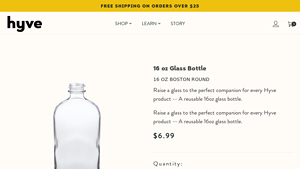
Domain: hyveclean.com
Registered: 2019 (6 years)
Introduction: {“product_name”: “Reusable 16 oz Glass Bottle”, “price”: “$6.99”, “features”: [“Reusable”, “Refillable”, “BPA free”, “Durable”, “Lightweight”], “usage”: “Perfect companion for every Hyve product”, “environmental_impact”: “Reduce waste in landfills with a solution that refills”, “satisfaction_guarantee”: “Satisfaction Guaranteed with our Return Policy”}
4. DHgate – 5ml Round Clear Glass Nail Polish Container

Domain: dhgate.com
Registered: 2004 (21 years)
Introduction: {“Product Name”: “5ml Round Clear Glass Nail Polish Container”, “Material”: “Glass”, “Capacity”: “5ml”, “Shape”: “Round”, “Color”: “Clear”, “Cap Type”: “Black Cap with Brush”, “Refillable”: “Yes”, “Dimensions”: “55x23MM”, “Usage”: “Ideal for DIY nail art, storing custom colors, travel-sized portions”, “Features”: [“Durable glass construction”, “Secure seal to prevent leaks”, “Lightweight and porta…
5. Full Circle Home – Full Circle Bottle Service Refillable Glass Spray Bottle

Domain: surlatable.com
Registered: 1997 (28 years)
Introduction: {‘name’: ‘Full Circle Bottle Service Refillable Glass Spray Bottle’, ‘manufacturer’: ‘Full Circle Home’, ‘material’: ‘Glass, bamboo, silicone, plastic’, ‘dimensions’: ‘3.15″ L x 3.15″ W x 9.64″ H’, ‘capacity’: ’16 oz.’, ‘care_usage’: ‘Dishwasher-safe bottle, hand wash sprayer’, ‘sku’: ‘6750772’, ‘shipping_info’: ‘3-5 business days’, ‘price’: ‘$13.95’, ‘made_in’: ‘China’}
6. ReWine – Reusable Glass Bottles

Domain: mag.sommtv.com
Registered: 2018 (7 years)
Introduction: Reusable glass bottle programs aim to reduce carbon emissions in the wine industry by promoting a circular economy. Key examples include:
1. **ReWine (Melbourne, Australia)**: Established in 2005, ReWine sells wine in reusable glass bottles, achieving an 85% reuse rate. They offer discounts for bottle returns and have introduced a mobile filling station for convenience.
2. **Borough Wines (London…
7. Spherical Glass Bottles – 12 Pcs, 8.5 oz

Domain: ebay.com
Registered: 1995 (30 years)
Introduction: {“Product Name”:”12 Pcs Spherical Glass Bottles with Lid”,”Capacity”:”8.5 oz”,”Shape”:”Round”,”Material”:”Glass”,”Color”:”Clear”,”Condition”:”New”,”Included Components”:”No”,”Model Name”:”20230302Zy-03″,”Part Number”:”20230302Zy-03″,”Recommended Uses”:”DIY Crafts, Storage, Perfume Bottles, Message Bottles”,”Reusability”:”Reusable”,”Care Instructions”:”Dishwasher Safe”,”Unit Count”:”12″,”Package Di…
8. ProSafeGlass – Round Glass Table Top
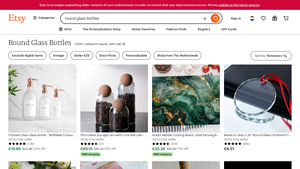
Domain: etsy.com
Registered: 2004 (21 years)
Introduction: Round Glass Bottles available on Etsy include various options such as:
– Pro Custom Cut – Round Glass Table Top with Flat Polish Edge by ProSafeGlass for $25.97 with free shipping.
– 16 oz cobalt blue Boston round glass bottles with caps by LunarLifeLine for $12.00.
– 10pcs Colored Tiny Glass Jars Mini Glass Bottles with Cork Stoppers for $4.50.
– Empty Boston Round Glass Bottle with Glass Stopper…
Strategic Sourcing Conclusion and Outlook for Round Shape Refillable Glass Bottle
In conclusion, the strategic sourcing of round shape refillable glass bottles presents a compelling opportunity for international B2B buyers seeking sustainable packaging solutions. These bottles not only align with the growing global emphasis on eco-friendly practices but also enhance brand image through elegant design and functionality. By investing in customizable options—such as various neck sizes and closures—businesses can cater to specific market needs across diverse regions, including Africa, South America, the Middle East, and Europe.
Moreover, the versatility of refillable glass bottles can significantly reduce operational costs associated with single-use packaging while meeting consumer demand for sustainability. As brands and manufacturers increasingly prioritize responsible sourcing, partnering with reliable suppliers who offer high-quality, refillable glass solutions will be crucial.
Looking ahead, now is the time for B2B buyers to reassess their packaging strategies. Embrace the shift towards sustainable alternatives and explore the advantages of round shape refillable glass bottles. By doing so, your business can not only contribute to a greener future but also stand out in a competitive marketplace. Engage with suppliers today to discover innovative solutions tailored to your needs.




 English
  Russian
  Spanish
  Italian
  Thai
Thai  French
  Arabic
  Portuguese
  Indonesian
  German






