

Introduction: Navigating the Global Market for Calcium Carbonate Double Wall Cosmetic Jar
In an era where sustainability and consumer awareness are at the forefront of business strategies, sourcing calcium carbonate double wall cosmetic jars presents a unique challenge for B2B buyers. As brands strive to align their packaging solutions with eco-friendly practices, the demand for innovative materials that reduce environmental impact while maintaining product integrity is growing. This guide offers an in-depth exploration of the diverse landscape of calcium carbonate double wall cosmetic jars, covering essential aspects such as types, applications, supplier vetting processes, and cost considerations.
Navigating the global market for cosmetic packaging can be daunting, especially for international buyers from regions like Africa, South America, the Middle East, and Europe, including Brazil and Vietnam. This comprehensive guide empowers you to make informed purchasing decisions by providing actionable insights into the latest trends, materials, and customization options available in the market. You’ll learn how to evaluate suppliers effectively, ensuring you partner with those who not only meet your quality standards but also share your commitment to sustainability.
By the end of this guide, you will be equipped with the knowledge needed to choose the right calcium carbonate double wall cosmetic jars that enhance your product’s appeal while contributing to a greener future. Whether you are looking to differentiate your brand or reduce your ecological footprint, this resource serves as a valuable tool in your packaging strategy.
Understanding Calcium Carbonate Double Wall Cosmetic Jar Types and Variations
| Type Name | Key Distinguishing Features | Primary B2B Applications | Brief Pros & Cons for Buyers |
|---|---|---|---|
| Eco-Friendly Cream Jar | Made from 70% Calcium Carbonate, lightweight, and recyclable | Moisturizers, body creams, and skincare solutions | Pros: Sustainable, cost-effective; Cons: Limited color options. |
| Premium Double Wall Jar | Double wall design for better insulation and aesthetics | High-end skincare and cosmetic products | Pros: Enhanced presentation; Cons: Higher manufacturing costs. |
| Customizable Jar | Full customization in color, size, and labeling | Specialty creams, serums, and branded products | Pros: Tailored branding; Cons: Longer lead times for production. |
| Biodegradable Jar | Fully biodegradable materials, including Calcium Carbonate | Eco-conscious brands and organic skincare lines | Pros: Aligns with sustainability goals; Cons: May have limited shelf life. |
| Multi-Functional Jar | Versatile design for creams, gels, and balms | Diverse cosmetic applications | Pros: Multi-use capabilities; Cons: Complexity in design may increase costs. |
What Are the Key Characteristics of Eco-Friendly Cream Jars?
Eco-Friendly Cream Jars are primarily composed of 70% Calcium Carbonate, making them lightweight and suitable for recycling. These jars are particularly popular among brands focused on sustainability, allowing them to minimize their environmental impact while maintaining product integrity. B2B buyers should consider their cost-effectiveness and the growing consumer demand for eco-friendly packaging, although options for color customization may be limited.
How Do Premium Double Wall Jars Enhance Product Presentation?
Premium Double Wall Jars feature a unique design that provides better insulation and a visually appealing aesthetic. This type is ideal for high-end skincare products, as it enhances the perceived value of the contents. Buyers should evaluate the potential for increased consumer trust and brand prestige, although the higher manufacturing costs might be a consideration for budget-conscious brands.
What Customization Options Are Available for Customizable Jars?
Customizable Jars offer extensive options in color, size, and labeling, allowing brands to create a unique identity. This flexibility is essential for specialty creams and serums that require distinct branding to stand out in a competitive market. B2B buyers must weigh the benefits of tailored branding against potential longer lead times for production, which may affect product launch schedules.
Why Should Brands Consider Biodegradable Jars?
Biodegradable Jars are made from fully biodegradable materials, including Calcium Carbonate, making them a perfect choice for eco-conscious brands. These jars cater to the growing demand for sustainable packaging in the organic skincare segment. While they align well with sustainability goals, buyers should be aware of the potential for a shorter shelf life compared to traditional materials, which could impact product durability.
How Do Multi-Functional Jars Benefit Diverse Cosmetic Applications?
Multi-Functional Jars are designed to accommodate a variety of products, from creams to gels and balms. This versatility makes them an attractive option for brands looking to streamline their packaging solutions across different product lines. Buyers should consider the increased complexity in design, which may lead to higher production costs, but the ability to serve multiple applications can justify this investment.
Key Industrial Applications of Calcium Carbonate Double Wall Cosmetic Jar
| Industry/Sector | Specific Application of Calcium Carbonate Double Wall Cosmetic Jar | Value/Benefit for the Business | Key Sourcing Considerations for this Application |
|---|---|---|---|
| Cosmetics & Skincare | Packaging for moisturizers, serums, and anti-aging creams | Eco-friendly packaging that appeals to environmentally conscious consumers | Ensure compliance with international packaging regulations and sustainability standards |
| Personal Care Products | Containers for balms, gels, and specialty treatments | Durable and aesthetically pleasing design enhances brand image | Customization options for color, size, and labeling are essential |
| Pharmaceuticals | Packaging for topical creams and ointments | Provides barrier protection and maintains product integrity | Sourcing should consider compatibility with pharmaceutical formulations |
| Eco-friendly Products | Sustainable packaging solutions for organic and natural product lines | Supports brand positioning as a leader in sustainable practices | Verify the percentage of calcium carbonate and its recyclability |
| Luxury Goods | High-end cosmetic packaging for premium skincare lines | Elevates product perception and attracts discerning consumers | Focus on premium finishes and custom designs to match luxury branding |
How is the Calcium Carbonate Double Wall Cosmetic Jar Utilized in the Cosmetics & Skincare Industry?
In the cosmetics and skincare sector, the Calcium Carbonate Double Wall Cosmetic Jar is predominantly used for packaging products like moisturizers, serums, and anti-aging creams. Its eco-friendly composition, consisting of 70% calcium carbonate, significantly reduces plastic usage, aligning with the growing consumer demand for sustainable packaging. Brands can leverage this aspect to enhance their market appeal, particularly among environmentally conscious consumers. Buyers in this sector should prioritize suppliers who comply with international sustainability standards to ensure their products resonate with global eco-trends.
What Role Does the Jar Play in Personal Care Products?
For personal care products, this innovative jar serves as an ideal container for balms, gels, and specialty treatments. The double-wall design not only provides excellent insulation but also enhances the tactile experience for users, which can improve customer satisfaction and brand loyalty. Businesses should seek customization options that allow for unique branding and labeling, helping products stand out in a competitive marketplace. Ensuring that the jar meets specific functional requirements, such as ease of opening and dispensing, is also critical for user convenience.
How is This Jar Beneficial for Pharmaceuticals?
In the pharmaceutical industry, the Calcium Carbonate Double Wall Cosmetic Jar can be effectively utilized for topical creams and ointments. Its robust design offers superior barrier protection, safeguarding the integrity of sensitive formulations. This is particularly important for international buyers who must adhere to stringent regulations regarding pharmaceutical packaging. It is essential for businesses to confirm that the materials used are compatible with their specific formulations to avoid any adverse reactions.
Why is the Jar Important for Eco-friendly Products?
The jar is a perfect fit for eco-friendly product lines, as it promotes sustainable packaging solutions. With a focus on organic and natural products, brands can utilize this jar to reinforce their commitment to environmental responsibility. The jar’s recyclable nature is a key selling point that can attract a dedicated customer base. Buyers should ensure that their sourcing partners can provide detailed information regarding the jar’s recyclable components to effectively communicate sustainability benefits to consumers.
How Does This Jar Enhance Luxury Goods Packaging?
For luxury goods, the Calcium Carbonate Double Wall Cosmetic Jar elevates the packaging experience for premium skincare lines. Its modern aesthetics and customizable features allow brands to create a visually striking product that appeals to high-end consumers. The perceived value of the product can significantly increase with quality packaging, making it a crucial aspect of luxury branding. Businesses should focus on sourcing options that allow for unique finishes and exclusive designs to create a memorable brand identity in the luxury market.
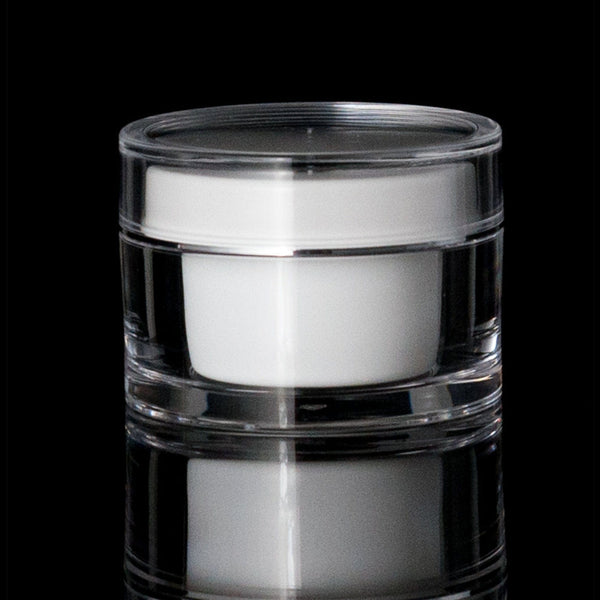
A stock image related to Calcium Carbonate Double Wall Cosmetic Jar.
3 Common User Pain Points for ‘Calcium Carbonate Double Wall Cosmetic Jar’ & Their Solutions
Scenario 1: Sustainability Concerns in Packaging Choices
The Problem: As brands increasingly prioritize sustainability, B2B buyers face the challenge of sourcing packaging that aligns with eco-friendly values. Many traditional cosmetic jars are made from plastic that can contribute to environmental degradation, making it hard for companies to appeal to eco-conscious consumers. Buyers may struggle to find packaging solutions that are not only sustainable but also durable and aesthetically pleasing, which can be crucial for brand identity.
The Solution: The Calcium Carbonate Double Wall Cosmetic Jar presents an ideal solution for brands looking to reduce their environmental footprint. Made with up to 70% calcium carbonate, these jars significantly lower plastic use without compromising on durability. B2B buyers should prioritize suppliers who can provide comprehensive information on the sustainability credentials of their products, including recyclability and biodegradability. When sourcing, consider customizing jars with your brand’s colors and logos to enhance visual appeal while reinforcing your commitment to sustainability. Furthermore, educate your customers on the eco-friendly aspects of the jars through effective labeling and marketing strategies, which can enhance brand loyalty and consumer trust.
Scenario 2: Quality Assurance and Product Integrity
The Problem: Quality assurance is paramount in the cosmetics industry, and B2B buyers often encounter issues related to the integrity of packaging materials. Cosmetic products are sensitive to external factors like temperature and light, which can lead to spoilage or reduced efficacy. Buyers may worry that subpar packaging could compromise their products, leading to customer dissatisfaction and potential financial loss.
The Solution: To mitigate quality concerns, B2B buyers should look for Calcium Carbonate Double Wall Cosmetic Jars that feature advanced barrier properties. These jars are designed to protect contents from light and air, maintaining product integrity for a longer shelf life. When selecting suppliers, ask for detailed specifications about the materials used, including their resistance to various environmental factors. Conducting thorough quality tests or requesting samples before bulk orders can help ensure that the jars meet your product requirements. Additionally, consider integrating tamper-proof features in your packaging to enhance consumer safety and trust.
Scenario 3: Customization and Brand Differentiation Challenges
The Problem: In a competitive cosmetics market, standing out is essential, yet many B2B buyers find it challenging to source packaging that allows for adequate customization. Standardized jars can make it difficult for brands to express their unique identity and differentiate from competitors. This can hinder market presence and reduce brand recall among consumers.
The Solution: The versatility of Calcium Carbonate Double Wall Cosmetic Jars allows for extensive customization options that can help brands create a distinct market presence. Buyers should engage with suppliers who offer personalized services, such as color matching, custom printing, and unique shapes. By leveraging these options, brands can create visually appealing packaging that resonates with their target audience. Additionally, consider collaborating with packaging designers to ensure that the jars not only represent your brand’s aesthetics but also enhance usability, such as easy-to-open lids or ergonomic shapes. Emphasizing these unique features in marketing efforts can further attract consumers and bolster brand loyalty.
Strategic Material Selection Guide for Calcium Carbonate Double Wall Cosmetic Jar
What Are the Key Materials Used in Calcium Carbonate Double Wall Cosmetic Jars?
When selecting materials for Calcium Carbonate Double Wall Cosmetic Jars, it is essential to consider the properties, advantages, disadvantages, and specific applications of each material. Here, we analyze four common materials used in the production of these jars: Calcium Carbonate, Polypropylene (PP), Acrylic, and Glass. This analysis aims to provide actionable insights for international B2B buyers, particularly from regions like Africa, South America, the Middle East, and Europe.
How Does Calcium Carbonate Perform as a Jar Material?
Calcium Carbonate (CaCO3) is increasingly popular due to its eco-friendly nature. It is derived from natural sources, making it a sustainable option. Its key properties include excellent rigidity and good thermal stability, which allows it to withstand varying temperatures without deformation.
Pros: The use of Calcium Carbonate significantly reduces plastic content, enhancing the jar’s sustainability profile. It also provides a unique tactile experience, appealing to eco-conscious consumers.
Cons: While durable, jars made from Calcium Carbonate can be more brittle than traditional plastics, which may impact their resistance to impact. Additionally, the manufacturing process can be more complex and costly compared to conventional materials.
Impact on Application: Calcium Carbonate jars are suitable for a variety of skincare products, including creams and gels, but may require careful handling during transport.
Considerations for International Buyers: Compliance with local environmental regulations and standards (like ASTM or DIN) is crucial. Buyers from regions with strict sustainability mandates will find Calcium Carbonate jars align well with their goals.
What Role Does Polypropylene Play in Cosmetic Jars?
Polypropylene (PP) is a widely used thermoplastic known for its excellent chemical resistance and durability. It can withstand high temperatures, making it suitable for products that may undergo sterilization.
Pros: PP is lightweight, cost-effective, and offers good barrier properties against moisture and chemicals. Its versatility allows for various customization options, including color and texture.
Cons: While PP is recyclable, it is still a plastic, which may not appeal to brands focused on sustainability. Additionally, it can become brittle over time, especially when exposed to UV light.
Impact on Application: PP jars are ideal for a range of cosmetic formulations, including creams and lotions, due to their compatibility with various media.
Considerations for International Buyers: Buyers should ensure that the PP used meets local regulations regarding food and cosmetic safety. Countries like Brazil and Vietnam may have specific compliance standards.
How Does Acrylic Compare for Cosmetic Jar Applications?
Acrylic is a transparent thermoplastic that offers excellent clarity and aesthetic appeal. It is often used in high-end cosmetic packaging due to its glass-like appearance.
Pros: Acrylic is lightweight and shatter-resistant, making it a safer alternative to glass. It also allows for vibrant color options and can be easily molded into intricate designs.
Cons: Acrylic can scratch easily and may not be as chemically resistant as other materials, which could limit its use with certain formulations.
Impact on Application: Acrylic jars are commonly used for creams and serums, particularly in premium markets where visual appeal is paramount.
Considerations for International Buyers: Buyers should be aware of the potential for UV degradation and ensure that the acrylic used complies with relevant safety standards.
Why Choose Glass for Cosmetic Jars?
Glass is a traditional material known for its premium look and feel. It offers excellent barrier properties and is chemically inert, making it suitable for a wide range of cosmetic products.
Pros: Glass is recyclable, reusable, and provides a high-end aesthetic that can enhance brand perception. It is also resistant to chemical reactions, ensuring product integrity.
Cons: The primary drawback of glass is its weight and fragility, which can increase shipping costs and the risk of breakage during transport.
Impact on Application: Glass jars are ideal for high-end creams and serums, where product visibility and luxury branding are essential.
Considerations for International Buyers: Buyers should consider the additional shipping costs associated with glass and ensure compliance with international shipping regulations regarding fragile items.
Summary Table of Material Selection for Calcium Carbonate Double Wall Cosmetic Jars
| Material | Typical Use Case for Calcium Carbonate Double Wall Cosmetic Jar | Key Advantage | Key Disadvantage/Limitation | Relative Cost (Low/Med/High) |
|---|---|---|---|---|
| Calcium Carbonate | Eco-friendly skincare products (creams, gels) | Sustainable, unique tactile experience | Brittle, complex manufacturing | Medium |
| Polypropylene (PP) | General cosmetic products (lotions, creams) | Lightweight, cost-effective | Limited sustainability appeal | Low |
| Acrylic | Premium cosmetic products (serums, creams) | High clarity, aesthetic appeal | Scratches easily, less chemical resistance | Medium |
| Glass | High-end cosmetic products (luxury creams) | Premium look, excellent product protection | Heavy, fragile | High |
This guide serves as a comprehensive overview for B2B buyers looking to make informed decisions about materials for Calcium Carbonate Double Wall Cosmetic Jars, ensuring they align with both product performance and market demands.

A stock image related to Calcium Carbonate Double Wall Cosmetic Jar.
In-depth Look: Manufacturing Processes and Quality Assurance for Calcium Carbonate Double Wall Cosmetic Jar
What Are the Main Stages in the Manufacturing Process of Calcium Carbonate Double Wall Cosmetic Jars?
The manufacturing process of Calcium Carbonate Double Wall Cosmetic Jars involves several critical stages designed to ensure product quality and functionality. Here’s a breakdown of the key phases:
1. Material Preparation
The initial stage involves sourcing high-quality materials, primarily the calcium carbonate (CaCO3) compound, which constitutes about 70% of the jar’s composition. The remaining 30% typically consists of polypropylene (PP) and other additives to enhance durability and aesthetics. The materials are rigorously tested for purity and performance, ensuring they meet industry standards before proceeding.
2. Forming
In this stage, the prepared materials undergo a molding process. Techniques such as injection molding or blow molding are commonly used to shape the jars. The choice of technique depends on the design specifications and intended use. For double wall jars, a two-stage molding process is often employed, where the inner and outer layers are formed separately and then fused together, providing enhanced insulation and aesthetics.
3. Assembly
Once the jars are formed, they are assembled. This may include attaching lids, applying labels, and incorporating any additional features, such as spatulas or inner seals. The assembly process is crucial as it affects the overall functionality and user experience of the product.
4. Finishing
The final stage involves surface treatment and finishing. This can include processes like polishing, coating, or decorating the jars to enhance their visual appeal. Customization options, such as color matching and logo embossing, are also executed during this phase, allowing brands to differentiate their products in the market.
How is Quality Assurance Implemented During the Manufacturing of Cosmetic Jars?
Quality assurance (QA) is a vital aspect of the manufacturing process, ensuring that the final product meets both functional and aesthetic standards. Here are the key components of a robust QA strategy:
International Standards and Certifications
To assure quality, manufacturers often adhere to international standards such as ISO 9001, which focuses on quality management systems. Compliance with industry-specific certifications, such as CE marking for safety, ensures that products meet regulatory requirements. For B2B buyers, understanding these certifications is crucial as they signal a commitment to quality and safety.
Quality Control Checkpoints
Quality control (QC) checkpoints are strategically placed throughout the manufacturing process. Common checkpoints include:
-
Incoming Quality Control (IQC): At this stage, raw materials are inspected for quality and compliance before they enter production. This step is essential to prevent defects from the outset.
-
In-Process Quality Control (IPQC): Continuous monitoring during manufacturing ensures that any deviations from quality standards are promptly addressed. This may involve random sampling and testing at various stages.
-
Final Quality Control (FQC): Before products are packaged and shipped, a thorough inspection is conducted to verify that they meet all specifications. This includes checking for defects, ensuring proper labeling, and confirming that all components are correctly assembled.
What Common Testing Methods Are Used to Ensure Quality?
Several testing methods are employed to validate the quality of Calcium Carbonate Double Wall Cosmetic Jars:
-
Mechanical Testing: This includes assessments of tensile strength, impact resistance, and durability to ensure that the jars can withstand handling and usage without breaking or deforming.
-
Chemical Testing: To verify that the materials used are safe and compatible with various cosmetic formulations, chemical testing is conducted. This might include tests for leachability and chemical resistance.
-
Aesthetic Evaluation: This involves inspecting the visual aspects of the jars, such as color consistency, surface finish, and overall appearance, ensuring they meet branding and market expectations.
How Can B2B Buyers Verify Supplier Quality Control?
For B2B buyers, ensuring that suppliers adhere to strict quality control measures is vital. Here are actionable steps to verify supplier quality:
1. Conduct Audits
Regular audits of suppliers can provide insights into their manufacturing processes and quality assurance practices. Buyers should request access to the supplier’s quality management system documentation and audit reports to assess compliance with international standards.
2. Request Quality Reports
Buyers should ask for detailed quality reports that outline the results of various testing methods. This documentation can provide assurance that products meet required standards and specifications.
3. Third-Party Inspections
Engaging independent third-party inspection services can add an extra layer of confidence. These organizations can perform random checks and testing to validate the quality of the products being manufactured.
What Are the Quality Control and Certification Nuances for International B2B Buyers?
International B2B buyers, especially those from regions like Africa, South America, the Middle East, and Europe, should be aware of specific nuances related to quality control and certification:
-
Regulatory Compliance: Different regions have varying regulations regarding cosmetic packaging. Buyers should familiarize themselves with local regulations to ensure that products comply with both international and regional standards.
-
Cultural Sensitivity in Branding: Quality extends beyond the product itself to branding and packaging. Understanding cultural preferences in design and aesthetics is crucial for market acceptance in diverse regions.
-
Sustainability Considerations: With increasing global emphasis on sustainability, B2B buyers should prioritize suppliers who demonstrate a commitment to eco-friendly practices. This includes using recyclable materials and minimizing waste during production.
Conclusion
In summary, the manufacturing and quality assurance processes for Calcium Carbonate Double Wall Cosmetic Jars are intricate and multifaceted. By understanding the key stages of manufacturing and the importance of robust quality control mechanisms, B2B buyers can make informed decisions when selecting suppliers. Ensuring compliance with international standards and conducting thorough due diligence will help buyers secure high-quality products that meet their needs and resonate with their target markets.
Practical Sourcing Guide: A Step-by-Step Checklist for ‘Calcium Carbonate Double Wall Cosmetic Jar’
Introduction
Navigating the procurement of Calcium Carbonate Double Wall Cosmetic Jars requires a strategic approach to ensure you find the right product that aligns with your brand’s values and customer expectations. This guide outlines essential steps to help B2B buyers effectively source these eco-friendly cosmetic jars, ensuring quality, sustainability, and aesthetic appeal.
Step 1: Define Your Technical Specifications
Before beginning your search, clarify the technical specifications required for your cosmetic jars. Consider factors such as size (e.g., 30g, 50g, 100g), material composition (ideally 70% Calcium Carbonate), and design features (like double-wall construction for insulation). This clarity will help you communicate effectively with suppliers and streamline the selection process.
Step 2: Identify Your Target Market
Understanding your target market is critical when sourcing cosmetic jars. Different regions may have varying preferences for packaging aesthetics, sustainability features, and pricing. For example, European consumers might prioritize eco-friendliness, while buyers in South America may focus on cost-effectiveness. Tailor your sourcing strategy to align with these regional preferences.
Step 3: Evaluate Potential Suppliers
Thoroughly vet potential suppliers to ensure they meet your quality standards and ethical practices. Request company profiles, production capabilities, and references from other clients in your industry. It’s important to assess their experience with Calcium Carbonate products specifically, as this material requires specialized handling and processing.
- Check Certifications: Ensure suppliers have relevant certifications (e.g., ISO, GMP) that demonstrate compliance with international standards.
- Request Samples: Always ask for samples of the jars to evaluate quality and functionality before placing bulk orders.
Step 4: Assess Customization Options
Customization can differentiate your brand in a competitive market. Inquire about the range of customization options available, such as color, printing, and finishes. A supplier that offers extensive customization can help you create a unique identity for your products while maintaining sustainability.
- Explore Branding Solutions: Look for suppliers who can assist with labeling and design to enhance your branding.
Step 5: Review Pricing and Minimum Order Quantities (MOQs)
Pricing structures can vary significantly among suppliers, so it’s crucial to obtain detailed quotes. Pay attention to MOQs, as they can affect your initial investment and inventory management. Ensure that the pricing aligns with your budget while still meeting your quality requirements.
- Negotiate Terms: Don’t hesitate to negotiate terms, especially if you plan to establish a long-term partnership.
Step 6: Confirm Delivery and Logistics Arrangements
Understanding the delivery process is essential for timely product availability. Confirm lead times, shipping methods, and costs with your supplier. Additionally, assess whether they offer logistics support, such as warehousing or distribution services, especially if you plan to scale your operations.
Step 7: Establish a Quality Assurance Process
Finally, implement a quality assurance process to monitor the jars received. Set up criteria for inspection upon delivery, including checks for defects and compliance with your specifications. This step is vital to maintaining product quality and customer satisfaction.
By following this comprehensive checklist, B2B buyers can confidently source Calcium Carbonate Double Wall Cosmetic Jars that not only meet their functional needs but also resonate with environmentally conscious consumers.
Comprehensive Cost and Pricing Analysis for Calcium Carbonate Double Wall Cosmetic Jar Sourcing
What Are the Key Cost Components in Sourcing Calcium Carbonate Double Wall Cosmetic Jars?
When evaluating the costs associated with sourcing Calcium Carbonate Double Wall Cosmetic Jars, several core components must be considered:
-
Materials: The primary material, Calcium Carbonate (CaCO3), constitutes a significant portion of the cost. Typically, jars contain around 70% CaCO3, complemented by polypropylene (PP) and other additives. The price of CaCO3 can fluctuate based on global supply and demand, which may be influenced by environmental regulations and mining practices. Understanding the current market rates for these materials is essential for accurate budgeting.
-
Labor: Labor costs can vary significantly by region. In countries with lower labor costs, such as those in South America or parts of Africa, the overall production cost may be reduced. However, manufacturers in Europe or the Middle East may charge higher labor rates, reflecting their operational standards and wage structures.
-
Manufacturing Overhead: This includes expenses related to factory operations, such as utilities, equipment maintenance, and facility costs. Efficient production processes can help minimize these overhead costs, which are typically factored into the pricing model.
-
Tooling Costs: Customization often requires specific molds and tooling, which can be a substantial upfront investment. This cost is usually amortized over the production run, meaning larger orders can benefit from lower per-unit costs.
-
Quality Control (QC): Ensuring product quality can entail additional expenses, including testing and compliance with international standards. Buyers should inquire about the QC processes and certifications, as these can affect both cost and product reliability.
-
Logistics: Shipping and handling costs can significantly impact the total cost of ownership. Factors such as distance, shipping mode (air vs. sea), and customs duties must be considered, especially for international buyers.
-
Margin: Suppliers will typically mark up costs to include a profit margin. This margin can vary widely based on supplier reputation, market demand, and the exclusivity of the product.
How Do Price Influencers Affect Sourcing Decisions for Calcium Carbonate Jars?
Several factors can influence pricing when sourcing Calcium Carbonate Double Wall Cosmetic Jars:
-
Volume/MOQ: Minimum order quantities (MOQs) can impact pricing. Suppliers often provide tiered pricing; larger orders can lead to significant discounts. Buyers should carefully assess their needs to avoid overcommitting to inventory.
-
Specifications and Customization: Customization options, such as color, printing, and design, can add to the base cost. Buyers should weigh the value of these custom features against their budget constraints.
-
Material Quality and Certifications: Higher-quality materials or certifications (e.g., eco-friendly standards) can increase costs. However, investing in quality can enhance brand reputation and consumer trust.
-
Supplier Factors: The supplier’s reputation, reliability, and service quality can influence pricing. Established suppliers may charge more for their experience and quality assurance.
-
Incoterms: The chosen Incoterms (International Commercial Terms) can affect the total landed cost. Understanding terms like FOB (Free on Board) or CIF (Cost, Insurance, and Freight) is crucial for budgeting and risk assessment.
What Tips Can Help Buyers Optimize Costs When Sourcing Calcium Carbonate Jars?
-
Negotiation: Engage in open discussions with suppliers to negotiate better terms, especially for larger orders. Don’t hesitate to request quotes from multiple suppliers to compare pricing and terms.
-
Cost-Efficiency: Consider the total cost of ownership rather than just the initial purchase price. Assess potential savings from durable materials that reduce returns and replacements.
-
Pricing Nuances for International Buyers: Be mindful of currency fluctuations and international shipping costs, which can affect pricing. It’s advisable to work with suppliers who offer fixed pricing or clearly define terms in contracts.
-
Stay Informed: Regularly research market trends for materials and suppliers to make informed purchasing decisions. This knowledge can empower buyers during negotiations and help them identify the best sourcing opportunities.
In conclusion, a comprehensive understanding of the cost structure, pricing influencers, and strategic buying tips is essential for international B2B buyers looking to source Calcium Carbonate Double Wall Cosmetic Jars effectively. By considering these factors, buyers can make more informed decisions that align with their budget and sustainability goals.
Alternatives Analysis: Comparing Calcium Carbonate Double Wall Cosmetic Jar With Other Solutions
Introduction to Alternative Solutions for Cosmetic Packaging
In the competitive landscape of cosmetic packaging, brands are increasingly exploring sustainable and innovative solutions. The Calcium Carbonate Double Wall Cosmetic Jar is gaining traction due to its eco-friendly composition and aesthetic appeal. However, businesses must consider various alternatives that may offer distinct advantages in terms of performance, cost, and usability. This analysis compares the Calcium Carbonate Double Wall Cosmetic Jar with two viable alternatives: Glass Cosmetic Jars and Recyclable PET Jars.
Comparison Table
| Comparison Aspect | Calcium Carbonate Double Wall Cosmetic Jar | Glass Cosmetic Jar | Recyclable PET Jar |
|---|---|---|---|
| Performance | Durable, eco-friendly, and aesthetically pleasing | Highly durable, premium feel, excellent barrier properties | Lightweight, less durable than glass but still effective |
| Cost | Moderate; slightly higher due to sustainable materials | Higher initial cost, but offers premium positioning | Lower cost, economical for large-scale production |
| Ease of Implementation | Requires specific manufacturing processes for CaCO3 | Standard processes; widely used in the industry | Easy to produce and customize, established technology |
| Maintenance | Low maintenance; recyclable but may need careful handling | Requires careful handling; recyclable | Low maintenance; easily recyclable, less fragile |
| Best Use Case | Ideal for eco-conscious brands focusing on skincare | Suitable for high-end products where aesthetics matter | Best for mass-market products and budget-conscious brands |
Detailed Breakdown of Alternatives
Glass Cosmetic Jars
Glass jars are a traditional choice in cosmetic packaging, known for their premium feel and excellent barrier properties. They provide an upscale presentation that can enhance brand perception. However, they come with a higher price point and are heavier, which may increase shipping costs. Glass is also fragile, requiring careful handling during storage and transportation. Despite these drawbacks, glass jars are fully recyclable, appealing to brands that prioritize sustainability.
Recyclable PET Jars
Recyclable PET jars are a popular alternative due to their lightweight nature and lower production costs. They are versatile and can be produced in various shapes and sizes, making them suitable for a wide range of cosmetic products. PET jars are less durable than glass, which may lead to concerns about product integrity. However, they are easy to handle and transport, reducing logistical challenges. Their affordability makes them an attractive option for brands targeting mass-market consumers.
Conclusion: Choosing the Right Cosmetic Packaging Solution
When selecting the right cosmetic packaging solution, B2B buyers should assess their specific needs, including target market, brand positioning, and sustainability goals. The Calcium Carbonate Double Wall Cosmetic Jar stands out for its eco-friendliness and modern aesthetic, making it ideal for brands focused on sustainability and high-quality presentation. On the other hand, glass jars may be preferable for luxury brands seeking a premium touch, while recyclable PET jars offer an economical choice for high-volume production. Ultimately, understanding the unique advantages and limitations of each option will empower brands to make informed decisions that align with their business objectives.
Essential Technical Properties and Trade Terminology for Calcium Carbonate Double Wall Cosmetic Jar
What Are the Key Technical Properties of Calcium Carbonate Double Wall Cosmetic Jars?
When selecting a Calcium Carbonate Double Wall Cosmetic Jar, understanding its technical properties is crucial for ensuring product integrity and consumer satisfaction. Here are several essential specifications:
-
Material Composition: Typically, these jars consist of around 70% Calcium Carbonate (CaCO3), combined with polypropylene (PP) and other injection materials. This blend not only enhances sustainability by reducing plastic usage but also provides durability and functionality essential for cosmetic packaging.
-
Capacity Options: Available in various sizes, such as 30g, 50g, and 100g, these jars cater to different product needs. The ability to offer multiple capacities allows brands to tailor their packaging to specific market segments and consumer preferences, enhancing product appeal.
-
Wall Structure: The double-wall design provides additional insulation and protection for the contents, minimizing exposure to environmental factors. This feature is particularly important for products sensitive to temperature and light, ensuring longer shelf life and maintaining product efficacy.
-
Recyclability: The jars are designed with sustainability in mind. The combination of materials used promotes recyclability, aligning with global trends toward eco-friendly packaging. This aspect can significantly influence purchasing decisions, especially among environmentally conscious consumers.
-
Customization Flexibility: Many manufacturers offer customization options, including color matching, logo embossing, and surface finishes. Customization is vital in differentiating brands in a competitive market and allows companies to create a unique identity that resonates with their target audience.
-
Durability and Impact Resistance: Given that cosmetic jars often endure handling and transportation, the durability of the materials used is essential. A robust design reduces the likelihood of breakage during shipping, thereby minimizing financial loss and enhancing customer satisfaction.
What Trade Terminology Should B2B Buyers Understand?
Navigating the B2B landscape requires familiarity with industry-specific jargon. Here are some common terms relevant to purchasing Calcium Carbonate Double Wall Cosmetic Jars:
-
OEM (Original Equipment Manufacturer): This term refers to companies that produce parts or products that are branded by another company. Understanding OEM relationships is crucial for buyers seeking custom solutions, as it can influence lead times and product specifications.
-
MOQ (Minimum Order Quantity): This is the smallest quantity of a product that a supplier is willing to sell. Knowing the MOQ is vital for budgeting and inventory management, as it can affect initial investment and supply chain logistics.
-
RFQ (Request for Quotation): An RFQ is a document sent to suppliers to request pricing for specific quantities of products. This process is essential for obtaining competitive pricing and ensuring that all potential suppliers are evaluated on the same criteria.
-
Incoterms: These are international commercial terms that define the responsibilities of buyers and sellers in international transactions. Familiarity with Incoterms helps buyers understand shipping costs, risk transfer, and delivery obligations, which are critical for smooth logistics.
-
Lead Time: This refers to the time taken from placing an order to its delivery. Understanding lead times is crucial for inventory planning and meeting market demands, especially for seasonal products.
-
Sustainability Certification: This term refers to various certifications that indicate a product meets specific environmental standards. For brands focused on eco-friendly practices, understanding these certifications can enhance credibility and attract environmentally conscious consumers.
By grasping these technical properties and trade terms, B2B buyers can make informed decisions that align with their business goals and market demands, ultimately enhancing their product offerings in the competitive cosmetic industry.
Navigating Market Dynamics and Sourcing Trends in the Calcium Carbonate Double Wall Cosmetic Jar Sector
What Are the Key Market Trends Driving the Calcium Carbonate Double Wall Cosmetic Jar Sector?
The global demand for sustainable packaging solutions is reshaping the landscape for cosmetic jars, particularly those made from calcium carbonate. As brands increasingly prioritize eco-friendliness, the calcium carbonate double wall cosmetic jar is gaining traction due to its reduced plastic content and recyclable nature. This shift is driven by consumer preferences for sustainable products, especially in regions like Africa, South America, the Middle East, and Europe, where regulatory frameworks and consumer awareness around environmental issues are becoming more stringent.
Emerging B2B technologies, such as advanced customization options and digital printing techniques, are also influencing sourcing trends. International buyers are now able to access a wider array of customization options, including color matching, logo embossing, and unique finishes, which enhance brand differentiation in a competitive market. Notably, manufacturers are adopting smart manufacturing practices, enabling more efficient production and supply chain management. These dynamics are crucial for B2B buyers looking to capitalize on emerging trends while ensuring their product offerings align with market expectations.
Additionally, the growing emphasis on ethical sourcing is influencing buyer decisions. Brands are increasingly seeking suppliers who prioritize transparency in their sourcing practices, ensuring that the materials used, such as calcium carbonate, are responsibly sourced. This focus on sustainability and ethical practices not only strengthens brand reputation but also meets the rising consumer demand for environmentally conscious products.
How Is Sustainability Impacting B2B Sourcing for Calcium Carbonate Double Wall Cosmetic Jars?
Sustainability is at the forefront of the sourcing strategies for international B2B buyers in the cosmetic packaging sector. The use of calcium carbonate in double wall jars significantly reduces the reliance on traditional plastics, aligning with global movements toward eco-friendly packaging. By integrating 70% calcium carbonate, these jars not only minimize environmental impact but also offer durability and functional benefits, appealing to brands aiming to position themselves as leaders in sustainable beauty.
The importance of ethical supply chains cannot be overstated in today’s market. B2B buyers are increasingly assessing suppliers based on their commitment to sustainability, including the use of certified green materials and adherence to environmentally responsible practices. Certifications such as ISO 14001 for environmental management systems and other eco-labels are becoming critical criteria in supplier evaluations.
Furthermore, the concept of a circular economy is gaining traction, encouraging buyers to select packaging solutions that can be recycled or repurposed. The calcium carbonate double wall jars are particularly suited for this model, as they can easily be integrated into existing recycling streams, contributing to reduced waste and promoting sustainability within the supply chain.
What Is the Historical Context of Calcium Carbonate in Cosmetic Packaging?
The use of calcium carbonate in cosmetic packaging can be traced back to the increasing demand for sustainable alternatives in the early 21st century. As environmental concerns became more pronounced, the cosmetic industry began exploring materials that would reduce plastic waste while maintaining product integrity. Calcium carbonate, a naturally occurring mineral, emerged as a viable option due to its abundance, durability, and eco-friendly characteristics.
Initially, the adoption of calcium carbonate was limited to niche markets focused on eco-conscious consumers. However, as sustainability became a mainstream concern, the material gained wider acceptance across the cosmetic sector. Innovations in manufacturing processes led to the development of double wall jars that not only enhance aesthetic appeal but also improve product protection and shelf life. This evolution reflects a broader trend in the cosmetic industry toward more sustainable practices, driven by both consumer demand and regulatory pressure.
As the market continues to evolve, the calcium carbonate double wall cosmetic jar stands out as a prime example of how materials innovation can address environmental challenges while meeting the functional needs of brands and consumers alike.
Frequently Asked Questions (FAQs) for B2B Buyers of Calcium Carbonate Double Wall Cosmetic Jar
-
How do I ensure the quality of Calcium Carbonate Double Wall Cosmetic Jars?
To ensure quality, it’s crucial to conduct thorough supplier vetting. Request samples to evaluate the jars’ durability, finish, and overall appearance. Look for certifications that indicate compliance with international quality standards. Establish clear quality assurance protocols, including specifications for materials and manufacturing processes. Regular audits of the production facility can also help maintain quality control. Finally, consider using third-party quality inspection services before shipment to verify that the products meet your standards. -
What customization options are available for Calcium Carbonate Double Wall Cosmetic Jars?
Customization options typically include size, color, and branding elements such as logo embossing or printing. Many suppliers offer a range of capacities, from 30g to 100g, to accommodate various product types. You can also choose different finishes, such as matte or glossy, to enhance the aesthetic appeal of your jars. Discuss your specific requirements with the supplier to explore additional options like unique shapes or decorative elements that align with your brand identity. -
What are the minimum order quantities (MOQs) for these jars?
MOQs can vary significantly among suppliers, often ranging from 10,000 to 50,000 units for customized Calcium Carbonate Double Wall Cosmetic Jars. It’s essential to confirm the MOQ with each supplier before placing an order, as this can affect your initial investment and inventory management. If you’re a smaller brand or just starting, some suppliers may offer flexibility in MOQs or allow you to combine products to meet the minimum requirement. -
What payment terms should I expect when sourcing these jars?
Payment terms can vary by supplier and region, but common practices include a 30% deposit upon order confirmation and the remaining 70% before shipment. Some suppliers might offer more favorable terms for larger orders or long-term partnerships. Ensure to clarify payment methods accepted, such as bank transfers, letters of credit, or PayPal, and confirm any additional fees related to international transactions. Establishing clear payment terms upfront can help prevent misunderstandings later. -
How do I navigate international shipping logistics for my orders?
When arranging international shipping, work closely with your supplier to determine the best shipping methods and carriers based on your destination. Consider factors such as cost, delivery time, and reliability. It’s advisable to use freight forwarders familiar with customs regulations in your region to facilitate smooth importation. Ensure you understand the incoterms, which define the responsibilities of buyers and sellers regarding shipping costs and risk. Lastly, factor in potential duties and taxes that may apply upon arrival. -
Are Calcium Carbonate Double Wall Cosmetic Jars environmentally friendly?
Yes, these jars are made with a high percentage of Calcium Carbonate, which reduces reliance on traditional plastics. This eco-friendly composition helps brands meet sustainability goals and appeals to environmentally conscious consumers. Many suppliers also provide information on the recyclability of their products, contributing to a circular economy. When marketing these jars, highlight their sustainable attributes to resonate with consumers seeking greener options in their cosmetic packaging. -
What types of products are best suited for Calcium Carbonate Double Wall Cosmetic Jars?
These jars are versatile and ideal for a wide range of cosmetic products, including creams, gels, and serums. Their double-wall design provides added protection, maintaining product integrity and extending shelf life. They are particularly well-suited for high-end skincare formulations, moisturizers, and specialty treatments, making them an excellent choice for brands aiming to position themselves in the premium market segment. Consider the specific needs of your product when selecting jar specifications. -
How can I evaluate potential suppliers for Calcium Carbonate Double Wall Cosmetic Jars?
Start by researching potential suppliers through industry directories and trade shows. Look for reviews and testimonials from previous clients to gauge their reliability. Assess their production capabilities, including machinery and technology used, to ensure they can meet your quality and volume requirements. It’s also beneficial to request product samples and inquire about their quality control processes. Establishing a good line of communication and trust with your supplier is essential for a successful partnership.
Important Disclaimer & Terms of Use
⚠️ Important Disclaimer
The information provided in this guide, including content regarding manufacturers, technical specifications, and market analysis, is for informational and educational purposes only. It does not constitute professional procurement advice, financial advice, or legal advice.
While we have made every effort to ensure the accuracy and timeliness of the information, we are not responsible for any errors, omissions, or outdated information. Market conditions, company details, and technical standards are subject to change.
B2B buyers must conduct their own independent and thorough due diligence before making any purchasing decisions. This includes contacting suppliers directly, verifying certifications, requesting samples, and seeking professional consultation. The risk of relying on any information in this guide is borne solely by the reader.
Top 8 Calcium Carbonate Double Wall Cosmetic Jar Manufacturers & Suppliers List
1. Gidea PAC – Wholesale Cosmetic Jars

Domain: gideapac.com
Registered: 2023 (2 years)
Introduction: Gidea PAC offers wholesale plastic and glass cosmetic jars in various shapes and colors, including square jars for high-end creams and smooth glass jars for easy filling. The product line includes options for both day and night use, with customizable features such as color, labeling, and finishes. Sizes range from 5g to 250g, with customization available. Materials include glass, acrylic, and PET …
2. Dali – Calcium Carbonate Cream Jar CJ01

Domain: dalicapkg.com
Registered: 2013 (12 years)
Introduction: {“name”:”Calcium Carbonate Cream Jar CJ01″,”item_no”:”CJ01″,”capacity”:[{“size”:”50ml”,”height”:”56.5mm”,”dimension”:”65mm”},{“size”:”100ml”,”height”:”63mm”,”dimension”:”74.5mm”}],”material”:”PP”,”color”:”As pictures or custom”,”artwork”:”Frosting, screen printing, hot stamping”,”MOQ”:”10,000pcs per item”,”samples”:”Free samples available, shipping cost collected”,”packaging_details”:”Standard exp…
3. Ellemental – Ambra Glass Jar 60 ml

Domain: ellemental.com
Registered: 2014 (11 years)
Introduction: {“name”: “Ambra glass jar 60 ml”, “price”: “€ 0.97 (VAT included)”, “product_reference”: “X-4144”, “volume”: “60 ml”, “material”: “glass”, “neck_type”: “51/R3”, “diameter”: “52 mm”, “height”: “52 mm”, “weight”: “0.1 kg”, “container_type”: “Jars, Cans”, “category”: [“Cosmetic Containers”, “Candle Making Supplies”, “Candle Containers”, “Jars, pots”], “quantity_discounts”: [{“quantity”: “100+”, “disc…
4. MDPI – Sustainable Calcium Carbonate Containers for Fresh Fish

Domain: mdpi.com
Registered: 2003 (22 years)
Introduction: Calcium Carbonate-Based Container for Transportation and Storage of Fresh Fish as a Sustainable Alternative to Polystyrene Boxes
5. Uline – Cosmetic-Style Jars
Domain: uline.com
Registered: 1995 (30 years)
Introduction: This company, Uline – Cosmetic-Style Jars, is a notable entity in the market. For specific product details, it is recommended to visit their website directly.
6. Tecni Plasper – Plasper Calcium Carbonate Masterbatches

Domain: specialchem.com
Registered: 2000 (25 years)
Introduction: {“Product Name”: “Plasper Calcium Carbonate Masterbatches”, “Supplier”: “Tecni Plasper”, “Description”: “Mineral-based plastic concentrates for processing of polyolefins containing high, very fine, treated CaCO3 content with excellent dispersion.”, “Benefits”: [“Increases productivity”, “Reduces energy costs”, “Improves physical and mechanical properties”, “Produces a whitish appearance on films w…
7. Container and Packaging – Double Wall Plastic Jars

Domain: containerandpackaging.com
Registered: 2001 (24 years)
Introduction: Double Wall Plastic Jars, Material: PP, Sizes: 0.25 oz to 8 oz, Features: Extra layer of protection, suitable for lotions, creams, and cosmetics, sturdy exterior, smooth interior.
8. The Cary Company – 30-Day Returns

Domain: thecarycompany.com
Registered: 1999 (26 years)
Introduction: This company, The Cary Company – 30-Day Returns, is a notable entity in the market. For specific product details, it is recommended to visit their website directly.
Strategic Sourcing Conclusion and Outlook for Calcium Carbonate Double Wall Cosmetic Jar
In summary, the Calcium Carbonate Double Wall Cosmetic Jar presents a compelling opportunity for brands focused on sustainability and innovative packaging solutions. By integrating 70% calcium carbonate into the composition, these jars not only reduce reliance on traditional plastics but also enhance product durability and aesthetics. This eco-friendly approach aligns with the growing consumer demand for sustainable products, making it a strategic choice for brands aiming to build trust and loyalty among eco-conscious consumers.
Strategic sourcing is critical for international B2B buyers, especially in regions such as Africa, South America, the Middle East, and Europe. By partnering with suppliers who prioritize sustainable materials and offer customization options, businesses can effectively differentiate their products in a competitive market. The versatility of these jars allows for a broad range of applications, from high-end skincare to everyday cosmetics, catering to diverse consumer needs.
Looking ahead, the trend towards sustainable packaging is expected to continue gaining momentum. International buyers are encouraged to explore partnerships that not only fulfill their packaging needs but also contribute positively to the environment. Embrace this opportunity to elevate your brand’s commitment to sustainability and secure your position as a leader in the cosmetic industry.




 English
  Russian
  Spanish
  Italian
  Thai
Thai  French
  Arabic
  Portuguese
  Indonesian
  German






