

Introduction: Navigating the Global Market for PET Cylindrical Refillable Airless Bottle Wholesale Replaceable Cosmetic Airless Pump Bottle
In the competitive landscape of cosmetic packaging, sourcing PET cylindrical refillable airless bottles wholesale presents a unique challenge for international B2B buyers. As the demand for high-quality, sustainable packaging solutions grows, businesses must navigate a myriad of options to find the perfect fit for their products. This guide offers a comprehensive exploration of the PET cylindrical refillable airless bottle market, highlighting various types, applications, and the nuances of supplier vetting.
With a focus on key factors such as cost-effectiveness, product integrity, and sustainability, this resource empowers buyers from regions like Africa, South America, the Middle East, and Europe—specifically Nigeria and Germany—to make informed purchasing decisions. By understanding the benefits of airless packaging, including its ability to preserve product freshness and extend shelf life, businesses can align their packaging choices with their brand values and consumer expectations.
Moreover, the guide delves into critical considerations for selecting suppliers, including minimum order quantities, material specifications, and customization options. By equipping B2B buyers with actionable insights and practical knowledge, this guide serves as a strategic tool to streamline the sourcing process and enhance brand success in the global market for cosmetic packaging.
Understanding PET Cylindrical Refillable Airless Bottle Wholesale Replaceable Cosmetic Airless Pump Bottle Types and Variations
| Type Name | Key Distinguishing Features | Primary B2B Applications | Brief Pros & Cons for Buyers |
|---|---|---|---|
| Standard PET Airless Bottle | Made of PETG, features a glass inner container, 50ml capacity | High-end skincare and cosmetic products | Pros: Preserves product integrity; Cons: Higher initial cost compared to regular bottles. |
| Miniature PET Refillable Airless Bottle | Compact design, typically 15-30ml, ideal for travel | Sample packaging, travel-sized cosmetics | Pros: Convenient for consumers; Cons: Limited product volume. |
| Double-Wall PET Airless Bottle | Insulated design, prevents temperature fluctuations | Luxury skincare lines | Pros: Enhances product longevity; Cons: More complex design may lead to higher costs. |
| Eco-Friendly PET Airless Bottle | Made from recycled materials, aligns with sustainability trends | Brands focused on eco-friendly products | Pros: Appeals to environmentally conscious buyers; Cons: May have slightly lower durability. |
| Customizable PET Airless Bottle | Options for private labeling and custom designs | Private label brands and niche markets | Pros: Tailored branding opportunities; Cons: Minimum order quantities may apply. |
What Are the Characteristics of Standard PET Airless Bottles?
Standard PET airless bottles are constructed from PETG, featuring a glass inner container designed to hold 50ml of product. This design is ideal for high-end skincare and cosmetic applications as it effectively preserves the integrity of the contents by preventing oxidation. B2B buyers should consider the higher initial cost compared to traditional packaging; however, the enhanced product longevity and quality can justify the investment, especially for premium brands.
Why Choose Miniature PET Refillable Airless Bottles?
Miniature PET refillable airless bottles are typically available in sizes ranging from 15ml to 30ml, making them ideal for travel-sized products or samples. Their compact design appeals to consumers looking for convenience, especially in the skincare and cosmetics sectors. For B2B buyers, these bottles can enhance customer experience but may limit product volume, necessitating strategic product planning to ensure adequate supply.
How Do Double-Wall PET Airless Bottles Benefit Luxury Brands?
Double-wall PET airless bottles feature an insulated design that protects the contents from temperature fluctuations. This feature is particularly beneficial for luxury skincare lines, where product integrity is paramount. B2B buyers should weigh the advantages of enhanced product longevity against the potentially higher costs associated with more complex designs, as these bottles may require more investment upfront.
What Makes Eco-Friendly PET Airless Bottles Attractive?
Eco-friendly PET airless bottles are crafted from recycled materials, aligning with the growing consumer demand for sustainable products. These bottles are especially appealing to brands focused on environmentally conscious practices. B2B buyers should consider the marketing advantages of sustainability but may need to account for slight reductions in durability compared to conventional materials, which could affect product performance.
Why Opt for Customizable PET Airless Bottles?
Customizable PET airless bottles offer brands the opportunity for private labeling and tailored designs to meet specific market needs. This flexibility is particularly advantageous for private label brands and niche markets looking to establish a unique identity. However, B2B buyers should be aware of potential minimum order quantities, which could require a larger upfront investment.
Key Industrial Applications of PET Cylindrical Refillable Airless Bottle Wholesale Replaceable Cosmetic Airless Pump Bottle
| Industry/Sector | Specific Application of PET Cylindrical Refillable Airless Bottle Wholesale Replaceable Cosmetic Airless Pump Bottle | Value/Benefit for the Business | Key Sourcing Considerations for this Application |
|---|---|---|---|
| Cosmetics and Skincare | High-end skincare products requiring preservation of active ingredients. | Extends product shelf life, ensuring customer satisfaction. | Material quality, MOQ, and customization options. |
| Pharmaceuticals | Delivery of topical creams and ointments with precise dosing. | Enhances product integrity and patient compliance. | Regulatory compliance, tamper-proof features, and safety. |
| Personal Care and Hygiene | Packaging for lotions, sunscreens, and other personal care items. | Provides a hygienic, mess-free dispensing experience. | Sustainability of materials and refill options. |
| Eco-Friendly Packaging Solutions | Sustainable packaging for brands focused on reducing environmental impact. | Aligns with consumer demand for eco-friendly products. | Recyclability of materials and sourcing practices. |
| Travel and Hospitality | Portable packaging for travel-sized skincare and cosmetic products. | Meets the growing demand for convenience in travel. | Size options, durability during transport, and aesthetic appeal. |
How Do Cosmetics and Skincare Brands Benefit from PET Cylindrical Refillable Airless Bottles?
In the cosmetics and skincare industry, the PET cylindrical refillable airless bottle is essential for high-end products that require the preservation of active ingredients. The airless design prevents oxidation, ensuring the product remains effective and fresh for longer periods. For international buyers, especially from regions like Africa and Europe, sourcing these bottles requires attention to material quality and minimum order quantities (MOQ) to meet production needs while maintaining brand integrity.
What Role Do PET Airless Bottles Play in Pharmaceuticals?
For pharmaceutical applications, these airless bottles are ideal for delivering topical creams and ointments. They provide precise dosing, which is crucial for patient compliance. The airtight seal prevents contamination, ensuring the safety and efficacy of the medication. Buyers from the Middle East and South America must consider regulatory compliance and the importance of tamper-proof features when sourcing these packaging solutions.
How Do Personal Care Brands Utilize Airless Bottles?
In the personal care sector, the PET cylindrical refillable airless bottle is used for lotions, sunscreens, and other hygiene products. This packaging offers a hygienic, mess-free dispensing experience, which is increasingly important to consumers. B2B buyers should focus on the sustainability of materials and the availability of refill options to align with market trends towards eco-consciousness.
Why Are Eco-Friendly Packaging Solutions Important?
Brands focused on sustainability find the refillable airless bottle a perfect fit for their product lines. This packaging solution caters to the growing consumer demand for eco-friendly products, enhancing brand reputation and customer loyalty. When sourcing, businesses must evaluate the recyclability of materials and the sourcing practices of their suppliers to ensure their packaging aligns with environmental standards.
How Are Airless Bottles Adapted for Travel and Hospitality?
The travel and hospitality industry benefits significantly from the PET cylindrical refillable airless bottles, which are perfect for portable, travel-sized skincare and cosmetic products. These bottles cater to the rising demand for convenience among travelers. Buyers need to consider size options, durability during transport, and the aesthetic appeal of the packaging to attract consumers in this competitive market.

A stock image related to PET Cylindrical Refillable Airless Bottle Wholesale Replaceable Cosmetic Airless Pump Bottle.
3 Common User Pain Points for ‘PET Cylindrical Refillable Airless Bottle Wholesale Replaceable Cosmetic Airless Pump Bottle’ & Their Solutions
Scenario 1: Sourcing Quality Materials for Airless Bottles
The Problem: B2B buyers often face the challenge of ensuring that the materials used in the production of PET cylindrical refillable airless bottles meet industry standards for safety and sustainability. In regions like Africa and South America, where regulations may vary significantly, it can be difficult to verify the quality and compliance of suppliers. Buyers worry about the potential for subpar materials, which could lead to product failures or negative consumer perceptions.
The Solution: To overcome this issue, buyers should prioritize sourcing from suppliers who provide detailed documentation regarding material specifications and certifications. When evaluating potential manufacturers, request samples to assess the quality firsthand. Look for suppliers that offer transparency in their sourcing practices and can demonstrate compliance with international standards, such as ISO certifications. Additionally, establishing a solid relationship with a trusted supplier can facilitate ongoing quality assurance and allow for more effective communication regarding any material concerns.
Scenario 2: Managing Supply Chain Disruptions
The Problem: International B2B buyers frequently encounter supply chain disruptions that can delay the procurement of PET cylindrical refillable airless bottles. Factors such as geopolitical issues, transportation delays, and fluctuating demand can create unpredictability, causing frustration and potential financial losses for cosmetic brands that rely on timely product launches.
The Solution: To mitigate these risks, buyers should consider diversifying their supplier base. Engaging with multiple manufacturers across different regions can enhance supply chain resilience and provide alternatives in case of disruptions. Implementing a just-in-time inventory strategy, where orders are placed as needed, can also help manage stock levels and reduce excess inventory costs. Moreover, maintaining regular communication with suppliers about lead times and potential issues can foster a proactive approach to supply chain management, allowing for timely adjustments in production schedules.
Scenario 3: Ensuring Product Integrity and Longevity
The Problem: A significant concern for B2B buyers is ensuring that the airless pump bottles preserve the integrity and efficacy of high-end cosmetic formulations. Exposure to air can lead to oxidation, which diminishes product quality, particularly for sensitive ingredients. Buyers must navigate the complexities of packaging design to guarantee that their products remain fresh and effective for consumers.
The Solution: To address this challenge, buyers should focus on selecting airless bottles with advanced sealing technologies that minimize air exposure. It’s essential to understand the mechanics of the airless dispensing system and how it interacts with different formulations. Collaborating with manufacturers who specialize in airless technology can provide insights into the optimal design and materials for specific product lines. Additionally, conducting stability tests on the packaged products will help ensure that they meet shelf life expectations. By investing in high-quality airless packaging, buyers can enhance customer satisfaction and reduce the risk of returns due to compromised product integrity.
Strategic Material Selection Guide for PET Cylindrical Refillable Airless Bottle Wholesale Replaceable Cosmetic Airless Pump Bottle
When selecting materials for PET cylindrical refillable airless bottles, it is essential to consider the properties, advantages, and limitations of each material in relation to product performance and market requirements. Below, we analyze four common materials used in the construction of these bottles, focusing on their relevance to international B2B buyers.
What Are the Key Properties of PET for Airless Bottles?
Polyethylene Terephthalate (PET) is widely used for airless bottles due to its excellent clarity, strength, and lightweight characteristics. PET can withstand temperatures up to 60°C (140°F) and is resistant to impact and moisture, making it suitable for various cosmetic formulations. Its high barrier properties also help protect sensitive ingredients from oxidation, thereby extending shelf life.
Pros and Cons: PET is durable and cost-effective, making it a popular choice for manufacturers. However, its recyclability can be a concern in certain regions, which may impact sustainability goals. Additionally, while PET is generally resistant to many chemicals, it may not be suitable for highly aggressive formulations.
Impact on Application: PET’s compatibility with a wide range of cosmetic products, including serums and lotions, makes it ideal for high-end skincare lines. International buyers should ensure compliance with local regulations regarding plastic use and recycling.
How Does Glass Compare as a Material for Airless Bottles?
Glass is another popular material for airless bottles, known for its premium feel and excellent barrier properties. It can handle a wide temperature range and is chemically inert, meaning it won’t interact with the product inside. This makes glass an ideal choice for sensitive formulations that require maximum protection from external factors.
Pros and Cons: The primary advantage of glass is its recyclability and ability to maintain product integrity. However, glass is heavier and more fragile than PET, which can lead to higher shipping costs and increased risk of breakage during transportation.
Impact on Application: Glass is particularly favored in markets that prioritize luxury packaging, such as Europe. Buyers should consider the additional costs associated with shipping and handling glass products, as well as compliance with safety standards.
What Are the Benefits of Using Aluminum in Airless Bottles?
Aluminum is often used for the outer components of airless bottles, such as the pump and cap. It offers excellent durability and a lightweight profile while providing a modern aesthetic. Aluminum is also resistant to corrosion and can be coated to achieve various finishes.
Pros and Cons: The main advantage of aluminum is its strength and ability to protect the contents from light and oxygen. However, it can be more expensive than plastic alternatives and may require additional processing steps for coating and finishing.
Impact on Application: Aluminum’s compatibility with various cosmetic products makes it a versatile choice. Buyers from regions with stringent environmental regulations should ensure that the aluminum used is sourced responsibly and complies with local standards.
How Does Polypropylene (PP) Fit into the Material Selection?
Polypropylene (PP) is frequently used for components like the inner container and pump mechanisms due to its excellent chemical resistance and low moisture absorption. It can withstand temperatures up to 100°C (212°F), making it suitable for a variety of cosmetic applications.
Pros and Cons: PP is lightweight and cost-effective, which can significantly reduce overall packaging costs. However, it is less rigid than PET or glass, which may affect the structural integrity of the bottle. Additionally, while PP is recyclable, it may not be accepted in all recycling programs.
Impact on Application: PP’s versatility allows it to be used in a wide range of cosmetic products, from lotions to creams. International buyers should verify the recyclability of PP in their respective markets and ensure compliance with relevant standards.
Summary Table of Material Selection
| Material | Typical Use Case for PET Cylindrical Refillable Airless Bottle Wholesale Replaceable Cosmetic Airless Pump Bottle | Key Advantage | Key Disadvantage/Limitation | Relative Cost (Low/Med/High) |
|---|---|---|---|---|
| PET | High-end skincare products, lotions, and serums | Lightweight, cost-effective, good barrier properties | Limited recyclability in some regions | Medium |
| Glass | Luxury skincare and cosmetic products | Excellent barrier properties, premium feel | Heavy, fragile, higher shipping costs | High |
| Aluminum | Outer components like pumps and caps | Durable, corrosion-resistant, modern aesthetic | Higher cost, additional processing needed | Medium to High |
| Polypropylene | Inner containers and pump mechanisms | Lightweight, cost-effective, good chemical resistance | Less rigid, variable recyclability | Low |
This guide provides a comprehensive overview of material options for PET cylindrical refillable airless bottles, helping B2B buyers make informed decisions based on performance, cost, and compliance with local regulations.

A stock image related to PET Cylindrical Refillable Airless Bottle Wholesale Replaceable Cosmetic Airless Pump Bottle.
In-depth Look: Manufacturing Processes and Quality Assurance for PET Cylindrical Refillable Airless Bottle Wholesale Replaceable Cosmetic Airless Pump Bottle
The manufacturing and quality assurance processes for PET cylindrical refillable airless bottles are critical for ensuring product integrity and consumer satisfaction. This section provides an in-depth overview of the typical manufacturing stages, quality control measures, and how international B2B buyers can effectively verify and assess suppliers.
What Are the Main Stages in the Manufacturing Process of PET Cylindrical Refillable Airless Bottles?
The manufacturing process for PET cylindrical refillable airless bottles consists of several key stages:
-
Material Preparation: The process begins with sourcing high-quality materials, primarily PET (Polyethylene Terephthalate) for the outer body, aluminum for the pump mechanism, and glass for the inner container. Ensuring that these materials meet specific industry standards is crucial for product durability and safety.
-
Forming: This stage involves shaping the PET into the desired bottle form. Techniques such as injection molding and blow molding are commonly used. Injection molding allows for precise control over the bottle dimensions, while blow molding is ideal for creating hollow forms. For high-end cosmetic packaging, ensuring uniform thickness and a flawless finish is essential.
-
Assembly: After forming, the components (outer bottle, inner container, pump, and cap) are assembled. This step often includes inserting the glass inner container into the PET outer shell and attaching the aluminum pump. Automated assembly lines are typically employed to enhance efficiency and precision.
-
Finishing: The final stage includes surface treatments, such as labeling, printing, or coating, to enhance aesthetics and branding. This stage may also involve quality checks to ensure that the assembled bottles meet visual and functional standards before packaging.
How Are Quality Control Measures Implemented in the Manufacturing of Airless Bottles?
Quality control (QC) is integral to the production of PET cylindrical refillable airless bottles. Here’s how it is typically structured:
-
International Standards Compliance: Manufacturers often adhere to international standards such as ISO 9001, which outlines criteria for a quality management system. Compliance with CE (Conformité Européenne) and API (American Petroleum Institute) standards may also be required, especially when the bottles are used in specialized markets.
-
Quality Control Checkpoints:
– Incoming Quality Control (IQC): This checkpoint assesses the quality of raw materials upon delivery. Only materials that meet predefined specifications are accepted for production.
– In-Process Quality Control (IPQC): During the manufacturing process, regular inspections are conducted to monitor dimensions, weight, and assembly accuracy. This ensures that any defects can be identified and rectified immediately.
– Final Quality Control (FQC): Before packaging, each finished bottle undergoes a comprehensive inspection. This includes functionality tests of the airless pump mechanism, visual checks for defects, and tests for leakage or integrity. -
Common Testing Methods: Various testing methods are employed to ensure product quality, including:
– Pressure Testing: Evaluates the airless pump’s ability to maintain pressure without leakage.
– Chemical Resistance Testing: Ensures that the bottle material does not react adversely with cosmetic products.
– Durability Testing: Simulates transportation and handling to assess the bottle’s robustness.
How Can B2B Buyers Verify Supplier Quality Control?
For international B2B buyers, particularly those from regions like Africa, South America, the Middle East, and Europe, verifying a supplier’s quality control processes is paramount. Here are practical steps to ensure due diligence:
-
Supplier Audits: Conducting audits of manufacturing facilities can provide insights into the supplier’s operational practices. This includes reviewing their quality management systems, production processes, and compliance with international standards.
-
Quality Assurance Reports: Requesting comprehensive quality assurance reports can help buyers understand the QC measures in place. These reports should detail the testing methods used, results from previous tests, and any corrective actions taken.
-
Third-party Inspections: Engaging third-party inspection agencies to evaluate the supplier’s products can provide an unbiased perspective on quality. This is particularly useful for buyers unfamiliar with local regulations and standards.
-
Certifications and Documentation: Buyers should request copies of relevant certifications (e.g., ISO, CE) and documentation that demonstrate compliance with industry standards. This ensures that the products meet not only local but also international regulatory requirements.
What Are the Nuances of Quality Control for International B2B Buyers?
When sourcing PET cylindrical refillable airless bottles, international buyers must navigate various nuances in quality control:
-
Regional Standards Variability: Different regions may have distinct regulations and standards. For example, European markets may require stricter compliance compared to those in emerging markets. Understanding these differences is critical for compliance and market entry.
-
Cultural Expectations: Buyers from diverse regions may have varying expectations regarding product quality and aesthetics. Engaging with suppliers who understand these cultural nuances can improve product alignment with market demands.
-
Sustainability Considerations: With increasing emphasis on sustainability, buyers should ensure that suppliers employ eco-friendly practices in their manufacturing processes. This includes using recyclable materials and minimizing waste.
By thoroughly understanding the manufacturing processes and quality assurance measures for PET cylindrical refillable airless bottles, international B2B buyers can make informed decisions, ensuring they partner with suppliers who meet their quality expectations and regulatory requirements. This comprehensive approach not only enhances product integrity but also strengthens brand reputation in competitive markets.
Practical Sourcing Guide: A Step-by-Step Checklist for ‘PET Cylindrical Refillable Airless Bottle Wholesale Replaceable Cosmetic Airless Pump Bottle’
This guide is designed to assist B2B buyers in sourcing PET cylindrical refillable airless bottles for cosmetics effectively. By following this checklist, you will ensure that you select a reliable supplier and acquire high-quality products that meet your specifications.
Step 1: Define Your Technical Specifications
Before you start sourcing, it’s essential to have a clear understanding of your technical requirements. Consider aspects such as capacity (e.g., 50ml), dimensions (height and diameter), materials (PET, glass, aluminum), and the specific design features you need, such as an airless dispensing system. Having these specifications defined will help you communicate your needs effectively to potential suppliers.
Step 2: Research and Identify Potential Suppliers
Begin your sourcing process by researching suppliers that specialize in airless packaging. Utilize online platforms, industry directories, and trade shows to find credible manufacturers. Look for suppliers who have experience in your target markets, such as Africa, South America, the Middle East, and Europe, as they may better understand local regulations and consumer preferences.
Step 3: Evaluate Supplier Certifications and Compliance
Verify that potential suppliers have the necessary certifications to ensure product safety and quality. Look for compliance with international standards such as ISO, GMP (Good Manufacturing Practices), and any region-specific certifications relevant to your market. This step is crucial as it minimizes the risk of receiving substandard products and ensures that your packaging aligns with industry regulations.
Step 4: Request Samples for Quality Assessment
Once you have shortlisted suppliers, request samples of the PET cylindrical refillable airless bottles. Evaluate the quality of the materials, the functionality of the pump mechanism, and the overall aesthetic appeal. Testing the samples will give you firsthand experience of the product and help you determine if it meets your brand’s standards.
Step 5: Inquire About Minimum Order Quantities (MOQs) and Pricing
Discuss the minimum order quantities (MOQs) and pricing structures with your selected suppliers. Understanding the MOQ is essential for planning your budget and inventory. Additionally, compare pricing across different suppliers to ensure you are getting competitive rates while considering the quality of the product.
Step 6: Assess Lead Times and Shipping Options
Clarify lead times for production and shipping with your chosen suppliers. This information is vital for your inventory management and planning, especially if you have specific launch dates for your products. Evaluate the shipping options available, including costs and delivery timelines, to avoid unexpected delays.
Step 7: Establish a Communication Plan
Once you finalize your supplier, set up a clear communication plan. Regular updates and open lines of communication are essential for addressing any concerns or modifications during the production process. Ensure that you have a designated point of contact within the supplier’s organization to facilitate efficient communication.
By following these steps, you will be well-equipped to source high-quality PET cylindrical refillable airless bottles that align with your brand’s needs and market demands.
Comprehensive Cost and Pricing Analysis for PET Cylindrical Refillable Airless Bottle Wholesale Replaceable Cosmetic Airless Pump Bottle Sourcing
What Are the Key Cost Components for Sourcing PET Cylindrical Refillable Airless Bottles?
When sourcing PET cylindrical refillable airless bottles, understanding the cost structure is crucial for effective budgeting and pricing strategy. The primary cost components include materials, labor, manufacturing overhead, tooling, quality control (QC), logistics, and profit margin.
-
Materials: The main components of the bottle typically include PET for the outer shell, glass for the inner container, and aluminum for the pump mechanism. Prices for these materials can fluctuate based on global supply chains, making it essential to secure reliable suppliers.
-
Labor: Labor costs encompass both direct and indirect labor involved in the production process. This includes assembly, quality checks, and packaging. In regions with higher labor costs, such as parts of Europe, this can significantly impact overall pricing.
-
Manufacturing Overhead: This includes utilities, rent, and equipment maintenance. Factories with advanced technology may have lower overhead per unit, potentially offering competitive pricing.
-
Tooling: Custom molds and tooling for unique bottle designs can be a significant upfront cost. However, these costs can be amortized over larger production runs, making high-volume orders more cost-effective.
-
Quality Control (QC): Ensuring product integrity through robust QC processes is essential, especially for cosmetic packaging. This can involve testing for durability, leakage, and usability, which adds to the overall cost.
-
Logistics: Shipping and handling costs can vary widely based on the destination, shipping method, and Incoterms. International buyers should consider these costs when calculating total expenses.
-
Margin: Suppliers typically add a markup to cover their operational costs and profit. Understanding market standards for margins can help buyers negotiate better pricing.
How Do Price Influencers Affect the Cost of Airless Bottles?
Several factors influence the pricing of PET cylindrical refillable airless bottles, making it vital for buyers to recognize these nuances.
-
Volume/MOQ: Minimum order quantities (MOQ) can significantly affect pricing. Larger orders often qualify for volume discounts, while smaller orders may incur higher per-unit costs.
-
Specifications and Customization: Custom designs, colors, or additional features like airless technology can increase costs. Buyers should balance the need for customization with budget constraints.
-
Material Quality and Certifications: Higher-quality materials or those that meet specific certifications (e.g., eco-friendly standards) can lead to increased pricing. Understanding the value of such certifications can justify higher costs for brands focused on sustainability.
-
Supplier Factors: The choice of supplier plays a crucial role in pricing. Established suppliers with a track record of reliability may charge more, but they often provide better quality assurance and service.
-
Incoterms: The shipping terms agreed upon can impact costs. For example, DDP (Delivered Duty Paid) may be more expensive upfront but simplifies logistics for the buyer, while FOB (Free On Board) may lower initial costs but adds complexity.
What Tips Can Help International B2B Buyers Negotiate Better Pricing?
For international buyers, particularly from regions like Africa, South America, the Middle East, and Europe, understanding how to navigate the complexities of pricing is essential.
-
Negotiation: Leverage volume and long-term contracts to negotiate better pricing. Suppliers may be more flexible with pricing for bulk orders or repeat business.
-
Cost-Efficiency: Evaluate the total cost of ownership, not just the initial purchase price. Consider factors such as durability, potential for reuse, and shipping costs when making a decision.
-
Pricing Nuances: Be aware of currency fluctuations and trade tariffs that may affect pricing. Understanding local market conditions can also provide leverage during negotiations.
-
Supplier Relationships: Building strong relationships with suppliers can lead to better pricing and service. Regular communication can also facilitate smoother transactions and problem resolution.
In conclusion, a comprehensive understanding of the cost structure, pricing influencers, and negotiation strategies can empower B2B buyers in sourcing PET cylindrical refillable airless bottles effectively. Always remember that prices may vary, and it’s advisable to obtain multiple quotes to ensure competitive pricing.
Alternatives Analysis: Comparing PET Cylindrical Refillable Airless Bottle Wholesale Replaceable Cosmetic Airless Pump Bottle With Other Solutions
Introduction: Exploring Alternatives for Cosmetic Packaging Solutions
In the competitive cosmetic market, packaging plays a crucial role in product preservation, brand identity, and consumer appeal. The PET Cylindrical Refillable Airless Bottle offers a unique solution by combining functionality with sustainability. However, businesses must consider various alternatives to determine the best fit for their specific needs. This analysis will compare the PET airless bottle against two viable alternatives: traditional plastic pump bottles and glass airless bottles.
Comparison Table
| Comparison Aspect | PET Cylindrical Refillable Airless Bottle | Traditional Plastic Pump Bottle | Glass Airless Bottle |
|---|---|---|---|
| Performance | Excellent preservation of product integrity; prevents oxidation | Moderate preservation; some air exposure | Superior preservation; no air exposure |
| Cost | Moderate initial cost; potential savings with refills | Lower initial cost; but less sustainable long-term | Higher initial cost; durable and premium feel |
| Ease of Implementation | Requires specific filling processes; moderate complexity | Easy to implement; widely used | More complex; requires careful handling |
| Maintenance | Low; reusable with refillable options | Moderate; recycling challenges | Low; but can break easily |
| Best Use Case | High-end skincare products needing preservation | Everyday cosmetic products with lower price points | Luxury products emphasizing premium quality |
Detailed Breakdown of Alternatives
Traditional Plastic Pump Bottle
Traditional plastic pump bottles are a common choice in the cosmetic industry due to their low cost and ease of use. They are easy to implement in production lines and are available in various designs and sizes. However, they do not offer the same level of product preservation as airless options. Over time, the exposure to air can lead to oxidation, diminishing the product’s effectiveness. For businesses focused on cost-efficiency and everyday products, these bottles can be a viable solution, but they may not align with sustainability goals.
Glass Airless Bottle
Glass airless bottles provide excellent product preservation by creating a barrier against air, ensuring that the contents remain uncontaminated. They convey a premium image, making them an attractive option for high-end cosmetics. However, the initial cost is significantly higher than both the PET cylindrical bottle and traditional plastic options. Additionally, glass bottles can be more challenging to handle during shipping and storage due to their fragility. For brands targeting luxury markets, the investment in glass airless bottles may yield greater returns, but they require careful consideration of logistics and cost.
Conclusion: How to Choose the Right Cosmetic Packaging Solution
When selecting the appropriate packaging solution, B2B buyers should consider factors such as product type, target market, sustainability goals, and budget constraints. The PET Cylindrical Refillable Airless Bottle stands out for high-end skincare products that require superior preservation and sustainability. In contrast, traditional plastic pump bottles may be suitable for mass-market products, while glass airless bottles serve luxury brands focused on aesthetics and quality. By weighing these aspects against their specific business needs, buyers can make informed decisions that align with their overall packaging strategy.
Essential Technical Properties and Trade Terminology for PET Cylindrical Refillable Airless Bottle Wholesale Replaceable Cosmetic Airless Pump Bottle
What Are the Key Technical Properties of PET Cylindrical Refillable Airless Bottles?
Understanding the essential technical properties of PET cylindrical refillable airless bottles is crucial for B2B buyers in the cosmetic packaging sector. Here are some critical specifications that you should consider:
-
Material Composition
The outer layer of these bottles is typically made of PET (Polyethylene Terephthalate), known for its durability and recyclability. The inner container may be glass or PETG, which provides a barrier against oxidation, preserving the product’s integrity. Choosing the right material is essential for maintaining the quality of high-end cosmetic products and aligning with sustainability goals. -
Capacity and Dimensions
Standard capacities for these bottles usually range from 30ml to 100ml. For example, a 50ml bottle might have a diameter of 39.1mm and a height of 155.4mm. Understanding these dimensions helps ensure that the bottles fit into your packaging and shipping requirements while also meeting consumer expectations for product size. -
Pump Mechanism
The airless pump system is a significant feature of these bottles. It employs a mechanical activation method that prevents air from entering the container, minimizing product oxidation. This mechanism is essential for extending the shelf life of sensitive formulations, making it a key selling point for high-end skincare and cosmetic brands. -
Tolerance Levels
Tolerance refers to the allowable variation in the bottle’s dimensions. For instance, a dosage tolerance of ±0.03ml is typical for these airless pumps. Understanding tolerance is important for ensuring consistency in product delivery, which can significantly impact customer satisfaction. -
Refillable and Replaceable Components
The ability to refill and replace the inner bottle is a growing trend in sustainable packaging. This feature not only reduces waste but also allows brands to offer a more eco-friendly product line. Emphasizing this capability can appeal to environmentally conscious consumers and enhance brand reputation.
What Common Trade Terms Should B2B Buyers Know?
Navigating the B2B landscape requires familiarity with specific trade terminology. Here are some key terms related to the procurement of airless bottles:
-
OEM (Original Equipment Manufacturer)
This term refers to a company that produces products that are then sold under another company’s brand. For B2B buyers, partnering with an OEM can provide customized solutions tailored to specific brand needs, often at a lower cost than developing products in-house. -
MOQ (Minimum Order Quantity)
MOQ is the smallest number of units that a supplier is willing to sell. Understanding MOQ is crucial for budgeting and inventory management. It allows buyers to gauge the feasibility of a supplier partnership based on their production needs and sales forecasts. -
RFQ (Request for Quotation)
An RFQ is a document sent to suppliers requesting pricing and terms for specific products or services. This is an essential step in the procurement process, enabling buyers to compare offers and negotiate better deals. -
Incoterms (International Commercial Terms)
These are predefined commercial terms published by the International Chamber of Commerce (ICC). They clarify the responsibilities of buyers and sellers in international transactions, including shipping costs and risk transfer. Familiarity with Incoterms helps buyers avoid unexpected costs and complications in cross-border trade. -
Sustainability Standards
As environmental concerns grow, understanding sustainability standards becomes increasingly important. This refers to the guidelines and certifications that ensure products are environmentally friendly. Buyers should prioritize suppliers who adhere to these standards, as it reflects positively on their brand image. -
Lead Time
This refers to the amount of time it takes from placing an order to receiving the products. Knowing the lead time is essential for inventory planning and ensuring that product launches are not delayed.
By grasping these technical properties and trade terms, B2B buyers can make informed decisions that enhance their product offerings while aligning with market demands.
Navigating Market Dynamics and Sourcing Trends in the PET Cylindrical Refillable Airless Bottle Wholesale Replaceable Cosmetic Airless Pump Bottle Sector
What are the Key Trends Shaping the PET Cylindrical Refillable Airless Bottle Market?
The market for PET cylindrical refillable airless bottles is experiencing significant growth, driven by a surge in demand for premium cosmetic packaging solutions. Globally, consumers are increasingly prioritizing product integrity and sustainability, fueling the adoption of airless technology that preserves formulation quality by minimizing exposure to air. This trend is particularly pronounced in regions such as Europe and North America, where high-end skincare brands seek packaging that enhances product longevity and efficacy.
Emerging B2B technologies are streamlining sourcing processes, making it easier for international buyers to access customized solutions. The rise of e-commerce platforms has further enabled buyers from Africa, South America, and the Middle East to connect with suppliers worldwide, expanding their options for high-quality packaging. Additionally, the trend toward personalization is gaining traction, with brands seeking unique designs and sizes to differentiate their products in competitive markets.
The growing focus on sustainability is also reshaping market dynamics. International buyers are increasingly looking for suppliers that offer recyclable and biodegradable materials, aligning with their corporate social responsibility (CSR) initiatives. As a result, manufacturers are innovating with eco-friendly materials like recycled PET and biodegradable alternatives, which are becoming essential criteria for B2B procurement decisions.
How is Sustainability Influencing Sourcing Decisions for Airless Pump Bottles?
Sustainability has become a cornerstone of the sourcing strategy for international B2B buyers in the cosmetic packaging sector. The environmental impact of packaging waste is prompting brands to rethink their supply chains, leading to a heightened focus on ethical sourcing practices. The PET cylindrical refillable airless bottle is a prime example of how brands can minimize their ecological footprint while maintaining product quality.
Buyers are increasingly seeking suppliers who demonstrate a commitment to sustainable practices. This includes sourcing materials with environmental certifications, such as recyclable and biodegradable plastics. Certifications like FSC (Forest Stewardship Council) and ISO 14001 for environmental management systems are becoming vital indicators of a supplier’s commitment to sustainability.
Moreover, the trend toward refillable packaging is gaining momentum. By allowing consumers to reuse the same container, brands can reduce waste significantly. This not only appeals to environmentally conscious consumers but also enhances brand loyalty. As B2B buyers prioritize sustainability, they will need to evaluate their suppliers’ practices closely, ensuring that their sourcing aligns with their environmental goals and resonates with their target audience.
What is the Historical Context of Airless Packaging in the Cosmetic Industry?
The evolution of airless packaging technology dates back to the early 2000s, driven by the cosmetic industry’s need for innovation in product preservation. Traditional packaging methods exposed products to air, leading to oxidation and degradation, particularly in sensitive formulations such as serums and creams. The introduction of airless bottles revolutionized this aspect by utilizing a vacuum system that dispenses products without allowing air to enter the container, thereby extending shelf life and maintaining product integrity.
Initially popularized by high-end skincare brands, airless packaging has expanded across various cosmetic categories, including makeup and personal care products. The PET cylindrical refillable airless bottle design has emerged as a favored choice among brands seeking both functionality and aesthetic appeal. Its versatility allows for customization, catering to diverse branding needs while promoting sustainability through refillable options. As the market continues to mature, the emphasis on advanced materials and designs will likely dictate the future trajectory of airless packaging in the cosmetics sector.
Frequently Asked Questions (FAQs) for B2B Buyers of PET Cylindrical Refillable Airless Bottle Wholesale Replaceable Cosmetic Airless Pump Bottle
-
How do I ensure the quality of PET cylindrical refillable airless bottles?
To ensure the quality of PET cylindrical refillable airless bottles, start by vetting suppliers thoroughly. Request samples to assess material quality, functionality, and design. Look for certifications related to safety and sustainability, such as ISO or FDA approvals. Establish a quality assurance process, including inspections during production and before shipment. Collaborate closely with your supplier to set clear quality expectations and maintain open communication throughout the sourcing process. -
What customization options are available for airless pump bottles?
Customization options for airless pump bottles often include size, color, and printing options such as logos or branding elements. Many suppliers offer private mold services, allowing you to create a unique design that aligns with your brand identity. You can also choose different materials for the inner and outer components, including PET, glass, or aluminum. Discuss your specific needs with potential suppliers to explore the full range of customization possibilities. -
What is the minimum order quantity (MOQ) for wholesale airless bottles?
The minimum order quantity (MOQ) for wholesale airless bottles can vary significantly among suppliers. Typically, MOQs range from 1,000 to 5,000 units, depending on the complexity of the product and the manufacturer’s capabilities. It’s advisable to confirm the MOQ upfront during your discussions with suppliers, as lower MOQs may be available for specific products or during promotional events. Always evaluate the MOQ in relation to your sales forecasts to ensure it aligns with your business strategy. -
What payment terms should I expect when sourcing internationally?
Payment terms for international sourcing can differ widely based on the supplier and your negotiation. Common terms include a 30% deposit upon order confirmation and the remaining 70% before shipment. Some suppliers may offer net 30 or net 60 days terms for established customers. It’s crucial to clarify payment methods accepted (e.g., wire transfer, PayPal) and ensure that all terms are documented in your contract to avoid misunderstandings. -
How do I handle logistics and shipping for international orders?
When managing logistics for international orders, choose a reliable freight forwarder experienced in handling cosmetic packaging. Discuss shipping options, including air freight for faster delivery or sea freight for cost-effective solutions. Ensure that your supplier is aware of your shipping preferences and can accommodate them. Additionally, consider customs regulations and tariffs applicable to your region, and ensure all documentation is complete to avoid delays. -
What are the benefits of using airless pump bottles for cosmetic products?
Airless pump bottles offer significant benefits for cosmetic products, such as preventing oxidation and contamination, which helps maintain product integrity and extends shelf life. The design allows for precise dispensing, minimizing waste and ensuring that every drop of product is used effectively. This feature is particularly valuable for high-end skincare lines where product efficacy is paramount. Additionally, airless bottles often enhance the overall aesthetic appeal of your product, aligning with luxury branding strategies. -
How can I ensure timely delivery of my airless bottle orders?
To ensure timely delivery of your airless bottle orders, maintain clear communication with your supplier regarding lead times and production schedules. Place orders well in advance of your required delivery date to account for potential delays in production or shipping. Regularly follow up with your supplier throughout the production process and confirm shipping arrangements in advance. Establishing a solid relationship with your supplier can also help in prioritizing your orders during peak times. -
What should I consider when selecting a supplier for airless pump bottles?
When selecting a supplier for airless pump bottles, consider their experience in the cosmetic packaging industry and their reputation among previous clients. Review customer testimonials and request references to gauge reliability. Assess their manufacturing capabilities, including technology and quality control processes. It’s also essential to ensure they can meet your customization needs and have a good understanding of international shipping logistics to facilitate smooth transactions.
Important Disclaimer & Terms of Use
⚠️ Important Disclaimer
The information provided in this guide, including content regarding manufacturers, technical specifications, and market analysis, is for informational and educational purposes only. It does not constitute professional procurement advice, financial advice, or legal advice.
While we have made every effort to ensure the accuracy and timeliness of the information, we are not responsible for any errors, omissions, or outdated information. Market conditions, company details, and technical standards are subject to change.
B2B buyers must conduct their own independent and thorough due diligence before making any purchasing decisions. This includes contacting suppliers directly, verifying certifications, requesting samples, and seeking professional consultation. The risk of relying on any information in this guide is borne solely by the reader.
Top 2 Pet Cylindrical Refillable Airless Bottle Wholesale Replaceable Cosmetic Airless Pump Bottle Manufacturers & Suppliers List
1. MYPACK – Pump Bottles
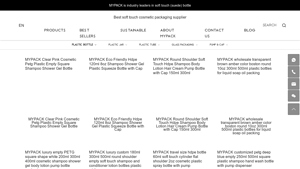
Domain: gzmypack.com
Registered: 2020 (5 years)
Introduction: MYPACK offers a variety of pump bottles including soft touch (suede) options, available in multiple sizes and designs such as round shoulder, square shape, and gradient frosted. Key products include: 120ml, 150ml, 200ml, 250ml, 300ml, 350ml, 400ml, 500ml, and 1000ml capacities. Materials used include PETG, HDPE, and biodegradable options. Customization services are available for colors and designs…
2. Accio – Airless Cosmetic Bottles

Domain: accio.com
Registered: 1997 (28 years)
Introduction: Top Airless Cosmetic Bottles Manufacturers | Custom Packaging Solutions
– Results from 130500+ products and 4600+ suppliers
– Materials: PP, PET, AS
– Types: Double Wall, Single Wall, UV Coating, Airless Pump, Refillable, Leak Proof, Travel Size
– Best Selling MOQ: < 5
– Verified Supplier: 5+ Years Supplier Experience
– Supplier Rating: 4.5+
– Customizable Options: Volume, Shape, Cap, Logo Print, …
Strategic Sourcing Conclusion and Outlook for PET Cylindrical Refillable Airless Bottle Wholesale Replaceable Cosmetic Airless Pump Bottle
In today’s competitive landscape, the strategic sourcing of PET cylindrical refillable airless bottles presents a significant opportunity for international B2B buyers seeking sustainable and innovative packaging solutions. These bottles not only enhance product integrity by minimizing oxidation, but their refillable nature aligns perfectly with the growing demand for eco-friendly practices. Buyers from regions such as Africa, South America, the Middle East, and Europe, including Germany and Nigeria, can benefit from sourcing these versatile containers to cater to high-end skincare and cosmetic products.
The importance of aligning packaging choices with brand identity and sustainability goals cannot be overstated. As consumers increasingly prioritize environmentally responsible products, selecting airless bottles that preserve product quality while reducing waste is a strategic move. Engaging with reputable suppliers who offer customizable options and low minimum order quantities can further enhance your brand’s market presence.
Looking ahead, the demand for refillable airless packaging is poised to grow, fueled by consumer trends and regulatory pressures. Now is the time for B2B buyers to take decisive action—explore partnerships with leading manufacturers and integrate these innovative solutions into your product lines. By doing so, you can not only elevate your brand but also contribute to a more sustainable future in the cosmetics industry.




 English
  Russian
  Spanish
  Italian
  Thai
Thai  French
  Arabic
  Portuguese
  Indonesian
  German






