

Introduction: Navigating the Global Market for Plant-based Biodegradable Wooden Cream Jar
In today’s competitive landscape, sourcing plant-based biodegradable wooden cream jars presents a significant challenge for B2B buyers who are committed to sustainability and eco-friendly practices. As businesses worldwide pivot towards greener packaging solutions, understanding the diverse offerings available in this market is crucial. This guide provides a comprehensive overview of plant-based biodegradable wooden cream jars, covering various types, applications, and innovative designs. It also highlights essential considerations for supplier vetting, cost analysis, and customization options that align with brand values.
International B2B buyers, especially those from regions such as Africa, South America, the Middle East, and Europe—including countries like Vietnam and Nigeria—will find valuable insights tailored to their unique market dynamics. By leveraging this guide, you will be empowered to make informed purchasing decisions that not only enhance your product appeal but also contribute to a sustainable future. Explore the intricate balance of functionality and environmental responsibility, ensuring your packaging choices resonate with the growing consumer demand for eco-conscious products. This guide serves as your roadmap, facilitating a seamless journey through the evolving landscape of sustainable packaging solutions.
Understanding Plant-based Biodegradable Wooden Cream Jar Types and Variations
| Type Name | Key Distinguishing Features | Primary B2B Applications | Brief Pros & Cons for Buyers |
|---|---|---|---|
| Frosted Glass Jar with Wood Lid | Durable frosted glass body, bamboo lid, leak-proof design | Cosmetics, skincare products | Pros: Elegant appearance, good sealing. Cons: Heavier than plastic alternatives. |
| Bio-based Forewood Closure Jar | Made with sustainable wood fibers and biopolymers | Eco-friendly skincare, body care | Pros: 100% plant-based, customizable. Cons: Higher cost due to sustainable materials. |
| Compostable Cosmetic Jar | Fully biodegradable, often made from natural fibers | Organic and natural cosmetics | Pros: Environmentally friendly, aligns with green branding. Cons: Limited shelf life. |
| Refillable Wooden Cream Jar | Designed for multiple uses, often with a replaceable inner case | High-end skincare brands | Pros: Cost-effective over time, reduces waste. Cons: Initial investment may be higher. |
| Straight Sided Glass Jar with Wooden Lid | Classic design, available in various sizes and finishes | Diverse cosmetic applications | Pros: Versatile, easy to clean. Cons: Glass can break if mishandled. |
What are the Characteristics and Suitability of Frosted Glass Jars with Wood Lids?
Frosted glass jars with wood lids are characterized by their elegant design and robust construction. The frosted glass offers a stylish aesthetic while providing durability, making these jars suitable for high-end cosmetic lines. The bamboo lids enhance the product’s eco-friendliness, appealing to brands focused on sustainability. When purchasing, buyers should consider the jar’s sealing capabilities and the potential for customization in size and finish to align with branding needs.
How Do Bio-based Forewood Closure Jars Enhance Sustainability?
Bio-based forewood closure jars are notable for their innovative use of sustainable wood fibers combined with biopolymers. This combination not only reduces reliance on fossil fuels but also enhances the overall sustainability profile of the packaging. These jars are ideal for brands committed to eco-friendly practices and can be customized in terms of color and design. B2B buyers should evaluate the certifications of the materials used to ensure they meet industry standards for sustainability.
What Makes Compostable Cosmetic Jars a Popular Choice?
Compostable cosmetic jars are designed for brands that prioritize environmental responsibility. Made from natural fibers, these jars decompose after use, significantly reducing landfill waste. They are particularly suitable for organic and natural cosmetic products. Buyers should weigh the benefits of aligning with eco-friendly practices against potential challenges, such as a shorter shelf life and the need for careful handling to maintain product integrity.
Why Consider Refillable Wooden Cream Jars for Your Product Line?
Refillable wooden cream jars are designed for sustainability and convenience, allowing customers to reuse the jars multiple times. This feature not only reduces waste but also appeals to consumers looking for eco-conscious options. Brands can benefit from lower long-term costs, although the initial investment may be higher compared to single-use options. B2B buyers should assess the jar’s design and functionality to ensure it meets consumer expectations for ease of use.
What are the Advantages of Straight Sided Glass Jars with Wooden Lids?
Straight sided glass jars with wooden lids offer versatility and a classic aesthetic that suits a wide range of cosmetic applications. Their straightforward design makes them easy to clean and refill, which is a significant advantage for brands aiming to reduce waste. However, buyers should consider the fragility of glass and ensure adequate packaging during shipping to prevent breakage. The ability to customize sizes and finishes further enhances their appeal in the competitive cosmetic market.
Key Industrial Applications of Plant-based Biodegradable Wooden Cream Jar
| Industry/Sector | Specific Application of Plant-based Biodegradable Wooden Cream Jar | Value/Benefit for the Business | Key Sourcing Considerations for this Application |
|---|---|---|---|
| Cosmetics & Skincare | Packaging for creams, lotions, and serums | Enhances brand image through sustainable practices and eco-friendly packaging | Ensure compliance with international safety standards and certifications |
| Food & Beverage | Packaging for specialty creams or spreads | Appeals to health-conscious consumers seeking natural, biodegradable options | Verify sourcing of plant-based materials and shelf-life requirements |
| Health & Wellness | Containers for natural supplements or balms | Differentiates products in a competitive market through unique packaging | Consider customization options for branding and specific volume needs |
| Home & Personal Care | Jars for organic beauty products or DIY kits | Attracts environmentally-aware customers and fosters brand loyalty | Evaluate logistics for importing/exporting sustainable materials |
| Arts & Crafts | Storage for handmade creams or lotions | Supports small businesses with appealing, sustainable packaging solutions | Assess minimum order quantities and customization capabilities |
How Can the Cosmetics & Skincare Industry Benefit from Plant-based Biodegradable Wooden Cream Jars?
In the cosmetics and skincare industry, plant-based biodegradable wooden cream jars serve as ideal packaging for a variety of products, including creams, lotions, and serums. These jars not only provide excellent sealing and leak-proof qualities but also resonate with consumers who prioritize sustainability. For B2B buyers, ensuring compliance with international safety standards and certifications is crucial, especially when targeting markets in Europe and North America, where eco-consciousness is high.
What Role Do Plant-based Jars Play in the Food & Beverage Sector?
In the food and beverage sector, plant-based biodegradable wooden cream jars can be used for specialty creams, spreads, and sauces. This application appeals to health-conscious consumers who prefer natural and organic products. Businesses benefit from enhanced brand perception as they align with consumer values regarding sustainability. Buyers should verify the sourcing of plant-based materials and consider shelf-life requirements to ensure product integrity.
How Are Plant-based Jars Utilized in the Health & Wellness Industry?
The health and wellness industry can utilize plant-based biodegradable wooden cream jars for packaging natural supplements, balms, and topical treatments. The unique packaging differentiates products in a crowded marketplace, appealing to consumers who value eco-friendly options. For international buyers, customization options for branding and specific volume needs are essential factors to consider when sourcing these jars.
Why Are Plant-based Jars Important for Home & Personal Care Products?
In the home and personal care sector, plant-based biodegradable wooden cream jars are perfect for organic beauty products and DIY kits. This packaging solution attracts environmentally-aware customers, fostering brand loyalty and enhancing customer experience. B2B buyers should evaluate logistics for importing and exporting sustainable materials, as well as the jars’ compatibility with various product formulations.
How Can Arts & Crafts Businesses Leverage Plant-based Jars?
For arts and crafts businesses, plant-based biodegradable wooden cream jars can be used for storing handmade creams or lotions, providing an attractive and sustainable packaging solution. This is particularly beneficial for small businesses looking to stand out in the market. When sourcing, it’s important to assess minimum order quantities and customization capabilities to ensure the jars meet specific branding needs and project requirements.

A stock image related to Plant-based Biodegradable Wooden Cream Jar.
3 Common User Pain Points for ‘Plant-based Biodegradable Wooden Cream Jar’ & Their Solutions
Scenario 1: Sourcing Sustainable Materials Amidst Supply Chain Disruptions
The Problem: B2B buyers often struggle to find reliable suppliers of plant-based biodegradable wooden cream jars, especially amid global supply chain disruptions. This challenge is compounded for businesses in regions such as Africa and South America, where access to quality, sustainable materials may be limited. Buyers may find themselves dealing with inconsistent product availability, leading to delays in production and fulfillment of customer orders. Moreover, they face the pressure of meeting sustainability goals while ensuring that the products are ethically sourced.
The Solution: To overcome sourcing difficulties, buyers should focus on establishing relationships with multiple suppliers who specialize in sustainable packaging. Conduct thorough research to identify manufacturers with a proven track record in producing plant-based biodegradable products. Buyers can attend industry trade shows and join sustainable packaging networks to connect with potential suppliers. Additionally, leveraging digital platforms that aggregate suppliers of eco-friendly packaging can streamline the sourcing process. Prioritize suppliers that provide transparency about their sourcing practices and material certifications, such as PEFC or FSC, to ensure compliance with sustainability standards. Finally, consider implementing a just-in-time inventory system to mitigate the impact of supply chain disruptions, allowing for flexibility and responsiveness to market demands.
Scenario 2: Ensuring Product Integrity with Biodegradable Packaging
The Problem: A common concern for B2B buyers is the integrity and longevity of the products stored within plant-based biodegradable wooden cream jars. Many buyers fear that these jars may not provide the necessary protection against external factors, such as moisture and air, which can compromise the quality of cosmetics and skincare products. This is especially critical for brands that emphasize natural ingredients, as they are often more sensitive to environmental changes.
The Solution: To address these concerns, buyers should look for jars equipped with advanced sealing mechanisms, such as inner lids or dome covers, that enhance leak-proof performance. When selecting plant-based biodegradable wooden cream jars, it’s essential to request samples and conduct thorough testing to evaluate their sealing capabilities and durability. Additionally, buyers should inquire about the specifications of the jar materials and their compatibility with various cosmetic formulations. Brands can also work closely with packaging engineers to customize jar designs that improve product protection while maintaining sustainability goals. Educating customers about the advantages of using biodegradable materials, such as their environmental benefits and the innovative features that ensure product integrity, can also enhance brand trust.
Scenario 3: Balancing Aesthetics and Sustainability in Branding
The Problem: B2B buyers often face the challenge of balancing aesthetic appeal with sustainability when selecting plant-based biodegradable wooden cream jars. Many brands strive to create a strong visual identity that resonates with consumers while adhering to eco-friendly principles. However, achieving this balance can be difficult when the available packaging options do not align with the brand’s image or meet consumer expectations for luxury and quality.
The Solution: Buyers should prioritize customization options when sourcing plant-based biodegradable wooden cream jars. Many manufacturers offer a variety of colors, finishes, and decoration techniques, such as silkscreen printing and hot stamping, which can help brands create visually appealing packaging that reflects their identity. Engaging with packaging designers early in the product development process can lead to innovative solutions that integrate sustainability with aesthetics. Additionally, considering the entire customer experience, from unboxing to product use, can guide the selection of packaging that delights consumers while adhering to eco-conscious values. Collaborating with suppliers that emphasize design innovation in sustainable packaging can ensure that brands do not have to sacrifice aesthetics for environmental responsibility.
Strategic Material Selection Guide for Plant-based Biodegradable Wooden Cream Jar
What Are the Key Materials for Plant-based Biodegradable Wooden Cream Jars?
When selecting materials for plant-based biodegradable wooden cream jars, it is essential to consider various options that align with sustainability goals while ensuring product performance. Below is an analysis of four common materials used in the manufacturing of these jars, focusing on their properties, advantages, disadvantages, and implications for international B2B buyers.
What Are the Properties and Benefits of Glass in Biodegradable Cream Jars?
Key Properties: Glass is a non-porous material that is resistant to temperature fluctuations and does not react with most substances. Its ability to maintain product integrity over time makes it an excellent choice for cosmetic products.
Pros & Cons: The primary advantage of glass is its recyclability and durability. It provides a premium feel and aesthetic appeal, which can enhance brand perception. However, glass is heavier and more fragile than other materials, leading to higher shipping costs and potential breakage during transport.
Impact on Application: Glass jars are compatible with a wide range of creams and lotions, making them suitable for various cosmetic applications. However, their weight may limit their use in markets with stringent shipping regulations.
Considerations for International Buyers: Buyers from regions such as Africa and South America should be aware of local recycling capabilities and consumer preferences for glass packaging. Compliance with international standards like ASTM for safety and quality is crucial.
How Does Bamboo Contribute to Sustainable Packaging Solutions?
Key Properties: Bamboo is a fast-growing, renewable resource that is naturally antimicrobial and biodegradable. It offers a unique aesthetic appeal and can be treated to enhance durability.
Pros & Cons: The major advantage of bamboo is its sustainability; it grows quickly and requires less water than traditional wood. However, bamboo products may be more susceptible to moisture and require proper sealing to ensure longevity.
Impact on Application: Bamboo lids can enhance the overall design of the cream jar while providing a natural look. However, they may not be suitable for products that require long shelf lives without preservatives.
Considerations for International Buyers: Buyers should check for certifications like PEFC or FSC to ensure the bamboo is sourced sustainably. In regions like Europe, there is a strong preference for eco-friendly materials, making bamboo a favorable choice.
What Role Do Bio-based Plastics Play in Cream Jar Manufacturing?
Key Properties: Bio-based plastics, such as those derived from plant starch or wood fibers, offer similar properties to traditional plastics but are designed to biodegrade over time.
Pros & Cons: The key advantage of bio-based plastics is their reduced environmental impact compared to petroleum-based plastics. However, they may not offer the same level of durability and can be more expensive to produce.
Impact on Application: These materials can be used for closures or inner linings, providing a sustainable alternative without compromising functionality. However, their performance in extreme temperatures may vary.
Considerations for International Buyers: Buyers should ensure that bio-based plastics comply with local regulations regarding biodegradability and compostability. Markets in the Middle East may have different standards compared to Europe.
How Do Wood Fiber Composites Enhance Cosmetic Packaging?
Key Properties: Wood fiber composites combine wood fibers with biopolymers, offering a unique blend of strength and biodegradability. They can be molded into various shapes, making them versatile for packaging.
Pros & Cons: The primary advantage of wood fiber composites is their ability to reduce plastic use while providing a robust structure. However, they may not be as widely accepted in all markets, and their production can be more complex.
Impact on Application: These composites are ideal for creating attractive closures or decorative elements on cream jars. However, they may require specific handling to maintain their integrity.
Considerations for International Buyers: Buyers should look for certifications like ISO 14001 for environmental management. Understanding local market perceptions of composite materials is also essential, particularly in regions like Africa and South America.
Summary Table of Material Selection for Plant-based Biodegradable Wooden Cream Jars
| Material | Typical Use Case for Plant-based Biodegradable Wooden Cream Jar | Key Advantage | Key Disadvantage/Limitation | Relative Cost (Low/Med/High) |
|---|---|---|---|---|
| Glass | Cream jars for high-end cosmetics | Excellent recyclability and durability | Heavy and fragile, higher shipping costs | Medium |
| Bamboo | Lids for cream jars | Sustainable and aesthetically pleasing | Susceptible to moisture | Medium |
| Bio-based Plastics | Closures and inner linings | Reduced environmental impact | Potentially lower durability | High |
| Wood Fiber Composites | Decorative elements and closures | Reduces plastic use | Complex manufacturing process | Medium |
This guide aims to equip international B2B buyers with the necessary insights to make informed decisions regarding material selection for plant-based biodegradable wooden cream jars, ensuring alignment with sustainability goals and market demands.

A stock image related to Plant-based Biodegradable Wooden Cream Jar.
In-depth Look: Manufacturing Processes and Quality Assurance for Plant-based Biodegradable Wooden Cream Jar
What Are the Main Stages in Manufacturing Plant-based Biodegradable Wooden Cream Jars?
The manufacturing process for plant-based biodegradable wooden cream jars involves several key stages that ensure both the product’s functionality and sustainability. Understanding these stages is essential for B2B buyers looking for reliable suppliers.
Material Preparation: Sourcing Sustainable Inputs
The first step in the manufacturing process is the careful selection and preparation of materials. For biodegradable wooden cream jars, the primary materials include sustainable wood fibers, biopolymers, and glass. The wood fibers are often sourced from forests certified by organizations like PEFC (Programme for the Endorsement of Forest Certification) or FSC (Forest Stewardship Council), ensuring that they come from responsibly managed sources.
Biopolymers, derived from renewable resources, are combined with wood fibers to enhance the jar’s structural integrity while maintaining biodegradability. The glass component is typically made from recycled materials or produced using energy-efficient processes, further reducing the environmental footprint.
Forming: Shaping the Components
Once materials are prepared, the next stage is forming. This involves shaping the glass and wood components into their final form. For glass jars, techniques such as blow molding or press molding are commonly used, allowing for precision in shape and size. The wood components are typically formed using CNC (Computer Numerical Control) machining or injection molding, which ensures consistent quality and reduces waste.
During this stage, it’s crucial to maintain strict temperature controls and machine calibrations to ensure that each component meets design specifications. Any deviations at this stage can lead to issues in the later assembly and finishing processes.
Assembly: Bringing Components Together
After the components are formed, the next step is assembly. This involves joining the glass jar with the wooden lid or closure. Adhesives that are free from harmful chemicals are often used to ensure the product remains eco-friendly. This stage requires precision and care, as the sealing mechanism must be robust enough to prevent leaks while allowing for easy opening and closing.
Automation in assembly can enhance speed and consistency, but many manufacturers still rely on skilled labor for quality assurance. This balance between technology and human oversight is critical for maintaining high standards.
Finishing: Quality and Aesthetic Enhancements
The finishing stage involves final touches that enhance both the functionality and aesthetic appeal of the jars. This can include surface treatments such as coating for added durability or aesthetic options like silk-screen printing and hot stamping for branding purposes. These finishing processes not only add value but also enhance the product’s marketability.
How is Quality Assurance Managed in Plant-based Biodegradable Wooden Cream Jar Production?
Quality assurance (QA) is a critical component of the manufacturing process, particularly in the context of international B2B transactions. Buyers must ensure that their suppliers adhere to strict quality standards to avoid potential issues down the line.
What International Standards Should Buyers Be Aware Of?
For plant-based biodegradable wooden cream jars, adherence to international standards such as ISO 9001 is essential. This standard focuses on quality management systems and ensures that suppliers maintain consistent quality in their manufacturing processes. Additionally, certifications like CE (Conformité Européenne) and API (American Petroleum Institute) may be relevant depending on the intended use of the jars.
These standards provide a framework for continuous improvement and customer satisfaction, making it easier for B2B buyers to assess supplier capabilities.
What Are the Key Quality Control Checkpoints?
Quality control (QC) checkpoints throughout the manufacturing process include:
- Incoming Quality Control (IQC): This involves inspecting raw materials upon arrival to ensure they meet specified standards.
- In-Process Quality Control (IPQC): Continuous monitoring during the manufacturing process to identify any deviations from quality standards.
- Final Quality Control (FQC): A thorough inspection of the finished product to ensure it meets all quality and design specifications.
These checkpoints help identify issues early in the process, minimizing waste and ensuring that only high-quality products reach the market.
What Common Testing Methods Are Used?
Common testing methods for plant-based biodegradable wooden cream jars include:
- Physical Testing: Evaluating the durability and leak-proof characteristics of the jars.
- Chemical Testing: Ensuring that materials used are free from toxic substances and comply with safety regulations.
- Environmental Testing: Assessing the biodegradability of materials in various conditions to ensure they meet sustainability claims.
B2B buyers should inquire about these testing methods and request documentation to verify compliance.
How Can B2B Buyers Verify Supplier Quality Control Practices?
Verification of supplier quality control practices is essential for B2B buyers, particularly those operating in regions like Africa, South America, the Middle East, and Europe, where regulatory requirements can vary significantly.
What Should Buyers Look for in Supplier Audits and Reports?
Buyers should request detailed audit reports from suppliers, which should include information on their quality management systems, compliance with international standards, and results from recent quality inspections. Regular audits by third-party organizations can provide an unbiased assessment of a supplier’s quality assurance practices.
Additionally, buyers should seek out suppliers who are transparent about their processes and willing to share quality reports. This openness is often a good indicator of a supplier’s commitment to quality.
What Are the Nuances of Quality Control for International Buyers?
International buyers should be aware of potential nuances in quality control, including variations in regulatory standards across different regions. For instance, buyers in Europe may have stricter requirements for materials used in cosmetic packaging compared to those in Africa or South America.
Understanding these differences is crucial for compliance and can influence sourcing decisions. Engaging with suppliers who are knowledgeable about international standards and can demonstrate compliance will help mitigate risks associated with non-compliance.
Conclusion: Prioritizing Quality in Plant-based Biodegradable Wooden Cream Jar Sourcing
In conclusion, a comprehensive understanding of the manufacturing processes and quality assurance practices for plant-based biodegradable wooden cream jars is essential for B2B buyers. By focusing on sustainable materials, rigorous quality control, and international standards, buyers can ensure they are sourcing products that not only meet their operational needs but also align with their sustainability goals. Engaging with reliable suppliers who prioritize quality and transparency will ultimately lead to successful partnerships in the growing market for eco-friendly packaging solutions.
Practical Sourcing Guide: A Step-by-Step Checklist for ‘Plant-based Biodegradable Wooden Cream Jar’
Introduction
This practical sourcing guide aims to assist B2B buyers in procuring plant-based biodegradable wooden cream jars. With sustainability becoming a pivotal factor in packaging decisions, this checklist will help you navigate the essential steps to ensure you select the right product and supplier for your business needs.
Step 1: Define Your Technical Specifications
Before you begin the sourcing process, clearly outline the technical specifications for the cream jars you require. Consider factors such as capacity, dimensions, and material composition. This step is crucial as it ensures that the products align with your brand’s needs and regulatory requirements.
- Capacity Options: Determine the volume (e.g., 5g, 15g, 30g) you need based on your product range.
- Material Requirements: Confirm that the jars meet sustainability criteria, including being 100% plant-based and biodegradable.
Step 2: Research Potential Suppliers
Conduct thorough research to identify suppliers who specialize in plant-based biodegradable packaging. Look for companies with a proven track record in sustainability and product quality. This step is vital to ensure you partner with reliable suppliers who can meet your standards.
- Online Directories: Utilize platforms like Alibaba or industry-specific directories to find potential suppliers.
- Reviews and Ratings: Check customer feedback and ratings to gauge supplier reliability and product quality.
Step 3: Evaluate Supplier Certifications
Verify that potential suppliers hold relevant certifications that demonstrate their commitment to sustainability. Certifications such as PEFC and FSC (Forest Stewardship Council) ensure that the materials used are sourced responsibly. This step protects your brand’s integrity and assures compliance with global standards.
- Sustainability Certifications: Request documentation for certifications to validate their claims.
- Quality Assurance: Look for suppliers with ISO certifications related to quality management systems.
Step 4: Request Samples for Testing
Before placing a bulk order, request samples of the cream jars to evaluate their quality and functionality. Testing samples allows you to assess the aesthetic appeal, durability, and sealing performance of the jars, ensuring they meet your product requirements.
- Sealing Performance: Check the leak-proof capabilities of the jars to prevent product loss.
- Aesthetic Appeal: Consider how well the jars align with your brand identity in terms of design and finish.
Step 5: Discuss Customization Options
Engage with suppliers about customization possibilities for the cream jars, such as colors, finishes, and branding options. Customization is essential for differentiating your product in a competitive market and enhancing brand recognition.
- Decoration Techniques: Inquire about options like silkscreen printing or hot stamping for your logo.
- Material Choices: Discuss the availability of different wood finishes and glass colors.
Step 6: Negotiate Terms and Conditions
Once you’ve selected a supplier, negotiate the terms and conditions of the purchase agreement. This includes pricing, minimum order quantities, payment terms, and delivery schedules. Clear agreements will help mitigate risks and ensure a smooth procurement process.
- Pricing Flexibility: Discuss bulk pricing and potential discounts based on order volume.
- Lead Times: Confirm production and shipping timelines to align with your inventory needs.
Step 7: Establish a Quality Control Process
Finally, implement a quality control process to monitor the products upon receipt. Establishing standards for inspection will help maintain product quality and ensure that the cream jars meet your specifications consistently.
- Inspection Protocols: Create checklists for assessing the quality of received products.
- Feedback Loop: Develop a system for providing feedback to suppliers to foster continuous improvement.
Following this checklist will empower you to make informed decisions when sourcing plant-based biodegradable wooden cream jars, ensuring that you align with sustainability goals while meeting your product needs.
Comprehensive Cost and Pricing Analysis for Plant-based Biodegradable Wooden Cream Jar Sourcing
What Are the Key Cost Components for Sourcing Plant-based Biodegradable Wooden Cream Jars?
When considering the sourcing of plant-based biodegradable wooden cream jars, understanding the cost structure is crucial for B2B buyers. The primary cost components include:
-
Materials: The cost of materials is a significant factor, especially for sustainable packaging. The use of bio-based materials such as glass and wood fibers drives costs higher than traditional plastic options. The price of bamboo or other plant-based materials can fluctuate based on market demand and availability.
-
Labor: Labor costs vary by region, impacting the overall price. For instance, sourcing from countries with lower labor costs may yield savings, but it’s essential to consider the quality of craftsmanship, especially for products requiring precise manufacturing standards.
-
Manufacturing Overhead: This includes utilities, maintenance, and operational costs associated with running the production facility. High overhead costs can lead to increased prices, especially if the manufacturer invests in sustainable practices.
-
Tooling: Custom molds or tooling for specific designs and sizes can add significant initial costs. However, these costs can be amortized over large production runs, making them more manageable for high-volume orders.
-
Quality Control (QC): Ensuring that the jars meet international standards may require investment in quality assurance processes. This is particularly vital for cosmetics packaging, where regulatory compliance is paramount.
-
Logistics: Transportation costs can vary widely based on the shipping method, distance, and chosen Incoterms. International shipping can involve additional fees such as customs duties and taxes, impacting the overall cost.
-
Margin: Suppliers will typically apply a markup to cover their costs and profit margin. Understanding the supplier’s margin can provide insight into the pricing structure and potential for negotiation.
What Influences Pricing for Plant-based Biodegradable Wooden Cream Jars?
Several factors can influence the pricing of these sustainable packaging solutions:
-
Volume/MOQ (Minimum Order Quantity): Bulk purchasing often leads to lower per-unit costs. Suppliers may offer discounts for larger orders, making it advantageous for buyers with high-volume needs.
-
Specifications and Customization: Unique designs, colors, or additional features (like custom branding) can increase costs. Buyers should weigh the benefits of customization against budget constraints.
-
Materials and Quality Certifications: Jars made from high-quality, certified materials (e.g., PEFC, ISSC) can be more expensive due to the sourcing and processing involved. Certifications can enhance brand value and appeal to eco-conscious consumers.
-
Supplier Factors: The reputation, reliability, and production capacity of the supplier can affect pricing. Established suppliers may charge a premium for their proven quality and service.
-
Incoterms: The choice of Incoterms will affect the total landed cost. Terms like FOB (Free on Board) or CIF (Cost, Insurance, and Freight) can lead to different pricing dynamics based on responsibility for shipping and insurance.
What Are Some Buyer Tips for Cost-Efficiency in Sourcing?
B2B buyers looking to optimize their sourcing strategy can consider the following tips:
-
Negotiate Effectively: Leverage volume commitments to negotiate better pricing. Building a long-term relationship with suppliers may also yield favorable terms.
-
Assess Total Cost of Ownership (TCO): Consider not just the purchase price but the entire lifecycle cost, including shipping, potential returns, and disposal. Sustainable packaging often results in lower environmental impact costs, which can be a selling point.
-
Understand Pricing Nuances for International Sourcing: Different regions may have unique pricing structures. For instance, sourcing from countries like Vietnam or Nigeria may present different challenges and opportunities in terms of logistics and material costs.
-
Stay Informed on Market Trends: Keeping abreast of market conditions can help anticipate price changes. Factors such as global supply chain disruptions or shifts in consumer demand for sustainable products can impact pricing.
-
Request Samples: Before committing to a large order, request samples to assess quality. This can save costs associated with poor-quality products that may lead to returns or customer dissatisfaction.
By understanding these cost components and pricing influences, international B2B buyers can make informed decisions and negotiate better terms for plant-based biodegradable wooden cream jars, aligning with their sustainability goals while maintaining cost efficiency.
Alternatives Analysis: Comparing Plant-based Biodegradable Wooden Cream Jar With Other Solutions
In the quest for sustainable packaging solutions in the cosmetics industry, the Plant-based Biodegradable Wooden Cream Jar presents a compelling option. However, it is essential for international B2B buyers to consider various alternatives that can meet similar goals of sustainability, functionality, and cost-effectiveness. Below is a comparative analysis of the Plant-based Biodegradable Wooden Cream Jar against two viable alternatives: Glass Cream Jars with Wood Lids and Compostable Plastic Jars.
| Comparison Aspect | Plant-Based Biodegradable Wooden Cream Jar | Glass Cream Jar with Wood Lid | Compostable Plastic Jar |
|---|---|---|---|
| Performance | Excellent biodegradability, moderate durability | High durability, reusable, non-leak | Biodegradable, moderate durability |
| Cost | Moderate to high depending on sourcing | Moderate, varies with customization | Generally lower, cost-effective |
| Ease of Implementation | Requires specific sourcing and manufacturing | Widely available, easy to source | Simple to implement, widely available |
| Maintenance | Minimal, but may require careful handling | Easy to clean, reusable | Low maintenance, single-use often |
| Best Use Case | Eco-conscious brands targeting sustainability | High-end cosmetic lines | Brands looking for cost-effective solutions |
What Are the Pros and Cons of Glass Cream Jars with Wood Lids?
Glass Cream Jars with Wood Lids offer a blend of aesthetic appeal and functionality. These jars are highly durable and can be reused multiple times, making them a long-term investment for brands. They also provide excellent protection against leakage and contamination, ensuring product integrity. However, the initial investment may be higher compared to other options, especially if customization is required. Additionally, while glass is recyclable, it does not biodegrade, which may not align with all sustainability goals.
How Do Compostable Plastic Jars Compare in Sustainability?
Compostable Plastic Jars represent a cost-effective alternative that appeals to brands seeking to reduce their environmental footprint. Made from renewable resources, these jars can break down in composting environments, making them more sustainable than traditional plastics. They are also lightweight, which can reduce shipping costs. However, their durability is moderate, and they are typically designed for single-use, which may not align with brands focused on long-term sustainability. Furthermore, the perception of plastic, even if compostable, can deter eco-conscious consumers.
How Can B2B Buyers Choose the Right Solution for Their Needs?
When selecting the right packaging solution, B2B buyers must consider their brand identity, target market, and sustainability objectives. The Plant-based Biodegradable Wooden Cream Jar excels in biodegradability and aligns well with eco-conscious branding. In contrast, Glass Cream Jars with Wood Lids may appeal to brands aiming for luxury and durability, while Compostable Plastic Jars can be an excellent choice for cost-sensitive markets. Ultimately, the decision should reflect the brand’s values and the expectations of its customers, ensuring that the chosen solution enhances product appeal while minimizing environmental impact.
Essential Technical Properties and Trade Terminology for Plant-based Biodegradable Wooden Cream Jar
What Are the Key Technical Properties of Plant-based Biodegradable Wooden Cream Jars?
1. Material Composition
Plant-based biodegradable wooden cream jars typically consist of a combination of glass and bio-based materials, such as wood fibers and biopolymers. The glass provides durability and an attractive finish, while the wooden components contribute to sustainability. This blend not only enhances the aesthetic appeal but also aligns with the growing demand for environmentally friendly packaging solutions. For B2B buyers, understanding the material composition is essential as it impacts product life cycle, recyclability, and customer perception.
2. Capacity Options
These jars come in various sizes, typically ranging from 5g to 100g. The capacity affects how much product can be housed, influencing pricing and customer purchasing behavior. Offering a range of capacities allows businesses to cater to different market segments, from high-end skincare lines to budget-friendly options. Buyers should consider their target market when selecting jar sizes to optimize inventory and meet consumer demand.
3. Closure Type
Most plant-based biodegradable jars feature screw-on lids or dome covers, which ensure leak-proof sealing and product integrity. This characteristic is crucial for maintaining the quality of cosmetic products, especially those sensitive to air and moisture. For manufacturers, the choice of closure type can influence production costs and supply chain logistics, making it a key consideration when sourcing packaging solutions.
4. Decoration and Customization Options
Customization options, such as silkscreen printing and hot stamping, allow brands to enhance their visual identity on the jars. With various finishes available, businesses can create packaging that stands out on retail shelves. Understanding these decoration techniques is vital for B2B buyers looking to strengthen brand recognition and appeal to their target audience.
5. Tolerance and Quality Standards
Tolerance refers to the allowable variation in dimensions of the jars, which is critical for ensuring compatibility with dispensing mechanisms and other components. Adhering to quality standards such as ISO certifications can also enhance product reliability and customer trust. For buyers, ensuring that suppliers meet these standards is essential for maintaining product quality and minimizing returns.
What Are Common Trade Terms Related to Plant-based Biodegradable Wooden Cream Jars?
1. OEM (Original Equipment Manufacturer)
OEM refers to a company that produces goods for another company, often under the latter’s brand name. Understanding OEM relationships can help buyers negotiate better prices and customize products according to their brand requirements. This term is essential for businesses looking to establish partnerships with manufacturers of biodegradable packaging.
2. MOQ (Minimum Order Quantity)
MOQ indicates the smallest quantity of a product that a supplier is willing to sell. This term is crucial for B2B buyers to understand as it can impact cash flow and inventory management. Knowing the MOQ helps buyers plan their orders effectively, ensuring they can meet market demand without overstocking.
3. RFQ (Request for Quotation)
An RFQ is a document sent to suppliers to request pricing and terms for specific products. This process is vital for buyers looking to compare costs and negotiate better deals. A well-prepared RFQ can streamline procurement processes and ensure that buyers receive competitive offers from various suppliers.
4. Incoterms (International Commercial Terms)
Incoterms are standardized trade terms that define the responsibilities of buyers and sellers in international transactions. These terms clarify aspects such as shipping costs, insurance, and delivery responsibilities. Familiarity with Incoterms is essential for B2B buyers to mitigate risks and ensure smooth logistics when sourcing products globally.
5. Biodegradability Standards
Biodegradability standards refer to the criteria that determine how quickly and effectively a material can decompose in the environment. Understanding these standards is crucial for businesses committed to sustainability, as they must ensure that their packaging meets regulatory requirements and consumer expectations regarding environmental impact.
By grasping these technical properties and trade terminologies, international B2B buyers can make informed decisions when sourcing plant-based biodegradable wooden cream jars, aligning their choices with sustainability goals and market demands.
Navigating Market Dynamics and Sourcing Trends in the Plant-based Biodegradable Wooden Cream Jar Sector
What Are the Current Market Dynamics and Key Trends in the Plant-based Biodegradable Wooden Cream Jar Sector?
The global demand for sustainable packaging solutions is rapidly reshaping the cosmetics industry, particularly within the plant-based biodegradable wooden cream jar sector. International B2B buyers are increasingly prioritizing products that align with their sustainability goals, driven by consumer preferences for eco-friendly options. Key trends include the use of recyclable materials such as glass combined with innovative bio-based closures made from sustainable wood fibers. This combination not only enhances the aesthetic appeal but also underscores the commitment to environmental responsibility.
Emerging technologies in sourcing and production are also transforming the landscape. For instance, advancements in biopolymer technologies have led to the development of biodegradable materials that effectively replace traditional plastics. Buyers from regions such as Africa, South America, the Middle East, and Europe are particularly interested in these innovations, as they offer a competitive edge in meeting local regulatory requirements and consumer expectations for sustainability. Additionally, the rise of e-commerce has expanded the market reach for these products, allowing suppliers to engage with a broader audience.
B2B buyers should also be aware of the growing emphasis on customization and branding. Companies are increasingly seeking packaging solutions that not only serve functional purposes but also enhance brand identity. This trend presents an opportunity for suppliers to offer tailored solutions that meet specific market needs, driving customer loyalty and satisfaction.
How Important Is Sustainability and Ethical Sourcing in the Plant-based Biodegradable Wooden Cream Jar Sector?
Sustainability and ethical sourcing are critical factors for B2B buyers in the plant-based biodegradable wooden cream jar market. As consumers become more environmentally conscious, businesses must adapt their sourcing strategies to reflect these values. The environmental impact of packaging materials is a significant consideration; therefore, buyers are encouraged to prioritize suppliers that utilize certified sustainable materials, such as PEFC or FSC-certified wood fibers, and post-consumer recycled glass.
Moreover, the importance of ethical supply chains cannot be overstated. Buyers should conduct due diligence to ensure that their suppliers adhere to fair labor practices and environmentally responsible manufacturing processes. This not only mitigates risks associated with reputational damage but also aligns with the growing regulatory landscape focused on sustainability and corporate social responsibility.
Additionally, the demand for “green” certifications is on the rise. Buyers looking to enhance their product offerings should consider partnering with suppliers who can provide eco-labels or certifications that validate their commitment to sustainability. This not only adds value to the product but also instills confidence in consumers, ultimately driving sales and brand loyalty.
What Is the Brief Evolution and History of Plant-based Biodegradable Wooden Cream Jars?
The evolution of plant-based biodegradable wooden cream jars can be traced back to the increasing awareness of environmental issues and the demand for sustainable packaging solutions. Initially, traditional plastic jars dominated the market, but growing concerns over plastic waste led to a shift towards eco-friendly alternatives. Over the past decade, innovations in material science have facilitated the development of biodegradable materials, combining aesthetics with environmental stewardship.
The introduction of glass jars with wooden lids marked a significant milestone in this evolution. These jars not only provide a sustainable packaging option but also reflect a premium aesthetic that resonates with consumers. The industry has continued to innovate with bio-based materials and sustainable sourcing practices, paving the way for a more responsible future in cosmetics packaging. As this sector continues to evolve, it remains crucial for B2B buyers to stay informed about emerging trends and technologies that can enhance their product offerings and align with market demands.
Frequently Asked Questions (FAQs) for B2B Buyers of Plant-based Biodegradable Wooden Cream Jar
-
How do I ensure the quality of plant-based biodegradable wooden cream jars?
To guarantee quality, start by selecting suppliers that provide certifications for their materials, such as PEFC or FSC for wood fibers. Request samples to assess the jars’ durability, sealing performance, and overall aesthetics. It’s also beneficial to inquire about their production processes and quality assurance protocols. Establishing a trial order can further help evaluate the product’s quality before committing to a larger purchase. -
What are the customization options available for biodegradable wooden cream jars?
Most manufacturers offer extensive customization options, including size, color, and design elements like silkscreen printing or hot stamping. You can also request specific lid designs or finishes that align with your brand identity. Discussing your customization needs upfront during negotiations will ensure the supplier can meet your expectations and deliver a unique product tailored to your brand. -
What is the minimum order quantity (MOQ) for plant-based biodegradable wooden cream jars?
MOQs can vary significantly between suppliers and depend on the specific product and customization options. Generally, you can expect MOQs ranging from 1,000 to 5,000 units for customized jars. When sourcing, clarify the MOQ with potential suppliers and explore options for smaller initial orders if you are testing the market or launching a new product line. -
What payment terms should I expect when sourcing these jars internationally?
Payment terms can vary widely depending on the supplier’s policies and your negotiation skills. Common practices include a 30% deposit upfront with the balance due before shipping. Some suppliers may offer more flexible terms, such as payment upon delivery or after receiving goods. Always ensure that payment methods are secure and consider using an escrow service for larger transactions to mitigate risks. -
How do I navigate international shipping logistics for biodegradable cream jars?
When shipping internationally, work with suppliers who have experience in global logistics and can handle customs documentation. Discuss shipping methods, estimated delivery times, and costs upfront. It’s crucial to consider the terms of delivery (Incoterms) to clarify responsibilities for shipping, insurance, and customs clearance. Partnering with a reliable freight forwarder can streamline the process and reduce potential delays. -
What are the environmental certifications I should look for in suppliers?
Look for suppliers that have environmental certifications such as ISO 14001 for environmental management or specific certifications for sustainable materials like PEFC or FSC for wood products. These certifications indicate a commitment to sustainable practices, which is crucial for brands focusing on eco-friendly products. Always request documentation to verify these certifications during the supplier vetting process. -
How can I assess a supplier’s reliability and reputation?
To evaluate a supplier’s reliability, conduct thorough research, including checking online reviews, testimonials, and their history in the industry. Request references from previous clients and verify their experience with similar products. Additionally, consider their communication responsiveness and willingness to address your concerns as indicators of their professionalism and reliability. -
What are the common uses for plant-based biodegradable wooden cream jars?
These jars are versatile and commonly used for a variety of cosmetic products, including creams, lotions, and serums. Their eco-friendly appeal makes them ideal for brands targeting environmentally conscious consumers. Additionally, they can be used for packaging specialty items like organic skincare products, herbal ointments, and even gourmet food items, expanding your market opportunities.
Important Disclaimer & Terms of Use
⚠️ Important Disclaimer
The information provided in this guide, including content regarding manufacturers, technical specifications, and market analysis, is for informational and educational purposes only. It does not constitute professional procurement advice, financial advice, or legal advice.
While we have made every effort to ensure the accuracy and timeliness of the information, we are not responsible for any errors, omissions, or outdated information. Market conditions, company details, and technical standards are subject to change.
B2B buyers must conduct their own independent and thorough due diligence before making any purchasing decisions. This includes contacting suppliers directly, verifying certifications, requesting samples, and seeking professional consultation. The risk of relying on any information in this guide is borne solely by the reader.
Top 9 Plant-Based Biodegradable Wooden Cream Jar Manufacturers & Suppliers List
1. Clean The Sky – Plant-Based Dropper Cap

Domain: cleanthesky.com
Registered: 2022 (3 years)
Introduction: Virospack and Rezemo have partnered to create a plant-based dropper cap for liquid cosmetic products. This dropper cap is made from a new material called Forewood, which replaces traditional plastic and is fossil-free. The dropper utilizes wood fibers and biopolymers, enhancing its sustainability profile. Forewood is certified by the PEFC, indicating responsible sourcing. This innovation aims to i…
2. Gideapac – Glass Cream Jar with Wood Lid

Domain: gideapac.com
Registered: 2023 (2 years)
Introduction: Product Name: Glass Cream Jar with Wood Lid
Material: Frosted Glass Body, Bamboo Lid
Features: Inner lid and dome cover for good sealing performance, leak-proof, protects products from volatilization, easy to clean, reusable
Applications: Suitable for cosmetic creams, tinctures, mud facial masks, powder blushers, and other body care products
Available Capacities: 5g, 15g, 30g, 50g, 100g
Dimensions…
3. Gerresheimer – Sustainable Glass Cream Jar with Bio-Based Closures
Domain: gerresheimer.com
Registered: 1996 (29 years)
Introduction: Sustainable Closures from Gerresheimer include a glass cream jar (50ml) paired with bio-based forewood® closures made from sustainable wood fibers. The glass is endlessly recyclable, and the closures are made from a 100% plant-based material certified by PEFC and ISSC Plus standards. The product is designed for sustainable beauty care, combining aesthetics with environmental awareness. Customizati…
4. Accio – Biodegradable Jars

Domain: accio.com
Registered: 1997 (28 years)
Introduction: Biodegradable Jars Wholesale: Eco-Friendly Packaging Solutions
– Compostable materials: PLA, Cornstarch, Sugarcane fiber, Bamboo fiber
– Features: Leak-proof design, Airtight seal, Microwave safe, Freezer safe, Dishwasher safe
– Minimum Order Quantity (MOQ): < 5
– Supplier verification: Verified Supplier, 5+ Years Supplier Experience, Manufacturer Only, 4.5+ Supplier Rating
– Customization options…
5. DHgate – Bamboo Cosmetic Jars

Domain: dhgate.com
Registered: 2004 (21 years)
Introduction: {“Product Name”: “Bamboo Cosmetic Jars”, “Sizes Available”: [“5g”, “15g”, “30g”, “50g”, “100g”], “Material”: “Bamboo”, “Features”: [“Eco-Friendly”, “Hand Engraved Logo Options”, “Durable and Secure Packaging”, “Screw-Top Lid for Leak Prevention”], “Ideal For”: [“Eye Cream”, “Lotions”, “Balms”, “Sample Sizes”], “Price”: “US $600.05 / Lot (105 Pieces)”, “Sustainability”: “Crafted from renewable reso…
6. WeMakeIt – Composting Jar

Domain: wemakeit.com
Registered: 2014 (11 years)
Introduction: A jar for composting, designed to make composting easy and efficient. Suitable for kitchen waste, it helps reduce landfill waste and promotes sustainable living. The jar features an airtight lid to minimize odors and is made from eco-friendly materials.
7. La Fermiere – Reusable Clay Yogurt Jars
Domain: reddit.com
Registered: 2005 (20 years)
Introduction: La Fermiere yogurt comes in reusable jars made of clay.
8. Walmart – Declare Vegan Nature Spa Cream Jar
Domain: business.walmart.com
Registered: 1995 (30 years)
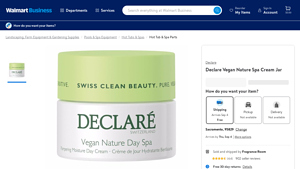
Introduction: {“product_name”: “Declare Vegan Nature Spa Cream Jar”, “price”: “USD $29.98”, “availability”: {“shipping”: “Arrives Sep 4”, “free_pickup”: “Not available”, “delivery”: “Not available”}, “category”: “Landscaping, Farm Equipment & Gardening Supplies / Pools & Spa Equipment / Hot Tubs & Spas / Hot Tub & Spa Parts”}
9. ScrapingDog – Instagram Data Scraping

Domain: instagram.com
Registered: 2004 (21 years)
Introduction: Contact us at info@scrapingdog.com for scraping Instagram. Let us know how many pages you want to scrape per month.
Strategic Sourcing Conclusion and Outlook for Plant-based Biodegradable Wooden Cream Jar
In today’s competitive landscape, the strategic sourcing of plant-based biodegradable wooden cream jars presents a unique opportunity for international B2B buyers seeking sustainable packaging solutions. These innovative containers not only align with global sustainability goals but also enhance brand appeal through their aesthetic design and eco-friendly materials. The combination of glass and bio-based closures, such as those made from sustainable wood fibers, ensures that products are both functional and environmentally responsible, appealing to increasingly conscious consumers across markets in Africa, South America, the Middle East, and Europe.
As buyers navigate their sourcing strategies, prioritizing suppliers who demonstrate a commitment to sustainability can drive brand loyalty and open new avenues for growth. Engaging with manufacturers that offer customization options further allows businesses to create a distinct identity, making their products stand out in a crowded marketplace.
Looking ahead, the demand for biodegradable packaging solutions is set to rise. By taking proactive steps now to integrate these sustainable options into your product lines, you position your business favorably for future market trends. Connect with trusted suppliers to explore how plant-based biodegradable wooden cream jars can enhance your offerings and contribute to a greener planet.




 English
  Russian
  Spanish
  Italian
  Thai
Thai  French
  Arabic
  Portuguese
  Indonesian
  German






