

Introduction: Navigating the Global Market for Plastic Cosmetic Jars Custom Cosmetic Packaging
In the rapidly evolving beauty industry, sourcing high-quality plastic cosmetic jars for custom cosmetic packaging has become a critical challenge for international B2B buyers. With a multitude of options available, selecting the right suppliers and materials can significantly impact brand perception and product integrity. This comprehensive guide delves into the diverse types of plastic cosmetic jars, their various applications, and essential considerations for vetting suppliers. It also covers cost factors and innovative design options that can enhance product appeal.
By addressing the intricacies of the global market, this guide empowers B2B buyers from Africa, South America, the Middle East, and Europe—countries such as Brazil and Vietnam—to make informed purchasing decisions. With a focus on practical insights and actionable strategies, readers will be equipped to navigate the complexities of sourcing, ensuring their products not only meet consumer demands but also stand out in a competitive landscape. As sustainability and functionality increasingly dictate consumer preferences, understanding the nuances of plastic cosmetic packaging will be pivotal in achieving brand loyalty and market success.
Understanding Plastic Cosmetic Jars Custom Cosmetic Packaging Types and Variations
| Type Name | Key Distinguishing Features | Primary B2B Applications | Brief Pros & Cons for Buyers |
|---|---|---|---|
| Airless Jars | Prevents air exposure, enhances product shelf life | Skincare, high-end cosmetics | Pros: Extends product life, prevents contamination. Cons: Generally higher cost. |
| Frosted Plastic Jars | Opaque finish, stylish appearance | Luxury skincare, beauty products | Pros: Offers UV protection, enhances aesthetics. Cons: May be less visible for product monitoring. |
| Stackable Jars | Designed for efficient storage and display | Retail, spas, and salons | Pros: Space-saving, easy to organize. Cons: Limited customization options. |
| Sample Jars | Small capacity, often includes sifter or cap | Product testing, promotional giveaways | Pros: Cost-effective for trials, customizable. Cons: Limited volume for larger applications. |
| Divided Jars | Multiple compartments for different products | Multi-use products, cosmetics kits | Pros: Versatile for multi-product storage. Cons: Can complicate packaging design. |
What Are the Key Characteristics of Airless Jars for Cosmetic Packaging?
Airless jars are engineered to eliminate air exposure, which significantly prolongs the shelf life of sensitive formulations. This type of packaging is ideal for high-end skincare and cosmetic products that require protection against oxidation. B2B buyers should consider the initial investment, as airless jars tend to be more expensive than standard jars, but the benefits of product integrity and customer satisfaction can justify the cost.
How Do Frosted Plastic Jars Enhance Product Presentation?
Frosted plastic jars provide a unique aesthetic appeal with their soft, opaque finish that obscures the product inside. This type of jar is commonly used in luxury skincare and beauty products, where visual presentation is crucial. Buyers should weigh the advantages of UV protection and style against potential downsides, such as reduced visibility for inventory management.
Why Are Stackable Jars Beneficial for Retail Environments?
Stackable jars are specifically designed to optimize storage and display space, making them an excellent choice for retail and salon environments. Their design allows for easy organization and maximization of shelf space. B2B buyers should evaluate the trade-off between space efficiency and the potential limitations in customization options, which may affect branding.
What Advantages Do Sample Jars Offer for Product Testing?
Sample jars are small, often equipped with features like sifters or caps, making them perfect for product trials or promotional giveaways. They allow brands to offer consumers a taste of their products without significant financial risk. Businesses should consider the cost-effectiveness of these jars for marketing purposes against their limited capacity for larger applications.
How Do Divided Jars Cater to Multi-Product Packaging Needs?
Divided jars are designed with multiple compartments, making them suitable for storing various products within a single container. This versatility is particularly advantageous for cosmetics kits or multi-use products. B2B buyers should assess the added complexity in packaging design and production against the potential for enhanced customer appeal and utility.
Key Industrial Applications of Plastic Cosmetic Jars Custom Cosmetic Packaging
| Industry/Sector | Specific Application of Plastic Cosmetic Jars Custom Cosmetic Packaging | Value/Benefit for the Business | Key Sourcing Considerations for this Application |
|---|---|---|---|
| Beauty and Personal Care | Packaging for skincare creams and lotions | Enhances product presentation and protects formulations | Material durability, customization options, and regulatory compliance |
| Pharmaceuticals | Storage for topical ointments and treatments | Ensures product integrity and provides ease of dispensing | Tamper-evident features, compatibility with medical standards |
| Food and Beverage | Packaging for edible beauty products (e.g., flavored lip balms) | Appeals to health-conscious consumers and ensures product safety | Food-grade materials, airtight seals, and labeling requirements |
| Retail and E-commerce | Sample jars for promotional giveaways and product trials | Drives customer engagement and increases brand visibility | Minimum order quantities, customization capabilities, and shipping options |
| Spa and Wellness | Jars for body scrubs and massage oils | Enhances the customer experience and elevates service offerings | Aesthetic design, size variations, and eco-friendly materials |
How Are Plastic Cosmetic Jars Used in the Beauty and Personal Care Sector?
In the beauty and personal care industry, plastic cosmetic jars are extensively used for packaging skincare creams and lotions. These jars not only enhance the visual appeal of the product but also safeguard the formulations from contamination and spoilage. International buyers must consider the durability of materials to withstand varying climates, especially in regions like Africa and South America, where heat and humidity can affect product integrity.
What Role Do Plastic Cosmetic Jars Play in Pharmaceuticals?
Pharmaceutical companies utilize plastic cosmetic jars for storing topical ointments and treatments. These jars provide a secure and hygienic environment, ensuring the integrity of the products. For B2B buyers in the pharmaceutical sector, it is crucial to source jars with tamper-evident features and compliance with medical standards, particularly in regions such as the Middle East and Europe, where regulatory requirements are stringent.
How Are Plastic Cosmetic Jars Applied in the Food and Beverage Industry?
In the food and beverage sector, plastic cosmetic jars are increasingly being used for edible beauty products like flavored lip balms and body scrubs. This application appeals to health-conscious consumers by ensuring product safety and compliance with food-grade standards. Buyers should prioritize sourcing jars with airtight seals to maintain freshness, especially in warmer climates.
Why Are Plastic Cosmetic Jars Important for Retail and E-commerce?
Retailers and e-commerce businesses leverage plastic cosmetic jars as sample containers for promotional giveaways and product trials. This strategy enhances customer engagement and increases brand visibility. When sourcing, businesses should consider minimum order quantities and customization options to align with their marketing strategies, particularly in competitive markets across South America and Europe.
How Do Plastic Cosmetic Jars Benefit the Spa and Wellness Industry?
In the spa and wellness industry, plastic cosmetic jars are essential for packaging body scrubs and massage oils. These jars not only elevate the customer experience but also serve as a premium packaging solution that reflects the quality of services offered. Buyers in this sector should focus on aesthetic design and eco-friendly materials to cater to the growing demand for sustainable products, especially in regions like Europe and the Middle East.
3 Common User Pain Points for ‘Plastic Cosmetic Jars Custom Cosmetic Packaging’ & Their Solutions
Scenario 1: Inconsistent Quality in Bulk Orders
The Problem: A frequent concern for B2B buyers in the cosmetic industry is receiving inconsistent quality in bulk orders of plastic cosmetic jars. When sourcing custom packaging, buyers may face issues like variation in color, size discrepancies, or even defects such as cracks or improper sealing. This not only affects the product’s aesthetics but also the brand’s reputation, leading to dissatisfaction among clients and potential financial losses.
The Solution: To mitigate this risk, buyers should prioritize sourcing from reputable suppliers with stringent quality control processes. Before committing to a large order, request samples to evaluate the quality firsthand. Additionally, establish clear specifications and expectations in the contract, including tolerance levels for size and color. Regular communication with the supplier throughout the production process can help identify and rectify issues early, ensuring the final product aligns with your quality standards. Implementing a robust inspection process upon receipt can also catch inconsistencies before products reach the market.
Scenario 2: Environmental Concerns and Sustainability
The Problem: As global awareness of environmental issues increases, many B2B buyers are pressured to source packaging that is not only functional but also sustainable. Traditional plastic jars can pose significant challenges, particularly concerning recyclability and the use of virgin materials. This can create a dilemma for businesses that want to maintain eco-friendly practices while still meeting the demands of their product lines.
The Solution: To address sustainability concerns, buyers should explore suppliers that offer eco-friendly options, such as jars made from recycled materials or those that are fully recyclable. Look for suppliers who use eco-certifications as a mark of their commitment to sustainable practices. Additionally, consider incorporating biodegradable additives into the plastic to enhance its environmental profile. Communicating your sustainability goals to your supplier can foster a partnership focused on innovation, allowing you to stay ahead in the market while appealing to environmentally conscious consumers.
Scenario 3: Complicated Customization Processes
The Problem: Customizing plastic cosmetic jars to reflect a brand’s unique identity can be a complex and frustrating process for B2B buyers. Buyers may encounter challenges such as minimum order quantities that are too high, lengthy lead times, and unclear communication regarding design specifications. This can result in wasted resources and missed market opportunities if products are not aligned with brand messaging or consumer preferences.
The Solution: To streamline the customization process, buyers should seek suppliers that offer flexible minimum order quantities and transparent timelines. Start by clearly defining your design requirements, including colors, shapes, and labeling needs. Engaging in collaborative discussions with the supplier can facilitate a better understanding of your vision and help avoid miscommunication. Additionally, utilizing digital mockups or prototypes can provide a tangible sense of the final product before mass production begins. Establishing a timeline with key milestones can also help keep the project on track and ensure timely delivery to meet market demands.
Strategic Material Selection Guide for Plastic Cosmetic Jars Custom Cosmetic Packaging
When selecting materials for plastic cosmetic jars in custom packaging, international B2B buyers must consider various factors that affect product performance, cost, and compliance with regional standards. Below is an analysis of four common materials used in the production of plastic cosmetic jars, focusing on their properties, advantages, disadvantages, and implications for buyers from diverse regions.
What Are the Key Properties of Polypropylene (PP) in Cosmetic Jars?
Polypropylene (PP) is a widely used thermoplastic known for its excellent chemical resistance and low moisture absorption. It can withstand temperatures up to 100°C, making it suitable for products that may require sterilization. Additionally, PP is lightweight and has a good balance of rigidity and flexibility, which contributes to its durability.
Pros and Cons:
The primary advantage of PP is its cost-effectiveness and ease of manufacturing, which allows for high-volume production. However, it has lower impact resistance compared to other plastics and may not be suitable for products requiring high durability.
Impact on Application:
PP is compatible with a variety of cosmetic formulations, including creams and lotions, but may not be ideal for products containing high levels of alcohol or solvents.
Considerations for International Buyers:
Buyers from regions like Africa and South America should ensure that their PP jars meet local regulatory standards, such as those from ASTM or ISO. Additionally, preferences for sustainable packaging may influence the choice of PP, as it is recyclable.
How Does Polyethylene Terephthalate (PET) Perform in Cosmetic Packaging?
Polyethylene Terephthalate (PET) is another popular choice for cosmetic jars, known for its clarity and strength. It offers excellent barrier properties against moisture and oxygen, making it ideal for preserving product integrity.
Pros and Cons:
The main advantage of PET is its high durability and resistance to impact, which reduces breakage during transport. However, it can be more expensive than PP and may require more complex manufacturing processes.
Impact on Application:
PET is suitable for a wide range of cosmetic products, including serums and gels, due to its compatibility with various formulations.
Considerations for International Buyers:
European buyers may prefer PET due to its recyclability and compliance with EU regulations on plastic waste. Understanding local recycling capabilities is crucial for buyers in Africa and the Middle East.
Why Choose Acrylonitrile Butadiene Styrene (ABS) for Cosmetic Jars?
Acrylonitrile Butadiene Styrene (ABS) is a strong and impact-resistant thermoplastic that offers excellent toughness and rigidity. It can withstand higher temperatures compared to other plastics, making it suitable for products that may experience heat exposure.
Pros and Cons:
ABS jars are highly durable and can be molded into complex designs, enhancing aesthetic appeal. However, they can be more expensive than PP and PET, which may deter cost-sensitive buyers.
Impact on Application:
Due to its strength, ABS is ideal for heavy-duty cosmetic products, such as creams and scrubs that require robust packaging.
Considerations for International Buyers:
Buyers should verify that ABS jars comply with safety standards in their respective regions, as some markets may have stricter regulations regarding plastic materials.
What Are the Advantages of Polycarbonate (PC) in Cosmetic Jars?
Polycarbonate (PC) is known for its exceptional clarity and strength, making it an attractive option for high-end cosmetic packaging. It is highly resistant to impact and can endure a wide temperature range.
Pros and Cons:
The key advantage of PC is its durability and ability to maintain transparency, which is essential for showcasing products. However, it is generally more expensive and may not be recyclable in all regions.
Impact on Application:
PC jars are suitable for luxury cosmetic products where visual appeal is paramount, such as high-end creams and serums.
Considerations for International Buyers:
Buyers from Europe and the Middle East should be aware of the environmental regulations surrounding PC, as its recyclability may be limited compared to other materials.
Summary Table of Material Selection for Plastic Cosmetic Jars
| Material | Typical Use Case for Plastic Cosmetic Jars Custom Cosmetic Packaging | Key Advantage | Key Disadvantage/Limitation | Relative Cost (Low/Med/High) |
|---|---|---|---|---|
| Polypropylene (PP) | General cosmetic creams and lotions | Cost-effective and lightweight | Lower impact resistance | Low |
| Polyethylene Terephthalate (PET) | Serums and gels | High durability and excellent barrier properties | More expensive and complex manufacturing | Medium |
| Acrylonitrile Butadiene Styrene (ABS) | Heavy-duty cosmetic products | Highly durable and aesthetically appealing | Higher cost may deter budget-conscious buyers | High |
| Polycarbonate (PC) | Luxury cosmetic products | Exceptional clarity and strength | Limited recyclability in some regions | High |
This strategic material selection guide provides B2B buyers with essential insights into the properties and considerations of various materials for plastic cosmetic jars, helping them make informed decisions that align with their product needs and market regulations.
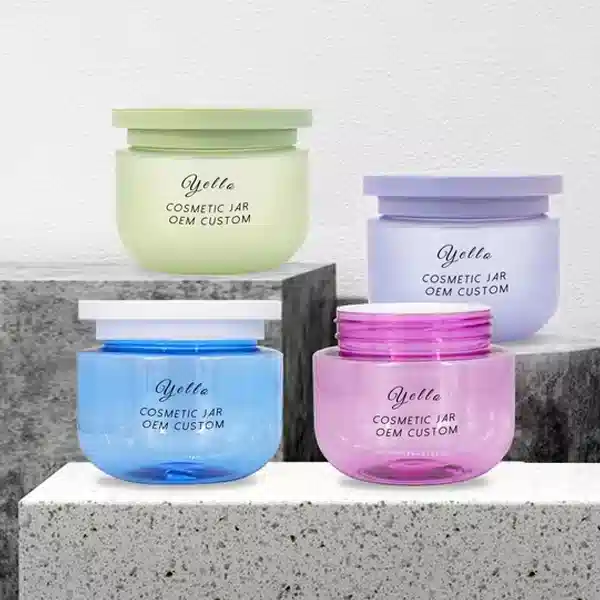
A stock image related to Plastic Cosmetic Jars Custom Cosmetic Packaging.
In-depth Look: Manufacturing Processes and Quality Assurance for Plastic Cosmetic Jars Custom Cosmetic Packaging
What Are the Main Stages in the Manufacturing Process for Plastic Cosmetic Jars?
The manufacturing of plastic cosmetic jars is a multi-stage process that requires careful attention to detail to ensure high-quality products. The primary stages include material preparation, forming, assembly, and finishing.
-
Material Preparation: The process begins with selecting the appropriate type of plastic, commonly polypropylene (PP) or polyethylene (PE), based on the desired characteristics such as durability, flexibility, and resistance to chemicals. The raw materials are then compounded with additives to enhance properties like UV resistance and color stability. These materials are typically sourced from reputable suppliers who provide documentation on the quality and safety of their plastics.
-
Forming: The next stage involves shaping the plastic into jars using techniques such as injection molding or blow molding. Injection molding is often preferred for its ability to produce complex shapes with precision. During this phase, the molten plastic is injected into molds that define the jar’s dimensions and design features. Temperature and pressure are closely monitored to ensure uniformity and prevent defects.
-
Assembly: After forming, various components, including lids and seals, are assembled. This may involve processes like ultrasonic welding or snap-fit assembly to ensure a secure and airtight closure. The assembly stage is crucial for ensuring the functionality of the jars, especially for products that require protection from external contaminants.
-
Finishing: The final stage of manufacturing involves surface treatment and decoration, such as labeling, screen printing, or applying coatings. These enhancements not only improve the aesthetic appeal of the jars but also contribute to branding efforts. Quality checks are performed at this stage to ensure that the final products meet the required specifications.
How Is Quality Assurance Implemented in the Production of Cosmetic Jars?
Quality assurance (QA) is critical in the production of plastic cosmetic jars to ensure that they meet international standards and client expectations. Various QA processes are implemented throughout the manufacturing cycle.
-
International Standards and Compliance: Most manufacturers adhere to ISO 9001 standards, which outline requirements for a quality management system. Compliance with these standards ensures that products are consistently produced and controlled according to quality standards. Additionally, industry-specific certifications such as CE (Conformité Européenne) for safety and API (Active Pharmaceutical Ingredient) compliance for cosmetic applications may be required.
-
Quality Control Checkpoints: Quality control is integrated into multiple stages of production:
– Incoming Quality Control (IQC): Raw materials are inspected upon arrival to verify their quality and specifications. This step is crucial as it prevents defective materials from entering the production process.
– In-Process Quality Control (IPQC): During the manufacturing process, random samples are taken at various stages to ensure that specifications are being met. Parameters such as weight, dimensions, and appearance are checked.
– Final Quality Control (FQC): Once the jars are produced and assembled, a final inspection is conducted to ensure that all products meet the established quality criteria. This includes functional testing to ensure seals are airtight and that jars are free from defects. -
Testing Methods: Common testing methods include:
– Mechanical Testing: This assesses the strength and flexibility of the jars under different conditions.
– Chemical Testing: Ensures that the jars do not interact adversely with the cosmetic products they will contain.
– Visual Inspection: A thorough check for cosmetic defects such as scratches, bubbles, or discoloration.
How Can B2B Buyers Verify Supplier Quality Control Practices?
B2B buyers, particularly those operating in diverse international markets, need to ensure that their suppliers maintain rigorous quality control practices. Here are several strategies to verify supplier quality:
-
Conducting Audits: Regular audits of suppliers can provide insights into their quality management processes. Buyers should request access to audit reports and certifications to evaluate compliance with relevant standards.
-
Requesting Quality Reports: Suppliers should provide documentation of their quality control processes, including IQC, IPQC, and FQC reports. These documents should detail the methodologies used, results of testing, and any corrective actions taken in response to quality issues.
-
Third-Party Inspections: Engaging third-party inspection services can add an additional layer of assurance. These independent entities can conduct thorough assessments of the supplier’s facilities and production processes, providing unbiased evaluations of quality compliance.
-
Understanding Certifications and Compliance Nuances: For international buyers, it’s essential to understand the specific certifications required in their target markets. For instance, European buyers may prioritize CE certification, while those in Africa or South America may look for compliance with local regulations. Suppliers should be able to demonstrate their ability to meet these varied requirements.
What Are the Unique Quality Assurance Considerations for International Buyers?
When sourcing plastic cosmetic jars from suppliers in different regions, international buyers must consider several unique factors:
-
Regional Compliance: Different regions may have varying regulations regarding cosmetic packaging. Buyers should ensure that suppliers are knowledgeable about and compliant with these regulations to avoid legal complications.
-
Cultural Expectations: Packaging aesthetics can vary significantly across cultures. Buyers should communicate their branding and design preferences clearly to ensure that products meet local market expectations.
-
Logistics and Supply Chain Management: International shipping can introduce risks related to product integrity. Buyers should discuss packaging and shipping methods with suppliers to ensure that products are adequately protected during transit.
-
Currency and Payment Risks: Fluctuating currencies and payment methods can impact transactions. Buyers should establish clear payment terms and consider using secure methods to mitigate risks.
By understanding the manufacturing processes and quality assurance measures involved in producing plastic cosmetic jars, B2B buyers can make informed decisions that align with their business needs and market demands. This comprehensive approach not only enhances product quality but also builds trust in supplier relationships, fostering successful international partnerships.
Practical Sourcing Guide: A Step-by-Step Checklist for ‘Plastic Cosmetic Jars Custom Cosmetic Packaging’
Introduction
In the competitive world of cosmetic packaging, sourcing plastic cosmetic jars requires a strategic approach. This guide provides a step-by-step checklist to help B2B buyers navigate the complexities of procuring custom cosmetic packaging that meets their specific needs. By following these steps, you can ensure that your sourcing process is efficient and effective, ultimately enhancing your product’s market appeal.
Step 1: Define Your Technical Specifications
Start by identifying the exact requirements for your plastic cosmetic jars. Consider aspects like size, shape, material type (e.g., PET, PP), and closure options. Clear specifications help communicate your needs to suppliers and ensure that the final product aligns with your brand’s vision.
- Size and Capacity: Determine the volume your jars need to hold, as this will impact your formulation and customer experience.
- Material Consideration: Choose materials that provide durability and compatibility with your product formulations.
Step 2: Research Potential Suppliers
Conduct thorough research to compile a list of potential suppliers specializing in cosmetic packaging. Look for manufacturers with a strong reputation in the industry and the capacity to meet your order volume.
- Industry Experience: Prioritize suppliers with a proven track record in cosmetic packaging, especially those familiar with the regulatory standards in your target markets.
- Product Range: A supplier offering a diverse range of jars will give you more options to meet various product lines.
Step 3: Evaluate Supplier Capabilities
Before committing, it’s crucial to vet suppliers thoroughly. Assess their production capabilities, including technology, quality control processes, and lead times.
- Quality Assurance: Inquire about their quality control measures to ensure that the jars meet your required standards consistently.
- Production Flexibility: Verify if the supplier can accommodate changes in order size or specifications, which is essential for scaling your business.
Step 4: Request Samples
Always request samples before finalizing your order. This allows you to evaluate the jars’ quality and design firsthand.
- Functionality Testing: Check if the jars perform well with your formulations, especially regarding sealing and dispensing.
- Aesthetic Assessment: Ensure that the jars’ appearance aligns with your branding and marketing goals.
Step 5: Verify Compliance and Certifications
Confirm that your chosen supplier complies with relevant industry standards and regulations. This is particularly important if you plan to market your products internationally.
- Certifications: Look for certifications such as ISO 9001, GMP (Good Manufacturing Practice), or others relevant to your market.
- Material Safety: Ensure that the materials used in the jars are safe for cosmetic use, particularly if they come into direct contact with skin.
Step 6: Negotiate Terms and Pricing
Engage in discussions with potential suppliers to negotiate pricing, payment terms, and delivery schedules. A clear understanding of these aspects can help you manage your budget effectively.
- Volume Discounts: Inquire about discounts for bulk orders, which can significantly reduce your overall costs.
- Payment Flexibility: Look for favorable payment terms that align with your cash flow needs.
Step 7: Establish a Communication Plan
Finally, set up a reliable communication plan with your supplier. Clear and ongoing communication ensures that any issues can be addressed promptly, fostering a positive working relationship.
- Regular Updates: Schedule regular check-ins to discuss order progress and any changes in requirements.
- Feedback Loop: Create a system for providing feedback on product quality and service, which helps improve future collaborations.
By following this checklist, B2B buyers can streamline their sourcing process for plastic cosmetic jars, ensuring they find the right packaging solutions that enhance their product offerings.

A stock image related to Plastic Cosmetic Jars Custom Cosmetic Packaging.
Comprehensive Cost and Pricing Analysis for Plastic Cosmetic Jars Custom Cosmetic Packaging Sourcing
What Are the Key Cost Components in Sourcing Plastic Cosmetic Jars?
When sourcing plastic cosmetic jars for custom packaging, several cost components come into play. The primary factors include materials, labor, manufacturing overhead, tooling, quality control (QC), logistics, and profit margins.
-
Materials: The choice of materials significantly impacts the overall cost. High-density polyethylene (HDPE) and polypropylene (PP) are common choices due to their durability and cost-effectiveness. However, opting for more premium materials or sustainable options can increase the cost.
-
Labor: Labor costs vary depending on the region and the complexity of the manufacturing process. Automated processes can reduce labor costs but may require a higher initial investment in machinery.
-
Manufacturing Overhead: This includes expenses associated with running the production facility, such as utilities, rent, and equipment maintenance. Efficient production processes can help lower these costs.
-
Tooling: Custom molds for plastic jars can be a significant upfront expense. The cost typically depends on the complexity of the design and the material used for the molds.
-
Quality Control: Ensuring product quality often requires additional inspections and testing, which can add to the overall cost. Certifications for food-grade or eco-friendly materials may also be required, impacting price.
-
Logistics: Shipping and handling costs are crucial, especially for international transactions. Factors like distance, shipping method, and customs duties can significantly influence the final price.
-
Margin: Suppliers will include a profit margin in their pricing, which can vary based on market conditions and competition.
How Do Price Influencers Affect the Cost of Plastic Cosmetic Jars?
Several factors influence the pricing of plastic cosmetic jars. Understanding these can help buyers make informed decisions.
-
Volume/MOQ: Minimum order quantities (MOQs) often dictate pricing. Larger orders typically reduce the per-unit cost, making it crucial for buyers to assess their needs accurately.
-
Specifications and Customization: Customized jars with unique designs, colors, or features will naturally cost more. Buyers should evaluate whether these customizations align with their branding and marketing strategies.
-
Material Quality and Certifications: The quality of materials used can significantly affect pricing. Higher-quality materials or those that meet specific certifications (like FDA approval) will come at a premium.
-
Supplier Factors: Supplier reputation and reliability can influence costs. Established suppliers might charge higher prices due to their proven track record and quality assurance processes.
-
Incoterms: Understanding Incoterms (International Commercial Terms) is vital for international buyers. These terms define the responsibilities of buyers and sellers regarding shipping costs, insurance, and risk management, impacting the total cost.
What Buyer Tips Can Enhance Cost-Efficiency When Sourcing Plastic Cosmetic Jars?
International B2B buyers can adopt several strategies to enhance cost-efficiency in sourcing plastic cosmetic jars.
-
Negotiation: Always be prepared to negotiate pricing with suppliers. Building a relationship can lead to better terms, especially for repeat orders.
-
Total Cost of Ownership (TCO): Consider not just the upfront cost but the total cost of ownership, which includes logistics, storage, and potential waste. This holistic view can lead to more cost-effective decisions.
-
Pricing Nuances for International Buyers: Be aware of currency fluctuations, tariffs, and trade agreements that may affect pricing. Engaging a local expert can provide insights into these factors.
-
Bulk Purchases and Long-term Contracts: If feasible, committing to larger orders or long-term contracts can yield significant discounts and ensure consistent supply.
-
Supplier Audits: Regularly auditing suppliers for efficiency, quality, and compliance can help identify potential cost savings and mitigate risks.
In conclusion, understanding the cost structure, price influencers, and effective negotiation strategies is essential for international B2B buyers looking to source plastic cosmetic jars. By being informed and strategic, buyers can enhance their purchasing efficiency and ultimately contribute to their brand’s success.
Alternatives Analysis: Comparing Plastic Cosmetic Jars Custom Cosmetic Packaging With Other Solutions
Introduction to Alternative Packaging Solutions in Cosmetics
In the competitive world of cosmetics, selecting the right packaging solution is crucial for product differentiation, functionality, and cost-effectiveness. While plastic cosmetic jars offer a versatile and economical option, several alternatives exist that can cater to different branding and operational needs. This analysis provides a comparison between plastic cosmetic jars custom packaging and two other viable solutions: glass jars and airless pump bottles.
Comparison Table
| Comparison Aspect | Plastic Cosmetic Jars Custom Cosmetic Packaging | Glass Jars | Airless Pump Bottles |
|---|---|---|---|
| Performance | Lightweight, durable, and resistant to breakage | Elegant, premium feel, excellent barrier properties | Protects product from contamination, dispenses accurately |
| Cost | Generally low-cost and suitable for bulk orders | Higher production costs, especially for custom designs | Mid-range costs; may vary based on features |
| Ease of Implementation | Simple to manufacture and customize | Requires more complex manufacturing processes | Requires precise engineering for airless functionality |
| Maintenance | Easy to clean and recycle | Fragile; requires careful handling | Limited maintenance; needs occasional cleaning |
| Best Use Case | Ideal for creams, gels, and lotions | Best for premium products, scrubs, and oils | Perfect for sensitive formulations like serums and creams |
Detailed Breakdown of Alternatives
Glass Jars
Glass jars are often seen as the gold standard in cosmetic packaging due to their aesthetic appeal and product protection capabilities. They provide an upscale presentation that can enhance the perceived value of a product. However, they come with higher production costs and are more fragile, making them less suitable for high-volume shipping. Additionally, the manufacturing process for glass is more complex, which can lead to longer lead times. While they offer excellent barrier properties, the risk of breakage can lead to increased costs in damaged goods.
Airless Pump Bottles
Airless pump bottles represent a modern solution for packaging cosmetic products, particularly those sensitive to air exposure. These containers utilize a vacuum mechanism to dispense the product while preventing contamination, thus preserving the integrity of the formulation. They are ideal for serums and creams that require precision in dispensing. However, airless pump bottles can be more expensive than traditional options, and their engineering complexity may pose challenges during manufacturing. Despite these drawbacks, they offer significant advantages for brands focusing on high-quality, long-lasting products.
Conclusion: Choosing the Right Cosmetic Packaging Solution
When selecting a packaging solution, B2B buyers must consider their specific product requirements, target market, and branding strategy. Plastic cosmetic jars offer a cost-effective and versatile option suitable for a wide range of products, particularly for brands aiming for high volume and affordability. In contrast, glass jars cater to premium segments, while airless pump bottles provide protection for sensitive formulations. Evaluating these factors will enable businesses to make informed decisions that align with their operational goals and market positioning.
Essential Technical Properties and Trade Terminology for Plastic Cosmetic Jars Custom Cosmetic Packaging
What Are the Key Technical Properties of Plastic Cosmetic Jars?
When selecting plastic cosmetic jars for custom packaging, understanding the essential technical properties is critical for ensuring product quality, safety, and marketability. Here are several key specifications to consider:
1. Material Grade
The material grade refers to the type of plastic used in the jars, commonly polypropylene (PP), polyethylene (PE), or acrylonitrile butadiene styrene (ABS). High-quality materials not only enhance durability and aesthetic appeal but also ensure compatibility with various cosmetic formulations. B2B buyers must prioritize material grades that provide a barrier against moisture and chemicals, thus preserving product integrity.
2. Tolerance
Tolerance indicates the permissible limit of variation in the dimensions of the jars. This property is crucial when ensuring that the jars fit standard closures and packaging lines. A tight tolerance minimizes the risk of leaks and product contamination, which is particularly important for liquid or cream-based cosmetics. Buyers should specify tolerances to guarantee consistent quality across large production runs.
3. Brim Capacity vs. Nominal Capacity
Brim capacity is the maximum volume a jar can hold, while nominal capacity refers to the intended fill level. Understanding these capacities helps brands optimize their product formulations and marketing strategies. Accurate capacity measurements ensure compliance with regulatory standards and enhance customer satisfaction by providing the right amount of product.
4. Barrier Properties
Barrier properties define how well the packaging protects the contents from external factors like oxygen, light, and moisture. For cosmetic products sensitive to degradation, selecting jars with superior barrier properties is essential. This is especially critical for products containing natural ingredients, which may have shorter shelf lives.
5. Surface Finish
The surface finish of plastic jars can significantly impact branding and customer perception. Options include matte, glossy, or frosted finishes, each providing a different visual and tactile experience. B2B buyers should consider how the finish aligns with their brand image and customer expectations, as it can influence purchasing decisions.
What Are Common Trade Terms in Plastic Cosmetic Jar Packaging?
Navigating the world of B2B packaging involves familiarizing oneself with specific trade terminology. Here are some commonly used terms that are essential for effective communication and negotiation:
1. OEM (Original Equipment Manufacturer)
OEM refers to a company that produces parts or equipment that may be marketed by another manufacturer. In the context of cosmetic jars, buyers often work with OEMs to customize jars that meet specific branding or functional requirements. Understanding OEM relationships can facilitate smoother negotiations and product development processes.
2. MOQ (Minimum Order Quantity)
MOQ is the smallest quantity of a product that a supplier is willing to sell. This term is vital for B2B buyers to understand as it affects inventory management and cash flow. Buyers should evaluate their sales forecasts to determine if they can meet the MOQ requirements without overextending their resources.
3. RFQ (Request for Quotation)
An RFQ is a document that buyers send to suppliers to solicit price quotes for specific products. This process helps buyers compare costs and terms across different suppliers. Crafting a detailed RFQ can lead to more accurate quotes and better negotiation outcomes.
4. Incoterms (International Commercial Terms)
Incoterms are a set of international rules that define the responsibilities of buyers and sellers in the shipping process. Familiarity with these terms helps B2B buyers understand shipping costs, risks, and responsibilities, which is crucial for effective supply chain management.
5. Customization
Customization refers to the ability to modify a product according to specific client requirements. In the context of cosmetic jars, this may include shape, size, color, or labeling. Offering customizable options can enhance a brand’s appeal and create a more personalized customer experience.
By understanding these technical properties and trade terminologies, B2B buyers can make informed decisions when sourcing plastic cosmetic jars for their packaging needs, ensuring a successful partnership with suppliers and ultimately enhancing their market presence.
Navigating Market Dynamics and Sourcing Trends in the Plastic Cosmetic Jars Custom Cosmetic Packaging Sector
What Are the Key Market Dynamics and Trends in Plastic Cosmetic Jars Custom Cosmetic Packaging?
The global market for plastic cosmetic jars custom cosmetic packaging is witnessing significant growth, driven by an increase in consumer demand for high-quality, aesthetically pleasing packaging solutions. International buyers, particularly from Africa, South America, the Middle East, and Europe, are increasingly prioritizing packaging that not only enhances product visibility but also aligns with brand identity. Emerging trends include the rise of multifunctional packaging, where jars are designed with innovative features such as airless dispensing systems, which help preserve product integrity and enhance user experience.
Technological advancements are also influencing sourcing strategies, with automation and digital platforms streamlining the procurement process. B2B buyers can leverage online marketplaces to compare products, prices, and suppliers efficiently, enabling them to make informed decisions. Additionally, customizability is becoming a critical factor, as brands seek to differentiate themselves in a crowded market. This demand for bespoke solutions is prompting suppliers to offer more diverse options in terms of shapes, sizes, and materials.
Furthermore, the trend towards eco-friendliness is reshaping purchasing behavior. Buyers are increasingly scrutinizing the environmental impact of their packaging choices and seeking suppliers that adhere to sustainable practices. This shift is not only a response to consumer preferences but also a proactive measure to comply with regulatory requirements across different regions.
How Is Sustainability Impacting the Sourcing of Plastic Cosmetic Jars?
Sustainability has become a pivotal concern in the sourcing of plastic cosmetic jars. The environmental impact of plastic waste has prompted both consumers and businesses to prioritize eco-friendly packaging solutions. B2B buyers are now looking for suppliers that offer recyclable, biodegradable, or post-consumer recycled (PCR) materials. These sustainable options not only reduce environmental harm but also resonate with increasingly eco-conscious consumers, enhancing brand loyalty.
Ethical sourcing is also a significant aspect of sustainability. Buyers are encouraged to investigate their supply chains, ensuring that materials are sourced responsibly and that suppliers maintain ethical labor practices. Certifications such as ISO 14001 for environmental management and FSC (Forest Stewardship Council) for sustainable materials can serve as indicators of a supplier’s commitment to sustainability.
As brands face pressure to demonstrate their environmental responsibility, adopting sustainable packaging is not just a trend but a strategic necessity. By prioritizing sustainable sourcing, B2B buyers can contribute to reducing their carbon footprint while also meeting the growing consumer demand for responsible business practices.
What Is the Evolution of Plastic Cosmetic Jars in Custom Cosmetic Packaging?
The evolution of plastic cosmetic jars has been marked by innovation and adaptability to changing consumer preferences and market demands. Initially, cosmetic packaging relied heavily on glass and metal, but the rise of plastic materials in the late 20th century revolutionized the industry. Plastic jars offered advantages such as lighter weight, durability, and versatility in design, making them a popular choice for brands looking to enhance their product offerings.
As consumer awareness around sustainability grew, manufacturers began to innovate with eco-friendly plastic options, such as those made from recycled materials. This evolution reflects a broader trend in the cosmetic industry towards sustainability and ethical sourcing, driving brands to rethink their packaging strategies. Today, the market is characterized by a diverse range of customizable options, allowing brands to create unique packaging solutions that not only protect their products but also communicate their brand values effectively.
This historical context highlights the ongoing transformation within the plastic cosmetic jars sector, emphasizing the need for B2B buyers to stay informed about emerging trends and innovations to remain competitive in the market.
Frequently Asked Questions (FAQs) for B2B Buyers of Plastic Cosmetic Jars Custom Cosmetic Packaging
-
How do I ensure the quality of plastic cosmetic jars when sourcing from international suppliers?
To ensure quality, start by conducting thorough research on potential suppliers. Request samples to evaluate the material, durability, and finish of the jars. Consider suppliers who provide certifications for their products, such as ISO or GMP standards. Additionally, visiting the supplier’s facility, if feasible, can offer insights into their production processes. Finally, establish a clear quality assurance protocol to monitor product quality during production and before shipment. -
What is the best material for plastic cosmetic jars?
The best material for plastic cosmetic jars often depends on the product being packaged. High-Density Polyethylene (HDPE) and Polypropylene (PP) are popular choices for their durability and chemical resistance. If the product is sensitive to light, consider using opaque or frosted jars. For eco-conscious brands, look for jars made from recycled materials or those that are recyclable themselves. Assess your product’s needs and your brand’s sustainability goals to make the right choice. -
What customization options are available for plastic cosmetic jars?
Customization options for plastic cosmetic jars can include size, shape, color, and printing. Many suppliers offer the ability to print your logo or product information directly on the jar, enhancing brand visibility. You may also choose different lid styles, such as screw-on or flip-top, and additional features like airless pumps or spatulas for convenience. Discuss your specific requirements with suppliers to find a solution that aligns with your branding and functionality needs. -
What are the minimum order quantities (MOQs) for plastic cosmetic jars?
Minimum order quantities for plastic cosmetic jars can vary significantly based on the supplier and the level of customization required. Generally, MOQs can range from a few hundred to several thousand units. For customized products, expect higher MOQs due to the setup costs involved. Always clarify MOQs upfront and consider negotiating with suppliers, especially if you plan to establish a long-term partnership. -
What payment terms should I expect when sourcing plastic cosmetic jars internationally?
Payment terms can vary widely depending on the supplier’s policies and the buyer’s creditworthiness. Common terms include a deposit (typically 30-50%) upfront, with the balance due before shipment. Some suppliers may offer letters of credit or payment through escrow services for larger orders. Always ensure that payment terms are clearly defined in your contract to avoid misunderstandings and protect your investment. -
How can I vet suppliers for plastic cosmetic jars effectively?
Vetting suppliers involves several steps: check their business credentials, read reviews, and request references from other clients. Evaluate their production capabilities and quality control processes. It’s also advisable to visit their facility, if possible, or conduct a virtual tour. Additionally, consider third-party verification services that can provide an independent assessment of the supplier’s reliability and compliance with international standards. -
What should I consider regarding logistics when importing plastic cosmetic jars?
When importing plastic cosmetic jars, consider factors such as shipping methods, lead times, and customs regulations. Choose between air freight for faster delivery or sea freight for cost savings, depending on your urgency and budget. Ensure that you understand the import duties and taxes applicable to your products in your country. Collaborating with a logistics partner experienced in international trade can help streamline the process and avoid potential pitfalls. -
How can I handle quality assurance for cosmetic jars during international shipping?
To manage quality assurance during international shipping, establish a clear inspection process before shipment. Request a pre-shipment inspection from a third-party quality control service to ensure the jars meet your specifications. Additionally, consider using tamper-evident seals or labeling to maintain product integrity during transit. Communicate with your logistics partner to monitor conditions during shipping, and have a plan in place for addressing any issues that may arise post-delivery.
Important Disclaimer & Terms of Use
⚠️ Important Disclaimer
The information provided in this guide, including content regarding manufacturers, technical specifications, and market analysis, is for informational and educational purposes only. It does not constitute professional procurement advice, financial advice, or legal advice.
While we have made every effort to ensure the accuracy and timeliness of the information, we are not responsible for any errors, omissions, or outdated information. Market conditions, company details, and technical standards are subject to change.
B2B buyers must conduct their own independent and thorough due diligence before making any purchasing decisions. This includes contacting suppliers directly, verifying certifications, requesting samples, and seeking professional consultation. The risk of relying on any information in this guide is borne solely by the reader.
Top 9 Plastic Cosmetic Jars Custom Cosmetic Packaging Manufacturers & Suppliers List
1. Qosmedix – Cosmetic Jars

Domain: qosmedix.com
Registered: 1994 (31 years)
Introduction: Key Product Details:
– Product Type: Cosmetic Jars
– Color Options: Amber, Black, Blue, Clear, Frosted, Natural, Purple, Silver, White
– Size Range: 1 to 3 ml, 4 ml to 6 ml, 7 ml to 9 ml, 10 ml to 14 ml, 15 ml to 20 ml, 21 ml to 30 ml, 31 ml to 50 ml
– Types Available: Airless, Divided, Double Wall, EQO-Friendly, Hinged, Plastic, Screw Cap & Plug, Sifter, Single Wall, Thick Wall
– Features: Stacka…
2. Cosmetic Packaging Now – Luxe & Pure Airless Bottles

Domain: cosmeticpackagingnow.com
Registered: 2017 (8 years)
Introduction: Luxe 30 ML Airless Bottle Matte Silver with Frosted Bottle From $1.83 USD; Luxe 50 ML Airless Bottle Matte Silver with Frosted Bottle From $1.52 USD; Pure 50 ML White PP Airless Bottle with Frosted Cap From $1.45 USD; Pure 30 ML White PP Airless Bottle with Frosted Cap From $0.79 USD; Pure 150 ML White PP Airless Bottle with Frosted Cap From $1.55 USD; Pure 100 ML White PP Airless Bottle with Fros…
3. Jarsking – Custom Cosmetic Packaging
Domain: jarsking.com
Registered: 2022 (3 years)
Introduction: Custom Cosmetic Packaging Manufacturer offering a wide range of products including glass bottles, luxury jars, tubes, and premium paper boxes. Key product categories include skincare (face cream jars, essential oil bottles, lotion bottles, serum glass bottles), personal care (shampoo and conditioner bottles, body lotion bottles), and makeup (foundation bottles, lip gloss tubes, mascara tubes). Mat…
4. Cosmopacks – Wholesale Cosmetic Packaging Solutions

Domain: cosmopacks.com
Registered: 2015 (10 years)
Introduction: Cosmopacks offers a variety of wholesale cosmetic packaging solutions, including airless bottles, lotion bottles, roll-on bottles, cosmetic tubes, cosmetic jars, and recycled cosmetic bottles. They provide customized and sustainable packaging options, with a minimum order quantity starting at 5000 units, which can be lowered for startups. Their products are made from eco-friendly materials, includ…
5. Gidea PAC – Wholesale Cosmetic Jars

Domain: gideapac.com
Registered: 2023 (2 years)
Introduction: Gidea PAC offers wholesale plastic and glass cosmetic jars in various shapes and colors, including square skincare jars and smooth glass jars with wide mouths. The product line includes options for day and night use, with customizable colors and high-quality vinyl labels for branding. Sizes range from 5g to 250g, with customization available for shape, cap, and color. Materials include glass, acry…
6. SKS Bottle – Cosmetic Containers & Packaging

Domain: sks-bottle.com
Registered: 1997 (28 years)
Introduction: Cosmetic Containers, Makeup Containers, Bottles & Jars for Beauty Products; Custom Labels; Caps; Metal Tins; Cans; Plastic Jars; Plastic Bottles; Glass Vials; Glass Jars; Glass Bottles; Glass Containers; Glass Bottles by Color (Clear, Blue, Green, Amber, Frosted); Glass Bottles by Shape (Round, Sauce, Dropper, Square, Roll-On, Specialty, Beverage); Glass Bottles by Size (5-10 ml, 1/2 oz, 1 oz, 2 o…
7. Kaufman Container – Wholesale Cosmetic Packaging Solutions

Domain: kaufmancontainer.com
Registered: 2001 (24 years)
Introduction: Kaufman Container offers a variety of wholesale cosmetic packaging solutions including glass containers, plastic containers, caps and closures, and plastic tubes. Key products include high-end cosmetic containers such as small glass perfume bottles, propel-repel deodorant sticks, industrial plastic gallon jugs for hair care, heavy wall PET bottles and jars, and airless pumps. The heavy wall PET co…
8. Candle Science – Key Cosmetic Packaging Products

Domain: candlescience.com
Registered: 2002 (23 years)
Introduction: Cosmetic Packaging offers a variety of containers ideal for showcasing handcrafted products. Key products include: 1 oz Flat Tin with Screw Top Lid ($36.19), 0.5 oz Flat Tin with Screw Top Lid ($31.39), 0.25 oz Small Slide Top Tin ($35.71), 8 oz Clear Single Wall PET Jar with Matte Black Lid ($8.45), 8 oz Clear Single Wall PET Jar with Matte White Lid ($8.45), 4 oz Clear Single Wall PET Jar with M…
9. Green Earth Packaging – Eco-Friendly Cosmetic Jars
Domain: greenearthpackaging.com
Registered: 2013 (12 years)
Introduction: Plastic Cosmetic Jars available in clear and black colors. Sizes include 2 oz, 3 oz, and 4 oz. Eco-friendly, recyclable, and durable. Prices start as low as $0.18 per unit. Options for bulk purchasing with case prices available. Suitable for various cosmetics, health and beauty products, and household storage. BPA free, vegan, cruelty-free, and customizable. Price beat guarantee offered.
Strategic Sourcing Conclusion and Outlook for Plastic Cosmetic Jars Custom Cosmetic Packaging
How Can Strategic Sourcing Enhance Your Cosmetic Packaging Solutions?
In today’s competitive beauty market, the importance of strategic sourcing for plastic cosmetic jars cannot be overstated. By carefully selecting suppliers who prioritize quality, sustainability, and innovation, businesses can not only improve their product offerings but also enhance brand reputation and customer satisfaction. The diverse range of customizable options available—from sizes to materials—allows brands to tailor their packaging to meet specific market demands, particularly in regions like Africa, South America, the Middle East, and Europe.
Moreover, leveraging partnerships with reliable suppliers can lead to cost efficiencies and better inventory management, ensuring that businesses remain agile and responsive to market trends. As global consumers increasingly prioritize eco-friendly packaging, sourcing sustainable materials will not only meet regulatory demands but also resonate with environmentally conscious buyers.
As you look to the future, now is the time to invest in strategic sourcing initiatives that align with your brand’s goals. Collaborate with trusted suppliers to explore innovative packaging solutions that stand out in the marketplace. By doing so, you position your brand for success, capturing new opportunities and driving growth in an evolving industry landscape.




 English
  Russian
  Spanish
  Italian
  Thai
Thai  French
  Arabic
  Portuguese
  Indonesian
  German






