
Introduction: Navigating the Global Market for Ocean Bound Plastic PE Bottles with Pump Suit for Skincare’s Packaging
In today’s competitive landscape, sourcing Ocean Bound Plastic PE Bottles with Pump Suit for skincare packaging presents a significant challenge for international B2B buyers. As sustainability becomes a priority for consumers and brands alike, the demand for eco-friendly packaging solutions is on the rise. However, navigating the myriad of suppliers, understanding the benefits of ocean-bound plastics, and evaluating the cost implications can often feel overwhelming, particularly for buyers from regions such as Africa, South America, the Middle East, and Europe, including countries like Vietnam and Saudi Arabia.
This comprehensive guide is designed to empower B2B buyers by providing in-depth insights into the global market for ocean-bound plastic packaging. It covers a range of essential topics, including the types of ocean-bound plastic bottles available, their various applications in skincare, and crucial factors for vetting suppliers. Furthermore, the guide addresses cost considerations and highlights the long-term benefits of investing in sustainable packaging solutions. By equipping international buyers with the knowledge they need, this resource aims to facilitate informed purchasing decisions, enabling companies to align their packaging choices with both their business goals and environmental commitments. Ultimately, this guide serves as a valuable tool for those looking to make a positive impact on the planet while meeting the evolving demands of the skincare market.
Understanding Ocean Bound Plastic PE Bottles with Pump Suit for Skincare’s Packaging Types and Variations
| Type Name | Key Distinguishing Features | Primary B2B Applications | Brief Pros & Cons for Buyers |
|---|---|---|---|
| Cylinder Smooth Surface Cosmetic Jar | Sleek design, smooth surface, various sizes | Moisturizers, creams, and serums | Pros: Aesthetic appeal, easy to label. Cons: Limited durability against impacts. |
| Cylinder PP Airless Pump Bottle with Overcap | Airless technology, enhances product shelf life, multiple sizes | Lotions, gels, and serums | Pros: Reduces contamination, preserves product integrity. Cons: Higher production cost. |
| Ocean-Bound Plastic Airless Bottle | Made from recycled ocean-bound plastic, eco-friendly | High-end skincare and cosmetic products | Pros: Sustainable choice, strong market appeal. Cons: Availability may vary. |
| Mono-material Ocean Bound Plastic Jar | Single-material design for easier recycling | Creams, masks, and balms | Pros: Simplifies recycling process, environmentally friendly. Cons: May limit design options. |
| Refillable Ocean Bound Plastic Pump Bottle | Refillable design, promotes sustainability | Daily use lotions and skincare treatments | Pros: Cost-effective in the long run, eco-conscious branding. Cons: Initial investment may be higher. |
What Are the Characteristics of Cylinder Smooth Surface Cosmetic Jars?
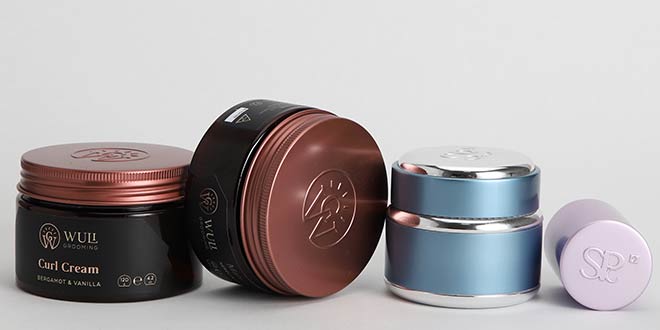
Cylinder smooth surface cosmetic jars are characterized by their elegant design and versatility in size. These jars are ideal for packaging a range of skincare products, including moisturizers and serums. B2B buyers appreciate their aesthetic appeal, which enhances brand presentation on retail shelves. However, it’s crucial to consider that while they offer visual appeal, they may not withstand heavy impacts, potentially leading to breakage during shipping or handling.
How Do Cylinder PP Airless Pump Bottles with Overcaps Enhance Product Shelf Life?
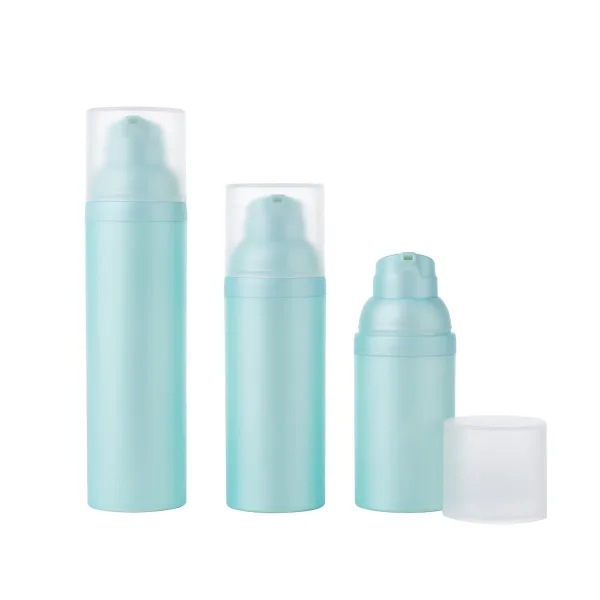
Cylinder PP airless pump bottles are designed with airless technology that prevents product contamination and oxidation, significantly extending the shelf life of sensitive formulations. These bottles are particularly suitable for lotions and gels that require preservation from environmental factors. For B2B buyers, the added cost associated with airless technology is often justified by the increased product longevity and customer satisfaction, as they ensure that the product remains effective until the last drop.
Why Choose Ocean-Bound Plastic Airless Bottles for High-End Skincare?
Ocean-bound plastic airless bottles are crafted from recycled materials collected from coastal areas, making them an environmentally responsible choice. These bottles not only appeal to eco-conscious consumers but also support brands in promoting sustainability initiatives. B2B buyers should consider the strong market demand for sustainable packaging, although they must also be aware of potential supply chain fluctuations that could affect availability.
What Advantages Do Mono-Material Ocean Bound Plastic Jars Offer for Recycling?
Mono-material ocean-bound plastic jars are designed to facilitate recycling, as they are made from a single type of material. This characteristic simplifies the recycling process, making it easier for consumers to dispose of them responsibly. These jars are ideal for creams and masks, and B2B buyers should weigh the benefits of environmental sustainability against potential limitations in design flexibility, as mono-material options may offer fewer aesthetic variations.
How Do Refillable Ocean Bound Plastic Pump Bottles Support Sustainability?
Refillable ocean-bound plastic pump bottles are an innovative solution that promotes sustainability in the skincare industry. By allowing consumers to refill their bottles, brands can reduce overall plastic waste and encourage eco-friendly practices. B2B buyers should consider the long-term cost savings associated with refilling systems, although the initial investment may be higher. This approach not only enhances brand loyalty but also aligns with growing consumer preferences for sustainable products.
Key Industrial Applications of Ocean Bound Plastic PE Bottles with Pump Suit for Skincare’s Packaging
| Industry/Sector | Specific Application of Ocean Bound Plastic PE Bottles with Pump Suit for Skincare’s Packaging | Value/Benefit for the Business | Key Sourcing Considerations for this Application |
|---|---|---|---|
| Cosmetics | Packaging for lotions, creams, and serums | Enhances brand image by promoting sustainability | Ensure compliance with regional regulations and certifications |
| Personal Care | Dispensers for body washes and shampoos | Reduces plastic waste and appeals to eco-conscious consumers | Quality control in sourcing recycled materials |
| Health & Wellness | Packaging for natural and organic skincare products | Aligns with consumer demand for sustainable products | Verification of the supply chain and material sourcing |
| E-commerce & Retail | Online sales packaging for skincare kits | Increases customer loyalty through eco-friendly branding | Logistics and shipping considerations for international trade |
| Spa and Wellness Centers | Refillable and eco-friendly packaging for spa products | Supports a circular economy and reduces operational costs | Customization options to meet branding requirements |
How are Ocean Bound Plastic PE Bottles with Pump Used in the Cosmetics Industry?
In the cosmetics sector, Ocean Bound Plastic PE Bottles with Pump are primarily used to package lotions, creams, and serums. These bottles not only offer aesthetic appeal but also highlight a brand’s commitment to sustainability, which is increasingly important to consumers. By utilizing recycled materials, brands can effectively reduce their environmental footprint while attracting eco-conscious buyers. International B2B buyers must ensure that their suppliers comply with local regulations and certifications regarding the use of recycled materials.
What Role Do These Bottles Play in Personal Care Products?
For personal care items like body washes and shampoos, these bottles serve as effective dispensers that enhance user experience. The use of ocean-bound plastic helps mitigate the issue of plastic waste entering oceans, which resonates well with consumers looking for environmentally responsible products. Buyers in regions such as Africa and South America should prioritize suppliers that maintain high-quality standards and can guarantee the integrity of their recycled materials.
How are Ocean Bound Plastic Bottles Beneficial for Health & Wellness Brands?
In the health and wellness industry, these bottles are ideal for packaging natural and organic skincare products. They not only reflect the brand’s commitment to sustainability but also cater to the growing consumer demand for eco-friendly options. B2B buyers need to verify the supply chain and ensure that the sourced materials meet their quality standards to maintain product integrity and consumer trust.
Why are These Bottles Important for E-commerce & Retail?
In the e-commerce and retail sectors, Ocean Bound Plastic PE Bottles with Pump are used for packaging skincare kits, allowing brands to enhance their eco-friendly image. As consumers increasingly prefer sustainable options, these bottles can help establish customer loyalty and differentiate products in a crowded market. Buyers must consider logistics and shipping requirements, especially when sourcing internationally, to ensure that packaging remains intact during transit.
How Do Spa and Wellness Centers Benefit from Using These Bottles?
Spa and wellness centers leverage Ocean Bound Plastic PE Bottles for their refillable and eco-friendly packaging solutions. This approach not only supports a circular economy but also aids in reducing operational costs associated with single-use plastics. Customization options are crucial for these buyers, as they often seek unique designs that align with their branding while still adhering to sustainability principles.

A stock image related to Ocean Bound Plastic PE Bottles with Pump Suit for Skincare’s Packaging.
3 Common User Pain Points for ‘Ocean Bound Plastic PE Bottles with Pump Suit for Skincare’s Packaging’ & Their Solutions
Scenario 1: Difficulty in Sourcing Reliable Suppliers for Ocean Bound Plastic Bottles
The Problem:
B2B buyers often encounter significant challenges when sourcing ocean-bound plastic PE bottles with pumps. The market is saturated with suppliers, many of whom may not provide verified, high-quality products. Buyers from regions like Africa or South America may struggle to identify trustworthy manufacturers that ensure sustainability and compliance with international standards. This uncertainty can lead to subpar packaging solutions, which can compromise brand integrity and customer satisfaction.
The Solution:
To overcome this sourcing challenge, buyers should focus on establishing relationships with suppliers who have a transparent supply chain and certification in sustainable practices. Conduct thorough due diligence by requesting product samples, certifications, and references from previous clients. Look for suppliers that showcase their commitment to sustainability through certifications like ISO 14001 or specific ocean-bound plastic recycling certifications. Additionally, leveraging online platforms that specialize in B2B transactions can streamline the search process, enabling buyers to compare various suppliers based on reviews, product quality, and pricing structures.
Scenario 2: Concerns About the Quality and Durability of Ocean Bound Plastic Packaging
The Problem:
Another prevalent issue is the perceived quality of ocean-bound plastic packaging. Buyers may be skeptical about whether these materials can maintain the integrity of skincare products, particularly in markets where extreme temperatures and humidity levels can affect product performance. This concern can deter businesses from fully committing to sustainable packaging solutions, which could ultimately impact their market competitiveness.
The Solution:
To address quality concerns, buyers should prioritize suppliers that conduct extensive testing on their ocean-bound plastic products. Inquire about the testing methods used to evaluate factors such as UV resistance, thermal stability, and barrier properties. Request detailed product specifications and performance data to ensure that the packaging meets industry standards for skincare products. Engaging in pilot testing can also be beneficial; this allows companies to assess the packaging’s performance in real-world conditions before a full-scale rollout. By emphasizing quality alongside sustainability, businesses can confidently offer consumers reliable and eco-friendly packaging options.
Scenario 3: Navigating Regulatory Compliance for Eco-Friendly Packaging
The Problem:
As environmental regulations evolve globally, B2B buyers face the daunting task of ensuring their packaging solutions comply with various local and international laws. This is particularly true for those sourcing ocean-bound plastic bottles, where specific regulations may apply depending on the region. Failing to comply can result in costly fines, product recalls, or damage to brand reputation.
The Solution:
To effectively navigate regulatory compliance, buyers should stay informed about the specific regulations governing packaging materials in their target markets. Collaborating with legal experts or consultants specializing in environmental law can provide valuable insights into the necessary compliance steps. Additionally, seek suppliers who proactively provide documentation and support regarding compliance with relevant regulations, such as the European Union’s Single-Use Plastics Directive or similar guidelines in other regions. Establishing a compliance checklist tailored to the regions in which the products will be sold can streamline the process, ensuring that all packaging solutions meet the required standards before they hit the market. By being proactive in compliance, businesses can mitigate risks and reinforce their commitment to sustainable practices.
Strategic Material Selection Guide for Ocean Bound Plastic PE Bottles with Pump Suit for Skincare’s Packaging
What Are the Key Materials for Ocean Bound Plastic PE Bottles with Pump Suit for Skincare’s Packaging?
When selecting materials for Ocean Bound Plastic (OBP) PE bottles with pump suits for skincare packaging, it is essential to consider various factors such as performance, cost, and compliance with international standards. Below is an analysis of several common materials used in this context, focusing on their properties, advantages, disadvantages, and specific considerations for international B2B buyers.
1. Ocean Bound Polyethylene (OBPE)
Key Properties:
OBPE is known for its excellent flexibility and impact resistance, making it suitable for skincare products that may be exposed to varying temperatures and handling conditions. It typically withstands temperatures up to 80°C and has good chemical resistance against various skincare ingredients.
Pros & Cons:
The primary advantage of OBPE is its sustainability profile, as it repurposes plastic waste while maintaining durability. However, it can be more expensive than virgin polyethylene due to the recycling processes involved. Manufacturing complexity may also increase, requiring specialized equipment.
Impact on Application:
OBPE is compatible with a wide range of skincare formulations, including creams, lotions, and serums, ensuring product integrity over time.
Considerations for International Buyers:
Buyers from regions like Africa and the Middle East should ensure compliance with local regulations regarding recycled materials, as some markets may have stricter guidelines. Familiarity with standards such as ASTM D6400 for compostability can also be beneficial.
2. Recycled Polypropylene (rPP)
Key Properties:
Recycled polypropylene offers good thermal stability and is resistant to various chemicals, making it suitable for skincare products. It can withstand temperatures up to 120°C, which is beneficial for products that may require sterilization.
Pros & Cons:
The key advantage of rPP is its cost-effectiveness, as it generally has a lower price point compared to OBPE. However, its mechanical properties may not match those of virgin polypropylene, potentially affecting the bottle’s robustness.
Impact on Application:
rPP is ideal for packaging lotions and creams but may not be suitable for products requiring high barrier properties, such as serums containing volatile ingredients.
Considerations for International Buyers:
Compliance with recycling standards like ISO 14021 is crucial for buyers in Europe and South America. Understanding local recycling capabilities can also impact sourcing decisions.
3. Ocean Bound PET (OBPET)
Key Properties:
OBPET is recognized for its high strength and excellent barrier properties, particularly against moisture and oxygen. It typically performs well in temperatures up to 70°C and is resistant to UV light, which is essential for preserving product efficacy.
Pros & Cons:
The main advantage of OBPET is its ability to protect sensitive formulations, extending shelf life. However, it is generally more expensive than other materials due to the complexities involved in processing ocean-bound plastics.
Impact on Application:
OBPET is particularly well-suited for packaging high-end skincare products, ensuring that formulations remain stable and effective throughout their shelf life.
Considerations for International Buyers:
Buyers must consider the regulatory environment in their regions, as some countries may have specific requirements for the use of recycled materials in cosmetics. Familiarity with standards like JIS K 6850 for recycled plastics can be advantageous.
4. Ocean Bound High-Density Polyethylene (OBHDPE)
Key Properties:
OBHDPE is known for its high tensile strength and resistance to impact, withstanding temperatures up to 90°C. It is also resistant to many chemicals, making it suitable for various skincare applications.
Pros & Cons:
The key advantage of OBHDPE is its durability and versatility, which can accommodate various product types. However, it may have a higher carbon footprint compared to other recycled materials, depending on the sourcing and processing methods.
Impact on Application:
OBHDPE is suitable for a wide range of skincare products, from lotions to thicker creams, ensuring product integrity and safety.
Considerations for International Buyers:
For buyers in regions like Saudi Arabia and Vietnam, understanding local sustainability initiatives and certifications can help in making informed sourcing decisions. Compliance with international standards such as ISO 9001 for quality management may also be relevant.
Summary Table of Material Selection
| Material | Typical Use Case for Ocean Bound Plastic PE Bottles with Pump Suit for Skincare’s Packaging | Key Advantage | Key Disadvantage/Limitation | Relative Cost (Low/Med/High) |
|---|---|---|---|---|
| Ocean Bound Polyethylene (OBPE) | Creams, lotions, and serums | Sustainable and durable | Higher cost due to recycling processes | Medium |
| Recycled Polypropylene (rPP) | Lotions and creams | Cost-effective | Mechanical properties may be inferior | Low |
| Ocean Bound PET (OBPET) | High-end skincare products | Excellent barrier properties | Generally more expensive | High |
| Ocean Bound High-Density Polyethylene (OBHDPE) | Wide range of skincare products, including thicker creams | High tensile strength and versatility | Potentially higher carbon footprint | Medium |
A stock image related to Ocean Bound Plastic PE Bottles with Pump Suit for Skincare’s Packaging.
In-depth Look: Manufacturing Processes and Quality Assurance for Ocean Bound Plastic PE Bottles with Pump Suit for Skincare’s Packaging
What Are the Key Stages in Manufacturing Ocean Bound Plastic PE Bottles with Pump Suits for Skincare Packaging?
The manufacturing process for Ocean Bound Plastic (OBP) PE bottles with pump suits is a meticulous journey that transforms discarded plastics into functional, eco-friendly packaging. Understanding this process is crucial for B2B buyers who prioritize sustainability and quality in their sourcing decisions.
1. Material Preparation: How Is Ocean Bound Plastic Collected and Processed?
The initial stage involves sourcing ocean-bound plastics, typically collected from coastal areas where waste management systems are inadequate. This plastic is often a mix of microplastics, mezzo-plastics, and macro-plastics. After collection, the materials undergo a thorough cleaning process to remove contaminants such as dirt, salt, and organic matter.
Subsequently, the cleaned plastics are sorted based on type and color, followed by shredding into smaller pieces. This material is then subjected to a grinding process to produce plastic flakes, which are ready for the next stage. The preparation phase is critical as it ensures that the raw materials meet the quality standards required for producing reliable packaging.
2. Forming: What Techniques Are Used to Shape the Bottles?
Once the material is prepared, the forming process begins. The most common techniques for shaping OBP into bottles include injection molding and blow molding.
-
Injection Molding: This method involves injecting molten plastic into a pre-designed mold, allowing for high precision in the shapes and dimensions of the bottles. It is particularly effective for producing complex designs and high-volume orders.
-
Blow Molding: This technique is often used for creating hollow containers. In this process, a heated plastic parison is inflated within a mold to form the bottle shape. Blow molding is favored for its efficiency and ability to create lightweight packaging.
Each technique has its advantages, and the choice often depends on the specific requirements of the skincare products being packaged, such as viscosity and compatibility.
3. Assembly: How Are the Bottles Fitted with Pumps?
After forming, the bottles are assembled with pumps or dispensing mechanisms. This assembly process may involve several steps, including:
-
Insertion of Pumps: Each bottle is fitted with a pump mechanism designed for easy dispensing of skincare products. The pumps are typically tested for functionality and compatibility with the bottle design.
-
Labeling and Branding: After assembly, bottles may undergo labeling processes, which can be customized to meet branding requirements. This is an essential step for B2B buyers looking to enhance product visibility and market appeal.
4. Finishing: What Quality Enhancements Are Applied?
The final stage in the manufacturing process involves finishing touches that enhance the product’s functionality and aesthetic appeal. This can include surface treatments, such as UV coatings or matte finishes, which not only improve the product’s look but also offer additional protection against UV rays and scratches.
What Quality Control Measures Are Essential for Ocean Bound Plastic Packaging?
Quality assurance is vital in ensuring that ocean-bound plastic PE bottles meet both industry standards and customer expectations. B2B buyers should be aware of the various quality control (QC) measures that manufacturers employ throughout the production process.
International Standards: Which Certifications Should B2B Buyers Look For?
Manufacturers of OBP bottles should adhere to international standards like ISO 9001, which focuses on quality management systems. This certification indicates that the manufacturer has established processes to ensure consistent quality in their products.
Additionally, industry-specific certifications such as CE (Conformité Européenne) and API (American Petroleum Institute) may be relevant, particularly if the packaging is to be used in sensitive applications like skincare. These certifications ensure that the products meet safety and regulatory requirements.
QC Checkpoints: What Are the Key Stages of Quality Control?
The QC process typically involves three main checkpoints:
-
Incoming Quality Control (IQC): At this stage, raw materials are inspected for quality before being used in production. This includes verifying the specifications of the ocean-bound plastic and ensuring it meets the required standards.
-
In-Process Quality Control (IPQC): During manufacturing, regular inspections are conducted to monitor the production process. This ensures that any defects are identified and corrected in real-time, minimizing waste and ensuring product consistency.
-
Final Quality Control (FQC): Once the bottles are produced, a final inspection is conducted to assess the overall quality of the finished products. This includes testing for dimensional accuracy, functionality of pumps, and aesthetic qualities such as labeling and finish.
Common Testing Methods: How Are Bottles Tested for Quality Assurance?
Several testing methods are employed to verify the quality of OBP bottles:
-
Mechanical Testing: This includes stress tests to evaluate the durability and strength of the bottles under various conditions.
-
Chemical Compatibility Testing: Since the bottles will contain skincare products, it’s essential to test their compatibility with various formulations to prevent leaching or degradation.
-
Visual Inspection: A thorough visual check is performed to identify any cosmetic defects, such as scratches, discoloration, or inconsistencies in labeling.
How Can B2B Buyers Verify Supplier Quality Control?
For international B2B buyers, verifying the quality control practices of suppliers is paramount. Here are some effective strategies:
-
Supplier Audits: Conducting on-site audits allows buyers to evaluate the manufacturing processes and quality control systems firsthand. This is particularly beneficial for buyers in regions like Africa, South America, the Middle East, and Europe, where quality standards may vary.
-
Requesting Quality Reports: Buyers should ask for detailed quality assurance reports that outline the QC processes and results of testing. These reports should include data from IQC, IPQC, and FQC stages.
-
Third-Party Inspections: Engaging third-party inspection services can provide an unbiased assessment of the supplier’s quality control practices. These inspections can verify that the products meet the required standards and specifications.
Conclusion: What to Consider When Sourcing Ocean Bound Plastic Packaging?
In summary, understanding the manufacturing processes and quality assurance measures for ocean-bound plastic PE bottles is essential for B2B buyers. With an emphasis on sustainability, buyers can support a circular economy while ensuring they procure high-quality packaging solutions for skincare products. By focusing on manufacturers that adhere to international standards and implement stringent QC measures, buyers can enhance their brand reputation and appeal to environmentally conscious consumers.
Practical Sourcing Guide: A Step-by-Step Checklist for ‘Ocean Bound Plastic PE Bottles with Pump Suit for Skincare’s Packaging’
In today’s competitive landscape, sourcing Ocean Bound Plastic (OBP) PE bottles with pump suits for skincare packaging is crucial for businesses aiming to align with sustainability goals while maintaining product integrity. This guide provides actionable steps for B2B buyers to streamline their procurement process and ensure they select the best packaging solutions for their needs.
Step 1: Define Your Technical Specifications
Establishing clear specifications is the foundation of successful sourcing. Outline the required dimensions, materials, and functionality of the PE bottles. Consider factors such as:
– Volume Capacity: Determine the size of the bottles based on the product type.
– Pump Mechanism: Decide on the type of pump (e.g., lotion, spray) suitable for your skincare products.
– Design Aesthetics: Specify color, shape, and branding elements that align with your brand identity.
Step 2: Research Available Suppliers
Conduct thorough research to identify potential suppliers specializing in OBP packaging. Use industry directories, trade shows, and online platforms to compile a list. Look for:
– Supplier Reputation: Read reviews and testimonials from other businesses.
– Product Range: Ensure they offer a variety of OBP packaging options to meet diverse needs.
Step 3: Verify Supplier Certifications
Certification is critical in ensuring sustainability claims are legitimate. Check for certifications related to environmental practices, such as:
– Recycling Standards: Look for suppliers certified by recognized organizations that verify their recycling processes.
– Sustainability Claims: Ensure they can provide documentation proving the use of ocean-bound plastics.
Step 4: Request Samples for Quality Assessment
Before making a large order, request samples to evaluate quality. This step allows you to assess the physical properties of the bottles, including:
– Durability: Test the strength of the materials under various conditions.
– Functionality: Ensure the pump mechanism operates smoothly and meets user expectations.
Step 5: Assess Pricing and Terms of Sale
Understand the financial aspects of your sourcing decision. Evaluate pricing structures and payment terms to ensure they align with your budget. Consider:
– Bulk Discounts: Inquire about pricing adjustments for larger orders.
– Shipping Costs: Factor in logistics costs to determine the total expense of procurement.
Step 6: Evaluate Production Lead Times
Production timelines can significantly impact your supply chain. Confirm the estimated lead times for production and delivery. Look for:
– Reliability: Understand the supplier’s track record for meeting deadlines.
– Flexibility: Discuss options for expedited production if needed.
Step 7: Establish a Communication Plan
Effective communication is key to a successful partnership. Set up a plan for regular updates and feedback throughout the sourcing process. Consider:
– Point of Contact: Designate a representative on both sides for streamlined communication.
– Response Times: Agree on expected timelines for responses to inquiries or issues.
By following this practical checklist, B2B buyers can navigate the complexities of sourcing Ocean Bound Plastic PE bottles with pump suits for skincare packaging, ensuring they make informed decisions that support both their business objectives and sustainability efforts.
Comprehensive Cost and Pricing Analysis for Ocean Bound Plastic PE Bottles with Pump Suit for Skincare’s Packaging Sourcing
What Are the Key Cost Components for Ocean Bound Plastic PE Bottles with Pump Suit for Skincare Packaging?
When sourcing Ocean Bound Plastic (OBP) PE bottles with pump suits for skincare packaging, understanding the cost structure is crucial for B2B buyers. The primary cost components include:
-
Materials: The cost of ocean-bound plastic is typically higher than traditional plastics due to the collection and recycling process. Prices can fluctuate based on market demand for recycled materials and the availability of ocean-bound plastic.
-
Labor: Labor costs can vary significantly depending on the manufacturing location. Regions with lower labor costs may offer competitive pricing, but buyers should also consider the skill level required for handling recycled materials.
-
Manufacturing Overhead: This includes utilities, equipment maintenance, and other indirect costs. Manufacturers focusing on sustainability may have higher overhead due to specialized processes and certifications.
-
Tooling: Custom molds and tooling for specific designs can add to the initial costs. Buyers should weigh the benefits of unique designs against the investment in tooling.
-
Quality Control (QC): Ensuring the integrity and safety of OBP products is vital, especially in the skincare industry. Robust QC processes may increase costs but are essential for maintaining product standards.
-
Logistics: Shipping costs, including freight and customs duties, can vary based on the destination and Incoterms. Buyers from regions like Africa and South America should anticipate higher logistics costs due to infrastructure challenges.
-
Margin: Manufacturers typically include a profit margin in their pricing, which can vary based on competition and market dynamics.
How Do Price Influencers Impact Sourcing Decisions for OBP Packaging?
Several factors can influence the pricing of ocean-bound plastic PE bottles:
-
Volume/MOQ: Minimum order quantities (MOQ) can significantly affect pricing. Higher volumes often lead to lower per-unit costs, making it essential for buyers to assess their needs realistically.
-
Specifications and Customization: Unique designs or specific functionalities can increase costs. Buyers should determine whether customization is necessary or if standard options suffice.
-
Material Quality and Certifications: Products with certifications for sustainability or safety may have higher costs. Buyers should consider the importance of these certifications in their market.
-
Supplier Factors: The reputation and reliability of suppliers can affect pricing. Established suppliers may charge more but offer better quality and service.
-
Incoterms: Understanding shipping terms is crucial for estimating total costs. Terms like FOB (Free On Board) or CIF (Cost, Insurance, and Freight) can impact the overall pricing structure.
What Are the Best Practices for B2B Buyers in Negotiating Prices?
For international B2B buyers, particularly those in Africa, South America, the Middle East, and Europe, the following tips can enhance cost-efficiency:
-
Leverage Total Cost of Ownership (TCO): Consider the complete lifecycle costs, including procurement, logistics, and disposal. This holistic view can reveal hidden savings.
-
Negotiate with Multiple Suppliers: Engaging with several suppliers can provide insights into competitive pricing and help in negotiating better terms.
-
Understand Pricing Nuances: Be aware of regional pricing differences and factors that may affect costs, such as local regulations or economic conditions.
-
Focus on Long-term Partnerships: Building strong relationships with suppliers can lead to better pricing and service in the long run.
-
Stay Informed on Market Trends: Regularly researching market conditions can help buyers anticipate price changes and make informed purchasing decisions.
Conclusion
While sourcing ocean-bound plastic PE bottles with pump suits for skincare packaging involves various cost components and pricing influencers, B2B buyers can navigate these complexities by adopting strategic sourcing practices. Understanding the nuances of cost structures, effective negotiation techniques, and the importance of supplier relationships can lead to more favorable outcomes in the global market. Keep in mind that prices can vary, and it’s advisable to seek indicative pricing rather than fixed quotes, especially in a fluctuating market.
Alternatives Analysis: Comparing Ocean Bound Plastic PE Bottles with Pump Suit for Skincare’s Packaging With Other Solutions
Introduction: Understanding Packaging Alternatives for Skincare Products
In the skincare industry, sustainable packaging solutions are becoming increasingly essential, especially for brands aiming to minimize their environmental impact. Ocean Bound Plastic (OBP) PE bottles with pump suits offer a compelling option, but there are other viable alternatives to consider. This analysis compares OBP packaging against two notable alternatives: recycled PET (rPET) bottles and glass containers. Each option presents distinct advantages and challenges, which can influence a B2B buyer’s decision based on their specific needs and values.
Comparison Table
| Comparison Aspect | Ocean Bound Plastic PE Bottles With Pump Suit for Skincare’s Packaging | Recycled PET Bottles (rPET) | Glass Containers |
|---|---|---|---|
| Performance | Durable, lightweight, and suitable for various skincare formulations. | Similar durability and lightweight, but may not handle high temperatures as well. | Highly durable, excellent barrier properties, but heavier. |
| Cost | Generally moderate; pricing may vary based on sourcing and production. | Often lower than OBP, depending on market conditions. | Higher production and shipping costs due to weight and fragility. |
| Ease of Implementation | Can be integrated into existing production lines with minimal changes. | Widely accepted and easy to source; compatible with many existing processes. | Requires more significant adjustments in production and logistics. |
| Maintenance | Low maintenance; simple recycling process but depends on local facilities. | Low maintenance; recyclable and widely accepted. | Requires careful handling and recycling; higher risk of breakage. |
| Best Use Case | Ideal for brands focused on sustainability and marine conservation. | Suitable for cost-conscious brands prioritizing recycled materials. | Best for luxury brands seeking premium aesthetics and functionality. |
Detailed Breakdown of Alternatives
Recycled PET Bottles (rPET)
Recycled PET bottles are a popular alternative, made from post-consumer plastic waste. They offer a similar lightweight and durable option for skincare packaging. The main advantages of rPET are its lower cost and widespread availability, making it an attractive option for brands looking to balance sustainability with budget considerations. However, rPET may not withstand high temperatures as effectively as OBP, which could be a concern for certain formulations. Additionally, while rPET is recyclable, the quality can diminish after multiple recycling cycles.
Glass Containers
Glass containers are often viewed as the premium choice for skincare packaging, providing excellent protection for sensitive formulations and a high-end aesthetic. They are fully recyclable and do not leach chemicals, making them a safe option for consumers. However, glass is significantly heavier than plastic, which can increase shipping costs and complicate logistics. Furthermore, the fragility of glass poses risks during transportation and handling, which could lead to higher product loss rates. Brands that prioritize luxury and environmental responsibility may find glass a fitting choice, but it may not align with all business models.
Conclusion: Choosing the Right Packaging Solution
When selecting a packaging solution, B2B buyers must consider multiple factors, including environmental impact, cost, and product integrity. Ocean Bound Plastic PE bottles with pump suits are an excellent choice for companies committed to sustainability and reducing ocean plastic pollution. In contrast, recycled PET bottles can be more cost-effective and easier to implement, while glass containers appeal to luxury brands seeking a premium feel. Ultimately, the decision should align with the brand’s values, target market, and logistical capabilities, ensuring that the packaging not only protects the product but also resonates with eco-conscious consumers.
Essential Technical Properties and Trade Terminology for Ocean Bound Plastic PE Bottles with Pump Suit for Skincare’s Packaging
What Are the Key Technical Properties of Ocean Bound Plastic PE Bottles with Pump Suit for Skincare Packaging?
When considering Ocean Bound Plastic (OBP) PE bottles with pump suits for skincare packaging, several technical properties are essential for B2B buyers to understand. These properties not only influence the performance and usability of the packaging but also impact sustainability and compliance with industry standards.
-
Material Grade
Ocean Bound Plastic is typically recycled from high-density polyethylene (HDPE) or low-density polyethylene (LDPE). The material grade defines the strength, flexibility, and chemical resistance of the bottles. A higher material grade ensures durability and extends the product’s shelf life, which is crucial for skincare products that often contain sensitive ingredients. -
Volume Capacity
The volume capacity of the bottles is a critical specification, as it determines how much product can be packaged. Common capacities range from 50ml to 500ml, catering to various product lines. Understanding volume capacity helps buyers align their packaging solutions with customer demand and retail requirements. -
Wall Thickness
Wall thickness is a vital aspect that influences the bottle’s sturdiness and ability to withstand pressure during filling, shipping, and usage. A standard wall thickness for skincare bottles ranges from 0.5mm to 1.5mm. Buyers should consider wall thickness to ensure product integrity and minimize the risk of leaks or breakage. -
Pump Mechanism Type
The type of pump mechanism (e.g., lotion pump, spray pump) affects how the product is dispensed. Different mechanisms can offer varying control over the amount dispensed, which is vital for user experience. Understanding the available pump types allows businesses to choose the most suitable option for their skincare formulations. -
Recyclability and Sustainability Certification
Given the growing emphasis on sustainability, the recyclability of OBP bottles is paramount. Buyers should look for certifications that guarantee the bottles are made from ocean-bound plastic and can be recycled after use. This not only enhances brand reputation but also aligns with consumer preferences for eco-friendly products. -
Color and Finish Options
The aesthetic appeal of packaging can significantly impact consumer purchasing decisions. OBP bottles can be customized in various colors and finishes (e.g., matte, glossy) to match brand identity. Understanding the available options enables businesses to differentiate their products in a competitive market.
What Are Common Trade Terms Associated with Ocean Bound Plastic Packaging?
Navigating the procurement process for Ocean Bound Plastic PE bottles involves familiarizing oneself with key trade terminology. Here are essential terms that B2B buyers should know:
-
OEM (Original Equipment Manufacturer)
OEM refers to companies that produce products that are sold under another company’s brand. For skincare packaging, an OEM may offer customized OBP bottles designed to meet specific brand requirements. Understanding OEM relationships helps buyers leverage manufacturing expertise while focusing on branding. -
MOQ (Minimum Order Quantity)
MOQ is the smallest quantity of a product that a supplier is willing to sell. This is particularly relevant for customized packaging solutions. Knowing the MOQ allows buyers to plan inventory and budget effectively, ensuring they meet production needs without overcommitting resources. -
RFQ (Request for Quotation)
An RFQ is a document that buyers send to suppliers to solicit price quotes for specific products or services. It typically includes product specifications, quantities, and desired delivery timelines. Submitting a well-structured RFQ can help buyers receive accurate pricing and terms from multiple suppliers. -
Incoterms (International Commercial Terms)
Incoterms are standardized trade terms that define the responsibilities of buyers and sellers in international transactions. They outline aspects such as shipping costs, insurance, and delivery points. Familiarity with Incoterms is crucial for ensuring smooth logistics and understanding cost implications. -
Lead Time
Lead time refers to the time it takes from placing an order to receiving the goods. For OBP bottles, lead times can vary based on customization and production capacity. Being aware of lead times helps buyers manage their supply chain effectively and plan product launches. -
Sustainability Compliance
Sustainability compliance refers to adherence to environmental regulations and standards for sustainable packaging. Buyers should ensure that their OBP packaging meets local and international sustainability guidelines, as this can affect marketability and brand perception.
By understanding these technical properties and trade terms, B2B buyers can make informed decisions when sourcing Ocean Bound Plastic PE bottles with pump suits for their skincare packaging needs.
Navigating Market Dynamics and Sourcing Trends in the Ocean Bound Plastic PE Bottles with Pump Suit for Skincare’s Packaging Sector
What Are the Key Market Trends Impacting Ocean Bound Plastic PE Bottles with Pump Suit for Skincare Packaging?
The market for Ocean Bound Plastic (OBP) PE bottles with pump suits is witnessing significant growth, driven by the global push for sustainable packaging solutions. As environmental concerns escalate, consumers and businesses alike are increasingly prioritizing eco-friendly products. This shift is particularly notable in regions like Africa, South America, the Middle East, and Europe, where regulatory frameworks are evolving to support sustainability initiatives. For instance, countries in Europe are implementing stricter regulations on plastic waste, compelling manufacturers to adopt sustainable practices.
Emerging technologies in sourcing and supply chain management are also reshaping the landscape. Digital platforms are streamlining the procurement process, allowing B2B buyers to connect with suppliers who specialize in sustainable packaging solutions. Blockchain technology is gaining traction, offering transparency in the sourcing of ocean-bound plastics, thereby enhancing trust between buyers and suppliers. Moreover, the demand for customizable packaging options is rising, as brands seek to differentiate themselves in a competitive market. The ability to produce tailored solutions using OBP not only satisfies consumer preferences but also aligns with broader corporate sustainability goals.
How Does Sustainability Influence Ethical Sourcing for Ocean Bound Plastic Packaging?
The environmental impact of plastic waste has made sustainability a cornerstone of modern business practices. For B2B buyers, sourcing Ocean Bound Plastic PE bottles is not just about cost-effectiveness; it also involves a commitment to ethical supply chains. These bottles, made from discarded plastics at risk of entering the ocean, represent a crucial step in mitigating marine pollution. By choosing OBP, companies contribute to reducing the volume of plastic waste, promoting a circular economy where materials are reused and repurposed.
Moreover, certifications such as the Global Recycled Standard (GRS) and the Forest Stewardship Council (FSC) are becoming essential for businesses looking to validate their sustainable practices. These certifications provide assurance to consumers and stakeholders that the materials used in their packaging are sourced responsibly. As the market evolves, B2B buyers must prioritize suppliers who not only offer high-quality OBP products but also demonstrate a commitment to ethical sourcing and environmental stewardship.
What Is the Historical Context of Ocean Bound Plastic in Skincare Packaging?
The concept of utilizing Ocean Bound Plastic in packaging is relatively recent, emerging from a growing awareness of the plastic pollution crisis that threatens marine ecosystems. Historically, the skincare packaging industry has relied heavily on virgin plastics, contributing significantly to environmental degradation. However, as research highlighted the staggering amounts of plastic waste entering oceans—estimated at 4.8 to 12.7 million metric tons annually—industry stakeholders began to seek alternatives.
The introduction of Ocean Bound Plastic as a viable material for skincare packaging represents a paradigm shift. It reflects a collective effort by manufacturers and brands to address environmental concerns while meeting consumer demand for sustainable products. As awareness and technology advance, the use of OBP in skincare packaging continues to evolve, paving the way for innovative solutions that align with the principles of sustainability and responsible sourcing.
Frequently Asked Questions (FAQs) for B2B Buyers of Ocean Bound Plastic PE Bottles with Pump Suit for Skincare’s Packaging
-
1. How do I ensure the quality of Ocean Bound Plastic PE Bottles with Pump Suit for Skincare’s Packaging?
To ensure quality, start by vetting potential suppliers through their certifications, such as ISO or sustainability standards. Request samples to evaluate the material, functionality, and aesthetic appeal. Additionally, inquire about their quality assurance processes, including testing for durability and safety. Establish clear expectations regarding quality specifications in your purchase agreement to safeguard your interests. -
2. What are the customization options available for Ocean Bound Plastic PE Bottles?
Customization options typically include bottle shapes, sizes, colors, and printing techniques for branding. Many suppliers offer bespoke designs tailored to your product’s unique requirements. Discuss your needs with the supplier early in the sourcing process to understand their capabilities and any associated costs. This ensures that the final product aligns with your brand identity and market expectations. -
3. What is the typical Minimum Order Quantity (MOQ) for these bottles?
MOQs can vary significantly between suppliers, but they usually range from 1,000 to 5,000 units for Ocean Bound Plastic PE Bottles. Smaller orders may be accommodated, but at a higher cost per unit. Always clarify the MOQ before proceeding with negotiations to ensure it fits within your budget and demand projections. -
4. How do I navigate international shipping logistics for my order?
When shipping internationally, consider factors such as freight forwarding, customs regulations, and delivery timelines. Work with a logistics provider experienced in your target regions to streamline the process. Ensure that all necessary documentation, including invoices and certificates of origin, is in order to avoid delays. Discuss shipping costs with your supplier upfront to prevent unexpected expenses. -
5. What payment terms should I expect when sourcing from international suppliers?
Payment terms can vary, but common practices include a 30% deposit upon order confirmation and the remaining balance before shipment. Some suppliers may offer more flexible options, such as letters of credit or payment upon delivery. Clarify these terms during negotiations to ensure mutual agreement and protect your financial interests. -
6. Can Ocean Bound Plastic PE Bottles be recycled after use?
Yes, Ocean Bound Plastic PE Bottles can typically be recycled, contributing to a circular economy. When sourcing, inquire about the recyclability of the materials used. This not only enhances your brand’s sustainability profile but also meets the growing consumer demand for eco-friendly products, thereby positioning your brand favorably in the market. -
7. How do I assess the environmental impact of sourcing Ocean Bound Plastic packaging?
To assess environmental impact, review the supplier’s sustainability practices, including their waste management processes and carbon footprint. Ask for documentation on how they source their ocean-bound plastic and the lifecycle analysis of their products. This information is crucial for ensuring that your sourcing aligns with your company’s sustainability goals and resonates with eco-conscious consumers. -
8. What are the benefits of using Ocean Bound Plastic PE Bottles for skincare packaging?
Using Ocean Bound Plastic PE Bottles not only helps reduce plastic waste entering oceans but also enhances your brand’s eco-friendly image. This type of packaging appeals to environmentally conscious consumers and can differentiate your products in a crowded market. Additionally, utilizing sustainable materials may open doors to new market segments and partnerships focused on sustainability.
Important Disclaimer & Terms of Use
⚠️ Important Disclaimer
The information provided in this guide, including content regarding manufacturers, technical specifications, and market analysis, is for informational and educational purposes only. It does not constitute professional procurement advice, financial advice, or legal advice.
While we have made every effort to ensure the accuracy and timeliness of the information, we are not responsible for any errors, omissions, or outdated information. Market conditions, company details, and technical standards are subject to change.
B2B buyers must conduct their own independent and thorough due diligence before making any purchasing decisions. This includes contacting suppliers directly, verifying certifications, requesting samples, and seeking professional consultation. The risk of relying on any information in this guide is borne solely by the reader.
Top 6 Ocean Bound Plastic Pe Bottles With Pump Suit For Skincare’S Packaging Manufacturers & Suppliers List
1. GideaPac – Key Product

Domain: gideapac.com
Registered: 2023 (2 years)
Introduction: Key Product Details for Ocean-Bound Plastic Cosmetic Packaging: 1. Product Types: Pump Bottles, Dropper Bottles, Spray Bottles, Flip-top Bottles, Roller Bottles, Cosmetic Jars, Cosmetic Tubes, Airless Bottles, Airless Jars. 2. Capacity Options: Ranging from 3ml to 300ml and various weights for jars (15g to 250g). 3. Materials: Ocean-bound plastic, post-consumer recycled plastic, biodegradable mate…
2. UAPKG – Ocean Bound Plastic Cosmetic Packaging
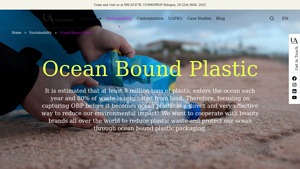
Domain: uapkg.com
Registered: 2009 (16 years)
Introduction: Key product details include: 1. Ocean Bound Plastic Cosmetic Skincare Packaging Products. 2. Customizable tube packaging with various shapes, sizes, and decorations. 3. ALU Skincare Airless Packaging (50ml) with 50% plastic reduction, refillable design, and recyclable aluminum. 4. UA-MELLOW-50 Skincare Bottle (50ml) made from recyclable plastics, squeezable design, and optional co-extrusion for in…
3. AstralPak – Empty Body Wash Lotion Square Bottle
Domain: astralpak.com
Registered: 2024 (1 years)
Introduction: Empty Body Wash Lotion Square Bottle – Sizes: 100ml, 250ml, 300ml, 500ml (custom sizes available). Material: High-density polyethylene (HDPE) with options for 30%, 50%, or 100% post-consumer recycled (PCR) content. Cap options: Press lotion pump, trigger sprayer, fine mist sprayer, or screw cap. Color: Transparent or any Pantone color (custom samples accepted). Specifications: 100ml – Height: 86mm…
4. Illing – Sustainable Packaging Solutions

Domain: illingcompany.com
Registered: 2002 (23 years)
Introduction: Illing offers certified Ocean Bound Plastic Supply Chain, Green Polyethylene, and Sugarcane Packaging. They focus on increasing the use of Post Consumer Recycled (PCR) materials in packaging, providing refillable packaging options, and sustainable unibody tubes that reduce raw materials and carbon production.
5. Martini Packaging – New Design 280ml Skincare Pump Bottle
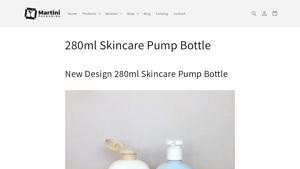
Domain: martinipackaging.com
Registered: 2023 (2 years)
Introduction: {“Product Name”:”New Design 280ml Skincare Pump Bottle”,”Capacity”:”300ml (nominal)”,”Material”:”PE (Polyethylene) plastic – flexible, durable, and recyclable”,”Custom Printing Options”:[“Silk screen printing”,”Available in silver, gold, or custom colors”,”We accept logos and designs provided by the customer.”],”Color Options”:”Default transparent; fully customizable colors upon request”,”Main Use…
6. Sistema – Sandwich Box

Domain: sistemaplastics.com
Registered: 1998 (27 years)
Introduction: Contains Recycled Ocean Bound Plastic – Everyday products made with a difference. Durable and reusable drink bottles and lunch boxes, made containing recycled ocean bound plastic.
1. **Sistema® Sandwich Box**
– Made with 35% recycled ocean bound plastic.
– Food-safe, durable, and reusable.
– Modular stacking shape for efficient use of space in pantry, fridge, and freezer.
– E…
Strategic Sourcing Conclusion and Outlook for Ocean Bound Plastic PE Bottles with Pump Suit for Skincare’s Packaging
In the quest for sustainable skincare packaging, ocean-bound plastic (OBP) presents a compelling solution for B2B buyers. These innovative PE bottles with pump suits not only reduce reliance on virgin plastics but also demonstrate a commitment to environmental stewardship. By sourcing OBP packaging, businesses can enhance their brand image and appeal to eco-conscious consumers, particularly in regions like Africa, South America, the Middle East, and Europe, where sustainability is increasingly prioritized.
Strategic sourcing of ocean-bound plastic packaging aligns with global trends towards circular economies, enabling companies to contribute positively to waste reduction while maintaining functional and aesthetic packaging. As international markets evolve, embracing sustainable practices will be pivotal in gaining a competitive edge.
Looking ahead, B2B buyers are encouraged to explore partnerships with suppliers who specialize in OBP solutions. By doing so, they can access a diverse range of high-quality, eco-friendly packaging options that meet the demands of today’s market while safeguarding our oceans. Take the next step towards sustainable sourcing and position your brand as a leader in responsible packaging solutions.



 English
  Russian
  Spanish
  Italian
  Thai
Thai  French
  Arabic
  Portuguese
  Indonesian
  German