
Introduction: Navigating the Global Market for PMMA Plastic Cosmetic Bottle Skin Care Cream Bottle
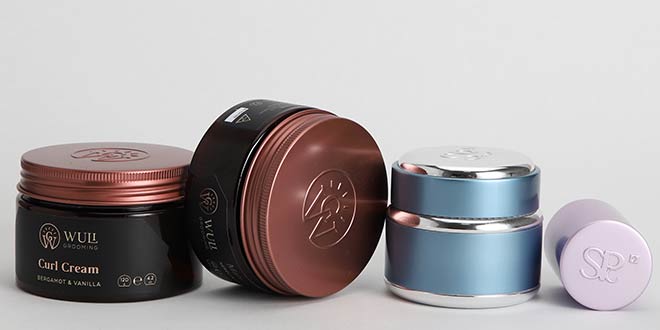
The global cosmetics market is evolving rapidly, and one of the key challenges faced by B2B buyers is sourcing high-quality PMMA plastic cosmetic bottles for skin care cream products. These bottles not only need to meet stringent safety and aesthetic standards but also align with brand identity and consumer preferences. This comprehensive guide addresses the myriad of options available in PMMA packaging, including various types, capacities, and customization features that enhance product visibility and appeal.
In this guide, we delve into essential aspects such as the diverse applications of PMMA plastic bottles, effective supplier vetting processes, and cost considerations that can influence purchasing decisions. We aim to equip international B2B buyers—especially those from Africa, South America, the Middle East, and Europe, including markets like Nigeria and Vietnam—with the knowledge necessary to make informed choices. By exploring the nuances of PMMA packaging, this guide empowers buyers to enhance their product offerings while ensuring compliance with global quality standards.
Navigating the intricacies of PMMA cosmetic packaging can be daunting, but with the insights provided herein, businesses can confidently select the right packaging solutions that not only protect their products but also elevate their brand presence in a competitive market.
Understanding PMMA Plastic Cosmetic Bottle Skin Care Cream Bottle Types and Variations
| Type Name | Key Distinguishing Features | Primary B2B Applications | Brief Pros & Cons for Buyers |
|---|---|---|---|
| PMMA Cylindrical Bottle | High clarity, customizable finishes, multiple sizes (15ml-120ml) | Facial serums, lotions, creams | Pros: Premium look, durable; Cons: Higher cost than PET. |
| PMMA Double-Wall Bottle | Unique design, enhanced insulation, lightweight | Luxury skincare, high-end cosmetic lines | Pros: Stylish, protects sensitive formulas; Cons: Complexity in manufacturing. |
| PMMA Airless Pump Bottle | Prevents contamination, maintains product integrity | Serums, sensitive creams | Pros: Maximizes product usage, hygienic; Cons: Limited design options. |
| PMMA Frosted Finish Bottle | Soft-touch aesthetic, reduces visibility of contents | Mid-range to high-end skincare | Pros: Elegant appearance, hides product level; Cons: Scratches can be visible. |
| PMMA Custom-Shaped Bottle | Unique shapes for brand differentiation | Niche markets, promotional products | Pros: Stand out on shelves, tailored branding; Cons: Higher MOQ and lead time. |
What are the Characteristics of PMMA Cylindrical Bottles?
PMMA cylindrical bottles are popular for their premium look and feel, making them ideal for high-end skincare products. They come in various capacities, allowing brands to select the size that fits their product line. Their clarity provides an excellent showcase for the product inside, while customizable finishes (such as silk screen printing and hot stamping) enhance brand identity. When considering these bottles, buyers should evaluate their budget against the higher cost compared to alternatives like PET.
How Do PMMA Double-Wall Bottles Enhance Product Protection?
The PMMA double-wall bottle design is not only visually appealing but also offers enhanced insulation for sensitive skincare formulations. This lightweight option is ideal for luxury skincare brands looking to convey a message of quality and sophistication. B2B buyers should consider the complexity of manufacturing and the potential for longer lead times when opting for this stylish packaging solution.
What Advantages Do PMMA Airless Pump Bottles Offer?
PMMA airless pump bottles are designed to protect sensitive formulations from contamination, ensuring product integrity and longevity. They are particularly suitable for serums and creams that require precise dispensing. For B2B buyers, the hygienic nature of these bottles is a significant advantage, although the limited design options may restrict branding creativity.
Why Choose PMMA Frosted Finish Bottles for Mid-Range Skincare?
Frosted finish PMMA bottles offer an elegant aesthetic while effectively hiding product levels, making them ideal for mid-range to high-end skincare lines. Their soft-touch feel enhances the user experience, attracting customers in retail environments. Buyers should be aware, however, that while these bottles are visually appealing, scratches may become more apparent over time, potentially affecting the perceived quality of the product.
How Can Custom-Shaped PMMA Bottles Differentiate Your Brand?
Custom-shaped PMMA bottles provide a unique opportunity for brands to stand out in a crowded market. Their tailored designs can capture consumer attention and convey a specific brand message or aesthetic. However, B2B buyers should consider the higher minimum order quantities (MOQs) and longer lead times associated with custom designs, as these factors can impact inventory management and cash flow.
Key Industrial Applications of PMMA Plastic Cosmetic Bottle Skin Care Cream Bottle
| Industry/Sector | Specific Application of PMMA Plastic Cosmetic Bottle Skin Care Cream Bottle | Value/Benefit for the Business | Key Sourcing Considerations for this Application |
|---|---|---|---|
| Cosmetics and Skincare | Packaging for high-end facial creams and serums | Enhances product visibility and brand prestige with premium design | Customization options, MOQ, and compatibility with filling processes |
| Pharmaceutical | Containment for topical dermatological products | Provides safe, airtight storage to maintain product efficacy | Regulatory compliance, material safety certifications |
| Personal Care Products | Packaging for lotions and moisturizers | Lightweight and durable, reducing shipping costs | Transportation logistics, bulk ordering, and delivery timelines |
| Eco-Friendly Products | Sustainable packaging solutions for organic skincare lines | Appeals to environmentally conscious consumers | Material sourcing, recyclability, and environmental certifications |
| Retail and E-commerce | Attractive packaging for online sales of skincare products | Increases customer engagement and repeat purchases | Shelf-life considerations, design for shipping, and branding options |
How is PMMA Plastic Cosmetic Bottle Skin Care Cream Bottle Used in the Cosmetics and Skincare Industry?
In the cosmetics and skincare sector, PMMA plastic bottles are utilized for packaging premium facial creams and serums. Their clarity and luxurious appearance not only enhance product visibility but also elevate brand prestige. With customizable options such as frosted finishes and silk screen printing, brands can create distinctive packaging that resonates with their target audience. Buyers from regions like Africa and Europe should prioritize suppliers that offer flexible customization and adhere to international quality standards.
What Role Does PMMA Play in Pharmaceutical Applications?
PMMA bottles are increasingly being adopted for dermatological products within the pharmaceutical industry. Their airtight and water-resistant properties ensure that topical medications maintain their efficacy and shelf life. For B2B buyers, especially in South America and the Middle East, sourcing PMMA bottles requires a focus on regulatory compliance and safety certifications to meet local health standards.
Why Choose PMMA for Personal Care Product Packaging?
In personal care, PMMA bottles serve as ideal packaging for lotions and moisturizers due to their lightweight and durable nature. This characteristic significantly reduces shipping costs while ensuring product protection during transit. Buyers should consider sourcing from manufacturers that can provide bulk orders and efficient delivery timelines to optimize their supply chain.
How Can PMMA Bottles Support Eco-Friendly Product Lines?
For brands focusing on sustainability, PMMA offers an eco-friendly packaging solution that appeals to environmentally conscious consumers. The material can be sourced responsibly, and its recyclability adds value to brands committed to reducing their environmental impact. International buyers, particularly in emerging markets, should seek suppliers who provide certifications that affirm the eco-friendliness of their products.
What Advantages Do PMMA Bottles Offer for Retail and E-commerce?
In the retail and e-commerce space, PMMA cosmetic bottles are designed to attractively package skincare products, enhancing customer engagement and encouraging repeat purchases. Their aesthetic appeal can significantly impact online sales. For B2B buyers, it’s crucial to evaluate suppliers based on their ability to ensure product integrity during shipping and their options for branding customization that aligns with market trends.

A stock image related to PMMA Plastic Cosmetic Bottle Skin Care Cream Bottle.
3 Common User Pain Points for ‘PMMA Plastic Cosmetic Bottle Skin Care Cream Bottle’ & Their Solutions
Scenario 1: Navigating Supply Chain Disruptions in PMMA Bottle Procurement
The Problem: In today’s global market, many B2B buyers face significant challenges in sourcing PMMA plastic cosmetic bottles due to supply chain disruptions. Factors such as geopolitical tensions, shipping delays, and raw material shortages can lead to inconsistent availability of high-quality packaging. This unpredictability not only affects production schedules but also risks damaging the brand’s reputation if products cannot be delivered on time.
The Solution: To mitigate these supply chain issues, B2B buyers should establish relationships with multiple suppliers across different regions. This diversification can provide a safety net against localized disruptions. Additionally, investing in transparent communication with suppliers regarding lead times and potential delays can help buyers plan their inventory more effectively. Setting up a just-in-time inventory system can also allow companies to maintain lower stock levels while ensuring timely deliveries. Finally, consider collaborating with suppliers who offer flexibility in production capacity and shorter lead times, which can be crucial in meeting market demands without compromising on quality.
Scenario 2: Customization Limitations Affecting Brand Identity
The Problem: Many B2B buyers struggle with finding PMMA cosmetic bottles that meet their specific branding requirements. Generic designs or limited customization options can dilute brand identity and fail to resonate with target customers. This challenge is especially pronounced in competitive markets where unique packaging can significantly influence consumer choices.
The Solution: To enhance brand differentiation, buyers should seek manufacturers that specialize in customizable PMMA bottles. When sourcing, inquire about various customization options such as color matching, surface treatments (e.g., frosted, silk screen printing, hot stamping), and unique shapes. Engaging in a collaborative design process with the manufacturer can lead to innovative packaging solutions that effectively reflect the brand’s identity. Moreover, leveraging advanced technology such as 3D prototyping can help buyers visualize the final product and make adjustments before mass production, ensuring that the packaging aligns perfectly with their brand vision.
Scenario 3: Environmental Concerns with PMMA Packaging
The Problem: As sustainability becomes a focal point for consumers and businesses alike, B2B buyers often face pressure to ensure that their packaging solutions are environmentally friendly. PMMA plastic, while durable and visually appealing, may raise concerns regarding recyclability and environmental impact, particularly in regions where eco-friendly practices are increasingly prioritized.
The Solution: To address these environmental concerns, B2B buyers should prioritize sourcing PMMA bottles that are produced using sustainable practices and materials. Look for manufacturers who utilize recycled PMMA or offer programs that allow for recycling after use. Additionally, buyers can explore the possibility of integrating biodegradable or compostable materials into their packaging solutions. Communicating these sustainable practices in marketing materials can also enhance brand reputation and appeal to environmentally-conscious consumers. Establishing partnerships with companies that focus on sustainability can further strengthen the overall commitment to eco-friendly practices, making it easier to meet regulatory standards and consumer expectations in various markets.
Strategic Material Selection Guide for PMMA Plastic Cosmetic Bottle Skin Care Cream Bottle
What Are the Key Properties of PMMA for Cosmetic Packaging?
PMMA, or polymethyl methacrylate, is a preferred material for cosmetic bottles due to its clarity and aesthetic appeal. This thermoplastic exhibits excellent optical properties, making it ideal for showcasing premium skincare products. PMMA can withstand a temperature range of -40°C to 80°C, which is suitable for most cosmetic formulations. Additionally, it offers good chemical resistance against various skincare ingredients, ensuring that the product inside remains stable and uncontaminated.
What Are the Advantages and Disadvantages of Using PMMA in Cosmetic Bottles?
When considering PMMA for cosmetic packaging, it is essential to weigh its pros and cons. One of the main advantages of PMMA is its durability; it is significantly more impact-resistant than glass, reducing the risk of breakage during transport. Furthermore, PMMA is lightweight, which can lower shipping costs. However, PMMA is more expensive than other plastic alternatives like PET or PVC, which may deter cost-sensitive buyers. Additionally, while PMMA has good UV resistance, prolonged exposure to harsh chemicals can lead to degradation over time.
How Does PMMA Impact Product Application in Cosmetic Bottles?
The choice of PMMA affects the compatibility of the cosmetic bottle with various formulations. PMMA is suitable for a wide range of skincare products, including creams, lotions, and serums. Its airtight properties help in preserving the integrity of sensitive ingredients, such as antioxidants and vitamins, by preventing oxidation. However, buyers must ensure that PMMA is compatible with specific active ingredients in their formulations to avoid any adverse reactions.
What Should International B2B Buyers Consider When Choosing PMMA?
For international buyers, especially those from regions like Africa, South America, the Middle East, and Europe, compliance with local regulations is crucial. Many countries have specific standards for cosmetic packaging, such as ASTM in the United States or DIN in Germany. Buyers should verify that their PMMA products meet these standards to avoid regulatory issues. Additionally, understanding the preferences of local markets can influence design choices, such as color and finish, which can affect brand perception and acceptance.
Summary Table of Material Selection for PMMA Plastic Cosmetic Bottle Skin Care Cream Bottle
| Material | Typical Use Case for PMMA Plastic Cosmetic Bottle Skin Care Cream Bottle | Key Advantage | Key Disadvantage/Limitation | Relative Cost (Low/Med/High) |
|---|---|---|---|---|
| PMMA | Ideal for high-end facial creams and serums requiring clarity and durability | Excellent optical clarity and impact resistance | Higher cost compared to other plastics | High |
| PET | Commonly used for budget-friendly skincare products | Cost-effective and lightweight | Less durable than PMMA, prone to scratches | Medium |
| PVC | Often used for promotional or trial-size products | Versatile and easily moldable | Limited chemical resistance, can leach chemicals | Low |
| Glass | Used for luxury skincare lines to convey premium quality | Superior barrier properties and aesthetic appeal | Heavier and more fragile, leading to higher shipping costs | High |
This comprehensive analysis provides B2B buyers with critical insights into material selection for PMMA plastic cosmetic bottles, ensuring informed decisions that align with both product performance and market demands.

A stock image related to PMMA Plastic Cosmetic Bottle Skin Care Cream Bottle.
In-depth Look: Manufacturing Processes and Quality Assurance for PMMA Plastic Cosmetic Bottle Skin Care Cream Bottle
What Are the Key Stages in the Manufacturing Process for PMMA Plastic Cosmetic Bottles?
The manufacturing process of PMMA plastic cosmetic bottles, particularly for skincare products, is a multi-stage operation that ensures quality, durability, and aesthetic appeal. Here are the main stages involved:
1. Material Preparation
The first step involves sourcing high-quality PMMA (Polymethyl Methacrylate) resin. This material is chosen for its clarity, impact resistance, and ability to be molded into various shapes. Suppliers should ensure that the PMMA used meets international standards, such as those set by the American Society for Testing and Materials (ASTM).
Once sourced, the resin is granulated and dried to eliminate moisture, which can affect the quality of the final product. This step is crucial as any impurities or moisture can lead to defects in the bottles.
2. Forming Techniques
The primary technique for forming PMMA bottles is injection molding. This process involves heating the PMMA resin until it becomes pliable, then injecting it into molds shaped like the desired bottle. Key considerations during this stage include:
- Precision in Molding: High-quality molds ensure that the bottles have consistent dimensions and finish, which is vital for branding and functionality.
- Temperature Control: Maintaining the correct temperature during injection is critical to avoid defects like warping or uneven surfaces.
Alternative methods, such as blow molding, can also be employed for specific bottle designs. This flexibility allows manufacturers to cater to unique client requirements.
3. Assembly of Components
After forming, the next step is assembly. This involves attaching various components, such as caps, pumps, and inner plugs. The assembly must be done meticulously to ensure airtightness and functionality. Various techniques used here include:
- Press-Fitting: For components that require a snug fit, this method ensures that parts are securely joined without the need for adhesives.
- Screw-on Caps: These are often used for ease of use and to maintain product integrity.
4. Finishing Processes
Finishing is where the cosmetic bottles are adorned to enhance their visual appeal. This can include:
- Surface Treatments: Techniques such as silk screening, hot stamping, or frosted finishes can be applied to create unique branding opportunities.
- Quality Checks: Each bottle undergoes a series of checks to ensure that the finish meets the desired aesthetic and functional standards.
What Quality Assurance Measures Are Essential in PMMA Bottle Production?
Quality assurance (QA) is a critical aspect of manufacturing PMMA cosmetic bottles, ensuring that products meet both international standards and customer expectations. Here are the key components of an effective quality assurance strategy:
International Standards and Certifications
Manufacturers should adhere to internationally recognized quality management standards, such as ISO 9001, which focuses on consistent quality and customer satisfaction. Additionally, industry-specific certifications like CE (Conformité Européenne) and API (American Petroleum Institute) may be relevant, especially for bottles intended for markets in Europe and the Americas.
Key Quality Control Checkpoints
Quality control (QC) is integrated throughout the manufacturing process, with specific checkpoints to monitor quality at various stages:
- Incoming Quality Control (IQC): At this stage, raw materials, including PMMA resin, are inspected for quality and compliance with specifications before they enter production.
- In-Process Quality Control (IPQC): During the manufacturing process, regular checks ensure that machinery operates correctly and that products meet specified tolerances.
- Final Quality Control (FQC): After production, each bottle undergoes a thorough inspection for defects, functionality, and adherence to finishing standards.
Common Testing Methods for PMMA Bottles
Testing methods are essential for ensuring product integrity and performance. Common methods include:
- Visual Inspection: A straightforward method to check for surface defects, clarity, and consistency.
- Pressure Testing: This assesses the strength of the bottles and their ability to withstand internal pressure, particularly for those with pumps.
- Water Resistance Testing: Ensures that the bottles maintain their integrity when exposed to moisture.
How Can B2B Buyers Verify Supplier Quality Control?
For B2B buyers, especially those in Africa, South America, the Middle East, and Europe, verifying the quality control processes of suppliers is crucial. Here are some effective strategies:
Conducting Supplier Audits
Performing regular audits of potential suppliers can provide insights into their manufacturing processes and quality assurance practices. This includes examining their facilities, quality management systems, and adherence to international standards.
Requesting Quality Control Reports
Buyers should not hesitate to ask for detailed quality control reports, including test results, compliance certifications, and records of past inspections. This documentation serves as evidence of the supplier’s commitment to quality.
Utilizing Third-Party Inspection Services
Engaging third-party inspection services can offer an unbiased assessment of a supplier’s quality control measures. These services can conduct random inspections and audits, ensuring that the products meet the required standards before shipment.
What Are the Specific QC and Certification Nuances for International B2B Buyers?
International B2B buyers must navigate various nuances when it comes to quality control and certification. Here are some considerations:
- Cultural and Regulatory Differences: Understanding the regulatory landscape in different regions is essential. For instance, products exported to the EU must comply with stringent regulations, while those going to Africa may have different requirements.
- Documentation and Compliance: Ensure that suppliers provide the necessary documentation for customs clearance, including certificates of compliance and quality assurance reports.
- Sustainability Practices: Increasingly, buyers are looking for suppliers who adhere to sustainable practices. Certifications related to environmental management (such as ISO 14001) can be an added advantage.
In conclusion, a thorough understanding of the manufacturing processes and quality assurance measures for PMMA plastic cosmetic bottles is vital for B2B buyers. By focusing on these aspects, buyers can make informed decisions, ensuring that they select suppliers who prioritize quality and compliance, ultimately enhancing their brand’s reputation in the competitive skincare market.
Practical Sourcing Guide: A Step-by-Step Checklist for ‘PMMA Plastic Cosmetic Bottle Skin Care Cream Bottle’
This guide aims to provide a comprehensive checklist for B2B buyers looking to procure PMMA plastic cosmetic bottles specifically designed for skin care cream applications. By following these steps, you will ensure that your sourcing process is efficient, effective, and aligned with your brand’s requirements.
Step 1: Define Your Technical Specifications
Establishing clear technical specifications is the foundation of your sourcing process. This includes determining the desired bottle capacity (e.g., 30ml, 50ml, 120ml), neck size, and design features such as shape and color. Be specific about the intended use of the bottles to ensure they meet your product’s functional and aesthetic requirements.
- Capacity Options: Common capacities include 30ml, 50ml, and 120ml, which cater to various skincare products.
- Design Features: Consider whether you need frosted finishes, custom colors, or branding options like silk-screen printing.
Step 2: Identify Potential Suppliers
Conduct thorough research to identify potential suppliers specializing in PMMA plastic cosmetic packaging. Look for manufacturers with a strong reputation, especially those who offer customization and have experience in the cosmetic sector. This ensures you partner with reliable vendors who understand your specific needs.
- Manufacturer Credentials: Check if the suppliers are certified and have industry experience, particularly in cosmetic packaging.
- Geographic Considerations: Focus on suppliers who can efficiently ship to your target markets in Africa, South America, the Middle East, and Europe.
Step 3: Evaluate Supplier Capabilities
Assess the capabilities of potential suppliers to ensure they can meet your requirements. This includes evaluating their production capacity, technology, and quality control measures. Understanding their manufacturing process will give you insights into the quality and consistency of their products.
- Production Techniques: Inquire about their molding and decoration techniques to ensure they can deliver the desired aesthetics.
- Quality Assurance: Ask about their quality control procedures to minimize defects and ensure product reliability.
Step 4: Request Samples for Testing
Before making a bulk order, request samples to evaluate the quality of the PMMA bottles firsthand. Testing samples allows you to assess the clarity, durability, and overall aesthetics of the bottles. This step is crucial to avoid costly mistakes later on.
- Functional Testing: Check for features such as airtightness and impact resistance.
- Brand Compatibility: Ensure the sample aligns with your brand’s image and product requirements.
Step 5: Verify Supplier Certifications
Ensure that your selected suppliers have the necessary certifications to meet international quality standards. This is particularly important for cosmetic packaging, as products must be safe and compliant with regional regulations.
- Regulatory Compliance: Confirm that the materials used in the bottles are non-toxic and safe for cosmetic use.
- Sustainability Standards: Consider suppliers who adhere to sustainable practices, which can enhance your brand’s reputation.
Step 6: Negotiate Terms and Pricing
Engage in negotiations to establish favorable terms, including pricing, payment terms, and delivery timelines. Clear communication about expectations can prevent misunderstandings and ensure a smooth transaction.
- Volume Discounts: Inquire about pricing structures based on order quantities to maximize cost savings.
- Lead Times: Discuss production and shipping timelines to align with your product launch schedules.
Step 7: Finalize Contracts and Place Orders
Once all terms are agreed upon, finalize contracts that outline the specifics of your order, including specifications, pricing, and delivery timelines. This legally binding document protects both parties and ensures accountability.
- Clarity in Contracts: Ensure all details are clearly stated to prevent any future disputes.
- Follow-Up Procedures: Establish a communication plan for order updates and quality checks during the production process.
By following this checklist, B2B buyers can streamline their sourcing process for PMMA plastic cosmetic bottles, ensuring they select the right suppliers and products that align with their brand’s vision and market needs.
Comprehensive Cost and Pricing Analysis for PMMA Plastic Cosmetic Bottle Skin Care Cream Bottle Sourcing
When sourcing PMMA plastic cosmetic bottles for skincare products, understanding the cost structure is essential for effective budgeting and decision-making. The costs associated with these bottles can be broken down into several key components.
What Are the Key Cost Components in PMMA Cosmetic Bottle Production?
-
Materials: The primary cost driver is the PMMA resin itself. High-quality PMMA is essential for ensuring clarity, durability, and aesthetic appeal. The cost can fluctuate based on market demand and availability, so it’s crucial to consider sourcing from reliable suppliers who maintain consistent quality.
-
Labor: Labor costs vary depending on the manufacturing location. Countries with lower labor costs, such as Vietnam or certain regions in Africa, may offer more competitive pricing. However, the skill level required for precision injection molding and finishing processes can influence labor costs significantly.
-
Manufacturing Overhead: This includes costs related to utilities, maintenance of machinery, and facility operation. Efficient production processes can help lower overhead, but it’s important to partner with manufacturers who prioritize operational efficiency.
-
Tooling: Custom molds for bottle designs represent a significant upfront investment. Depending on the complexity of the design, tooling costs can range from a few thousand to tens of thousands of dollars. Understanding the minimum order quantities (MOQs) required to amortize these costs is vital for pricing negotiations.
-
Quality Control (QC): Quality assurance processes are crucial in the cosmetic packaging industry to ensure that the bottles meet safety and regulatory standards. Investing in stringent QC processes can prevent costly recalls and enhance brand reputation.
-
Logistics: Shipping costs vary widely based on the geographic location of the supplier and the buyer. Factors such as freight charges, insurance, and customs duties must be factored into the total cost. Understanding Incoterms is crucial for clarifying responsibilities in the shipping process.
-
Margin: Suppliers typically add a margin to cover their costs and profit. This margin can vary based on the supplier’s reputation, the level of customization required, and the competitive landscape.
What Factors Influence Pricing for PMMA Cosmetic Bottles?
Several factors can significantly influence the pricing of PMMA bottles:
-
Volume/MOQ: Higher order quantities often lead to reduced per-unit costs due to economies of scale. Buyers should negotiate MOQs that align with their inventory needs.
-
Specifications and Customization: Custom designs, colors, and finishes increase costs. Buyers should weigh the benefits of unique branding against potential price hikes.
-
Material Quality and Certifications: Bottles that comply with international quality and safety standards may command higher prices. Suppliers with relevant certifications can enhance buyer confidence.
-
Supplier Factors: Established suppliers with a proven track record may charge higher prices but often provide better reliability and quality assurance.
How Can Buyers Optimize Costs When Sourcing PMMA Bottles?
-
Negotiate Terms: Open communication with suppliers about pricing, payment terms, and MOQs can lead to better deals. Don’t hesitate to seek quotes from multiple suppliers for comparison.
-
Consider Total Cost of Ownership: Factor in all costs, including logistics, customs, and potential quality issues, when evaluating suppliers. A lower upfront price may not always be the most economical in the long run.
-
Understand Pricing Nuances: International buyers, particularly from regions like Africa, South America, and the Middle East, should be aware of local market conditions that can affect pricing. Currency fluctuations and import tariffs can also impact overall costs.
What Should Buyers Keep in Mind?
While this analysis provides a comprehensive overview, it’s important to note that prices can vary significantly based on market conditions and specific supplier relationships. Always request detailed quotes and be prepared to adapt your sourcing strategy based on changing circumstances. By understanding the cost structure and influencing factors, international buyers can make informed decisions that optimize their sourcing of PMMA plastic cosmetic bottles.
Alternatives Analysis: Comparing PMMA Plastic Cosmetic Bottle Skin Care Cream Bottle With Other Solutions
Exploring Alternative Packaging Solutions for Skin Care Products
In the competitive landscape of cosmetic packaging, selecting the right container is crucial for both product integrity and brand identity. While the PMMA (Polymethyl Methacrylate) plastic cosmetic bottle offers numerous benefits, various alternative solutions can also meet the needs of skincare brands. This section explores these alternatives, providing insights into their respective advantages and disadvantages.
| Comparison Aspect | PMMA Plastic Cosmetic Bottle Skin Care Cream Bottle | Glass Cosmetic Bottle | PET Plastic Cosmetic Bottle |
|---|---|---|---|
| Performance | Excellent clarity, impact resistance, and lightweight | Superior barrier properties; fragile | Good clarity and durability; lightweight |
| Cost | Moderate production and material costs | Higher due to material and transport | Lower production costs, budget-friendly |
| Ease of Implementation | Customizable with various finishes | Requires careful handling and transport | Easy to mold and customize, quick turnaround |
| Maintenance | Low maintenance, resistant to chemicals | Requires careful cleaning; prone to breakage | Low maintenance, easy to clean and recycle |
| Best Use Case | High-end skincare products needing luxury appeal | High-value serums and oils | Mass-market products and budget-friendly options |
What Are the Advantages and Disadvantages of Glass Cosmetic Bottles?
Glass cosmetic bottles are renowned for their premium feel and superior barrier properties. They effectively preserve product integrity by protecting against UV light and air exposure, making them ideal for sensitive formulations like serums and oils. However, their fragility can lead to breakage during shipping and handling, raising costs associated with transport and packaging. Additionally, while glass offers a more luxurious aesthetic, it may not be suitable for brands targeting a more budget-conscious market.
How Do PET Plastic Cosmetic Bottles Compare?
PET (Polyethylene Terephthalate) plastic bottles are a popular alternative due to their lightweight nature and lower production costs. They offer good clarity and can be easily molded into various shapes, making them an excellent option for brands looking for customization at a lower price point. However, PET bottles may lack the premium feel associated with PMMA or glass, which could affect brand perception in the high-end market. Additionally, while PET is recyclable, it may not offer the same level of chemical resistance as PMMA, potentially compromising product stability.
Conclusion: Which Packaging Solution is Right for Your Brand?
Selecting the right packaging solution for skincare products depends on several factors, including target market, product type, and brand positioning. For high-end brands aiming to convey luxury and quality, PMMA and glass bottles are ideal choices. Conversely, brands focused on affordability and mass-market appeal may find PET bottles more suitable. By weighing the performance, cost, and maintenance considerations of each option, B2B buyers can make informed decisions that align with their business objectives and customer expectations.
Essential Technical Properties and Trade Terminology for PMMA Plastic Cosmetic Bottle Skin Care Cream Bottle
What Are the Key Technical Properties of PMMA Plastic Cosmetic Bottles?
When considering PMMA (Polymethyl Methacrylate) plastic cosmetic bottles for skincare products, several critical specifications and properties are essential for B2B buyers to understand:
-
Material Grade: PMMA is often categorized by its grade, which can impact clarity, impact resistance, and chemical stability. Higher-grade PMMA provides superior clarity, making it suitable for premium products. Understanding the material grade helps buyers assess product quality and longevity.
-
Volume Capacity: PMMA bottles typically come in various capacities, commonly ranging from 15ml to 120ml. The volume capacity affects product presentation and consumer usability. For B2B buyers, aligning bottle size with market demand is crucial to optimizing shelf space and inventory management.
-
Neck Size and Compatibility: The neck size, often specified in terms like “18/415” or “24/410,” refers to the diameter and thread configuration of the bottle opening. This specification is vital for ensuring compatibility with various dispensing options, such as pumps and droppers. Understanding neck sizes aids in streamlining the filling and packaging process.
-
Surface Treatment Options: PMMA bottles can undergo various surface treatments, including silk screen printing, hot stamping, and frosted finishes. These treatments enhance brand visibility and aesthetic appeal. B2B buyers should consider these options to differentiate their products in a competitive market.
-
Impact Resistance and Durability: PMMA is known for its superior impact resistance compared to glass. This property ensures that products are protected during transportation and handling. For buyers, selecting a durable packaging solution minimizes product loss and enhances customer satisfaction.
-
Airtightness and Water Resistance: The design and sealing mechanism of PMMA bottles contribute to their airtightness and resistance to moisture. These features are critical for preserving the integrity of skincare formulations, ensuring that products remain effective and safe for consumer use.
What Are Common Trade Terms Associated with PMMA Cosmetic Bottles?
Understanding industry jargon can significantly enhance communication and negotiation in B2B transactions. Here are some essential terms:
-
OEM (Original Equipment Manufacturer): This term refers to companies that produce products based on another company’s specifications. For buyers, partnering with an OEM can facilitate custom packaging solutions tailored to specific brand needs.
-
MOQ (Minimum Order Quantity): MOQ indicates the smallest number of units a supplier is willing to sell in a single order. This term is crucial for buyers to understand, as it impacts inventory management and initial investment.
-
RFQ (Request for Quotation): An RFQ is a formal document sent to suppliers requesting pricing and terms for specific products. For B2B buyers, issuing an RFQ helps gather competitive pricing and understand the market landscape.
-
Incoterms (International Commercial Terms): These terms define the responsibilities of buyers and sellers in international transactions, covering aspects like shipping, insurance, and risk management. Familiarity with Incoterms is vital for navigating global trade logistics effectively.
-
Lead Time: This term refers to the time it takes from placing an order to receiving the goods. Understanding lead times helps buyers plan their inventory and marketing strategies effectively, ensuring timely product availability.
-
Custom Mold Development: This refers to the process of creating unique molds for specific bottle designs. For buyers, this capability is essential for creating distinctive packaging that aligns with brand identity and market trends.
By understanding these technical properties and trade terms, B2B buyers can make informed decisions when selecting PMMA plastic cosmetic bottles for skincare products, ultimately enhancing their product offerings and market competitiveness.
Navigating Market Dynamics and Sourcing Trends in the PMMA Plastic Cosmetic Bottle Skin Care Cream Bottle Sector
What Are the Current Market Dynamics and Key Trends for PMMA Plastic Cosmetic Bottles?
The global cosmetic packaging market, particularly for PMMA (Polymethyl Methacrylate) plastic cosmetic bottles, is witnessing robust growth driven by several factors. The increasing demand for high-end skincare products, especially in emerging markets across Africa, South America, and the Middle East, is propelling the need for premium packaging solutions. PMMA bottles are favored for their superior clarity, aesthetic appeal, and durability, which align with the branding strategies of luxury skincare brands.
Technological advancements in manufacturing processes, including precision injection molding and custom mold development, are enhancing the capabilities of suppliers to offer tailored solutions. Additionally, the rise of e-commerce has shifted the focus toward packaging that is not only visually appealing but also functional and sustainable. International buyers are increasingly seeking products that combine these elements, with a growing emphasis on innovative designs and customization options to differentiate their brands in a competitive market.
Moreover, the trend of personalization in cosmetic products is influencing sourcing strategies, as brands look for suppliers who can offer unique packaging solutions that reflect their identity. This is particularly relevant for regions like Nigeria and Vietnam, where local brands are emerging and competing on a global scale. As such, international B2B buyers must stay attuned to these trends to make informed sourcing decisions that align with market demands.
How Is Sustainability and Ethical Sourcing Influencing B2B Decisions?
Sustainability has become a critical consideration in the sourcing of PMMA plastic cosmetic bottles. The environmental impact of plastic waste is prompting brands to seek eco-friendly packaging alternatives. PMMA, while being a plastic, offers advantages in terms of recyclability and durability, which can contribute to reducing overall waste when sourced responsibly.
B2B buyers are increasingly prioritizing ethical supply chains, which include transparent sourcing practices and compliance with environmental standards. Certifications such as ISO 14001 for environmental management and materials made from recycled content are gaining traction. Brands that incorporate these sustainable practices not only fulfill their corporate social responsibility but also appeal to a growing consumer base that values environmental stewardship.
Furthermore, suppliers that offer sustainable packaging solutions—such as biodegradable materials or those that can be easily recycled—are likely to gain a competitive edge. This shift toward sustainability is particularly significant in Europe, where regulatory frameworks are becoming stricter and consumers are more environmentally conscious. For international buyers, aligning sourcing strategies with sustainability goals can enhance brand reputation and customer loyalty.
What Is the Brief Evolution of PMMA Plastic Cosmetic Bottles in the Market?
The use of PMMA in cosmetic packaging can be traced back several decades, gaining prominence as a premium alternative to traditional glass and other plastics. Initially, PMMA bottles were primarily used for high-end products due to their superior clarity and strength, making them ideal for luxury skincare brands. Over time, advancements in manufacturing techniques have allowed for more intricate designs and customizations, broadening their appeal across various market segments.
In recent years, the focus has shifted towards sustainability and ethical sourcing, reshaping the landscape of PMMA cosmetic packaging. As consumer preferences evolve, brands are increasingly looking for suppliers who can provide not only high-quality packaging but also environmentally friendly options. This evolution reflects a broader trend within the cosmetics industry, where the demand for innovation and sustainability drives sourcing decisions and market dynamics.
By understanding these trends and the historical context of PMMA plastic cosmetic bottles, international B2B buyers can navigate the complexities of sourcing in a competitive and rapidly changing market.
Frequently Asked Questions (FAQs) for B2B Buyers of PMMA Plastic Cosmetic Bottle Skin Care Cream Bottle
-
How do I choose the right PMMA plastic cosmetic bottle for my skincare products?
When selecting a PMMA cosmetic bottle, consider factors such as product compatibility, capacity, and design. Assess the viscosity of your skincare formulations to ensure the chosen bottle can dispense the product effectively. Additionally, look for customization options that align with your brand identity, such as color, finish, and printing techniques. The right bottle not only protects your product but also enhances its marketability, so prioritize aesthetics alongside functionality. -
What are the advantages of using PMMA over other materials for cosmetic bottles?
PMMA (polymethyl methacrylate) offers several advantages for cosmetic packaging, including superior clarity and a premium appearance that resembles glass. It is lightweight yet durable, providing excellent impact resistance and ensuring the safety of your products. PMMA also exhibits high water resistance and airtightness, making it suitable for preserving the integrity of skincare formulations. Its versatility allows for various shapes and designs, enabling brands to stand out in a competitive market. -
What customization options are available for PMMA cosmetic bottles?
Customizing PMMA cosmetic bottles can include options such as color, shape, and surface treatments. Brands can opt for frosted finishes, silk screen printing, hot stamping, or even electroplating to enhance their packaging’s appeal. Capacity options typically range from 15ml to 120ml, allowing you to tailor the bottle size to your product needs. Collaborating with manufacturers that offer bespoke solutions ensures your packaging aligns with your brand’s vision and market positioning. -
What is the minimum order quantity (MOQ) for PMMA cosmetic bottles?
The MOQ for PMMA cosmetic bottles varies by manufacturer but typically ranges from 5,000 to 10,000 units. When sourcing, it’s essential to discuss your specific needs with suppliers to understand their production capabilities and flexibility. Some manufacturers may offer lower MOQs for certain designs or allow for mixed orders, which can be beneficial for smaller brands or startups looking to minimize initial investment while testing market response. -
What payment terms should I expect when sourcing PMMA cosmetic bottles internationally?
Payment terms for international orders can vary significantly between suppliers. Common arrangements include a deposit of 30% upfront, with the remaining 70% due before shipment. Some manufacturers may offer flexible terms, such as net 30 or net 60 days, depending on your business relationship and order volume. It’s crucial to negotiate terms that suit your cash flow while ensuring supplier trust and securing your order. -
How can I ensure quality assurance (QA) for my PMMA cosmetic bottles?
To guarantee quality assurance, work with manufacturers that adhere to international quality standards and have robust QA processes in place. Request samples before placing large orders to assess the product’s quality and fit for your needs. Additionally, inquire about certifications and testing methods employed by the supplier, such as material compliance and durability tests. Regular communication and site visits, if possible, can further enhance your oversight of the production process. -
What are the logistics considerations when importing PMMA cosmetic bottles?
When importing PMMA cosmetic bottles, consider factors such as shipping methods, lead times, and customs regulations. Work with suppliers who have experience in international shipping and can provide guidance on the best logistics options. Ensure you understand the associated costs, including tariffs and taxes, and plan for potential delays. Establishing a clear communication channel with your logistics partner is vital for tracking shipments and resolving any issues that may arise. -
How do I vet suppliers for PMMA cosmetic bottles?
Vetting suppliers involves conducting thorough research and due diligence. Start by checking their business credentials, industry experience, and customer reviews. Request references from other brands they have worked with to gauge their reliability and service quality. Additionally, assess their production capabilities, certifications, and commitment to sustainability. Engaging in direct communication can provide insights into their responsiveness and willingness to meet your specific needs, ensuring a successful partnership.
Important Disclaimer & Terms of Use
⚠️ Important Disclaimer
The information provided in this guide, including content regarding manufacturers, technical specifications, and market analysis, is for informational and educational purposes only. It does not constitute professional procurement advice, financial advice, or legal advice.
While we have made every effort to ensure the accuracy and timeliness of the information, we are not responsible for any errors, omissions, or outdated information. Market conditions, company details, and technical standards are subject to change.
B2B buyers must conduct their own independent and thorough due diligence before making any purchasing decisions. This includes contacting suppliers directly, verifying certifications, requesting samples, and seeking professional consultation. The risk of relying on any information in this guide is borne solely by the reader.
Top 8 Pmma Plastic Cosmetic Bottle Skin Care Cream Bottle Manufacturers & Suppliers List
1. TYH Container – PMMA Cylindrical Cosmetic Bottle

Domain: tyhcontainer.com
Registered: 2010 (15 years)
Introduction: {“Product Name”: “PMMA Cylindrical Cosmetic Bottle”, “Manufacturer”: “TYH Container Enterprise Co., Ltd.”, “Material”: “PMMA”, “Features”: [“Superior clarity”, “Durability”, “Luxurious appearance”], “Customization Options”: [“Various colors”, “Frosted spray finishes”, “Silk screen printing”, “Hot stamping”], “Available Capacities”: [“15ml”, “30ml”, “50ml”, “120ml”], “Ideal For”: [“Serums”, “Essenc…
2. Jarsking – Acrylic Double Tube Lotion Bottles

Domain: jarsking.com
Registered: 2022 (3 years)
Introduction: Product Name: Acrylic Double Tube Lotion Bottles For Cosmetics
Capacity: 30ml/40ml/custom
Material: PMMA/custom
Color: Custom
Shape: Round/Custom
Bottle Cap: Screw cap/Pump/custom
Minimum Order Quantity (MOQ): 10000
Outer Packaging: Standard export carton packing
Surface Treatment: Silk screen printing/Hot stamping/Labeling/Plating/Paint Spraying/Frosting/Embossed Printing/custom
Features: Lightwe…
3. AstralPak – PMMA Cylinder Airless Bottle

Domain: astralpak.com
Registered: 2024 (1 years)
Introduction: PMMA Cylinder Airless Bottle – Elevate your brand with a premium airless bottle designed for luxury and functionality. Features a clear acrylic outer shell and a metalized shiny silver pump. Durable PP inner bottle prevents contamination and oxidation, keeping formulas fresh. Ideal for serums, lotions, or creams. Minimum Order Quantity (MOQ): 5,000. Specifications: Capacity options – 30ml (40mm di…
4. Pag Packaging – PMMA Cosmetic Solutions

Domain: pagpackaging.com
Registered: 2022 (3 years)
Introduction: PMMA (poly(methyl methacrylate)) is a lightweight, durable material used in luxury cosmetic packaging. Key features include high transparency (90%-92% light transmittance), strong weather resistance, good processing performance, and low energy consumption in production. PMMA is reusable, non-toxic, and has a soft texture. However, it has limitations such as low impact resistance, poor chemical res…
5. CosmoPacks – Luxury Brown Skincare Packaging

Domain: cosmopacks.com
Registered: 2015 (10 years)
Introduction: {“Product Name”:”Luxury Brown Skincare Packaging Acrylic Plastic Container”,”Capacity”:”15/30/50/80/100ML”,”Feature”:”Double wall”,”Surface Handling”:”Frosted, silk screen printing, hot stamping”,”Usage”:”Lotion cream, skin care cream, and other cosmetic liquid”,”Certification”:”MSDS, CE, ISO, BSCI, REACH”,”Sample”:”Provided, please contact us”}
6. Luxury Skin Care – Empty Acrylic Lotion Bottles

Domain: aliexpress.com
Registered: 2006 (19 years)
Introduction: This company, Luxury Skin Care – Empty Acrylic Lotion Bottles, is a notable entity in the market. For specific product details, it is recommended to visit their website directly.
7. HaoJin – 100ml Gold Luxury Cosmetics PMMA Bottle Sets

Domain: airlesscosmeticbottles.com
Registered: 2017 (8 years)
Introduction: {“Product Name”: “100ml Gold Luxury Cosmetics Packaging PMMA Bottle Sets Empty For Skincare”, “Place of Origin”: “Zhejiang, China”, “Brand Name”: “HaoJin”, “Certification”: “ISO9001”, “Minimum Order Quantity”: “10,000 pcs”, “Price”: “0.41-0.45”, “Packaging Details”: “Cartons or as client’s requirements”, “Delivery Time”: “15-25 days”, “Payment Terms”: “L/C, T/T”, “Supply Ability”: “1,000,000 pcs p…
8. Square Skincare – Natural Packaging Solutions

Domain: pinterest.com
Registered: 2009 (16 years)
Introduction: Square skincare packaging designed for natural, clean, organic skincare branding targeting young females. Includes oils, serums, moisturizers, and creams. Features minimalist design elements and various packaging types such as square bottles, airless pump bottles, and jars. Examples include a 50ml square facial serum airless bottle, light pink cosmetic packaging set, and a double wall cream jar. E…
Strategic Sourcing Conclusion and Outlook for PMMA Plastic Cosmetic Bottle Skin Care Cream Bottle
In the evolving landscape of cosmetic packaging, PMMA plastic cosmetic bottles are emerging as a premium choice for skincare brands targeting quality-conscious consumers. These bottles offer exceptional clarity, durability, and customization options, making them ideal for high-end facial products. Strategic sourcing of PMMA bottles can significantly enhance brand identity through tailored designs, while also ensuring compliance with international quality standards.
International B2B buyers from regions such as Africa, South America, the Middle East, and Europe should prioritize partnerships with reputable manufacturers who specialize in PMMA packaging. By leveraging their expertise in custom mold development and advanced manufacturing techniques, brands can secure high-quality products that align with their market needs.
Looking ahead, the demand for innovative, sustainable, and aesthetically pleasing packaging solutions will only increase. Brands that adopt a forward-thinking approach in their sourcing strategies will not only differentiate themselves in a competitive market but also foster consumer trust and loyalty. Engage with experienced suppliers today to explore how PMMA cosmetic bottles can elevate your skincare line and meet the evolving preferences of global consumers.



 English
  Russian
  Spanish
  Italian
  Thai
Thai  French
  Arabic
  Portuguese
  Indonesian
  German