

Introduction: Navigating the Global Market for Round Shape Refillable Glass Bottle
In an era where sustainability and consumer preference are increasingly intertwined, sourcing round shape refillable glass bottles has emerged as a critical challenge for B2B buyers across various industries. This guide serves as a comprehensive resource to navigate the complexities of the global market for these eco-friendly packaging solutions. From understanding the diverse types and applications of round glass bottles to vetting suppliers and evaluating costs, this guide is designed to empower international buyers—particularly from Africa, South America, the Middle East, and Europe, including key markets like Saudi Arabia and Brazil.
The demand for refillable glass bottles is driven by a growing awareness of environmental issues and the need for sustainable practices in product packaging. Buyers will find detailed insights into customization options, such as closure types and design variations, which can enhance brand identity while ensuring functionality. Additionally, this guide will address logistical considerations, including shipping and regulatory compliance, crucial for international transactions.
By equipping B2B buyers with actionable insights and strategic knowledge, this guide aims to facilitate informed purchasing decisions, helping businesses align with sustainability goals while meeting consumer expectations. Whether you’re launching a new product line or seeking to innovate your packaging strategy, understanding the nuances of round shape refillable glass bottles is essential for staying competitive in today’s market.
Understanding Round Shape Refillable Glass Bottle Types and Variations
| Type Name | Key Distinguishing Features | Primary B2B Applications | Brief Pros & Cons for Buyers |
|---|---|---|---|
| Refillable Perfume Bottles | Elegant design, customizable with various accessories | Fragrance brands, retail packaging | Pros: Eco-friendly, customizable. Cons: Higher initial cost. |
| Round Glass Storage Jars | Wide mouth for easy filling, often with cork stoppers | Food storage, crafts, event decorations | Pros: Versatile use, easy access. Cons: Fragility. |
| Boston Round Glass Bottles | Classic design, available in multiple sizes and colors | Essential oils, beverages, sauces | Pros: Durable, aesthetically pleasing. Cons: Limited branding options. |
| Airless Pump Round Glass Bottles | Prevents contamination, maintains product integrity | Cosmetics, skincare products | Pros: Longer shelf life, hygienic. Cons: More complex mechanics. |
| Refillable Spray Bottles | Convenient spray mechanism, often with protective silicone boot | Cleaning products, personal care items | Pros: User-friendly, reduces waste. Cons: May require additional maintenance. |
What are the Characteristics of Refillable Perfume Bottles?
Refillable perfume bottles are distinguished by their elegant designs and customizable features, making them ideal for sustainable fragrance brands. They often come in various sizes (30 ml, 50 ml, and 100 ml) and can include accessories like caps and sprayers. For B2B buyers, these bottles allow for branding opportunities while promoting eco-friendly practices. When considering these bottles, businesses should evaluate their initial investment against the long-term savings from reduced waste.
How Do Round Glass Storage Jars Benefit Businesses?
Round glass storage jars typically feature a wide mouth for easy filling and are often sealed with cork stoppers. They are versatile, making them suitable for food storage, craft supplies, or event decorations. B2B buyers should consider the fragility of glass when selecting these jars, as they may require careful handling and packaging during transport. However, their aesthetic appeal can enhance product presentation significantly.
Why Choose Boston Round Glass Bottles for Your Products?
Boston round glass bottles are a classic choice, available in various sizes and colors, making them suitable for essential oils, beverages, and sauces. Their durable construction ensures that they can withstand handling and transport, which is crucial for businesses in distribution. However, buyers should be aware of the limited options for branding directly on the bottle’s surface, which may necessitate additional labeling solutions.
What Are the Advantages of Airless Pump Round Glass Bottles?
Airless pump round glass bottles are designed to prevent contamination and maintain product integrity, making them particularly beneficial for cosmetics and skincare products. Their unique mechanism ensures that every drop of product is used, reducing waste. For B2B buyers, the hygiene factor is a significant selling point, but the complexity of the pump mechanism may require additional training for staff on how to use and refill these bottles effectively.
How Do Refillable Spray Bottles Enhance User Experience?
Refillable spray bottles are designed for convenience, featuring a spray mechanism and often a silicone boot for protection. They are ideal for cleaning products and personal care items, allowing users to mix their solutions. B2B buyers should consider the ease of use and potential for reducing single-use plastic waste. However, these bottles may require regular maintenance to ensure the spray mechanism remains functional over time.
Key Industrial Applications of Round Shape Refillable Glass Bottle
| Industry/Sector | Specific Application of Round Shape Refillable Glass Bottle | Value/Benefit for the Business | Key Sourcing Considerations for this Application |
|---|---|---|---|
| Cosmetics and Personal Care | Packaging for perfumes and skincare products | Enhances brand image with sustainable and stylish packaging | Customization options for caps, pumps, and finishes |
| Food and Beverage | Bottling sauces, dressings, and beverages | Eco-friendly alternative to single-use plastics | Compliance with food safety regulations and certifications |
| Cleaning Products | Refillable spray bottles for eco-friendly cleaning solutions | Reduces plastic waste and appeals to environmentally conscious consumers | Durable materials and easy refill design |
| Essential Oils and Aromatherapy | Storing and dispensing essential oils and aromatherapy blends | Offers an elegant presentation and reduces waste | Tamper-evident seals and compatibility with droppers |
| Pharmaceuticals and Herbal Remedies | Packaging for liquid medications and herbal tinctures | Ensures product integrity and extends shelf life | Child-resistant closures and compliance with health regulations |
How Are Round Shape Refillable Glass Bottles Used in the Cosmetics and Personal Care Industry?
In the cosmetics and personal care sector, round shape refillable glass bottles are primarily utilized for packaging perfumes, lotions, and serums. These bottles not only elevate the aesthetic appeal of the product but also align with the growing consumer demand for sustainable options. By opting for refillable bottles, brands can significantly reduce packaging waste while enhancing their market positioning as environmentally responsible. Buyers should prioritize customization features, such as spray pumps and decorative finishes, to differentiate their offerings in a competitive marketplace.
What Are the Applications in the Food and Beverage Sector?
In the food and beverage industry, round shape refillable glass bottles are commonly used for bottling sauces, dressings, and beverages like juices or flavored oils. These bottles offer an eco-friendly alternative to traditional plastic packaging, appealing to environmentally conscious consumers. They also help maintain the integrity and flavor of the products. Buyers in this sector must consider food safety compliance, ensuring that the bottles meet health regulations and are made from materials that preserve the quality of food items.
How Do Round Shape Refillable Glass Bottles Benefit Cleaning Products?
For cleaning products, round shape refillable glass bottles serve as a practical solution for packaging eco-friendly cleaning solutions. These bottles typically feature a wide neck for easy filling, allowing businesses to encourage consumers to refill rather than purchase new bottles. This not only reduces plastic waste but also promotes a sustainable brand image. When sourcing these bottles, businesses should focus on durability and the availability of various closure options to ensure user-friendliness and safety.
In What Ways Are Round Shape Refillable Glass Bottles Used for Essential Oils?
Round shape refillable glass bottles are ideal for storing and dispensing essential oils and aromatherapy blends. They offer an elegant presentation while ensuring the oils remain uncontaminated and potent. These bottles often come with tamper-evident seals and droppers, which are essential for maintaining product integrity and providing ease of use. Buyers should look for options that comply with safety standards and offer a range of sizes to cater to different consumer needs.
Why Are Round Shape Refillable Glass Bottles Important for Pharmaceuticals?
In the pharmaceutical sector, round shape refillable glass bottles are utilized for packaging liquid medications and herbal tinctures. These bottles help ensure product integrity, maintain shelf life, and provide a professional appearance. Compliance with health regulations is paramount, so buyers must ensure that the bottles include child-resistant closures and meet safety standards. Additionally, sourcing from reputable manufacturers can ensure that the bottles are made from high-quality materials that guarantee reliability and safety.

A stock image related to Round Shape Refillable Glass Bottle.
3 Common User Pain Points for ‘Round Shape Refillable Glass Bottle’ & Their Solutions
Scenario 1: Difficulty in Sourcing Sustainable Packaging Solutions
The Problem: B2B buyers often face the challenge of sourcing packaging that aligns with their sustainability goals. Many companies, particularly in regions like Africa and South America, are under increasing pressure from consumers and regulatory bodies to reduce plastic waste. However, they may find it challenging to identify reliable suppliers of round shape refillable glass bottles that not only meet quality standards but also adhere to eco-friendly practices. This can lead to delays in product launches and missed market opportunities.
The Solution: To effectively overcome this sourcing challenge, buyers should establish relationships with suppliers who specialize in sustainable packaging. They should prioritize suppliers that offer certifications or proof of eco-friendly practices, such as using recycled materials or employing green manufacturing processes. It’s crucial to request samples of the round shape refillable glass bottles to evaluate their quality and functionality firsthand. Additionally, buyers can leverage online platforms and trade shows to discover innovative packaging solutions and foster connections with manufacturers committed to sustainability. Networking in industry-specific forums can also yield recommendations for trustworthy suppliers. By doing thorough due diligence, companies can confidently invest in refillable glass bottles that resonate with their eco-conscious branding.
Scenario 2: Concerns About Product Safety and Compliance
The Problem: Ensuring product safety and regulatory compliance is a paramount concern for B2B buyers, especially in the cosmetics and food industries. Round shape refillable glass bottles must meet various safety standards, and non-compliance can lead to costly recalls and damage to brand reputation. Buyers may struggle with understanding the specific regulations applicable in different regions, such as the EU’s REACH regulations or the FDA’s guidelines in the United States, which can complicate their purchasing decisions.
The Solution: To mitigate compliance risks, B2B buyers should work closely with suppliers who have a thorough understanding of the regulatory landscape in their target markets. It’s advisable to request documentation that verifies compliance with relevant safety standards, including testing results for materials used in the bottles. Buyers can also engage legal consultants who specialize in packaging regulations to ensure they are fully informed about the requirements. Furthermore, investing in training for their procurement teams about global compliance standards can empower them to make informed purchasing decisions. By prioritizing compliance and safety in their sourcing strategy, businesses can protect their brand integrity and avoid potential legal issues.
Scenario 3: Managing Inventory and Logistics Challenges
The Problem: Inventory management and logistics can pose significant challenges for B2B buyers dealing with round shape refillable glass bottles. Fluctuating demand, combined with the need to maintain adequate stock levels without over-purchasing, can lead to either shortages or excess inventory. This is particularly true for businesses operating in diverse markets across the Middle East and Europe, where demand patterns may vary widely.
The Solution: To address these inventory challenges, buyers should implement robust inventory management systems that utilize data analytics to forecast demand accurately. Collaborating with suppliers who offer just-in-time delivery can help mitigate excess inventory issues. Additionally, establishing flexible ordering systems that allow for smaller, more frequent orders can ensure that companies stay responsive to market changes without tying up capital in stock. B2B buyers should also consider working with third-party logistics providers who specialize in handling glass products, ensuring that their orders are shipped safely and efficiently. By optimizing their inventory and logistics processes, businesses can enhance their operational efficiency and responsiveness to market demands.
Strategic Material Selection Guide for Round Shape Refillable Glass Bottle
What Are the Key Materials for Round Shape Refillable Glass Bottles?
When selecting materials for round shape refillable glass bottles, it is essential to consider various factors such as durability, cost, and suitability for specific applications. Below, we analyze four common materials used in the production of these bottles, focusing on their properties, advantages, disadvantages, and implications for international B2B buyers.
How Does Soda-Lime Glass Perform in Refillable Glass Bottles?
Soda-lime glass is the most widely used type of glass for packaging due to its favorable properties. It has a high resistance to thermal shock, making it suitable for a range of temperatures. Furthermore, soda-lime glass is non-reactive, ensuring that the contents remain uncontaminated. However, it is less resistant to scratches and impacts compared to other materials.
Pros: Affordable, readily available, and recyclable. It is ideal for packaging beverages, cosmetics, and other products requiring a clean and safe container.
Cons: Its fragility can be a concern during transportation and handling. Additionally, soda-lime glass may not be suitable for high-pressure applications.
For international buyers, compliance with ASTM and ISO standards is crucial. Many countries have specific regulations regarding food and cosmetic packaging, and soda-lime glass generally meets these requirements.
What Role Does Borosilicate Glass Play in Refillable Bottles?
Borosilicate glass is known for its exceptional thermal resistance and durability. It can withstand extreme temperature changes without breaking, making it suitable for applications that require heating or cooling. This type of glass is also highly resistant to chemical corrosion.
Pros: Ideal for high-temperature applications, it is less likely to shatter and can be used for a broader range of products, including essential oils and chemical solutions.
Cons: Borosilicate glass is more expensive to produce than soda-lime glass and may require specialized manufacturing processes.
International buyers should consider that borosilicate glass often complies with higher safety standards, making it a preferred choice in markets like Europe and North America, where regulations are stringent.
How Do Plastic Alternatives Compare to Glass for Refillable Bottles?
While glass remains the preferred material for many applications, certain plastics, such as PET (Polyethylene Terephthalate), are gaining traction due to their lightweight and shatterproof characteristics. PET is often used for refillable bottles in markets where durability is paramount.
Pros: PET bottles are less likely to break, making them safer for transportation. They are also generally cheaper to produce and can be customized easily.
Cons: However, PET is less environmentally friendly than glass and may not provide the same level of barrier protection against oxygen and moisture.
For B2B buyers, especially in regions like Africa and South America, the cost-effectiveness of PET may outweigh its disadvantages. However, it is essential to consider local regulations regarding plastic use and recycling.
What Are the Advantages of Using Recycled Glass in Bottle Production?
Recycled glass is an eco-friendly option that retains many of the properties of new glass. It is often used in refillable bottles to promote sustainability and reduce waste.
Pros: Using recycled glass lowers production costs and energy consumption. It is also fully recyclable, making it an attractive option for environmentally conscious brands.
Cons: The quality of recycled glass can vary, which may affect the final product’s appearance and durability. Additionally, sourcing high-quality recycled glass can be challenging.
International buyers should be aware of the increasing demand for sustainable packaging solutions. Compliance with environmental regulations and certifications can enhance brand reputation, particularly in European markets where sustainability is a significant purchasing factor.
Summary Table of Material Selection for Round Shape Refillable Glass Bottles
| Material | Typical Use Case for Round Shape Refillable Glass Bottle | Key Advantage | Key Disadvantage/Limitation | Relative Cost (Low/Med/High) |
|---|---|---|---|---|
| Soda-Lime Glass | Beverages, cosmetics, personal care products | Affordable and recyclable | Fragile, less impact-resistant | Low |
| Borosilicate Glass | High-temperature applications, essential oils | Exceptional thermal resistance | Higher production cost | High |
| PET Plastic | Lightweight refillable bottles for various liquids | Shatterproof and cost-effective | Less environmentally friendly | Med |
| Recycled Glass | Eco-friendly packaging for cosmetics and beverages | Promotes sustainability | Quality variability and sourcing issues | Med |
This strategic material selection guide provides valuable insights for B2B buyers in various international markets, enabling informed decisions based on product performance, cost, and compliance with regional regulations.

A stock image related to Round Shape Refillable Glass Bottle.
In-depth Look: Manufacturing Processes and Quality Assurance for Round Shape Refillable Glass Bottle
What Are the Main Stages in Manufacturing Round Shape Refillable Glass Bottles?
The manufacturing process for round shape refillable glass bottles involves several critical stages, each designed to ensure high quality and functionality. Here’s a breakdown of the main stages:
Material Preparation
The primary material for glass bottles is silica sand, which is mixed with soda ash and limestone to create a molten glass. This mixture is carefully measured to ensure consistency in the final product. The materials are heated in a furnace at temperatures exceeding 1,600 degrees Celsius until they form a viscous liquid. Additional materials may be added to achieve specific colors or properties, such as UV filtering or increased durability.
Forming Techniques
Once the molten glass is ready, it undergoes forming. There are various techniques employed in this stage, including:
- Blow Molding: This method is commonly used for creating hollow glass bottles. A gob of molten glass is inflated into a mold using compressed air, allowing it to take the desired shape.
- Press Molding: This technique is utilized for producing thicker glass items. The molten glass is pressed into a mold, ensuring uniformity and strength.
- Blow-and-Blow: A combination of blow molding and press molding, this method allows for the creation of bottles with complex shapes and designs.
Each technique has its advantages, depending on the intended use of the bottle, such as cosmetic, food, or pharmaceutical applications.
Assembly and Finishing
After forming, the bottles are cooled and then subjected to various finishing processes. This may include:
- Annealing: The bottles are gradually cooled in an annealing lehr to relieve internal stresses and improve strength.
- Surface Treatment: Bottles may undergo surface treatments like polishing, coating, or applying labels. Customization options include screen printing, etching, or applying shrink sleeves for branding purposes.
- Cap and Closure Assembly: The final assembly includes fitting closures, such as screw caps or pumps, ensuring they are compatible with the bottle’s neck finish.
What Quality Control Measures Are Essential for Round Shape Refillable Glass Bottles?
Quality control (QC) is integral to the manufacturing process, ensuring that the bottles meet both safety and performance standards. Here are the key components of a robust QC process:
What International Standards Should B2B Buyers Consider?
For round shape refillable glass bottles, compliance with international standards is crucial. Key standards include:
- ISO 9001: This standard specifies requirements for a quality management system, ensuring that organizations consistently meet customer and regulatory requirements.
- CE Marking: For products sold within the European Economic Area, CE marking indicates compliance with health, safety, and environmental protection standards.
- API Standards: Particularly relevant for pharmaceutical applications, these standards ensure the quality and safety of packaging used for medicinal products.
What Are the Critical QC Checkpoints?
The QC process typically includes several checkpoints, each designed to catch potential defects early in the manufacturing process:
- Incoming Quality Control (IQC): Raw materials are inspected upon arrival to ensure they meet specified requirements. This includes checking for impurities in the glass mixture and verifying supplier certifications.
- In-Process Quality Control (IPQC): Monitoring occurs during the manufacturing process to catch defects such as improper forming or inconsistencies in dimensions. This stage often involves real-time adjustments to machinery.
- Final Quality Control (FQC): After production, bottles are subjected to rigorous testing, including visual inspections for defects, pressure tests for closures, and dimensional checks to ensure conformity to specifications.
How Can B2B Buyers Verify Supplier Quality Control Processes?
For B2B buyers, especially those from regions like Africa, South America, the Middle East, and Europe, verifying supplier quality control is crucial for ensuring product reliability. Here are several strategies to consider:
What Auditing Processes Should Be Implemented?
Conducting supplier audits is an effective way to assess quality control measures. Buyers can schedule visits to manufacturing facilities to evaluate the following:
- Manufacturing Capabilities: Assessing the machinery and technology used in production helps determine whether the supplier can meet the desired specifications.
- Quality Management Systems: Reviewing documentation related to the supplier’s quality management system, including ISO certifications and internal audit reports, provides insight into their commitment to quality.
What Types of Reports and Certifications Are Important?
Buyers should request documentation to verify compliance with industry standards. Key documents include:
- Test Reports: Independent test reports from accredited laboratories can validate the quality of the glass bottles, including tests for chemical resistance, thermal shock, and mechanical strength.
- Certificates of Compliance: These documents confirm that the products meet specified standards, providing assurance to buyers about safety and quality.
How Can Third-Party Inspections Enhance Confidence?
Engaging third-party inspection services can provide an unbiased assessment of the supplier’s quality control processes. These organizations conduct thorough inspections at various stages of production, ensuring that the final products meet both the buyer’s specifications and international standards.
What Are the Quality Control Nuances for International B2B Buyers?
International buyers face unique challenges when sourcing products globally. Understanding these nuances can aid in smoother transactions:
- Regulatory Compliance: Different regions may have varying regulations regarding packaging materials. Buyers should familiarize themselves with local regulations to ensure compliance upon import.
- Cultural Considerations: Communication styles and business practices may differ significantly. Establishing clear expectations and maintaining open lines of communication can help mitigate misunderstandings.
- Supply Chain Logistics: Understanding the logistics involved in transporting glass bottles is vital due to their fragility. Buyers should ensure that suppliers have robust packaging and shipping procedures in place to minimize damage during transit.
Conclusion
Manufacturing round shape refillable glass bottles involves a meticulous process that emphasizes quality at every stage. For B2B buyers, understanding these processes and the associated quality control measures is essential for sourcing reliable products that meet international standards. By conducting thorough audits, verifying supplier certifications, and engaging third-party inspections, buyers can secure high-quality glass bottles that enhance their product offerings while promoting sustainability in their industries.
Practical Sourcing Guide: A Step-by-Step Checklist for ‘Round Shape Refillable Glass Bottle’
The following guide serves as a comprehensive checklist for B2B buyers looking to procure round shape refillable glass bottles. By following these steps, buyers can ensure they make informed decisions that align with their brand’s sustainability goals and packaging needs.
Step 1: Define Your Technical Specifications
Start by clearly outlining the specifications of the round shape refillable glass bottles you require. This includes the size (e.g., 30ml, 50ml, or 100ml), neck finish (such as 15/415), and any specific design features like colors or finishes. Defining these technical specifications helps in narrowing down potential suppliers and ensures that the products meet your functional and aesthetic needs.
Step 2: Research and Identify Potential Suppliers
Conduct thorough research to identify reputable suppliers that specialize in round shape refillable glass bottles. Look for suppliers with experience in your industry and check their product range, customer reviews, and case studies. This step is critical for finding reliable partners who can meet your quality and delivery standards.
Step 3: Evaluate Supplier Certifications and Compliance
Verify that the suppliers comply with relevant industry standards and certifications, such as ISO or FDA regulations, especially if you are in sectors like cosmetics or food and beverage. Certifications ensure that the bottles are produced using safe materials and processes. Additionally, inquire about their sustainability practices, as many brands are now prioritizing eco-friendly packaging solutions.
Step 4: Request Samples for Quality Assessment
Before making a bulk purchase, request samples of the bottles you are considering. Assess the quality, durability, and design to ensure they align with your brand’s standards. Pay attention to details such as glass thickness, finish quality, and compatibility with closures like pumps or droppers. This step helps prevent costly mistakes post-purchase.
Step 5: Understand Pricing and Payment Terms
Discuss pricing structures with potential suppliers, including bulk discounts and payment terms. Transparent pricing helps you assess the overall cost-effectiveness of your order. Ensure to clarify any additional costs related to customization, shipping, and handling, which can impact your budget significantly.
Step 6: Review Shipping and Delivery Options
Evaluate the shipping and delivery options offered by suppliers. Consider factors such as lead times, shipping methods, and costs. Reliable and timely delivery is essential for maintaining your production schedules, especially in international transactions where delays can occur due to customs regulations.
Step 7: Establish a Communication Plan
Once you’ve selected a supplier, establish a clear communication plan to keep all parties informed throughout the procurement process. Regular updates on production timelines, shipping statuses, and any potential issues are vital for smooth operations. Effective communication fosters a strong supplier relationship and ensures alignment with your business goals.
By following this checklist, B2B buyers can streamline their sourcing process for round shape refillable glass bottles, ensuring they choose the right products and suppliers to meet their business needs.
Comprehensive Cost and Pricing Analysis for Round Shape Refillable Glass Bottle Sourcing
When sourcing round shape refillable glass bottles, understanding the comprehensive cost structure and pricing dynamics is crucial for international B2B buyers. This analysis will delve into the various components that contribute to the overall cost and pricing strategies for these products.
What Are the Key Cost Components in Round Shape Refillable Glass Bottle Production?
Materials: The primary cost driver in the production of refillable glass bottles is the raw materials. High-quality glass, which ensures durability and aesthetic appeal, often comes at a premium. Additionally, sustainable materials are becoming increasingly popular, which may further elevate costs.
Labor: Labor costs vary by region and are influenced by local wage standards and the complexity of the manufacturing process. Skilled labor may be required for specialized tasks such as glass blowing or intricate finishing, thus impacting overall production costs.
Manufacturing Overhead: Overhead includes expenses related to utilities, equipment maintenance, and facility costs. Efficient manufacturing processes can help mitigate these expenses, but they are essential for maintaining a high standard of production.
Tooling: The initial investment in molds and tools for shaping glass bottles can be significant, especially for customized designs. This cost is often amortized over large production runs, making higher volume orders more economical in the long run.
Quality Control (QC): Implementing stringent quality control measures ensures that the bottles meet safety and aesthetic standards. This process incurs costs but is necessary to maintain brand reputation and compliance with regulatory standards.
Logistics: Transportation and shipping costs can vary greatly based on distance, volume, and mode of transport. For international buyers, understanding Incoterms is crucial to avoid unexpected costs associated with duties and taxes.
Margin: Suppliers typically apply a margin on top of production costs to ensure profitability. This margin can vary significantly based on market conditions, competition, and the supplier’s business model.
How Do Volume and Customization Influence Pricing for Round Shape Refillable Glass Bottles?
Volume/MOQ: The volume of your order directly impacts pricing. Suppliers often provide better rates for larger quantities due to reduced per-unit production costs. Understanding minimum order quantities (MOQs) is essential for negotiating favorable terms.
Specifications and Customization: Custom designs, such as unique neck finishes or specialized closures, can increase costs. Buyers should weigh the benefits of customization against budget constraints, as bespoke solutions can enhance brand identity but may come with higher price tags.
Quality and Certifications: Products that meet specific quality standards or certifications (e.g., food-grade, eco-friendly) typically command higher prices. Buyers should assess whether such certifications are necessary for their target market.
Supplier Factors: The reputation and reliability of suppliers can influence pricing. Established suppliers with a track record of quality and service may charge more but can provide peace of mind regarding delivery and product quality.
What Buyer Tips Can Help Optimize Sourcing and Cost-Efficiency?
Negotiation Strategies: Engage in open discussions with suppliers about pricing structures and be transparent about your budget. Building a strong relationship can lead to better pricing and terms.
Understanding Total Cost of Ownership (TCO): Beyond the initial purchase price, consider factors such as durability, potential for reuse, and shipping costs when evaluating overall expenses. A higher upfront cost might be justified by lower long-term costs.
Pricing Nuances for International Buyers: Be aware of currency fluctuations and international shipping complexities, which can affect pricing. Additionally, consider local regulations and import duties that may impact the total cost of acquisition.
Disclaimer on Indicative Prices
It’s important to note that prices for round shape refillable glass bottles can vary significantly based on the factors discussed above. Buyers should seek quotes from multiple suppliers to ensure competitive pricing and make informed purchasing decisions. Always consider the broader context of your sourcing strategy to achieve the best value for your investment.
Alternatives Analysis: Comparing Round Shape Refillable Glass Bottle With Other Solutions
Exploring Alternatives to Round Shape Refillable Glass Bottles for B2B Buyers
In the ever-evolving landscape of packaging solutions, businesses must evaluate various options to meet their sustainability and operational goals. The round shape refillable glass bottle offers a unique blend of aesthetics and functionality, but it’s essential to consider other viable alternatives to ensure the best fit for your product line. Below, we provide a comparative analysis of the round shape refillable glass bottle against other solutions, highlighting their respective advantages and drawbacks.
| Comparison Aspect | Round Shape Refillable Glass Bottle | Aluminum Refillable Bottle | Plastic Refillable Bottle |
|---|---|---|---|
| Performance | High durability and recyclability; preserves product integrity | Lightweight and resistant to breakage; maintains product integrity | Versatile but less durable; potential for leaching chemicals |
| Cost | Higher initial investment; long-term savings through refilling | Moderate cost; value in durability and reuse | Low initial cost; lower long-term savings due to disposability |
| Ease of Implementation | Requires specific refilling infrastructure; customization options available | Easy to integrate into existing operations; customization possible | Highly adaptable; easy to implement in various settings |
| Maintenance | Requires careful handling; needs cleaning between uses | Minimal maintenance; easy to clean and reuse | Low maintenance; can be cleaned quickly |
| Best Use Case | High-end products, cosmetics, and perfumes; brands focused on sustainability | Beverages, personal care products; brands prioritizing lightweight packaging | Household products, cleaning solutions; cost-sensitive brands |
Analyzing Alternative Solutions for Refillable Packaging
Aluminum Refillable Bottle
Aluminum refillable bottles are a strong contender in the packaging industry, particularly for beverage and personal care products. Their lightweight nature and resistance to breakage make them an appealing option for businesses looking to reduce shipping costs. However, while they effectively maintain product integrity, the initial investment may be higher than plastic alternatives. Additionally, aluminum is recyclable, aligning well with sustainability goals. On the downside, the aesthetic appeal may not match that of glass, which could be crucial for brands emphasizing luxury or premium quality.
Plastic Refillable Bottle
Plastic refillable bottles represent the most cost-effective solution among the alternatives discussed. They are versatile and adaptable for a wide range of products, from household cleaners to personal care items. Their lightweight nature facilitates easier transport and storage, making them suitable for businesses focused on logistics efficiency. However, concerns about durability and potential chemical leaching can deter eco-conscious brands. While plastic bottles can be designed for refilling, they typically lack the premium feel associated with glass, which can impact brand perception.
Conclusion: Choosing the Right Packaging Solution for Your Business
Selecting the right refillable packaging solution involves careful consideration of your brand’s values, product type, and target market. The round shape refillable glass bottle stands out for its durability and aesthetic appeal, making it ideal for high-end products. However, if cost efficiency or weight considerations are paramount, aluminum or plastic alternatives may provide viable solutions. Ultimately, B2B buyers should assess their specific needs, sustainability goals, and budget constraints to make an informed decision that aligns with their overall business strategy.
Essential Technical Properties and Trade Terminology for Round Shape Refillable Glass Bottle
Understanding the essential technical properties and terminology related to round shape refillable glass bottles is crucial for B2B buyers seeking to make informed purchasing decisions. This guide highlights critical specifications and industry jargon that will enhance your engagement with suppliers and streamline your procurement process.
What Are the Key Technical Properties of Round Shape Refillable Glass Bottles?
1. Material Grade
Refillable glass bottles are typically made from soda-lime glass or borosilicate glass. Soda-lime glass is common for its cost-effectiveness and is ideal for general use. In contrast, borosilicate glass offers superior resistance to thermal shock and chemical corrosion, making it suitable for high-end cosmetic and pharmaceutical applications. Understanding the material grade helps in assessing the bottle’s durability, safety, and suitability for specific products.
2. Neck Finish
The neck finish refers to the design and dimensions of the bottle’s neck, including its diameter and threading. Common neck finishes for round bottles include 20/400, 24/410, and 28/400. These specifications are critical for ensuring compatibility with various closures such as pumps, droppers, or screw caps. Buyers must consider neck finish when selecting bottles to avoid mismatches that could affect product integrity.
3. Brim and Nominal Capacity
Brim capacity indicates the maximum volume the bottle can hold when filled to the brim, while nominal capacity is the volume that can be filled without overflow. These measurements are vital for inventory planning and ensuring compliance with labeling regulations. For example, a bottle with a nominal capacity of 100 ml may have a brim capacity of 110 ml, allowing for some headspace without risking spills.
4. Tolerance
Tolerance refers to the permissible variation in the dimensions of the bottle, such as height and diameter. For example, a tolerance of ±0.5 mm on a 100 mm bottle height ensures that all bottles meet quality standards, which is essential for uniformity in packaging and branding. Inconsistent tolerances can lead to issues in filling lines and packaging, affecting overall production efficiency.
5. Customization Options
Customization includes the ability to modify aspects such as color, finish, and labeling. This property is particularly important for brands looking to differentiate their products in a competitive market. Customization enhances brand visibility and can significantly influence consumer purchasing decisions.
What Are Common Trade Terms Associated with Round Shape Refillable Glass Bottles?
1. MOQ (Minimum Order Quantity)
MOQ refers to the smallest quantity of product that a supplier is willing to sell. Understanding the MOQ is essential for buyers to manage inventory levels effectively and negotiate favorable terms with suppliers.
2. OEM (Original Equipment Manufacturer)
OEM signifies a company that produces parts or equipment that may be marketed by another manufacturer. In the context of refillable glass bottles, partnering with an OEM can provide customized solutions that meet specific brand requirements.
3. RFQ (Request for Quotation)
An RFQ is a document sent to suppliers requesting pricing and terms for specific products. It is a critical step in the procurement process, enabling buyers to compare options and make informed purchasing decisions.
4. Incoterms (International Commercial Terms)
Incoterms are standardized trade terms used in international transactions that define the responsibilities of buyers and sellers. Understanding Incoterms is crucial for managing shipping costs, insurance, and risks associated with the transportation of refillable glass bottles.
5. Lead Time
Lead time refers to the period from placing an order to receiving the goods. For B2B buyers, knowing the lead time is vital for planning inventory replenishment and ensuring timely product launches.
6. Sustainable Packaging
This term encompasses packaging solutions designed to minimize environmental impact, including refillable glass bottles. As sustainability becomes a priority for consumers and brands alike, understanding this concept can help businesses align their product offerings with market trends.
Equipped with this knowledge, B2B buyers can navigate the complexities of sourcing round shape refillable glass bottles, ensuring they choose the right products to meet their operational and branding needs effectively.
Navigating Market Dynamics and Sourcing Trends in the Round Shape Refillable Glass Bottle Sector
What Are the Key Market Dynamics and Trends Influencing Round Shape Refillable Glass Bottle Purchases?
The market for round shape refillable glass bottles is currently experiencing robust growth, driven by a global shift towards sustainability and eco-conscious consumer behavior. As international B2B buyers, particularly from regions such as Africa, South America, the Middle East, and Europe (notably Saudi Arabia and Brazil), are becoming increasingly aware of environmental issues, there is a heightened demand for sustainable packaging solutions. This trend is supported by regulatory changes that encourage manufacturers to adopt refillable and recyclable materials, thereby reducing single-use plastics.
Emerging technologies are also reshaping the sourcing landscape. The integration of digital platforms for sourcing and supply chain management has streamlined processes, making it easier for buyers to identify suppliers and negotiate terms. Additionally, innovations in manufacturing techniques are enhancing the quality and design of refillable glass bottles, allowing for customization that meets brand-specific requirements. This evolution not only caters to aesthetic preferences but also ensures that products are functional and compliant with safety standards.
Moreover, the COVID-19 pandemic has accelerated the trend towards e-commerce, with many businesses transitioning to online sales. This shift has opened new avenues for sourcing refillable glass bottles, as buyers can now explore a wider range of suppliers and products without geographical constraints. The demand for personalization and unique branding is also on the rise, prompting suppliers to offer bespoke packaging solutions that align with the buyer’s vision and market positioning.
How Does Sustainability and Ethical Sourcing Impact the Round Shape Refillable Glass Bottle Sector?
Sustainability is at the forefront of the round shape refillable glass bottle sector, with significant implications for B2B buyers. The environmental impact of packaging materials is a critical consideration, as refillable glass bottles present a lower carbon footprint compared to their single-use counterparts. By choosing refillable options, businesses can significantly reduce waste and promote a circular economy.
Ethical sourcing is equally important, as buyers increasingly seek suppliers who adhere to environmentally friendly practices and fair labor standards. Certifications such as ISO 14001 (Environmental Management) and Fair Trade can enhance a brand’s credibility and appeal, particularly in markets where consumers are willing to pay a premium for sustainable products. Buyers are encouraged to engage with suppliers that prioritize the use of recycled materials and implement sustainable production processes, as these factors can influence purchasing decisions and brand loyalty.
Furthermore, the use of eco-friendly packaging materials, such as biodegradable labels and plant-based adhesives, can enhance a company’s sustainability profile. As consumers and businesses alike continue to prioritize ethical practices, aligning sourcing strategies with these values is not only responsible but can also provide a competitive advantage in the marketplace.
What Is the Historical Context of Round Shape Refillable Glass Bottles in B2B Markets?
The evolution of round shape refillable glass bottles can be traced back to the early 20th century when glass was the primary material for packaging various products, including beverages and perfumes. As consumer preferences shifted over the decades, particularly with the introduction of plastics in the mid-20th century, glass packaging faced significant competition. However, a renewed focus on sustainability and environmental responsibility has led to a resurgence in the popularity of glass containers.
In recent years, the refillable glass bottle market has gained momentum as brands seek to differentiate themselves through eco-friendly practices. The introduction of refillable systems in various sectors, such as cosmetics and food and beverage, has not only revived consumer interest but has also influenced regulatory frameworks that promote sustainable packaging. Today, round shape refillable glass bottles are viewed not only as practical solutions for reducing waste but also as stylish options that align with modern branding strategies. This historical context underscores the importance of innovation and adaptability in the B2B sector, particularly as market dynamics continue to evolve.
Frequently Asked Questions (FAQs) for B2B Buyers of Round Shape Refillable Glass Bottle
-
1. How do I choose the right supplier for round shape refillable glass bottles?
Selecting the right supplier involves several key steps. Begin by assessing the supplier’s experience and reputation in the industry, particularly with refillable glass products. Look for certifications that demonstrate their commitment to quality and sustainability, especially if you are targeting eco-conscious markets. Request samples to evaluate the product quality firsthand and ask for references from other B2B clients. Additionally, consider their capacity to meet your order volume and delivery timelines, as well as their responsiveness to inquiries, which can indicate their level of customer service. -
2. What are the benefits of using round shape refillable glass bottles for my products?
Round shape refillable glass bottles offer several advantages, including sustainability, aesthetic appeal, and versatility. They help reduce single-use plastic waste, appealing to eco-conscious consumers and enhancing your brand’s image. Glass is non-reactive and preserves the integrity of the contents, making it ideal for perfumes, oils, and beverages. Furthermore, their design allows for easy customization with labels, closures, and branding, enabling you to differentiate your products in a competitive market. -
3. What customization options are available for round shape refillable glass bottles?
Customization options for round shape refillable glass bottles can include various neck finishes, sizes, colors, and closures such as screw caps, droppers, or spray pumps. Many suppliers offer printing services for logos and labels, as well as different surface treatments like frosting or polishing for added aesthetics. It’s essential to communicate your specific branding needs and product requirements with your supplier to explore all available options and ensure the final product aligns with your vision. -
4. What is the typical minimum order quantity (MOQ) for round shape refillable glass bottles?
MOQs for round shape refillable glass bottles can vary significantly depending on the supplier and the specific product. Generally, MOQs can range from 100 to several thousand units. It’s advisable to confirm the MOQ with potential suppliers as it can impact your initial investment and inventory management. Some suppliers may offer flexibility for first-time orders or smaller businesses, so it’s worth negotiating based on your specific needs. -
5. How can I ensure the quality of round shape refillable glass bottles?
To ensure quality, start by requesting samples from potential suppliers before placing a bulk order. Evaluate the craftsmanship, durability, and design to ensure they meet your standards. Additionally, inquire about the supplier’s quality assurance processes, including testing for defects and compliance with international safety standards. Establishing a quality agreement in your purchase contract can also help set clear expectations for the product’s quality and performance. -
6. What payment terms should I expect when sourcing round shape refillable glass bottles?
Payment terms can vary by supplier, but common practices include a deposit (usually 30-50%) upfront with the balance due before shipping. Some suppliers may offer net terms, allowing payment within a specified period post-delivery. It’s important to discuss and negotiate terms that align with your cash flow and financial strategy. Ensure that payment methods are secure and offer buyer protection, especially for international transactions. -
7. What logistics considerations should I keep in mind when importing refillable glass bottles?
When importing refillable glass bottles, consider shipping methods, customs regulations, and potential tariffs. Air freight is faster but more expensive, while sea freight is cost-effective for larger shipments. Verify that your supplier complies with packaging and labeling requirements for your destination country to avoid delays at customs. Additionally, having a reliable freight forwarder can streamline the logistics process and help manage any unforeseen challenges during shipping. -
8. How do I handle returns or defects in round shape refillable glass bottles?
Establish a clear return policy with your supplier before placing an order, specifying the process for reporting defects or damages. Most reputable suppliers will have a quality guarantee and will offer replacements for defective products. Document any issues with photos and detailed descriptions to support your claim. Understanding the supplier’s return policy will help you manage potential issues effectively and maintain a good relationship with your supplier.
Important Disclaimer & Terms of Use
⚠️ Important Disclaimer
The information provided in this guide, including content regarding manufacturers, technical specifications, and market analysis, is for informational and educational purposes only. It does not constitute professional procurement advice, financial advice, or legal advice.
While we have made every effort to ensure the accuracy and timeliness of the information, we are not responsible for any errors, omissions, or outdated information. Market conditions, company details, and technical standards are subject to change.
B2B buyers must conduct their own independent and thorough due diligence before making any purchasing decisions. This includes contacting suppliers directly, verifying certifications, requesting samples, and seeking professional consultation. The risk of relying on any information in this guide is borne solely by the reader.
Top 7 Round Shape Refillable Glass Bottle Manufacturers & Suppliers List
1. Stocksmetic – Refillable Glass Perfume Bottles

Domain: stocksmetic.com
Registered: 2013 (12 years)
Introduction: Refillable perfume bottles | Shape: Round | Screw neck: 15/415 | Available sizes: 30 ml, 50 ml, 100 ml | Material: Glass | Customization options: caps, spray pumps, collars, droppers, premium finishes | Eco-friendly packaging | Price range: As low as $0.39 to $1.02 depending on size and type | Stock availability: Various items in stock with specific quantities listed.
2. Bottle Store – Round Glass Bottles

Domain: bottlestore.com
Registered: 1998 (27 years)
Introduction: Round Glass Bottles available in various sizes and styles. Key products include: 2oz (60ml) Amber Boston Round Glass Bottle – 20-400 Neck Finish, priced at $0.22 per piece, with 240 pieces per carton ($52.80 per carton); 750ml Flint Glass Nordic Spirits Bottle with Screw Neck – 33-400 Neck, priced at $2.22 per piece, with 12 pieces per carton ($26.64 per carton); 16oz Flint Glass BBQ Decanter Bott…
3. Gideapac – Key Product

Domain: gideapac.com
Registered: 2023 (2 years)
Introduction: Key Product Details: 1. Product Pack Types: Pump Bottles, Dropper Bottles, Spray Bottles, Flip-top Bottles, Roller Bottles, Cosmetic Jars, Cosmetic Tubes, Airless Bottles, Airless Jars. 2. Product Types: Foundations, Lip Balm, Sunscreen, Hair Powder, Nail Care. 3. Sustainability Features: Post-consumer Recycled, Ocean-bound Plastic, Refillable, Mono-material, Biodegradable, Bamboo, Glass. 4. Avail…
4. Full Circle Home – Refillable Glass Spray Bottle

Domain: surlatable.com
Registered: 1997 (28 years)
Introduction: {‘product_name’: ‘Full Circle Bottle Service Refillable Glass Spray Bottle’, ‘manufacturer’: ‘Full Circle Home’, ‘material’: ‘Glass, bamboo, silicone, plastic’, ‘dimensions’: ‘3.15″ L x 3.15″ W x 9.64″ H’, ‘capacity’: ’16 oz.’, ‘care_usage’: ‘Dishwasher-safe bottle, hand wash sprayer’, ‘sku’: ‘6750772’, ‘shipping_info’: ‘3-5 business days’, ‘price’: ‘$13.95’, ‘made_in’: ‘China’}
5. LeonesDesignsStudio – Round Glass Bottle
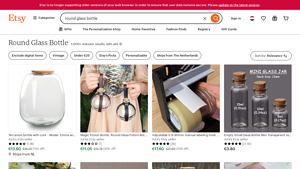
Domain: etsy.com
Registered: 2004 (21 years)
Introduction: Round Glass Bottle
– Price Range: $1.75 to $20.00
– Sizes: 25mm x 20mm for some bottles
– Features: Cork included, suitable for jewelry making, crafts, DIY projects, LARPing, and cosplaying
– Variants: Crystal clear, purple, and versatile options available
– Sellers: LeonesDesignsStudio, JewelryStuffs
– Popularity: Items have varying customer reviews and sales numbers.
6. DHgate – 5ml Round Clear Glass Nail Polish Bottle

Domain: dhgate.com
Registered: 2004 (21 years)
Introduction: {“Product Name”:”5ml Round Shape Refillable Empty Clear Glass Nail Polish Bottle”,”Material”:”Transparent Glass”,”Capacity”:”5ml”,”Bottle Size with Cap”:”60x18mm”,”Tube Length”:”45mm”,”Sealing Type”:”Cap with Brush”,”Surface Handling”:”Matte”,”Industrial Use”:”Personal Care”,”Customization Available”:”Yes”,”Minimum Order Quantity (MOQ)”:”200 Pieces”,”Base Price”:”$0.39/Piece”,”Shipping Cost”:”Free…
7. AliExpress – 30 Pcs 10ml Refillable Perfume Bottles

Domain: aliexpress.com
Registered: 2006 (19 years)
Introduction: This company, AliExpress – 30 Pcs 10ml Refillable Perfume Bottles, is a notable entity in the market. For specific product details, it is recommended to visit their website directly.
Strategic Sourcing Conclusion and Outlook for Round Shape Refillable Glass Bottle
As businesses increasingly prioritize sustainability, the strategic sourcing of round shape refillable glass bottles presents a valuable opportunity for international buyers. These bottles not only offer an eco-friendly alternative to single-use plastics but also enhance brand image and customer loyalty. With customizable options available in various sizes and designs, companies can align their packaging with their brand identity while meeting consumer demands for sustainability.
By partnering with reliable suppliers, businesses can secure high-quality refillable glass bottles that cater to diverse applications—from fragrances to cosmetics and food products. The versatility of these bottles allows brands to innovate and differentiate themselves in competitive markets across Africa, South America, the Middle East, and Europe.
Looking ahead, the demand for sustainable packaging solutions is set to grow, driven by regulatory pressures and changing consumer preferences. Now is the time for B2B buyers to invest in refillable glass bottles as part of their packaging strategy. By doing so, they not only contribute to environmental sustainability but also position their brands as leaders in the green movement. Embrace this opportunity to enhance your product offerings and connect with environmentally conscious consumers.




 English
  Russian
  Spanish
  Italian
  Thai
Thai  French
  Arabic
  Portuguese
  Indonesian
  German






