

Introduction: Navigating the Global Market for Eco-Friendly Blue PLA Cosmetic Cream Jar
In today’s eco-conscious marketplace, sourcing eco-friendly packaging solutions like the Blue PLA Cosmetic Cream Jar presents a significant challenge for international B2B buyers. As the cosmetic industry increasingly shifts towards sustainable practices, businesses must navigate a complex landscape of materials, suppliers, and regulations. This comprehensive guide addresses critical aspects of procuring eco-friendly Blue PLA jars, covering various types, applications, and the essential criteria for vetting suppliers.
By understanding the nuances of biodegradable materials and sustainable packaging options, buyers from Africa, South America, the Middle East, and Europe—particularly in emerging markets like Brazil and Vietnam—can make informed purchasing decisions that align with their corporate sustainability goals. This guide empowers businesses to evaluate cost considerations, supplier reliability, and market trends, ensuring that they select products that not only meet their operational needs but also enhance their brand’s commitment to environmental stewardship.
With actionable insights and strategic recommendations, this resource serves as a vital tool for B2B buyers looking to integrate eco-friendly solutions into their product offerings, fostering a positive brand image and contributing to a greener planet. Embrace the opportunity to lead in sustainable packaging by leveraging this guide to effectively source the Blue PLA Cosmetic Cream Jar that fits your business model.
Understanding Eco-Friendly Blue PLA Cosmetic Cream Jar Types and Variations
| Type Name | Key Distinguishing Features | Primary B2B Applications | Brief Pros & Cons for Buyers |
|---|---|---|---|
| Standard Blue PLA Jar | Made from 100% biodegradable PLA, airtight seal | Skincare products, creams, lotions | Pros: Eco-friendly, customizable designs. Cons: May have limited temperature resistance. |
| Refillable Blue PLA Jar | Designed for multiple uses, easy to refill | High-end cosmetic brands, serums | Pros: Reduces waste, cost-effective in the long run. Cons: Initial higher investment required. |
| Blue PLA Jar with Inner Calcium Carbonate Bowl | Enhanced durability and insulation properties | Organic skincare, premium cosmetics | Pros: Improved product preservation. Cons: Slightly heavier, may affect shipping costs. |
| Customizable Blue PLA Jar | Options for size, shape, and branding | Private label cosmetics, startups | Pros: Tailored branding, strong market differentiation. Cons: Longer lead times for production. |
| Lightweight Blue PLA Jar | Designed for travel and convenience, lightweight design | Travel cosmetics, samples | Pros: Portable, reduces shipping costs. Cons: May compromise on sturdiness compared to heavier jars. |
What Are the Key Characteristics of the Standard Blue PLA Jar?
The Standard Blue PLA Jar is crafted from 100% biodegradable polylactic acid (PLA), making it an environmentally friendly choice for cosmetic packaging. It features an airtight seal, ensuring that products remain fresh and uncontaminated. This jar is ideal for a wide range of skincare products, including creams and lotions. When considering a B2B purchase, buyers should evaluate the jar’s compatibility with their product formulations and assess any potential limitations regarding temperature resistance during storage and transport.
How Does the Refillable Blue PLA Jar Benefit Brands?
The Refillable Blue PLA Jar is designed for sustainability, allowing consumers to refill their jars multiple times. This feature not only helps reduce packaging waste but also positions brands as environmentally conscious, which can enhance customer loyalty. Typically used by high-end cosmetic brands for serums and creams, this jar requires a slightly higher initial investment due to its reusable nature. B2B buyers should consider the long-term cost savings and brand image benefits that come from adopting this eco-friendly packaging solution.
What Advantages Does the Blue PLA Jar with Inner Calcium Carbonate Bowl Offer?
This variation incorporates an inner bowl made from calcium carbonate, adding durability and insulation properties. It is particularly suitable for organic skincare and premium cosmetics, as it preserves product integrity and extends shelf life. While the added weight may increase shipping costs, the benefits of enhanced product preservation can justify the expense. Buyers should assess their logistics and marketing strategies to determine if this jar meets their brand’s needs.
Why Choose a Customizable Blue PLA Jar for Private Labeling?
The Customizable Blue PLA Jar allows businesses to tailor the size, shape, and branding to align with their unique market positioning. This flexibility is particularly advantageous for private label cosmetics and startups looking to differentiate themselves in a competitive landscape. However, buyers should be aware that customization may lead to longer lead times for production. Evaluating supplier capabilities and timelines is essential to ensure timely product launches.
What Makes the Lightweight Blue PLA Jar Ideal for Travel?
Designed for convenience, the Lightweight Blue PLA Jar is perfect for travel-sized cosmetics and samples. Its reduced weight not only makes it easy for consumers to carry but also helps lower shipping costs for businesses. However, potential buyers should weigh the trade-off of sturdiness, as lighter jars may be more prone to damage during transport. Ensuring adequate protective packaging during shipping is crucial for maintaining product quality.
Key Industrial Applications of Eco-Friendly Blue PLA Cosmetic Cream Jar
| Industry/Sector | Specific Application of Eco-Friendly Blue PLA Cosmetic Cream Jar | Value/Benefit for the Business | Key Sourcing Considerations for this Application |
|---|---|---|---|
| Cosmetics and Skincare | Packaging for face creams, serums, and lotions | Enhances brand image through eco-friendly practices | Ensure compliance with international safety standards |
| Personal Care Products | Containers for hair masks and conditioners | Appeals to eco-conscious consumers, boosting sales | Customization options for branding and size |
| Food and Beverage | Packaging for edible beauty products (e.g., body scrubs) | Expands product offerings into the edible beauty market | Food-grade certifications and safety assurances |
| Health and Wellness | Jars for wellness creams and balms | Positions brand as a leader in sustainable health solutions | Biodegradability certifications and sourcing reliability |
| Retail and E-commerce | Direct-to-consumer packaging for subscription boxes | Increases customer loyalty through sustainable choices | Minimum order quantities and shipping logistics |
How is the Eco-Friendly Blue PLA Cosmetic Cream Jar Used in the Cosmetics and Skincare Industry?
In the cosmetics and skincare sector, the Eco-Friendly Blue PLA Cosmetic Cream Jar is utilized for packaging a wide array of products such as face creams, serums, and lotions. This jar not only serves as a protective container but also enhances the product’s aesthetic appeal, aligning with the growing demand for sustainable packaging solutions. By opting for biodegradable materials, companies can differentiate themselves in a competitive market, addressing consumer concerns about plastic waste. For international buyers, ensuring compliance with safety standards in their respective markets is crucial.
What Role Does the Eco-Friendly Blue PLA Cosmetic Cream Jar Play in Personal Care Products?
For personal care products, the Eco-Friendly Blue PLA Cosmetic Cream Jar is an ideal choice for hair masks and conditioners. Its eco-friendly nature resonates with environmentally conscious consumers, promoting a positive brand image that can lead to increased sales. Additionally, the jar can be customized in terms of size and branding, allowing businesses to create a unique identity. Buyers should focus on customization options that meet their branding needs while ensuring the jars are durable and functional.
How Can the Eco-Friendly Blue PLA Cosmetic Cream Jar Be Applied in the Food and Beverage Sector?
In the food and beverage industry, the Eco-Friendly Blue PLA Cosmetic Cream Jar can be repurposed for edible beauty products, such as body scrubs made from natural ingredients. This innovative use not only expands the product line but also meets the rising consumer demand for multifunctional items. Businesses can leverage this trend to position themselves in the edible beauty market. It’s essential for buyers to verify that the jars come with food-grade certifications to ensure safety and compliance with health regulations.
What Benefits Does the Eco-Friendly Blue PLA Cosmetic Cream Jar Offer in Health and Wellness?
In the health and wellness sector, the Eco-Friendly Blue PLA Cosmetic Cream Jar is perfect for packaging creams and balms that promote well-being. By utilizing sustainable materials, brands can enhance their reputation as leaders in eco-conscious health solutions. This approach not only appeals to environmentally aware consumers but also contributes to a healthier planet. Buyers should prioritize sourcing from suppliers who provide biodegradability certifications and demonstrate reliable sourcing practices.
How Does the Eco-Friendly Blue PLA Cosmetic Cream Jar Enhance Retail and E-commerce Strategies?
For retail and e-commerce businesses, the Eco-Friendly Blue PLA Cosmetic Cream Jar is an excellent choice for packaging products intended for subscription boxes. This sustainable packaging option can significantly enhance customer loyalty, as consumers are increasingly looking for brands that prioritize sustainability. When sourcing these jars, businesses should consider minimum order quantities and shipping logistics to optimize their supply chain. Effective communication with suppliers about lead times and customization options can further enhance the customer experience.
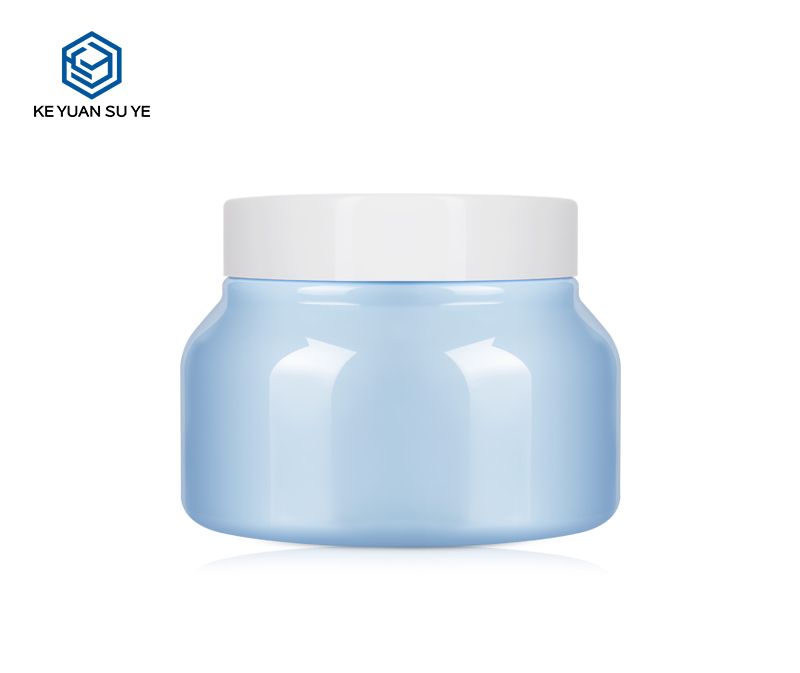
A stock image related to Eco-Friendly Blue PLA Cosmetic Cream Jar.
3 Common User Pain Points for ‘Eco-Friendly Blue PLA Cosmetic Cream Jar’ & Their Solutions
Scenario 1: Sourcing Sustainable Materials for Cosmetic Packaging
The Problem: As a B2B buyer, one of the primary challenges is ensuring that the Eco-Friendly Blue PLA Cosmetic Cream Jar meets sustainability standards while also being cost-effective. Many suppliers claim to offer biodegradable or compostable materials, but not all can provide verified certifications. This uncertainty can lead to difficulties in making purchasing decisions, potentially jeopardizing a brand’s commitment to eco-friendliness and its overall market reputation.
The Solution: To navigate this challenge, buyers should prioritize sourcing from suppliers who have recognized certifications, such as GRS (Global Recycle Standard) or ASTM D6400 for compostability. It’s advisable to request documentation proving the sustainability claims of the Eco-Friendly Blue PLA jars. Additionally, engaging in direct discussions with suppliers about their sourcing practices and production methods can provide deeper insights into the authenticity of their materials. Establishing long-term partnerships with suppliers who demonstrate a commitment to sustainability will not only ensure compliance but also foster trust in the supply chain.
Scenario 2: Understanding Product Performance and Compatibility
The Problem: Buyers often worry about the performance of eco-friendly packaging, particularly regarding its durability and compatibility with various cosmetic formulations. The concern is whether the Eco-Friendly Blue PLA Cosmetic Cream Jar can maintain its integrity under different storage conditions or if it will react adversely with certain ingredients, leading to product degradation.
The Solution: Conducting thorough compatibility testing is crucial. Buyers should collaborate with suppliers to obtain samples of the Eco-Friendly Blue PLA jars and test them with their specific formulations. This process can include assessing the jars under various conditions—such as temperature fluctuations, exposure to light, and contact with active ingredients. Additionally, suppliers can provide insights based on previous testing and customer feedback. By ensuring that the jars meet performance expectations, buyers can confidently promote their products, knowing they will maintain quality throughout their shelf life.
Scenario 3: Effective Marketing of Eco-Friendly Packaging
The Problem: While sustainable packaging can appeal to environmentally conscious consumers, effectively communicating the benefits of the Eco-Friendly Blue PLA Cosmetic Cream Jar can be challenging. B2B buyers need to ensure that their marketing strategies resonate with target audiences and accurately reflect the jar’s eco-friendly attributes.
The Solution: To effectively market the Eco-Friendly Blue PLA jars, buyers should develop clear messaging that highlights the jars’ environmental benefits, such as being made from renewable resources and their biodegradability. Utilizing storytelling techniques that connect the product to broader sustainability goals can create an emotional appeal. Additionally, incorporating certifications and eco-labels on packaging can enhance credibility. Buyers should also consider creating educational content—such as blog posts or videos—that explains the importance of sustainable packaging in the cosmetics industry. Engaging with consumers on social media platforms about the brand’s commitment to sustainability can further strengthen the connection and drive sales.
Strategic Material Selection Guide for Eco-Friendly Blue PLA Cosmetic Cream Jar
What Are the Key Materials for Eco-Friendly Blue PLA Cosmetic Cream Jars?
When selecting materials for eco-friendly blue PLA cosmetic cream jars, it’s essential to consider both the performance characteristics and the sustainability aspects of each material. Below, we analyze four common materials used in the production of these jars: PLA (Polylactic Acid), PCR (Post-Consumer Recycled) Plastics, Calcium Carbonate, and Wheat Straw. Each material presents unique properties, advantages, and challenges that are pertinent to international B2B buyers, particularly in regions like Africa, South America, the Middle East, and Europe.
How Does PLA Perform in Cosmetic Cream Jar Applications?
PLA is a biodegradable thermoplastic derived from renewable resources like corn starch or sugarcane. Its key properties include a melting point of around 150-160°C and good clarity, making it visually appealing for cosmetic packaging. PLA exhibits moderate resistance to moisture and is suitable for low-temperature applications.
Pros: PLA is compostable in industrial facilities, aligning with sustainability goals. It is also lightweight, which can reduce shipping costs.
Cons: PLA has lower thermal stability compared to traditional plastics, making it unsuitable for products requiring high-temperature storage. It can also be more expensive than conventional plastic materials.
Impact on Application: PLA is ideal for cosmetic products that do not require high heat resistance, such as creams and lotions. However, it may not perform well in humid environments unless properly sealed.
Considerations for International Buyers: Compliance with ASTM D6400 or EN 13432 standards for compostability is crucial. Buyers should also consider local regulations regarding biodegradable materials, especially in markets like Europe where eco-labeling is valued.
What Are the Benefits of Using PCR Plastics?
Post-Consumer Recycled (PCR) plastics are made from recycled materials, primarily sourced from consumer waste. They provide a sustainable alternative to virgin plastics, with properties similar to traditional plastics, including good chemical resistance and durability.
Pros: PCR plastics help reduce landfill waste and lower the carbon footprint associated with new plastic production. They can be manufactured to meet various specifications, including food-grade standards.
Cons: The quality of PCR plastics can vary based on the source of the recycled material, potentially affecting product consistency. Additionally, they may be more expensive than virgin plastics due to processing costs.
Impact on Application: PCR plastics are suitable for a wide range of cosmetic products, providing robust packaging solutions that can withstand typical handling and storage conditions.
Considerations for International Buyers: Buyers should ensure that PCR materials comply with relevant standards such as ASTM D6866 for biobased content. Understanding local recycling capabilities is also important, especially in regions with varying waste management systems.
How Does Calcium Carbonate Enhance Cosmetic Packaging?
Calcium Carbonate is often used as a filler in biodegradable plastics, enhancing their properties. It improves rigidity and can lower production costs by replacing a portion of the polymer.
Pros: This material enhances the mechanical properties of the packaging while being non-toxic and environmentally friendly. It also helps in reducing the overall weight of the jar.
Cons: While it improves certain properties, excessive use can lead to brittleness in the final product. Additionally, the cost-effectiveness depends on the proportion used in the blend.
Impact on Application: Calcium Carbonate is beneficial for jars that require added strength and stability, making it suitable for thicker creams and lotions.
Considerations for International Buyers: Ensuring compliance with food safety standards is critical, particularly in markets with stringent regulations. Buyers should also evaluate the sourcing of Calcium Carbonate to ensure it aligns with sustainability goals.
What Role Does Wheat Straw Play in Sustainable Packaging?
Wheat straw, a byproduct of wheat production, is increasingly being used in eco-friendly packaging. It is biodegradable and can be processed into a composite material for cosmetic jars.
Pros: Wheat straw is renewable, reduces agricultural waste, and provides a unique aesthetic appeal. It is also lightweight and can be produced at a lower cost compared to some plastics.
Cons: The durability of wheat straw composites can be a concern, particularly in humid environments. Additionally, its availability may vary seasonally, affecting supply consistency.
Impact on Application: Wheat straw is suitable for lightweight products and offers a unique branding opportunity for companies focused on sustainability.
Considerations for International Buyers: Buyers should verify that the wheat straw material meets local environmental standards and assess the supply chain to ensure consistent availability.
Summary Table of Material Options for Eco-Friendly Blue PLA Cosmetic Cream Jar
| Material | Typical Use Case for Eco-Friendly Blue PLA Cosmetic Cream Jar | Key Advantage | Key Disadvantage/Limitation | Relative Cost (Low/Med/High) |
|---|---|---|---|---|
| PLA | Creams and lotions requiring biodegradable packaging | Compostable and derived from renewable resources | Limited thermal stability | Medium |
| PCR Plastics | General cosmetic products needing durability | Reduces landfill waste and carbon footprint | Variable quality based on recycling source | Medium |
| Calcium Carbonate | Thick creams and lotions requiring added strength | Enhances mechanical properties | Risk of brittleness with excessive use | Low |
| Wheat Straw | Lightweight cosmetic products with unique branding | Renewable and reduces agricultural waste | Durability concerns in humid environments | Medium |
This comprehensive analysis provides B2B buyers with actionable insights into material selection for eco-friendly blue PLA cosmetic cream jars, enabling informed decision-making that aligns with sustainability goals.

A stock image related to Eco-Friendly Blue PLA Cosmetic Cream Jar.
In-depth Look: Manufacturing Processes and Quality Assurance for Eco-Friendly Blue PLA Cosmetic Cream Jar
What Are the Main Stages in the Manufacturing Process of Eco-Friendly Blue PLA Cosmetic Cream Jars?
The manufacturing process of Eco-Friendly Blue PLA Cosmetic Cream Jars involves several key stages, ensuring that the final product is both sustainable and of high quality.
Material Preparation: Sourcing and Processing PLA
The process begins with the sourcing of polylactic acid (PLA), a biodegradable plastic derived from renewable resources such as corn starch or sugarcane. Manufacturers must ensure that the PLA is of high purity and suitable for cosmetic packaging. This involves rigorous supplier selection, where B2B buyers should verify the sustainability credentials of their suppliers through certifications and audits.
Once sourced, the PLA undergoes processing, which includes drying and granulation. This stage is crucial as moisture content can affect the performance of the final product. Suppliers often employ advanced drying techniques to ensure the material is prepared adequately for subsequent forming processes.
How Are Eco-Friendly Cream Jars Formed?
The next stage is forming, where the prepared PLA is transformed into jars using techniques such as injection molding or blow molding.
-
Injection Molding: This method involves injecting molten PLA into a mold to create the desired shape. It is ideal for producing complex designs and can accommodate various jar sizes and styles. This technique also allows for precision in wall thickness and surface finish, critical for cosmetic applications.
-
Blow Molding: For larger or hollow jars, blow molding is utilized. In this process, a pre-formed tube of PLA is inflated within a mold to achieve the final shape. This technique is efficient for high-volume production and can produce lightweight yet sturdy jars.
Manufacturers must ensure that the molds are designed with durability in mind, as they will be used repeatedly in production. The choice of forming technique can impact both the cost and the environmental footprint of the manufacturing process.
What Assembly and Finishing Steps Are Involved?
After forming, the jars undergo assembly, which may include adding components such as lids or inner seals. For Eco-Friendly Blue PLA Cosmetic Cream Jars, it is essential to ensure that all components are also made from sustainable materials, enhancing the overall eco-friendliness of the product.
Finishing processes such as surface treatment, labeling, and quality checks follow assembly. These finishing touches not only enhance the aesthetic appeal but also ensure that the jars meet safety and regulatory standards. Techniques such as UV coating can be applied to improve durability and resistance to cosmetic ingredients.
What Quality Assurance Measures Are Essential for Eco-Friendly Packaging?
Quality assurance is a critical component of the manufacturing process, particularly for products intended for the cosmetic industry. Buyers should be aware of the international standards and industry-specific certifications that suppliers should adhere to.
Which International Standards Should Buyers Look For?
The ISO 9001 certification is a fundamental quality management standard that ensures consistent quality in production processes. Suppliers should also comply with CE marking and other relevant certifications, such as those from the American Petroleum Institute (API) for products that may come into contact with personal care items.
What Are the Key Quality Control Checkpoints?
Quality control (QC) checkpoints are essential at various stages of the manufacturing process:
-
Incoming Quality Control (IQC): This involves inspecting raw materials upon arrival to ensure they meet specifications. For PLA, this might include testing for purity and moisture content.
-
In-Process Quality Control (IPQC): Continuous monitoring during production helps identify defects early. This may include checking the temperature and pressure during the molding process to ensure consistency.
-
Final Quality Control (FQC): Before the products are packaged and shipped, a comprehensive inspection is performed to ensure that the jars meet quality and safety standards. This can involve visual inspections, dimensional checks, and tests for mechanical properties.
How Can B2B Buyers Verify Supplier Quality Control Practices?
B2B buyers must adopt proactive strategies to verify the quality control practices of their suppliers. This can include:
-
Supplier Audits: Conducting on-site audits to assess the manufacturing processes, QC measures, and overall compliance with international standards.
-
Quality Reports: Requesting detailed quality reports that outline testing methods, results, and any corrective actions taken for non-conformities.
-
Third-Party Inspections: Engaging third-party inspection agencies to evaluate the manufacturing facility and its processes. This adds an additional layer of assurance, particularly for international transactions.
What Are the Nuances of Quality Control for International Buyers?
For international buyers, especially from regions such as Africa, South America, the Middle East, and Europe, understanding the nuances of quality control is vital.
-
Regulatory Compliance: Each region may have specific regulations regarding cosmetic packaging. Buyers should ensure that their suppliers are knowledgeable about and compliant with these regulations, which may vary significantly.
-
Cultural and Communication Differences: Building a strong relationship with suppliers can help navigate potential misunderstandings regarding quality expectations. Regular communication and clear agreements on quality standards can mitigate risks.
-
Sustainability Credentials: In addition to traditional quality metrics, buyers should evaluate suppliers based on their sustainability practices, including waste management, energy consumption, and use of renewable resources. This aligns with the growing demand for eco-friendly products in global markets.
In conclusion, the manufacturing processes and quality assurance measures for Eco-Friendly Blue PLA Cosmetic Cream Jars are intricate and require careful consideration from B2B buyers. By understanding these processes and implementing rigorous verification strategies, businesses can ensure they partner with suppliers who prioritize sustainability and quality, ultimately enhancing their brand reputation in the marketplace.
Practical Sourcing Guide: A Step-by-Step Checklist for ‘Eco-Friendly Blue PLA Cosmetic Cream Jar’
This guide is designed to assist B2B buyers in sourcing eco-friendly blue PLA cosmetic cream jars. By following this step-by-step checklist, you will ensure that your procurement process is efficient, compliant, and aligned with sustainability goals.
Step 1: Define Your Technical Specifications
Clearly outline the technical requirements for the cosmetic cream jars you wish to source. This includes size, capacity, material specifications (such as PLA for biodegradability), and any specific design features.
– Consider the type of cosmetic products that will be housed in the jars to determine if additional features like airtight seals or UV protection are necessary.
Step 2: Research and Identify Potential Suppliers
Conduct thorough market research to identify suppliers that specialize in eco-friendly packaging solutions. Use platforms like Alibaba or specialized B2B directories to find manufacturers with a proven track record.
– Look for suppliers who focus on sustainable materials and have experience in producing biodegradable products, specifically PLA jars.
Step 3: Verify Supplier Certifications
Before proceeding with any supplier, verify their sustainability certifications. Certifications such as GRS (Global Recycled Standard) or ISO 14001 indicate a commitment to environmental management and responsible sourcing.
– Request documentation that proves their compliance with these standards, ensuring that the materials used are indeed eco-friendly and safe for cosmetic applications.
Step 4: Request Samples for Quality Assessment
Always request samples of the eco-friendly blue PLA cosmetic cream jars before making bulk purchases. This step is critical to assess the quality, durability, and design of the jars.
– Evaluate the samples for any defects, the effectiveness of the sealing mechanism, and overall aesthetic appeal to ensure they meet your brand’s standards.
Step 5: Evaluate Pricing and MOQ (Minimum Order Quantity)
Carefully analyze the pricing structures and minimum order quantities set by potential suppliers. Compare costs against your budget while considering the quality of the jars.
– Ensure that the pricing aligns with the market trends for eco-friendly packaging and that the MOQ is feasible for your business needs.
Step 6: Negotiate Terms and Conditions
Once you have shortlisted suppliers, engage in negotiations regarding payment terms, delivery schedules, and return policies. Clear agreements on these points can prevent misunderstandings later in the process.
– Consider including clauses related to sustainability commitments, such as the use of recycled materials and adherence to environmental standards.
Step 7: Plan for Logistics and Distribution
Finally, develop a logistics plan for transporting the jars from the supplier to your location. Take into account shipping methods, costs, and potential import duties based on your location.
– Ensure that the supplier can provide adequate packaging for transit to avoid damage, and consider the environmental impact of the shipping methods used.
By following these steps, you can confidently source eco-friendly blue PLA cosmetic cream jars that meet your company’s sustainability goals while ensuring quality and compliance.
Comprehensive Cost and Pricing Analysis for Eco-Friendly Blue PLA Cosmetic Cream Jar Sourcing
What Are the Key Cost Components in Sourcing Eco-Friendly Blue PLA Cosmetic Cream Jars?
When sourcing eco-friendly blue PLA cosmetic cream jars, understanding the cost structure is essential for effective budgeting and financial planning. The primary cost components include materials, labor, manufacturing overhead, tooling, quality control (QC), logistics, and supplier margins.
-
Materials: The choice of PLA (Polylactic Acid) as a biodegradable material can significantly impact costs. PLA is derived from renewable resources like corn starch, making it more expensive than conventional plastics. Expect to pay between $0.25 to $0.50 per unit for raw PLA material, depending on market conditions.
-
Labor: Labor costs vary by region and supplier. In countries with lower labor costs, such as Vietnam or parts of South America, manufacturers may pass these savings onto buyers. Conversely, European suppliers might have higher labor costs, which can increase the overall price.
-
Manufacturing Overhead: This includes the costs associated with factory operations such as utilities, equipment maintenance, and administrative expenses. A typical overhead rate ranges from 10% to 20% of the direct manufacturing costs.
-
Tooling: Custom molds for PLA jars can be a significant upfront investment, ranging from $2,000 to $10,000, depending on the complexity and specifications of the design. Buyers must consider this initial cost when evaluating pricing.
-
Quality Control (QC): Ensuring product quality is paramount, especially for cosmetic packaging. QC processes can add an additional 5% to 15% to the total manufacturing costs. Certifications like ISO or GRS can also influence pricing.
-
Logistics: Shipping costs depend on the Incoterms agreed upon (e.g., FOB, CIF) and the shipping distance. International shipping can add $0.05 to $0.20 per unit, depending on the mode of transport (air vs. sea) and the shipping volume.
-
Margin: Suppliers typically mark up their costs by 15% to 30% to ensure profitability. This margin can vary based on the supplier’s reputation, service level, and market demand.
How Do Price Influencers Affect the Cost of Eco-Friendly Blue PLA Cosmetic Cream Jars?
Several factors influence the final price of eco-friendly blue PLA cosmetic cream jars. Understanding these can help buyers negotiate better deals and ensure they are receiving value for their investment.
-
Volume/MOQ: Minimum Order Quantities (MOQ) can greatly affect pricing. Larger orders often lead to lower per-unit costs. For instance, while the price for a small order (e.g., 1,000 units) may be around $0.50 each, ordering 10,000 units could reduce the price to $0.30.
-
Specifications and Customization: Custom designs or specific dimensions can increase costs. Buyers should clarify their needs upfront to avoid unexpected costs later in the process.
-
Material Quality and Certifications: Higher-quality PLA with certifications (like compostability or biodegradability) can raise costs. Ensure the materials align with your brand’s sustainability goals.
-
Supplier Factors: Supplier experience, reliability, and production capacity can influence pricing. Established suppliers with a track record may charge higher prices but often provide better quality assurance and service.
-
Incoterms: The agreed shipping terms can significantly impact total costs. Understanding which costs are covered by the seller versus the buyer can help in budgeting accurately.
What Are the Best Tips for Buyers to Ensure Cost-Efficiency When Sourcing Eco-Friendly Jars?
Navigating the complexities of sourcing eco-friendly jars can be challenging, especially for international buyers. Here are several actionable tips:
-
Negotiate Effectively: Don’t hesitate to negotiate terms and prices. Suppliers often have some flexibility, especially for larger orders or repeat business.
-
Consider Total Cost of Ownership: Beyond initial pricing, consider the total cost of ownership, including shipping, customs duties, and potential costs related to quality issues.
-
Research Market Trends: Stay informed about market fluctuations in raw materials and shipping costs. This knowledge can provide leverage during negotiations.
-
Build Relationships with Suppliers: Establishing strong relationships can lead to better pricing and priority service. Consider long-term partnerships to enhance reliability and reduce costs.
-
Evaluate Multiple Suppliers: Don’t settle for the first quote. Comparing multiple suppliers can provide insights into market rates and help identify the best value.
By understanding these components and strategies, international B2B buyers can make informed decisions and optimize their sourcing process for eco-friendly blue PLA cosmetic cream jars.
Alternatives Analysis: Comparing Eco-Friendly Blue PLA Cosmetic Cream Jar With Other Solutions
Exploring Viable Alternatives to the Eco-Friendly Blue PLA Cosmetic Cream Jar
In the quest for sustainable packaging solutions within the cosmetic industry, the Eco-Friendly Blue PLA Cosmetic Cream Jar stands out as an innovative option. However, it is essential for B2B buyers to evaluate other viable alternatives to make informed decisions that align with their sustainability goals and market demands. Below is a comparative analysis of the Eco-Friendly Blue PLA Cosmetic Cream Jar against two notable alternatives: Biodegradable Wheat Straw Jars and PCR (Post-Consumer Recycled) Plastic Jars.
| Comparison Aspect | Eco-Friendly Blue PLA Cosmetic Cream Jar | Biodegradable Wheat Straw Jar | PCR Plastic Jar |
|---|---|---|---|
| Performance | Good barrier properties, suitable for creams and lotions. | Decent performance, best for creams. | Excellent durability and resistance to moisture. |
| Cost | Moderate cost, typically between $0.35-$0.50 per unit. | Generally lower, around $0.30-$0.40 per unit. | Varies widely, often $0.25-$0.60 depending on customization. |
| Ease of Implementation | Easy to implement with existing production lines. | Requires some adjustments in manufacturing processes. | Compatible with most existing systems, especially for brands using traditional plastics. |
| Maintenance | Minimal maintenance required; can be stored like traditional jars. | Similar maintenance to PLA jars, but care needed to avoid moisture. | Low maintenance; resistant to environmental factors. |
| Best Use Case | Ideal for brands emphasizing a vibrant, eco-friendly image. | Suitable for brands focused on affordability and basic sustainability. | Best for brands looking for high-quality, sustainable packaging without sacrificing performance. |
What Are the Benefits and Drawbacks of Biodegradable Wheat Straw Jars?
Biodegradable wheat straw jars are crafted from agricultural waste, offering an eco-friendly alternative that is both affordable and sustainable. They are particularly advantageous for brands targeting cost-sensitive markets without compromising on environmental responsibility. However, their performance may not match that of the Eco-Friendly Blue PLA Cosmetic Cream Jar in terms of moisture resistance and overall durability. Additionally, these jars may require more careful handling to prevent degradation over time.
How Do PCR Plastic Jars Compare?
Post-Consumer Recycled (PCR) plastic jars represent a robust alternative, leveraging recycled materials to reduce the demand for virgin plastics. These jars are highly durable and can be customized to meet various aesthetic needs. PCR jars typically have a lower carbon footprint compared to traditional plastics, making them attractive for eco-conscious brands. However, they may come at a higher initial cost and can require more complex supply chain logistics to ensure the quality of recycled materials.
How Can B2B Buyers Choose the Right Packaging Solution?
When selecting the appropriate packaging solution, B2B buyers should consider factors such as target market, brand positioning, and environmental impact. If the goal is to project a vibrant eco-friendly brand image, the Eco-Friendly Blue PLA Cosmetic Cream Jar may be the best choice. However, for brands prioritizing cost-efficiency while still adhering to sustainable practices, biodegradable wheat straw jars might be more suitable. Conversely, companies looking for high-performance packaging that still embraces sustainability could benefit from PCR plastic jars. Ultimately, understanding the specific needs of your brand and customers will guide you in making the right choice for sustainable packaging.
Essential Technical Properties and Trade Terminology for Eco-Friendly Blue PLA Cosmetic Cream Jar
What Are the Key Technical Properties of an Eco-Friendly Blue PLA Cosmetic Cream Jar?
When sourcing eco-friendly cosmetic packaging, understanding the technical properties of a Blue PLA Cosmetic Cream Jar is crucial for making informed purchasing decisions. Here are several essential specifications to consider:
-
Material Composition
The Blue PLA (Polylactic Acid) is a biodegradable thermoplastic derived from renewable resources like corn starch or sugarcane. This property is significant for B2B buyers focused on sustainability, as it reduces reliance on fossil fuels and lowers the carbon footprint associated with traditional plastic production. -
Capacity and Size Variability
Eco-friendly cream jars typically come in various capacities, such as 30ml, 50ml, or 100ml. Understanding the size options available allows businesses to tailor their products to market demands, ensuring optimal customer satisfaction and minimizing waste. -
Barrier Properties
The jar’s ability to provide an effective barrier against moisture, oxygen, and light is essential for preserving the integrity of cosmetic formulations. This characteristic is critical for products that require a longer shelf life, making it necessary for buyers to verify the jar’s performance in maintaining product quality. -
Airtight Seal and Leak Resistance
A well-designed jar should feature an airtight seal to prevent contamination and leakage. This property is vital for maintaining the efficacy of cosmetic products and enhancing the user experience, ultimately contributing to brand loyalty and reducing returns. -
Temperature Resistance
Eco-friendly cosmetic jars should be able to withstand a range of temperatures, including those encountered during shipping and storage. For B2B buyers, this property assures that the product will maintain its integrity under various conditions, which is particularly important in regions with extreme climates. -
Recyclability and Compostability
Besides being biodegradable, the jar’s recyclability contributes to a circular economy, allowing businesses to promote their commitment to sustainability. For international buyers, understanding local regulations regarding packaging disposal can influence purchasing decisions.
What Trade Terminology Should B2B Buyers Know for Eco-Friendly Packaging?
Navigating the B2B landscape for eco-friendly packaging involves familiarizing oneself with industry-specific terminology. Here are several key terms that buyers should understand:
-
OEM (Original Equipment Manufacturer)
This term refers to companies that produce products that other companies rebrand. For B2B buyers, partnering with an OEM can provide access to custom eco-friendly packaging solutions tailored to specific brand requirements. -
MOQ (Minimum Order Quantity)
MOQ indicates the smallest quantity a supplier is willing to sell. Understanding MOQ helps buyers assess whether a supplier can meet their needs without overcommitting resources, especially when testing new products in the market. -
RFQ (Request for Quotation)
An RFQ is a document sent to suppliers requesting pricing and terms for a specific quantity of products. This tool is essential for comparing offers from multiple suppliers, ensuring that buyers can negotiate better deals for eco-friendly packaging. -
Incoterms (International Commercial Terms)
These are standardized trade terms used in international shipping that define the responsibilities of buyers and sellers. Familiarity with Incoterms is crucial for B2B buyers to understand shipping costs, risk management, and delivery responsibilities associated with their orders. -
Sustainability Certifications
Certifications such as GRS (Global Recycled Standard) or FSC (Forest Stewardship Council) indicate that products meet specific environmental standards. Buyers should look for these certifications to ensure their packaging aligns with their sustainability goals. -
Customizable Features
This term refers to options available for tailoring packaging design, such as colors, sizes, and branding elements. Customizability is a significant selling point for buyers seeking to differentiate their products in a competitive market.
By understanding these technical properties and trade terminology, B2B buyers can make informed decisions that align with their sustainability objectives while meeting market demands.
Navigating Market Dynamics and Sourcing Trends in the Eco-Friendly Blue PLA Cosmetic Cream Jar Sector
What Are the Key Trends Influencing the Eco-Friendly Blue PLA Cosmetic Cream Jar Market?
The demand for eco-friendly packaging solutions, particularly in the cosmetics sector, is rapidly gaining momentum. This is driven by a global shift towards sustainability, with consumers increasingly favoring brands that prioritize environmental responsibility. International B2B buyers, especially from regions such as Africa, South America, the Middle East, and Europe, are recognizing the potential for eco-friendly packaging to enhance brand image and meet regulatory requirements. Emerging markets like Brazil and Vietnam are also witnessing a rise in consumer awareness about sustainable products, which in turn fuels the demand for biodegradable options such as the blue PLA (Polylactic Acid) cosmetic cream jar.
Key trends shaping the market include the adoption of advanced manufacturing technologies that allow for customization and scalability in production. Suppliers are leveraging innovations in biodegradable materials and processes to create jars that not only meet aesthetic demands but also comply with environmental standards. Additionally, the rise of e-commerce is pushing brands to rethink their packaging strategies, focusing on lightweight, recyclable, and visually appealing options that resonate with eco-conscious consumers. These dynamics create an opportunity for international buyers to collaborate with suppliers who are at the forefront of sustainable packaging innovation.
How Does Sustainability and Ethical Sourcing Impact the Eco-Friendly Blue PLA Cosmetic Cream Jar Sector?
Sustainability is no longer just a buzzword; it is a critical factor for B2B buyers looking to enhance their supply chains. The environmental impact of plastic waste is prompting brands to consider the lifecycle of their packaging materials. The use of biodegradable options like blue PLA not only reduces landfill contributions but also aligns with global initiatives aimed at reducing carbon footprints. For buyers in Africa, South America, the Middle East, and Europe, ethical sourcing is paramount. This involves selecting suppliers who adhere to responsible practices, including fair labor conditions and minimal environmental disruption.
Certifications play a significant role in assuring buyers of a supplier’s commitment to sustainability. Look for certifications such as GRS (Global Recycled Standard) and FSC (Forest Stewardship Council) that indicate the use of recycled or responsibly sourced materials. Buyers should also prioritize suppliers who can provide transparency in their supply chain, demonstrating a commitment to eco-friendly practices from sourcing raw materials to the final product. This not only enhances brand reputation but also caters to a growing consumer base that values ethical considerations in purchasing decisions.
How Has the Eco-Friendly Blue PLA Cosmetic Cream Jar Market Evolved?
The evolution of the eco-friendly packaging sector reflects broader societal changes towards sustainability. Initially, traditional plastic jars dominated the cosmetic packaging landscape due to their cost-effectiveness and functionality. However, growing environmental concerns and consumer pressure have led to a significant shift towards biodegradable alternatives like blue PLA. This transition has been supported by advancements in material science, enabling the production of high-quality, aesthetically pleasing, and functional eco-friendly jars.
The historical context of this shift highlights the importance of aligning business practices with consumer values. As more brands commit to sustainability, the market for eco-friendly packaging is expected to expand further, presenting lucrative opportunities for B2B buyers. This evolution underscores the necessity for businesses to stay informed about emerging materials and technologies that can enhance their product offerings while meeting environmental standards.
Frequently Asked Questions (FAQs) for B2B Buyers of Eco-Friendly Blue PLA Cosmetic Cream Jar
-
How do I ensure the Eco-Friendly Blue PLA Cosmetic Cream Jar meets my sustainability criteria?
To ensure that the Eco-Friendly Blue PLA Cosmetic Cream Jar aligns with your sustainability goals, request certifications from suppliers that verify the biodegradable and compostable nature of the materials used. Look for certifications like GRS (Global Recycle Standard) or FSC (Forest Stewardship Council) that demonstrate responsible sourcing and production practices. Additionally, inquire about the jar’s lifecycle impact, including its recyclability and the energy consumption involved in its production. -
What customization options are available for Eco-Friendly Blue PLA Cosmetic Cream Jars?
Customization options typically include size, shape, color, and branding elements such as logos and labels. Many suppliers allow for tailored designs to match your product branding, with minimum order quantities (MOQs) varying by supplier. It’s crucial to communicate your specific requirements early in the sourcing process to ensure that the final product meets your aesthetic and functional needs. -
What are the minimum order quantities (MOQs) for Eco-Friendly Blue PLA Cosmetic Cream Jars?
MOQs can vary significantly between suppliers, often ranging from 500 to 10,000 units, depending on the level of customization and the supplier’s production capabilities. It’s advisable to discuss your needs upfront with potential suppliers to find options that align with your budget and inventory strategy. Some suppliers may offer lower MOQs for standard products, while custom designs usually require higher quantities. -
What payment terms should I expect when sourcing Eco-Friendly Blue PLA Cosmetic Cream Jars?
Payment terms can vary by supplier and may include options such as upfront payment, partial payment, or payment upon delivery. Common practices involve a 30% deposit with the balance due prior to shipment. Always clarify payment terms in advance and ensure they align with your cash flow management strategies. Using secure payment methods can also help mitigate risks associated with international transactions. -
How can I verify the quality of Eco-Friendly Blue PLA Cosmetic Cream Jars before placing a large order?
To verify quality, request samples from potential suppliers to evaluate material properties, durability, and design. Conduct quality assurance checks by assessing the samples for defects and ensuring they meet your specifications. Additionally, consider suppliers with third-party certifications or those that follow international quality standards, such as ISO, to ensure consistent product quality. -
What logistics considerations should I keep in mind when importing Eco-Friendly Blue PLA Cosmetic Cream Jars?
When importing, consider factors such as shipping methods, customs regulations, and delivery timelines. Ensure that your supplier can provide the necessary documentation for customs clearance, including invoices and certificates of origin. Collaborating with a reliable logistics partner can help navigate potential challenges and ensure timely delivery of your products. -
How do I assess and vet suppliers of Eco-Friendly Blue PLA Cosmetic Cream Jars?
To assess suppliers, start by reviewing their industry reputation, years in business, and customer feedback. Request references from previous clients and evaluate their production capabilities through factory visits or virtual tours. Look for suppliers that adhere to sustainability practices and have certifications that validate their commitment to eco-friendly materials. -
What are the environmental benefits of using Eco-Friendly Blue PLA Cosmetic Cream Jars?
Utilizing Eco-Friendly Blue PLA Cosmetic Cream Jars significantly reduces plastic waste and promotes sustainability within the cosmetics industry. PLA (Polylactic Acid) is derived from renewable resources, making it a biodegradable alternative to traditional plastic. This choice not only enhances your brand’s eco-friendly image but also appeals to environmentally conscious consumers, potentially increasing your market share in a growing segment of sustainable products.
Important Disclaimer & Terms of Use
⚠️ Important Disclaimer
The information provided in this guide, including content regarding manufacturers, technical specifications, and market analysis, is for informational and educational purposes only. It does not constitute professional procurement advice, financial advice, or legal advice.
While we have made every effort to ensure the accuracy and timeliness of the information, we are not responsible for any errors, omissions, or outdated information. Market conditions, company details, and technical standards are subject to change.
B2B buyers must conduct their own independent and thorough due diligence before making any purchasing decisions. This includes contacting suppliers directly, verifying certifications, requesting samples, and seeking professional consultation. The risk of relying on any information in this guide is borne solely by the reader.
Top 9 Eco-Friendly Blue Pla Cosmetic Cream Jar Manufacturers & Suppliers List
1. Gideapac – Key Product Details

Domain: gideapac.com
Registered: 2023 (2 years)
Introduction: Key product details include: 1. Product Pack Types: Pump Bottles, Dropper Bottles, Spray Bottles, Flip-top Bottles, Roller Bottles, Cosmetic Jars, Cosmetic Tubes, Airless Bottles, Airless Jars. 2. Product Types: Foundations, Lip Balm, Sunscreen, Hair Powder, Nail Care. 3. Sustainability Features: Post-consumer Recycled, Ocean-bound Plastic, Refillable, Mono-material, Biodegradable, Bamboo, Glass. …
2. Valcon Pack – Blue Square Crystal Acrylic Cream Jar

Domain: valconpack.com
Registered: 2017 (8 years)
Introduction: Blue Square Crystal Acrylic High-End Skin Care Packaging Cream Jar
3. Accio – Biodegradable Jars
Domain: accio.com
Registered: 1997 (28 years)
Introduction: Biodegradable Jars: Eco-Friendly Packaging Solutions for Cosmetics & Food. Various options available including 50g, 100g, 200ml jars, and more. Prices range from $0.03 to $3.00 depending on the product. Minimum order quantities vary from 1 to 50,000 pieces. Estimated delivery dates range from October to November 2023. Manufacturers include Haputa Packaging Co., Ltd., Suzhou Fomalhaut Eco-Pack Mate…
4. Keyuan – KY045PJ Cosmetic Jar
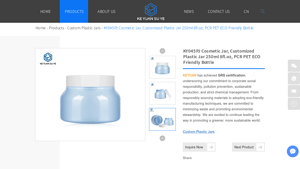
Domain: keyuanbottle.com
Registered: 2021 (4 years)
Introduction: {“Product Name”:”KY045PJ Cosmetic Jar”,”Material”:”PCR PET”,”Volume”:”250ml (8 fl. oz)”,”Color”:”Blue with White Lid”,”Dimensions”:{“Diameter (mm)”:”86.5″,”Height till shoulder (mm)”:”44.5″,”Total height (mm)”:”64″,”Neck Size (mm)”:”67″,”Printing height (mm)”:”18″},”Industrial Use”:”Cosmetics”,”Shape”:”Custom Color”,”Accessory”:”Plastic Screw Cap / Plastic Pull Gasket”,”Logo”:”Customized”,”Service…
5. TopFeelPack – Face Cream Blue Jar
Domain: topfeelpack.com
Registered: 2010 (15 years)
Introduction: Face Cream Blue Jar – Manufacturers and Suppliers from China. Available in various sizes (30g, 50g). Features sturdy modeling and effective promotion globally. Related products include refillable cosmetic jars, airless cream jars, and various cosmetic packaging solutions. The company emphasizes super high-quality and satisfactory service, aiming to establish business partnerships worldwide.
6. Jarsking – Eco-Friendly PLA Cosmetic Packaging

Domain: jarsking.com
Registered: 2022 (3 years)
Introduction: PLA (Polylactic Acid) cosmetic packaging solutions are eco-friendly and recyclable, derived from renewable resources like corn starch or sugarcane. They offer exceptional clarity and gloss, biodegrade under proper industrial composting conditions, and are suitable for various cosmetic formulations. Jarsking specializes in custom PLA packaging with minimum order quantities starting at 10,000 pieces…
7. Reddit – 3D Printed Antiseptic Cream Container
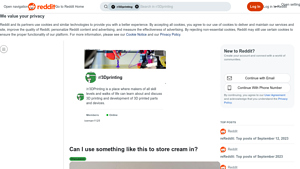
Domain: reddit.com
Registered: 2005 (20 years)
Introduction: The discussion revolves around using a 3D printed container to store antiseptic cream, which is noted to be quite thick. There are concerns about leakage if the container lacks a proper gasket in the cap, and suggestions to cover the inside with a sealant to prevent plastic residue from contacting the cream. The viscosity of the cream is also mentioned as a factor in determining the suitability of…
8. Facebook – Cosmetic Packaging Solutions
Domain: facebook.com
Registered: 1997 (28 years)
Introduction: Cosmetic Packaging – Plastic, Glass, Paper Packaging
9. Lechan – Eco-Friendly Bamboo Lid Glass Cream Jar
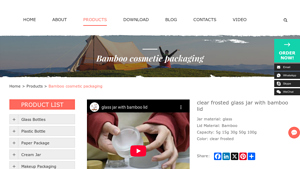
Domain: lechanpackage.com
Registered: 2020 (5 years)
Introduction: Product Name: Eco-Friendly Bamboo Lid Glass Cream Jar
Material: Body – Glass, Lid – Bamboo
Capacity Options: 5g, 15g, 30g, 50g, 100g, 150g, 200g
Color Options: Clear frosted, Amber, Blue, Green, Black, or Custom Colors
Features:
– Eco-friendly and recyclable materials
– High-end design with a modern twist
– 100% BPA-free and non-porous surface
– Durable thickened glass and natural bamboo lid
– Ea…
Strategic Sourcing Conclusion and Outlook for Eco-Friendly Blue PLA Cosmetic Cream Jar
In today’s competitive market, the strategic sourcing of eco-friendly packaging solutions, such as the Blue PLA Cosmetic Cream Jar, is more than just a trend; it is a critical component of sustainable business practices. By prioritizing biodegradable materials, companies not only enhance their brand image but also contribute significantly to environmental conservation. This approach resonates particularly well with consumers who are increasingly demanding eco-conscious products, thereby opening up new market opportunities.
For international B2B buyers in regions like Africa, South America, the Middle East, and Europe, investing in sustainable packaging can lead to long-term cost savings and reduced liability related to waste management. Moreover, sourcing from verified suppliers ensures quality and compliance with global sustainability standards, fostering trust and reliability in your supply chain.
As we look to the future, the demand for eco-friendly packaging will only grow. Embrace this opportunity to lead your market segment by integrating sustainable practices into your operations. Act now to secure partnerships with innovative suppliers offering Blue PLA Cosmetic Cream Jars and other sustainable packaging solutions, positioning your brand as a leader in the global shift towards sustainability.




 English
  Russian
  Spanish
  Italian
  Thai
Thai  French
  Arabic
  Portuguese
  Indonesian
  German






