

Introduction: Navigating the Global Market for Square Refillable Pump Bottle
In an increasingly competitive global marketplace, sourcing square refillable pump bottles has become a pivotal concern for international B2B buyers. The challenge lies not only in finding high-quality products but also in navigating the complexities of supply chains that span diverse regions like Africa, South America, the Middle East, and Europe. This comprehensive guide aims to demystify the process by providing actionable insights into various types of square refillable pump bottles, their applications across different industries, and essential criteria for supplier vetting.
Understanding the nuances of product specifications, including material safety and design features, is critical for making informed purchasing decisions. This guide also addresses cost factors, enabling buyers to evaluate pricing structures and negotiate effectively. By equipping stakeholders with knowledge about market trends and product innovations, we empower businesses to optimize their procurement strategies and enhance their offerings.
Whether you are a retailer looking to expand your product line or a manufacturer seeking reliable packaging solutions, this guide serves as a valuable resource. It aims to streamline the sourcing process, ensuring that international B2B buyers can confidently select the right square refillable pump bottles that meet their specific needs while adhering to safety standards and customer expectations.
Understanding Square Refillable Pump Bottle Types and Variations
| Type Name | Key Distinguishing Features | Primary B2B Applications | Brief Pros & Cons for Buyers |
|---|---|---|---|
| Standard Plastic Pump Bottle | Made of PET or PETG, usually 250ml to 1000ml capacity, lightweight | Personal care products, cleaning supplies | Pros: Cost-effective, lightweight. Cons: Less durable compared to glass. |
| Amber Glass Pump Bottle | Dark glass material, UV protection, 250ml to 500ml capacity | Cosmetics, essential oils, organic products | Pros: Protects contents from UV damage. Cons: Heavier, more fragile than plastic. |
| Lockable Pump Bottle | Features a locking mechanism for secure transport, various sizes | Travel kits, hotel amenities, personal care | Pros: Prevents spills, ideal for travel. Cons: Slightly more complex design. |
| Refillable Foaming Pump Bottle | Specialized pump for foaming liquids, typically 300ml to 500ml | Hand soaps, body washes | Pros: Reduces liquid usage, enhances user experience. Cons: Limited to foaming products. |
| Customizable Pump Bottle | Options for colors, sizes, and branding, often made of plastic or glass | Promotional products, private label brands | Pros: Enhances brand visibility, tailored to specific needs. Cons: Higher initial investment. |
What Are the Characteristics of Standard Plastic Pump Bottles?
Standard plastic pump bottles are widely used due to their lightweight and cost-effective nature. Typically made from PET or PETG, these bottles range from 250ml to 1000ml in capacity. They are ideal for personal care products such as shampoos and liquid soaps, as well as cleaning supplies. When purchasing, B2B buyers should consider the durability of the material, as it may not withstand harsh environments as well as glass options.
Why Choose Amber Glass Pump Bottles for B2B Applications?
Amber glass pump bottles are particularly valued in the cosmetics and essential oils industries due to their UV protection capabilities, which safeguard sensitive contents from light degradation. Available in sizes from 250ml to 500ml, they offer a premium appearance that enhances product appeal. B2B buyers should weigh the benefits of aesthetic appeal and product protection against the higher fragility and weight compared to plastic alternatives.
How Do Lockable Pump Bottles Enhance B2B Transport and Storage?
Lockable pump bottles feature a secure locking mechanism that prevents accidental dispensing, making them ideal for travel kits, hotel amenities, and personal care products. Their design often accommodates various sizes, ensuring versatility in applications. When considering these bottles, B2B buyers should assess the importance of spill prevention against potential increases in manufacturing complexity and cost.
What Are the Benefits of Refillable Foaming Pump Bottles?
Refillable foaming pump bottles are designed specifically for foaming liquids, typically available in capacities ranging from 300ml to 500ml. They are commonly used for hand soaps and body washes, offering a unique user experience by reducing the amount of liquid needed per use. B2B buyers should evaluate the suitability of foaming products within their offerings, as these bottles are limited to specific liquid types but can significantly enhance customer satisfaction.
How Can Customizable Pump Bottles Benefit Your Brand?
Customizable pump bottles allow for personalized branding, with options for various colors, sizes, and materials, including both plastic and glass. This feature is particularly advantageous for promotional products and private label brands, enhancing visibility and consumer recognition. While the initial investment may be higher, the long-term branding benefits can justify the costs for B2B buyers looking to differentiate their products in competitive markets.
Key Industrial Applications of Square Refillable Pump Bottle
| Industry/Sector | Specific Application of Square Refillable Pump Bottle | Value/Benefit for the Business | Key Sourcing Considerations for this Application |
|---|---|---|---|
| Personal Care & Cosmetics | Dispensing lotions and creams in salons and spas | Enhances customer experience with easy-to-use dispensers | Ensure BPA-free materials and customizable designs |
| Food & Beverage | Storing and dispensing sauces or liquid ingredients | Provides hygienic and controlled dispensing | Look for leak-proof designs and food-safe materials |
| Hospitality & Tourism | Providing toiletries in hotels and resorts | Improves guest satisfaction and reduces waste | Consider bulk purchasing options for cost-effectiveness |
| Household Products | Dispensing cleaning solutions and soaps | Promotes sustainability through refillable options | Verify compatibility with various liquid types |
| Healthcare & Pharmaceuticals | Storing hand sanitizers and lotions in clinics | Supports hygiene and easy access for patients | Require compliance with health regulations and safety standards |
How are Square Refillable Pump Bottles Used in the Personal Care & Cosmetics Industry?
In the personal care and cosmetics sector, square refillable pump bottles are commonly used to dispense lotions, creams, and serums in salons and spas. These bottles enhance the customer experience by providing a user-friendly dispensing mechanism that minimizes mess. Buyers in this industry should prioritize BPA-free materials and the option for customization, allowing them to align the packaging with their brand identity. Additionally, they must ensure that the pump mechanism is durable to withstand frequent use.
What Role Do Square Refillable Pump Bottles Play in the Food & Beverage Industry?
In the food and beverage industry, square refillable pump bottles are ideal for storing and dispensing sauces, dressings, and liquid ingredients. Their design allows for controlled dispensing, which is crucial in maintaining portion sizes and reducing waste. Buyers should focus on sourcing bottles made from food-safe materials that are leak-proof to prevent contamination. Furthermore, the ability to easily refill these bottles enhances operational efficiency in kitchens and food service environments.
How Do Square Refillable Pump Bottles Enhance Hospitality & Tourism Experiences?
In the hospitality and tourism industry, square refillable pump bottles are widely used to provide toiletries in hotels and resorts. This practice not only improves guest satisfaction by offering high-quality products but also demonstrates a commitment to sustainability by reducing single-use plastic waste. For international buyers, it is essential to consider bulk purchasing options to achieve cost-effectiveness while maintaining quality. Additionally, ensuring that the pumps are easily operable by guests can enhance their overall experience.
In What Ways Are Square Refillable Pump Bottles Useful for Household Products?
Square refillable pump bottles serve a significant role in dispensing cleaning solutions, soaps, and other household products. Their refillable nature promotes sustainability, allowing consumers to reduce plastic waste. Buyers should ensure that the bottles are compatible with various liquid types, as some may require specific pump mechanisms. Additionally, sourcing durable and easy-to-clean materials can enhance the longevity and usability of these products in a household setting.
How Do Square Refillable Pump Bottles Support Healthcare Applications?
In healthcare settings, square refillable pump bottles are utilized for storing hand sanitizers, lotions, and other essential liquids. Their design supports hygiene by allowing easy access for patients and staff, thereby promoting cleanliness in clinical environments. Buyers in this sector must ensure that the bottles comply with health regulations and safety standards, including the use of materials that are resistant to chemical degradation. This focus on safety and compliance is crucial for maintaining a sterile environment in healthcare facilities.
3 Common User Pain Points for ‘Square Refillable Pump Bottle’ & Their Solutions
Scenario 1: Inconsistent Product Quality and Reliability
The Problem: B2B buyers often face the challenge of inconsistent product quality when sourcing square refillable pump bottles from various suppliers. This inconsistency can lead to issues such as leaking pumps, brittle materials that crack easily, or pumps that fail to dispense liquid properly. For businesses, particularly in the cosmetics and personal care industries, product quality is paramount. Poor-quality bottles can result in customer dissatisfaction, increased return rates, and ultimately harm the brand’s reputation.
The Solution: To ensure consistent product quality, B2B buyers should establish partnerships with reliable suppliers who prioritize quality control measures. This can be achieved by conducting thorough research on potential vendors, checking their certifications (like ISO standards), and requesting samples before making bulk orders. Additionally, implementing a quality assurance protocol during the receiving process can help catch any defective products before they reach the customer. Buyers should also consider investing in bottles made from high-quality materials such as PETG or other durable plastics that are less prone to damage and leaks.
Scenario 2: Limited Versatility for Different Liquid Types
The Problem: Many B2B buyers find that the square refillable pump bottles they purchase are often not versatile enough to accommodate various types of liquids. This limitation can hinder operational efficiency, particularly for businesses that need to use the same container for different products, such as lotions, shampoos, and cleaning solutions. The inability to switch between liquids without contamination or malfunction can lead to increased costs and waste.
The Solution: To address this pain point, buyers should seek square refillable pump bottles that are designed for versatility. Look for features such as wide openings for easy refilling, compatibility with different liquid viscosities, and a secure pump mechanism that prevents leakage. Suppliers should provide detailed specifications regarding the types of liquids the bottles can handle. Additionally, investing in a bottle cleaning system or using specific cleaning agents can help ensure that bottles can be repurposed for various liquids without residual contamination.
Scenario 3: Environmental Concerns and Sustainability
The Problem: As the global market increasingly shifts towards sustainability, B2B buyers are often confronted with the challenge of sourcing eco-friendly packaging solutions. Many traditional refillable pump bottles are made from materials that are not biodegradable or recyclable, which can pose significant environmental concerns. Buyers need to balance their business needs with the growing demand for sustainable practices from consumers.
The Solution: To mitigate these environmental concerns, buyers should prioritize suppliers who offer square refillable pump bottles made from recyclable or biodegradable materials. Engaging with manufacturers who utilize sustainable practices in their production processes can also enhance the overall sustainability of the supply chain. Additionally, buyers can consider implementing a closed-loop system where customers return used bottles for recycling or refilling, thus promoting a circular economy. Communicating these sustainable practices to customers can also strengthen brand loyalty and appeal to environmentally conscious consumers.
By proactively addressing these common pain points, B2B buyers can enhance their operational efficiency, improve customer satisfaction, and contribute to a more sustainable future.
Strategic Material Selection Guide for Square Refillable Pump Bottle
What Are the Key Materials for Square Refillable Pump Bottles?
When selecting materials for square refillable pump bottles, several factors come into play, including durability, cost, and compatibility with various liquids. Below, we analyze four common materials used in the production of these bottles: PET, HDPE, glass, and aluminum. Each material has distinct properties and implications for international B2B buyers.
How Does PET (Polyethylene Terephthalate) Perform in Pump Bottle Applications?
PET is a widely used plastic known for its clarity and strength. It has a temperature resistance of up to 60°C and is resistant to many chemicals, making it suitable for a variety of liquids, including shampoos and lotions.
Pros: PET is lightweight, shatter-resistant, and recyclable, which appeals to environmentally conscious buyers. Its low cost and ease of manufacturing make it a popular choice for mass production.
Cons: While PET is generally durable, it can be prone to scratching and may not withstand high temperatures for extended periods.
Impact on Application: PET is compatible with a wide range of liquids but may not be suitable for products requiring high-temperature storage or transport.
Considerations for International Buyers: Compliance with food safety standards, such as FDA regulations in the U.S. and EU standards in Europe, is crucial. Buyers from regions like Africa and South America should also consider local recycling capabilities and preferences for sustainable materials.
What Advantages Does HDPE (High-Density Polyethylene) Offer?
HDPE is another popular plastic choice, known for its excellent impact resistance and chemical stability. It can handle temperatures up to 120°C and is resistant to many acids and bases.
Pros: Its durability and resistance to impact make HDPE ideal for heavy-duty applications. Additionally, it is cost-effective and widely available.
Cons: HDPE can be less visually appealing than PET, as it is typically opaque. It may also be less suitable for products that require a high level of aesthetic presentation.
Impact on Application: HDPE is well-suited for thicker liquids and products that may require a more robust container, like dish soap or industrial cleaners.
Considerations for International Buyers: Buyers should ensure that HDPE products meet local regulations regarding chemical safety and recycling. Countries in the Middle East and Europe may have specific guidelines that must be adhered to.
Why Choose Glass for Square Refillable Pump Bottles?
Glass is a premium material choice known for its elegance and chemical inertness. It can withstand high temperatures and is non-reactive, making it ideal for high-end products.
Pros: Glass provides excellent product visibility and is fully recyclable. It does not leach chemicals, ensuring product integrity.
Cons: The main drawback of glass is its weight and fragility, which can lead to higher shipping costs and breakage during transport.
Impact on Application: Glass is perfect for luxury products such as high-end lotions and essential oils, where presentation and product purity are paramount.
Considerations for International Buyers: Buyers must consider the logistics of shipping glass, especially in regions with less developed infrastructure. Compliance with international shipping regulations is also essential.
What Role Does Aluminum Play in Pump Bottle Design?
Aluminum is increasingly used for its lightweight and corrosion-resistant properties. It can handle a range of temperatures and is often coated to enhance compatibility with various liquids.
Pros: Aluminum is durable, lightweight, and can be easily recycled. Its modern aesthetic appeals to contemporary brands.
Cons: The initial cost of aluminum can be higher than plastic options, and it may not be suitable for all types of liquids without proper coatings.
Impact on Application: Aluminum is suitable for products like lotions and sprays, especially in markets that prioritize sustainability.
Considerations for International Buyers: Buyers should verify that aluminum products meet local regulations regarding food and cosmetic safety. Additionally, they should consider the environmental impact of aluminum production and recycling in their region.
Summary of Material Selection for Square Refillable Pump Bottles
| Material | Typical Use Case for Square Refillable Pump Bottle | Key Advantage | Key Disadvantage/Limitation | Relative Cost (Low/Med/High) |
|---|---|---|---|---|
| PET | Shampoo, body wash | Lightweight, recyclable | Prone to scratching | Low |
| HDPE | Dish soap, industrial cleaners | Impact-resistant, cost-effective | Less visually appealing | Low |
| Glass | High-end lotions, essential oils | Non-reactive, elegant | Heavy, fragile | High |
| Aluminum | Lotions, sprays | Lightweight, modern look | Higher initial cost | Medium |
This comprehensive analysis of materials for square refillable pump bottles provides B2B buyers with actionable insights to make informed purchasing decisions. Understanding the properties and implications of each material is crucial for aligning product offerings with market demands and regulatory requirements across different regions.

A stock image related to Square Refillable Pump Bottle.
In-depth Look: Manufacturing Processes and Quality Assurance for Square Refillable Pump Bottle
What Are the Key Stages in the Manufacturing Process of Square Refillable Pump Bottles?
The manufacturing of square refillable pump bottles involves a series of well-defined stages that ensure product integrity and functionality. The main stages include material preparation, forming, assembly, and finishing.
-
Material Preparation: The process begins with selecting high-quality materials, typically PET or PETG plastics, known for their durability and resistance to chemical reactions. The raw materials are sourced from reputable suppliers and undergo rigorous quality checks to ensure they meet industry standards.
-
Forming: The prepared materials are then subjected to forming techniques such as injection molding or blow molding. In injection molding, molten plastic is injected into a mold to create the desired bottle shape. Blow molding, on the other hand, involves inflating a heated plastic tube within a mold. Both methods allow for precise dimensions and the creation of complex designs.
-
Assembly: Once the bottle parts are formed, they are assembled, which includes attaching the pump mechanism. The pump’s design is critical for ensuring a smooth dispensing action. Lockable pumps are often integrated to enhance portability and prevent leaks during transport.
-
Finishing: After assembly, the bottles undergo finishing processes, which may include surface treatments, labeling, and packaging. These steps not only enhance the aesthetic appeal but also provide additional protection to the product.
How Is Quality Assurance Implemented in the Production of Pump Bottles?
Quality assurance (QA) is integral to the manufacturing process, ensuring that the end product meets safety and performance standards. Adhering to international standards such as ISO 9001 guarantees a systematic approach to quality management.
-
Relevant International Standards: Compliance with ISO 9001 is critical as it outlines the criteria for a quality management system. Additionally, certifications like CE mark and API standards may be applicable depending on the intended use of the bottles (e.g., for cosmetic or pharmaceutical applications).
-
Quality Control Checkpoints: Various checkpoints are established throughout the manufacturing process:
– Incoming Quality Control (IQC): This stage involves inspecting raw materials upon arrival to ensure they conform to specifications.
– In-Process Quality Control (IPQC): Continuous monitoring during production is crucial. This includes checking the dimensions and functionality of the formed bottles.
– Final Quality Control (FQC): Finished products undergo rigorous testing to confirm they meet all design specifications and safety regulations before packaging. -
Common Testing Methods: Testing methods may include:
– Leak Testing: Ensures that the pump mechanism functions correctly and does not leak.
– Drop Testing: Evaluates the durability of the bottles under stress.
– Chemical Resistance Testing: Assesses the material’s ability to withstand various substances, particularly important for bottles intended for personal care products.
How Can B2B Buyers Verify Supplier Quality Control Practices?
For international B2B buyers, particularly those from regions like Africa, South America, the Middle East, and Europe, understanding how to verify supplier quality control is essential for maintaining product standards.
-
Supplier Audits: Conducting on-site audits of potential suppliers allows buyers to evaluate their manufacturing processes and quality control measures firsthand. This includes reviewing their quality management systems and adherence to international standards.
-
Quality Reports: Requesting detailed quality reports from suppliers can provide insights into their testing methodologies and results. These reports should include data from IQC, IPQC, and FQC stages to ensure comprehensive oversight.
-
Third-Party Inspections: Engaging third-party inspection services can offer an unbiased assessment of the supplier’s quality control practices. These services can conduct audits, verify compliance with international standards, and provide certifications that can enhance trust.
What Are the Quality Control Nuances for International B2B Buyers?
Understanding the nuances of quality control is particularly important for international buyers who may face different regulatory environments and market expectations.
-
Regulatory Compliance: Different regions may have varying regulatory requirements. For instance, European buyers may need to ensure compliance with REACH (Registration, Evaluation, Authorisation, and Restriction of Chemicals) regulations, while buyers in the Middle East may focus on local health and safety standards.
-
Cultural Differences in Quality Expectations: Buyers from various regions may have different perceptions of quality. It’s crucial to communicate clearly about expectations and standards, especially regarding materials used and testing methods employed.
-
Logistical Considerations: The supply chain can also impact product quality. Buyers should assess the supplier’s ability to maintain quality during transportation and storage. This includes checking packaging methods and handling procedures to prevent damage before the product reaches the end user.
Conclusion
The manufacturing processes and quality assurance mechanisms for square refillable pump bottles are critical to ensuring product safety and functionality. By understanding the stages of production, quality control practices, and how to verify these aspects, B2B buyers can make informed decisions when selecting suppliers. This knowledge is particularly valuable for international buyers navigating diverse regulatory landscapes and quality expectations across different markets.
Practical Sourcing Guide: A Step-by-Step Checklist for ‘Square Refillable Pump Bottle’
In the competitive landscape of B2B procurement, sourcing a reliable and high-quality square refillable pump bottle is essential for enhancing product offerings and ensuring customer satisfaction. This guide provides a practical checklist to help international buyers navigate the sourcing process effectively, ensuring that they make informed decisions that align with their operational needs.
Step 1: Define Your Technical Specifications
Before initiating the sourcing process, it’s vital to clearly outline your technical specifications for the square refillable pump bottles. Consider factors such as material (e.g., PET, plastic), size (e.g., 8 oz, 650ml), and design features (e.g., lockable pumps, BPA-free). A precise definition helps streamline supplier selection and ensures the products meet your quality and safety standards.
Step 2: Research Market Trends and Pricing
Conduct thorough market research to understand current trends and pricing for square refillable pump bottles. Analyze the competitive landscape to identify popular designs, materials, and functionalities that appeal to your target market. This insight will enable you to negotiate better prices and make informed purchasing decisions.
Step 3: Evaluate Potential Suppliers
Before committing to a supplier, it’s crucial to conduct a comprehensive evaluation. Request detailed company profiles, product samples, and references from businesses within your industry. Look for suppliers with a proven track record of reliability and quality, as this will minimize risks associated with procurement.
- Key Considerations:
- Assess the supplier’s production capacity and lead times.
- Verify that they have appropriate certifications (e.g., ISO, FDA) relevant to your market.
Step 4: Assess Product Quality and Compliance
Quality assurance is paramount when sourcing refillable pump bottles. Ensure that the products meet international safety standards, especially if they will hold cosmetic or food products. Ask suppliers for quality assurance documents and conduct product tests if necessary.
- What to Look For:
- Certifications for material safety (e.g., BPA-free).
- Evidence of durability and resistance to everyday wear and tear.
Step 5: Negotiate Terms and Conditions
Once you have identified potential suppliers, engage in negotiations to establish favorable terms. This includes pricing, payment terms, delivery schedules, and return policies. Clear agreements can prevent misunderstandings and ensure that both parties have aligned expectations.
Step 6: Confirm Logistics and Shipping Arrangements
After finalizing the supplier, confirm logistics and shipping arrangements. Assess the shipping options available, including costs and timelines, to ensure that products arrive on time and in good condition. Consider customs regulations and potential import duties specific to your region.
- Logistical Considerations:
- Choose a reliable shipping partner to avoid delays.
- Ensure proper packaging to prevent damage during transit.
Step 7: Monitor and Evaluate Supplier Performance
After procurement, continuously monitor the supplier’s performance to ensure they meet your quality and delivery expectations. Establish a feedback mechanism to address any issues promptly and maintain a strong relationship for future orders.
By following this checklist, B2B buyers can streamline their sourcing process for square refillable pump bottles, ensuring that they obtain high-quality products that meet their specific needs while fostering strong supplier relationships.
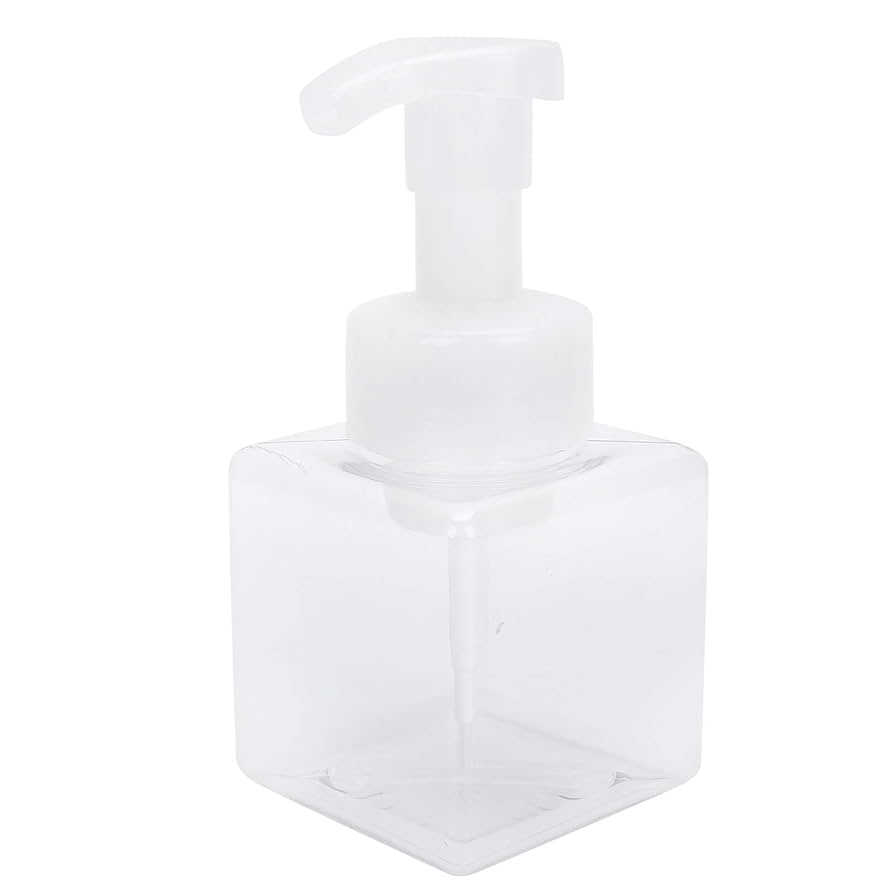
A stock image related to Square Refillable Pump Bottle.
Comprehensive Cost and Pricing Analysis for Square Refillable Pump Bottle Sourcing
What are the Key Cost Components in Sourcing Square Refillable Pump Bottles?
When sourcing square refillable pump bottles, international B2B buyers should understand the comprehensive cost structure, which includes several crucial components:
-
Materials: The choice of materials significantly influences costs. Common materials include PET and PETG plastics, which are durable and suitable for various liquid types. The cost of these materials fluctuates based on global market trends, quality, and supplier relationships.
-
Labor: Labor costs can vary widely depending on the manufacturing location. Countries with lower labor costs can offer competitive pricing, but this may affect quality control and production timelines.
-
Manufacturing Overhead: This encompasses costs associated with facility operations, equipment maintenance, and utilities. Efficient manufacturing processes can help mitigate overhead costs, making it essential for buyers to consider suppliers with optimized operations.
-
Tooling: Initial setup costs for molds and production tools are significant in custom designs. Buyers should assess the tooling costs, especially if they require specific shapes or features, as these can add to the overall expense.
-
Quality Control (QC): Implementing robust QC processes ensures product consistency and safety. Suppliers that prioritize QC may have higher upfront costs, but they can save buyers from future liabilities and product recalls.
-
Logistics: Shipping and handling costs, including customs duties and taxes, can vary based on the supplier’s location and the buyer’s destination. Understanding logistics costs is critical for accurate total cost estimation.
-
Margin: Suppliers typically include a margin in their pricing to cover risks and ensure profitability. The margin can fluctuate based on demand, competition, and the supplier’s market position.
How Do Price Influencers Affect Square Refillable Pump Bottle Sourcing?
Several factors can influence the pricing of square refillable pump bottles:
-
Volume/MOQ: Suppliers often have minimum order quantities (MOQ) that can impact pricing. Higher volume purchases usually lead to lower per-unit costs due to economies of scale.
-
Specifications and Customization: Customized bottles with unique features or designs typically incur higher costs. Buyers should weigh the necessity of customization against potential price increases.
-
Materials and Quality Certifications: Bottles made from higher-grade materials or those with certifications (like BPA-free or food-safe standards) can be more expensive. Buyers should assess whether these certifications are essential for their application.
-
Supplier Factors: The supplier’s reputation, experience, and production capabilities can significantly impact pricing. Established suppliers may charge a premium for reliability and service.
-
Incoterms: The choice of Incoterms (International Commercial Terms) affects shipping responsibilities and costs. Understanding these terms can help buyers negotiate better shipping arrangements and costs.
What are Effective Buyer Tips for Cost-Efficiency in Sourcing?
B2B buyers should consider several strategies to ensure cost-efficiency when sourcing square refillable pump bottles:
-
Negotiation: Engage suppliers in discussions about pricing, particularly for larger orders. Leverage competitive quotes to negotiate better terms and prices.
-
Total Cost of Ownership (TCO): Look beyond the initial purchase price. Consider factors such as durability, maintenance, and disposal costs to assess the overall financial impact of the product over its lifecycle.
-
Pricing Nuances for International Buyers: Understand regional pricing differences, as costs can vary significantly across markets like Africa, South America, the Middle East, and Europe. Currency fluctuations and local economic conditions should also be considered.
-
Supplier Relationships: Building long-term relationships with suppliers can lead to better pricing, favorable payment terms, and improved service. Frequent communication and feedback can enhance collaboration.
Conclusion
While indicative prices for square refillable pump bottles can range from $5 to $20 depending on various factors, it is crucial for international B2B buyers to consider the comprehensive cost structure and price influencers outlined above. By employing effective negotiation strategies and understanding the total cost of ownership, buyers can optimize their sourcing decisions and achieve better value in their purchases.
Alternatives Analysis: Comparing Square Refillable Pump Bottle With Other Solutions
Exploring Alternatives to Square Refillable Pump Bottles
In the realm of packaging solutions, businesses often seek the most efficient, cost-effective, and user-friendly options. The Square Refillable Pump Bottle stands out due to its versatility and convenience. However, it’s essential to explore other alternatives that may better suit specific operational needs. Below is a comparative analysis of the Square Refillable Pump Bottle against two viable alternatives: the traditional squeeze bottle and the spray bottle.
| Comparison Aspect | Square Refillable Pump Bottle | Traditional Squeeze Bottle | Spray Bottle |
|---|---|---|---|
| Performance | High dispensing accuracy; suitable for various liquids. | Moderate; may struggle with thicker products. | Excellent for even distribution; ideal for liquid products. |
| Cost | Moderate initial investment; cost-effective in the long run. | Low initial cost; less durable. | Moderate cost; varies widely based on materials. |
| Ease of Implementation | Simple to use; refillable design enhances usability. | Easy to use; but can lead to wastage. | Requires proper technique for effective use. |
| Maintenance | Low maintenance; easy to clean and refill. | Higher maintenance due to potential leaks. | Moderate; nozzle can clog and requires regular cleaning. |
| Best Use Case | Ideal for lotions, soaps, and other viscous liquids in commercial settings. | Best for single-use or low-viscosity products. | Perfect for cleaning solutions or any liquid requiring a misting application. |
What Are the Advantages and Disadvantages of Traditional Squeeze Bottles?
Traditional squeeze bottles provide a straightforward approach to dispensing liquids. They are typically less expensive and easy to use, making them a popular choice for both consumers and businesses. However, they can lead to product wastage, especially with thicker liquids that may not dispense easily. Additionally, their durability is often a concern, as they can crack or break more easily than refillable pump bottles. For businesses focused on cost-saving and simplicity, traditional squeeze bottles may be an appealing option, but they may not provide the same level of functionality as the Square Refillable Pump Bottle.
How Do Spray Bottles Compare to Square Refillable Pump Bottles?
Spray bottles offer a unique advantage when it comes to evenly distributing liquid products, making them particularly effective for cleaning solutions or products that need to cover a larger surface area. They often feature adjustable nozzles for varied spray patterns, enhancing their versatility. However, they may not be suitable for thicker liquids or creams, as these can clog the nozzle and require more maintenance. Additionally, while spray bottles can be cost-effective, their effectiveness diminishes if not properly maintained, leading to potential waste. Thus, while they serve a distinct purpose, they may not replace the functionality of a Square Refillable Pump Bottle in many commercial settings.
Making the Right Choice for Your Business
When selecting a packaging solution, B2B buyers must consider various factors such as product type, cost, and ease of use. The Square Refillable Pump Bottle excels in versatility and durability, making it suitable for a wide array of applications, particularly in commercial environments where efficiency is key. Traditional squeeze bottles may be favored for their lower upfront costs, while spray bottles are excellent for specific applications requiring misting capabilities. Ultimately, the right choice will depend on the specific needs of the business, the nature of the products being dispensed, and the overall operational goals. By assessing these factors carefully, buyers can make informed decisions that enhance their efficiency and effectiveness.
Essential Technical Properties and Trade Terminology for Square Refillable Pump Bottle
What are the Key Technical Properties of Square Refillable Pump Bottles?
Understanding the technical properties of square refillable pump bottles is crucial for B2B buyers to ensure the right fit for their product lines. Here are some essential specifications:
-
Material Composition
The most common materials used for square refillable pump bottles are PET (Polyethylene Terephthalate) and PETG (Glycol-Modified Polyethylene Terephthalate). These materials are lightweight, durable, and resistant to impact and wear. For businesses, selecting the right material affects not only the product’s lifespan but also its environmental impact, as some materials are more recyclable than others. -
Capacity
Square refillable pump bottles come in various capacities, typically ranging from 250ml to 1,000ml or more. This specification is critical as it determines how often a product will need to be refilled. For businesses, understanding the target market’s needs can guide the choice of capacity, optimizing both customer satisfaction and inventory management. -
Pump Mechanism
The pump mechanism must be reliable and user-friendly, with options for lockable pumps that prevent spills during transport. A quality pump can dispense a consistent amount of liquid with minimal effort, enhancing user experience. For B2B buyers, investing in bottles with superior pump mechanisms can reduce return rates and enhance brand reputation. -
Design Features
The design of the bottle, including its shape and color, can impact its marketability. Features like a wide opening for easy refilling, a leak-proof design, and an aesthetically pleasing appearance can make a product more appealing. Businesses should consider how design aligns with their brand identity and customer preferences. -
Safety Standards
Many square refillable pump bottles are manufactured without harmful substances such as BPA (Bisphenol A) and lead. Compliance with safety standards is crucial, especially for products intended for personal care or food use. B2B buyers must verify that their suppliers meet these safety regulations to avoid potential liabilities. -
Durability and Resistance
The durability of the bottle is often determined by its resistance to chemicals, UV light, and temperature changes. A robust bottle will withstand various conditions without degrading, which is especially important for products used in diverse environments. For businesses, this means fewer replacements and improved customer satisfaction.
What are Common Trade Terms Relevant to Square Refillable Pump Bottles?
Familiarity with trade terminology can streamline the purchasing process and facilitate better communication with suppliers. Here are some commonly used terms:
-
OEM (Original Equipment Manufacturer)
This term refers to a company that produces parts or equipment that may be marketed by another manufacturer. For B2B buyers, understanding OEM relationships can help in sourcing customizable products that meet specific requirements. -
MOQ (Minimum Order Quantity)
MOQ represents the smallest quantity of a product that a supplier is willing to sell. Knowing the MOQ is essential for budgeting and inventory management, especially for startups or smaller businesses that may not have the capacity to purchase large volumes. -
RFQ (Request for Quotation)
An RFQ is a document sent to suppliers to request pricing for specific products. It is a crucial step in the procurement process, allowing buyers to compare prices and terms from multiple vendors. -
Incoterms (International Commercial Terms)
These are predefined commercial terms published by the International Chamber of Commerce (ICC) that clarify the responsibilities of buyers and sellers. Familiarity with Incoterms is important for understanding shipping costs, insurance, and liability, which can significantly impact overall procurement costs. -
Lead Time
Lead time is the duration between placing an order and receiving the goods. This term is vital for supply chain management, as longer lead times can affect inventory levels and customer satisfaction. -
Customization
This refers to the ability to modify a product according to specific client requirements, such as branding or design. Understanding customization options allows businesses to differentiate their products in a competitive market.
By grasping these properties and terms, B2B buyers can make informed decisions that align with their business goals and customer needs.
Navigating Market Dynamics and Sourcing Trends in the Square Refillable Pump Bottle Sector
What Are the Current Market Dynamics and Key Trends in the Square Refillable Pump Bottle Sector?
The global market for square refillable pump bottles is witnessing robust growth, driven by an increasing demand for sustainable packaging solutions across various industries, including personal care, food and beverage, and household products. Key trends influencing this sector include the rise of eco-conscious consumerism, which is pushing businesses to adopt refillable and reusable packaging options. In regions like Africa and South America, where environmental regulations are becoming stricter, the demand for refillable solutions is anticipated to grow significantly. In Europe, particularly in Germany, there is a strong emphasis on circular economy principles, promoting the use of refillable containers to minimize waste.
Emerging technologies in sourcing, such as digital supply chain management and enhanced logistics platforms, are streamlining the procurement process for international buyers. This allows for better tracking of materials, efficient inventory management, and improved supplier collaboration. Additionally, the rise of e-commerce has expanded access to global suppliers, enabling businesses in developing regions to source high-quality square refillable pump bottles at competitive prices.
How Is Sustainability and Ethical Sourcing Shaping the Square Refillable Pump Bottle Market?
Sustainability is increasingly becoming a core focus for businesses in the square refillable pump bottle market. The environmental impact of single-use plastics has led to a significant shift towards more sustainable practices. Companies are now prioritizing materials such as PETG, which is recyclable and has a lower carbon footprint compared to traditional plastics.
Ethical sourcing is also gaining traction, with businesses recognizing the importance of transparent supply chains. International buyers are now more inclined to partner with suppliers who can demonstrate their commitment to sustainable practices, including fair labor conditions and responsible sourcing of raw materials. Certifications such as FSC (Forest Stewardship Council) and Cradle to Cradle are becoming vital indicators of a supplier’s dedication to sustainability. These certifications not only enhance brand reputation but also meet the growing consumer demand for environmentally responsible products.
What Is the Brief Evolution and History of the Square Refillable Pump Bottle?
The square refillable pump bottle has evolved significantly over the past few decades. Initially designed for convenience in personal care products, the design has been refined to enhance usability and aesthetics. The introduction of materials like PET and PETG has transformed the market, offering consumers durable and lightweight options that are also recyclable.
In recent years, the focus has shifted towards sustainability, with manufacturers innovating in areas such as biodegradable materials and eco-friendly production processes. This evolution reflects broader societal changes, as consumers increasingly seek products that align with their values regarding environmental stewardship. As a result, the square refillable pump bottle has transitioned from a simple utility item to a symbol of sustainable consumerism, making it a pivotal element in the packaging strategies of modern brands.
Frequently Asked Questions (FAQs) for B2B Buyers of Square Refillable Pump Bottle
-
How do I choose the right supplier for square refillable pump bottles?
Selecting the right supplier involves evaluating their production capabilities, quality assurance processes, and reputation in the industry. Look for suppliers with certifications like ISO or those that adhere to safety regulations, especially if you are sourcing for specific markets in Africa, South America, or Europe. Request samples to assess product quality and ensure they can meet your customization needs. Additionally, check for reviews or testimonials from other international buyers to gauge reliability and service quality. -
What is the minimum order quantity (MOQ) for square refillable pump bottles?
MOQs can vary significantly between suppliers. Typically, for square refillable pump bottles, MOQs range from 500 to 1,000 units. However, some manufacturers may offer lower MOQs for customized orders. It’s essential to discuss your specific requirements with potential suppliers to negotiate MOQs that align with your purchasing capacity and inventory management strategies. Consider the trade-off between MOQ and pricing to ensure cost-effectiveness in your procurement process. -
Can I customize the design and labeling of the pump bottles?
Yes, many suppliers offer customization options for square refillable pump bottles, including size, color, and labeling. Customization enhances brand recognition and can cater to market preferences in different regions. When discussing customization with suppliers, provide detailed specifications and, if possible, design mock-ups to ensure alignment with your vision. Be mindful of any additional costs associated with customization and lead times, as these can affect your overall project timeline. -
What payment terms should I expect when sourcing internationally?
Payment terms can vary by supplier and region. Common terms include a 30% upfront deposit with the balance due before shipment or upon receipt of shipping documents. Some suppliers may offer letters of credit or escrow services for larger orders. Always clarify payment methods accepted, such as wire transfers, PayPal, or credit cards. Ensure that the payment terms are documented in the purchase agreement to avoid misunderstandings and secure your investment. -
How do I ensure quality control for the pump bottles I order?
Implementing a robust quality assurance (QA) process is crucial when sourcing square refillable pump bottles. Request detailed specifications and quality standards from your supplier before production. Consider conducting inspections during production and before shipment, either through third-party inspection services or by sending your team to oversee the process. Establish clear communication channels with your supplier to address any quality concerns promptly and ensure that the final products meet your expectations. -
What are the logistics considerations for shipping pump bottles internationally?
When shipping square refillable pump bottles internationally, consider factors such as shipping costs, delivery times, and customs regulations. Collaborate with suppliers who have experience in international logistics and can provide options for freight forwarding. Understand the import duties and taxes applicable in your country to avoid unexpected expenses. Additionally, choose appropriate packaging to prevent damage during transit and ensure compliance with shipping regulations in your destination market. -
What are the best uses for square refillable pump bottles in different markets?
Square refillable pump bottles are versatile and can be utilized across various sectors, including personal care, food service, and cleaning products. In Africa and the Middle East, they are popular for dispensing hand sanitizers and soaps, while in Europe and South America, they are increasingly used for lotions and shampoos. Understanding regional market preferences can help you tailor your product offerings and marketing strategies effectively, enhancing customer satisfaction and driving sales. -
How can I evaluate the sustainability of the pump bottles I am sourcing?
To evaluate sustainability, inquire about the materials used in the production of square refillable pump bottles. Look for suppliers who utilize recyclable or biodegradable materials, such as PET or other eco-friendly plastics. Request information about their manufacturing processes, including waste management and energy efficiency. Additionally, consider suppliers with sustainability certifications or initiatives that align with your corporate social responsibility goals, as this can enhance your brand’s reputation in environmentally conscious markets.
Important Disclaimer & Terms of Use
⚠️ Important Disclaimer
The information provided in this guide, including content regarding manufacturers, technical specifications, and market analysis, is for informational and educational purposes only. It does not constitute professional procurement advice, financial advice, or legal advice.
While we have made every effort to ensure the accuracy and timeliness of the information, we are not responsible for any errors, omissions, or outdated information. Market conditions, company details, and technical standards are subject to change.
B2B buyers must conduct their own independent and thorough due diligence before making any purchasing decisions. This includes contacting suppliers directly, verifying certifications, requesting samples, and seeking professional consultation. The risk of relying on any information in this guide is borne solely by the reader.
Top 4 Square Refillable Pump Bottle Manufacturers & Suppliers List
1. HengDidi – 420ml Modern Hand Soap Dispenser

Domain: walmart.com
Registered: 1995 (30 years)
Introduction: This company, HengDidi – 420ml Modern Hand Soap Dispenser, is a notable entity in the market. For specific product details, it is recommended to visit their website directly.
2. Etsy – Square Pump Bottles

Domain: etsy.com
Registered: 2004 (21 years)
Introduction: Square Pump Bottle available on Etsy, with various options including black refillable bottles for shampoo and conditioner, modern bathroom labeled bottles, and custom walnut lotion pump bottles. Prices range from $2.99 to $27.00, with discounts available on some items. Shipping is available from the US, and some products feature free shipping. Options include empty green pump bottles in various si…
3. eaglecc – Refillable Soap Dispenser

Domain: ebay.com
Registered: 1995 (30 years)
Introduction: {“title”: “300/500ml Refillable Soap Dispenser Square Hand Pump Bottle Shampoo Container”, “price”: “$9.66”, “was_price”: “$11.37”, “discount”: “15% off”, “shipping”: “$2.99”, “estimated_total”: “$12.65”, “condition”: “New”, “seller”: “eaglecc”, “seller_feedback”: “95.6% positive feedback”}
4. Target – Refillable Lotion Bottles

Domain: target.com
Registered: 1997 (28 years)
Introduction: This company, Target – Refillable Lotion Bottles, is a notable entity in the market. For specific product details, it is recommended to visit their website directly.
Strategic Sourcing Conclusion and Outlook for Square Refillable Pump Bottle
In conclusion, the strategic sourcing of square refillable pump bottles presents a compelling opportunity for international B2B buyers, especially those from diverse markets such as Africa, South America, the Middle East, and Europe. These versatile containers, which cater to a wide range of applications—from personal care products to food ingredients—offer significant value in terms of cost efficiency, sustainability, and user convenience. By prioritizing high-quality materials like PET and BPA-free plastics, businesses can enhance their product offerings while meeting consumer demands for safety and durability.
As the trend towards eco-friendly packaging continues to grow, sourcing refillable solutions not only aligns with environmental goals but also appeals to a conscious consumer base increasingly concerned about sustainability. Establishing strong supplier relationships and leveraging bulk purchasing can further optimize costs, ensuring businesses remain competitive in their respective markets.
Looking ahead, B2B buyers are encouraged to explore innovative designs and functionalities that enhance user experience, such as lockable pumps and stylish aesthetics. Embracing these strategic sourcing practices will not only streamline operations but also position companies favorably in an evolving marketplace. Take the step towards smarter sourcing today and capitalize on the potential of square refillable pump bottles for your business growth.




 English
  Russian
  Spanish
  Italian
  Thai
Thai  French
  Arabic
  Portuguese
  Indonesian
  German






