

Introduction: Navigating the Global Market for high density polyethylene vs polypropylene
High-density polyethylene (HDPE) and polypropylene (PP) are two of the most widely utilized polymers in the global market, each with unique properties that cater to a diverse range of applications. For B2B buyers, particularly those operating in Africa, South America, the Middle East, and Europe, the choice between these materials is critical. It not only affects product performance but also influences supply chain efficiency, regulatory compliance, and overall cost management.
In a landscape where innovation and sustainability are increasingly paramount, understanding the differences between HDPE and PP can empower organizations to make informed sourcing decisions. This guide delves deep into the nuances of these materials, covering essential topics such as types and grades, material properties, manufacturing and quality control, supplier dynamics, cost structures, and market trends. Additionally, it addresses frequently asked questions to clarify common concerns and challenges faced by procurement professionals.
By providing comprehensive insights into the strengths and weaknesses of HDPE and PP, this guide equips international buyers with the knowledge needed to optimize their material selection processes. Whether you are sourcing packaging solutions in the UAE, developing automotive components in Argentina, or navigating compliance standards in Europe, understanding these polymers will enhance your strategic decision-making and drive value in your supply chain operations.
Understanding high density polyethylene vs polypropylene Types and Variations
| Type Name | Key Distinguishing Features | Primary B2B Applications | Brief Pros & Cons for Buyers |
|---|---|---|---|
| HDPE Blow Molding Grade | High molecular weight, excellent impact resistance | Bottles, drums, fuel tanks, chemical containers | Durable for large containers; limited clarity in applications |
| HDPE Injection Molding Grade | Medium molecular weight, high rigidity, detailed finish | Caps, crates, pallets, piping components | Efficient mass production; brittle in extreme cold |
| PP Homopolymer | High crystallinity, optimal stiffness | Automotive parts, textiles, packaging films | Strong yet lightweight; brittle at low temperatures |
| PP Copolymer | Enhanced toughness and impact resistance | Medical devices, food containers, industrial parts | Excellent flexibility; can vary in properties based on formulation |
| PP Random Copolymer | High optical clarity, flexible | Transparent packaging, lab equipment | Superior clarity; less rigidity than homopolymer PP |
HDPE Blow Molding Grade
HDPE Blow Molding Grade is characterized by its high molecular weight, making it highly impact-resistant and ideal for creating hollow objects through blow molding processes. This grade is particularly suitable for B2B applications involving large containers, such as chemical drums and water tanks. Buyers should focus on the consistency of molecular weight distribution, as it significantly influences the performance of the finished products. Additionally, ensuring compliance with regional safety regulations for chemical and food contact is critical in procurement decisions.
HDPE Injection Molding Grade
This variant of HDPE is designed for rigidity and precision, making it ideal for injection-molded items such as pallets, caps, and automotive components. The medium molecular weight allows for a high degree of detail in production, which is essential for high-volume applications. However, buyers must consider its potential brittleness in cold temperatures, especially in regions with extreme weather conditions. This characteristic can affect the long-term durability of products, so careful evaluation of supplier specifications is advised.
PP Homopolymer
PP Homopolymer is known for its high crystallinity and optimal stiffness, making it suitable for demanding applications in the automotive and packaging sectors. Its strong weight-to-strength ratio is a significant advantage for B2B buyers looking for durable materials. However, the susceptibility to brittleness at low temperatures is a crucial consideration, particularly for businesses operating in colder climates. Buyers should assess the supplier’s ability to provide consistent material properties to ensure product reliability.
PP Copolymer
PP Copolymer features enhanced toughness due to the incorporation of ethylene, which improves impact resistance and ductility. This makes it a preferred choice for applications requiring flexibility, such as medical devices and reusable food containers. B2B buyers should be aware of the potential variations in properties based on the specific formulation used by suppliers. Ensuring that suppliers provide certification for food and pharmaceutical applications is essential for compliance and safety.
PP Random Copolymer
Designed for applications where clarity and processability are paramount, PP Random Copolymer is particularly favored in the packaging and laboratory equipment sectors. Its high optical clarity makes it suitable for products where appearance is critical. For buyers, it is vital to evaluate suppliers for consistent clarity and thickness, as well as the material’s suitability for sterilization processes. Given its flexibility, this type also offers less rigidity compared to homopolymer PP, which may impact certain applications.
Related Video: What is Data Modelling? Beginner’s Guide to Data Models and Data Modelling
Key Industrial Applications of high density polyethylene vs polypropylene
| Industry/Sector | Specific Application of High Density Polyethylene vs Polypropylene | Value/Benefit for the Business | Key Sourcing Considerations for this Application |
|---|---|---|---|
| Packaging | Food and beverage containers | Extended shelf life, safety compliance | Certification for food contact, material consistency |
| Construction | Piping systems and fittings | Durability, resistance to corrosion and chemicals | Pressure ratings, compatibility with local standards |
| Automotive | Fuel tanks and interior components | Lightweight, impact resistance, fuel compatibility | Regulatory compliance, high-temperature performance |
| Agriculture | Greenhouse films and irrigation pipes | UV resistance, flexibility, long-term durability | Resistance to environmental conditions, thickness options |
| Medical | Sterile packaging and medical devices | Safety, reliability, and regulatory compliance | Batch consistency, certifications for medical applications |
Packaging
High-density polyethylene (HDPE) and polypropylene (PP) are extensively used in the packaging industry, particularly for food and beverage containers. HDPE’s excellent barrier properties and chemical resistance make it ideal for products requiring extended shelf life and safety compliance. For international buyers, especially in regions like Africa and South America, sourcing materials that meet local food safety regulations is crucial. Additionally, the consistency of the material is vital to ensure product integrity during transportation and storage.
Construction
In construction, HDPE is favored for piping systems and fittings due to its durability and resistance to corrosion and chemicals. This is especially relevant in harsh environments found in the Middle East and parts of Europe, where materials must withstand extreme weather conditions. Buyers should consider the pressure ratings of the pipes and ensure compliance with local building codes. Polypropylene, while less common in this sector, is also utilized in specific applications where lightweight and flexible solutions are needed.
Automotive
The automotive industry leverages both HDPE and PP for various components, including fuel tanks and interior parts. HDPE’s lightweight nature combined with its impact resistance makes it an excellent choice for fuel tanks, enhancing vehicle efficiency. Buyers in Europe and the UAE should prioritize suppliers that can provide materials compliant with stringent automotive regulations, particularly those focusing on high-temperature performance and chemical resistance to fuels.
Agriculture
In agriculture, HDPE and PP are employed in greenhouse films and irrigation pipes. The UV resistance and flexibility of these materials ensure they can withstand harsh environmental conditions while maintaining durability over time. For buyers in regions like South America, where agricultural productivity is critical, sourcing materials that offer the right balance of durability and flexibility can enhance crop yields and irrigation efficiency. Thickness options and resistance to environmental factors should be prioritized when selecting suppliers.
Medical
The medical industry relies heavily on both HDPE and PP for sterile packaging and medical devices. These materials provide safety, reliability, and compliance with stringent regulatory standards. International buyers, particularly from Europe and the Middle East, should focus on sourcing from suppliers who can ensure batch consistency and possess the necessary certifications for medical applications. This is crucial for maintaining the integrity of medical products and ensuring patient safety.
Related Video: How to identify Polyethylene vs. Polypropylene by FTIR analysis
Strategic Material Selection Guide for high density polyethylene vs polypropylene
High-density polyethylene (HDPE) and polypropylene (PP) are two of the most widely used thermoplastics in various industries. Each material has unique properties that make it suitable for specific applications. Understanding these properties is crucial for international B2B buyers, especially those in Africa, South America, the Middle East, and Europe, where market dynamics and regulatory environments can vary significantly.
High-Density Polyethylene (HDPE)
Key Properties:
HDPE is known for its high strength-to-density ratio, making it resistant to impact and able to withstand temperatures up to 120°C (248°F) for short periods. It exhibits excellent chemical resistance to many acids, bases, and alcohols, making it suitable for a wide range of applications, including chemical containers and food packaging.
Pros & Cons:
HDPE is highly durable and has a long service life, which can reduce long-term costs. However, its manufacturing complexity can increase production costs, particularly for intricate designs. Additionally, while HDPE is recyclable, its recycling rates can vary by region, affecting sustainability goals.
Impact on Application:
HDPE is particularly effective for applications involving liquids, such as storage tanks and pipes. Its resistance to corrosion ensures that it can handle various media without degrading, which is vital for industries like agriculture and chemicals.
Considerations for International Buyers:
Buyers in regions like the UAE and Argentina must consider local regulations regarding food safety and environmental compliance, such as ASTM and DIN standards. Understanding the regional recycling capabilities and market demand for HDPE products is also essential for strategic sourcing.
Polypropylene (PP)
Key Properties:
Polypropylene is characterized by its low density and high chemical resistance, with a temperature rating of up to 100°C (212°F). It is available in various grades, including homopolymer and copolymer variants, each offering different levels of strength, flexibility, and impact resistance.
Pros & Cons:
PP is lightweight and cost-effective, making it a popular choice for packaging, automotive parts, and textiles. However, it can be brittle at low temperatures, which may limit its use in colder climates. Additionally, while it is recyclable, the infrastructure for PP recycling may not be as developed in some regions.
Impact on Application:
PP is highly versatile, suitable for applications ranging from medical devices to consumer goods. Its ability to withstand various chemical exposures makes it ideal for packaging food and pharmaceuticals, where safety and integrity are paramount.
Considerations for International Buyers:
For buyers in Europe and the Middle East, compliance with regulations regarding food contact materials is crucial. Understanding the specific grades required for different applications and ensuring suppliers meet international standards can help mitigate risks in procurement.
Summary Table
| Material | Typical Use Case for high density polyethylene vs polypropylene | Key Advantage | Key Disadvantage/Limitation | Relative Cost (Low/Med/High) |
|---|---|---|---|---|
| High-Density Polyethylene (HDPE) | Chemical containers, food packaging, storage tanks | High durability, excellent chemical resistance | Manufacturing complexity can increase costs | Medium |
| Polypropylene (PP) | Packaging, automotive parts, textiles | Lightweight, cost-effective | Brittle at low temperatures | Low |
In conclusion, both HDPE and polypropylene offer distinct advantages and limitations that can significantly impact product performance and application suitability. International B2B buyers should carefully evaluate these materials against their specific needs, considering regional regulations and market conditions to make informed sourcing decisions.
In-depth Look: Manufacturing Processes and Quality Assurance for high density polyethylene vs polypropylene
The manufacturing processes and quality assurance practices for high-density polyethylene (HDPE) and polypropylene (PP) are essential for B2B buyers to understand, particularly when sourcing materials from diverse regions such as Africa, South America, the Middle East, and Europe. Each stage of manufacturing has its unique requirements, and adherence to quality standards is critical for ensuring the performance and compliance of the final products.
Manufacturing Processes
Material Preparation
The initial stage involves the preparation of raw materials, which are typically sourced from petrochemical feedstocks.
-
HDPE Production: High-density polyethylene is produced through processes like polymerization, where ethylene gas is subjected to high pressure and temperature in the presence of catalysts. The most common methods include slurry polymerization and gas-phase polymerization. The choice of method affects the molecular weight and density of the final product, which in turn influences its applications.
-
PP Production: Polypropylene is manufactured using similar polymerization techniques, with the addition of propylene monomers. The process can be tailored to create various grades of polypropylene, such as homopolymers or copolymers, depending on the desired properties. Key methods include bulk polymerization, gas-phase polymerization, and solution polymerization.
Forming Techniques
Once the base polymer is prepared, the next step is forming the material into usable products.
-
HDPE Forming: Common forming techniques for HDPE include injection molding, blow molding, and extrusion. Injection molding is widely used for creating complex shapes and high-volume components like containers and automotive parts, while blow molding is preferred for hollow objects such as bottles and tanks.
-
PP Forming: Polypropylene can be processed using similar methods, with injection molding and extrusion being the most common. For films and flexible packaging, blown film extrusion is typically employed, while thermoforming is used for creating packaging trays and containers.
Assembly and Finishing
The assembly stage may involve additional processes like welding, sealing, or coating, depending on the final application of the product.
-
HDPE Assembly: Techniques such as heat sealing and ultrasonic welding are often used to create airtight seals for containers. Surface treatments may also be applied to enhance adhesion or printability.
-
PP Assembly: Polypropylene products may undergo similar assembly processes, with an emphasis on ensuring chemical resistance and integrity of the seals. Coatings can be added for UV protection or enhanced durability.
Quality Assurance
Quality assurance in the manufacturing of HDPE and PP is critical to meet both international standards and specific industry regulations.
International Standards
Adhering to recognized standards is vital for ensuring product reliability and safety.
-
ISO 9001: This standard outlines the requirements for a quality management system and is applicable to all manufacturers, including those producing HDPE and PP. Compliance helps organizations demonstrate their ability to consistently provide products that meet customer and regulatory requirements.
-
Industry-Specific Standards: Depending on the application, additional certifications may be required:
- CE Marking: For products sold in the European Economic Area, indicating compliance with health, safety, and environmental protection standards.
- API Certification: Particularly relevant for products used in the oil and gas sector, ensuring compliance with industry standards.
Quality Control Checkpoints
Quality control (QC) is integrated throughout the manufacturing process, with specific checkpoints established:
-
Incoming Quality Control (IQC): Raw materials are inspected upon receipt to ensure they meet specified criteria. Key parameters include molecular weight, density, and the presence of contaminants.
-
In-Process Quality Control (IPQC): Continuous monitoring during production is essential. Parameters such as temperature, pressure, and viscosity are regularly checked to ensure that the process remains within specified limits.
-
Final Quality Control (FQC): Finished products undergo rigorous testing to verify they meet all specifications and standards. Common tests include tensile strength, impact resistance, and dimensional accuracy.
Common Testing Methods
To assure quality, manufacturers employ various testing methods:
- Mechanical Testing: Assessing properties like tensile strength, elongation, and impact resistance.
- Chemical Testing: Evaluating the chemical resistance of materials against various substances.
- Thermal Testing: Determining the melting point, thermal conductivity, and other thermal properties.
Verification of Supplier Quality Control
For B2B buyers, verifying the quality control processes of suppliers is crucial to mitigate risks associated with sourcing.
-
Supplier Audits: Conducting regular audits of suppliers allows buyers to assess their compliance with quality standards and operational practices. This can include reviewing quality management systems, production processes, and employee training programs.
-
Quality Reports: Suppliers should provide documentation of their quality control measures, including test results and certifications. Buyers should request these reports and review them for consistency and compliance.
-
Third-Party Inspections: Engaging third-party inspection services can provide an unbiased assessment of a supplier’s quality control processes. These services can conduct audits, material inspections, and product testing.
Regional Considerations
When sourcing HDPE and PP, international buyers from Africa, South America, the Middle East, and Europe must be aware of regional nuances:
-
Compliance with Local Regulations: Different regions may have specific regulations governing material safety and environmental impact. Buyers should ensure that their suppliers are compliant with local laws, particularly for food-grade and medical applications.
-
Cultural and Economic Factors: Understanding cultural attitudes towards quality and environmental sustainability can impact supplier selection. In regions with stringent environmental regulations, sourcing from suppliers with robust sustainability practices may be essential.
By understanding the manufacturing processes and quality assurance measures for HDPE and PP, B2B buyers can make informed decisions that align with their operational needs and compliance requirements, ultimately enhancing their supply chain resilience and product performance.
Related Video: SMART Quality Control for Manufacturing
Comprehensive Cost and Pricing Analysis for high density polyethylene vs polypropylene Sourcing
In the competitive landscape of international B2B sourcing, understanding the cost structure and pricing dynamics of high-density polyethylene (HDPE) versus polypropylene (PP) is crucial for making informed purchasing decisions. Both materials play significant roles across various industries, but their cost components and influencing factors can vary widely.
Cost Components
-
Materials:
– HDPE generally tends to have a lower material cost than PP due to its simpler polymerization process. However, the price can fluctuate based on crude oil prices, as both materials are derived from petrochemicals.
– Buyers should monitor market trends, as sudden price shifts in raw materials can affect overall sourcing costs. -
Labor:
– Labor costs can vary significantly by region. In countries with lower labor costs, such as those in certain parts of Africa and South America, the overall cost of production for both HDPE and PP can be significantly reduced.
– It’s essential for buyers to consider labor availability and skill levels when evaluating potential suppliers. -
Manufacturing Overhead:
– This includes costs related to utilities, facility maintenance, and operational efficiencies. HDPE and PP often have different manufacturing processes, which can lead to variations in overhead costs.
– Suppliers in regions with advanced manufacturing capabilities may offer better efficiencies, thus lowering overhead costs. -
Tooling:
– Tooling expenses for molding and processing can be substantial. HDPE typically requires more robust tooling due to its higher density and rigidity, while PP may allow for more flexibility in tooling costs.
– Buyers should factor in the tooling lifespan and the potential for reusability when assessing these costs. -
Quality Control (QC):
– Consistent quality assurance is critical, especially for industries like food and pharmaceuticals. The costs associated with QC can vary based on the supplier’s processes and certifications.
– Investing in suppliers with robust QC protocols can lead to long-term savings by reducing defects and ensuring compliance. -
Logistics:
– Transportation costs can be significant, particularly for international shipping. Factors such as distance, mode of transport, and regional tariffs will impact logistics costs.
– Buyers should consider suppliers’ proximity to key markets to minimize logistics expenses. -
Margin:
– Supplier margins can differ based on market demand, competition, and the supplier’s business model. Understanding the local market dynamics where suppliers operate can provide insights into expected margins.
Price Influencers
-
Volume/MOQ: Purchasing larger quantities often leads to reduced prices per unit due to economies of scale. Buyers should negotiate Minimum Order Quantities (MOQs) that align with their demand forecasts.
-
Specifications/Customization: Custom formulations or specific material grades can drive prices up. Clearly defining requirements can help suppliers provide accurate quotes.
-
Materials: Variations in material grades and qualities can lead to significant price differences. Ensure alignment between material properties and application needs.
-
Quality/Certifications: Products that meet international standards (ISO, ASTM) may carry premium pricing. Buyers should weigh the benefits of certified materials against potential cost increases.
-
Supplier Factors: Reputation, reliability, and past performance of suppliers can influence pricing. Building long-term relationships with trusted suppliers can lead to better pricing and service.
-
Incoterms: Understanding the agreed terms of shipping and delivery (e.g., FOB, CIF) can affect the total landed cost. Buyers should negotiate favorable terms that minimize their risk and costs.
Buyer Tips
-
Negotiation: Engage in open discussions with suppliers about pricing structures and potential discounts for long-term contracts or bulk purchases.
-
Cost-Efficiency: Evaluate the Total Cost of Ownership (TCO) rather than just initial pricing. This includes considering durability, maintenance, and potential waste.
-
Pricing Nuances: International buyers should be aware of regional pricing trends and currency fluctuations that may impact costs. Local suppliers may offer more stable pricing compared to international options affected by global market swings.
-
Disclaimer: Prices for HDPE and PP can vary based on numerous factors; thus, buyers should seek multiple quotes and conduct thorough market research to ensure competitive pricing.
By understanding these cost structures and pricing influencers, international B2B buyers can make more strategic sourcing decisions, ultimately optimizing their procurement processes for HDPE and polypropylene.
Spotlight on Potential high density polyethylene vs polypropylene Manufacturers and Suppliers
This section offers a look at a few manufacturers active in the ‘high density polyethylene vs polypropylene’ market. This is a representative sample for illustrative purposes; B2B buyers must conduct their own extensive due diligence before any engagement. Information is synthesized from public sources and general industry knowledge.
Polypropylene vs. HDPE: Material Differences and Comparisons (www.xometry.com)
Polypropylene vs. HDPE specializes in the production and supply of high-density polyethylene (HDPE) and polypropylene (PP) materials, catering to a diverse range of industries including packaging, automotive, and construction. With a strong emphasis on quality, the company adheres to international standards such as ISO 9001, ensuring that its products meet stringent performance and safety requirements. Their manufacturing capabilities include advanced polymerization processes, which allow for the customization of material properties to suit specific applications. This flexibility positions them well in global markets, particularly for B2B buyers from Africa, South America, the Middle East, and Europe. Notably, they offer solutions that enhance product durability and sustainability, making them a valuable partner in the plastics supply chain.
HDPE vs. Polypropylene: A Comprehensive Comparison (www.unionfab.com)
HDPE vs. Polypropylene is a recognized player in the plastics manufacturing sector, specializing in the production and supply of high-density polyethylene (HDPE) and polypropylene (PP) materials. The company is noted for its in-depth analysis of these polymers, providing valuable insights into their properties, applications, and performance characteristics. With a focus on quality, they adhere to international standards, which may include certifications such as ISO 9001, ensuring reliability and consistency in their offerings.
Their manufacturing capabilities are geared towards producing a variety of grades suitable for diverse applications—from packaging to industrial components—catering to the needs of B2B buyers across Africa, South America, the Middle East, and Europe. While detailed public information is limited, their expertise in HDPE and PP positions them as a strategic partner for companies seeking tailored solutions in the global market.
6 Leading High Density Polyethylene Manufacturers (www.verifiedmarketresearch.com)
Specializing in high-density polyethylene (HDPE), this manufacturer is recognized for its extensive product range tailored for various industrial applications. Established with a focus on quality and innovation, they are committed to providing sustainable solutions that meet the rigorous demands of sectors including packaging, construction, and agriculture. The company adheres to international quality standards, boasting certifications such as ISO 9001, which underscores its commitment to excellence.
With advanced manufacturing capabilities, they utilize cutting-edge technology to ensure high-performance products that are compliant with environmental regulations. The manufacturer has a growing presence in international markets, effectively serving B2B buyers from Africa, South America, the Middle East, and Europe, including key markets like the UAE and Argentina. Their unique selling proposition lies in their ability to customize solutions, making them a preferred partner in the HDPE and polypropylene sector.
Quick Comparison of Profiled Manufacturers
| Manufacturer | Brief Focus Summary | Website Domain |
|---|---|---|
| Xometry | Custom solutions for HDPE and polypropylene. | www.xometry.com |
| UnionFab | Expertise in HDPE and PP materials. | www.unionfab.com |
| Verified Market Research | Custom solutions for diverse industrial needs. | www.verifiedmarketresearch.com |
Essential Technical Properties and Trade Terminology for high density polyethylene vs polypropylene
High-density polyethylene (HDPE) and polypropylene (PP) are two of the most widely used thermoplastics in various industries. Understanding their essential technical properties and trade terminology is crucial for international B2B buyers, especially those operating in diverse markets across Africa, South America, the Middle East, and Europe. This knowledge not only aids in informed decision-making but also enhances the efficiency of sourcing and procurement processes.
Key Technical Properties
-
Material Grade
– Definition: Material grades refer to the specific classifications of HDPE and PP based on their molecular structure and intended applications.
– Importance: Different grades exhibit varying characteristics such as strength, flexibility, and resistance to chemicals. Buyers must select the appropriate grade to ensure product performance meets industry standards. -
Melt Flow Index (MFI)
– Definition: MFI is a measure of the flowability of the polymer when melted. It is determined by the amount of material that can flow through a specific die at a set temperature and pressure.
– Importance: A higher MFI indicates lower viscosity, which is crucial for manufacturing processes like injection molding. Buyers need to assess MFI to ensure compatibility with their processing methods and desired product characteristics. -
Tensile Strength
– Definition: Tensile strength is the maximum stress that a material can withstand while being stretched or pulled before breaking.
– Importance: This property is vital for applications requiring high durability. For example, HDPE is often favored in construction and packaging due to its superior tensile strength compared to PP, making it essential for buyers to understand these differences when sourcing materials. -
Impact Resistance
– Definition: Impact resistance measures a material’s ability to withstand sudden force or shock without breaking.
– Importance: For buyers in industries like automotive or packaging, selecting materials with high impact resistance can prevent product failure and reduce costs associated with damage and returns. -
Chemical Resistance
– Definition: This property refers to the ability of a material to withstand exposure to various chemicals without deteriorating.
– Importance: Buyers in the chemical or food industries must prioritize materials with excellent chemical resistance to ensure safety and compliance with regulatory standards. -
Recyclability
– Definition: Recyclability indicates whether a material can be reprocessed and reused without significant degradation of its properties.
– Importance: As sustainability becomes increasingly important in global markets, understanding the recyclability of HDPE and PP can help buyers align with environmental regulations and consumer preferences, enhancing their brand reputation.
Common Trade Terms
-
OEM (Original Equipment Manufacturer)
– Definition: An OEM produces components or products that are used in another company’s end product.
– Importance: Understanding OEM relationships helps buyers identify reliable suppliers and ensure quality in sourced materials. -
MOQ (Minimum Order Quantity)
– Definition: MOQ is the smallest quantity of a product that a supplier is willing to sell.
– Importance: Buyers must be aware of MOQs to manage inventory costs effectively and ensure they are not overcommitting to purchases that exceed their needs. -
RFQ (Request for Quotation)
– Definition: An RFQ is a document sent to suppliers requesting pricing and terms for specific products or services.
– Importance: Utilizing RFQs allows buyers to compare offers from multiple suppliers, facilitating better decision-making and cost management. -
Incoterms (International Commercial Terms)
– Definition: Incoterms are a series of pre-defined commercial terms published by the International Chamber of Commerce (ICC) that clarify the responsibilities of buyers and sellers in international transactions.
– Importance: Understanding Incoterms is critical for buyers to manage shipping costs, delivery timelines, and risk during transportation. -
Lead Time
– Definition: Lead time is the total time it takes from placing an order until it is received.
– Importance: Buyers should consider lead times when planning production schedules to avoid delays in product availability and ensure timely delivery to customers. -
Quality Control (QC)
– Definition: QC refers to the processes implemented to ensure that products meet specified quality standards.
– Importance: For B2B buyers, establishing clear QC protocols with suppliers is essential to maintain product integrity and compliance with industry regulations.
By understanding these technical properties and trade terms, international B2B buyers can make informed decisions when sourcing HDPE and polypropylene, ultimately optimizing their supply chain and enhancing operational efficiency.
Navigating Market Dynamics, Sourcing Trends, and Sustainability in the high density polyethylene vs polypropylene Sector
Global drivers are reshaping the high-density polyethylene (HDPE) and polypropylene (PP) markets, creating new opportunities and challenges for international B2B buyers. The demand for these materials is being propelled by rapid industrialization in emerging markets across Africa and South America, as well as by a growing emphasis on sustainability in Europe and the Middle East. Buyers are increasingly looking for materials that not only meet performance specifications but also align with environmental regulations and sustainability initiatives.
A significant trend is the digital transformation within the supply chain, where advanced technologies such as blockchain and IoT are enhancing traceability and quality control. This shift is particularly important for buyers in regions with stringent regulatory frameworks. Additionally, there’s a rising interest in alternative sourcing strategies, including local suppliers that can offer more resilient supply chains and reduce transportation costs. International buyers should also be aware of fluctuating raw material prices driven by geopolitical tensions and supply chain disruptions, which can affect procurement budgets.
In terms of market dynamics, the differentiation between HDPE and PP is becoming more pronounced. While HDPE is favored for its strength and chemical resistance in industrial applications, PP is increasingly utilized in sectors requiring flexibility and clarity, such as packaging and consumer goods. Understanding these distinctions enables buyers to make informed decisions that can optimize their product offerings and market competitiveness.
Sustainability & Ethical Sourcing in B2B
The environmental impact of plastic production is under scrutiny, making sustainability a key consideration for B2B buyers. Both HDPE and PP have distinct environmental footprints; however, advancements in recycling technologies are enhancing their sustainability profiles. HDPE, for example, is widely recycled and can be repurposed into new products, which is a critical factor for environmentally conscious buyers.
Ethical sourcing is equally essential, as companies face increasing pressure to ensure that their supply chains adhere to responsible practices. Buyers should prioritize suppliers that are certified under recognized standards, such as ISO 14001 for environmental management and the Global Recycle Standard (GRS) for recycled materials. These certifications not only demonstrate a commitment to sustainability but also help in building trust with customers who are increasingly demanding transparency in product sourcing.
Incorporating ‘green’ materials into product lines can also enhance brand reputation and customer loyalty, especially in markets like Europe, where consumers are more inclined to support eco-friendly products. Thus, aligning procurement strategies with sustainability goals can lead to competitive advantages and long-term business growth.
Brief Evolution/History
The development of HDPE and PP dates back to the early 20th century, with HDPE first produced in the 1950s as a cost-effective solution for various industrial applications. Initially, its use was limited due to the availability of other materials. However, with advancements in polymerization techniques, HDPE gained popularity for its strength and versatility, becoming a staple in packaging and construction.
Polypropylene emerged in the 1960s and quickly became known for its lightweight and chemical-resistant properties. Its adaptability allowed it to penetrate numerous sectors, from automotive to consumer goods. Over the decades, both materials have evolved, incorporating new additives and production methods that enhance their performance and sustainability profiles. This historical context is vital for B2B buyers, as it informs current market trends and material innovations that can influence sourcing decisions today.
Related Video: Global Trade, Tariffs & The Real Cost of Everyday Products with Meg Gluth
Frequently Asked Questions (FAQs) for B2B Buyers of high density polyethylene vs polypropylene
-
What criteria should I use to vet suppliers of HDPE and polypropylene?
When vetting suppliers, prioritize their experience and reputation in the industry. Check for certifications such as ISO 9001 for quality management and ISO 14001 for environmental management. Request samples to evaluate material quality and performance. Additionally, consider their production capacity and reliability in meeting delivery schedules. Engage in discussions about their sourcing practices for raw materials, which can affect sustainability and compliance with international standards. -
Can I customize HDPE or polypropylene products to meet my specific needs?
Yes, many suppliers offer customization options such as varying colors, sizes, and material properties. When negotiating, clarify your specific requirements and inquire about the supplier’s ability to accommodate these needs. Discuss any potential impacts on lead times and costs. It’s also beneficial to review the supplier’s past projects to gauge their flexibility and capability in customization to ensure they can meet your expectations. -
What are the typical minimum order quantities (MOQs) and lead times for HDPE and polypropylene?
MOQs can vary widely depending on the supplier and the complexity of the product. Generally, expect MOQs to range from 500 kg to several tons. Lead times can also differ based on the supplier’s location, production capacity, and your customization requirements; typically, they range from 2 to 12 weeks. Always confirm these details upfront to align your procurement schedules and avoid disruptions in your supply chain. -
What payment terms are common when sourcing HDPE and polypropylene?
Payment terms can vary, but common practices include a 30% deposit upon order confirmation and the balance before shipping. Some suppliers might offer credit terms for established relationships. For international transactions, consider using secure payment methods like letters of credit or escrow services to mitigate risks. Always clarify payment terms in the contract to prevent misunderstandings. -
How can I ensure quality assurance and certification for my materials?
Request documentation that verifies compliance with relevant industry standards, such as ASTM or ISO certifications. Conduct regular audits or inspections of the supplier’s manufacturing process to ensure adherence to quality protocols. You may also consider third-party testing for critical applications, especially if the materials are used in sensitive industries like food packaging or medical devices. -
What logistics considerations should I keep in mind when importing HDPE and polypropylene?
When importing, consider shipping methods, customs clearance processes, and potential tariffs that could affect total costs. Engage logistics partners experienced in handling plastics to streamline the process. It’s also important to discuss packaging requirements with your supplier to ensure that materials are protected during transit. Finally, account for potential delays in shipping schedules, especially in times of global supply chain disruptions. -
How should I handle disputes with suppliers regarding HDPE and polypropylene orders?
Establish clear terms and conditions in your contract to address potential disputes, including quality standards and delivery timelines. In the event of a disagreement, maintain open communication with your supplier to seek an amicable resolution. If necessary, refer to your contract’s dispute resolution clause, which might involve mediation or arbitration. Document all communications and agreements to support your position. -
What market trends should I be aware of when sourcing HDPE and polypropylene?
Stay informed about regional demand shifts, especially in emerging markets in Africa and South America where industrial growth is significant. Additionally, monitor regulatory changes regarding plastics and environmental sustainability, which may impact sourcing decisions. Innovations in recycling and bioplastics are also gaining traction and may influence future procurement strategies. Engaging with industry publications and attending trade shows can provide valuable insights into these trends.
Strategic Sourcing Conclusion and Outlook for high density polyethylene vs polypropylene
Navigating the choice between high-density polyethylene (HDPE) and polypropylene (PP) is crucial for international B2B buyers seeking to optimize their sourcing strategies. Both materials present unique properties and applications that can significantly impact product quality, regulatory compliance, and overall supply chain efficiency.
Key Takeaways for B2B Buyers:
- Material Selection: Understand the specific performance characteristics of HDPE and PP to align with your product requirements—whether it’s chemical resistance, durability, or flexibility.
- Supplier Evaluation: Choose suppliers based on their ability to maintain quality standards and compliance with regional regulations, particularly in diverse markets like Africa, South America, the Middle East, and Europe.
- Cost Management: Monitor market trends and pricing dynamics, as fluctuations can influence overall procurement costs and impact your bottom line.
As global supply chains evolve, the emphasis on strategic sourcing becomes ever more critical. By leveraging insights from this guide, B2B buyers can make informed decisions that not only enhance product performance but also foster sustainable business practices.
Looking forward, it is essential for businesses to stay ahead of market trends and innovations in HDPE and PP applications. Embrace a proactive sourcing approach to ensure resilience and competitiveness in your respective markets.
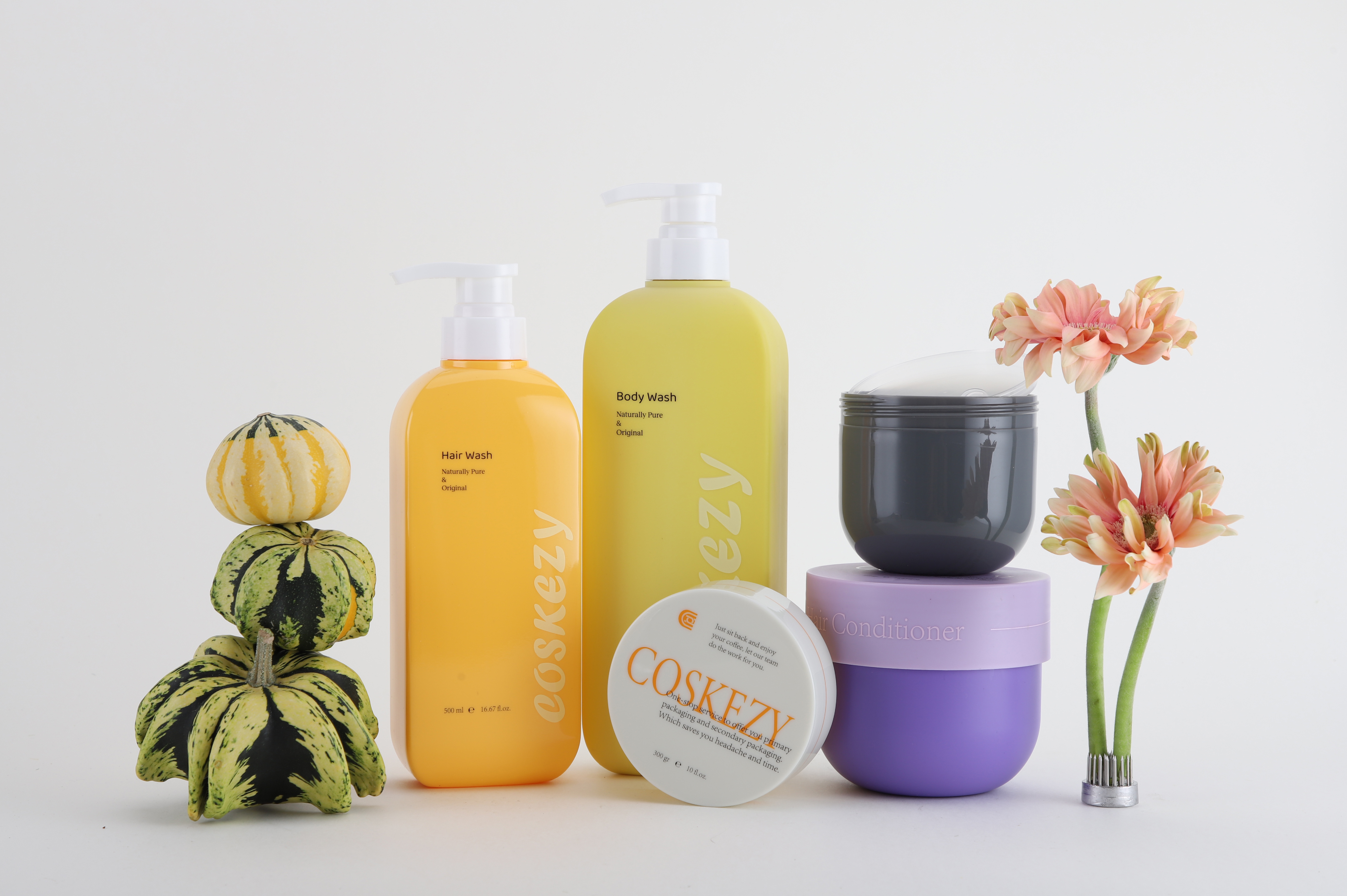
High Density Polyethylene Packaging Bottles Gallery












 English
  Russian
  Spanish
  Italian
  Thai
Thai  French
  Arabic
  Portuguese
  Indonesian
  German






