Introduction: Navigating the Global Market for portable perfume
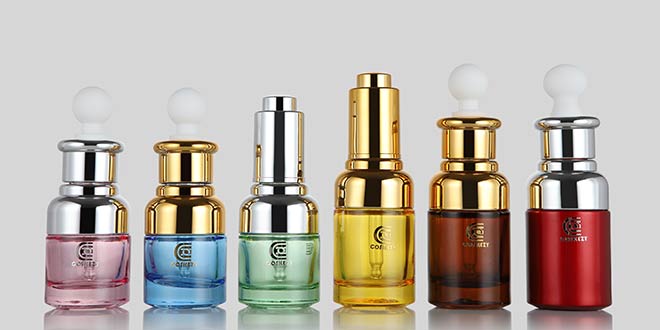
Portable perfume has emerged as a vital segment within the global fragrance market, driven by the increasing demand for convenience and personalization among modern consumers. As international B2B buyers, particularly from Africa, South America, the Middle East, and Europe, the strategic sourcing of portable perfume products can significantly influence your brand’s market presence and consumer engagement. These compact, refillable containers not only cater to the on-the-go lifestyle of today’s customers but also align with the rising trends of sustainability and premiumization, making them essential for both established retailers and emerging brands.
This comprehensive guide serves as an essential resource for navigating the complexities of the portable perfume market. It encompasses a detailed exploration of various bottle types, including atomizer sprays, rollerballs, mini vials, and aluminum formats, each tailored for specific applications and consumer preferences. Furthermore, it delves into material insights that balance durability with aesthetic appeal, alongside critical manufacturing and quality control measures to mitigate risk.
Buyers will benefit from a thorough evaluation of supplier capabilities, cost management strategies tailored to diverse market segments, and insights into emerging market dynamics that can shape sourcing decisions. Additionally, curated FAQs address compliance, logistics, and branding challenges, providing actionable solutions to enhance your procurement strategy. By leveraging the insights within this guide, you can make informed sourcing decisions that not only meet your operational goals but also resonate with your target consumers across various global markets.
Understanding portable perfume Types and Variations
| Type Name | Key Distinguishing Features | Primary B2B Applications | Brief Pros & Cons for Buyers |
|---|---|---|---|
| Atomizer Spray Bottles | Refillable with fine mist spray; available in glass, plastic, metal | Retail travel sets, sampling, gifting | Premium feel; higher cost due to pump mechanism |
| Rollerball Bottles | Compact with leak-resistant roller applicator; typically glass or plastic | Direct application, travel, giveaways | Portable and spill-proof; best for oil-based fragrances |
| Mini Glass Vials | Simple 1–5ml vials with screw or crimp caps; transparent glass | Sampling programs, discovery kits | Cost-effective; limited branding space |
| Aluminum Travel Bottles | Shatterproof, lightweight aluminum; opaque with spray or pump closure | Duty-free, luxury travel, gifting | Durable and UV-protective; limited decoration options |
| Refillable Cartridge Bottles | Modular design with interchangeable vials in sturdy cases | High-end retail, bespoke gifting | Highly customizable; complex supply chain, higher cost |
Atomizer Spray Bottles
Atomizer spray bottles are popular for their ability to deliver a fine mist, closely mimicking the experience of traditional perfume bottles. They are often made from glass, plastic, or metal, making them suitable for various market segments, including luxury travel sets and promotional gifts. For B2B buyers, it’s essential to consider the reliability of the spray mechanism and ensure compatibility with different fragrance formulations. The premium presentation can enhance brand perception, but the higher production costs associated with pumps and assembly must be factored into pricing strategies.
Rollerball Bottles
Rollerball bottles provide a practical and spill-proof option for consumers, featuring a rolling ball applicator that allows for precise fragrance application. These bottles are compact, making them ideal for travel retail and promotional giveaways. When sourcing rollerball bottles, B2B buyers should ensure the materials used can withstand oil-based formulas without leakage or evaporation. Additionally, while they offer excellent portability, their limitation to certain fragrance types may restrict product offerings, necessitating careful consideration of the target market’s preferences.
Mini Glass Vials
Mini glass vials are essential for fragrance sampling and marketing, typically available in sizes ranging from 1 to 5ml. Their lightweight and cost-effective nature makes them ideal for mass distribution in promotional campaigns and e-commerce orders. However, the basic design may not convey a luxury image, which can be a drawback for high-end brands. B2B buyers should prioritize suppliers with experience in regulatory compliance and secure cap fitting to ensure the integrity of shipments, especially for international logistics.
Aluminum Travel Bottles
Aluminum travel bottles stand out for their durability and lightweight characteristics, making them a preferred choice for duty-free retail and luxury travel markets. They are often opaque, providing UV protection for the fragrance inside, which is critical for maintaining quality. While these bottles are shatterproof and secure, the limitations in design customization may restrict branding opportunities. Buyers should evaluate suppliers based on their ability to meet specific design requests while maintaining cost efficiency in production.
Refillable Cartridge Bottles
Refillable cartridge bottles are designed with a modular system that allows users to swap out vials, making them highly customizable for brands looking to offer varied scent options. This format is particularly appealing in high-end retail and bespoke gifting scenarios. For B2B buyers, the complexity of the supply chain and higher production costs associated with these bottles must be carefully managed. Additionally, the ability to align these products with sustainability initiatives can enhance brand loyalty among eco-conscious consumers, making them a valuable addition to a product lineup.
Related Video: Large Language Models (LLMs) – Everything You NEED To Know
Key Industrial Applications of portable perfume
| Industry/Sector | Specific Application of Portable Perfume | Value/Benefit for the Business | Key Sourcing Considerations for this Application |
|---|---|---|---|
| Retail | Travel-sized fragrance offerings | Attracts on-the-go consumers, enhances brand loyalty | Supplier reliability, customization options, compliance |
| Hospitality | In-room amenities for hotels and resorts | Elevates guest experience, promotes brand identity | Quality assurance, eco-friendly materials, aesthetic design |
| E-commerce | Sample kits for online fragrance sales | Increases conversion rates, fosters customer loyalty | Logistics capabilities, packaging integrity, cost-effectiveness |
| Event Management | Gifting at corporate events and trade shows | Enhances brand presence, creates memorable experiences | Custom branding, volume discounts, rapid fulfillment |
| Duty-Free Retail | Luxury travel sets for international travelers | Appeals to affluent consumers, drives impulse purchases | Product exclusivity, packaging compliance, quality control |
Retail
Portable perfume is increasingly used in retail as travel-sized fragrance offerings. These compact products appeal to consumers who prioritize convenience and on-the-go lifestyles. For B2B buyers, sourcing these items requires careful consideration of supplier reliability and the ability to customize packaging to align with brand identity. Additionally, compliance with regional regulations is essential, especially when targeting international markets in Africa, South America, the Middle East, and Europe.
Hospitality
In the hospitality sector, portable perfumes serve as in-room amenities in hotels and resorts. They enhance the guest experience by providing a touch of luxury and promoting brand identity. Buyers in this industry must prioritize quality assurance and the use of eco-friendly materials to meet the expectations of increasingly eco-conscious travelers. Aesthetic design is also crucial, as it reflects the hotel’s branding and contributes to the overall guest impression.
E-commerce
E-commerce platforms leverage portable perfume through sample kits for online fragrance sales. These kits can significantly increase conversion rates by allowing potential customers to experience products before purchasing. For B2B buyers, logistics capabilities are paramount, as they need to ensure timely deliveries. Additionally, maintaining packaging integrity during transit and considering cost-effectiveness are critical to sustaining competitive pricing in the online marketplace.
Event Management
In event management, portable perfumes are often used as gifting items at corporate events and trade shows. They enhance brand presence and create memorable experiences for attendees. Buyers should focus on custom branding options to ensure that the perfume aligns with the event’s theme and the brand’s image. Volume discounts and rapid fulfillment capabilities are important to meet the demands of large-scale events while managing budgets effectively.
Duty-Free Retail
Portable perfumes are a staple in duty-free retail, particularly in luxury travel sets aimed at international travelers. These products appeal to affluent consumers seeking exclusive items that enhance their travel experience. B2B buyers must consider product exclusivity, ensuring that offerings are unique to the duty-free channel. Additionally, compliance with packaging regulations and stringent quality control measures are vital to maintaining brand reputation in this highly competitive environment.
Related Video: How Perfume Made and Process in a Factory | Cosmetic Manufacturing process | Mixer and Pack
Strategic Material Selection Guide for portable perfume
Analysis of Common Materials for Portable Perfume
Glass
Key Properties: Glass is known for its excellent chemical resistance, making it suitable for a wide range of fragrances. It can withstand high temperatures and pressures, which is beneficial during the filling process. However, it is fragile and can break under impact.
Pros & Cons: Glass offers a premium feel and aesthetic appeal, enhancing the perceived value of the product. It is non-reactive, ensuring that the fragrance remains unaltered. However, the fragility of glass can lead to higher shipping costs and potential losses due to breakage. Additionally, manufacturing glass bottles can be complex and energy-intensive, contributing to higher costs.
Impact on Application: Glass is compatible with most fragrance media, including alcohol-based and oil-based perfumes. Its inert nature ensures that there is no leaching of materials that could affect the fragrance.
Considerations for International Buyers: Compliance with international standards such as ASTM and DIN is crucial for glass bottles. Buyers should also consider the environmental impact of glass production and recycling options, especially in regions like Europe where sustainability is a key consumer concern.
Aluminum
Key Properties: Aluminum is lightweight, shatterproof, and resistant to corrosion. It can withstand a range of temperatures, making it suitable for various environments. However, it may not be as durable as glass in terms of scratch resistance.
Pros & Cons: The lightweight nature of aluminum reduces shipping costs and makes it ideal for travel-sized products. It offers UV protection, which is beneficial for light-sensitive fragrances. On the downside, aluminum may have limited customization options in terms of design and branding compared to glass.
Impact on Application: Aluminum is compatible with most fragrance formulations, but it is important to ensure that the internal coating is suitable for the specific media to prevent reactions.
Considerations for International Buyers: B2B buyers should ensure that aluminum bottles meet local regulations regarding food and beverage safety, especially in markets like Africa and South America where compliance can vary significantly.
Plastic (PET)
Key Properties: Plastic, particularly PET (Polyethylene Terephthalate), is lightweight and highly resistant to impact and shattering. It has a lower temperature tolerance compared to glass and aluminum but is generally resistant to many chemicals.
Pros & Cons: PET is cost-effective and offers flexibility in design and manufacturing. It is suitable for high-volume production and can be produced in various shapes and sizes. However, it is less durable than glass and may not provide the same premium feel, potentially affecting brand perception.
Impact on Application: PET is compatible with a wide range of fragrances, including alcohol-based perfumes. However, it may not be suitable for oil-based formulations due to potential leaching issues.
Considerations for International Buyers: Buyers should be aware of regulations regarding plastic use, especially in Europe where there is a strong push towards sustainability. Certifications for recyclability and compliance with standards like JIS may be necessary.
Stainless Steel
Key Properties: Stainless steel is known for its exceptional durability and resistance to corrosion. It can withstand high temperatures and pressures, making it a robust choice for perfume packaging.
Pros & Cons: The premium look and feel of stainless steel can enhance brand perception. It is highly durable, making it ideal for travel applications. However, the manufacturing process can be complex, and the initial costs are higher compared to other materials.
Impact on Application: Stainless steel is compatible with most fragrance formulations, but it is essential to ensure that it does not react with the perfume components.
Considerations for International Buyers: Compliance with international standards for food safety and sustainability is critical. Buyers should also consider the environmental impact of stainless steel production and its recyclability, particularly in markets with stringent environmental regulations.
Summary Table of Material Selection for Portable Perfume
| Material | Typical Use Case for Portable Perfume | Key Advantage | Key Disadvantage/Limitation | Relative Cost (Low/Med/High) |
|---|---|---|---|---|
| Glass | Premium fragrance packaging | Non-reactive, premium aesthetic | Fragile, higher shipping costs | High |
| Aluminum | Travel-size bottles | Lightweight, UV protection | Limited design customization | Medium |
| Plastic (PET) | High-volume production | Cost-effective, flexible design | Less durable, potential leaching | Low |
| Stainless Steel | Luxury travel bottles | Exceptional durability | Higher manufacturing complexity | High |
In-depth Look: Manufacturing Processes and Quality Assurance for portable perfume
The manufacturing of portable perfume bottles involves a series of systematic processes and stringent quality control measures to ensure that the final product meets the expectations of both brands and consumers. Understanding these processes can empower B2B buyers to make informed decisions when sourcing from international suppliers.
Manufacturing Processes
Material Preparation
The initial stage of manufacturing portable perfume bottles involves selecting appropriate materials. Common materials include glass, aluminum, and high-quality plastics. The choice of material affects not only the aesthetics but also the durability and functionality of the bottle. For example, glass provides a premium feel and is often preferred for luxury fragrances, while aluminum offers resilience and lightweight properties suitable for travel.
In this stage, suppliers must ensure that the materials meet specific industry standards and regulations, such as REACH (Registration, Evaluation, Authorization, and Restriction of Chemicals) in Europe, which governs the use of chemicals in consumer products. B2B buyers should verify that suppliers have the necessary certifications for material sourcing and compliance.
Forming
Once the materials are prepared, they undergo forming processes tailored to the type of bottle being produced.
-
Glass Bottles: These are typically manufactured through blow molding or glass pressing techniques. The glass is heated until malleable, then shaped into the desired form. This stage requires precise temperature control to avoid defects such as bubbles or cracks.
-
Plastic Bottles: Often produced through injection molding or blow molding, plastic bottles are formed from resin pellets that are heated and molded into shape. This method allows for more intricate designs and lower production costs compared to glass.
-
Aluminum Bottles: Aluminum sheets are formed using die-casting or extrusion methods, which involve shaping the metal under high pressure to create lightweight, durable bottles.
B2B buyers should inquire about the specific forming techniques used by suppliers, as this will impact the quality and consistency of the finished product.
Assembly
The assembly stage involves combining various components of the bottle, including the body, cap, and any dispensing mechanisms (such as atomizers or rollerballs). This process may vary depending on the complexity of the design. For instance, atomizer bottles require precise fitting of the spray mechanism to ensure functionality and prevent leaks.
During assembly, manufacturers should adhere to industry best practices to maintain quality. This includes the use of automated assembly lines for consistency and efficiency, as well as manual inspections to catch any defects.
Finishing
The final stage of manufacturing is finishing, where bottles undergo processes such as polishing, coating, and labeling. Finishing touches not only enhance the aesthetic appeal of the bottles but also provide branding opportunities.
-
Coating: Some bottles are coated with protective layers to enhance durability and appearance. For example, aluminum bottles may receive anodizing to improve corrosion resistance.
-
Labeling: Custom branding is applied through printing, etching, or label application, which should comply with regional regulations concerning labeling and branding.
B2B buyers should ensure that suppliers can accommodate specific branding requirements, as this can significantly impact marketability.
Quality Assurance
Quality control (QC) is critical in the manufacturing of portable perfume bottles, ensuring that products meet both international and industry-specific standards.
Relevant International Standards
-
ISO 9001: This standard outlines the criteria for a quality management system, ensuring that suppliers consistently provide products that meet customer and regulatory requirements.
-
CE Marking: For products sold in the European Economic Area (EEA), CE marking indicates compliance with health, safety, and environmental protection standards.
-
API Standards: If applicable, suppliers should comply with the American Petroleum Institute (API) standards, particularly for products containing petroleum-based ingredients.
QC Checkpoints
Quality control processes typically involve several checkpoints throughout the manufacturing process:
-
Incoming Quality Control (IQC): At this stage, raw materials are inspected upon arrival to verify compliance with specifications.
-
In-Process Quality Control (IPQC): During manufacturing, ongoing inspections are conducted to monitor production processes and ensure adherence to quality standards.
-
Final Quality Control (FQC): After assembly and finishing, a comprehensive inspection is performed to assess the finished product’s quality, including functionality tests for dispensing mechanisms.
Common Testing Methods
Several testing methods are employed to ensure product quality:
-
Leak Testing: Essential for bottles with dispensing mechanisms, this test verifies that no liquid escapes from the bottle during normal use.
-
Durability Testing: Bottles are subjected to drop tests and pressure tests to assess their resilience during handling and transportation.
-
Chemical Compatibility Testing: Ensures that the bottle materials do not interact negatively with the perfume contents.
Verifying Supplier QC
B2B buyers must take proactive steps to verify the quality control measures of potential suppliers:
-
Supplier Audits: Conducting on-site audits allows buyers to assess the manufacturing facilities and quality control processes firsthand. This includes reviewing documentation related to compliance and testing protocols.
-
Quality Reports: Requesting detailed quality reports can provide insights into past performance and the consistency of product quality over time.
-
Third-Party Inspections: Engaging third-party inspection agencies can provide an unbiased assessment of the supplier’s quality management practices and product quality.
QC and Certification Nuances for International Buyers
International buyers must navigate varying regulatory landscapes and certification requirements in different regions. For example, buyers from Africa may encounter different compliance standards compared to those in Europe or South America.
Understanding these nuances is crucial for successful sourcing and can prevent costly delays or compliance issues. B2B buyers should work closely with suppliers to ensure that all necessary certifications are in place and that products meet local regulations.
In summary, the manufacturing processes and quality assurance measures for portable perfume bottles are complex yet essential for delivering high-quality products. By understanding these processes, B2B buyers can make informed sourcing decisions that align with their brand standards and consumer expectations.
Comprehensive Cost and Pricing Analysis for portable perfume Sourcing
Understanding the Cost Structure and Pricing Influencers in Portable Perfume Sourcing
Navigating the cost structure of portable perfume sourcing is essential for B2B buyers seeking to optimize their procurement strategies. The total cost can be broken down into several key components, each influencing the overall pricing strategy.
Cost Components
-
Materials: The choice of materials—glass, plastic, aluminum—directly impacts the cost. For instance, glass offers a premium feel but is more expensive and fragile than plastic or aluminum. Sustainable materials, while increasingly popular, may also carry a higher price tag.
-
Labor: Labor costs vary significantly by region and the complexity of the manufacturing process. Countries with lower labor costs may offer competitive pricing, but it is crucial to balance this with the quality of workmanship and adherence to international standards.
-
Manufacturing Overhead: This includes costs associated with factory operations, maintenance, and utilities. Efficient production processes can mitigate these costs, but buyers should evaluate whether suppliers have the capacity to scale operations without compromising quality.
-
Tooling: Initial tooling costs for custom designs can be substantial. Buyers should consider these costs as a part of their budget, especially when requiring unique designs or features that differentiate their product in the market.
-
Quality Control (QC): Investing in robust QC processes is essential to ensure product consistency and adherence to specifications. This may involve additional costs but can prevent costly returns or damage to brand reputation.
-
Logistics: Transportation and shipping expenses are often overlooked. Factors such as distance, shipping method, and the chosen Incoterms can significantly influence the final cost. Import duties and taxes also need to be accounted for in the overall pricing structure.
-
Margin: Suppliers typically apply a margin to cover their costs and ensure profitability. Understanding the supplier’s business model can help buyers negotiate better terms.
Price Influencers
Several factors can affect pricing beyond the basic cost structure:
-
Volume/MOQ (Minimum Order Quantity): Larger orders often reduce per-unit costs, making it essential for buyers to assess their purchasing strategy. Negotiating lower MOQs can be beneficial for smaller brands seeking to enter the market.
-
Specifications/Customization: Custom designs, colors, or branding can increase costs. Buyers should weigh the value of customization against the potential for increased sales and brand recognition.
-
Materials and Quality Certifications: Higher quality materials and certifications (e.g., ISO standards) can enhance product appeal but come at a premium. Buyers should evaluate whether these certifications align with their brand values and target market.
-
Supplier Factors: The reliability, reputation, and production capacity of suppliers can influence pricing. Long-term partnerships with trusted suppliers may yield better pricing structures and terms.
-
Incoterms: Understanding the chosen Incoterms (e.g., FOB, CIF) is crucial as they dictate who bears the costs and risks during shipping. This knowledge can help buyers negotiate terms that minimize costs.
Buyer Tips
-
Negotiation: Establish a clear understanding of all cost components and be prepared to negotiate terms that are favorable for both parties. Building rapport with suppliers can lead to better pricing and terms over time.
-
Cost-Efficiency: Assess the Total Cost of Ownership (TCO) rather than just the initial purchase price. Consider factors like durability, maintenance, and potential for returns when evaluating suppliers.
-
Pricing Nuances for International Buyers: B2B buyers from Africa, South America, the Middle East, and Europe must be aware of currency fluctuations, import tariffs, and local market conditions that can affect pricing. Diversifying suppliers across different regions may mitigate risks associated with these variables.
In conclusion, understanding the intricate balance between cost components and pricing influencers allows B2B buyers to make informed decisions that align with their business objectives. While indicative prices may vary, a comprehensive approach to sourcing portable perfume bottles can lead to sustainable growth and brand success in diverse markets.
Spotlight on Potential portable perfume Manufacturers and Suppliers
This section offers a look at a few manufacturers active in the ‘portable perfume’ market. This is a representative sample for illustrative purposes; B2B buyers must conduct their own extensive due diligence before any engagement. Information is synthesized from public sources and general industry knowledge.
10 Leading Perfume Manufacturers & Suppliers in the World (www.sobfragrance.com)
Givaudan, established in 1895 and headquartered in Vernier, Switzerland, is recognized as the world’s largest manufacturer of flavors and fragrances. The company excels in innovation, consistently delivering high-quality, unique scents that cater to diverse consumer preferences. Givaudan’s expertise in fragrance creation is complemented by its commitment to sustainability and premium ingredient sourcing, making it a preferred partner for B2B buyers in the portable perfume market. With facilities across multiple regions, Givaudan is well-equipped to meet the demands of international markets, including Africa, South America, the Middle East, and Europe. The company adheres to rigorous quality standards, ensuring reliability and excellence in its portable perfume offerings.
10 Leading Fragrance & Perfumery Manufacturers in the World (www.pureoilsindia.com)
Givaudan is a leading fragrance manufacturer headquartered in Vernier, Switzerland, established in 1895. Renowned for its innovative approach, Givaudan invests 10% of its annual revenue into research and development, focusing on sustainable practices and high-quality ingredients. The company specializes in crafting scents for luxury brands, making it a pivotal player in the portable perfume market. With a robust global presence, Givaudan operates multiple manufacturing facilities worldwide, catering to diverse markets, including Africa, South America, the Middle East, and Europe. Their commitment to quality is underscored by adherence to international standards, ensuring that their products meet the rigorous demands of B2B buyers seeking reliable and premium fragrance solutions.
20 Fagrance Perfume Manufacturers in the World of 2025 (aromaleap.com)
AromaLeap is a key player in the global fragrance industry, projected to reach USD 48.29 billion by 2032, with a focus on innovation and sustainability. The company specializes in developing high-quality portable perfumes, catering to the diverse preferences of consumers across different regions, particularly in the Asia-Pacific and Middle Eastern markets. Known for its robust manufacturing capabilities, AromaLeap employs state-of-the-art technology to ensure product consistency and quality. They adhere to international quality standards, which bolster their reputation among B2B buyers seeking reliable partners for portable perfume solutions. With a commitment to eco-friendly practices and a forward-thinking approach, AromaLeap is well-positioned to meet the evolving demands of the fragrance market.
Quick Comparison of Profiled Manufacturers
| Manufacturer | Brief Focus Summary | Website Domain |
|---|---|---|
| Sob Fragrance | Leading global fragrance manufacturer with sustainability focus. | www.sobfragrance.com |
| Pure Oils India | Leading innovator in luxury fragrances. | www.pureoilsindia.com |
| Aroma Leap | Innovative portable perfume manufacturer with sustainability focus. | aromaleap.com |
Essential Technical Properties and Trade Terminology for portable perfume
Understanding the technical properties and trade terminology related to portable perfumes is crucial for international B2B buyers. This knowledge not only aids in making informed purchasing decisions but also ensures alignment with market demands and regulatory standards.
Key Technical Properties
-
Material Grade
– Definition: This refers to the quality of materials used in the production of portable perfume bottles, including glass, plastic, and aluminum.
– B2B Importance: Higher-grade materials enhance durability, aesthetics, and product safety. For instance, glass offers a premium feel and is often preferred for luxury brands, while aluminum is lightweight and shatterproof, appealing to travel-centric consumers. -
Tolerance
– Definition: Tolerance indicates the permissible limit of variation in a product’s dimensions and physical properties.
– B2B Importance: Strict tolerances ensure that components fit together correctly, impacting functionality and consumer experience. For example, ensuring that atomizer nozzles fit precisely to prevent leaks is essential for maintaining product integrity during transport and use. -
Capacity
– Definition: This refers to the volume that a perfume bottle can hold, typically measured in milliliters (ml).
– B2B Importance: Understanding capacity is vital for meeting market preferences, especially in regions where consumers favor travel-sized products. For example, offering bottles that hold 10ml or less can cater to travelers looking for convenience. -
Closure Type
– Definition: This pertains to the mechanism used to seal the bottle, which could be screw-on, snap-on, or pump-based.
– B2B Importance: The closure type affects usability, leakage prevention, and overall consumer satisfaction. For instance, atomizer sprays with secure closures are crucial for maintaining the fragrance’s integrity, especially during transit. -
Recyclability
– Definition: This indicates whether the materials used can be recycled after use.
– B2B Importance: As sustainability becomes a significant consumer concern, offering recyclable packaging can enhance brand reputation and appeal, particularly among eco-conscious buyers. B2B buyers should consider suppliers who prioritize sustainable materials.
Common Trade Terms
-
OEM (Original Equipment Manufacturer)
– Definition: A company that produces parts or equipment that may be marketed by another manufacturer.
– Relevance: Understanding OEM relationships can help buyers identify reliable suppliers who can provide customized or branded products according to specific requirements. -
MOQ (Minimum Order Quantity)
– Definition: The smallest quantity of a product that a supplier is willing to sell.
– Relevance: Knowing the MOQ is crucial for budget management and supply chain planning. Buyers should seek suppliers with flexible MOQs to avoid overstocking or cash flow issues. -
RFQ (Request for Quotation)
– Definition: A document issued by a buyer to request pricing and terms from suppliers for specific products.
– Relevance: Utilizing RFQs can streamline the sourcing process, allowing buyers to compare offers and negotiate better terms, ensuring they get competitive pricing. -
Incoterms (International Commercial Terms)
– Definition: A set of rules that define the responsibilities of sellers and buyers for the delivery of goods under sales contracts.
– Relevance: Familiarity with Incoterms is vital for international transactions, as they clarify who pays for shipping, insurance, and tariffs. This knowledge helps buyers mitigate risks associated with cross-border logistics. -
Lead Time
– Definition: The amount of time that passes from the initiation of a process until its completion.
– Relevance: Understanding lead times is essential for effective supply chain management. Buyers need to factor in lead times when planning inventory levels and product launches, especially in fast-moving markets.
By grasping these technical properties and trade terminologies, B2B buyers can enhance their procurement strategies, ensuring they meet consumer expectations and navigate the complexities of the portable perfume market effectively.
Navigating Market Dynamics, Sourcing Trends, and Sustainability in the portable perfume Sector
Market Overview & Key Trends
The portable perfume sector is experiencing robust growth driven by several global factors. Increasing consumer mobility, a shift towards personalized products, and a heightened demand for convenience are redefining market dynamics. In regions like Africa and South America, the burgeoning middle class is fueling demand for affordable luxury and travel-ready fragrance solutions. Meanwhile, in Europe and the Middle East, established markets are embracing premiumization and innovative packaging designs that align with contemporary aesthetics.
Current B2B tech trends are also influencing sourcing strategies. Digital platforms are streamlining the procurement process, enabling buyers to source products globally with greater efficiency. E-commerce is not just an avenue for sales but is reshaping how brands approach inventory management and distribution. Additionally, advancements in manufacturing technologies, such as 3D printing, are allowing for rapid prototyping and customization, which is particularly appealing for brands targeting niche markets.
Emerging trends include a significant focus on refillable and sustainable packaging options. Brands are increasingly prioritizing eco-friendly materials and designs that minimize waste. This shift is not merely a response to consumer preferences but is also driven by regulatory pressures and the need for compliance with international sustainability standards. For international B2B buyers, understanding these dynamics is crucial for aligning product offerings with market expectations and consumer behaviors.
Sustainability & Ethical Sourcing in B2B
Sustainability is no longer a peripheral concern but a central pillar of strategic sourcing in the portable perfume sector. The environmental impact of packaging materials and production processes is under scrutiny, leading to a growing demand for sustainable alternatives. B2B buyers must prioritize suppliers who demonstrate a commitment to ethical sourcing practices, such as utilizing recycled materials and reducing carbon footprints.
Certifications such as FSC (Forest Stewardship Council) and ISO 14001 (Environmental Management) are increasingly important in supplier evaluation. These certifications not only enhance brand reputation but also assure end consumers of the environmental integrity of their products. Moreover, adopting biodegradable or recyclable materials for portable perfume bottles can significantly reduce the overall environmental impact, appealing to eco-conscious consumers and aligning with global sustainability goals.
Incorporating sustainability into the supply chain can also yield economic benefits. By minimizing waste and enhancing energy efficiency, companies can lower production costs while meeting regulatory requirements. For international B2B buyers, establishing partnerships with suppliers committed to sustainability can enhance brand loyalty and create a competitive edge in both established and emerging markets.
Brief Evolution/History
The evolution of portable perfume bottles reflects broader changes in consumer behavior and market demands. Initially, these bottles were simple and utilitarian, primarily serving the purpose of convenience for travelers. However, as the fragrance industry evolved, so did the design and functionality of portable bottles.
The introduction of innovative dispensing mechanisms, such as atomizers and rollerballs, transformed how consumers engage with fragrances on-the-go. Additionally, the rise of the e-commerce sector has catalyzed the shift towards more versatile and visually appealing packaging options. Today, portable perfume bottles are not just functional items; they are key components of brand identity and customer experience, underscoring the importance of thoughtful sourcing and design in the B2B marketplace.
In summary, understanding these historical trends and current dynamics equips international B2B buyers with the insights needed to make informed sourcing decisions, ensuring alignment with market expectations and consumer desires.
Related Video: International Trade Explained
Frequently Asked Questions (FAQs) for B2B Buyers of portable perfume
-
How can I effectively vet suppliers of portable perfume bottles?
To vet suppliers, start by assessing their industry experience and reputation. Check for certifications like ISO or compliance with regional regulations. Request samples to evaluate product quality, including material durability and functionality. Additionally, seek references from other B2B clients and look for reviews on trade platforms. It’s also beneficial to visit the supplier’s facility, if possible, to gauge their production capabilities and quality control processes firsthand. -
What customization options should I consider when sourcing portable perfume?
Customization can significantly enhance your brand’s market presence. Consider options such as bottle shapes, sizes, colors, and materials. You might also explore custom printing for logos or branding on the bottles. Discuss with suppliers about the possibility of unique dispensing mechanisms, which can set your product apart. Always ensure that any customizations align with your target market preferences and regulatory requirements in your region. -
What are the typical minimum order quantities (MOQs) and lead times for portable perfume bottles?
MOQs can vary widely depending on the supplier and customization options. Generally, you may encounter MOQs ranging from 500 to 10,000 units. Lead times for production can range from 4 to 12 weeks, influenced by the complexity of your order and the supplier’s workload. To mitigate delays, it’s advisable to plan your orders well in advance, especially for seasonal launches or promotional events. -
How can I ensure quality assurance and certifications for portable perfume bottles?
Quality assurance starts with selecting suppliers who have established quality control processes. Request certifications that demonstrate compliance with international standards, such as ISO 9001 for quality management systems. Additionally, inquire about the supplier’s testing protocols for durability and safety. Conducting regular audits or third-party inspections can further ensure that the products meet your specifications and regulatory requirements. -
What logistics considerations should I keep in mind when importing portable perfume bottles?
Logistics is critical in international trade. Ensure that your supplier can provide reliable shipping options and understand the import regulations in your country. Factor in shipping costs, which can vary based on weight, volume, and destination. It’s also wise to consider customs duties and tariffs that may apply. Working with a logistics partner experienced in handling cosmetics can streamline the process and mitigate risks associated with delays or damages. -
How should I handle disputes with suppliers regarding portable perfume orders?
To effectively manage disputes, establish clear communication channels and a written agreement outlining terms of sale, delivery timelines, and quality expectations. If issues arise, address them promptly with the supplier, presenting evidence and documentation. It may be beneficial to negotiate a resolution amicably first. If necessary, consider mediation or arbitration as a last resort, and ensure that any dispute resolution methods are specified in your contract. -
What payment methods are commonly accepted by suppliers of portable perfume bottles?
Payment methods can vary by supplier and region. Common options include bank transfers, letters of credit, and payment through platforms like PayPal or Escrow for smaller orders. For larger transactions, letters of credit provide security for both parties, ensuring that payment is only released upon meeting agreed conditions. Discuss payment terms upfront and ensure they align with your cash flow management strategies, particularly for international transactions. -
Are there specific regulatory requirements I need to be aware of when sourcing portable perfume bottles?
Yes, regulatory requirements can differ significantly by region. In Europe, for instance, compliance with the REACH regulation is essential for chemical safety. In Africa and South America, each country may have its own set of import regulations and safety standards for cosmetics. Familiarize yourself with the specific regulations applicable to your target markets, and ensure that your suppliers can provide documentation proving compliance with these standards to avoid penalties or product recalls.
Strategic Sourcing Conclusion and Outlook for portable perfume
The portable perfume market represents a significant opportunity for international B2B buyers seeking to enhance their product offerings. Strategic sourcing in this category not only involves selecting the right container but also aligning with consumer trends such as sustainability, personalization, and convenience. By understanding the various types of portable perfume bottles—such as atomizers, rollerballs, and mini vials—buyers can effectively cater to diverse market segments across Africa, South America, the Middle East, and Europe.
Key takeaways include the importance of evaluating suppliers based on their ability to meet quality standards, regulatory compliance, and customization capabilities. Investing in reliable sourcing strategies will ensure that brands can maintain a competitive edge while fostering customer loyalty through innovative and appealing packaging solutions.
As the global fragrance market continues to evolve, now is the time for B2B buyers to embrace these changes. By prioritizing strategic sourcing, you can position your business for success in this dynamic landscape. Take action today: explore partnerships with suppliers who align with your brand values and can help you create products that resonate with the modern, mobile consumer. The future of portable perfume is bright, and your next move could be pivotal in shaping your brand’s journey.




 English
  Russian
  Spanish
  Italian
  Thai
Thai  French
  Arabic
  Portuguese
  Indonesian
  German