Introduction: Navigating the Global Market for 1.0 oz cologne
The fast-growing demand for compact, premium, and travel-friendly fragrances has vaulted the 1.0 oz cologne format to the forefront of global B2B sourcing strategies. For buyers and procurement leaders across Africa, South America, the Middle East, and Europe, this size is more than just a trending SKU—it’s a strategic asset that aligns with modern consumer lifestyles, airport retail dynamics, gifting preferences, and digital-first marketplaces. Whether serving the booming urban middle-class in Nigeria, catering to Brazil’s vibrant e-commerce scene, or delivering luxury experiences in the UAE and European duty-free, the 1.0 oz cologne delivers the versatility, portability, and elevated brand impact essential for competitive differentiation.
Amidst these opportunities, sourcing 1.0 oz cologne at scale introduces unique challenges requiring specialized expertise. Key decisions around bottle types—from atomizer sprays and rollerballs to aluminum and refillable systems—directly influence product integrity, cost structures, and regulatory compliance. Material selection, quality control measures, and supplier reliability further impact your ability to meet market expectations and adapt to evolving sustainability standards. With regional variations in logistics, certification, and consumer trends, having a well-informed approach is non-negotiable.
This guide equips B2B buyers with actionable insights at every stage. Explore a deep dive into available bottle types and materials, proven manufacturing and quality assurance practices, frameworks for vetting global suppliers, and benchmarks for costing and pricing. Stay ahead with sharp market intelligence and region-specific FAQs addressing logistics, customization, and regulatory concerns. Armed with these tools, international buyers can mitigate risks, unlock new market segments, and drive profitable growth—confidently navigating the complexities of the global 1.0 oz cologne market.
Understanding 1.0 oz cologne Types and Variations
| Type Name | Key Distinguishing Features | Primary B2B Applications | Brief Pros & Cons for Buyers |
|---|---|---|---|
| Atomizer Spray | Fine mist spray, often glass or metal, refined look | Retail, e-commerce, travel kits, gifting | Premium appeal & user-friendly; higher sourcing and QC demands |
| Rollerball | Compact, rolling applicator, leak-resistant design | Promotional gifts, direct skin application, travel | Portable, precise; formula-limited and niche consumer appeal |
| Mini Glass Vial | Slim, simple glass vial with cap, basic presentation | Sampling, discovery sets, mass promotions | Low cost, easy to ship; minimal branding, less premium feel |
| Aluminum Bottle | Opaque, shatterproof, lightweight, UV barrier | Duty-free, high-temperature markets, luxury gifting | Durable, protects contents; higher cost, limited decoration |
| Refillable Cartridge | Replaceable, modular inner vial system | Custom, sustainable, luxury gifting | Eco-forward, fosters loyalty; higher complexity, upfront cost |
Atomizer Spray
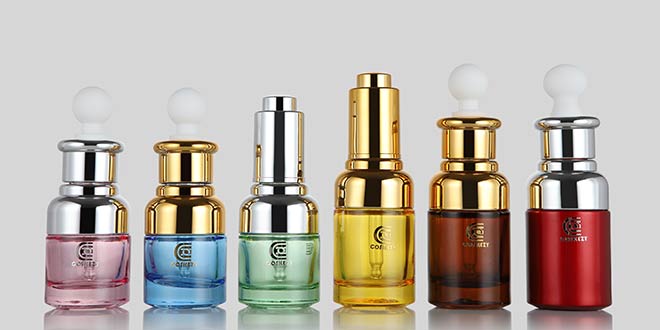
Atomizer spray bottles remain the global benchmark for 1.0 oz cologne, delivering a fine mist that mirrors the experience of standard-size fragrances. Their durable construction—typically glass or coated metals—conveys a premium impression ideal for both high-traffic retail and upscale gifting in regions such as Europe or the Middle East. B2B buyers should assess atomizer pump quality, compatibility with diverse fragrance formulations, and sealing performance—especially crucial for export across hot or humid climates. Custom branding options like color gradients or embossing further support retail differentiation, but they generally involve higher minimum order quantities and stricter quality inspections.
Rollerball
Rollerball bottles feature a compact, leak-resistant design with a rolling applicator, catering to direct skin application and on-the-go use. Particularly suited for oil-based or more viscous cologne formulations, these packages are popular for gift packs and promotional campaigns in emerging markets like South America and Africa. Purchasing teams must evaluate the consistency of ball movement, cap fit, and resistance to leaks under varied logistical conditions. While less versatile than atomizers, rollerballs open unique marketing avenues for brands looking to differentiate with tactile, personal-use formats.
Mini Glass Vial
Mini glass vials are essential for cost-effective sampling, discovery sets, and mass promotional initiatives. Their minimalist structure allows for bulk shipment and rapid filling, supporting large-scale B2B efforts, especially for entry into new or price-sensitive markets. While they offer limited surface area for branding, cost and speed-to-market advantages can be leveraged by pairing vials with printed collateral or high-impact outer packaging. For B2B buyers, prioritizing quality seals and batch consistency is vital to safeguard both product and reputation.
Aluminum Bottle
Aluminum bottles combine shatterproof performance with effective protection against light and temperature, targeting premium markets and duty-free channels where durability and preservation of fragrance quality outweigh added cost. Their lightweight construction and recyclability align with sustainability initiatives, which are increasingly prioritized by top brands, especially in the EU and affluent Middle Eastern markets. Buyers should partner with specialized suppliers capable of achieving consistent finishes and secure, regulatory-compliant closure systems, as surface decoration on metal is more technically demanding.
Refillable Cartridge
Refillable cartridge systems represent the cutting edge in sustainable fragrance packaging, offering modularity that enables users to swap or refill internal vials. This format appeals to luxury and eco-conscious buyers, supporting loyalty programs and ongoing engagement—key for high-end or bespoke offerings in Europe and select Middle Eastern locales. However, B2B buyers must navigate greater sourcing complexity around system compatibility, tamper evidence, and certification, particularly for compliance with evolving regulations on reusable containers. Upfront investment is higher, but the long-term brand equity and differentiation potential are substantial.
Related Video: Mercedes Models Explained (2020 model range) | Let Me Explain
Key Industrial Applications of 1.0 oz cologne
| Industry/Sector | Specific Application of 1.0 oz cologne | Value/Benefit for the Business | Key Sourcing Considerations for this Application |
|---|---|---|---|
| Beauty & Personal Care | Miniature perfume and personal fragrance launches | Supports sampling, travel retail, gifting, and impulse sales | Material quality, brand customization, regulatory compliance, shelf appeal |
| Hospitality & Travel | Guest amenities in hotels, airlines, and cruises | Elevates guest experience, reinforces brand image, reduces waste | Bulk order efficiency, packaging durability, hygiene standards |
| Retail & Duty-Free | Premium travel-size and gift sets | Maximizes shelf efficiency, meets travel liquid restrictions | Leak-proof design, international labeling, certifications |
| Corporate Promotions | Branded giveaways and corporate gifting | Boosts brand visibility, fosters loyalty with high perceived value | Custom branding, cost efficiency, logistics for mass distribution |
| Luxury & Specialty Markets | Bespoke and limited-edition fragrance offerings | Enables exclusivity, targets niche consumers, enhances brand equity | Short production runs, high-end packaging, anti-counterfeit measures |
Beauty & Personal Care
In this sector, 1.0 oz cologne bottles are ideal for sample programs, travel-ready launches, and targeted campaigns, especially as consumers in Africa, South America, the Middle East, and Europe seek portability and premium experiences. Brands leverage these bottles for customer acquisition via sampling or for convenient retail in high-traffic locations. For B2B buyers, ensuring high-quality atomizers, robust branding options, and adherence to regional fragrance regulations is key to optimizing user experience and market suitability.
Hospitality & Travel
Luxury hotels, airlines, and cruise operators frequently include 1.0 oz cologne in their amenities kits to enhance guest satisfaction and loyalty. Small-format colognes minimize waste, comply with transportation mandates, and reinforce a property’s premium positioning. B2B buyers must focus on sourcing durable, hygienic bottles that can withstand global supply chain rigors, ensure consistent fragrance quality, and seamlessly integrate hospitality branding or sustainability messaging for discerning clientele.
Retail & Duty-Free
Retailers and duty-free shops exploit the 1.0 oz format’s convenience to attract impulse buyers in airports and transit hubs. These bottles fulfill travel-size regulations, simplify logistics, and support themed gift sets critical for seasonal sales peaks. For importers and procurement specialists, choosing leak-resistant, internationally compliant packaging with clear labeling is vital to prevent regulatory delays and meet the expectations of travelers across diverse geographies, including Europe and Latin America.
Corporate Promotions
Global businesses utilize customizable 1.0 oz cologne bottles for promotional giveaways and executive gifts, leveraging their premium perception and versatility. These applications drive brand recognition and customer engagement at scale—particularly effective in corporate events or loyalty programs prevalent in growing African, Middle Eastern, and European markets. Buyers should prioritize suppliers offering competitive pricing for bulk orders, precise logo application, and smooth logistics for international distribution.
Luxury & Specialty Markets
Boutique fragrance houses and high-end retailers deploy 1.0 oz cologne bottles for exclusive, limited-release products and personalized gifting. This format enables agile product introductions tailored to local preferences or trends, appealing to sophisticated consumers in Europe, the Middle East, and rapidly urbanizing regions of South America and Africa. For buyers, the focus must be on boutique-scale manufacturing, eye-catching luxury finishes, and robust anti-counterfeiting measures to protect brand integrity in premium segments.
Strategic Material Selection Guide for 1.0 oz cologne
Material Analysis for 1.0 oz Cologne Packaging
Selecting the optimal material for 1.0 oz cologne bottles is a strategic decision that directly shapes product integrity, regulatory compliance, consumer appeal, and supply chain performance. Below, we examine the most common materials—glass, aluminum, polypropylene (PP) plastic, and polyethylene terephthalate (PET) plastic—through a B2B lens, highlighting considerations that are particularly salient for buyers in Africa, South America, the Middle East, and Europe.
Glass
Key Properties:
Glass offers superior chemical inertness, high clarity, and excellent barrier protection against oxygen and moisture, which are essential for preserving fragrance quality over time. It withstands broad temperature fluctuations but is sensitive to mechanical shocks.
Pros:
– Premium look and feel; supports diverse decoration (printing, embossing, coating).
– Non-reactive with most fragrance compositions, ensuring formula stability.
– Readily accepted by global regulators (complies with ASTM, DIN, and most local standards).
Cons:
– Fragile and heavier than alternatives, increasing breakage risk and transportation cost.
– Energy-intensive to manufacture and recycle.
– Requires careful handling in hot climates or in regions with challenging logistics.
Application Impact:
Glass is ideal for high-end fragrances and markets where luxury presentation is paramount. Its chemical resistance ensures compatibility with alcohol- or oil-based formulas.
International Considerations:
Stringent standards (like EU REACH) generally favor glass for cosmetics, but buyers in Africa and South America must account for packaging durability during transit on less-developed infrastructures. Clear recycling streams in the EU make end-of-life management easier; less so in other regions.
Aluminum
Key Properties:
Aluminum is lightweight, strong, and provides robust light and UV protection—crucial for fragrances sensitive to oxidation or photodegradation. It withstands humidity and high temperatures.
Pros:
– Shatterproof and easy to transport; advantageous for e-commerce and travel retail.
– Excellent recyclability with growing consumer preference for eco-responsibility.
– Can be internally lacquered to prevent metal-fragrance interaction.
Cons:
– Can limit bottle shape/design complexity and decorative options compared to glass.
– Requires internal coatings to protect sensitive formulas.
– Higher unit price than standard plastics.
Application Impact:
Favored for travel, luxury lines, and emerging eco-friendly product ranges; supports both spray and roll-on mechanisms.
International Considerations:
Aluminum’s resilience is valuable in hot climates (Middle East, Africa) and is aligned with EU sustainability goals. Importers should verify coatings meet local safety standards (e.g., BPA-free per EU directive, FDA for US re-exports).
Polypropylene (PP) Plastic
Key Properties:
PP plastic provides chemical resistance, good impact strength, and maintains stability across a reasonable temperature range (-20°C to ~100°C). It is lightweight and economical.
Pros:
– Cost-effective and easy to mold, allowing rapid mass production.
– Low risk of shattering; supports leak-proof design.
– Often used for caps and dispensing components due to machinability.
Cons:
– Less premium appearance; can feel lightweight or less sturdy.
– Limited resistance to certain perfume solvents, potentially affecting long-term compatibility.
– Environmental perception concerns—PP is less favored in sustainability-conscious markets.
Application Impact:
Commonly used in value-oriented products, travel kits, samples, and inner components (e.g., roll-on applicators). Suitable for less aggressive fragrance bases.
International Considerations:
Buyers in Europe may face stricter scrutiny on plastics use and require third-party certification (e.g., food contact, REACH). South American and African buyers often use PP for cost-sensitive segments, balancing function and affordability.
Polyethylene Terephthalate (PET) Plastic
Key Properties:
PET offers strong barrier properties, excellent clarity, and is lighter than glass. It is resistant to cracking and compatible with a wide range of fragrance types.
Pros:
– Very lightweight; optimizes shipping and handling costs.
– High transparency enhances shelf appeal and product visibility.
– Increasingly recyclable and accepted under global sustainability frameworks (commonly recycled in Europe and South America).
Cons:
– Not as chemically inert as glass; may be unsuitable for highly concentrated alcohol or oil blends.
– Scratches more easily; can yellow with prolonged UV exposure.
– Perceived as less “luxurious” by some customer segments.
Application Impact:
Best for mid-market retail, travel-focused products, and mass sampling campaigns. A good compromise between appearance, durability, and cost.
International Considerations:
PET is widely recognized in international packaging regulations (e.g., meets many standards such as EU 10/2011, FDA). For buyers in Africa and Latin America, PET’s low weight reduces logistics costs. Brand positioning may need adjustment in luxury European markets.
Material Selection Summary Table
| Material | Typical Use Case for 1.0 oz cologne | Key Advantage | Key Disadvantage/Limitation | Relative Cost (Low/Med/High) |
|---|---|---|---|---|
| Glass | Premium retail packaging, luxury gifting, sampling | Chemically inert, premium appearance | Fragile; higher logistics cost; energy-intensive production | Med–High |
| Aluminum | Travel retail, duty-free, eco/luxury lines | Shatterproof & lightweight; UV protection; sustainable | Limited decorative options; needs internal coating | Med–High |
| Polypropylene (PP) | Caps, roll-on bottles, budget-friendly products | Low cost, good impact resistance | Less premium look; lower solvent resistance; environmental concerns | Low–Med |
| Polyethylene Terephthalate (PET) | Mass sampling, travel kits, mid-tier retail | Lightweight, transparent, widely recyclable | Lower chemical resistance vs. glass; scratches/yellows; less luxury | Low–Med |
In-depth Look: Manufacturing Processes and Quality Assurance for 1.0 oz cologne
Overview of the 1.0 oz Cologne Manufacturing Workflow
The production of 1.0 oz cologne, particularly for export-oriented B2B applications, combines precision manufacturing with rigorous quality controls. For buyers in Africa, South America, the Middle East, and Europe, understanding each stage in this process is crucial to ensure product integrity, compliance, and market alignment. The workflow typically consists of the following main stages: raw material preparation, container forming, filling and assembly, finishing, and packaging. Each stage incorporates specific techniques and checkpoints to minimize risks and uphold consistent standards.
Key Stages in 1.0 oz Cologne Manufacturing
1. Raw Material Preparation
- Glass and Plastic Procurement: Bottles are primarily made from glass (for premium/luxury positioning) or high-grade plastics such as PET or acrylic (for cost-effectiveness and lightweight applications). Aluminum is also utilized for specialty requirements.
- Fragrance Compounding: Fragrance oils, solvents (like ethanol), and water are blended in controlled environments. For export, all ingredients must comply with IFRA (International Fragrance Association) and various regional chemical safety standards.
2. Bottle Forming and Decoration
- Glass Bottling: Automatic forming processes—such as blow-and-blow or press-and-blow techniques—ensure precise bottle weights and shapes. For plastics, injection-blow molding is standard.
- Surface Decoration: Bottles can be painted, color-coated, frosted, or foil-stamped. Branding and regulatory labeling are completed via screen printing, hot stamping, or adhesive labels. For aluminum options, powder coating or laser engraving may be used.
- Inspection: Visual and dimensional inspections for defects (e.g., bubbles, cracks, warping) are conducted before bottles progress to filling lines.
3. Filling, Assembly, and Sealing
- Filling Technology: Automated filling lines use volumetric or gravimetric fillers for high accuracy at small volumes (1.0 oz ≈ 30ml). Cleanroom conditions may be required depending on target markets and regulatory obligations.
- Assembly Components: Atomizer sprays, rollerballs, or screw/crimp caps are fitted. Each component is selected for compatibility with the fragrance formulation and market preferences.
- Leak-Proof Testing: Routine pressure or vacuum leak tests ensure fluid retention under shipping and storage stresses.
4. Finishing and Packaging
- Branding Elements: Final decorative touches—such as embossing, labeling, or insertion into custom-designed cartons—enhance shelf appeal and brand recognition.
- Grouping and Cartoning: Bottles are collated in shipping cartons with appropriate separators. For B2B exports, secondary packaging often includes multilingual instructions and regulatory documentation.
Quality Control Framework & Key Checkpoints
Meeting stringent international expectations requires robust, documented quality control throughout fabrication and assembly. The primary checkpoints include:
Incoming Quality Control (IQC)
- Component Inspections: Visual and mechanical checks on raw materials (glass, plastics, pumps, closures) for compliance with acceptance criteria.
- Certification Validation: Verification of supplier certificates for material safety (e.g., RoHS, REACH for Europe; ANVISA for Brazil; SASO for Saudi Arabia).
In-Process Quality Control (IPQC)
- Line Inspections: Continuous observation of molding, filling, and assembly for deviations.
- Critical Parameter Monitoring: Real-time checking of fill volumes, torque on closures, atomizer functionality, and applicator fit.
Final Quality Control (FQC)
- Batch Sampling: Finished cologne bottles are sampled and subjected to stress (drop) tests, leak integrity inspections, and olfactory trials (to assure scent consistency).
- Documentation: Comprehensive batch records and certificates of analysis accompany shipments to assure traceability.
Industry Standards & Regulatory Considerations
Adherence to globally recognized quality and safety standards is not only a competitive advantage but a legal necessity for international exports.
- ISO 9001 (Quality Management): Most reputable manufacturers operate ISO 9001-certified systems, underpinning reliable processes and consistent documentation.
- Good Manufacturing Practice (GMP): Particularly relevant for products entering European and Middle Eastern cosmetic markets. Buyers should request GMP certification or evidence of equivalent protocols.
- CE Marking: For cologne products distributed in Europe, packaging and components must meet CE marking requirements, where applicable, ensuring product safety.
- Market-Specific Certificates:
- Europe: REACH and CLP compliance for chemical content and hazard labeling.
- Brazil (ANVISA): Registration and compliance with national cosmetic regulations, including ingredient disclosures.
- Middle East (GCC Standardization Organization): Specific labeling, shelf life, and packaging standards.
- Africa: Comply with country-specific standards (e.g., SON in Nigeria, KEBS in Kenya) and ensure language/localization requirements are met.
Common Testing Methods for Assurance
- Physical Testing: Drop, vibration, and compression tests simulate logistics stresses.
- Leakage & Seal Integrity: Pressure or vacuum tests on closures/atomizers.
- Compatibility Tests: Evaluate bottle and fragrance interaction over time to prevent discoloration, odor alteration, or leaching.
- Microbial Contamination Checks: Particularly essential for water-based fragrances or products intended for high-humidity markets.
- Stability & Shelf-Life Testing: Accelerated aging tests validate fragrance longevity and packaging resilience.
Supplier Evaluation & Ongoing Verification
To mitigate risks in international supply chains, B2B buyers should implement structured supplier vetting. Actionable steps include:
- Quality Audits: Conduct pre-engagement audits—either in-person or via third-party agencies (e.g., SGS, Intertek)—to assess manufacturing environments and documentation.
- Sample Approvals: Require approval of pre-production samples and first-production runs. Insist on detailed QC reports and material certificates.
- Periodic Inspections: Engage third-party inspectors for in-line or pre-shipment checks. These can include random sampling and on-site functional testing of atomizers, rollerballs, and closures.
- Ongoing Certifications Monitoring: Request updated certificates (ISO, GMP, REACH, etc.) with each order to ensure continued compliance, especially when supplying regulated markets.
Regional Nuances and Best Practices for International B2B Buyers
- Africa: Exporters should adapt QC documentation to meet varying levels of regulatory oversight. Developing markets may demand more buyer-driven audits or even partnership with local labs for independent verification.
- South America (e.g., Brazil, Argentina): Regulatory approvals (ANVISA, INAL) can be complex; early engagement and clear communication with suppliers about documentation, labeling, and ingredient requirements are crucial.
- Middle East: Halal certification, Arabic labeling, and GCC-wide safety standards frequently apply. Verification of these requirements must be built into supplier evaluation and final QC stages.
- Europe: Emphasis on REACH, CLP, and CE mark. Sustainability and recyclability are increasingly scrutinized, especially for brand positioning and import approvals.
Proactive Communication: Maintain open channels with suppliers for updates regarding regulatory changes. Request documented corrective action plans for any QC failures or production deviations.
Actionable Takeaways for B2B Buyers
- Insist on ISO 9001 and GMP-certified suppliers.
- Integrate third-party or in-house inspections at critical stages (IQC/IPQC/FQC).
- Maintain a documented trail of all QC reports, certificates, and sample approvals.
- Customize QC and regulatory requirements for each target market, particularly for high-growth or tightly regulated regions.
- Schedule regular supplier reviews and swiftly address any non-conformance issues to sustain brand equity and market compliance.
By mastering the manufacturing and quality control intricacies of 1.0 oz cologne, international B2B buyers can confidently deliver premium, compliant, and competitive fragrance products to global markets.
Related Video: Nissan PRODUCTION LINE 🇯🇵 Japanese Mega Car Factory
Comprehensive Cost and Pricing Analysis for 1.0 oz cologne Sourcing
Understanding the B2B Cost Structure for 1.0 oz Cologne
A thorough cost breakdown is crucial for international buyers seeking to secure competitive pricing while maintaining product integrity in the 1.0 oz cologne segment. The landed cost for each unit is shaped by a blend of direct production expenses, supplier strategy, and region-specific logistical complexities. Below, key cost components and their drivers are outlined to empower sourcing teams to optimize negotiations and overall expenditure.
Key Cost Components
-
Raw Materials: The primary material costs include glass, plastic, or aluminum bottles; dispensing mechanisms (spray or rollerball); fragrance concentrates; and packaging (primary and secondary). Material choice significantly impacts costs—aluminum and thick-walled glass command a higher price premium compared to standard glass or plastic options.
-
Labor: Labor expenses span manual assembly, filling, quality control, and packaging. Labor rates differ by country of origin; manufacturing in cost-competitive regions (e.g., China, Turkey) can reduce unit costs but may impact lead times or minimum order quantities (MOQs).
-
Manufacturing Overhead & Tooling: Tooling setup, mould maintenance, and factory overhead (utilities, depreciation) are typically amortized over large batches. Unique bottle shapes, embossing, or specialty finishes incur higher upfront tooling fees, generally reflected in MOQ or per-unit price increases.
-
Quality Control (QC): Robust QC protocols are mandatory, particularly for exports to regulated markets such as Europe and the Middle East. Additional costs arise for third-party inspections, documentation, and batch testing to ensure product safety and compliance.
-
Logistics & Freight: Transportation costs—including inland haulage, ocean or air freight, insurance, and customs duties—can represent 15–30% of total landed cost for African and South American importers, often due to limited direct shipping routes and higher import tariffs.
-
Supplier Margin: Final B2B pricing incorporates supplier profit margins, varying based on production complexity, order size, and strategic partnerships.
Price Influencers for International Buyers
-
Volume & Minimum Order Quantities (MOQ): Per-unit prices decrease as volume increases, due to fixed cost dilution and supplier willingness to offer tiered pricing. Buyers in emerging markets with restricted capital may need to negotiate flexible MOQs to avoid overstocking.
-
Product Specifications & Customization: Custom bottle designs, premium finishes, or eco-friendly features can add 10–30% to baseline costs. Balance branding ambitions with unit economics for market-fit SKUs.
-
Material Selection: Choice of bottle and cap materials directly impacts cost and perceived value. For example, opting for recycled glass or aluminum appeals to eco-conscious consumers but increases input and certification expenses.
-
Quality & Certification Requirements: Attaining ISO, REACH, or other certifications enhances market acceptance but incurs additional fees for compliance and documentation, especially for buyers targeting the EU or GCC countries.
-
Supplier Location & Scale: Proximity to raw materials, production scale, and vertical integration affect lead times, freight costs, and potential for supply chain disruptions. Diversifying suppliers mitigates risk but may limit cost savings from volume consolidation.
-
Incoterms & Payment Terms: Whether purchase agreements are FOB, CIF, or DDP significantly affects who bears freight and insurance. Favourable payment terms (e.g., 30-60 days credit) enhance cash flow but may require stronger buyer credentials.
Insider Tips for B2B Buyers Seeking Cost Efficiency
-
Benchmark Total Cost of Ownership: Don’t focus solely on per-unit price. Calculate the full landed cost—including duties, transport, warehousing, and potential currency fluctuations—to compare suppliers on a like-for-like basis.
-
Negotiate Bundled or Value-Add Offers: Request value-adds such as free QC reports, basic customization, or consolidated shipments, particularly for first-time or high-volume orders.
-
Explore Local Partnerships: For buyers in Africa or South America, consider regional contract packaging partners. While base production might be offshore, undertaking final assembly or filling locally can reduce duties and boost market responsiveness.
-
Address Regulatory Nuances Early: Proactively request documentation and certifications aligned to the target market. Early engagement with customs agents and import advisors in key regions like Brazil, the EU, and the Gulf ensures smoother product entry and reduces unexpected delays or fines.
-
Leverage Incoterm Flexibility: Match Incoterms to your in-market logistics capacity. Less-experienced importers may benefit from CIF/DDP terms to minimize risk, while established distributors can trim costs by managing freight and clearance independently.
-
Assess Supplier Stability: Given global material price volatility, favor suppliers who offer price locks or indexed clauses for longer-term agreements.
Disclaimer: All cost ranges and pricing benchmarks are indicative only and subject to dynamic market conditions, currency fluctuations, and supplier capabilities. Conduct independent due diligence and seek up-to-date quotations before finalizing procurement decisions.
Spotlight on Potential 1.0 oz cologne Manufacturers and Suppliers
This section offers a look at a few manufacturers active in the ‘1.0 oz cologne’ market. This is a representative sample for illustrative purposes; B2B buyers must conduct their own extensive due diligence before any engagement. Information is synthesized from public sources and general industry knowledge.
I Tested 1 Oz of Cologne: My Ultimate Guide to Finding the Perfect Scent (ethosremote.com)
I Tested 1 Oz of Cologne: My Ultimate Guide to Finding the Perfect Scent, based at ethosremote.com, is a specialized review-driven supplier and evaluator within the 1.0 oz cologne sector. The company curates a focused portfolio of high-demand fragrance brands, such as Versace Eros and Acqua di Gio, emphasizing the practical and commercial advantages of 1.0 oz formats. Their expertise lies in directly testing and providing detailed feedback on product longevity, scent strength, and packaging durability—critical factors for B2B buyers in international distribution, travel retail, and gifting segments.
I Tested 1 Oz of Cologne stands out for its transparent, results-based approach, which enables procurement teams to make informed purchasing decisions based on real-world performance. While formal certifications and large-scale manufacturing capabilities are not explicitly highlighted, the company’s practical orientation and market insight are advantageous for buyers across Africa, South America, the Middle East, and Europe seeking verified, consumer-preferred 1.0 oz fragrance products.
How Big Is 1 Oz Perfume? (fragranceseekers.com)
Fragranceseekers.com positions itself as a manufacturer and supplier focused on compact fragrance solutions, notably specializing in the production and global distribution of 1.0 oz cologne bottles. Their standard 1 oz bottle typically measures around 3.5 inches in height and 1 inch in diameter, ensuring portability—a key advantage for travel retail, gifting, and daily personal use demanded by international markets. The company’s expertise appears to center on delivering uniform, travel-friendly packaging that aligns with consumer trends in convenience and compliance with global carry-on regulations. While detailed information on certifications or advanced manufacturing processes is limited, they are recognized in the sector for providing consistent and reliable sizing. This reliability makes them an accessible partner for B2B buyers seeking straightforward, ready-to-market 1 oz cologne packaging with broad market adaptability.
How Big is 1.0 Oz of Perfume (www.groomingwise.com)
How Big is 1.0 Oz of Perfume, accessible via groomingwise.com, is recognized for supplying a diverse range of fragrance products, notably specializing in standardized 1.0 oz (30 ml) cologne and perfume formats. The company emphasizes compatibility with industry preferences across Eau de Toilette and Eau de Parfum, catering to clients who demand compact, travel-ready bottles with robust scent concentrations. Although detailed public information about manufacturing certifications or specific production facilities is limited, their product lineup suggests a firm grasp of international sizing standards—crucial for B2B buyers navigating regulations and market expectations in regions such as Africa, South America, the Middle East, and Europe. Their flexibility in offering various perfume types and sizes positions them as a practical option for importers, distributors, and private label brands seeking versatile solutions for both mass-market and premium applications.
Quick Comparison of Profiled Manufacturers
| Manufacturer | Brief Focus Summary | Website Domain |
|---|---|---|
| I Tested 1 Oz of Cologne: My Ultimate Guide to Finding the Perfect Scent | Performance-tested 1.0 oz cologne recommendations | ethosremote.com |
| How Big Is 1 Oz Perfume? | Consistent, portable 1 oz cologne solutions | fragranceseekers.com |
| How Big is 1.0 Oz of Perfume | Specializes in standardized 1.0 oz fragrance bottles | www.groomingwise.com |
Essential Technical Properties and Trade Terminology for 1.0 oz cologne
Key Technical Specifications for 1.0 oz Cologne: What B2B Buyers Must Evaluate
Savvy international buyers know that subtle technical differences can greatly impact both performance and market acceptance of a 1.0 oz cologne. Assessing these core specifications ensures product quality, regulatory alignment, and end-user satisfaction, especially when navigating customs or diverse retail channels in Africa, South America, the Middle East, and Europe.
1. Material Grade and Compatibility
The bottle’s material—glass, aluminum, or specialized plastics—directly affects product integrity and perceived value. For colognes, material must be inert (non-reactive) to prevent fragrance alteration or contamination. Glass is favored for luxury cues and chemical resistance, while food-grade plastics and coated aluminum are best for durability and lighter logistics. Importers should request compliance documentation (such as EU REACH or FDA food-contact certifications) as proof of suitability.
2. Tolerance and Fill Accuracy
Tolerance defines how precisely the bottle can be filled to its nominal 1.0 oz (about 30 mL) volume—a crucial issue for regulatory limits and consumer trust. Top suppliers ensure fill volume deviations stay within a tight range (±1-2%) to avoid overfilling (raising costs) or underfilling (risking penalties or customer complaints). This is critical for markets with strict inspection regimes or unit-dose requirements.
3. Dispensing Mechanism Quality
Critical for performance, the choice and engineering of the spray pump or rollerball must guarantee leak resistance, consistent dosage, and a premium user experience. Thorough testing for spray consistency, actuator smoothness, and seal reliability is recommended, especially for shipments traversing hot or humid climates. Durable mechanisms reduce returns and bolster your reputation in competitive markets.
4. Closure System Seal Strength
The design and material of the cap or closure (typically crimp, snap-on, or threaded) affect leak-proofing and tamper evidence. A robust seal reduces product loss during transit, minimizes rejection risks during customs checks, and assures end-users of authenticity. For B2B buyers, request leak-proof and drop-test data from manufacturers to support safe importation and confident distribution.
5. Customization and Decor Capability
For brands targeting different regions or high-end segments, surface decoration—such as silk-screen printing, metalizing, or hot-stamping—is key to differentiation. Some materials or designs have limitations; for example, intricate logos may require glass, while some finishes are challenging on aluminum. Assess a supplier’s portfolio and prior export track record for your desired market to ensure consistent results.
Must-Know Industry and Trade Terms
Understanding industry language accelerates negotiations and clarifies supplier expectations—critical for buyers managing cross-border supply chains and complex tenders.
-
OEM (Original Equipment Manufacturer): A supplier that produces components or finished goods to your brand’s specifications, often allowing for full customization of bottles, closures, and packaging. Partnering with a reputable OEM enables private-label launches tailored for local preferences and compliance.
-
MOQ (Minimum Order Quantity): The smallest batch a manufacturer will accept per order. High MOQs can hinder smaller importers or those testing new markets. Negotiating minimums based on geographical region, product customization, or phased deliveries can unlock better terms and reduce working capital strain.
-
RFQ (Request for Quotation): A standard procurement document sent to suppliers, outlining your technical/spec needs (material, closure type, decoration, transport requirements, etc.) to receive formal pricing proposals. Clear, detailed RFQs streamline comparisons and prevent costly misunderstandings.
-
Incoterms (International Commercial Terms): Globally recognized shipping and delivery terms—such as FOB (Free On Board), CIF (Cost, Insurance and Freight), or DDP (Delivered Duty Paid)—that define where risk, insurance, and transportation costs shift between seller and buyer. Knowing your preferred Incoterm supports accurate landed cost calculations and minimizes customs disputes.
-
Lead Time: The period from order confirmation to final shipment. Bottlenecked lead times can impact launch schedules and inventory planning. Verify supplier lead times (production + shipping + customs clearance) for the destination region and factor in holidays, port congestion, and regulatory bottlenecks.
-
Quality Control (QC) Inspection: Pre-shipment checks for specifications, packaging integrity, and regulatory compliance—a best practice to catch defects before products leave the factory. Third-party QC is especially critical for buyers importing to regions with variable infrastructure or different compliance standards.
Actionable Insights for International B2B Buyers
- Request detailed technical datasheets and relevant compliance certificates from suppliers before finalizing orders, especially for products destined for regulated markets like the EU, Brazil, or the GCC.
- Align your RFQs with desired Incoterms and lead times to minimize surprises in transit or at customs.
- Engage in proactive discussions on MOQs and customization needs early in supplier negotiations to adapt quickly to market trends or seasonal surges.
- Utilize third-party QC services for initial batches or new supplier relationships to safeguard quality and support claim resolution should issues arise.
These technical and trade fundamentals equip global buyers with the tools to negotiate confidently, mitigate supply risks, and deliver products that satisfy market-specific demands.
Navigating Market Dynamics, Sourcing Trends, and Sustainability in the 1.0 oz cologne Sector
Market Overview & Key Trends
Demand for 1.0 oz cologne in global B2B channels has grown steadily, propelled by evolving consumer preferences towards mobility, premium miniaturization, and gifting. Smaller formats like the 1.0 oz size are especially attractive in international markets due to their ability to meet travel regulations and fit recent trends toward convenience. Duty-free operators, boutique retailers, and e-commerce platforms across Africa, South America, the Middle East, and Europe are capitalizing on these trends, responding to increased urbanization, a rising middle class, and expanded air travel. For example, African and South American beauty sectors are seeing explosive online growth, while GCC countries and European markets emphasize luxury and compliance with stringent safety standards.
Among the most pronounced B2B sourcing trends are enhanced customization, short-run production, and rapid reactivity to local market preferences. Suppliers are increasingly offering bespoke bottles, color finishes, and regional branding to help buyers stand out in competitive retail environments. In parallel, there is a robust move towards automation in filling, packaging, and quality assurance processes, which encourages faster turnaround and more consistent quality—vital when shipping across long international supply chains or entering new distribution channels.
Buyers from regions such as Brazil and Argentina often prioritize reliability in logistics and pricing, given the volatility in currency and import duties. Meanwhile, Middle Eastern buyers focus on heat- and light-resistant packaging materials, and European importers demand strict adherence to REACH and other chemical safety frameworks. Across all markets, risk mitigation—via diversified supplier bases, strategic stockpiling, and local regulatory partnerships—has become central to sourcing strategies, particularly as raw material cost fluctuations and political uncertainty impact lead times.
Sustainability & Ethical Sourcing in B2B
Sustainability has moved from a marketing differentiator to a procurement necessity in the 1.0 oz cologne sector. B2B buyers now face mounting pressure from regulators, end consumers, and brand partners to address the full environmental impact of their sourcing and supply chain practices. Key concerns include material circularity (especially with plastics and metals), reduction of excess packaging, and energy consumption in manufacturing.
Notably, sustainable material innovations—such as recycled PET, biodegradable plastics, and lightweight glass—are becoming standard offerings among leading bottle suppliers. Aluminum, prized for its recycling profile and durability, also supports eco-friendly positioning and is gaining preference in regions with mature recycling infrastructure, such as Europe and the Middle East. Buyers are increasingly expected to request and verify certifications such as FSC (for paper labels/boxes), ISO 14001 (environmental management), and local equivalents to validate sustainability claims.
Ethical sourcing is another pillar of due diligence. Responsible B2B buyers routinely audit supply partners for fair labor practices, transparency across the extended value chain, and compliance with anti-corruption and environmental protection laws. For exporters into Europe or North America, compliance with the EU’s Supply Chain Act, as well as relevant conflict minerals and chemical safety directives, is essential to both legal operation and brand integrity.
In markets like Africa and South America, sourcing locally or regionally where feasible not only reduces carbon footprint but also supports economic development, providing a compelling ESG narrative. Transparent communication of green initiatives—whether via on-pack labeling or trade marketing—is increasingly necessary to win and retain B2B contracts, especially with multinational retailers and airline partners.
Brief Evolution/History: The 1.0 oz Cologne Format
The journey of the 1.0 oz cologne format reflects broader shifts in fragrance consumption and supply chain innovation. Originally a niche offering limited to sample vials and luxury miniatures, the format surged in global relevance with the rise of travel retail in the late 20th century. Security regulations (notably, liquid restrictions in airports) and changing travel habits emphasized the value of compact, portable fragrances, pushing manufacturers and brands to optimize the 1.0 oz format for both aesthetics and functional durability.
Advancements in bottle manufacturing, dispensing tech, and branding have allowed B2B purchasers to harness the format for mass market, premium, and specialty uses. Today, 1.0 oz cologne occupies a strategic position: bridging luxury and accessibility, responding to both regulatory pressures and modern consumer needs. For international buyers, understanding this evolution is key to anticipating future demand cycles, adopting leading-edge sourcing best practices, and sustaining competitive advantage in a dynamic, globalized market.
Related Video: How global markets are responding to a US court’s block on Trump’s tariffs | DW News
Frequently Asked Questions (FAQs) for B2B Buyers of 1.0 oz cologne
-
How can I effectively vet suppliers of 1.0 oz cologne for international trade?
Start by evaluating a supplier’s export experience, certifications (ISO, GMP, relevant chemical safety standards), and client references for international transactions—preferably within your region. Request recent quality audit reports, product samples, and details about supply-chain partners. For buyers in Africa, South America, and the Middle East, prioritize suppliers familiar with local regulatory frameworks and capable of supporting language and documentation requirements. Conduct video calls and, when feasible, arrange third-party or independent onsite inspections to verify production capabilities and compliance. -
What types of customization are feasible for 1.0 oz cologne bottles, and how do I manage minimum order quantities (MOQs)?
Most suppliers offer customization options such as exclusive bottle shapes, atomizer mechanisms, embossed logos, label printing, or secondary packaging. MOQs depend on the complexity of the customization and filling process—custom molds may require orders of several thousand units. For emerging markets or pilot projects, negotiate short runs using stock bottles with customized labels or caps. Engage suppliers early to clarify available options and explore sample runs for market validation before committing to large-scale orders. -
What are typical lead times and payment terms when sourcing 1.0 oz cologne internationally?
Lead times range from 4–8 weeks for custom projects and 2–4 weeks for stock items, subject to raw material availability and order volume. Payment terms generally include a deposit on order (30–50%) and balance on shipment. For new buyers or first orders, expect proforma payments or letters of credit; established relationships may allow for more favorable credit terms. Account for possible shipping delays—especially when importing to Africa or South America—by integrating buffer periods into your supply chain planning. -
How can I ensure quality assurance (QA) and compliance with international regulations?
Collaborate only with suppliers who provide full Certificates of Analysis (CoA), Material Safety Data Sheets (MSDS), and relevant export documentation. Confirm that the cologne composition and packaging materials comply with standards required in your target market (REACH in Europe, ANVISA in Brazil, SASO in Saudi Arabia, etc.). Arrange third-party laboratory testing for additional assurance, particularly if you plan large shipments or distribution to regulated channels. Recurrent QA audits and documented traceability underpin sustained quality and regulatory compliance. -
What logistics and documentation challenges should I anticipate when importing 1.0 oz cologne?
Expect complex documentation involving MSDS, SDS for flammable liquids, import licenses, and, in some regions, pre-shipment inspection certificates. Account for specialized hazardous materials (hazmat) handling—1.0 oz colognes containing alcohol may require air or sea freight compliance, particularly for African and Middle Eastern buyers. Establish whether your supplier or a nominated freight forwarder will handle customs clearance and last-mile delivery. Clearly outline Incoterms (e.g., FOB, CIF, DDP) in your contract to ensure all parties understand responsibility and costs. -
How should I address disputes or discrepancies in 1.0 oz cologne orders with international suppliers?
Mitigate risk by using clear, signed contracts specifying product quality, quantity, deadlines, and penalties for defects or delays. Document all correspondence, and insist on pre-shipment photos or videos, especially for custom-branded items. In case of disputes, begin with direct negotiation; if unresolved, escalate through trade associations, export councils, or use arbitration clauses included in the purchase agreement. Leveraging escrow or letter of credit payment methods also improves leverage in resolving quality or delivery issues across borders. -
Are there region-specific factors I should consider in packaging and regulatory adaptation for African, South American, Middle Eastern, or European markets?
Yes. Each market has unique consumer preferences, bottle and labeling requirements, and regulatory standards. For example, Brazil (ANVISA) and the EU (REACH, CLP) have strict composition and labeling requirements; Muslim-majority markets may need to avoid alcohol or require halal certification. Climate can affect packaging choices—opt for UV-resistant, leak-proof bottles in hotter regions. Collaborate with local partners or consultants to ensure full market adaptation and avoid costly compliance issues post-import. -
What sustainable and premium packaging trends should I be aware of when sourcing 1.0 oz cologne internationally?
Global demand is rising for recyclable, refillable, or biodegradable materials—especially aluminum bottles, glass atomizers, or modular refill systems. Premiumization is also key in duty-free and gifting sectors; focus on high-quality finishes, unique shapes, and elegant branding. Confirm with your supplier their willingness to implement sustainable solutions and verify claims (e.g., post-consumer recycled content, eco-certifications). Positioning your offerings with sustainability and luxury in mind can boost competitiveness in Europe and affluent urban markets elsewhere.
Strategic Sourcing Conclusion and Outlook for 1.0 oz cologne
As global demand for portable, premium, and customizable fragrance products accelerates, the 1.0 oz cologne format stands out as a pivotal solution for B2B buyers navigating the evolving beauty and personal care sectors. Key insights underscore that choosing the right bottle type, ensuring regulatory compliance, and vetting suppliers for quality and innovation are essential for building sustainable competitive advantage. Balancing factors such as material compatibility, dispensing mechanisms, and branding opportunities with robust logistics and cost optimization remains central to success—particularly for importers in Africa, South America, the Middle East, and Europe where market conditions, consumer preferences, and infrastructure can diverge significantly.
Strategic sourcing is no longer just about securing supply; it’s about forging partnerships that drive agility, resilience, and value creation throughout the product lifecycle. Businesses that prioritize supplier transparency, invest in sustainable and compliant packaging, and stay attuned to shifting consumer trends are better positioned to capture emerging opportunities—from duty-free travel retail in Brazil to e-commerce surges in the Middle East and luxury gifting in Europe.
Looking ahead, buyers should proactively monitor market developments, leverage technology for supply chain visibility, and seek continuous improvement in packaging solutions. Now is the time to elevate your sourcing strategy—align with trusted partners, champion innovation, and position your brand at the forefront of the global 1.0 oz cologne market.




 English
  Russian
  Spanish
  Italian
  Thai
Thai  French
  Arabic
  Portuguese
  Indonesian
  German